
1. The Rise of Julius Caesar and His Power in Gaul
The rise of Julius Caesar was not an accident or sudden political miracle, but the result of calculated ambition, military brilliance, and an extraordinary ability to turn conquest into political power. Before he ever stood on the edge of civil war against Rome itself, Caesar had already reshaped the Roman world through his campaigns in Gaul, transforming himself from a politically indebted aristocrat into one of the most powerful men in the Republic.
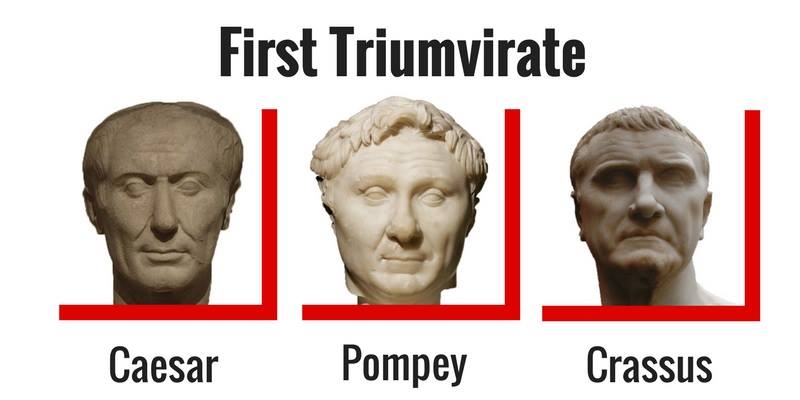
At the beginning of his career, Caesar was part of the First Triumvirate, an informal political alliance with Pompey and Crassus. This arrangement gave him the opportunity to secure a major military command in Gaul, a region that at the time was not fully under Roman control. For many senators, this appointment seemed convenient: Caesar would be kept far from Rome, busy with external wars rather than internal politics. However, this decision became one of the most consequential mistakes of the late Republic.
Once in Gaul, Caesar demonstrated exceptional military skill. Over the course of nearly a decade, he led a series of campaigns that expanded Roman territory significantly and brought vast wealth, soldiers, and prestige under his control. His forces fought against numerous Gallic tribes, many of which were highly skilled and deeply familiar with local terrain. Despite this, Caesar consistently adapted his strategies, using speed, engineering, and discipline to overcome opponents who often outnumbered him.
One of the most important aspects of Caesar’s rise was his ability to build loyalty within his army. Roman soldiers under his command were not just fighting for the state—they were increasingly loyal to Caesar himself. He shared the spoils of war generously, ensured his troops were well-compensated, and led from the front in battle. This created a deep sense of personal loyalty, meaning that his army was effectively more loyal to him than to the Senate in Rome. This would later become a critical factor in the civil war.
Caesar’s most famous campaign in Gaul culminated in the defeat of the Gallic resistance led by Vercingetorix. At the siege of Alesia, Caesar demonstrated his mastery of engineering and siege warfare by constructing massive defensive fortifications that trapped the Gallic forces inside the city while simultaneously defending against external relief armies. This victory effectively ended organized Gallic resistance and secured Roman dominance over the region.
The conquest of Gaul had three major consequences. First, it gave Caesar enormous wealth, which he used to fund his political ambitions. Second, it provided him with a highly experienced and loyal army. Third, it made him incredibly popular among Roman soldiers and segments of the Roman population who saw him as a successful and victorious commander. However, it also created fear among many senators, who began to see Caesar as a potential threat to the traditional Republican system.
As Caesar’s power grew, so did tensions with the Senate, particularly with his former ally Pompey. The Senate increasingly viewed Caesar’s popularity and military strength as dangerous. They feared that if he returned to Rome with his army intact, he would be able to dominate politics and potentially end the Republic. This growing suspicion set the stage for confrontation.
In conclusion, Caesar’s rise in Gaul was the foundation of everything that followed. It transformed him from a political figure into a military powerhouse, giving him the resources, loyalty, and confidence to challenge Rome itself. His success abroad directly created the conditions for civil war at home, making his later decision to march on Rome not just a political act, but the result of years of accumulated power and rising tension within the Republic.
Key Ideas
- Julius Caesar gained power through conquest in Gaul
- Part of the First Triumvirate with Pompey and Crassus
- Military campaigns expanded Roman territory and wealth
- Built strong personal loyalty from his legions
- Defeated Gallic resistance led by Vercingetorix
- Siege of Alesia showed engineering and tactical genius
- Gaul provided army, wealth, and political influence
- Senate grew fearful of Caesar’s rising power
- Tensions with Pompey and Senate increased
- Set the foundation for the coming civil war
2. The Growing Fear in Rome: Senate vs Julius Caesar
As Julius Caesar expanded his power during the Gallic Wars, the mood in Rome changed dramatically. What had once been pride in Roman expansion slowly turned into suspicion, anxiety, and political fear. At first, Caesar’s victories over the Gallic tribes were celebrated across the Republic. He had brought immense wealth, territory, and prestige to Rome, and many citizens admired him as a brilliant general. However, as his campaigns continued and his influence grew, a darker question began to dominate political discussions in the Senate: what would happen when Caesar returned to Rome with his army?
The core of the problem was that Caesar was no longer just a successful commander—he had become a political force backed by military power. By the end of his time in Gaul, he controlled a large, battle-hardened army that was not only experienced but also deeply loyal to him personally. This loyalty was not accidental. Caesar had led his troops through years of constant warfare, shared spoils generously, and consistently placed himself in danger alongside his soldiers. As a result, his legions did not simply fight for Rome—they fought for Caesar himself. This created a dangerous imbalance within the Roman system, which was designed to prevent any single individual from accumulating too much power.
At the same time, the Roman Senate began to divide into hostile political camps. Some senators still supported Caesar or at least respected his achievements, but a growing faction saw him as a direct threat to the Republican constitution. The Republic was built on the idea that no individual should hold unchecked authority. Annual elections, shared magistracies, and legal restrictions were meant to prevent exactly the kind of power Caesar now possessed. To his opponents, Caesar represented the collapse of these traditions.
Tensions were made worse by his relationship with Pompey the Great. Pompey had once been Caesar’s ally during the First Triumvirate, but their relationship deteriorated as Caesar’s influence grew. Pompey eventually aligned himself with the Senate, becoming its most powerful military supporter. This created a dangerous situation: Rome now had two competing military leaders, each with political backing and loyal supporters. The Republic was no longer unified—it was splitting into rival power blocs.
A key issue fueling Senate fear was Caesar’s legal situation. While he governed Gaul, he was protected from prosecution by his official command. However, that protection was temporary. Once his term ended, he would lose immunity and become vulnerable to political charges. Many senators openly discussed prosecuting Caesar for past actions, believing he had exceeded his authority during his time in office. Caesar understood this perfectly. If he returned to Rome as a private citizen, he could face trial, exile, or even destruction of his political career.
This created a dangerous standoff. The Senate demanded that Caesar disband his army before returning to Rome. From their perspective, this was necessary to restore normal Republican order. No general should be allowed to keep command of an army while entering politics in the city. However, from Caesar’s perspective, this demand was a direct threat to his survival. Without his army, he would be completely exposed to his political enemies. The situation became a mutual distrust spiral, where every action by one side increased fear in the other.
Behind the political conflict was a deeper structural crisis in the Roman Republic. The system had never been designed to handle individuals who combined military success, popular support, and political ambition on Caesar’s scale. In earlier generations, power was more evenly distributed, and no single figure could dominate both the army and the political system at the same time. Caesar broke this balance. His popularity among the people and soldiers gave him influence that could not easily be controlled by traditional institutions.
As negotiations failed, rhetoric in the Senate became more extreme. Some senators began to argue that Caesar should be declared a public enemy if he refused to comply. Others warned that allowing him to return with his army would effectively end the Republic. The atmosphere in Rome became increasingly tense, almost resembling a state of emergency. Political debate was no longer about policy—it was about survival and control.
Caesar, meanwhile, saw the situation very differently. He believed he was being unfairly targeted after years of service to Rome. From his perspective, the Senate was acting not as a guardian of the Republic but as a political faction trying to eliminate a rival. This belief strengthened his resolve and made compromise increasingly unlikely.
In conclusion, the growing fear in Rome was not simply about one man gaining power—it was about the collapse of trust between political institutions and military authority. Julius Caesar had become powerful enough to challenge the system, while the Senate was determined to protect it at any cost. The rivalry with Pompey the Great further polarized the Republic. By this stage, both sides believed the other posed an existential threat. The Republic was no longer functioning as a unified government—it was becoming a divided state on the edge of civil war.
Key Ideas
- Julius Caesar gained army loyalty + political power + wealth
- Senate feared collapse of the Roman Republic system
- Caesar’s legions were personally loyal to him
- Conflict intensified with Pompey the Great
- Caesar vulnerable to legal prosecution after his command ended
- Senate demanded he disband his army before returning
- Caesar feared political destruction without military protection
- Rome split into two rival power blocs
- Trust between Senate and Caesar completely broke down
- Crisis escalated toward inevitable civil war
3. The Final Breakdown Between Julius Caesar and the Republic
The final breakdown between Julius Caesar and the Roman Republic was not a sudden event, but the result of years of growing mistrust, political maneuvering, and institutional tension. By this stage, Rome was no longer functioning as a unified political system. Instead, it had become a deeply divided state where two opposing forces—Caesar and the Senate—viewed each other not as political rivals, but as existential threats.
At the heart of this collapse was the question of authority. Caesar had become one of the most powerful men in Roman history through his military success in Gaul, where he had built an army that was both experienced and personally loyal to him. The Senate, meanwhile, still represented the traditional structure of the Republic, where power was meant to be shared, temporary, and strictly controlled through laws and offices. The problem was that Caesar no longer fit into that system. His power came from military loyalty and popular support, not from the traditional Republican hierarchy.
As Caesar’s command in Gaul neared its end, the conflict became more urgent. The Senate demanded that he return to Rome and disband his army before entering the city. This demand was presented as a defense of Republican law, but Caesar saw it as a political trap. If he returned without his army, he would lose his only protection against his enemies in the Senate, many of whom were already preparing legal actions against him. The fear of prosecution was not abstract—it was very real. Roman politics was highly competitive and often ruthless, and Caesar knew that losing his command would leave him exposed.
The political atmosphere in Rome was becoming increasingly extreme. Supporters of Pompey the Great, who had once been Caesar’s ally, pushed the Senate toward a hardline position. Pompey himself had aligned with the Senate, becoming its leading military figure. This created a dangerous duality: Rome effectively had two powerful generals, each with armies, influence, and political backing. The Republic was no longer governed by consensus but by competing centers of power.
One of the most critical moments in this breakdown was the Senate’s willingness to consider extraordinary measures. Discussions began about declaring Caesar an enemy of the state if he refused to comply with their demands. This was not a normal political disagreement—it was the language of civil war preparation. At the same time, Caesar’s supporters warned him that surrendering his command would mean political destruction. Both sides began preparing for the possibility of armed conflict, even if they still publicly claimed to seek legal solutions.
The situation was further complicated by legal and constitutional ambiguity. Caesar’s position as governor of Gaul granted him immunity from prosecution while in office. However, once his term ended, that immunity would disappear. His opponents intended to prosecute him for alleged abuses of power and illegal actions during his command. Caesar understood that these charges were not just legal threats but political weapons designed to eliminate him from public life.
As negotiations continued, trust completely broke down. Every proposal from the Senate was interpreted by Caesar as a threat, and every action by Caesar was interpreted by the Senate as defiance. The political system of the Republic depended on shared trust and cooperation among elites, but that trust had now been completely destroyed. Instead of compromise, both sides prepared for confrontation.
At this stage, Rome was effectively split into two competing visions of authority. The Senate represented the traditional Republican order, based on law, shared governance, and institutional control. Caesar represented a new form of power based on military loyalty, personal leadership, and popular support. Neither system could fully coexist with the other under the existing political framework.
Public opinion in Rome was also divided. Some citizens admired Caesar’s achievements and saw him as a defender of Roman greatness. Others feared that he was becoming too powerful and would end the Republic’s traditions. This division added further instability, as political legitimacy was no longer unified.
In conclusion, the final breakdown between Julius Caesar and the Republic was the result of structural weakness, political fear, and institutional collapse. The Senate feared Caesar’s power, Caesar feared political destruction, and neither side trusted the other enough to compromise. The presence of Pompey the Great intensified the split, turning political rivalry into military confrontation. By this point, civil war was no longer a possibility—it was becoming inevitable.
Key Ideas
- Julius Caesar clashed with Senate over power and authority
- Caesar’s army was personally loyal, not Republican
- Senate demanded he disband his army before returning
- Fear of prosecution made Caesar feel politically trapped
- Rivalry intensified with Pompey the Great
- Senate considered declaring Caesar an enemy of the state
- Political system split into two competing power structures
- Trust between Caesar and Senate completely collapsed
- Republic shifted from political conflict to civil war conditions
- Breakdown made confrontation unavoidable
4. The Ultimatum: Return to Rome or Be Declared an Enemy
The confrontation between Julius Caesar and the Roman Senate reached its most dangerous point when a final ultimatum was issued: Caesar must return to Rome immediately without his army or be declared an enemy of the state. This moment was not just another political dispute—it was the point where diplomacy effectively ended and the path toward civil war became unavoidable.
By this stage, Caesar’s position in Gaul was approaching its legal conclusion. His command was expiring, and under Roman law, he was expected to return to Rome to account for his actions as governor and general. However, the Senate—led by his political opponents and supported by Pompey the Great—insisted on a strict condition: Caesar must disband his army before crossing back into Italy. This demand was framed as a defense of the Republic, but in practice, it placed Caesar in a position of extreme vulnerability.
From Caesar’s perspective, the ultimatum was not a neutral legal requirement but a political trap. If he returned without his army, he would lose the only source of real power he had. His enemies in the Senate were already preparing legal charges against him, and without military protection, he could be politically isolated, prosecuted, and possibly destroyed. The Senate’s demand effectively forced him to choose between submission and survival.
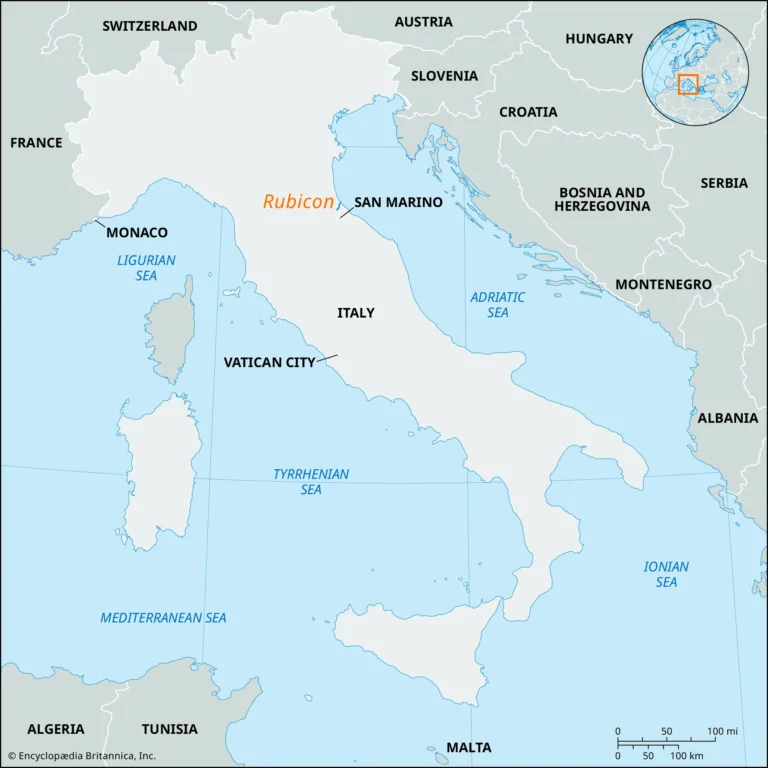
The situation was further complicated by the symbolism of Roman law regarding provincial boundaries. Caesar was stationed north of the Rubicon River, which marked the boundary between his province and Italy itself. According to tradition, no general was allowed to bring an army across this boundary. Doing so would be considered an act of rebellion against the state. The Senate knew this, and the ultimatum was designed to force Caesar into a position where any action he took could be interpreted as illegal or treasonous.
Inside Rome, political tensions were escalating rapidly. Senators aligned with Pompey argued that Caesar’s refusal to comply would demonstrate his intention to seize power unlawfully. They pushed for emergency measures, including the possibility of declaring him a public enemy if he crossed into Italy with his forces. This language marked a significant escalation. The Republic was no longer debating policy—it was preparing for armed confrontation within its own borders.
Caesar, meanwhile, faced an impossible calculation. If he obeyed the Senate, he would likely lose everything: his army, his political influence, and possibly his life or freedom. If he refused, he would be breaking Roman law and effectively declaring war on the Republic. This was not a simple political disagreement—it was a structural crisis in which both options carried extreme consequences.
At the same time, Caesar’s supporters warned him that the Senate’s demands were not genuine attempts at compromise. They believed that once Caesar disbanded his army, his enemies would immediately move against him through legal and political means. The trust between both sides had completely collapsed. Every decision was interpreted through the lens of suspicion and hostility.
The Senate’s ultimatum also reflected deeper fears about the nature of power in Rome. Caesar represented a new type of political figure—one who combined military command, popular support, and personal loyalty from troops. This was fundamentally different from the traditional Republican system, where power was supposed to be temporary and divided among multiple officials. The Senate saw Caesar as a threat not just to individuals, but to the entire structure of Roman governance.
In response, Caesar began to consider his options more openly. He understood that complying with the Senate would likely end his political career. At the same time, defying them would mean civil war. This moment forced him into a position where compromise was no longer realistic. The system itself had reached a breaking point.
The atmosphere in Rome became increasingly tense. Public speeches, political debates, and private negotiations all reflected the same underlying reality: both sides were preparing for conflict while still claiming to act in defense of the Republic. The ultimatum had transformed political rivalry into a binary choice between submission and rebellion.
In conclusion, the ultimatum issued to Julius Caesar marked the final collapse of political compromise in the Roman Republic. The Senate’s demand that he return without his army was seen by Caesar as an existential threat, while the Senate viewed his refusal as a challenge to state authority. With Pompey the Great representing the Senate’s military strength, both sides had effectively prepared for war. At this point, the Republic was no longer a functioning political system—it was a state on the edge of internal conflict.
Key Ideas
- Julius Caesar ordered to return without army or be declared enemy
- Senate demanded he disband his army before entering Italy
- Caesar saw ultimatum as a political trap
- Crossing the Rubicon would mean breaking Roman law
- Rivalry intensified with Pompey the Great
- Senate considered declaring Caesar a public enemy
- Trust between Caesar and Senate fully collapsed
- Both sides preparing for civil war while still claiming legality
- Caesar faced impossible choice: submission or rebellion
- Ultimatum marked the final breakdown of the Roman Republic system

5. The Famous Moment at the Crossing of the Rubicon
The decision made by Julius Caesar at the Rubicon River is one of the most famous turning points in all of Roman history. It marked the exact moment when political tension transformed into open civil war. The Rubicon was not just a river—it was a legal boundary between Caesar’s province and Italy itself. Roman law strictly prohibited any general from crossing it with an army. Doing so would be considered an act of rebellion against the Republic.
At this point in 49 BCE, Caesar had already been placed under immense pressure by the Senate. He had been ordered to disband his army and return to Rome as a private citizen. However, he knew that obeying this order would leave him politically exposed to prosecution and destruction by his enemies, especially those aligned with Pompey the Great. The Senate had already begun treating him as a threat, and it was clear that once he lost his military command, he would lose all real protection.
Caesar’s position on the northern side of the Rubicon represented a moment of extreme uncertainty. On one side lay obedience to the Senate, which would likely result in political ruin. On the other side lay defiance, which would mean war against the Roman state itself. There was no compromise left. The Republic had reached a point where its internal political mechanisms could no longer resolve the crisis.
Ancient sources describe Caesar as pausing before the river, fully aware of the consequences of his decision. This moment is often portrayed as one of intense reflection. He understood that crossing the river would not simply be a military movement—it would be a declaration that he was willing to challenge the authority of the Senate and the established order of Rome.
According to tradition, Caesar finally crossed the Rubicon with a small part of his army, initiating what would become the Roman Civil War. As he did so, he is famously said to have uttered the phrase “alea iacta est”—meaning “the die is cast.” This statement reflects the irreversible nature of his decision. Once the river was crossed, there was no turning back. War was now inevitable.
The significance of this moment cannot be overstated. It was not simply a military action but a symbolic rupture in Roman political life. The Republic had always depended on the idea that power could be balanced and controlled through institutions. By crossing the Rubicon with an army, Caesar broke that balance. He effectively placed personal authority and military loyalty above traditional Republican law.
The Senate reacted immediately. Caesar was declared a public enemy, and emergency measures were enacted to defend Rome. However, the situation was already beyond political control. Caesar’s rapid movement caught his opponents off guard. Many senators fled Rome in panic, including Pompey himself, who withdrew to Greece to gather forces. The capital was left in confusion, showing how quickly the Republic’s authority had collapsed under pressure.
From Caesar’s perspective, the decision was not simply an act of ambition but a response to political survival. He believed that the Senate had left him no legal or safe option. Whether or not this justification is accepted, the result was the same: the Republic entered a state of internal war.
The crossing of the Rubicon also revealed a deeper truth about the Roman system. The Republic was built on shared authority and mutual restraint among elites. However, when individuals accumulated enough military and political power, those restraints became ineffective. Caesar’s actions exposed this structural weakness. Once trust between competing political factions broke down, there was no mechanism strong enough to prevent escalation.
In conclusion, the Crossing of the Rubicon was the defining moment that transformed political conflict into civil war. Julius Caesar made a decision that permanently altered Roman history, ending the possibility of compromise and beginning a struggle for control of the Republic itself. The involvement of Pompey the Great ensured that this conflict would not remain political but would instead become a full-scale military confrontation. From this moment onward, Rome was no longer a stable republic—it was a state at war with itself.
Key Ideas
- Crossing of the Rubicon marked start of civil war
- Julius Caesar faced choice between submission or rebellion
- Crossing the river was illegal under Roman law
- Famous phrase: “alea iacta est” (“the die is cast”)
- Senate immediately declared Caesar a public enemy
- Pompey the Great fled Rome to gather forces
- Symbolized collapse of Republican political system
- Military loyalty replaced legal authority
- No return to compromise after this point
- Civil war officially began with this action
6. “The Die is Cast”: Caesar Commits to Civil War
When Julius Caesar crossed the Crossing of the Rubicon, the phrase that ancient sources attribute to him—“alea iacta est” (“the die is cast”)—became more than just a dramatic statement. It represented a complete break from hesitation, compromise, and political uncertainty. At that moment, Caesar was no longer a provincial governor negotiating with the Senate; he had become a commander openly challenging the authority of the Roman Republic. Civil war was no longer a possibility—it was now a reality in motion.
The decision to cross the Rubicon was not made lightly. Caesar understood perfectly the consequences of his actions. By bringing his army into Italy, he was violating one of Rome’s most sacred political boundaries. This act was interpreted as a declaration of war against the state itself. Yet from Caesar’s perspective, the situation had already been pushed beyond peaceful resolution. The Senate, influenced heavily by his political enemies and the authority of Pompey the Great, had demanded that he surrender his command and return to Rome without protection. Caesar believed this would leave him vulnerable to prosecution and destruction.
Once the Rubicon was crossed, events unfolded with extraordinary speed. Panic spread through Rome as news of Caesar’s movement reached the capital. Senators realized that their ultimatum had failed, and the political crisis they had tried to control was now escalating into armed conflict. Many members of the Senate fled the city, fearing that Caesar would advance quickly and seize control. The traditional center of Roman political power was suddenly destabilized.
At the same time, Caesar moved with surprising efficiency. Rather than pausing after crossing the river, he advanced rapidly through northern Italy, securing key cities with minimal resistance. Many local authorities chose to surrender rather than fight, either because they supported Caesar or because they feared his growing momentum. This strategy of speed and psychological pressure proved highly effective. Caesar understood that in civil war, control of perception was as important as battlefield victory.
Meanwhile, Pompey and the Senate attempted to organize resistance. However, they were not prepared for how quickly Caesar had acted. Pompey himself lacked sufficient forces in Italy to immediately confront Caesar. As a result, he made the strategic decision to abandon Rome and withdraw to Greece, where he could gather a larger army and reorganize his position. This retreat effectively ceded control of the Italian peninsula to Caesar without a major battle.
The political consequences of Caesar’s decision were immediate and profound. The Roman Republic, which had functioned for centuries through shared governance and institutional balance, was now divided into two competing factions: Caesar’s forces in Italy and Pompey’s supporters abroad. The Republic had not formally collapsed, but its unity had been shattered. What remained was a struggle for control of its structures and legitimacy.
One of the most important aspects of this moment was the shift in authority from institutions to individuals. The Senate still existed, but its power to enforce decisions had weakened dramatically. Caesar, by contrast, now commanded loyal legions capable of enforcing his will. This marked a fundamental transformation in Roman politics: military power had overtaken legal authority as the decisive factor in governance.
Caesar also used propaganda and messaging effectively during this phase. He presented himself not as a rebel against Rome, but as a defender of justice who had been forced into action by the Senate’s hostility. This narrative helped him gain support among certain populations and neutralize resistance in many cities. His ability to frame the conflict in moral and political terms was a key part of his strategy.
The phrase “the die is cast” reflects more than just personal determination—it symbolizes the irreversible nature of civil war once institutional trust has collapsed. At this point, compromise was no longer possible because both sides believed that the other represented an existential threat. The political system had reached a stage where only force could determine the outcome.
In conclusion, the moment when Julius Caesar committed to civil war after crossing the Crossing of the Rubicon marked the end of political negotiation and the beginning of armed struggle. The retreat of Pompey the Great and the collapse of Senate control in Italy demonstrated how quickly the Republic’s structures could disintegrate under pressure. From this moment onward, Rome’s future would no longer be decided in the Senate—but on the battlefield.
Key Ideas
- Julius Caesar crossed the Rubicon and triggered civil war
- Famous phrase: “alea iacta est” (“the die is cast”)
- Senate panicked and many leaders fled Rome
- Pompey the Great withdrew to Greece to regroup
- Caesar advanced quickly through Italy using speed and psychological pressure
- Many cities surrendered without fighting
- Authority shifted from Senate to military commanders
- Roman Republic structure began to collapse in practice
- Civil war became irreversible after this moment
- Conflict now decided by military force, not political debate
7. The First Moves of the Roman Civil War: Caesar’s Rapid Domination of Italy
After the decisive moment of the Crossing of the Rubicon, Julius Caesar wasted no time in turning political rupture into military momentum. The civil war did not begin with a single massive battle, but with a series of rapid movements, strategic decisions, and psychological victories that allowed Caesar to gain control of Italy faster than many of his opponents expected. In these opening stages, speed mattered as much as force, and Caesar understood this better than almost anyone in Roman history.
One of Caesar’s greatest advantages was surprise. When he crossed the Rubicon, the Senate and its supporters were unprepared for immediate confrontation. Many in Rome still believed that negotiations might continue or that Caesar would hesitate before escalating the situation further. Instead, Caesar acted decisively. He moved south through Italy with remarkable speed, securing towns and cities before organized resistance could form. His strategy was not simply to win battles, but to prevent battles from happening at all by overwhelming opponents with rapid advances.
At the same time, the political leadership in Rome collapsed into confusion. Many senators fled the city, unsure of how to respond. Pompey the Great, who was supposed to be the Republic’s main military defender, realized that he did not have enough forces in Italy to immediately challenge Caesar. Faced with this disadvantage, Pompey made the strategic decision to abandon Rome and withdraw to Greece, where he could gather a larger army and rely on his naval connections. This decision effectively left the Italian peninsula open to Caesar’s control.
Caesar’s advance through Italy was marked by a combination of military discipline and political calculation. In many cities, he offered leniency to those who surrendered peacefully. This policy was deliberate. Rather than destroying resistance through violence, Caesar aimed to present himself as a leader capable of restoring order. By showing mercy to defeated opponents, he reduced the incentive for prolonged resistance and encouraged neutral cities to accept his authority. This approach helped him expand control without exhausting his forces.
Meanwhile, Caesar also worked to secure his own base of support. His army, already loyal from years of campaigning in Gaul, remained firmly behind him. The soldiers trusted his leadership and believed in his success. This loyalty was a crucial factor in the early civil war, because it meant Caesar did not have to worry about internal instability within his ranks. Unlike many political leaders who relied on temporary alliances, Caesar commanded a professionally experienced and personally devoted army.
As Caesar moved deeper into Italy, he also made use of propaganda and political messaging. He presented his actions not as rebellion, but as a response to injustice. According to his narrative, the Senate had forced him into a position where he had no choice but to defend his rights and dignity. This framing helped him justify his actions to undecided populations and weaken the legitimacy of his opponents. The civil war was not only fought on battlefields—it was also fought in terms of perception and legitimacy.
The Senate’s inability to respond effectively highlighted the weakness of the Republican system under crisis. Without a unified military command, decisions were slow and inconsistent. Different factions within the Senate disagreed on how to proceed, while Pompey’s withdrawal created a power vacuum in Italy. This allowed Caesar to consolidate control almost unopposed in many regions.
However, despite his rapid progress, the war was far from over. Pompey still commanded significant resources in the east, and many Roman provinces remained loyal to the Senate. The initial phase of the civil war was therefore not a decisive end, but the beginning of a much larger struggle for control of the Roman world.
In conclusion, the first moves of the Roman Civil War demonstrated the effectiveness of speed, loyalty, and psychological strategy. Julius Caesar used rapid advances, political messaging, and disciplined forces to gain control of Italy with minimal resistance. The retreat of Pompey the Great marked a major strategic setback for the Senate, showing that the Republic was no longer capable of unified military response. From this point forward, the conflict would expand beyond Italy into a full-scale struggle for the entire Roman world.
Key Ideas
- Julius Caesar advanced rapidly after crossing the Rubicon
- Surprise and speed allowed control of Italy with little resistance
- Pompey the Great retreated to Greece to regroup
- Many senators fled Rome, causing political collapse
- Caesar used mercy policy to encourage surrender
- Army remained highly loyal and disciplined
- Propaganda framed Caesar as a defender, not a rebel
- Senate lacked unified military leadership
- Civil war expanded beyond Italy
- Early phase set stage for larger conflict across the Roman world

8. The First Major Clashes of the Roman Civil War: Italy Secured, Resistance Begins
After the rapid advance following the Crossing of the Rubicon, Julius Caesar entered a critical phase of the civil war: the first real confrontations with organized resistance. Although much of Italy had already fallen under his control with little fighting, the conflict was now shifting from political shock and rapid occupation into actual military resistance and strategic warfare. The illusion of a quick resolution was disappearing, and both sides were preparing for a prolonged struggle.
One of Caesar’s early priorities was securing key regions of Italy and preventing the Senate from regrouping locally. His strategy remained consistent: speed, pressure, and psychological dominance. By moving quickly through important cities, he ensured that opposition forces had little time to organize. Many towns chose to surrender rather than resist, often opening their gates without battle. This pattern reinforced Caesar’s reputation as an unstoppable force, even though the war had not yet reached its most decisive battles.
However, not all resistance collapsed. In certain regions, especially areas loyal to Pompey the Great, efforts were made to slow Caesar’s advance. These early clashes were not large-scale set-piece battles like those that would come later, but they were important in shaping the flow of the war. They tested Caesar’s ability to maintain momentum while dealing with pockets of resistance.
One of Caesar’s most important achievements during this phase was his ability to maintain discipline and cohesion within his army. His troops, hardened by years of campaigning in Gaul, remained highly effective under pressure. Unlike many armies that could fracture during civil conflict, Caesar’s forces were tightly unified under his command. This allowed him to respond quickly to threats and maintain operational flexibility across different regions of Italy.
At the same time, Caesar faced logistical and political challenges. While he controlled much of Italy, he still lacked full legitimacy in the eyes of the Senate and its supporters. His actions were officially considered illegal rebellion, meaning that every engagement carried not just military consequences but political symbolism. Each town that surrendered or resisted influenced the broader perception of who truly represented the future of Rome.
Meanwhile, Pompey the Great was reorganizing his forces in the eastern provinces. Although he had left Italy, he still commanded significant naval power and access to resources outside the peninsula. His strategy was based on delaying Caesar’s consolidation of Italy while preparing for a larger counteroffensive. This created a temporary division of control: Caesar dominated Italy, while Pompey controlled the wider eastern Roman territories.
During this time, Caesar also made important political decisions. He continued to present himself as a restorer of order rather than a destroyer of the Republic. This messaging was crucial for maintaining support among undecided populations. By emphasizing mercy toward defeated opponents, he encouraged neutrality or cooperation rather than prolonged resistance. This approach helped him stabilize newly acquired territories without excessive military occupation.
However, tensions were rising beneath the surface. Although Italy had largely fallen under Caesar’s control, the war was far from over. Pompey still had access to large armies in the east, and the Senate continued to recognize him as the legitimate defender of the Republic. The conflict was now clearly transforming from a regional power struggle into a full-scale civil war spanning the entire Roman world.
The early clashes also revealed a deeper truth about Roman politics: the Republic was no longer capable of managing internal disputes through institutions alone. Once military power became tied to individual leaders, disputes between elites could no longer be resolved through debate or legal process. Instead, they escalated into armed conflict.
In conclusion, the first major clashes of the civil war showed both the strength and limitations of Julius Caesar’s strategy. His rapid control of Italy demonstrated military brilliance, but the continued resistance and regrouping of Pompey the Great ensured that the conflict would not end quickly. The war had now entered a new phase—no longer a sudden political crisis, but a prolonged struggle for control of Rome itself.
Key Ideas
- Julius Caesar secured most of Italy through speed and psychological pressure
- Many cities surrendered without fighting, avoiding destruction
- Early resistance linked to supporters of Pompey the Great
- Caesar maintained strong army discipline and unity
- War became a struggle for legitimacy as well as territory
- Pompey regrouped in the east with naval and provincial support
- Caesar used mercy policy to stabilize control in Italy
- Conflict expanded from Italy into a wider Roman civil war
- Republic’s institutions unable to resolve crisis
- Civil war became a prolonged struggle across the Roman world

9. The Final Defeat of Pompey the Great at Battle of Pharsalus
The civil war between Julius Caesar and Pompey the Great reached its decisive turning point at the Battle of Pharsalus in 48 BCE. This battle was not just another military engagement—it was the moment that determined the fate of the Roman Republic and established Caesar as the dominant power in Rome. After months of maneuvering across Italy and the eastern provinces, both sides finally met in open battle on the plains of Greece.
Pompey had spent the earlier phase of the war rebuilding his forces after retreating from Italy. With the support of the Senate and the resources of the eastern provinces, he was able to assemble a large and diverse army. His forces included experienced Roman legions as well as allied troops from different regions. On paper, Pompey had a significant advantage in cavalry, which he believed could outmaneuver and encircle Caesar’s forces. Many of his advisers expected him to win a decisive victory based on numerical superiority and superior positioning.
However, Julius Caesar entered the battle with a different kind of strength. His army, though smaller, was highly disciplined and deeply loyal. These soldiers had fought with him for years in Gaul and Italy, forming a cohesive and experienced fighting force. Caesar understood that in civil war, morale and coordination often mattered more than sheer numbers. He also carefully chose the battlefield, positioning his troops in a way that minimized Pompey’s cavalry advantage.
At Pharsalus, Pompey placed his cavalry on one wing, intending to outflank Caesar’s right side. His plan was to use numerical superiority to break Caesar’s lines and surround his infantry. Caesar, however, anticipated this strategy. He secretly strengthened his cavalry defense by positioning additional infantry behind his lines, ready to counter any flanking maneuver. This preparation proved crucial.
When the battle began, Caesar’s infantry advanced with discipline and precision. Pompey’s forces initially held strong, and the battle was fiercely contested. However, the decisive moment came when Pompey’s cavalry attempted to execute their flanking maneuver. Instead of breaking Caesar’s lines, they were met by unexpected resistance from hidden infantry units. This disrupted their formation and caused confusion. Caesar immediately seized the opportunity and ordered a counterattack.
The result was a collapse of Pompey’s cavalry, which had been the key to his strategy. Once his cavalry was defeated, the rest of his army began to lose cohesion. Caesar’s legions pressed forward aggressively, maintaining tight formation and overwhelming resistance. Despite their larger numbers, Pompey’s forces could not recover from the sudden loss of their tactical advantage. The battlefield gradually turned into a rout.
Pompey the Great himself eventually fled the battlefield. Realizing that the battle was lost, he escaped to Egypt, hoping to find refuge and possibly regroup. However, his defeat at Pharsalus marked the end of his political and military influence. Without a decisive victory, the Senate’s cause collapsed, and Caesar emerged as the undisputed victor of the civil war.
The significance of Pharsalus goes far beyond the battlefield. It represented the collapse of the traditional Republican resistance against Caesar. The Senate’s military strategy, based on Pompey’s leadership, had failed completely. More importantly, it demonstrated that discipline, strategy, and loyalty could overcome numerical superiority. Caesar’s victory was not just tactical—it was systemic. It confirmed the effectiveness of his leadership and the weakness of his opponents’ coordination.
After the battle, Caesar showed remarkable political calculation. Rather than immediately pursuing total destruction of his enemies, he offered clemency to many Roman opponents. This policy helped him stabilize control and reduce resistance across the Roman world. It also reinforced his image as a leader capable of both victory and mercy, strengthening his position in the aftermath of war.
In conclusion, the Battle of Pharsalus was the decisive moment of the Roman Civil War. The defeat of Pompey the Great ended organized military resistance against Julius Caesar and shifted the balance of power permanently. From this point forward, the outcome of the Republic was no longer in doubt—the only question remaining was how Caesar would reshape Rome in victory.
Key Ideas
- Battle of Pharsalus was the decisive battle of the civil war
- Pompey the Great had numerical superiority and strong cavalry
- Julius Caesar relied on discipline, experience, and strategy
- Pompey’s cavalry plan was countered and defeated
- Caesar’s hidden infantry turned battle in his favor
- Pompey’s forces collapsed into retreat
- Pompey fled to Egypt after defeat
- Caesar became undisputed victor of the civil war
- Battle showed superiority of strategy over numbers
- Marked the effective end of Republican resistance

10. The End of the Republic and the Rise of a New Rome After the Civil War
The defeat of Pompey the Great at the Battle of Pharsalus did not immediately end all fighting, but it effectively marked the collapse of organized resistance against Julius Caesar. From this point onward, the Roman world entered a final phase of the civil war—not a struggle for survival, but a struggle for consolidation, control, and political transformation. What followed would determine not just who ruled Rome, but what Rome itself would become.
After Pharsalus, Pompey fled to Egypt, hoping to find refuge and possibly regain support. However, upon his arrival, he was killed by Egyptian officials who believed that eliminating him would earn favor with Caesar. This act ended the life of Caesar’s greatest rival, but it did not end the conflict entirely. Instead, it removed the central opposing figure and left Caesar to deal with remaining resistance across the Mediterranean world.
One of Caesar’s most important next steps was his rapid movement into Egypt. When he arrived, he became involved in a local political struggle between Cleopatra and her brother Ptolemy XIII. Rather than simply leaving after dealing with Pompey’s death, Caesar intervened in Egyptian politics, ultimately supporting Cleopatra. This decision was both political and strategic. Egypt was one of the wealthiest kingdoms in the Mediterranean, and securing its loyalty provided Caesar with significant resources.
However, even as Caesar dealt with external conflicts, the civil war was still active in other regions. Remaining supporters of Pompey and the Senate continued to resist in parts of North Africa and Hispania. Caesar had to conduct additional military campaigns to eliminate these remaining threats. These battles were not as large or decisive as Pharsalus, but they were necessary to fully secure control over the Roman world.
Throughout this period, Caesar demonstrated a combination of military efficiency and political calculation. Unlike earlier Roman leaders who focused solely on battlefield victory, Caesar understood that winning the civil war required more than defeating armies. It required reorganizing political authority, securing loyalty, and stabilizing governance across the empire.
As his power grew, Caesar began to reshape the Roman political system. He was appointed dictator multiple times, eventually becoming dictator for life. This was a major shift from traditional Republican norms, where dictators were temporary emergency officials. Caesar’s position now placed him at the center of all political authority in Rome.
His reforms included restructuring the Senate, adjusting the calendar, and implementing administrative changes across the Republic. While some of these reforms were practical improvements, they also concentrated power in his hands. Many members of the traditional Roman elite became increasingly concerned that the Republic was being replaced by a monarchy in all but name.
At the same time, Caesar continued to exercise clemency toward many former enemies. This policy was politically strategic. By forgiving opponents rather than executing them, he reduced the likelihood of further rebellion and attempted to unify the fractured Roman elite under his leadership. However, not all of his enemies were reconciled, and resentment continued to grow among certain factions.
The transformation of Rome under Caesar created a fundamental tension. On one hand, he had ended the civil war and restored order across the Roman world. On the other hand, he had concentrated unprecedented power in a single individual, effectively ending the traditional Republican balance of authority. This contradiction lay at the heart of the final phase of his rule.
Ultimately, this tension would lead to further conflict after his death. But during his lifetime, Caesar’s control marked a turning point in Roman history. The Republic, as it had existed for centuries, was no longer functioning in its original form. Instead, Rome was transitioning toward a new system of centralized leadership based on personal authority and military backing.
In conclusion, the end of the civil war following the defeat of Pompey the Great at the Battle of Pharsalus marked not just the victory of Julius Caesar, but the transformation of Rome itself. The Republic had effectively collapsed under the weight of internal conflict, and a new political order was emerging. Caesar’s rise signaled the beginning of the end of Republican Rome and the foundation of a system that would eventually evolve into the Roman Empire.
Key Ideas
- Julius Caesar became undisputed ruler after civil war
- Pompey the Great was killed in Egypt after defeat
- Caesar intervened in Egyptian politics and supported Cleopatra
- Remaining resistance in Africa and Hispania was eliminated
- Caesar became dictator for life, centralizing power
- Roman political system shifted away from Republican structure
- Use of clemency helped stabilize elite support
- Reforms strengthened administrative control over Rome
- Republic effectively ended in practice after civil war
- Marked transition toward imperial-style governance and centralized power