
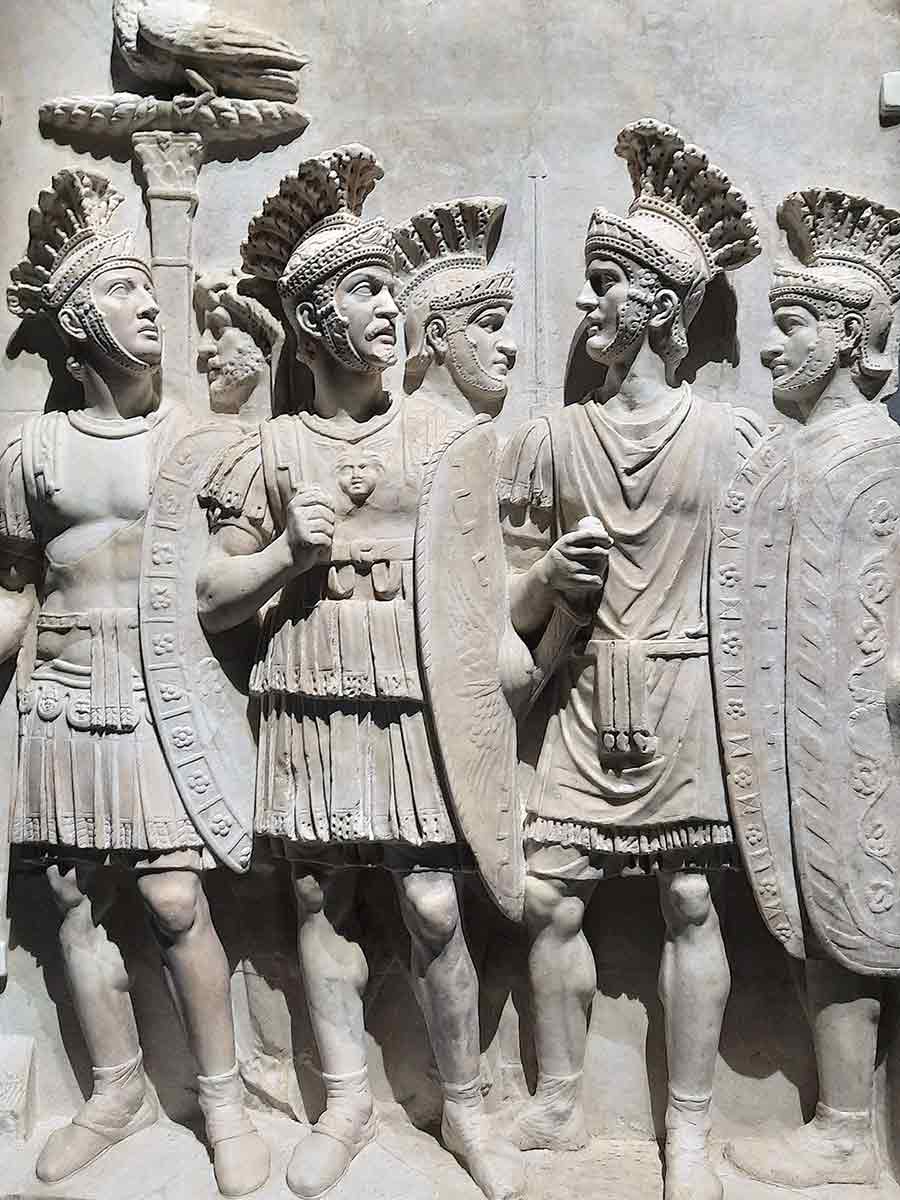
1. The Origins of the Praetorian Guard Under Augustus
The Praetorian Guard was one of the most famous and powerful military organizations in Ancient Rome. Created during the early Roman Empire, the Guard served as an elite force responsible for protecting the emperor, supporting the imperial government, and carrying out important military and security duties. Although the Praetorians are often remembered for their later political interference, their origins were closely connected to the need for personal protection and military security during the uncertain transition from the Roman Republic to the Roman Empire.
The origins of the Praetorian Guard can be traced to the reign of Augustus, who became the undisputed ruler of Rome after decades of civil war. Before Augustus established his position, Roman generals commonly maintained elite soldiers known as praetorian cohorts. These units served as personal guards for commanders and were particularly important during military campaigns.
The word praetorian comes from the Latin praetorium, a term referring to the commander’s headquarters or residence. During the Republic, important Roman commanders could be accompanied by specially selected troops who protected the general and his headquarters. These earlier formations were not yet the permanent Praetorian Guard of the Empire, but they provided the model from which the imperial organization developed.
When Augustus defeated his final major rival, Mark Antony, at the Battle of Actium in 31 BC, he became the most powerful figure in the Roman world. However, Augustus understood that maintaining control over Rome would require more than political authority. The Roman state had experienced years of civil war, assassinations, and military competition between powerful generals. An emperor needed reliable troops close to the capital.
Augustus therefore organized a permanent Praetorian Guard, traditionally dated to the early years of his rule. The Guard consisted of specially selected Roman soldiers who received better pay and conditions than ordinary legionaries. Their proximity to the emperor made them an exceptionally important military force.
Unlike the regular Roman legions, which were normally stationed throughout the provinces, the Praetorians were concentrated primarily around Rome and Italy. Their location allowed them to respond rapidly to threats against the emperor or the capital. This was particularly significant because Augustus wanted to maintain the appearance that Rome remained a traditional Roman state rather than an openly militarized dictatorship.
The Guard was divided into several cohorts, each commanded by officers. At first, the Praetorian units were not all permanently stationed inside Rome. Augustus deliberately maintained a balance between having enough soldiers nearby to protect him and avoiding the appearance of having a large private army occupying the capital.
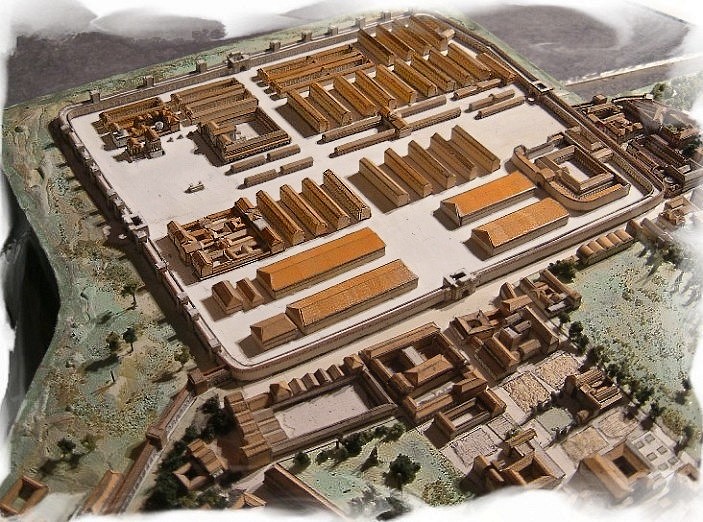
One of the most important developments occurred under Tiberius. During his reign, the Praetorian Guard became much more centralized. The influential commander Lucius Aelius Sejanus played a major role in strengthening the Guard’s organization. Around 23 AD, the Praetorian cohorts were concentrated in a permanent military complex known as the Castra Praetoria, or Praetorian Camp, on the outskirts of Rome.
The creation of the camp significantly increased the Guard’s importance. Thousands of highly trained soldiers were now located together in one fortified installation close to the center of imperial power. This gave the Praetorians an unusual combination of military strength, political access, and physical proximity to the emperor.
The original purpose of the Guard was primarily defensive. Praetorians protected the emperor, guarded important government locations, accompanied imperial officials, and could participate in military campaigns. They were also used to maintain order in Rome when necessary.
Their privileged position was another defining characteristic. Praetorian soldiers generally received higher pay and shorter service requirements than ordinary legionaries. These benefits encouraged competition for positions within the Guard and helped create a highly prestigious military career.
However, the very qualities that made the Praetorians useful to emperors eventually made them dangerous. A large body of elite soldiers stationed near the capital could influence political events simply by choosing which candidate to support. Over time, this would transform the Praetorian Guard from an imperial protection force into one of the most politically powerful institutions in Rome.
The origins of the Praetorian Guard therefore reveal an important feature of the early Roman Empire. Augustus needed to protect himself while also maintaining the appearance of traditional Roman government. The Guard provided a professional, loyal, and elite military force capable of defending the emperor without requiring the entire Roman army to be stationed in the capital.
What began as a solution to the security problems created by decades of civil war would eventually become a force capable of making and removing emperors. The Praetorian Guard’s transformation from personal protection unit to political power was one of the most remarkable developments in Roman imperial history.
Main Ideas
- The Praetorian Guard developed from earlier Roman commanders’ personal guard units.
- Augustus established the permanent imperial Praetorian Guard.
- The Guard’s primary purpose was protecting the emperor and imperial government.
- Praetorians were elite soldiers who received better conditions than ordinary legionaries.
- Unlike regular legions, they were concentrated near Rome and Italy.
- Tiberius further centralized and strengthened the Guard.
- The Castra Praetoria became the Guard’s major permanent base near Rome.
- Praetorian soldiers enjoyed higher pay and prestigious service.
- Their proximity to Rome gave them unusual political influence.
- The force eventually became powerful enough to influence the succession of Roman emperors.
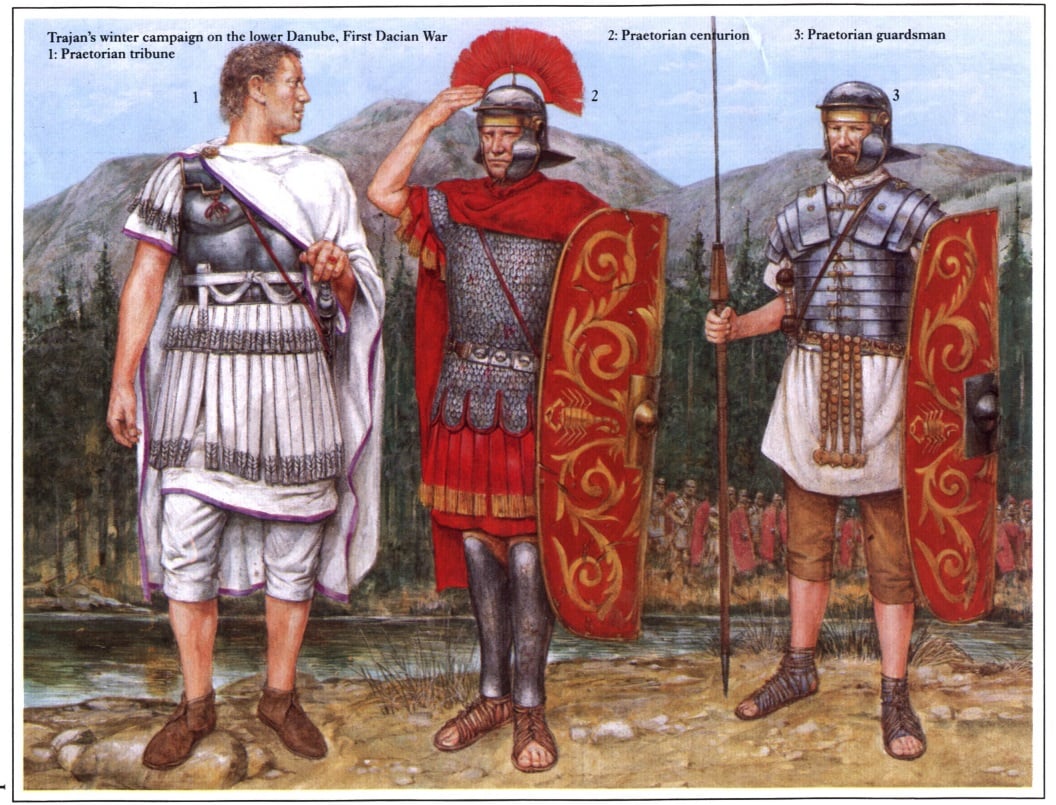
2. The Organization, Soldiers, and Daily Life of the Praetorian Guard
The Praetorian Guard was not simply a group of soldiers who stood beside the Roman emperor. It was a highly organized elite military force with its own commanders, officers, camps, equipment, training, and privileges. During the Roman Empire, service in the Guard was considered one of the most prestigious military careers available to a Roman soldier. Its organization and privileged position helped distinguish the Praetorians from the ordinary Roman legions stationed throughout the provinces.
The Guard was organized into cohorts, the basic tactical units of the Roman army. A normal legion contained ten cohorts, while the Praetorian Guard eventually consisted of several specialized cohorts. During the early Empire, the number and exact organization changed over time. Under Augustus, there were traditionally nine Praetorian cohorts, with the number later increasing under subsequent emperors.
Each cohort was commanded by experienced officers and divided into smaller units. At the top of the Guard’s command structure stood the Praetorian Prefect, an extremely important imperial official. The prefect was responsible for military discipline, administration, and the deployment of the Guard. In some periods, there were two prefects, allowing emperors to divide responsibility and reduce the danger of giving one commander too much power.
The soldiers themselves were carefully selected. During the early Empire, Praetorians were generally recruited from Italy, particularly because Augustus wanted his personal guard to have strong connections with Roman society. Over time, recruitment became more geographically diverse, and soldiers from different parts of the Roman world could enter the Guard.
One of the biggest attractions of Praetorian service was higher pay. Praetorians received substantially better financial rewards than ordinary legionaries. Their service requirements could also be shorter, making the Guard an extremely desirable military career. These privileges reflected their special status and the importance of their proximity to the emperor.
Praetorians wore equipment similar to other Roman soldiers, although their exact appearance changed throughout the centuries. They could use the familiar Roman helmet, shield, body armor, sword, and javelin associated with Roman infantry. Contrary to some modern artistic depictions, there was not necessarily one unique uniform that every Praetorian wore. Their equipment developed over time according to the same broader military changes that affected the Roman army.
The Castra Praetoria, or Praetorian Camp, became the most important physical center of the Guard. Established during the reign of Tiberius, the camp brought the Praetorian cohorts together in a large fortified complex outside the main center of Rome. It included barracks, administrative buildings, storage facilities, workshops, and defensive walls.
Life inside the camp followed a strict military routine. Soldiers were expected to maintain their weapons and equipment, participate in training exercises, perform guard duties, and follow military discipline. They could also be assigned to patrols and security operations throughout the capital.
Praetorians had an unusual relationship with Roman society because they were both soldiers and residents of the capital. Unlike most legionaries, who spent much of their careers stationed far from Rome, Praetorians lived close to the political center of the empire. This gave them opportunities to interact with senators, officials, merchants, and ordinary Roman citizens.
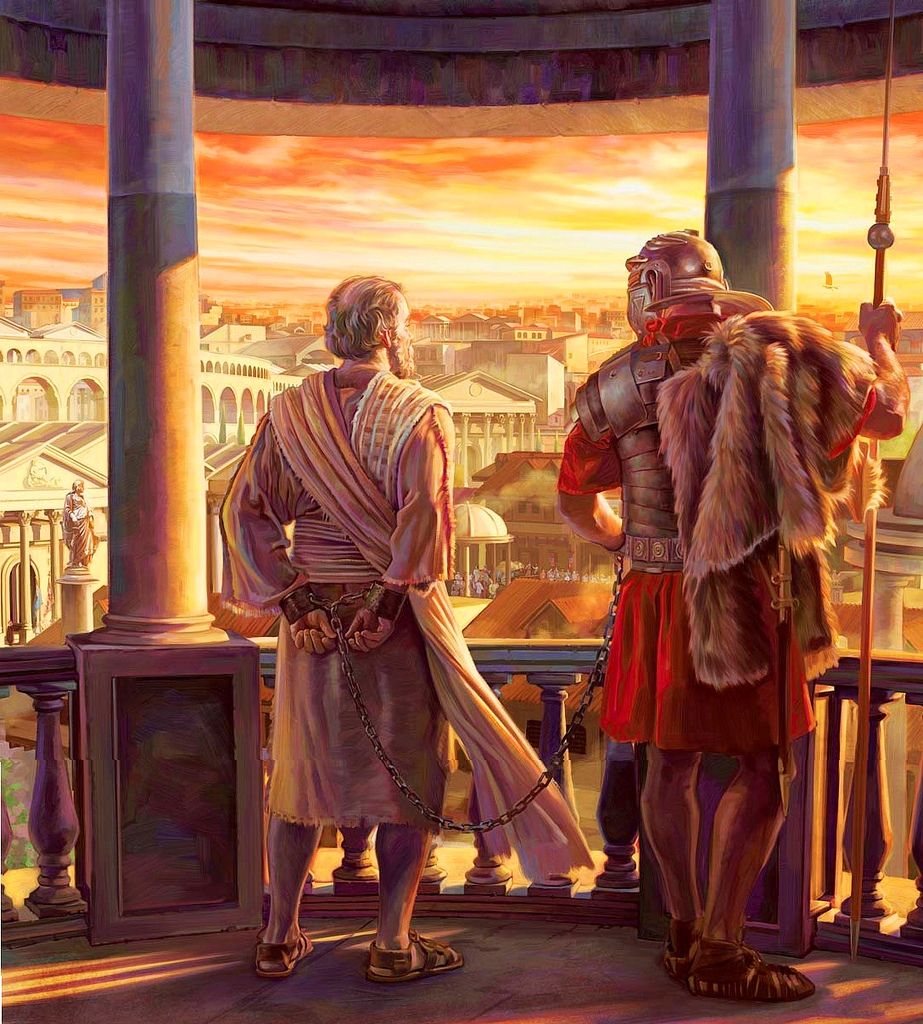
Their duties went beyond simply guarding the emperor. Praetorians could protect imperial residences, escort important prisoners, secure public buildings, and assist authorities during disturbances. They could also participate in military campaigns outside Italy when the emperor required their services.
The Guard’s privileges also created a powerful sense of identity. Becoming a Praetorian demonstrated that a soldier had achieved a highly respected position within the Roman military hierarchy. Veterans could leave the service with financial rewards and social prestige, while active members enjoyed better conditions than many ordinary soldiers.
However, these advantages came with significant responsibilities. Praetorians were expected to remain loyal to the emperor and to respond quickly to threats against the imperial government. Their training and organization made them capable of acting as a rapid-response force in situations where ordinary troops stationed far away could not react quickly.
The Guard’s organization also explains why it eventually became politically important. A large group of well-paid, experienced soldiers concentrated near the capital could exert enormous influence during political crises. If an emperor died without a clear successor, the Praetorians were physically close enough to influence who would take power.
This combination of military organization, financial privileges, elite status, and proximity to political authority made the Praetorian Guard unique within the Roman military system. Their daily lives may have involved ordinary military routines, but their position gave them opportunities that ordinary legionaries rarely possessed.
The Praetorian Guard therefore represented the privileged upper level of Roman military service. Its soldiers trained and lived according to military discipline, but they also enjoyed better pay, greater prestige, and closer access to imperial power. These characteristics helped make the Guard one of the most important military institutions in the history of Ancient Rome.
Main Ideas
- The Praetorian Guard was organized into specialized military cohorts.
- The Praetorian Prefect commanded the Guard and held significant authority.
- The number of cohorts changed throughout the imperial period.
- Praetorians were elite soldiers selected for service close to the emperor.
- They generally received higher pay than ordinary legionaries.
- Praetorian service could offer shorter terms and greater prestige.
- The Castra Praetoria became the Guard’s major military base in Rome.
- Praetorians performed guard, security, military, and public-order duties.
- Their equipment was broadly similar to that of other Roman soldiers.
- Their wealth, organization, and proximity to the emperor eventually gave them enormous political influence.
3. The Praetorians and Their Role in Protecting Roman Emperors
The Praetorian Guard was created primarily to provide security for the Roman emperor and the imperial government. Their most important responsibility was protecting the emperor from military threats, political enemies, assassins, and public unrest. Because the emperor was the most powerful individual in the Roman world, protecting him was a matter of enormous importance. The Praetorians therefore became a permanent and highly trusted force positioned close to the center of Roman power.
Unlike ordinary Roman legions, which were usually stationed along the empire’s frontiers, the Praetorians were concentrated around Rome and Italy. This location allowed them to respond quickly if the emperor faced danger. Their proximity also meant that they could protect imperial residences, accompany the emperor through the city, and secure important government locations.
One of their most important duties was guarding the emperor’s palace and residence. During the early Empire, emperors lived in increasingly elaborate residences on the Palatine Hill. Praetorian soldiers could be stationed at entrances, patrol surrounding areas, and protect the emperor’s household. Their presence provided a highly visible reminder that the emperor was protected by professional soldiers.
The Praetorians could also accompany emperors when they traveled. Imperial journeys were common, particularly when emperors visited provinces or personally led military campaigns. In these situations, Praetorian units could form part of the emperor’s personal military protection. Their experience and elite status made them particularly suitable for guarding the ruler in potentially dangerous environments.
The Guard also had responsibilities beyond the emperor’s immediate personal security. Praetorians could help maintain public order in Rome. The capital was a huge and densely populated city, and riots, political demonstrations, fires, and other disturbances could threaten stability. When ordinary civilian authorities were unable to control a serious situation, the emperor could deploy Praetorian troops.
Their role became particularly important during periods of political uncertainty. The death of an emperor could create a dangerous power vacuum. Rival generals, senators, and members of the imperial family might compete for control. Because the Praetorians were located near the capital, they could protect important members of the imperial household or secure key locations during a succession crisis.
However, this responsibility created a major contradiction. The soldiers who were supposed to protect emperors could also become a threat to them. Their military strength and proximity to the imperial palace gave the Praetorian Guard extraordinary political influence.
This became especially clear during the Year of the Four Emperors in AD 69, when the Roman Empire experienced a violent struggle for power. The Praetorians played an important role in the rise and fall of emperors, demonstrating that their loyalty could have enormous political consequences.
The Guard’s relationship with Emperor Caligula also illustrates the dangers surrounding imperial security. Caligula was assassinated in AD 41 by members of his own Praetorian Guard and other conspirators. Following his murder, some Praetorians reportedly supported Claudius as his successor. This demonstrated that the Guard could influence the succession of emperors rather than simply protect an existing ruler.
The Praetorians were also used to protect emperors against external military threats. Although they were primarily associated with Rome, they could participate in major campaigns. Their battlefield experience meant that they were more than palace guards; they were fully trained Roman soldiers capable of fighting alongside regular legions.
Their loyalty was therefore extremely valuable to emperors. A ruler who maintained the Guard’s support possessed a powerful military force close at hand. However, emperors also had to be careful not to allow individual commanders to become too influential. The Praetorian Prefect controlled the Guard and could become one of the most powerful people in Rome.
The history of the Praetorians shows that imperial security was never simply about preventing physical attacks. Protecting the emperor also meant controlling political instability and maintaining the authority of the imperial government. The Guard stood at the intersection of military power and Roman politics.
Their original purpose was straightforward: defend the emperor and the imperial household. Over time, however, their position allowed them to become much more than bodyguards. They became a powerful political institution capable of influencing succession, supporting candidates for the throne, and sometimes participating directly in the removal of emperors.
The Praetorian Guard’s role in protecting Roman emperors was therefore both essential and dangerous. Their presence helped keep emperors safe, but the enormous power they accumulated meant that an emperor could never completely ignore the soldiers who stood closest to him.
Main Ideas
- The Praetorian Guard’s primary purpose was protecting the Roman emperor.
- Praetorians guarded imperial residences and important government locations.
- They could accompany emperors during journeys and military campaigns.
- The Guard helped maintain order in Rome during serious disturbances.
- Their location near Rome allowed them to respond rapidly to threats.
- Praetorians could become especially important during imperial succession crises.
- Their political influence sometimes made them a danger to the emperors they protected.
- Members of the Guard participated in the assassination of Caligula in AD 41.
- The Guard could support particular candidates for the imperial throne.
- Their history demonstrates the close connection between military power and imperial politics.

4. How the Praetorian Guard Gained Political Power in Imperial Rome
The Praetorian Guard began as an elite military force created to protect the Roman emperor, but its position gradually gave it something far more powerful: political influence. Because the Praetorians were stationed close to Rome, received better pay than ordinary soldiers, and had direct access to the imperial court, they became increasingly important during periods of political uncertainty. By the second and third centuries AD, the Guard could influence the succession of emperors and, in some cases, play a direct role in removing them.
The Guard’s political importance came largely from its location. Most Roman legions were stationed along the empire’s frontiers, protecting territories such as Britain, the Rhine, the Danube, Syria, and Egypt. The Praetorians, however, were concentrated around the capital. This meant they were physically close to the Senate, the imperial palace, and the emperor himself.
This proximity gave the Praetorians an advantage that ordinary soldiers did not have. If an emperor died suddenly, there was no need for the Praetorian Guard to march hundreds of miles to become involved in the succession. They were already in Rome.
Their economic privileges also encouraged loyalty to the institution. Praetorians generally received higher wages and better benefits than ordinary legionaries. Emperors sometimes gave them additional payments, known as donatives, particularly when they wanted to secure their loyalty. These payments could become extremely important during political crises.
One of the clearest examples occurred after the assassination of Caligula in AD 41. Members of the Praetorian Guard were involved in the assassination, and afterward they supported Claudius as the new emperor. This demonstrated that the Guard could influence who occupied the imperial throne.
The Guard’s power became even more dramatic during the Year of the Four Emperors in AD 69. Rome experienced a series of civil wars following the death of Nero. Several military leaders competed for imperial power, and the Praetorians became involved in the struggle. Their participation demonstrated that the Guard was no longer simply a defensive force. It could become an important political actor during a crisis.
Another notorious example occurred in AD 193, after the assassination of Emperor Pertinax. According to the ancient historian Cassius Dio, the Praetorians famously auctioned the imperial throne to the highest bidder. The wealthy senator Didius Julianus offered the soldiers a large payment and was recognized as emperor. His reign lasted only a few months before he was overthrown by Septimius Severus.
The episode damaged the reputation of the Praetorian Guard and demonstrated the dangers created when soldiers became directly involved in politics. Instead of simply serving the emperor, the Guard had begun treating its military support as something that could be exchanged for financial rewards and political privileges.
Emperors therefore had to manage the Guard carefully. A ruler who kept the Praetorians satisfied could rely on a powerful force in the capital. A ruler who failed to maintain their loyalty could face serious danger.
The Praetorian Prefect was another major source of political influence. As commander of the Guard, the prefect controlled thousands of elite soldiers and often had access to the emperor. Some prefects became extremely powerful political figures. The most famous example was Sejanus, who served under Emperor Tiberius and accumulated enormous influence before eventually being executed in AD 31.
The Guard’s political role continued to change as the Roman Empire developed. During periods of strong imperial leadership, emperors could keep the Praetorians under tight control. During weak successions or civil wars, however, the Guard could become a major political force.
This made the Praetorians both protectors and potential kingmakers. Their original purpose had been to defend the emperor, but their special privileges and proximity to power gave them the ability to influence imperial politics.
Ultimately, the political power of the Praetorian Guard revealed a fundamental weakness in the Roman imperial system. The emperor depended on military support, but the soldiers who protected him could also determine whether he remained in power. This tension would continue throughout Roman history until the Guard was finally abolished by Constantine the Great in AD 312.
Main Ideas
- The Praetorian Guard gained political power because it was stationed close to Rome’s political center.
- Praetorians received higher pay and special financial rewards.
- Their proximity to the emperor made them extremely influential during succession crises.
- The Guard supported Claudius after the assassination of Caligula.
- Praetorians became involved in the civil wars of AD 69.
- In AD 193, the Guard famously supported Didius Julianus after he offered them a large payment.
- Praetorian Prefects could become powerful political figures.
- Sejanus demonstrated how influential a Praetorian commander could become.
- The Guard evolved from imperial protectors into potential kingmakers.
- Their political influence ultimately became one of the major reasons emperors feared the force they depended upon.
5. The Fall and Final Years of the Praetorian Guard Under Constantine
The Praetorian Guard survived for more than three centuries, but its long history eventually came to an end during the reign of Constantine the Great. By the early fourth century AD, the Roman Empire had changed dramatically from the world in which the Guard had originally been created. New military structures, new imperial capitals, and new political realities had reduced the Praetorians’ importance. Their final defeat came in AD 312, when Constantine defeated his rival Maxentius and subsequently abolished the Guard.
By this period, the Roman Empire was no longer governed in the relatively centralized way associated with the early emperors. The third century AD had brought repeated civil wars, invasions, economic problems, and political instability. Emperors increasingly relied on large field armies that could move rapidly between different parts of the empire. The Praetorian Guard remained an elite force, but it was no longer the only important military organization protecting imperial power.
The rise of Constantine created an especially serious threat to the Guard’s position. Constantine became involved in a struggle for control of the Roman Empire and eventually faced Maxentius, who controlled Rome and had the support of forces within Italy.
Maxentius relied heavily on the Praetorian Guard. By this stage, the Guard had become closely associated with the political establishment of Rome and had a long history of influencing imperial succession. Supporting Maxentius placed the Praetorians directly against Constantine.
The decisive confrontation came at the Battle of the Milvian Bridge on 28 October AD 312. Constantine’s army defeated the forces of Maxentius outside Rome. Ancient sources describe the battle as a major turning point in Constantine’s rise to power.
The defeat was catastrophic for the Praetorian Guard. Many of its soldiers fought for Maxentius and were killed during the battle. After Constantine entered Rome as the victorious emperor, he took decisive action against the Guard.
Constantine abolished the Praetorian Guard as an institution. The famous Castra Praetoria, the Guard’s fortified headquarters in Rome, was dismantled and its walls were destroyed or incorporated into other structures. The remaining Praetorian soldiers were removed from their privileged position and dispersed among other military units.
This was more than simply a military reorganization. It represented Constantine’s determination to eliminate an institution that had become deeply connected with imperial politics and succession struggles.
For centuries, emperors had depended on the Praetorians for protection while simultaneously fearing their political influence. The Guard had participated in assassinations, supported rival emperors, and demanded financial rewards from candidates for the throne. By eliminating the organization, Constantine removed a powerful military force that might otherwise challenge his authority.
The abolition also reflected broader changes in the Roman army. The empire increasingly relied on mobile field armies, rather than concentrating elite troops around Rome. These armies could accompany the emperor or respond to threats across the empire. The old model of a powerful permanent guard stationed beside the capital was becoming less important.
Constantine also changed the political importance of Rome itself. During the fourth century, emperors increasingly spent long periods away from the traditional capital, governing from strategic cities closer to important military frontiers. Eventually, Constantine established Constantinople as a major imperial capital in the East. This shift further reduced the importance of maintaining a massive Praetorian force in Rome.
The end of the Guard was therefore the result of several factors: Constantine’s victory, the Guard’s support for Maxentius, changes in Roman military organization, and the emperor’s desire to eliminate a politically dangerous institution.
Although the Praetorian Guard disappeared in AD 312, its legacy remained enormous. For centuries, it had represented the extraordinary relationship between military power and imperial authority. It began as a force created to protect emperors but eventually became powerful enough to influence who became emperor.
Its history demonstrates one of the central contradictions of the Roman Empire: emperors needed soldiers to protect their rule, but powerful soldiers could also threaten that same rule. Constantine’s decision to abolish the Praetorians finally ended this particular chapter of Roman military history.
The destruction of the Guard did not eliminate political struggles or military influence over the throne. Roman generals and other military units would continue to play major roles in imperial politics. Nevertheless, the abolition of the Praetorian Guard marked the end of one of Rome’s most famous military institutions and closed a history that had begun under Augustus more than three centuries earlier.
Main Ideas
- The Praetorian Guard survived for more than 300 years.
- The political and military situation of the Roman Empire changed dramatically during the third century.
- Maxentius relied heavily on the Praetorian Guard during his struggle with Constantine.
- Constantine defeated Maxentius at the Battle of the Milvian Bridge in AD 312.
- Many Praetorians were killed during the battle.
- Constantine abolished the Praetorian Guard after taking control of Rome.
- The Castra Praetoria was dismantled and the surviving soldiers were dispersed.
- The abolition removed an important source of political influence in Rome.
- The Roman military was increasingly organized around mobile field armies.
- The end of the Praetorian Guard marked the conclusion of one of the most influential military institutions in Roman history.