I. What Happened Immediately After a Roman Battle Ended
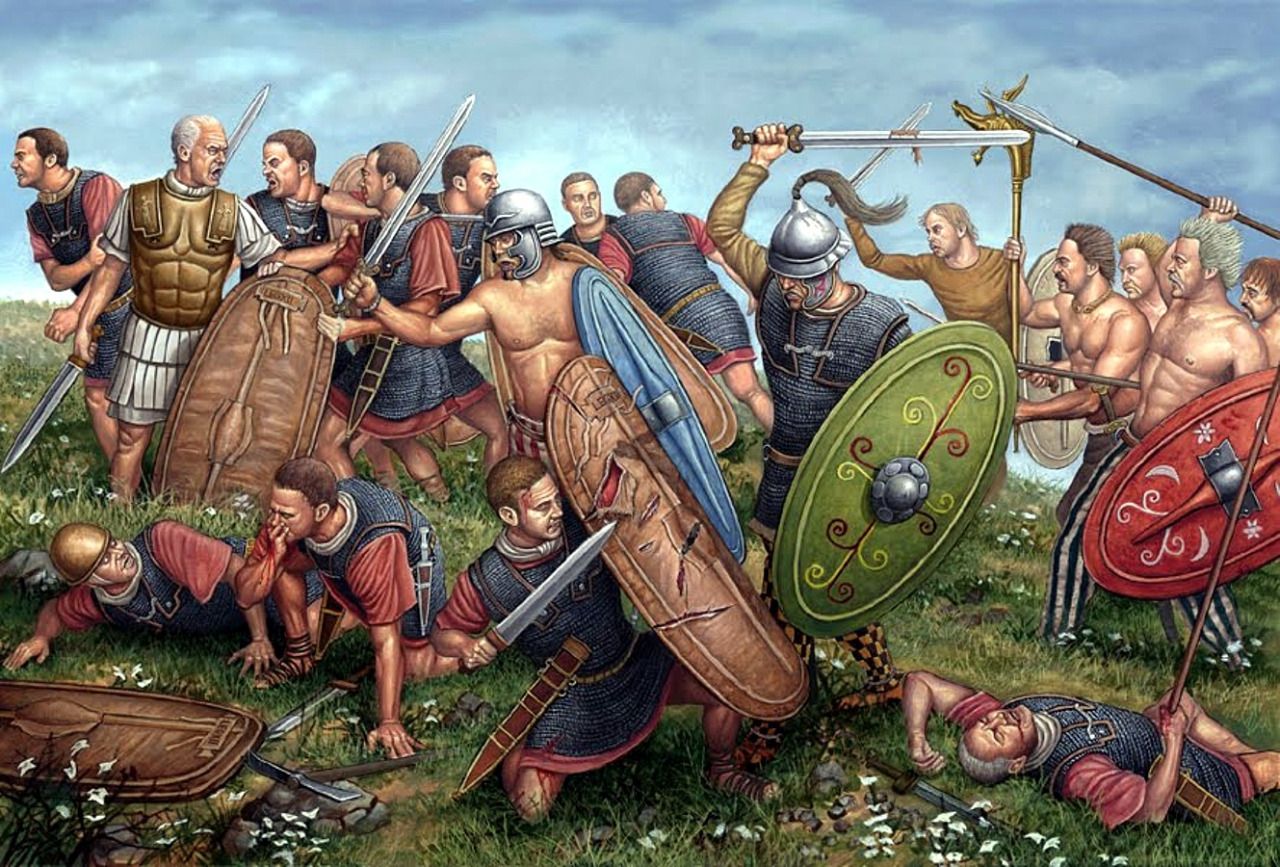
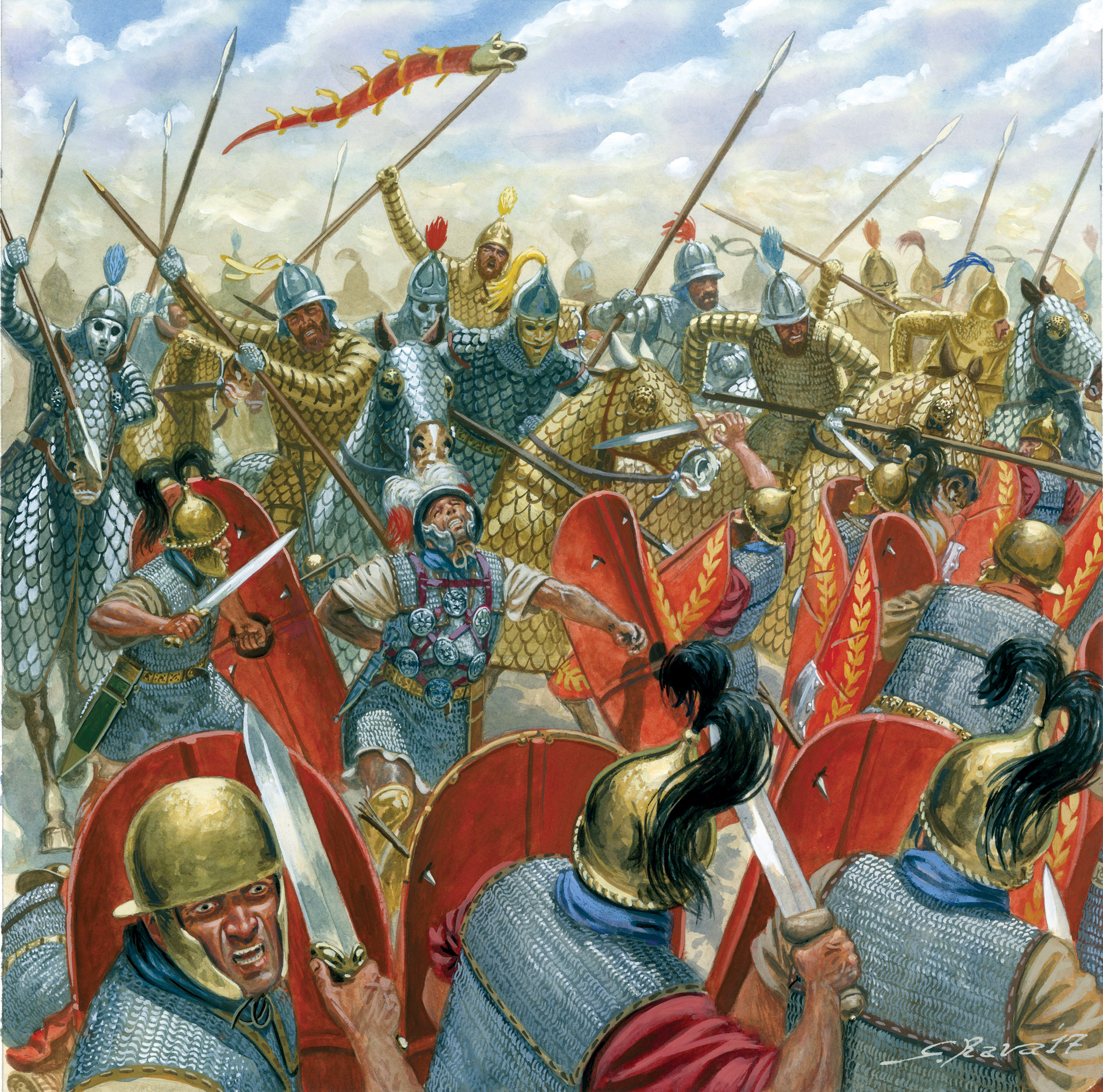
When a Roman battle finally ended, the battlefield did not suddenly become peaceful or organized. The soldiers who had been fighting moments earlier had to quickly determine whether the enemy had truly been defeated, whether another attack was possible, and whether they needed to protect themselves from a counterattack. For the Roman army, the period immediately after combat was still an important part of the battle.
The first priority was usually security. Roman commanders needed to make sure that the enemy was actually retreating and that no hidden force was preparing to attack again. Soldiers could be exhausted, scattered, and separated from their units after intense fighting. Officers worked to restore order by bringing soldiers back together and reorganizing the army. Roman discipline was particularly important at this stage because a disorganized army could still suffer losses even after winning a battle.
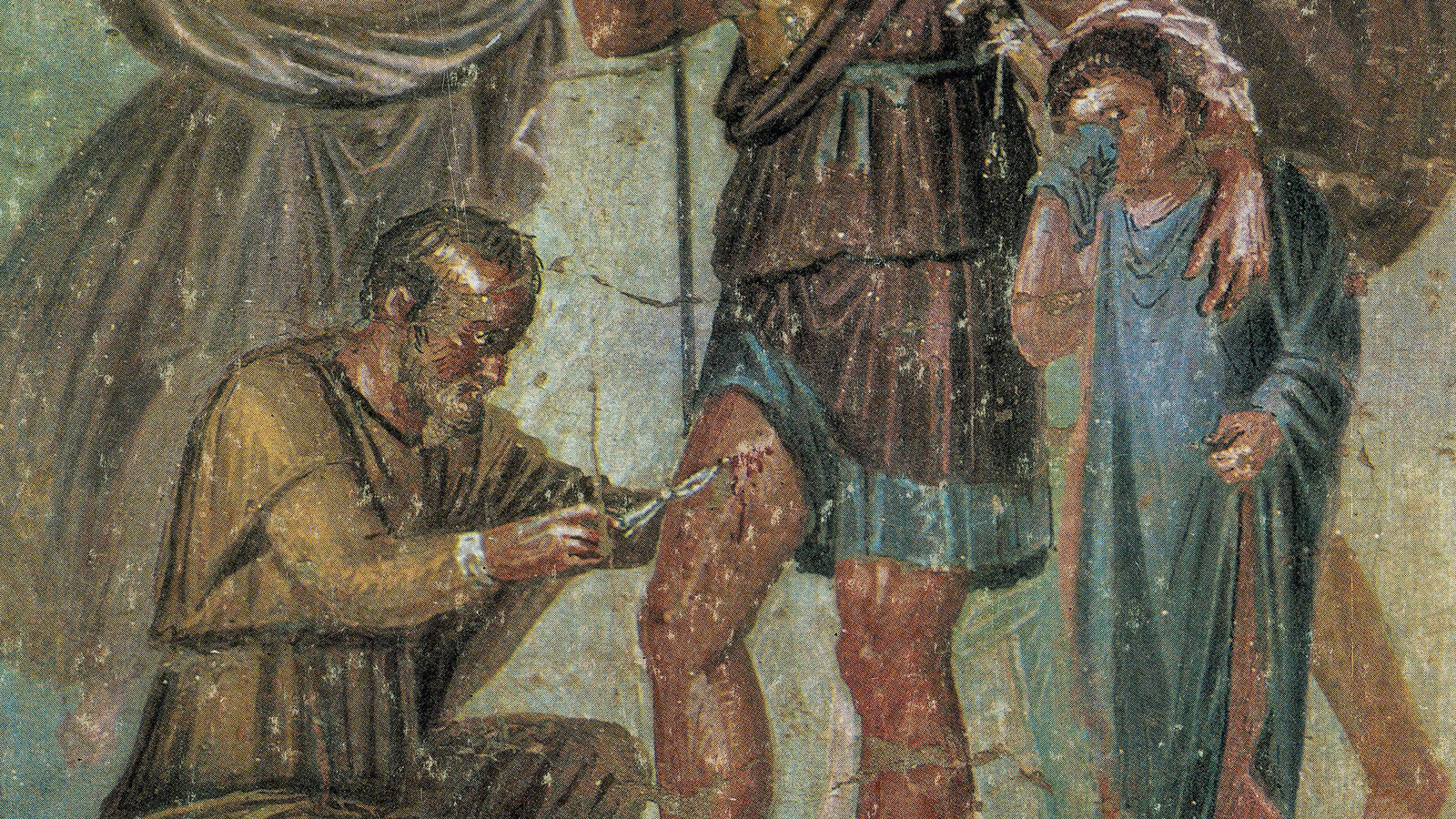
Once commanders were confident that the enemy was no longer an immediate threat, Roman soldiers could begin dealing with the wounded and dead. Soldiers who had been injured might be carried away from the battlefield and treated by army medical personnel or other soldiers. The Roman army had medical specialists, including medici, although treatment varied greatly depending on the army, period, location, and severity of the injuries.
The dead also had to be dealt with. Roman soldiers who died in battle might receive burial, cremation, or other forms of disposal depending on the circumstances. After major battles, however, dealing with large numbers of casualties could take considerable time. The enemy dead were generally treated differently, especially if the Romans needed to leave the battlefield quickly.
Another important task was counting losses and assessing the victory. Roman commanders needed to understand how many soldiers they had lost, how badly their units had been affected, and whether the enemy army had actually been destroyed or merely forced to retreat. Reports about the battle could later be used by commanders and political leaders to present the outcome to Rome.
Roman soldiers also began collecting weapons, armor, shields, standards, animals, and other equipment left behind by the defeated enemy. Captured equipment could be valuable, while the capture of enemy standards was particularly significant because military standards represented the identity and honor of an army unit.
The victorious army might then establish a temporary camp near the battlefield. Soldiers could receive food, reorganize their equipment, guard prisoners, and prepare for whatever came next. A battle might have ended, but the campaign usually had not.
In this way, the end of a Roman battle was really the beginning of another stage. The Romans had to secure the battlefield, care for survivors, account for casualties, collect equipment, reorganize their forces, and prepare for the next movement of the army. For Roman commanders, winning the fighting was only part of successfully completing a military operation.
Main Ideas
- Security came first after the fighting ended to make sure the enemy could not launch another attack.
- Wounded Roman soldiers were treated and moved away from the immediate battlefield when possible.
- The dead and casualties had to be accounted for, especially after major battles.
- Weapons, armor, standards, and other equipment left behind could be collected by the victorious army.
- The battle ending did not mean the campaign was over; Roman soldiers still had to reorganize, establish security, and prepare for their next movement.
II. How the Roman Army Dealt With the Wounded and Dead
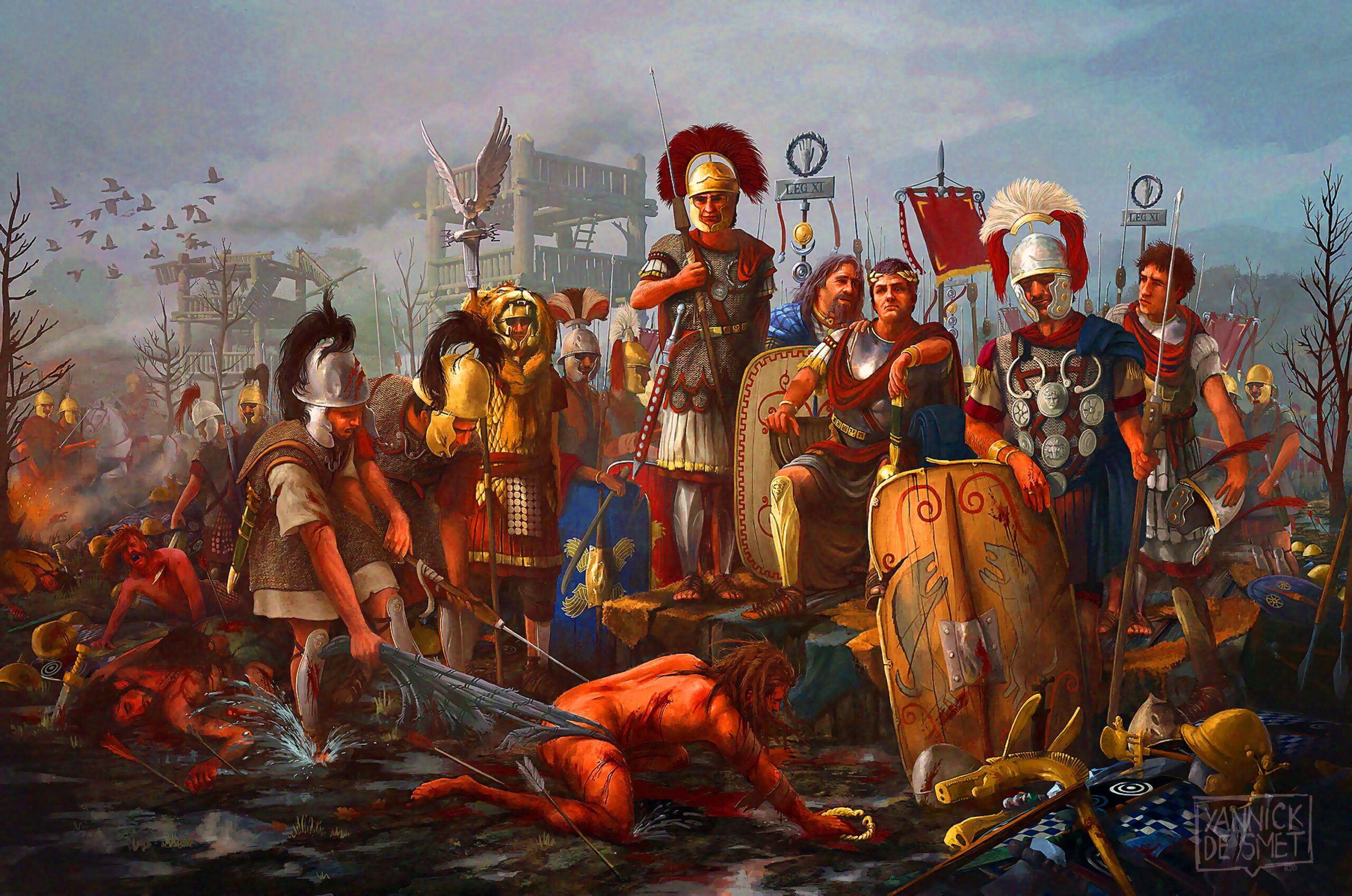
After a Roman battle ended, one of the most important tasks was dealing with the wounded and dead soldiers left behind. Roman battles could produce large numbers of casualties, and commanders had to organize their forces while also making decisions about who could be saved, who needed immediate treatment, and what should be done with those who had died.
The wounded Roman soldiers were generally given attention as soon as the battlefield was considered secure. Soldiers who were able to walk might make their own way toward safer areas, while those with more serious injuries could be carried by fellow soldiers or transported away from the fighting. Roman armies had medical personnel, including medici, who provided treatment to soldiers. Roman military medicine could include cleaning wounds, stopping bleeding, treating fractures, and performing surgical procedures, although the effectiveness of treatment varied considerably.
The Roman army also understood that keeping experienced soldiers alive was valuable. A soldier who survived an injury could potentially return to service, while experienced veterans represented years of training and military knowledge. After a major battle, therefore, recovering wounded soldiers was not simply an act of compassion. It was also important for maintaining the strength and manpower of the army.
Treatment could take place in or near the army’s military camp. Roman camps were organized spaces where soldiers could rest, receive supplies, and recover after fighting. More seriously wounded soldiers might require longer periods of recovery, while others could return to their units relatively quickly.
The dead presented a different problem. Roman commanders had to deal with the bodies of their own soldiers as well as those of the enemy. Roman military traditions placed importance on the proper treatment of the dead, although circumstances on campaign could make this difficult. If the army needed to move quickly, there might be little opportunity for elaborate funerals.
For Roman soldiers, burial practices could vary depending on the period and circumstances. Burial and cremation were both used in Roman society, and military communities could follow different practices. Wealthier or more important individuals could receive more elaborate memorials, while ordinary soldiers might receive much simpler treatment.
The enemy dead were usually handled according to the circumstances of the battle. If the Romans had complete control of the battlefield, they could organize the removal or disposal of bodies. If the enemy had retreated and the Roman army needed to continue its campaign, however, there might be less time to deal with everything left behind.
The treatment of casualties also affected Roman morale. Soldiers needed to know that their comrades would not simply be forgotten after falling in battle. Honoring the dead and caring for the wounded helped reinforce the sense of belonging within the army.
Ultimately, the period after a battle involved much more than celebrating victory. Recovering wounded soldiers, accounting for casualties, treating the dead, and restoring the army’s strength were essential parts of Roman military operations. Once these tasks were completed, the surviving soldiers could reorganize and prepare for the next stage of the campaign.
Main Ideas
- Wounded Roman soldiers were treated by fellow soldiers and medical personnel when the battlefield was secure.
- Roman military doctors, known as medici, provided various forms of medical treatment.
- Recovering wounded soldiers helped preserve the manpower and experience of the Roman army.
- Roman soldiers who died in battle could receive burial or cremation depending on the circumstances.
- Dealing with the wounded and dead was an important part of restoring the army after battle and maintaining soldier morale.
III. What Happened to Roman Soldiers Who Survived the Battle
After a Roman battle ended, the soldiers who survived still had important work to do. Surviving a battle did not mean the soldiers could simply rest and return home. The Roman army had to reorganize its units, inspect equipment, care for wounded comrades, count losses, and prepare for the next stage of the campaign.
One of the first tasks was reforming the military units. During combat, soldiers could become separated from their normal positions. Officers and standard-bearers helped bring soldiers back together and restore the formation of the army. The Roman military depended heavily on organization, so commanders needed to know where their soldiers were and whether individual units were still capable of fighting.
The surviving soldiers also had to check their weapons and armor. Shields could be damaged, swords could become unusable, and armor could be lost or broken during combat. Equipment was extremely important to the Roman army, so soldiers would repair or replace what they could. Captured enemy equipment might also be collected and redistributed or stored.
Another major responsibility was accounting for casualties. Roman commanders needed to determine how many soldiers had been killed, wounded, missing, or captured. This information helped them understand the condition of their army. A victory could still leave a Roman force seriously weakened if it had suffered heavy losses.
Surviving soldiers might then return to a Roman marching camp or another secure position. There they could receive food, water, and time to recover. Roman armies carried supplies with them, and maintaining those supplies after a battle was essential. Soldiers who had spent hours fighting needed to replenish their energy before continuing a campaign.
For soldiers who were not seriously injured, there could also be new duties after the battle. They might guard prisoners, protect supplies, watch the battlefield, collect equipment, or defend the camp. Some soldiers could even be required to continue marching soon after a battle if the commander believed the enemy might regroup.
A victory could also have consequences for the soldiers’ reputation and rewards. Roman military culture placed great importance on courage, discipline, and loyalty. Soldiers could receive recognition, decorations, shares of booty, or other rewards depending on the period and circumstances. Senior officers could receive particularly important honors for successful military actions.
However, surviving a battle could also be psychologically and physically difficult. Soldiers had just experienced an extremely demanding event, lost comrades, and potentially seen their unit suffer serious casualties. The Roman army expected soldiers to continue performing their duties despite these difficulties, because campaigns often continued for months or even years.
Eventually, the army had to move on. The surviving soldiers might march toward another city, pursue the defeated enemy, establish a new camp, or prepare for another battle. For a Roman legionary, the end of one battle often meant preparing for the next task rather than going home.
Main Ideas
- Surviving Roman soldiers were reorganized into their units after the battle.
- Soldiers inspected and repaired weapons, shields, armor, and other equipment.
- Roman commanders carefully counted casualties and assessed the army’s condition.
- Soldiers could receive food, rest, supplies, and new duties after the fighting.
- The campaign usually continued even after a major battle had ended.

IV. What Happened to Enemy Soldiers Who Were Captured
After a Roman army defeated an enemy force, not every surviving enemy soldier was killed or able to escape. Many could be captured, especially when an army surrendered, was surrounded, or was defeated during a retreat. Prisoners were valuable to the Romans for several reasons, and Roman commanders had to decide what should happen to them after the fighting ended.
The first priority was usually to secure the prisoners. Captured soldiers were separated from the battlefield and placed under guard so they could not return to the fighting. Roman soldiers could be assigned to watch prisoners while the main army reorganized. The number of prisoners could vary enormously, from a relatively small group after a minor battle to thousands after a major defeat.
Captured soldiers could also provide useful information. Roman commanders might question prisoners about the enemy’s army, commanders, camps, movements, supplies, and plans. Information from prisoners could help the Romans understand what the defeated army was likely to do next. This was especially important if the enemy had not been completely destroyed and might attempt to regroup.
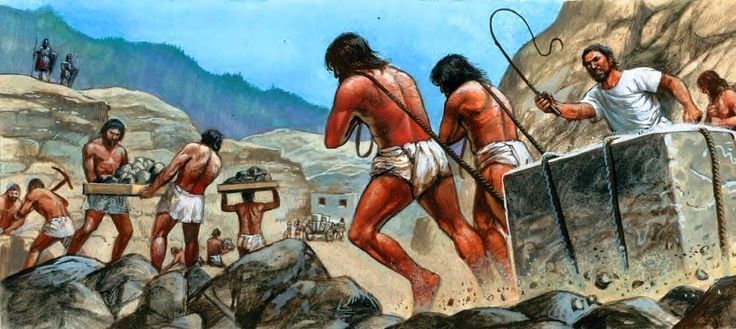
The fate of prisoners depended heavily on who they were and what circumstances surrounded the conflict. Some captured soldiers could eventually be sold into slavery. In the ancient Roman world, prisoners of war were often treated as potential sources of slave labor, and large numbers of captives could be sold after successful campaigns.
Not every prisoner necessarily faced the same outcome. High-ranking captives could be particularly valuable. Commanders, nobles, political leaders, and members of important families could potentially be held for ransom or used as bargaining tools. Their value could be much greater than that of ordinary soldiers.
Roman commanders could also make political decisions about prisoners. If Rome wanted to encourage an enemy community to surrender, showing some degree of mercy could serve a political purpose. On other occasions, particularly during rebellions or wars viewed as serious threats, the Romans could impose much harsher terms.
Captured soldiers might be transported away from the battlefield and held temporarily while the Romans decided what to do with them. If the army was still campaigning, prisoners created logistical problems because they required guards, food, and transportation. Roman commanders therefore had to balance the value of keeping prisoners against the resources needed to control them.
The treatment of prisoners could also affect the reputation of a Roman commander. A commander who captured large numbers of enemy soldiers could present the result as evidence of a major victory. Captives might later appear in Roman triumphs, where defeated enemies and captured leaders could be displayed as symbols of Rome’s military success.
Ultimately, capture marked a major change in an enemy soldier’s life. A soldier who entered the battle as a member of an opposing army could leave it as a prisoner, slave, ransom target, or bargaining piece. What happened next depended on the identity of the prisoner, the nature of the war, and the decisions made by the victorious Roman commanders.
Main Ideas
- Captured enemy soldiers were placed under guard so they could not return to the fighting.
- Roman commanders could question prisoners for military intelligence.
- Some prisoners of war could be sold into slavery.
- Important captives, including commanders and nobles, could have significant political or financial value.
- Captured enemies could become symbols of Roman victory, particularly during a Roman triumph.
V. How Romans Collected Weapons, Armor, and Other Battlefield Equipment
After a Roman victory, the battlefield was often covered with weapons, shields, armor, standards, horses, and other military equipment left behind by the defeated army. Once the area was considered secure, Roman soldiers could begin collecting these valuable items. Recovering equipment was an important part of what happened after a battle because military supplies were expensive and could be reused.
One of the first things soldiers could collect were enemy weapons. Swords, spears, javelins, bows, and other weapons could be gathered from the battlefield. Some equipment might be damaged and useless, but other items could still be perfectly functional. Usable equipment could potentially be kept, stored, or used in later circumstances.
Shields and armor were also valuable. Roman soldiers normally carried their own standardized equipment, but captured enemy equipment could still have practical or symbolic value. Different peoples used different styles of weapons and armor, so captured equipment could provide the Romans with useful examples of foreign military technology.
Roman soldiers could also collect military standards and banners. These were particularly important because standards represented the identity of military units and carried great symbolic significance. Capturing an enemy standard could therefore be presented as evidence of victory. Losing one could be deeply humiliating for the defeated side.
The Romans also had to deal with animals and transport equipment. Armies depended on horses, mules, wagons, and other animals to move supplies and equipment. After a battle, surviving animals could be captured and added to the Roman army’s resources. Wagons and other useful equipment could also be taken if they were still in usable condition.
Not everything collected from a battlefield was necessarily used by Roman soldiers. Some equipment could be stored, destroyed, dedicated to the gods, or displayed as a trophy. Roman commanders understood the propaganda value of captured equipment. Showing enemy weapons and standards could demonstrate the scale of a victory to soldiers and civilians.
Some captured equipment could eventually make its way back to Rome. Important trophies might be displayed publicly or incorporated into monuments celebrating military victories. Roman triumphs were particularly important occasions for displaying the wealth and military achievements gained during campaigns.
The collection of battlefield equipment also had a practical purpose. A victorious army was operating far from home and constantly needed supplies and replacement equipment. Recovering usable materials from an enemy could reduce the pressure on Roman supply lines.
However, Roman commanders had to be selective. Carrying enormous amounts of captured equipment could slow an army down, especially if it was still pursuing the enemy. Soldiers therefore had to prioritize the items that were most useful or valuable.
By collecting weapons, armor, standards, animals, and supplies, the Romans turned part of the battlefield into a source of military resources and symbols of victory. What the defeated army left behind could help strengthen the victorious force and provide powerful evidence of Rome’s success.
Main Ideas
- Roman soldiers collected usable weapons and equipment left behind after battles.
- Shields and armor could be reused, stored, or examined for military value.
- Captured military standards had major symbolic importance.
- Horses, mules, wagons, and other transport equipment could also be captured.
- Valuable equipment could become war trophies and symbols of Roman military victory.
VI. What Happened to the Battlefield After the Roman Army Left
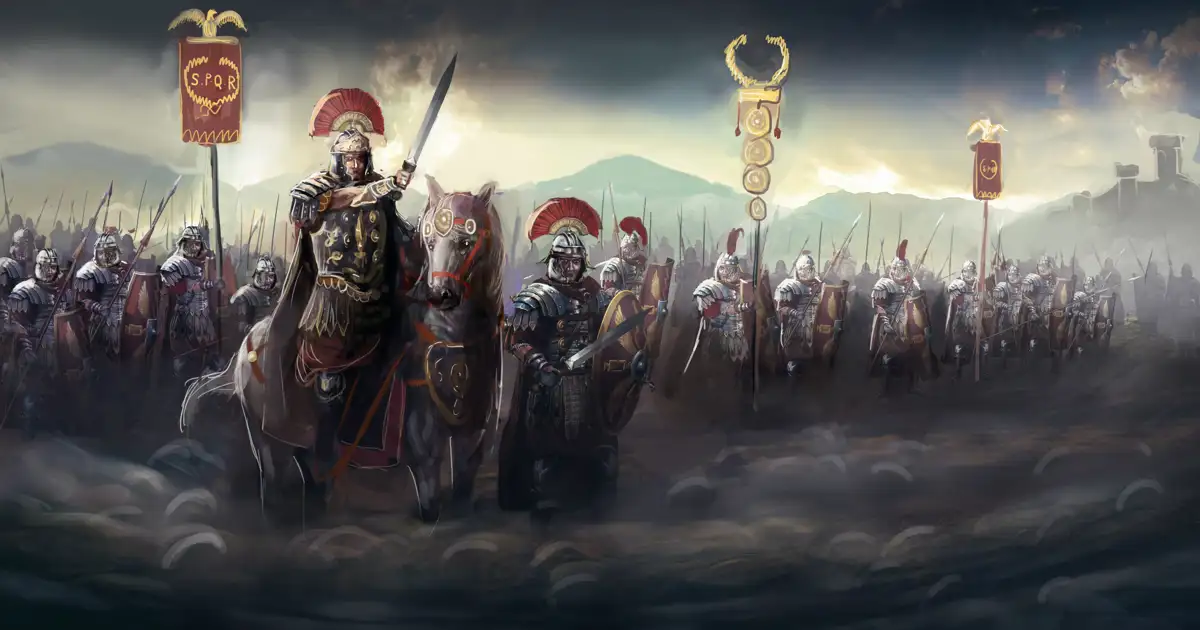
Once the Roman army had dealt with its wounded, prisoners, equipment, and immediate military responsibilities, it eventually had to leave the battlefield and continue the campaign. But the area where the battle had taken place did not simply return to normal. The aftermath could affect the surrounding countryside, nearby settlements, and the people who lived there.
One of the first changes was the removal of military equipment and valuable objects. Roman soldiers collected useful weapons, armor, animals, and supplies before leaving. Important trophies could be transported with the army, while other equipment might be left behind if it was damaged or impossible to carry.
The battlefield itself could remain a significant place for some time. Bodies and burial remains might still be present after the army departed, particularly following a large battle. Local people or the defeated side could later return to deal with their dead. The Romans did not necessarily remain on every battlefield long enough to completely clear the area.
The surrounding land could also suffer damage. Large armies needed food, water, animals, and firewood, and thousands of soldiers moving through an area could put considerable pressure on local resources. Crops could be damaged, livestock could be taken, and roads could become crowded with military traffic.
If the battle had taken place near a town or settlement, the consequences could be even greater. A defeated community might have to deal with Roman demands, occupation, taxation, or changes in leadership. Some settlements negotiated with Rome after a defeat, while others resisted and faced further military action.
In some cases, the Romans established a military camp or fortification near an important battlefield. A temporary camp could allow the army to recover and control the surrounding territory. If the location was strategically important, the Romans might eventually build a more permanent military installation there.
The battlefield could also become a symbol of Roman victory. Victorious commanders sometimes marked important victories with monuments, inscriptions, trophies, or other memorials. These reminders could communicate Roman power long after the soldiers had marched away.
For the local population, however, the battlefield could represent something very different. A Roman victory could mean that Rome now controlled their territory, changing taxes, political authority, military obligations, and relations with neighboring communities.
Over time, nature gradually changed the battlefield. Grass, plants, and soil could cover objects left behind, while roads and settlements could develop over the same ground. Centuries later, archaeologists can sometimes find weapons, coins, armor fragments, and other objects that help reconstruct what happened.
The end of a Roman battle therefore did not mean the end of its consequences. The Roman army could march away, but the battlefield and the surrounding population could continue to experience the effects of the conflict for years or even generations.
Main Ideas
- The Roman army collected valuable equipment and supplies before leaving.
- Bodies and battlefield remains could remain behind for local people or the defeated side to deal with.
- Large armies could place significant pressure on local food, livestock, and resources.
- Rome could establish camps, forts, or political control after a victory.
- The effects of a battle could continue long after the Roman soldiers marched away.
VII. How Rome Celebrated Victory and Rewarded Its Soldiers
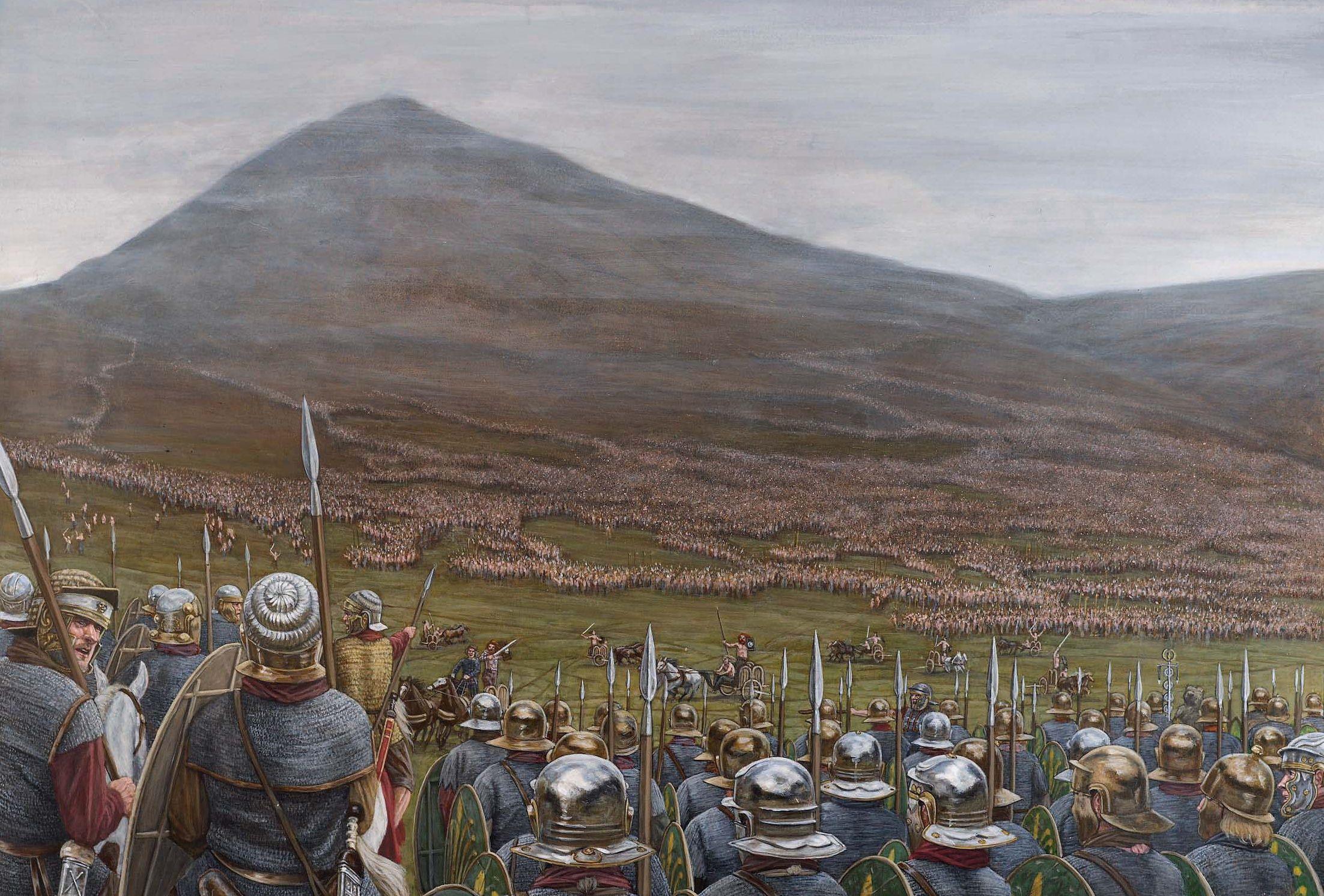
After a major Roman victory, the end of the fighting could be followed by celebrations, rewards, and political ceremonies. A successful battle was not only a military achievement. It could also become an opportunity for Roman commanders and political leaders to demonstrate the power of Rome and gain recognition for their success.
One of the most important forms of recognition was the awarding of military decorations. Roman soldiers who demonstrated exceptional courage or performed important actions could receive honors. These could include medals, crowns, or other distinctions depending on the period and the soldier’s achievements. Officers and commanders could receive much greater recognition for successfully leading an army.
Soldiers could also benefit from the spoils of war. Captured weapons, money, animals, and other valuable goods could become part of the wealth taken from a defeated enemy. The distribution of this wealth depended on the circumstances and period, but the possibility of rewards gave soldiers an additional incentive to fight successfully.
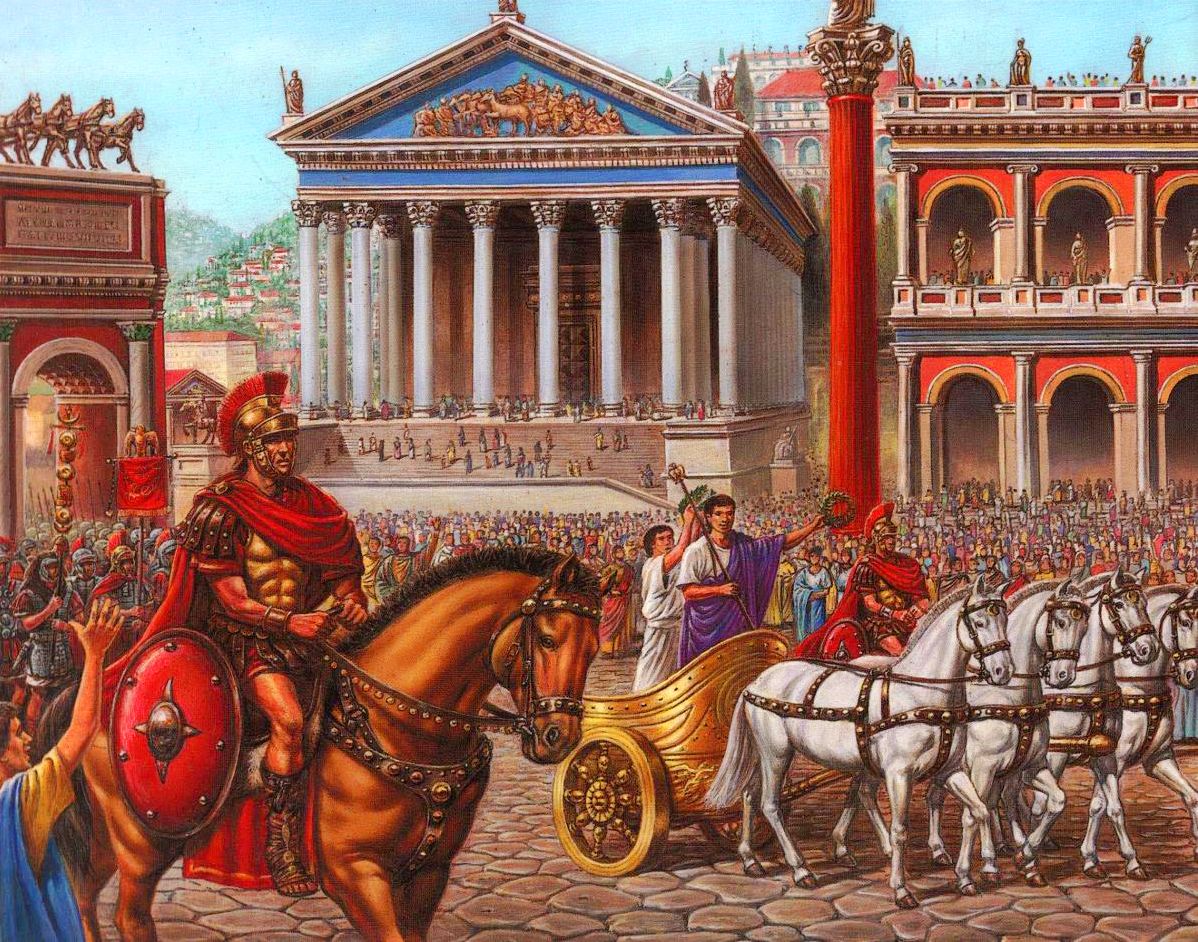
The most famous celebration was the Roman triumph. A triumph was a special ceremony awarded by Roman political authorities to certain victorious commanders. It was not automatically granted after every battle. Traditionally, the victory had to meet particular requirements, and the decision involved Rome’s political institutions.
During a triumph, the victorious commander could enter Rome in a spectacular procession. The procession could include soldiers, captured prisoners, valuable objects, artwork, weapons, and representations of conquered territories. The event transformed a military victory into a public display of Roman power.
The soldiers who had fought in the campaign could also take part in the celebration. This helped connect the commander’s success with the achievements of the army. The victory could therefore strengthen the reputation of both the general and his soldiers.
However, rewards were not limited to ceremonies. Successful soldiers could sometimes receive money, promotions, land, citizenship privileges, or other benefits, depending on the period and circumstances. Military service could therefore provide opportunities for social advancement, particularly for soldiers who served for many years.
Victories were also important for Roman commanders because military success could increase their political influence. A successful general might gain popularity among the Roman people, strengthen relationships with powerful supporters, and become more influential in Roman politics.
At the same time, Roman political leaders understood that military victories could be used to communicate a message about the strength of the Roman state. Monuments, inscriptions, coins, and public ceremonies could preserve the memory of successful campaigns.
For ordinary Romans, these celebrations provided a dramatic reminder that their state was expanding and defeating foreign enemies. A battle that began far from Rome could eventually become a public spectacle in the capital.
The Roman victory celebration was therefore much more than entertainment. It rewarded military achievement, strengthened political reputations, honored soldiers, displayed captured wealth, and presented Roman military power to the wider population.
Main Ideas
- Victorious Roman soldiers could receive military honors and decorations.
- Soldiers could benefit from spoils and financial rewards depending on the campaign.
- Major victories could lead to a Roman triumph for an eligible commander.
- Triumphs displayed captives, weapons, wealth, and other symbols of conquest.
- Military victories could increase the political influence and reputation of Roman commanders.
VIII. What Happened to the Defeated Army and Its Territory
After a Roman victory, the defeated army faced a very different situation from the one it had entered the battle with. Losing a major battle could destroy an army’s ability to defend its territory, but defeat did not always mean that every enemy soldier had been killed or captured. Some soldiers escaped, regrouped, or joined other forces.
One of the first concerns for the defeated side was rebuilding its military strength. If enough soldiers survived, commanders could gather them at another location and attempt to form a new fighting force. They might recruit additional troops, gather supplies, repair equipment, and prepare defensive positions. This meant that a Roman victory did not always immediately end a war.
If the defeated army had been protecting an important city or region, the Romans could then move toward enemy territory. Capturing roads, bridges, forts, towns, and supply centers could make it much harder for the enemy to continue resisting.
Roman commanders often understood that controlling territory was just as important as defeating an army. A battlefield victory could open the way for Rome to impose its authority over surrounding communities. Some defeated communities negotiated with Rome and accepted Roman terms, while others continued fighting.
The exact terms imposed on a defeated enemy varied considerably. A community might have to provide money, supplies, hostages, troops, or territory. In other circumstances, Rome might allow a community to keep some degree of local independence while recognizing Roman authority.
Some territories were eventually incorporated more directly into the Roman state. Rome could establish provincial administration, appoint officials, build military installations, and introduce taxation. Over time, Roman roads, settlements, laws, and institutions could transform the conquered region.
The defeated army could also lose important military resources. Horses, weapons, supplies, standards, and other equipment might be captured by the Romans. Losing these resources made rebuilding an army more difficult.
However, Roman victories did not always produce permanent peace. Rebellion was a recurring problem in many parts of the Roman world. A community that had surrendered could later revolt if Roman authority became unpopular or if local leaders saw an opportunity to regain independence. Rome therefore often needed to maintain troops in recently conquered areas.
The consequences could also extend to the political leadership of the defeated territory. Leaders who had opposed Rome might be removed, killed, captured, or replaced, while leaders who cooperated with Rome could sometimes remain in power. This allowed Rome to use local rulers and existing political structures when direct administration was unnecessary.
Over time, repeated Roman victories could completely change the balance of power in a region. A single battle might weaken an enemy, while a series of victories could eventually lead to Roman control of entire territories.
This is why the aftermath of a Roman battle was so important. The real objective was often not simply to win the battlefield but to use that victory to weaken the enemy, control territory, and impose Roman authority. Once the fighting ended, the political consequences could continue for decades.
Main Ideas
- A defeated army could escape and regroup after losing a battle.
- Rome could capture important roads, forts, towns, and supply centers.
- Defeated communities could be forced to provide money, supplies, territory, or other concessions.
- Some conquered territories eventually became Roman provinces.
- Roman victories could lead to long-term political control, but rebellion could continue after a military defeat.
IX. How a Roman Victory Changed the Lives of Ordinary People
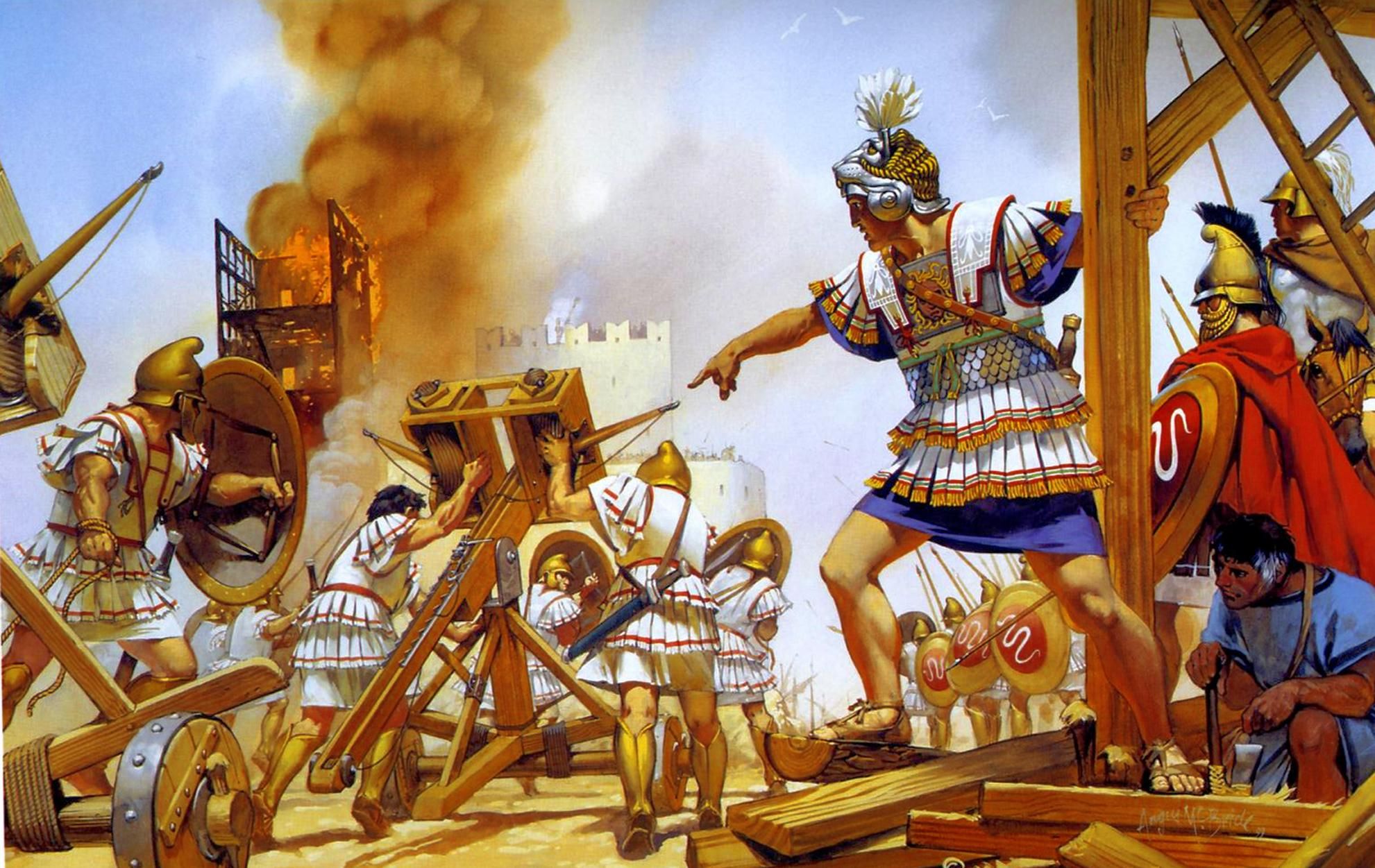
A Roman victory did not only affect generals and soldiers. Ordinary people living in the conquered region could experience major changes after Rome defeated their army. The effects depended on the location, the type of war, and the decisions made by Roman authorities, but military conquest could transform local politics, trade, taxes, and everyday life.
One of the biggest changes was often political control. A community that had previously governed itself could come under Roman authority after defeat. Local leaders might remain in power if they cooperated with Rome, while other rulers could be removed or replaced. In some regions, Rome gradually introduced its own administrative systems and officials.
Taxes and financial obligations could also change. Conquered communities might have to provide payments or supplies to Rome. The exact system varied across the Roman world and changed over time. For ordinary farmers, merchants, and landowners, these obligations could affect how much of their resources they were able to keep.
Military conquest could also change trade and transportation. Rome built and maintained roads across many territories, and military routes could later become important commercial routes. Merchants could travel between communities that were increasingly connected to the wider Roman economy. Roman control therefore sometimes created new opportunities for trade, although conquest itself could initially cause significant disruption.
The presence of the Roman army could become another part of daily life. Soldiers needed food, animals, equipment, buildings, and other supplies. Towns located near military bases could develop businesses that served the army, including workshops, markets, and food suppliers.
Roman influence could also gradually affect language, architecture, law, and customs. Latin became important in many western parts of the empire, while Greek remained extremely influential in the eastern Mediterranean. Roman-style buildings, roads, baths, temples, and public spaces appeared in many communities.
However, Romanization was not immediate or identical everywhere. Local traditions often survived alongside Roman customs. People continued to practice regional religions, speak local languages, and maintain existing cultural traditions. The Roman world was therefore a mixture of Roman institutions and many different local cultures.
For some people, Roman rule could create opportunities. Citizenship, military service, trade, education, and government positions could provide new paths for social advancement. Over time, people from conquered territories could become Roman citizens and participate more fully in Roman society.
For others, conquest could bring serious hardship. Communities could lose land, wealth, political independence, or members of their population. Resistance could lead to further military conflict, while the costs of supporting Roman forces could place additional pressure on local communities.
The impact of a Roman victory therefore depended heavily on who you were and where you lived. A wealthy merchant in a growing town could experience Roman rule differently from a farmer whose land was affected by war.
Ultimately, a Roman battle could have consequences far beyond the battlefield. When Rome won, its victory could change the government, economy, military presence, infrastructure, and culture of an entire region. The soldiers might eventually march away, but the people who remained often lived with the consequences for generations.
Main Ideas
- Roman victories could bring new political authority and administration.
- Conquered communities could face new taxes and financial obligations.
- Roman roads, armies, and trade networks could change local economies.
- Roman culture and institutions gradually influenced many conquered regions.
- The effects of conquest varied greatly depending on social status, location, and local circumstances.
X. What Happened When Rome Lost a Battle
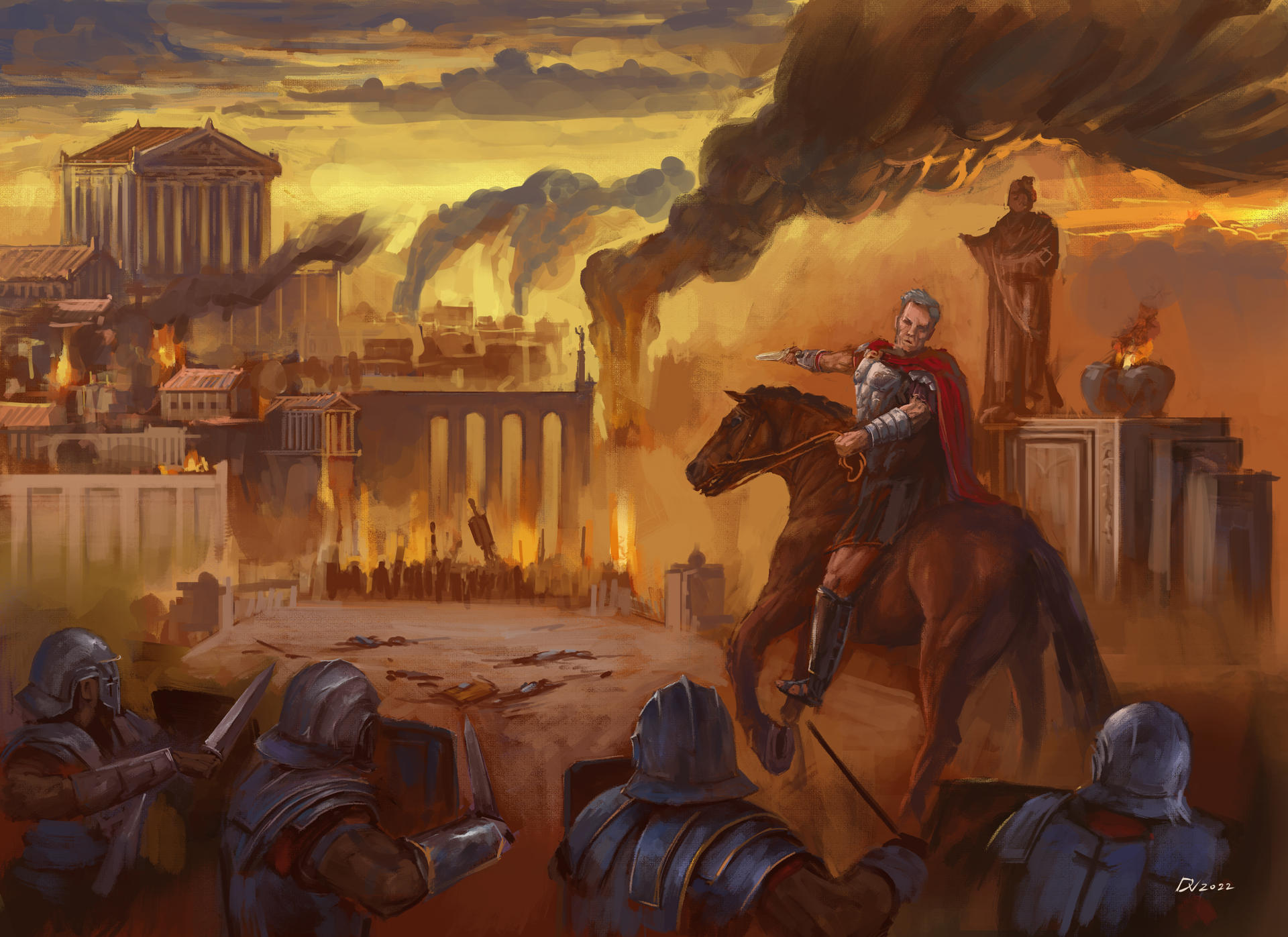
Although Rome became famous for its military victories, Roman armies also suffered serious defeats. When a Roman army lost a battle, the aftermath could be very different from what happened after a victory. Soldiers had to survive the retreat, commanders had to assess the damage, and Roman leaders had to decide how to respond.
The first priority was usually getting surviving soldiers to safety. If the enemy was still nearby, Roman troops might retreat toward a fortified camp, friendly city, or another defensible position. Maintaining discipline during a retreat was extremely important because a defeated army could become vulnerable to further attacks.
Once the surviving soldiers reached safety, Roman commanders needed to reorganize the army. Units might have suffered heavy losses, equipment could have been lost, and officers might have been killed or captured. The remaining soldiers had to be counted and reorganized so commanders could determine how much fighting strength remained.
A major defeat could also create political problems in Rome. Military victories were important to Roman prestige, so a serious defeat could cause fear and anger among the population. The Senate and Roman commanders might need to decide whether to send reinforcements, appoint new leaders, raise additional troops, or change their military strategy.
Rome’s response to defeat was sometimes remarkably persistent. Rather than abandoning a war after one disastrous battle, the Romans could raise new armies and continue fighting. This ability to replace losses and keep military pressure on an enemy was an important feature of Roman warfare.
One famous example was the Battle of Cannae in 216 BC, during the Second Punic War. The Roman army suffered an enormous defeat against Hannibal’s Carthaginian forces. Yet Rome did not surrender. Instead, it continued recruiting soldiers and fighting Carthage for years afterward.
Roman defeats could also encourage enemy resistance and rebellion. Communities that had previously feared Rome might see an opportunity to challenge Roman authority. If a Roman army was defeated in a province or frontier region, local enemies could become more confident and attempt to recover territory.
However, a defeat did not necessarily mean that Rome had lost an entire war. Roman military campaigns were often long and involved many battles, meaning that one disaster could be followed by another Roman army eventually defeating the same enemy.
The Romans also learned from military failures. Commanders could change tactics, reorganize forces, improve defenses, and alter their approach to future battles. Over time, military institutions could adapt to new enemies and difficult conditions.
The aftermath of a Roman defeat therefore depended on its size and circumstances. A small battlefield loss might have limited consequences, while the destruction of an entire army could create a much larger crisis.
For Rome, losing a battle was often a setback rather than the end of the war. The Romans could retreat, rebuild their forces, recruit new soldiers, change their strategy, and return to the battlefield. This ability to recover from military disasters became an important part of Rome’s long military history.
Main Ideas
- After a defeat, Roman soldiers had to retreat and reach a secure position.
- Commanders reorganized surviving troops and assessed their losses.
- Major defeats could create serious political and military problems in Rome.
- Rome could raise new armies and continue fighting even after devastating losses.
- Roman defeats could lead to strategic changes and renewed military campaigns.