The Year of the Four Emperors in 69 AD was one of the most turbulent periods in Roman history. In less than two years, the Roman Empire saw the fall of the Julio-Claudian dynasty, multiple emperors rise and fall, several armies fight for control of the empire, and a new imperial dynasty emerge. The crisis demonstrated just how dependent Roman emperors were on the loyalty of the military and how quickly political instability could turn into civil war.
The crisis began with the fall of Nero, the fifth and final emperor of the Julio-Claudian dynasty. In 68 AD, rebellions spread across the Roman world, and Nero lost the support of important military and political figures. His death left Rome without an obvious successor and created a struggle over who would control the empire.
Galba, the governor of Hispania Tarraconensis, was the first to claim the imperial throne after Nero. However, his rule lasted only a few months. Galba struggled to secure the loyalty of the army and faced growing opposition in Rome. In January 69 AD, he was killed by supporters of Otho, who then became emperor.
Otho’s reign was also extremely short. The legions stationed along the Rhine had already declared Vitellius emperor, and his forces marched into Italy. Otho’s army was defeated at the Battle of Bedriacum, and Otho died soon afterward. Vitellius then became emperor, but his victory did not bring peace to the empire.
In the eastern provinces, another powerful Roman commander emerged. Vespasian, who was commanding Roman forces during the First Jewish Revolt, was proclaimed emperor by his troops. His supporters moved westward, eventually defeating Vitellius and capturing Rome.
By the end of 69 AD, Vespasian had emerged victorious, bringing the civil war to an end. His victory established the Flavian dynasty, which would rule the Roman Empire through Vespasian and his sons Titus and Domitian.
The Year of the Four Emperors was important because it revealed a fundamental weakness in the Roman imperial system. The emperor might sit in Rome, but the legions controlled across the provinces possessed enormous political power. When different armies supported different commanders, the empire could quickly descend into civil war.
The events of 69 AD also showed that the Roman Empire could survive the collapse of a ruling dynasty. Instead of ending with Nero, the imperial system adapted to a new political reality. The rise of Vespasian marked the beginning of a new chapter in Roman history and demonstrated the increasingly important role played by the Roman military in choosing emperors.
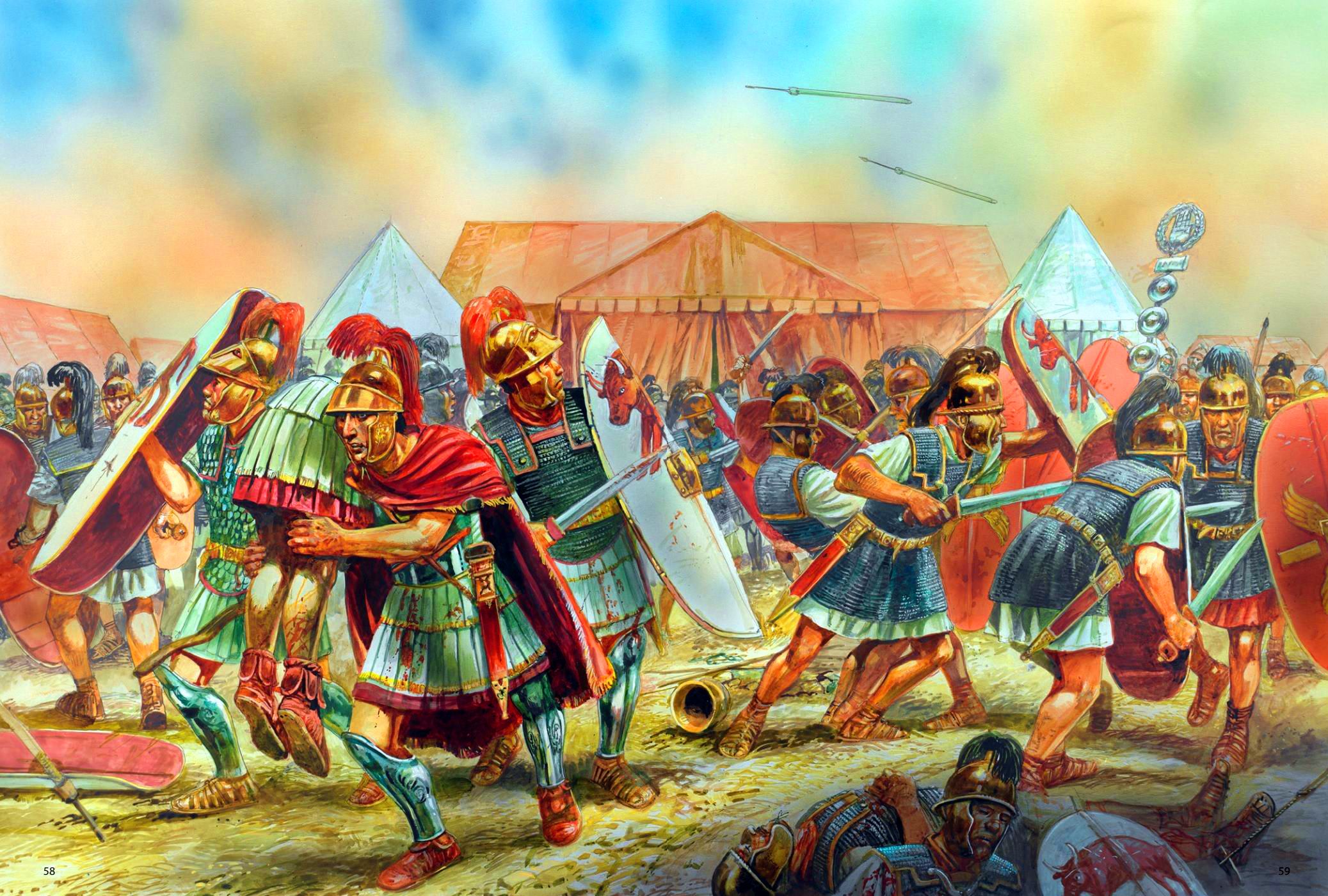
1. The Death of Nero and the Collapse of the Julio-Claudian Dynasty
The Year of the Four Emperors began with the collapse of Nero’s government in 68 AD. Nero had ruled the Roman Empire since 54 AD and was the final emperor of the Julio-Claudian dynasty, the imperial family that had governed Rome since the reign of Augustus. His fall created a major political vacuum and opened the way for competing military commanders to claim the imperial throne.
By the final years of Nero’s reign, opposition to the emperor had grown among important members of the Roman political and military elite. In 68 AD, Gaius Julius Vindex, the governor of Gallia Lugdunensis, rebelled against Nero. Vindex was defeated by forces loyal to Nero, but his rebellion helped expose the weakness of the emperor’s position.
More importantly, Servius Sulpicius Galba, the governor of Hispania Tarraconensis, joined the opposition. Galba had considerable military experience and commanded forces in one of the empire’s important provinces. He was eventually recognized by forces opposing Nero and began moving toward a confrontation with the emperor.
Nero’s position continued to deteriorate as support from the military and political establishment disappeared. The Praetorian Guard, the elite military force responsible for protecting the emperor in Rome, eventually abandoned him. Without their support, Nero had little ability to maintain his position.
In June 68 AD, Nero died, bringing the Julio-Claudian dynasty to an end. His death was historically significant because Augustus had established a system in which imperial power passed through a relatively stable ruling family. After Nero, there was no universally accepted successor with an unquestioned claim to the throne.
Galba became emperor, but his position was immediately difficult. He needed to establish authority over an enormous empire whose armies were stationed across Europe, North Africa, and the eastern provinces. The Roman military had become one of the most important sources of political power, and different armies did not necessarily share the same political interests.
Galba also faced problems in Rome itself. His government attempted to control spending and reward supporters, but these decisions created resentment. He also failed to satisfy important groups within the military. Roman soldiers expected financial rewards and recognition for their service, and imperial succession was closely connected to the loyalty of the legions and the Praetorian Guard.
The most important weakness in Galba’s position was the absence of a secure succession plan. In January 69 AD, Galba adopted Lucius Calpurnius Piso Licinianus as his successor. This decision disappointed Otho, an influential Roman politician who had expected to benefit from Galba’s succession.
Otho responded by gaining the support of the Praetorian Guard. On January 15, 69 AD, Galba and Piso were killed in Rome, and Otho was proclaimed emperor.
Galba had ruled for only a few months. His rapid fall demonstrated that the death of Nero had not solved Rome’s political crisis. Instead, it had opened a struggle in which emperors could be made or destroyed by the military.
The collapse of the Julio-Claudian dynasty therefore created the conditions for the wider civil war of 69 AD. With Galba dead and Otho on the throne, another challenger was already emerging in the western provinces: Vitellius, whose armies in Germania would soon march toward Italy.
5 Key Ideas
- Nero’s death in 68 AD ended the Julio-Claudian dynasty.
- The rebellion of Vindex and Galba helped expose the weakness of Nero’s government.
- Galba became emperor but struggled to gain lasting support from the military.
- Galba’s adoption of Piso Licinianus angered Otho and contributed to his downfall.
- Otho’s rise showed how important the Praetorian Guard and military support had become in determining the emperor.
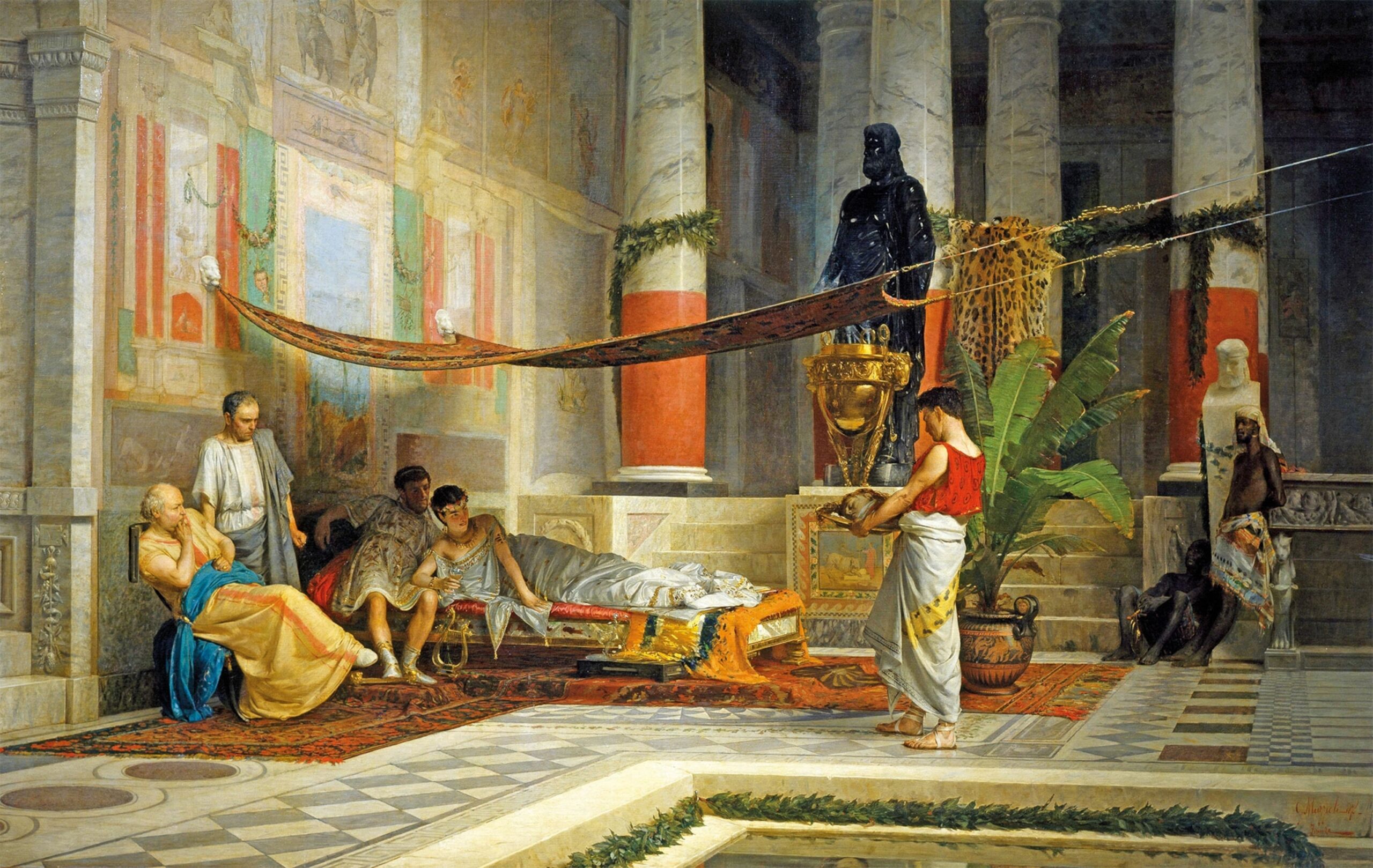
2. Galba: The First Emperor of the Crisis
After the death of Nero in 68 AD, Galba became the first of the four emperors who would rule during the crisis. His rise initially appeared to restore stability to the Roman Empire, but his government quickly encountered serious political and military problems. Within only a few months, Galba would lose the support of the soldiers and political allies who had helped bring him to power.
Servius Sulpicius Galba was an experienced Roman aristocrat and provincial governor. Before becoming emperor, he had held several important positions under previous emperors and had considerable administrative and military experience. His long career gave him a reputation as an established member of the Roman elite rather than an inexperienced political outsider.
When Nero’s government collapsed, Galba was proclaimed emperor by forces in the western provinces. His supporters presented him as an alternative to Nero and as someone capable of restoring traditional Roman government. The Senate accepted Galba as emperor, formally recognizing the end of Nero’s rule.
However, becoming emperor was easier than maintaining power. Galba had to gain the loyalty of soldiers throughout the empire, and this proved difficult. The Roman army had become an essential political force because the emperor depended on provincial legions to maintain control over distant territories.
One of Galba’s major problems was his approach to military finances and rewards. Soldiers expected payments and bonuses when a new emperor came to power, particularly if they had supported his rise. Galba was unwilling to distribute rewards on the scale that many soldiers expected. This damaged his relationship with the military.
The Praetorian Guard was especially important. Stationed in Rome, the guard had a direct influence on imperial politics. Galba needed its loyalty to remain secure, but dissatisfaction grew within the force.
Galba also faced problems with his political decisions. In January 69 AD, he chose Lucius Calpurnius Piso Licinianus as his adopted son and successor. Galba hoped that this decision would provide stability and establish a clear succession. Instead, it alienated Otho, a wealthy and influential Roman who had supported Galba during his rise.
Otho had expected that his loyalty would eventually be rewarded, and Galba’s decision to select Piso instead created a serious political conflict. Otho began working with members of the Praetorian Guard, who were dissatisfied with Galba.
On 15 January 69 AD, the crisis reached its climax. Otho’s supporters seized control of the situation in Rome. Galba was killed along with Piso, and Otho was proclaimed emperor.
Galba’s reign had lasted only a few months. His downfall demonstrated how difficult it was for an emperor to rule without strong military support. The Senate could recognize an emperor, but recognition alone could not guarantee control of the legions or the Praetorian Guard.
Galba’s short reign also revealed a broader problem created by Nero’s death. There was no established mechanism that could guarantee a peaceful succession when competing military commanders possessed large armies and political ambitions.
His fall was therefore an important stage in the Year of the Four Emperors. Otho now controlled Rome, but another challenge was already developing. The legions stationed along the Rhine had proclaimed Vitellius emperor, and his forces were preparing to march toward Italy.
The Roman Empire was now heading toward open civil war.
5 Key Ideas
- Galba became emperor after Nero’s death in 68 AD.
- His government struggled to maintain the loyalty of the Roman military.
- Galba’s reluctance to provide expected military rewards weakened his support.
- His decision to adopt Piso Licinianus as successor pushed Otho toward rebellion.
- Galba was killed in January 69 AD, beginning Otho’s brief reign.
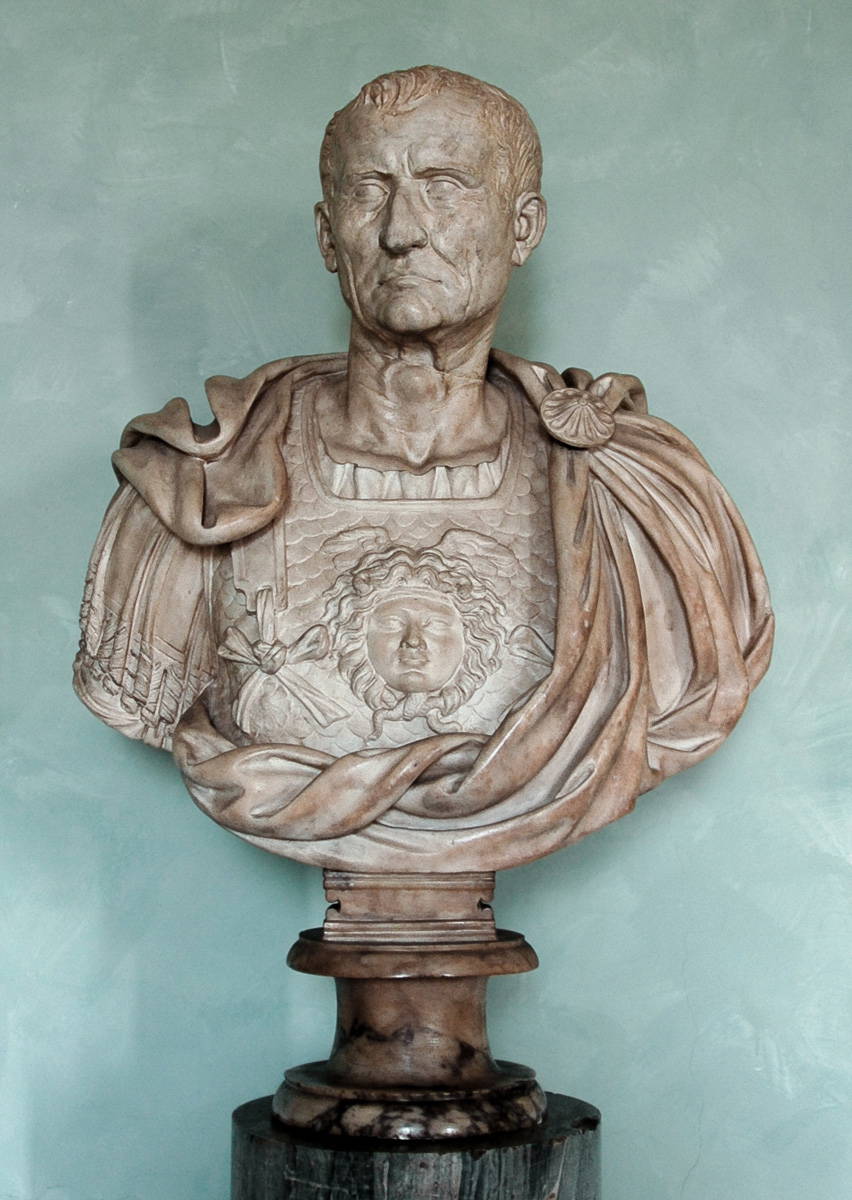
3. Otho: The Second Emperor of the Crisis
After Galba was killed in January 69 AD, Marcus Salvius Otho became emperor. His rise was remarkably quick. In a matter of days, Otho had moved from being a political opponent of Galba to controlling Rome and holding the imperial title. However, his position was immediately threatened by another powerful commander whose armies had already proclaimed him emperor.
Otho had been an important supporter of Galba during the revolt against Nero. He was an experienced politician and member of the Roman elite, but his relationship with Galba deteriorated when the emperor chose Piso Licinianus as his successor. Otho had expected that his loyalty would be rewarded, and the decision left him politically exposed.
Otho responded by gaining the support of the Praetorian Guard. On 15 January 69 AD, the guard turned against Galba, who was killed in Rome. Otho was then proclaimed emperor. The Senate accepted the new political reality and recognized him as ruler.
However, Otho’s reign faced a major problem almost immediately. The legions stationed in Germania Inferior and Germania Superior had already proclaimed Aulus Vitellius emperor. Vitellius was a powerful Roman commander, and his troops were among the most experienced forces in the empire.
Vitellius’s forces began moving toward Italy. Otho attempted to negotiate, but the competing claims to the imperial throne could not easily be resolved. Both men now had armies supporting their claims, making a military confrontation increasingly likely.
Otho initially had an important advantage because he controlled Rome and had the support of the Praetorian Guard. He also gained support from additional forces in the provinces. However, Vitellius’s troops had already begun their advance and included experienced soldiers from the Rhine frontier.
The two sides eventually met in northern Italy. The most important confrontation occurred at the First Battle of Bedriacum in April 69 AD. Vitellius’s forces defeated Otho’s army after a major battle.
Otho still had supporters and could potentially have continued the conflict. Instead, he chose to end the struggle. In April 69 AD, Otho died by suicide, bringing his reign to an end after only around three months.
Otho’s brief reign demonstrated the extraordinary speed with which political power could change hands during the crisis. Galba had ruled for only a few months before Otho replaced him, and Otho himself was defeated before he could establish a stable government.
The events also demonstrated the increasing importance of provincial armies. The emperor was no longer simply chosen through political decisions in Rome. Military commanders with powerful provincial armies could challenge the government and claim the throne themselves.
Otho’s defeat allowed Vitellius to become the next emperor. His victory, however, did not end the civil war. While Vitellius was taking control of the western empire, another powerful commander was emerging in the east.
Vespasian, commander of Roman forces involved in the First Jewish Revolt, was proclaimed emperor by his troops. His armies would soon enter the struggle, creating another confrontation for control of Rome.
Otho’s short reign was therefore an important part of the wider crisis. His rise showed how quickly the Praetorian Guard could influence imperial succession, while his defeat demonstrated that control of Rome alone was not enough. To remain emperor, a claimant needed the support of powerful armies across the empire.
5 Key Ideas
- Otho became emperor in January 69 AD after the overthrow of Galba.
- His rise depended heavily on the support of the Praetorian Guard.
- The Rhine legions had already proclaimed Vitellius emperor.
- Otho was defeated at the First Battle of Bedriacum in April 69 AD.
- Otho died soon afterward, allowing Vitellius to become emperor.
4. Vitellius and the Armies of Germania
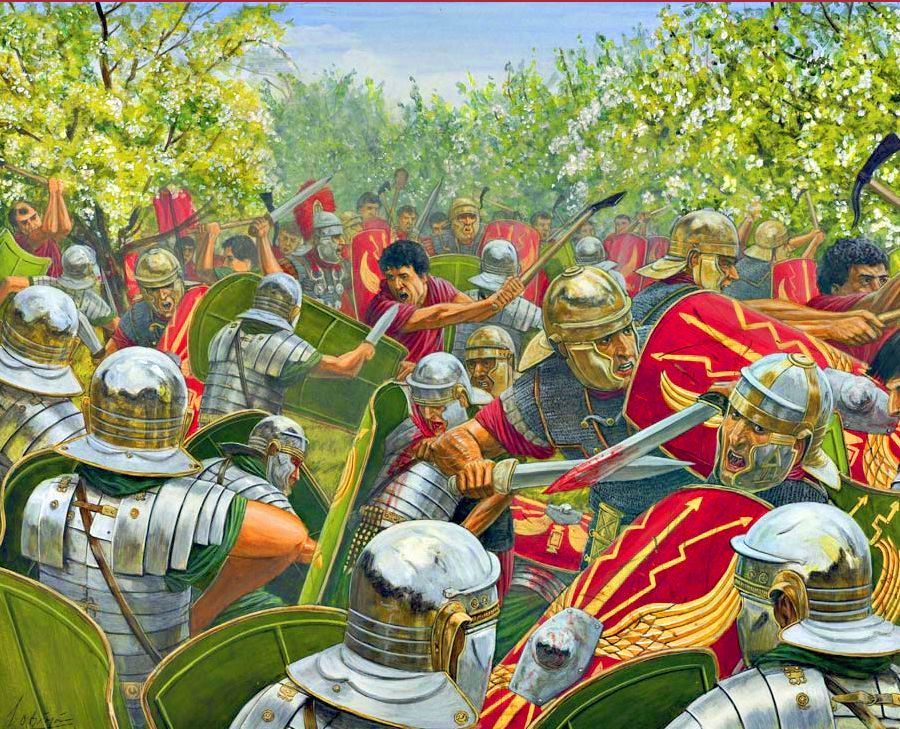
After Otho’s defeat and death in April 69 AD, Aulus Vitellius became the third emperor of the turbulent year. His rise demonstrated the enormous political influence of the Roman armies stationed along the empire’s frontiers. Vitellius had been proclaimed emperor by troops in the German provinces, and their military support had allowed him to challenge Otho and seize control of the Roman government.
Vitellius had served as a Roman senator and administrator before becoming commander of the armies in Germania Inferior. The Rhine frontier was one of the most heavily militarized regions of the empire. Several legions were stationed there because Rome needed a strong military presence along the Rhine and near the territories beyond it.
When news of Galba’s death reached the Rhine armies, the soldiers became involved in the succession struggle. In early 69 AD, they proclaimed Vitellius emperor. His supporters included several powerful commanders, and the armies began moving toward Italy to challenge Otho.
The campaign against Otho demonstrated the strength of the Rhine legions. They were experienced frontier troops who had spent years serving along one of Rome’s most important military borders. Their march toward Italy eventually brought them into conflict with Otho’s forces at Bedriacum.
The First Battle of Bedriacum was a major victory for Vitellius. Otho’s army was defeated, and Otho subsequently died by suicide. Vitellius was then able to establish himself as emperor.
Vitellius entered Rome later in 69 AD, but his victory did not produce lasting stability. His position depended heavily on the same military forces that had brought him to power. At the same time, his government had to deal with the enormous political and financial problems left behind by years of instability.
Vitellius also faced a growing challenge from the eastern Roman provinces. While his armies had been fighting Otho in Italy, Roman forces in the East were supporting another commander: Vespasian.
Vespasian was an experienced military leader who had been commanding the Roman campaign against the Jewish revolt. His position gave him control over experienced troops in the eastern provinces. As news of Vitellius’s victory spread, Vespasian’s supporters began considering whether their commander should claim the imperial throne.
In July 69 AD, Vespasian was proclaimed emperor by his troops. He gained support from important military commanders and provincial leaders, creating another major challenge to Vitellius.
The situation showed how the Roman Empire had effectively divided into competing military blocs. Vitellius controlled Rome and had strong support from the armies of the Rhine, while Vespasian had powerful forces in the eastern provinces.
Vitellius attempted to maintain his position, but Vespasian’s supporters began advancing toward Italy. The coming conflict would once again center on northern Italy and the strategically important region around Bedriacum.
Vitellius therefore became emperor during one of the most unstable moments in Roman history. His rise proved that armies outside Rome could determine who became emperor, but his eventual struggle against Vespasian would demonstrate an even more important reality: winning a civil war did not necessarily mean securing the empire.
By the end of 69 AD, Vitellius had gone from victorious commander to a ruler fighting for survival. Vespasian’s forces were moving west, and another battle for control of Rome was approaching.
5 Key Ideas
- Vitellius was proclaimed emperor by the armies of Germania in 69 AD.
- The Rhine legions were experienced frontier troops with major political influence.
- Vitellius defeated Otho at the First Battle of Bedriacum.
- Vespasian was proclaimed emperor by the eastern armies, creating a new civil war.
- Vitellius’s victory over Otho did not end the crisis because Vespasian’s forces were advancing toward Italy.
5. Vespasian Rises in the East
While Vitellius was consolidating power in Rome, another Roman commander was gaining support in the eastern provinces. His name was Titus Flavius Vespasianus, better known as Vespasian. His rise would transform the crisis of 69 AD and eventually establish an entirely new imperial dynasty.
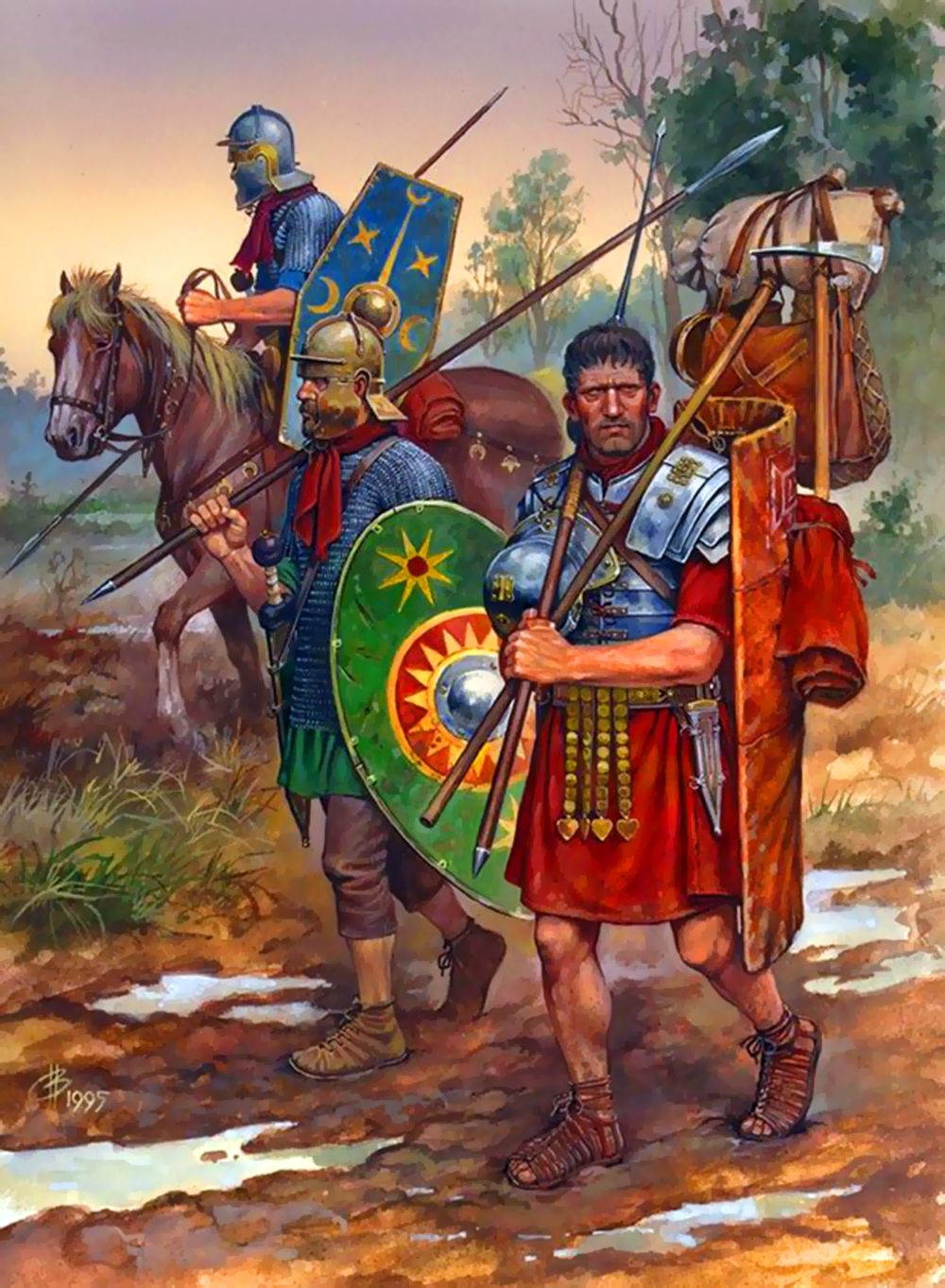
Vespasian had built a strong military reputation before the civil war. In 66 AD, Emperor Nero appointed him to command the Roman forces sent to suppress the First Jewish Revolt in Judaea. Vespasian commanded several legions and gradually established control over much of the region. His position gave him something extremely valuable during the political crisis: a large and experienced army.
After Nero’s death in 68 AD, Vespasian did not immediately attempt to seize the throne. The rapid changes in Rome, however, created an opportunity. Galba, Otho, and Vitellius each became emperor in succession, while Vespasian remained in the East. As the situation deteriorated, the armies of the eastern provinces increasingly supported the idea that Vespasian should become emperor.
In July 69 AD, Vespasian was proclaimed emperor by his supporters. His position was strengthened by the strategic importance of the eastern provinces. Egypt, in particular, was extremely valuable because Rome depended heavily on Egyptian grain supplies. Control of Egypt could therefore provide both resources and political leverage.
Vespasian also received support from important eastern commanders. Tiberius Julius Alexander, the prefect of Egypt, supported Vespasian’s claim, while the Syrian legions also recognized him. Vespasian’s forces eventually included troops from Judaea, Syria, and Egypt, creating a powerful military bloc.
Vespasian himself remained in the East while his supporters began moving toward Italy. One of the most important commanders was Antonius Primus, who commanded forces associated with the Danubian armies. Another major figure was Gaius Licinius Mucianus, the governor of Syria, who supported Vespasian and helped organize the eastern campaign.
The civil war was therefore becoming a much larger conflict. The struggle was no longer simply between individual claimants in Rome. It involved different regional armies, each with its own commanders and political interests. The Roman Empire’s enormous size meant that an emperor could gain enormous power by securing the loyalty of provincial legions.
Vitellius still controlled Rome, but his position was increasingly threatened. Vespasian had access to large armies in the East, while Antonius Primus moved westward with forces from the Danube region. The two sides were heading toward another confrontation in northern Italy.
The first Battle of Bedriacum had already shown how quickly a Roman emperor could lose power when the armies turned against him. Now, only months later, the same region would become the site of another decisive battle.
The Second Battle of Bedriacum would determine whether Vitellius could retain the throne or whether Vespasian would become the fourth and final emperor of the crisis.
5 Key Ideas
- Vespasian commanded Roman forces during the First Jewish Revolt.
- His military position in the East gave him access to powerful legions.
- Vespasian was proclaimed emperor in July 69 AD.
- Egypt, Syria, and Judaea became important centers of support for his claim.
- Vespasian’s supporters moved west, leading toward the Second Battle of Bedriacum.
6. The Second Battle of Bedriacum and the Fall of Vitellius
By the autumn of 69 AD, the struggle for the Roman throne had entered its final stage. Vitellius still controlled Rome and had supporters among the armies of the western provinces, while Vespasian had gained the backing of powerful forces in the East. The armies supporting the two emperors were now moving toward a decisive confrontation in northern Italy.
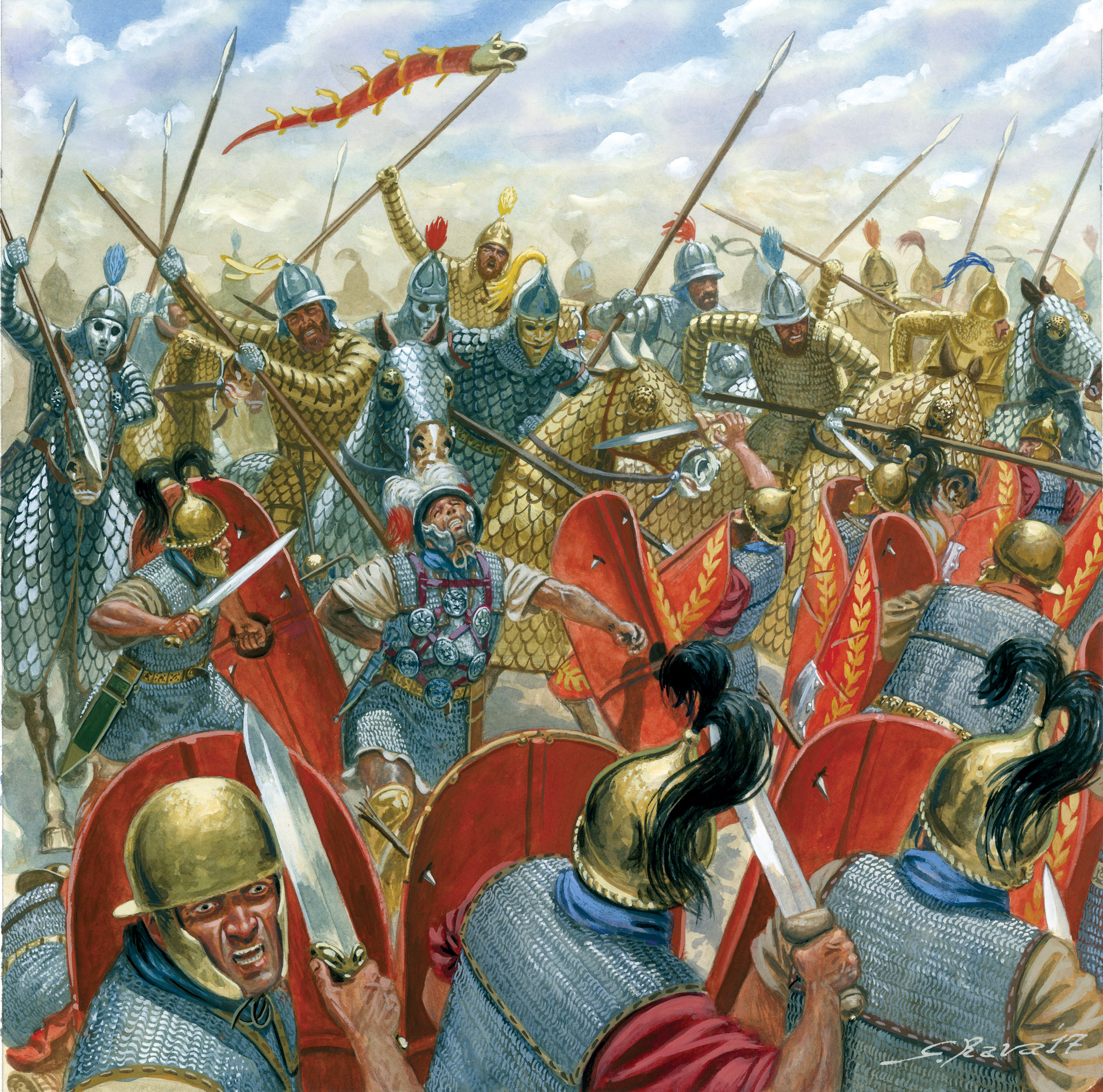
Vespasian’s supporters were led by Antonius Primus, a commander associated with the Danubian legions. His army crossed into Italy and advanced toward the forces loyal to Vitellius. The strategic objective was clear: defeat Vitellius’s army and remove his ability to control northern Italy and eventually Rome.
The confrontation took place near Bedriacum, close to modern Calvatone in northern Italy. The location was already famous because the First Battle of Bedriacum had taken place there earlier in the same year, when Vitellius’s forces defeated Otho.
The second battle was very different. This time, the forces supporting Vespasian gained the advantage. Vitellius’s army was defeated, and the defeat severely weakened his position. Many soldiers and commanders recognized that continuing to support Vitellius was becoming increasingly difficult.
Vitellius nevertheless remained emperor for a short time. His position in Rome was becoming unstable as Vespasian’s supporters advanced. Political pressure increased, and attempts were made to arrange a settlement that would end the conflict without another major confrontation.
These efforts failed. Vespasian’s forces continued their advance toward Rome, while support for Vitellius declined. By this point, the political crisis had demonstrated how important military loyalty had become in determining who ruled the Roman Empire.
The final struggle took place in and around Rome late in 69 AD. Vitellius was eventually forced to surrender his claim to power. He was killed in December 69 AD, bringing his short reign to an end.
Vespasian was now effectively the uncontested emperor. He had been proclaimed by eastern armies months earlier, but the defeat of Vitellius’s forces finally gave him control over the imperial center.
The events of 69 AD had therefore come full circle. Nero’s death had ended the Julio-Claudian dynasty, while Galba, Otho, and Vitellius had each held power for only a short period. Vespasian became the fourth emperor of the year and the one who succeeded in establishing a more stable government.
His victory also demonstrated that the crisis had fundamentally changed the political balance of the Roman Empire. The Senate still possessed important constitutional traditions, but the events of 69 AD showed that the armies could play a decisive role in choosing the emperor.
Vespasian would spend the following years rebuilding imperial authority, restoring finances, and strengthening the government after the turmoil of the civil wars. His victory marked the beginning of the Flavian dynasty, which would rule Rome for more than two decades.
5 Key Ideas
- The Second Battle of Bedriacum was a decisive victory for Vespasian’s supporters.
- Antonius Primus played an important role in the campaign against Vitellius.
- Vitellius lost military and political support after his defeat.
- Vitellius was killed in December 69 AD, ending his brief reign.
- Vespasian emerged as the successful claimant and prepared to establish the Flavian dynasty.
7. The Flavian Dynasty Begins
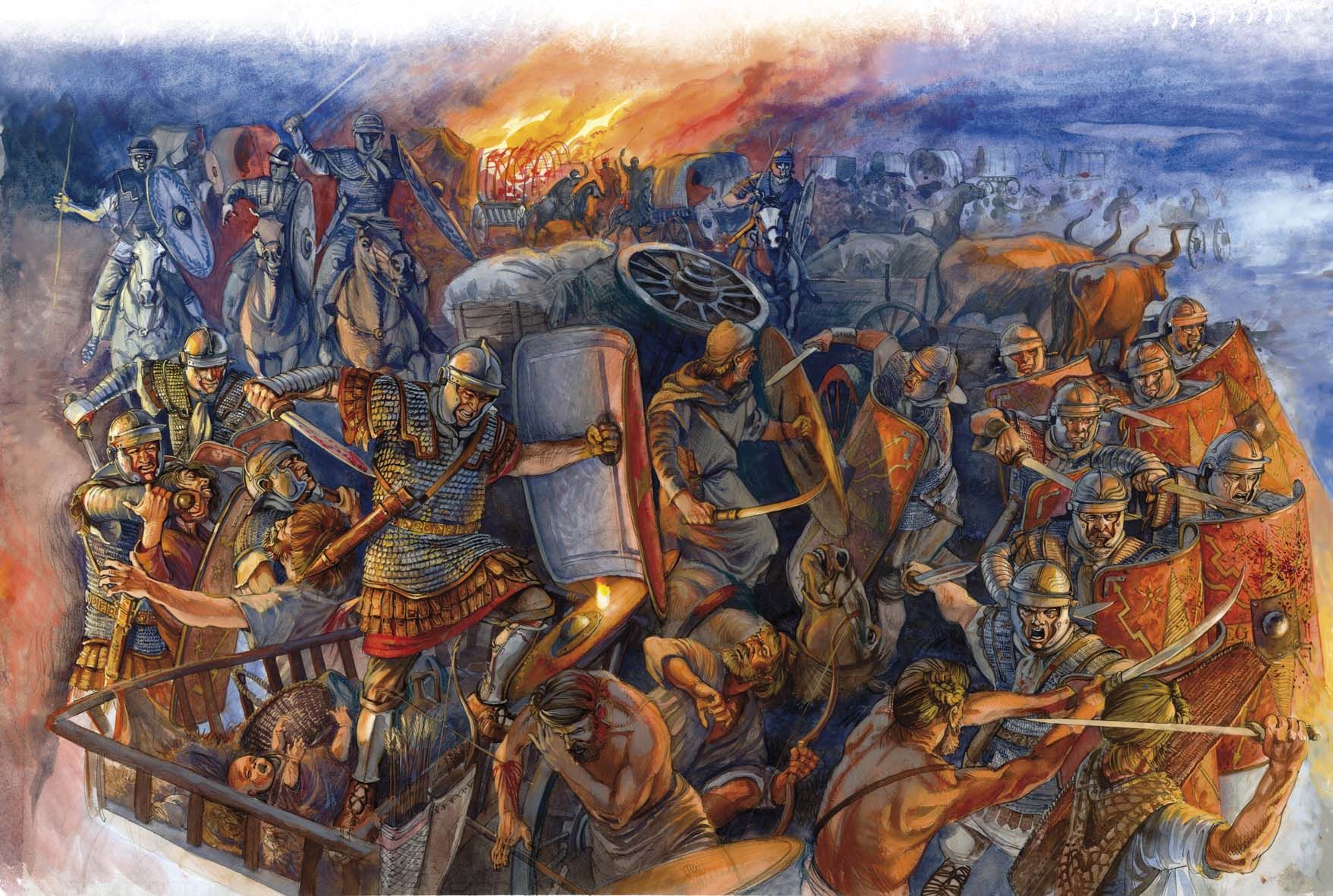
With the defeat of Vitellius in December 69 AD, the crisis known as the Year of the Four Emperors finally came to an end. Vespasian emerged as the victorious claimant to the Roman throne, bringing an end to the rapid succession of Galba, Otho, and Vitellius. His victory established a new ruling family, the Flavian dynasty, which would govern the Roman Empire for more than two decades.
Vespasian’s rise was significant because he came from a background that was different from the Julio-Claudian emperors. He was not a direct descendant of Augustus or one of the traditional ruling families of the early empire. Instead, his career had been built through military service, government positions, and political experience.
After gaining control of the empire, Vespasian faced the difficult task of restoring stability. The civil wars of 69 AD had demonstrated how quickly political authority could collapse when competing armies supported different emperors. Vespasian therefore needed to strengthen the government’s finances, rebuild confidence in imperial leadership, and maintain the loyalty of the Roman military.
One of his major priorities was restoring the imperial treasury. Years of political instability and military campaigning had placed significant pressure on Rome’s finances. Vespasian became known for his practical approach to government spending and taxation. His administration worked to increase state revenues and stabilize the financial position of the empire.
Vespasian also understood the importance of maintaining good relations with the Roman army. The events of 69 AD had shown that military support could determine who became emperor. Rather than allowing individual commanders to build completely independent power bases, Vespasian worked to reinforce central imperial authority.
His sons, Titus and Domitian, also became important parts of the new dynasty. Titus had already gained military experience during the campaign in Judaea, while Domitian was much younger and had not yet developed the same military reputation. Both would eventually succeed their father as emperors.
Vespasian also promoted major building projects in Rome. The most famous was the construction of the Colosseum, begun during his reign on the site of Nero’s former palace complex. The project became a powerful symbol of the new dynasty and demonstrated the government’s ability to invest in public architecture after years of political turmoil.
The Flavian dynasty also helped establish a new pattern of imperial succession. Vespasian ruled until 79 AD, when he was succeeded by his son Titus. Titus ruled until 81 AD, after which his brother Domitian became emperor. Together, the three Flavian emperors ruled from 69 to 96 AD.
The dynasty was eventually brought to an end after Domitian’s assassination in 96 AD, but Vespasian’s achievement remained important. He had transformed a military victory during a civil war into a functioning imperial government.
The Year of the Four Emperors therefore became a major turning point in Roman history. It demonstrated the dangers of unclear succession, revealed the political power of the legions, and ended the Julio-Claudian dynasty. The rise of Vespasian showed that the Roman Empire could survive a major civil conflict and establish a new ruling family.
The events of 69 AD also created an important precedent: an emperor did not necessarily need to come from the previous imperial family. Military reputation, political alliances, and provincial support could provide a path to the throne.
5 Key Ideas
- Vespasian ended the Year of the Four Emperors and established the Flavian dynasty.
- He focused on restoring financial and political stability after the civil wars.
- Titus and Domitian became the next two Flavian emperors.
- The construction of the Colosseum became one of the most famous projects of Vespasian’s reign.
- The crisis demonstrated the growing importance of military support in Roman imperial succession.