1. What Was Ancient Roman Siege Warfare?
Ancient Roman siege warfare was the method used by Roman armies to capture fortified cities, towns, forts, and strongholds that could not be taken through a direct assault. Instead of fighting a single battle in an open field, Roman commanders would surround a target, isolate it from outside help, and systematically break its defenses until surrender became inevitable. Siege warfare became one of the most important aspects of Roman military success and played a major role in the expansion of Roman power across Europe, North Africa, and the Middle East.
In the ancient world, many cities were protected by massive stone walls, defensive towers, gates, moats, and natural barriers. These defenses made direct attacks extremely costly and dangerous. A well-defended city could resist even a powerful army if its walls remained intact. Because of this, the Romans developed highly sophisticated siege techniques that combined engineering, discipline, logistics, and military innovation.
Unlike many of their enemies, the Romans treated siege warfare as both a military and engineering challenge. Roman armies included trained engineers, surveyors, architects, and craftsmen who could construct roads, bridges, camps, siege engines, and fortifications. This gave Rome a significant advantage during long campaigns. A Roman army did not simply arrive and attack walls—it arrived prepared to build whatever was necessary to defeat them.
A typical Roman siege began when a city refused to surrender. Once negotiations failed, Roman forces would surround the settlement and establish a siege camp. These camps were heavily fortified with ditches, earthworks, wooden palisades, and defensive towers. Roman camps often resembled temporary fortresses rather than simple military encampments. This ensured that the besieging army remained protected while conducting operations against the city.
After securing the area, Roman commanders would carefully study the enemy’s defenses. They looked for weak points in the walls, vulnerable gates, poor terrain, or sections that could be undermined. Roman engineers then developed a plan to overcome these obstacles using a combination of force and engineering.
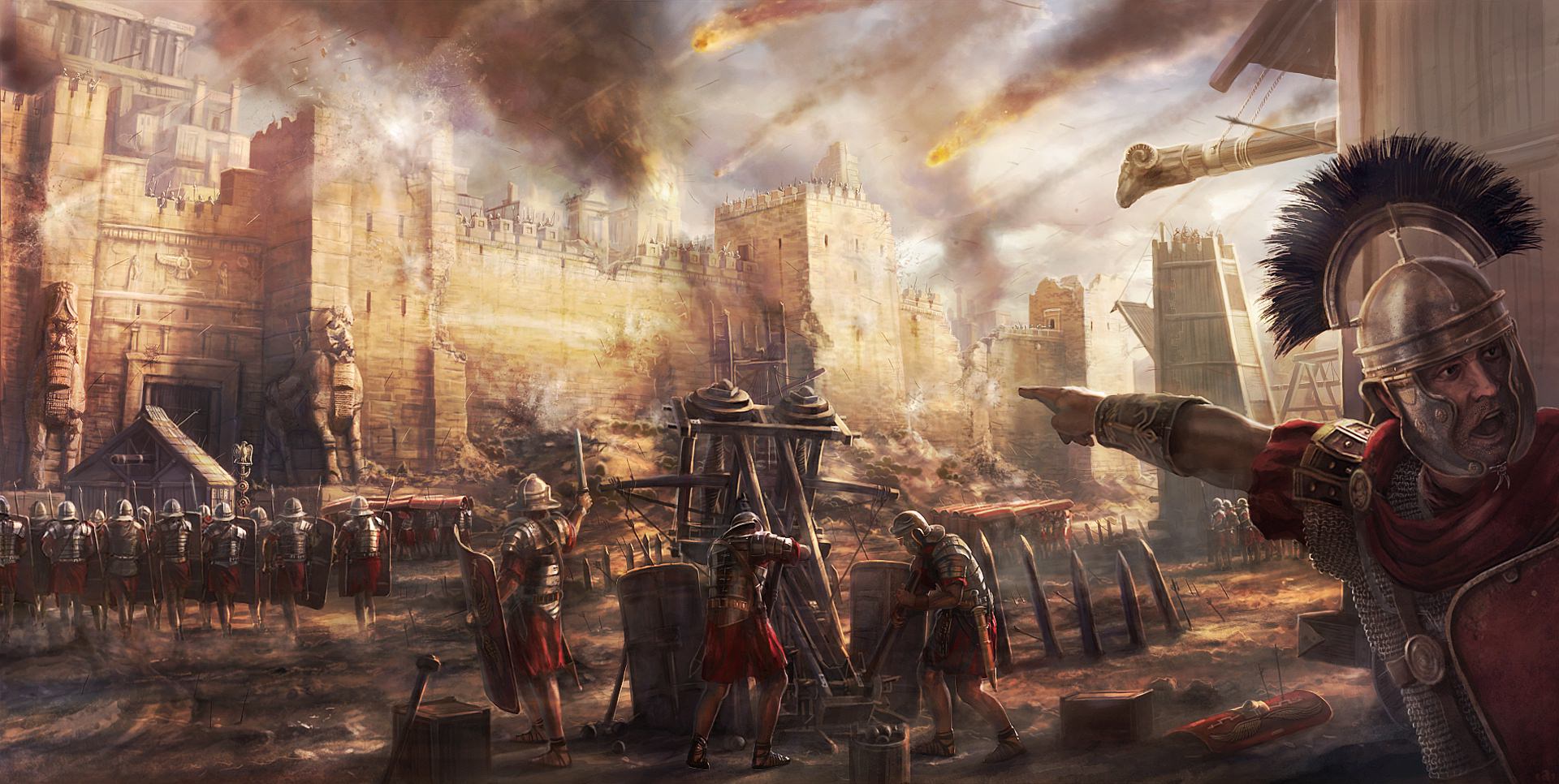
One of the most famous features of Roman siege warfare was the use of siege engines. These included ballistae, catapults, onagers, and massive battering rams. Ballistae functioned like giant crossbows capable of launching bolts at defenders on the walls. Catapults and onagers hurled stones into enemy fortifications, causing destruction and lowering morale. Battering rams were designed to smash through gates and weaken defensive structures.
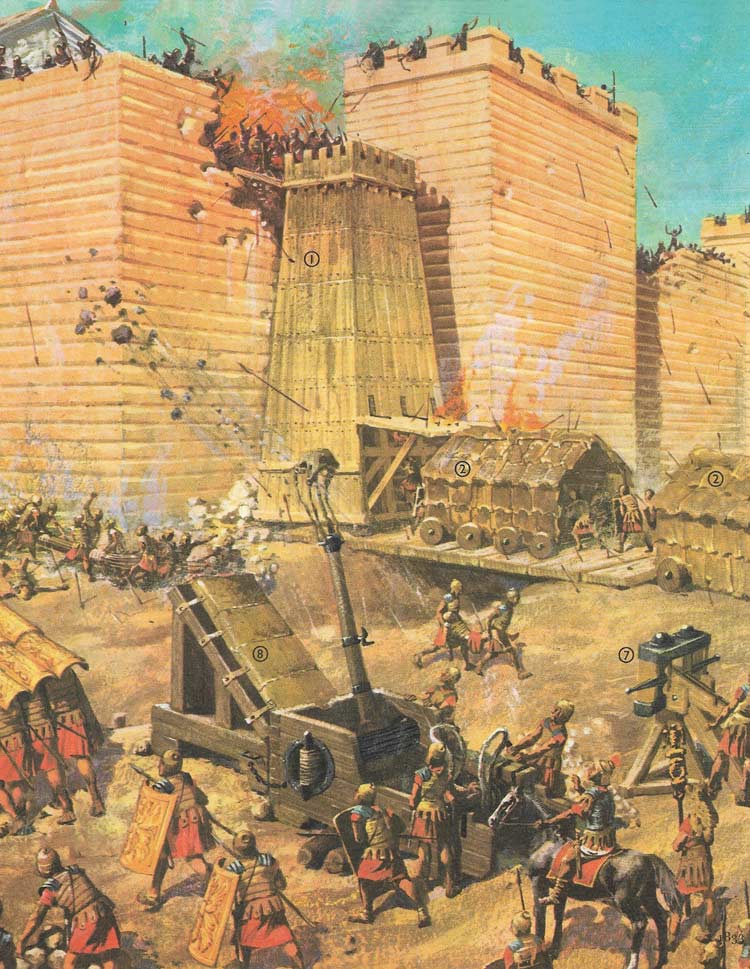
The Romans also constructed enormous siege towers, some reaching the height of city walls. These towers allowed Roman soldiers to fight defenders at the same level as the walls or even higher. Covered with protective materials, siege towers could be pushed toward enemy fortifications while shielding soldiers from arrows, stones, and other projectiles.
Another important Roman tactic involved mining and tunneling. Roman engineers sometimes dug tunnels beneath enemy walls to weaken foundations and cause sections of the fortifications to collapse. In response, defenders often dug counter-tunnels to intercept Roman miners underground. These underground battles could become just as dangerous as fighting above ground.
Sieges were often lengthy operations. Instead of storming a city immediately, Roman commanders frequently relied on starvation and isolation. By surrounding a city and cutting off supplies, they forced defenders into a desperate situation. Food shortages, disease, and declining morale could weaken resistance long before the final assault began. In some cases, cities surrendered without a major attack simply because they could no longer survive the blockade.
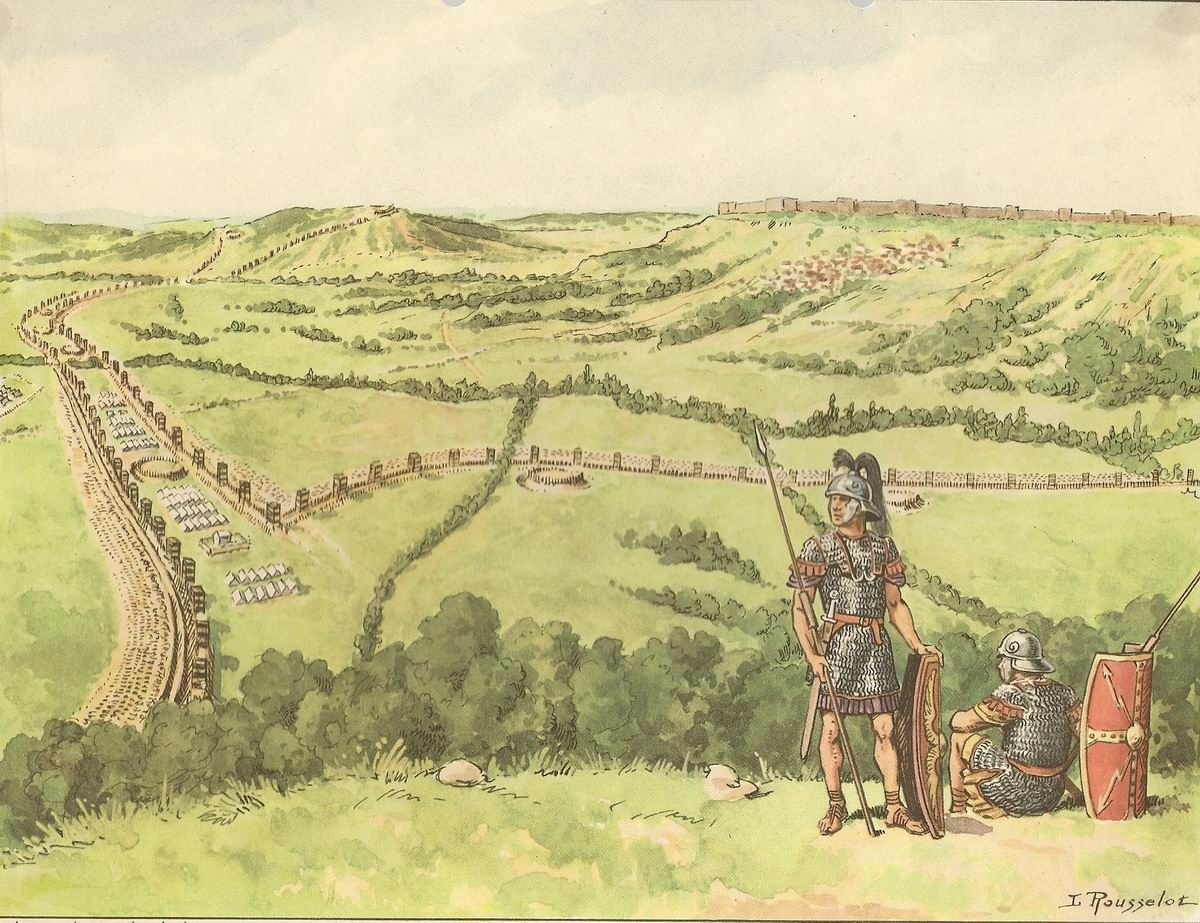
One of the greatest examples of Roman siege warfare occurred during the Battle of Alesia in 52 BC, where Julius Caesar trapped the Gallic leader Vercingetorix inside a fortified settlement. Caesar ordered the construction of massive defensive lines around the city while simultaneously building another set of fortifications facing outward to stop relief forces. This remarkable engineering achievement demonstrated the sophistication of Roman siege tactics.
Siege warfare continued to evolve throughout Roman history. During the Roman Republic, commanders increasingly relied on engineering and discipline to overcome fortified positions. Under the Roman Empire, siege technology became even more advanced, allowing Roman armies to capture some of the strongest fortresses in the ancient world.
The importance of siege warfare cannot be overstated. Many of Rome’s greatest victories were achieved not through open battles but through successful sieges. Cities that resisted Roman rule often found themselves surrounded by armies capable of constructing roads, walls, towers, and siege machines on an enormous scale. Roman commanders understood that conquering territory required controlling fortified settlements, and siege warfare provided the tools to accomplish that goal.
Ultimately, ancient Roman siege warfare represented the perfect combination of military discipline, engineering excellence, careful planning, and relentless persistence. It allowed Rome to overcome heavily defended cities, expand its territory, and maintain control over one of the largest empires in human history.
Main Ideas
- Roman siege warfare was used to capture fortified cities, forts, and strongholds.
- The Romans combined military skill with advanced engineering techniques.
- Roman armies built heavily fortified siege camps around enemy settlements.
- Siege engines such as ballistae, catapults, battering rams, and siege towers were key weapons.
- Roman engineers often used mining and tunneling to undermine city walls.
- Many sieges relied on starvation and blockades rather than immediate assaults.
- The Battle of Alesia is one of the most famous examples of Roman siege warfare.
- Siege warfare played a crucial role in Roman expansion and conquest.
- Roman success came from discipline, planning, logistics, and engineering.
- Ancient Roman siege warfare helped build and maintain the Roman Empire.
2. Why Siege Warfare Was Essential to Roman Expansion
Siege warfare was one of the most important reasons for the success of the Roman Republic and later the Roman Empire. Although large battles such as Cannae, Zama, and Pharsalus are famous today, Rome conquered much of the ancient world by capturing fortified cities, hill forts, tribal strongholds, and enemy fortresses. In many cases, winning a battle was not enough to secure a region. Roman armies still had to take control of important settlements protected by walls and defensive structures.
Throughout the ancient world, cities served as the political, economic, and military centers of their regions. A city often contained government officials, military supplies, food stores, and large populations. As long as a fortified city remained in enemy hands, resistance against Roman rule could continue. Because of this, Roman commanders viewed the capture of strategic cities as just as important as defeating enemy armies in battle.
The Romans quickly learned that many enemies preferred to retreat behind strong walls rather than fight Rome in open combat. Tribes, kingdoms, and rival states often relied on their fortifications to survive against the powerful Roman legions. To overcome this challenge, Rome invested heavily in military engineering, developing some of the most advanced siege techniques of the ancient world.
Roman armies could construct fortified camps, siege towers, battering rams, catapults, and ballistae with remarkable speed. Their engineers were capable of building roads, bridges, and defensive works even during active military campaigns. This allowed Roman commanders to attack cities that many other armies would have considered impossible to capture.
One of the greatest advantages of siege warfare was that it allowed Rome to destroy enemy resistance permanently. An army defeated in battle could retreat and regroup, but a captured city often meant the complete collapse of local opposition. Once a fortress fell, Roman authority could be established more effectively throughout the surrounding territory.
The conquest of Gaul by Julius Caesar provides an excellent example. During the Gallic Wars, many tribes relied on fortified settlements known as oppida to resist Roman expansion. Caesar repeatedly used siege tactics to capture these strongholds and break organized resistance. His victory at the Battle of Alesia against Vercingetorix in 52 BC became one of the most famous sieges in Roman history and effectively secured Roman control over Gaul.
Sieges also brought major economic benefits. Capturing cities gave Rome access to wealth, trade routes, agricultural land, and tax revenues. Important ports and commercial centers became valuable assets that strengthened the Roman economy. In many cases, a successful siege could be worth more strategically than a battlefield victory.
Another reason siege warfare was essential to Roman expansion was psychological warfare. Roman commanders often demonstrated their engineering capabilities to intimidate enemies into surrendering without a fight. The sight of Roman siege camps, towers, trenches, and artillery could convince defenders that resistance was hopeless. This sometimes allowed Rome to expand its territory while minimizing casualties.
As Roman territory grew, siege warfare became even more important. The empire faced enemies ranging from Celtic tribes in the north to powerful kingdoms in the east. Each presented different military challenges, but many relied on fortified positions. Rome’s ability to adapt its siege tactics to different environments gave it a major advantage over rivals.
By the time of the Roman Empire, siege warfare had become a defining feature of Roman military power. Roman armies could build enormous siege works, surround cities completely, and maintain blockades for months if necessary. Their combination of discipline, organization, engineering, and persistence made them one of the most feared military forces in the ancient world.
Ultimately, siege warfare was essential to Roman expansion because it allowed Rome to capture fortified settlements, eliminate resistance, secure valuable resources, and maintain control over conquered territories. Without mastery of siege warfare, Rome would never have been able to build and hold one of the largest empires in human history.
Main Ideas
- Siege warfare helped Rome conquer and secure new territories.
- Fortified cities were often the key centers of enemy resistance.
- Roman engineering made their siege operations highly effective.
- Capturing cities brought wealth, resources, and strategic advantages.
- The conquest of Gaul showed the importance of siege warfare.
- Roman siege tactics often intimidated enemies into surrendering.
- Siege warfare became a cornerstone of Roman military success.
- Without siege warfare, Rome could not have built its vast empire.
3. How Roman Armies Prepared for a Siege
Before beginning a siege, Roman commanders understood that success depended on preparation, planning, and organization. Unlike many ancient armies that rushed into attacks, the Romans carefully studied their target and made extensive preparations before launching operations against a fortified city. This methodical approach was one of the main reasons why Roman siege warfare became so effective throughout the Roman Republic and Roman Empire.
The first step in preparing for a siege was reconnaissance. Roman scouts, cavalry units, and engineers would examine the enemy settlement in detail. They studied the city walls, gates, towers, nearby rivers, hills, forests, and any other features that could affect military operations. Commanders wanted to identify weak points in the defenses and determine the best locations for siege camps and future attacks.
Once the area had been surveyed, Roman forces would surround the target whenever possible. This was an important part of Roman strategy because it prevented defenders from receiving supplies, reinforcements, or information from outside allies. By isolating the city, the Romans could slowly weaken resistance even before major combat began.
After securing the area, the Roman army would begin constructing a fortified siege camp. Roman camps were among the most impressive military structures of the ancient world. Soldiers dug deep trenches, built earthen ramparts, and erected wooden palisades around the perimeter. Guard towers were often added to improve visibility and security. These camps protected the army from surprise attacks while also serving as operational headquarters during the siege.
One of the greatest strengths of the Roman military was its ability to build quickly. Every legionary carried tools as part of his standard equipment, allowing the army to construct defensive works almost immediately after arriving. Roman soldiers were trained not only as fighters but also as builders and laborers. This meant that siege preparations could begin within hours of reaching a target.
Logistics were another critical aspect of Roman siege preparation. A siege could last weeks, months, or even years, so commanders had to ensure that food, water, weapons, and other supplies remained available. Supply lines were carefully protected, and nearby resources were often secured before major operations began. Without reliable logistics, even the strongest Roman army could fail.
Roman engineers then began preparing the equipment needed for the siege itself. This often included battering rams, siege towers, catapults, ballistae, and other specialized machines. These weapons required large amounts of wood, rope, iron, and manpower. Engineers supervised their construction while soldiers gathered materials from the surrounding area.
The Romans also built additional fortifications around enemy cities. One of the most famous examples of this was the construction of circumvallation lines, defensive walls built around a besieged settlement. These fortifications prevented defenders from escaping and made it harder for outside forces to break the siege. In some cases, the Romans even built a second set of walls facing outward, protecting themselves from enemy relief armies.
A perfect example of Roman siege preparation can be seen during the Battle of Alesia in 52 BC. During this famous campaign, Julius Caesar ordered his legions to construct massive defensive works around the Gallic stronghold occupied by Vercingetorix. The Romans dug trenches, built walls, erected watchtowers, and created traps designed to slow enemy attacks. These preparations allowed Caesar to withstand both the defenders inside the city and the relief force attacking from outside.
Psychological preparation was also important. Roman commanders often used their engineering projects to intimidate defenders. Watching thousands of Roman soldiers build towers, walls, siege engines, and camps could have a devastating effect on morale. Many cities surrendered before a major assault even began because defenders realized the Romans were prepared for a long siege.
Communication played another important role. Officers relayed orders throughout the camp, coordinated engineering projects, organized guard duties, and ensured that every unit understood its responsibilities. Roman discipline allowed thousands of soldiers to work together efficiently, giving the army a major advantage over less organized opponents.
By the time a Roman siege officially began, the army had often spent days or weeks preparing every detail. The target city would be isolated, the siege camp completed, supplies secured, and siege engines ready for action. This careful preparation greatly increased the chances of success and reduced unnecessary casualties.
Ultimately, Roman siege preparation demonstrated the qualities that made Rome one of history’s greatest military powers: discipline, engineering skill, organization, planning, and patience. Roman commanders knew that victories were often won before the first attack was launched, and their meticulous preparations helped them conquer some of the strongest fortresses in the ancient world.
Main Ideas
- Roman sieges began with careful planning and reconnaissance.
- Commanders studied enemy walls, terrain, and defensive weaknesses.
- Roman armies built heavily fortified siege camps for protection.
- Legionaries were trained builders as well as soldiers.
- Logistics and supply lines were essential for long sieges.
- Engineers constructed siege towers, battering rams, catapults, and ballistae.
- Circumvallation walls helped isolate enemy cities.
- The Battle of Alesia is a famous example of Roman siege preparation.
- Roman engineering often intimidated defenders into surrendering.
- Preparation was one of the biggest reasons for Roman siege success.
4. Roman Siege Camps and Battlefield Organization
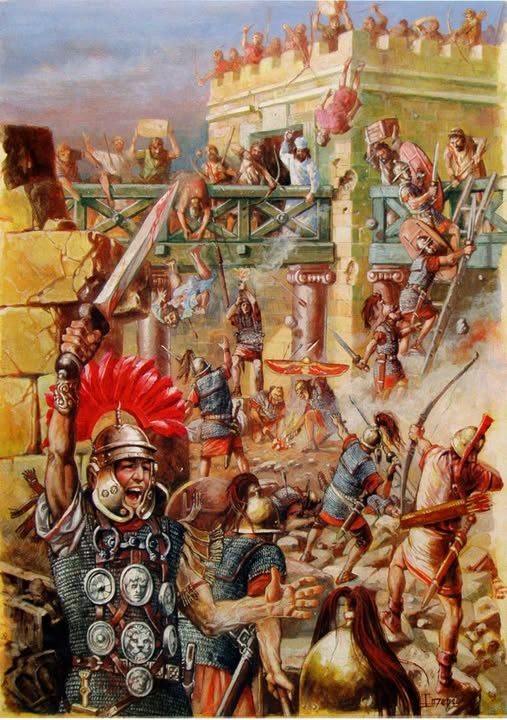
One of the greatest strengths of the Roman army was its incredible level of organization. While many ancient armies relied mainly on courage and numbers, Roman commanders understood that preparation and discipline often decided wars before the fighting even began. During a siege, this organization was clearly visible in the construction of Roman siege camps, which served as military headquarters, defensive fortresses, supply centers, and living quarters all at the same time.
Whenever a Roman army arrived outside an enemy city, one of its first priorities was establishing a secure camp. Even if the army expected to remain in the area for only a short period, Roman soldiers were trained to build fortifications. This habit became one of the defining features of Roman warfare and helped make Roman armies among the most effective military forces in history.
A Roman siege camp was far more than a collection of tents. It was a carefully planned military installation built according to standardized designs. Roman engineers and officers selected suitable ground, usually choosing locations with good visibility, access to water, and strong defensive positions. Once the location was chosen, soldiers immediately began construction.
The first step was usually digging a ditch, known as a fossa, around the camp. The soil removed from the ditch was then piled up to create an earth rampart. On top of this rampart, soldiers built a wooden palisade made from sharpened stakes. Together, these defenses created a formidable barrier against enemy attacks.
Inside the camp, everything followed a strict layout. Roads were carefully planned, units were assigned specific locations, and officers had designated headquarters. This organization ensured that every soldier knew exactly where to go during emergencies. Even in unfamiliar territory, Roman camps maintained the same basic structure, making them efficient and easy to manage.
At the center of the camp stood the command headquarters, where senior officers planned operations and coordinated the siege. Nearby were areas for storing supplies, weapons, and engineering equipment. These facilities allowed Roman commanders to maintain control over every aspect of the operation.
Discipline was essential to camp life. Roman soldiers followed strict routines involving guard duty, construction work, training exercises, and patrols. Camps were constantly monitored to prevent surprise attacks. Guards watched the walls day and night, while patrols searched the surrounding countryside for enemy activity.
During long sieges, camps often expanded into enormous military complexes. Additional fortifications, towers, workshops, and storage areas were added as needed. Engineers constructed facilities for repairing weapons and building siege engines such as ballistae, catapults, battering rams, and siege towers. This allowed the Roman army to sustain operations for months if necessary.
One of the most impressive aspects of Roman battlefield organization was their ability to create entire defensive systems around enemy cities. Rather than simply surrounding a settlement with soldiers, Roman commanders frequently ordered the construction of circumvallation lines. These were defensive walls, ditches, towers, and obstacles built around the city to prevent defenders from escaping.
In especially dangerous situations, the Romans constructed a second line known as contravallation, which faced outward. This protected the besieging army from enemy relief forces attempting to break the siege. As a result, Roman armies could defend themselves from attacks coming from both directions simultaneously.
The most famous example of this strategy occurred during the Battle of Alesia in 52 BC. During the siege, Julius Caesar ordered his legions to build an enormous ring of fortifications around the stronghold occupied by Vercingetorix. Caesar then ordered a second ring facing outward to stop incoming Gallic reinforcements. This remarkable engineering achievement demonstrated the extraordinary organizational capabilities of the Roman military.
Roman camps also played an important psychological role. Defenders watching thousands of Roman soldiers construct ditches, walls, towers, and siege works often realized they were facing a highly disciplined and determined enemy. The sight alone could damage morale and encourage surrender before a major assault even began.
Communication within the camp was another key advantage. Orders moved efficiently through the chain of command, allowing thousands of soldiers to act in coordination. Trumpets, signals, messengers, and standard bearers ensured that commanders could respond quickly to changing situations during a siege.
The success of Roman siege warfare depended heavily on these camps and organizational systems. Without secure bases, reliable supply lines, and disciplined coordination, even the best siege engines would have been far less effective. Roman commanders understood that victory often depended as much on preparation and organization as on battlefield skill.
Ultimately, Roman siege camps were among the most advanced military installations of the ancient world. They combined engineering, discipline, logistics, and strategic planning into a single system that allowed Roman armies to conduct lengthy and successful sieges across the Mediterranean world. Their effectiveness played a major role in Rome’s rise to power and helped create one of the greatest empires in human history.
Main Ideas
- Roman siege camps were heavily fortified military bases.
- Camps included ditches, ramparts, and wooden palisades for protection.
- Everything inside the camp followed a strict and organized layout.
- Roman discipline helped maintain security and efficiency.
- Siege camps served as headquarters, supply centers, and engineering hubs.
- Romans built circumvallation and contravallation lines during major sieges.
- The Battle of Alesia showcased Roman battlefield organization at its best.
- Communication and logistics were essential parts of Roman camp management.
- Roman camps intimidated defenders and strengthened siege operations.
- Organization was one of the greatest advantages of the Roman military.
5. Famous Roman Siege Weapons and Military Machines
Roman siege warfare relied heavily on advanced military engineering, and one of its greatest strengths was the use of powerful siege weapons and machines. These tools allowed the Roman army to break through city walls, destroy gates, suppress defenders, and maintain pressure during long sieges. Unlike many ancient armies that depended mainly on brute force, Rome developed a highly organized system of artillery and mechanical warfare that gave it a major advantage in attacking fortified positions.
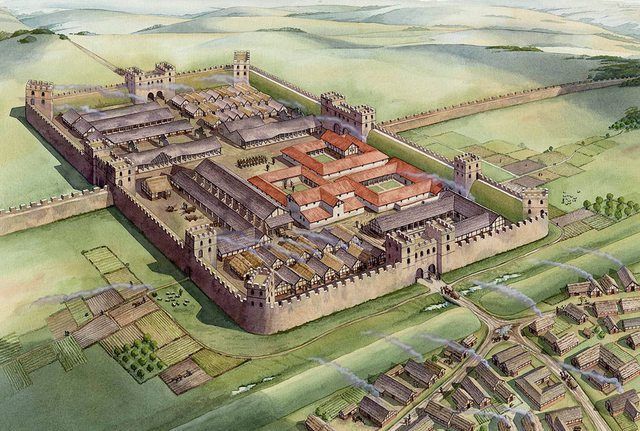
One of the most iconic Roman siege weapons was the ballista. The ballista functioned like a giant crossbow, using twisted ropes or sinew to launch large bolts or stones at high speed. These projectiles were extremely accurate compared to other ancient weapons and were often used to target enemy soldiers on city walls. Ballistae were especially effective for creating fear and disrupting defensive formations, as defenders had to constantly avoid deadly, high-speed shots.
Another important machine was the onager, a type of torsion-powered catapult. The onager was designed to launch heavy stones or other large projectiles over long distances. When fired at a city wall, these stones could cause structural damage, weaken defenses, or destroy defensive towers. The name “onager” means “wild donkey,” referring to the powerful kick-like motion of the machine when it was fired.
The Romans also used traditional catapults, often called scorpiones in some contexts. These machines were more flexible in design and could be used for both ranged attacks and defensive purposes. Catapults helped Roman armies maintain constant pressure on enemy positions during sieges, forcing defenders to stay hidden and reducing their ability to fight effectively from the walls.
One of the most terrifying Roman siege tools was the battering ram. This weapon was designed specifically to break through gates and weaken walls. A large wooden beam, often reinforced with metal at the front, was suspended in a protective structure. Soldiers would swing it repeatedly against gates until they collapsed. To protect the operators, the battering ram was usually covered with a roof and sides made of wood and wet hides to reduce damage from fire and arrows.
Another major innovation was the siege tower. These massive wooden structures could be as tall as or even taller than city walls. Siege towers were moved slowly toward enemy fortifications, allowing soldiers inside to climb multiple levels and attack defenders at the same height as the wall. Some towers even had drawbridges that could be dropped onto enemy ramparts, allowing Roman troops to storm directly onto the walls.
Roman engineers also used scaling ladders, which were simpler but still effective siege tools. These ladders allowed soldiers to climb walls quickly, though they were extremely dangerous due to enemy fire from above. Ladders were often used in combination with other siege machines to create multiple points of attack.
All of these machines required skilled engineering and careful coordination. Roman armies included specialized engineers who designed, built, and operated siege weapons during campaigns. These engineers were highly valued because their work often determined the success or failure of a siege.
The effectiveness of Roman siege weapons can be seen in campaigns such as those led by Julius Caesar, especially during the Gallic Wars, where fortified cities had to be systematically broken down. In many cases, the psychological effect of Roman siege machines was just as important as their physical damage. The sight of towering siege engines advancing toward city walls often caused panic among defenders.
Roman siege weapons were not just tools of destruction—they were symbols of Roman engineering power, discipline, and military superiority. Their ability to combine multiple machines in coordinated attacks made Roman sieges highly effective and contributed greatly to Rome’s expansion across the ancient world.
Main Ideas
- Roman siege weapons were key to breaking fortified defenses.
- The ballista fired accurate, high-speed bolts at enemy soldiers.
- The onager launched heavy stones to damage walls and towers.
- Catapults were used for ranged attacks and suppression.
- Battering rams destroyed gates and weakened fortifications.
- Siege towers allowed soldiers to attack walls at equal height.
- Scaling ladders provided fast but dangerous wall access.
- Roman engineers built and operated all siege machines.
- Siege weapons created both physical damage and psychological fear.
- These machines helped Rome dominate fortified cities across the empire.

6. How the Romans Attacked Enemy Walls and Fortifications
When Roman armies faced a fortified city, they did not rely on a single method of attack. Instead, they used a combination of engineering, coordination, artillery, and infantry assaults to gradually weaken and break through enemy defenses. Roman siege tactics were designed to apply constant pressure, exhaust defenders, and exploit any weakness in the walls. This systematic approach made Roman armies extremely effective at capturing even heavily defended settlements.
The first step in attacking enemy walls was usually a period of constant bombardment. Roman siege engines such as ballistae, onagers, and catapults were positioned at safe distances and used to fire projectiles at the walls and defenders. The goal was not only to cause physical damage but also to disrupt morale. Soldiers on the walls were forced to constantly dodge incoming fire, making it difficult for them to defend effectively.
Once artillery had weakened key areas, Roman engineers and infantry units would begin more direct methods of attack. One of the most common techniques was the use of battering rams. These massive wooden beams, reinforced with metal heads, were pushed against gates or weakened sections of walls. Over time, repeated impacts would crack stone, break wooden gates, and create openings for infantry to enter.
At the same time, Roman soldiers often attempted scaling assaults using ladders or siege towers. Scaling ladders allowed small groups of soldiers to climb walls quickly, although this was extremely dangerous due to arrows, spears, and stones thrown from above. To reduce losses, Roman commanders often coordinated ladder attacks with artillery fire, distracting defenders while troops climbed.
A more advanced method involved the use of siege towers, which allowed soldiers to reach the top of enemy walls under protection. These towers were rolled slowly toward fortifications and positioned against the walls. Once in place, soldiers inside could move onto the ramparts using wooden bridges. This allowed Roman troops to fight defenders on equal footing, often turning the tide of a siege.
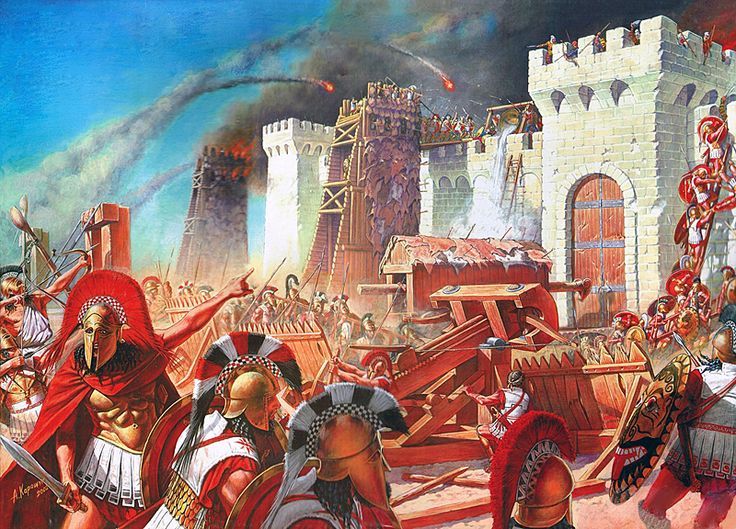
Roman engineers also used fire as a weapon. Wooden gates, towers, and siege equipment could be set on fire using flaming arrows or burning projectiles launched from siege engines. Fire was especially effective against wooden fortifications or poorly protected structures. Defenders were forced to divide their attention between fighting attackers and controlling fires.
Another key tactic was continuous pressure through multiple attack points. Roman commanders rarely relied on a single breach attempt. Instead, they would attack different sections of the walls simultaneously. This forced defenders to spread their forces thin, weakening their ability to resist effectively anywhere along the fortifications.
The psychological aspect of these attacks was also extremely important. Roman armies were disciplined and relentless, often maintaining pressure day and night. Defenders inside the city faced exhaustion, fear, and declining morale as they watched their walls slowly weaken. In many cases, cities surrendered before a full breach occurred simply because resistance became hopeless.
A famous example of Roman wall assault tactics can be seen in the campaigns of Julius Caesar during the Gallic Wars, particularly at Alesia, where Roman forces combined artillery, siege towers, and massive fortifications to trap and eventually defeat Vercingetorix. Caesar’s ability to coordinate multiple forms of attack and defense at the same time demonstrated the full power of Roman siege strategy.
Roman attacks on walls were not rushed or chaotic. They were carefully planned operations that combined engineering, discipline, and timing. Each stage of the assault was designed to weaken defenders gradually until collapse became unavoidable. This methodical approach allowed Rome to conquer some of the strongest fortified cities in the ancient world.
Main Ideas
- Romans used coordinated artillery to weaken enemy walls and morale.
- Battering rams were used to break gates and structural defenses.
- Scaling ladders allowed direct but risky wall assaults.
- Siege towers enabled protected access to enemy ramparts.
- Fire was used to destroy wooden defenses and equipment.
- Multiple simultaneous attacks forced defenders to split their forces.
- Roman assaults relied on discipline, timing, and engineering.
- Psychological pressure often led to surrender before full breaches.
- Alesia is a key example of Roman wall assault tactics.
- Roman methods made even strong fortifications vulnerable over time.
7. Roman Mining, Tunneling, and Undermining Tactics
One of the most clever and dangerous aspects of Roman siege warfare was the use of mining, tunneling, and undermining tactics. While siege engines attacked enemy walls from the outside, Roman engineers also worked secretly underground to destroy fortifications from below. This method allowed the Romans to weaken or collapse city defenses without directly assaulting heavily defended walls, making it one of the most strategic tools in their siege arsenal.
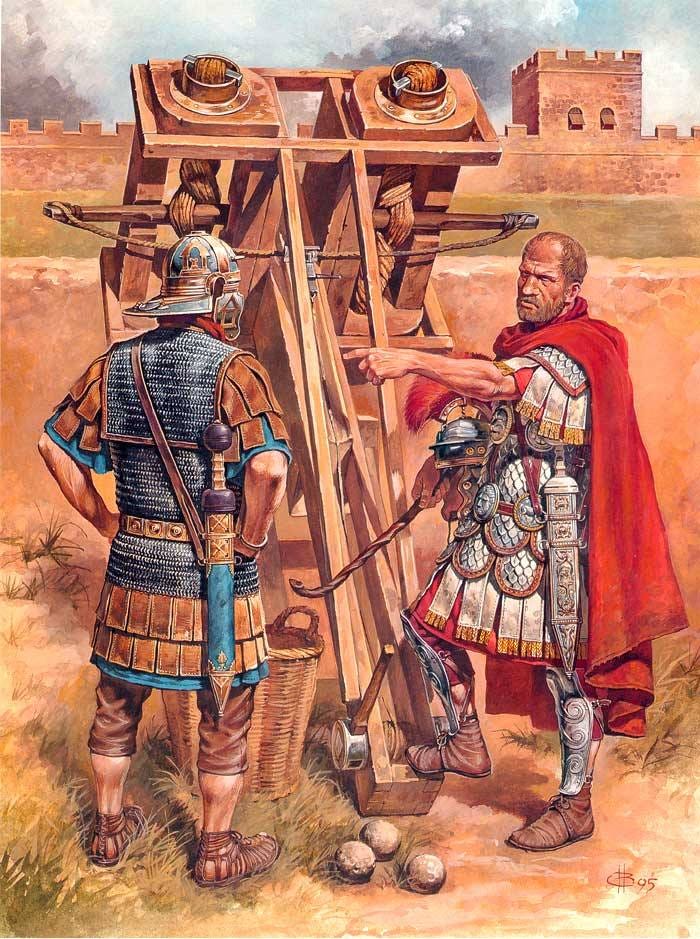
The basic idea behind undermining was simple but highly effective: if a city wall could not be broken from the outside, it could be destroyed from underneath. Roman engineers would dig tunnels beneath enemy fortifications, carefully removing soil and supporting the tunnel with wooden beams. Once the tunnel reached the foundations of a wall or tower, the Romans would either remove support structures or set them on fire, causing the tunnel—and the wall above it—to collapse.
These operations required highly skilled military engineers, who were an essential part of every Roman army. They had to calculate the direction, depth, and stability of tunnels while working under extreme danger. If defenders discovered the tunnel, they could flood it, collapse it, or send soldiers inside to attack the miners directly.
Because of this risk, Roman tunneling was often carried out in secrecy, sometimes at night or behind protective siege works. Engineers worked quietly while soldiers guarded the surface above. At the same time, Roman forces used diversion tactics such as artillery fire or ladder assaults to distract defenders from what was happening underground.
Defenders were not powerless against this strategy. Many cities developed countermeasures such as digging their own tunnels to intercept Roman miners. This created intense underground battles where fighting could take place in complete darkness, with limited space and no clear advantage for either side. These encounters were extremely dangerous and often ended in brutal close-quarters combat.
One of the key goals of Roman mining was to collapse a section of the city wall. Once a tunnel reached the foundation, engineers would remove supporting beams or burn them, causing the tunnel roof—and the wall above it—to fall inward. This created a breach that Roman soldiers could then exploit to enter the city. Even a small collapse could be enough to open a critical point of entry during a siege.
Roman commanders also used tunneling for psychological warfare. The idea that an enemy could be digging beneath a city at any moment created constant fear among defenders. Even when tunnels were not successful, the possibility of hidden underground attacks forced defenders to divert resources and attention away from the walls above.
A famous example of Roman engineering during sieges can be seen in the campaigns of Julius Caesar, especially during the Gallic Wars, where fortified settlements were often protected by strong earthworks and wooden defenses. Caesar’s engineers used a combination of siege towers, artillery, and tunneling techniques to break through these fortifications. In some cases, underground operations were crucial in weakening enemy positions before a final assault.
Mining also required excellent coordination with other siege tactics. While tunnels weakened walls from below, artillery attacked from above, and infantry prepared for assaults at breach points. This multi-layered approach ensured that defenders were under constant pressure from all directions.
The success of Roman tunneling depended heavily on engineering skill, patience, and discipline. Digging tunnels in unstable soil while avoiding detection required precision and careful planning. Despite the risks, Roman engineers mastered this technique and used it effectively in many major sieges.
Ultimately, Roman mining and tunneling tactics demonstrate the ingenuity of Roman military engineering. By turning the ground beneath their enemies into a weapon, the Romans added another dimension to siege warfare. This combination of surface assaults and underground operations made it extremely difficult for any fortified city to withstand a determined Roman siege.
Main Ideas
- Romans used underground tunnels to weaken enemy walls.
- Mining involved collapsing walls by removing their foundations.
- Skilled engineers were essential for tunneling operations.
- Defenders often built counter-tunnels to stop Roman miners.
- Underground combat could be extremely dangerous and chaotic.
- Tunneling was used alongside artillery and infantry assaults.
- Mining created psychological fear among defenders.
- Roman engineers coordinated surface and underground attacks.
- Julius Caesar used siege engineering during the Gallic Wars.
- Tunneling was a key innovation in Roman siege warfare.
8. Defending Against Roman Sieges: The Enemy’s Perspective
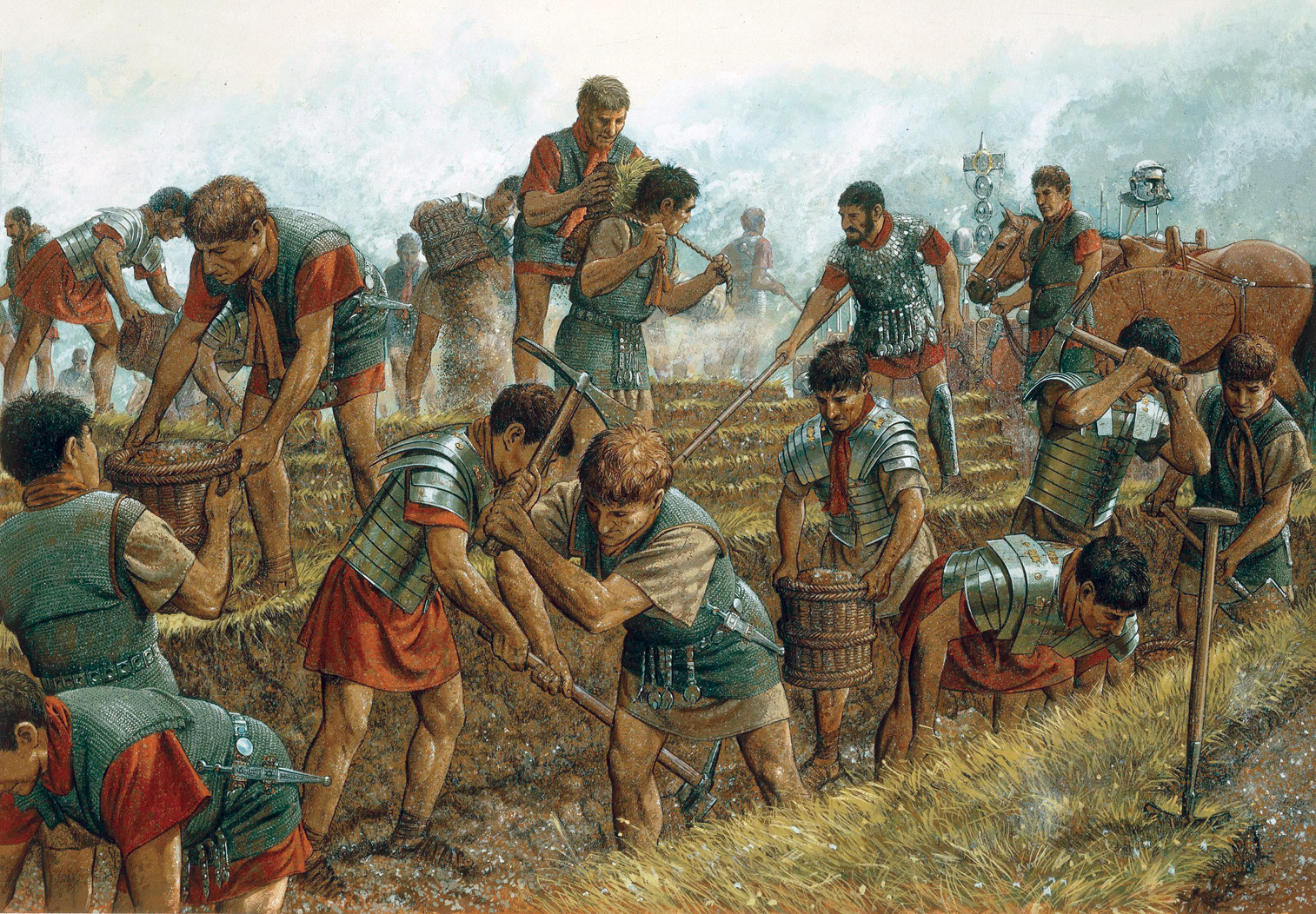
Facing a Roman siege was one of the most terrifying experiences for any ancient city. The Roman army was not just a force of soldiers; it was a combination of engineers, builders, strategists, and disciplined fighters who could surround a city and slowly break it down from every direction. For defenders, surviving a Roman siege required endurance, creativity, and constant vigilance.
When a Roman army arrived, the first shock for defenders was the speed and organization of their siege camps. Within days, the Romans could surround a city with fortified positions, cutting off escape routes and supply lines. This immediately created a sense of isolation. Cities that relied on outside trade or reinforcements suddenly found themselves completely alone.
One of the main strategies used by defenders was strengthening existing fortifications. City walls were repaired, gates were reinforced, and towers were stocked with weapons and supplies. Soldiers were assigned to guard specific sections of the wall, and civilians were often recruited to help carry food, repair damage, or build emergency defenses. Every available resource had to be used efficiently because Roman sieges could last for weeks or even months.
Defenders also relied heavily on counterattacks. When Roman soldiers approached walls using ladders, siege towers, or battering rams, defenders would throw rocks, fire arrows, and pour boiling liquids to repel them. The goal was to slow down Roman progress and prevent them from establishing a foothold on the walls. Even small delays could be important, as Roman sieges depended on constant pressure.
Another important tactic was destroying Roman siege equipment. If defenders could burn or damage siege towers, battering rams, or artillery, they could significantly weaken the Roman assault. Fire was one of the most effective weapons against Roman machinery, especially since many siege engines were made of wood. Defenders often launched flaming arrows or used fire pots to set equipment ablaze before it reached the walls.
In addition to direct combat, defenders sometimes attempted sorties, which were surprise attacks outside the city walls. Small groups of soldiers would rush out of gates to attack Roman siege works, destroy equipment, or disrupt construction efforts before quickly retreating back inside. These attacks were extremely risky but could slow down Roman progress if successful.
Despite these efforts, one of the greatest challenges for defenders was resource depletion. Roman sieges often aimed to cut off food, water, and supplies. As time passed, hunger, disease, and exhaustion began to weaken the city from within. Even if the walls remained strong, the population inside could become too weak to continue resisting.
Psychological pressure was another major factor. Roman armies were highly disciplined and persistent, often continuing their siege operations day and night. The sight of massive siege towers, constant artillery fire, and expanding siege camps created fear and uncertainty. Defenders often knew that even if they resisted for a long time, the Romans would continue building until the city eventually fell.
Historical examples from campaigns such as those of Julius Caesar show how difficult it was to resist Roman sieges. During the Gallic Wars, many fortified settlements eventually surrendered not because their walls were destroyed, but because prolonged siege conditions made survival impossible.
Communication with outside allies was another crucial element. Some cities relied on relief armies to break Roman sieges. However, Roman commanders often anticipated this and built contravallation lines to defend against external attacks. This meant defenders could be trapped between Roman forces outside and inside pressure from starvation and exhaustion.
Ultimately, defending against a Roman siege required a combination of strong walls, brave soldiers, and long-term endurance. Even then, success was not guaranteed. The Romans were experts at turning time, engineering, and discipline into weapons just as powerful as swords and spears.
Main Ideas
- Defenders had to reinforce walls and organize civilian support.
- Roman sieges cut off supplies, leading to starvation and weakness.
- Counterattacks and sorties were used to disrupt Roman operations.
- Defenders tried to destroy Roman siege engines with fire and attacks.
- Psychological pressure was a major part of Roman sieges.
- Roman discipline made prolonged resistance extremely difficult.
- Relief armies were often blocked by Roman fortifications.
- Many cities fell due to exhaustion rather than direct assault.
- Julius Caesar’s campaigns show the effectiveness of Roman sieges.
- Defending against Rome required endurance more than strength.
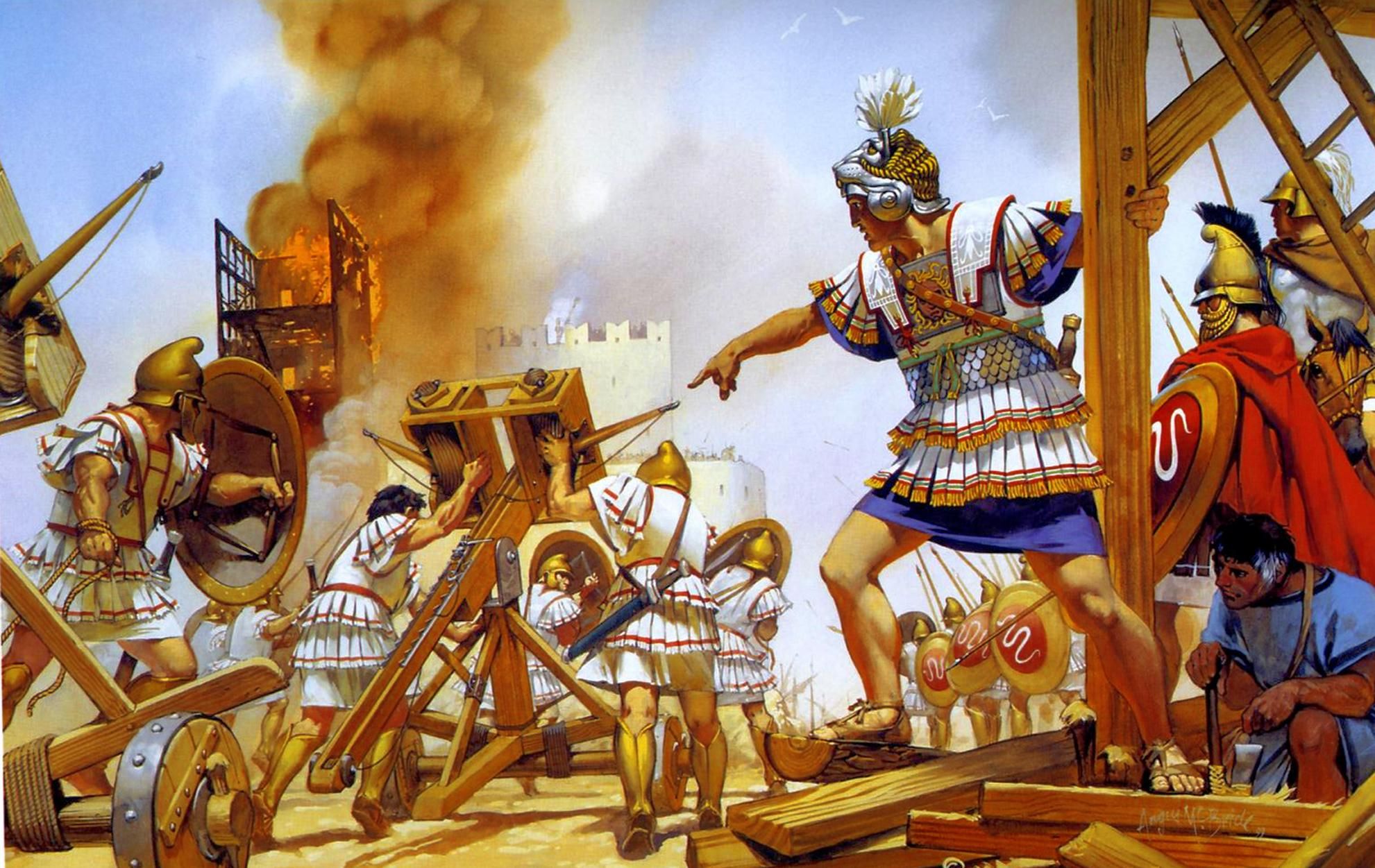
9. The Most Famous Sieges in Ancient Roman History
Throughout the history of Ancient Rome, siege warfare produced some of the most dramatic and decisive moments in military history. Many of Rome’s greatest victories did not happen in open-field battles, but during long and complex sieges where strategy, engineering, and endurance determined the outcome. These sieges shaped the rise of Rome from a regional power into a vast empire dominating the Mediterranean world.
One of the most famous sieges in Roman history was the Siege of Alesia in 52 BC. During the Gallic Wars, Julius Caesar faced the Gallic leader Vercingetorix, who had united several tribes against Rome. Vercingetorix withdrew into the fortified hilltop settlement of Alesia, believing its natural defenses would protect him. Caesar responded with one of the most impressive engineering feats in ancient warfare: he surrounded the city with massive fortifications while also building an outer ring to block incoming relief forces. The result was a double siege line that trapped the Gauls completely, forcing their surrender.
Another major siege was the Siege of Jerusalem in 70 AD during the First Jewish-Roman War. Roman forces, under Emperor Titus, surrounded the city and gradually broke through its defenses. The siege was extremely brutal and lasted several months. Roman armies built ramps, siege towers, and battering rams to breach the walls. Once the city fell, it marked a major turning point in Roman control of the region.
The Siege of Masada (73–74 AD) is also one of the most famous. A group of Jewish rebels held out in a heavily fortified desert fortress overlooking the Dead Sea. The Romans constructed a massive earthen ramp to reach the walls, demonstrating their engineering skill and determination. When the Romans finally breached the fortress, they discovered that the defenders had chosen mass suicide rather than surrender, making the siege one of the most tragic events in Roman history.
Another important example is the Siege of Syracuse during the Second Punic War (214–212 BC). The city was defended by the brilliant mathematician and engineer Archimedes, who designed defensive weapons such as improved catapults and possibly burning mirrors. Despite his inventions, the Romans eventually captured the city after a prolonged struggle, showing that even advanced defenses could not always stop Roman siege tactics.
The Siege of Carthage in the Third Punic War (149–146 BC) was another defining moment. Roman forces completely destroyed Carthage after a long and devastating siege. The city resisted fiercely, but Roman persistence and engineering eventually led to its fall. This victory eliminated Rome’s greatest rival in the western Mediterranean.
These sieges highlight the full range of Roman siege warfare: engineering brilliance, relentless pressure, discipline, and adaptation. Whether facing Gallic tribes, Jewish rebels, or powerful city-states like Carthage, Rome consistently used siege tactics to overcome strong fortifications and secure victory.
The success of these operations also demonstrates how important sieges were to Roman expansion. Cities often represented political, economic, and military power, so capturing them was essential for long-term control of conquered territories. Roman commanders understood that winning wars often meant breaking the strongest defenses of their enemies.
Main Ideas
- Siege of Alesia was one of Rome’s greatest engineering victories.
- Julius Caesar trapped Vercingetorix using double fortification lines.
- Siege of Jerusalem (70 AD) ended in Roman destruction of the city.
- Siege of Masada showed Roman engineering against desert fortresses.
- Siege of Syracuse featured advanced defensive inventions by Archimedes.
- Siege of Carthage marked the destruction of Rome’s greatest rival.
- Roman sieges combined persistence, engineering, and discipline.
- Most major Roman victories came from successful sieges.
- Sieges were crucial for controlling political and economic centers.
- These events shaped the expansion of the Roman Empire.