Roman architecture was one of the most influential achievements of the ancient world. From massive amphitheaters and temples to bridges, roads, aqueducts, and private homes, Roman buildings were designed not only to look impressive but also to serve practical purposes. Roman architects combined ideas borrowed from earlier civilizations, especially the Greeks and Etruscans, with their own engineering techniques to create structures that could survive for centuries.
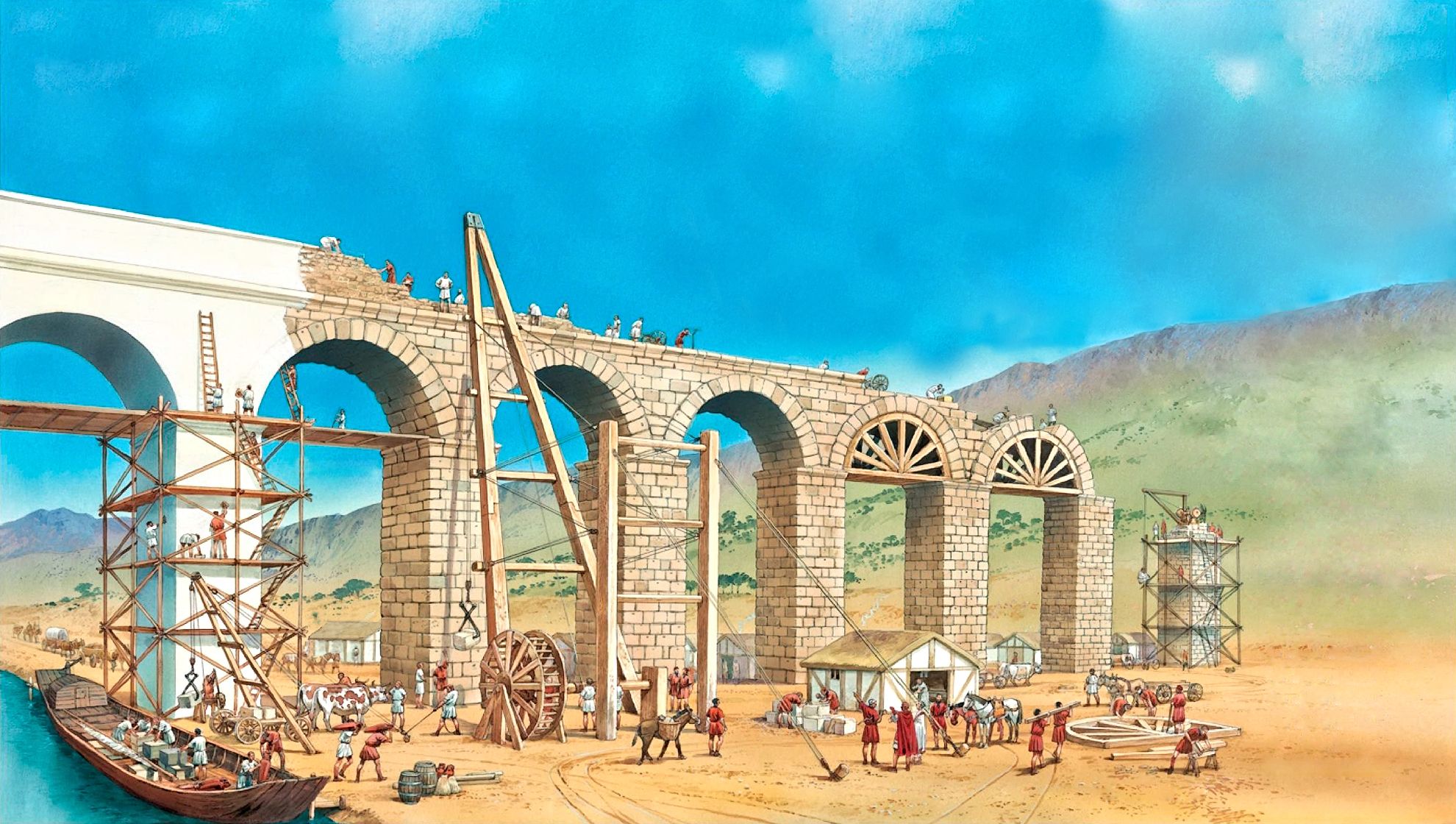
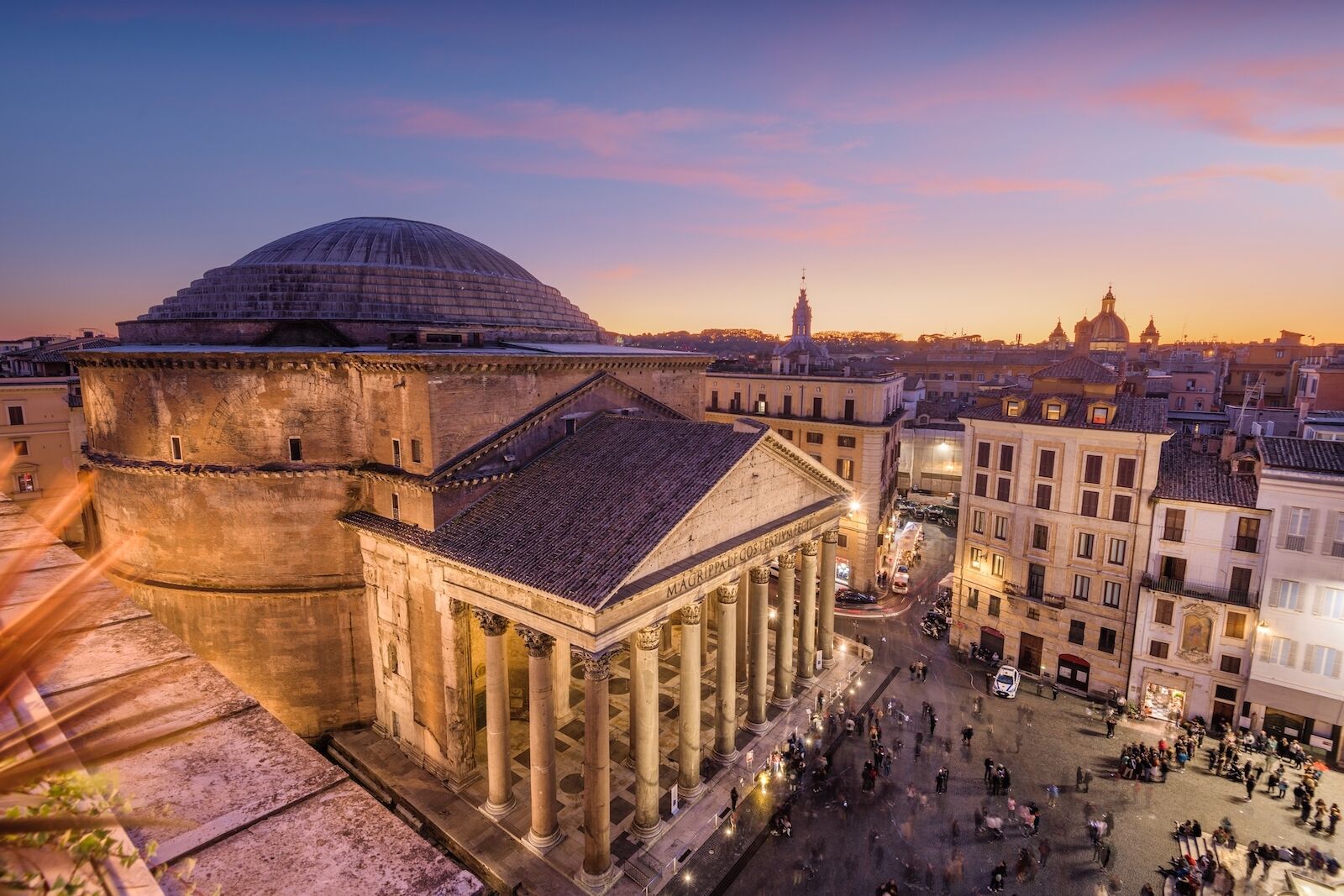
One of the defining features of Roman architecture was its emphasis on engineering. The Romans made extensive use of the arch, vault, and dome, allowing them to construct larger and stronger buildings than many earlier civilizations. Their development of Roman concrete was particularly important. It allowed builders to create enormous structures with complex shapes and greater flexibility than traditional stone construction. These techniques can still be seen in surviving Roman monuments across Europe, North Africa, and the Middle East.
Roman architecture also reflected the organization and ambitions of Roman society. Public buildings were often designed to demonstrate the wealth and power of the state. Amphitheaters provided entertainment for thousands of spectators, baths became important centers of social life, and basilicas served as spaces for business, law, and administration. Temples and monumental arches celebrated Roman religion, victories, emperors, and important events.
Architecture was not limited to Rome itself. As the Roman Empire expanded, Roman building techniques spread across its territories. Cities were planned with roads, forums, aqueducts, public buildings, and defensive structures. Local traditions were often combined with Roman designs, creating distinctive architectural styles throughout the empire.
Roman builders also solved practical problems on an enormous scale. Aqueducts transported fresh water across long distances, bridges connected communities separated by rivers and valleys, and roads helped armies, merchants, and travelers move efficiently across the empire. These projects demonstrate that Roman architecture was closely connected to everyday life as well as imperial power.
Today, Roman architecture remains visible in ruins and surviving structures around the former Roman world. The Colosseum, Pantheon, Roman aqueducts, bridges, roads, and city ruins continue to provide evidence of Roman engineering and urban planning. Their influence can also be seen in later European architecture, particularly in the use of columns, arches, domes, and monumental public buildings.
Studying Roman architecture therefore reveals much more than how Romans built their structures. It shows how engineering, politics, religion, entertainment, transportation, and everyday life were connected within Roman society.