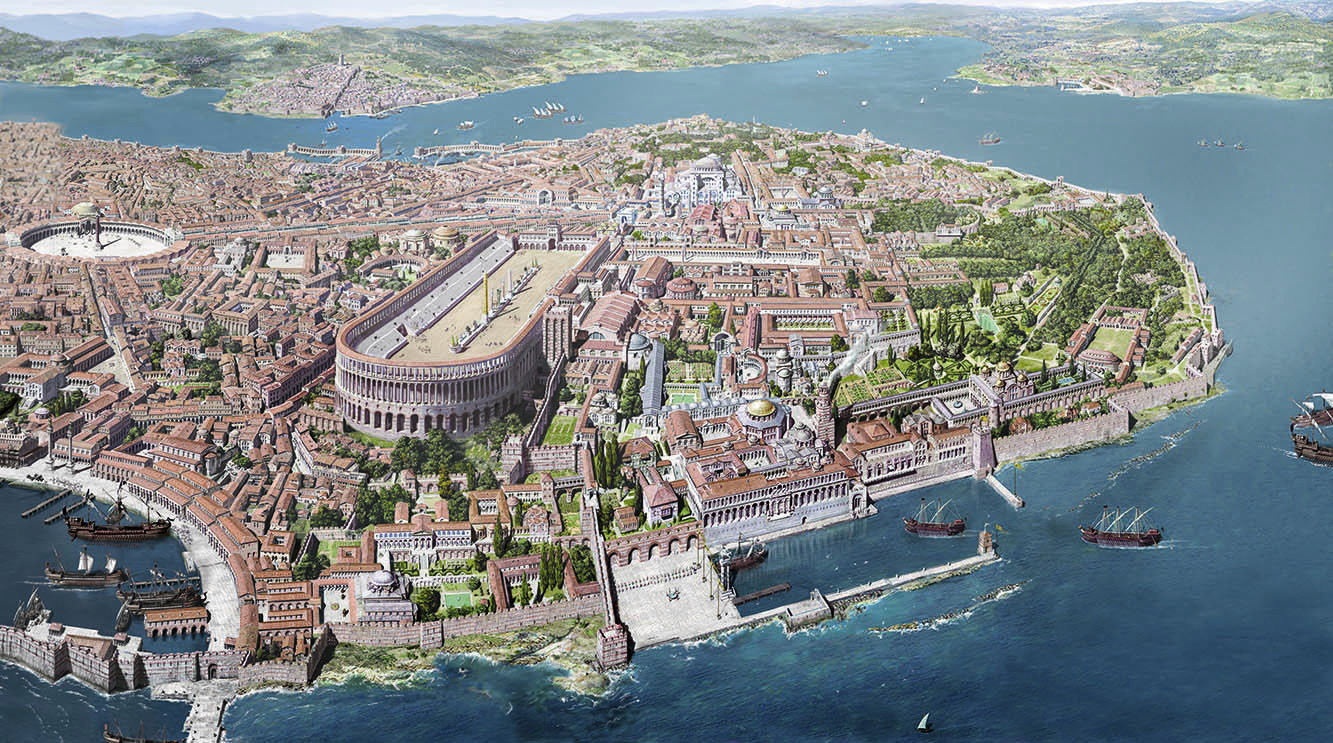
Chariot racing was one of the most popular forms of entertainment in ancient Rome, attracting enormous crowds and turning successful charioteers into famous celebrities. Races were held in massive arenas, most famously the Circus Maximus in Rome, where thousands of spectators gathered to watch teams compete at high speed. For the Romans, chariot racing was far more than a simple sporting event. It was a major part of Roman culture, politics, religion, and daily life.
The basic idea was simple: chariots pulled by horses raced around a long track, with competitors trying to complete the required number of laps before their opponents. In reality, the races were highly demanding. Charioteers had to control their horses, maintain their position, and navigate the dangerous turns of the track. Teams could use different numbers of horses, while successful competitors developed reputations that spread throughout the Roman world.
The Circus Maximus became the greatest chariot-racing venue in Rome. Its enormous size allowed huge crowds to watch the races, making race days major public events. Spectators supported different racing factions, especially the Reds, Whites, Blues, and Greens. These groups developed passionate followings, and competition between supporters could become almost as important as the races themselves.
Chariot racing also created opportunities for talented charioteers, many of whom came from relatively humble backgrounds. A successful driver could earn substantial rewards, fame, and public recognition. Some became celebrated across the empire, showing just how important racing was to Roman entertainment.
The sport also had a deeper connection to Roman society and politics. Emperors understood the importance of providing spectacular public entertainment, while crowds could express their enthusiasm, anger, or loyalty inside the circus. Major races therefore brought together emperors, athletes, wealthy spectators, ordinary Romans, and enormous crowds in one spectacular event.
But how exactly did a Roman chariot race work? How were the races organized, who were the most famous charioteers, what were the racing factions, and why did Romans become so obsessed with the sport? To understand ancient Roman entertainment, we need to explore the spectacular world of Roman chariot racing.
I. How Chariot Racing Began and Became Popular in Ancient Rome
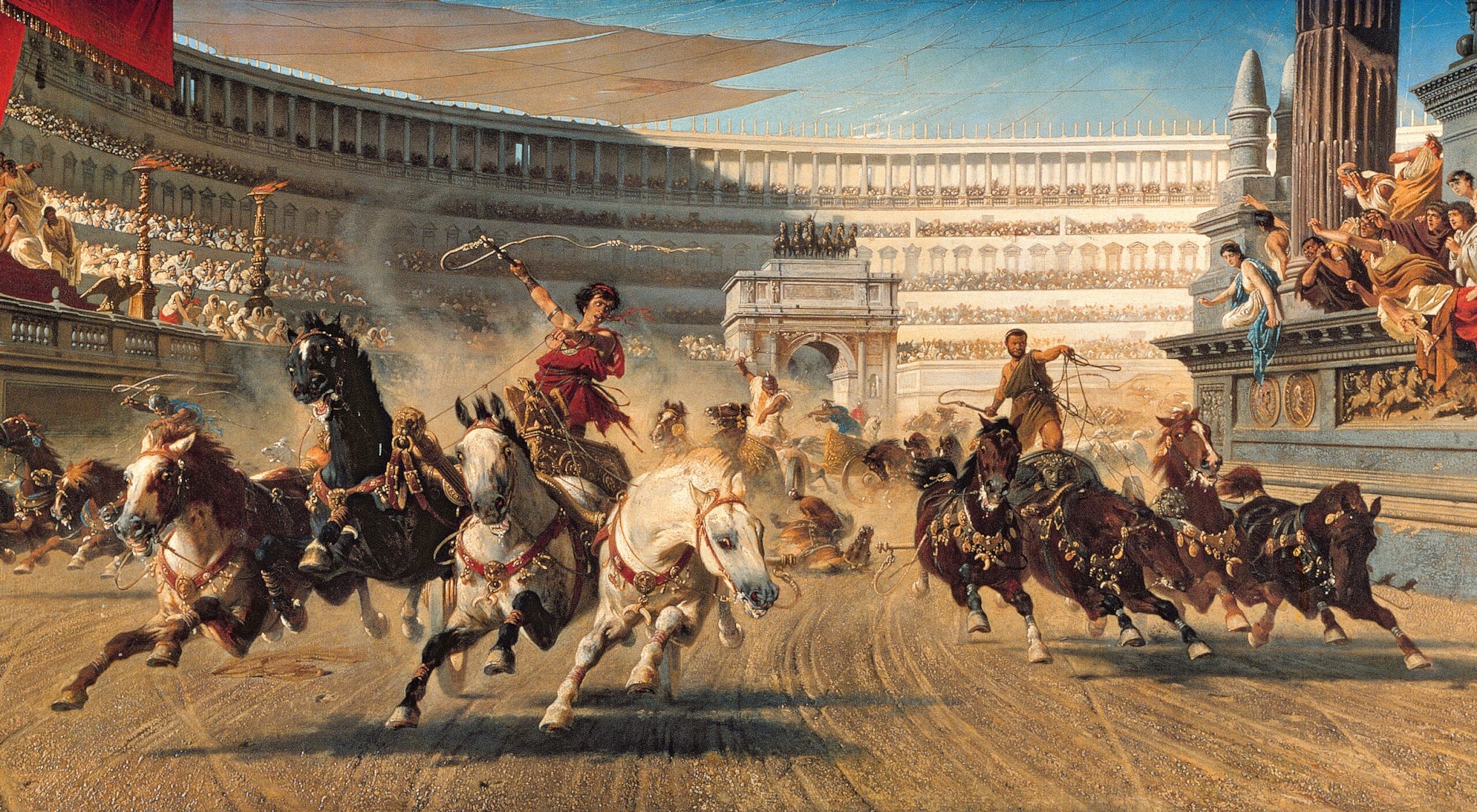
Chariot racing became one of the most important forms of entertainment in ancient Rome, but the Romans did not invent the sport themselves. Chariot racing had much older roots in the ancient Mediterranean, particularly among the Greeks and other peoples who used horses and chariots for warfare, ceremonies, and competition. Over time, the Romans adopted the sport and transformed it into a massive form of public entertainment.
In early Rome, horse racing and chariot competitions were connected with religious festivals held in honor of the gods. These events were not simply sporting competitions. They were part of public celebrations that included religious ceremonies, processions, music, and other forms of entertainment. As Rome became more powerful, these festivals became increasingly elaborate.
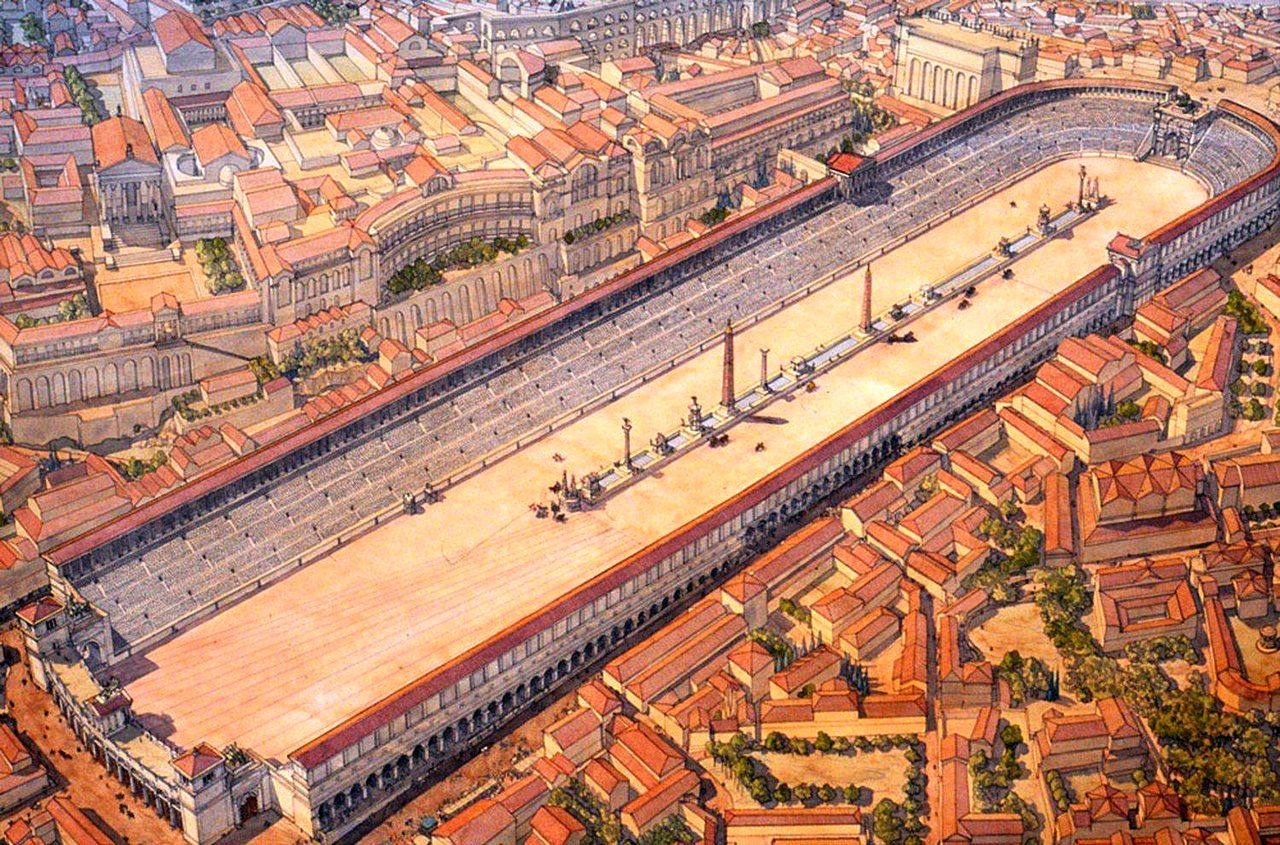
The growth of Circus Maximus helped turn chariot racing into a major Roman spectacle. Located in the valley between the Palatine and Aventine Hills, the Circus developed into an enormous racing venue capable of holding a huge audience. Its long track was designed specifically for chariot races, with a central barrier called the spina dividing the racing surface.
Chariot races became especially popular because they combined speed, competition, danger, and spectacle. Unlike many ordinary public events, a race could change dramatically within seconds. Drivers had to control their horses while traveling around tight corners, and positioning was extremely important. A small mistake could cause a competitor to lose the race or damage a chariot.
As Roman society developed, the races also became connected with the factions that supported different teams. The most famous factions were the Reds, Whites, Blues, and Greens. These organizations were not simply modern-style sports teams. They could have their own supporters, workers, horses, and charioteers. Over time, some factions developed enormous and passionate followings.
The popularity of racing also created a new type of celebrity: the professional charioteer. Many drivers came from lower social backgrounds, including enslaved people and freedmen, but exceptional success could bring wealth and fame. Their achievements could make them famous throughout Rome and even across the wider empire.
Roman emperors quickly understood how important public entertainment could be. Providing impressive circus games helped demonstrate imperial generosity and gave the population spectacular events to attend. Emperors could appear at races, participate in ceremonies, and associate themselves with the excitement of the circus.
By the Roman Imperial period, chariot racing had become deeply embedded in Roman culture. It was no longer simply a religious festival activity. It had developed into a major entertainment industry involving horses, drivers, teams, spectators, organizers, and enormous racing venues.
The sport eventually spread far beyond Rome. Other cities throughout the Roman Empire developed their own racing traditions and facilities. From the capital itself to major provincial cities, chariot racing became one of the defining spectacles of Roman public life.
Main Ideas
- Chariot racing had origins before Rome, especially in the ancient Mediterranean.
- Romans connected early races with religious festivals and celebrations.
- The Circus Maximus became Rome’s greatest chariot-racing venue.
- The Reds, Whites, Blues, and Greens developed passionate supporter groups.
- Successful charioteers could become wealthy and famous, even when coming from humble backgrounds.
II. How Roman Chariot Races Worked and What Happened During a Race
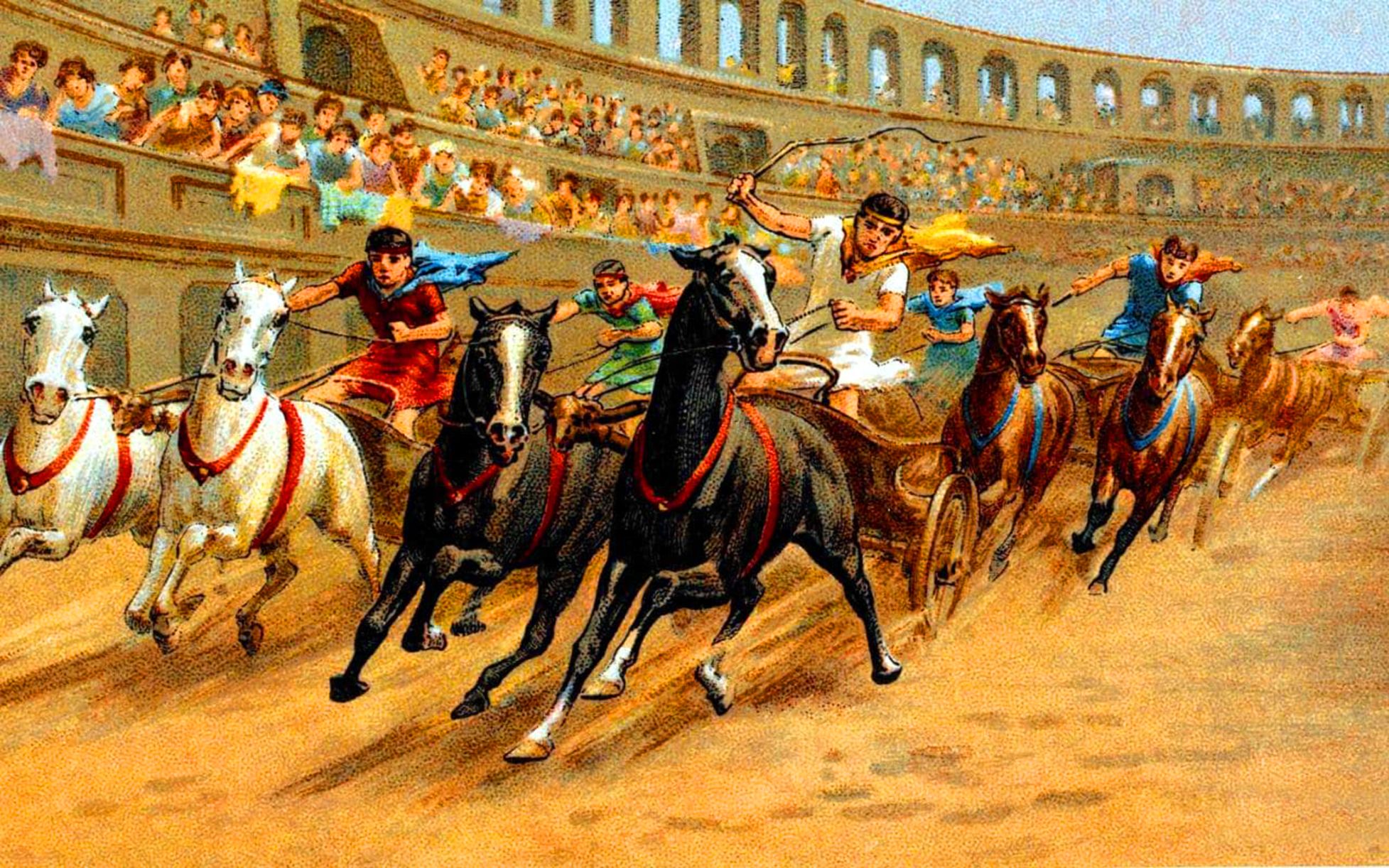
A Roman chariot race was a carefully organized event designed to combine speed, competition, and spectacle. Although the basic objective was simple—complete the required number of laps before the other competitors—the actual race involved complicated preparations, trained horses, skilled drivers, and strict organization. For spectators, the excitement began before the chariots even entered the track.
A race normally began with a grand procession, known as the pompa circensis. Religious images, officials, musicians, and participants moved through the city before arriving at the circus. This ceremony connected the games with Roman religion and public tradition, showing that the races were more than simple sporting events.
Once preparations were complete, the chariots waited inside starting positions called the carceres. These starting gates were located at one end of the circus. The position of each chariot mattered because competitors wanted a good start and a favorable position going into the first turn.
When the signal was given, the gates opened and the horses accelerated onto the track. The chariots then raced around the central barrier, known as the spina. At each end of the track were curved turning areas called the metae. These turns were among the most important parts of the race because drivers had to maneuver around them while maintaining speed.
A typical race involved seven laps, although the exact organization of races could vary. Markers were used to help spectators and competitors keep track of the laps. The driver who completed the required distance first was declared the winner.
The charioteer needed considerable skill. Drivers had to control several horses simultaneously while keeping the chariot balanced. They also had to judge when to accelerate, when to change position, and how closely to approach the central barrier. Experienced drivers understood that winning was not simply about having the fastest horses. Strategy, timing, horse control, and positioning could all influence the result.
The chariots themselves were generally lightweight so that they could move quickly. This made them fast but also relatively difficult to control. The driver stood inside the vehicle while holding the reins. Charioteers could also use techniques that helped them maintain control when turning at high speed.
The race was watched by enormous crowds who followed every movement around the track. Supporters shouted for their favorite faction, while officials supervised the event. The atmosphere could become extremely intense as competitors fought for position during the final laps.
Victory brought significant rewards. Successful charioteers could receive prize money, gifts, fame, and public recognition. Exceptional drivers could become celebrities whose achievements were remembered long after individual races had ended.
The organization of the races therefore combined religious ceremony, professional competition, skilled horsemanship, and massive public entertainment. What looked like a simple race was actually a carefully structured spectacle that had become an important part of Roman life.
Main Ideas
- Races began with the pompa circensis, a major religious and public procession.
- Chariots started from special gates called the carceres.
- Drivers raced around the spina and had to navigate difficult turns.
- Skill, strategy, horses, and positioning were all important to winning.
- Successful charioteers could gain money, fame, and celebrity status.
III. The Roman Racing Factions: Reds, Blues, Greens, and Whites
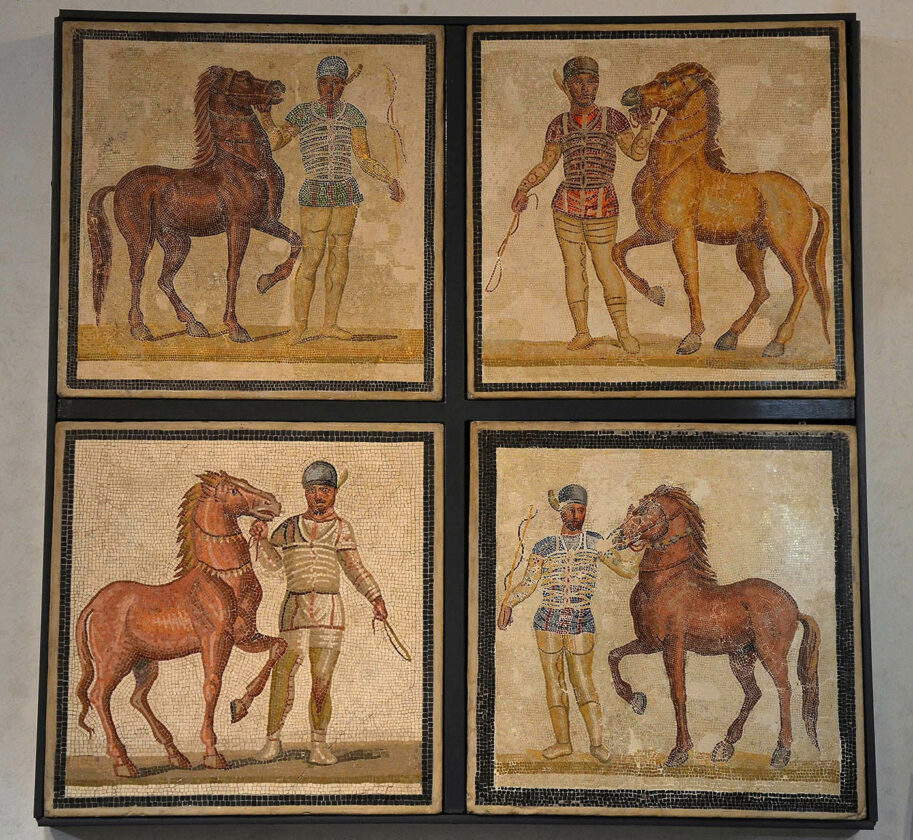
The racing factions were one of the most fascinating parts of chariot racing in ancient Rome. They were organizations that competed in the circus and became closely associated with particular colors: the Reds, Whites, Blues, and Greens. These factions were much more than simple teams. They were large organizations involved in supplying horses, chariots, drivers, and other workers needed to keep the races running.
The earliest racing traditions appear to have involved fewer factions, but by the Roman Imperial period, four major colors had become especially important. The Reds, Whites, Blues, and Greens competed against one another during races, giving spectators different groups to support. Over time, these colors became strongly associated with particular charioteers and racing organizations.
The Blues and Greens eventually became the most prominent factions. Their supporters could become extremely passionate about their favorite color. A Roman spectator might regularly attend races and closely follow which charioteers were performing well for their faction. This created a form of sports fandom that has some similarities to supporters following teams today, although Roman factions operated within a very different society.
The factions also had an important economic role. Organizing chariot racing required much more than simply finding drivers and horses. Horses needed to be purchased, trained, housed, and cared for. Chariots needed to be maintained, while numerous workers were required behind the scenes. The factions helped coordinate this complicated system.
For charioteers, belonging to a successful faction could provide opportunities to compete in major races. Drivers who repeatedly won could become extremely famous. Some were associated with particular colors throughout their careers, allowing spectators to identify them with their faction.
The factions also became connected with Roman politics and public life, particularly because the circus provided a place where enormous crowds gathered in front of the emperor and other officials. Spectators could make their feelings known through cheering, shouting, and demonstrations of support. This gave the circus an unusual importance as a public gathering place.
By the later Roman Empire, factional rivalries became even more significant. The Blues and Greens, in particular, developed powerful organizations in Constantinople and other major cities. Their influence could extend beyond racing itself, although their role changed considerably over the centuries.
It is important not to imagine the factions as exactly equivalent to modern sports clubs. They were part of a much larger entertainment industry, and their organizations included professional workers, horses, managers, and financial interests. Their importance came from the enormous popularity of the circus and the huge amounts of money and organization required to stage races.
The racing factions helped transform chariot racing from a simple competition into a mass spectator sport. The colors gave ordinary Romans something to identify with, while the success of individual drivers created celebrities whose victories could be celebrated by enormous crowds.
Main Ideas
- The major Roman racing factions were the Reds, Whites, Blues, and Greens.
- Factions organized horses, chariots, drivers, and supporting workers.
- The Blues and Greens eventually became particularly prominent.
- Roman spectators developed strong loyalty to racing colors and charioteers.
- The factions helped turn chariot racing into a huge organized entertainment industry.
IV. The Most Famous Roman Charioteers and the Lives of Racing Celebrities
Chariot racing created some of the most famous sporting celebrities in the Roman world. Although many charioteers came from humble backgrounds, exceptional drivers could become wealthy, widely recognized, and even remembered long after their deaths. Their success shows how important professional sport and public entertainment had become in Roman society.
One of the most famous charioteers was Gaius Appuleius Diocles, who competed during the 2nd century AD. Diocles is particularly famous because an inscription recorded details about his career and enormous earnings. According to the inscription, he competed for many years and won thousands of races. His reported winnings were so large that ancient writers used them to demonstrate the extraordinary financial rewards available to the most successful charioteers.
Diocles was not unusual simply because he won races. His career demonstrates how a skilled driver could turn chariot racing into a profession. Drivers needed extensive experience with horses, racing techniques, and the difficult turns of the circus. Success required more than simply holding the reins. A driver had to understand the behavior of his horses while making rapid decisions during a crowded race.
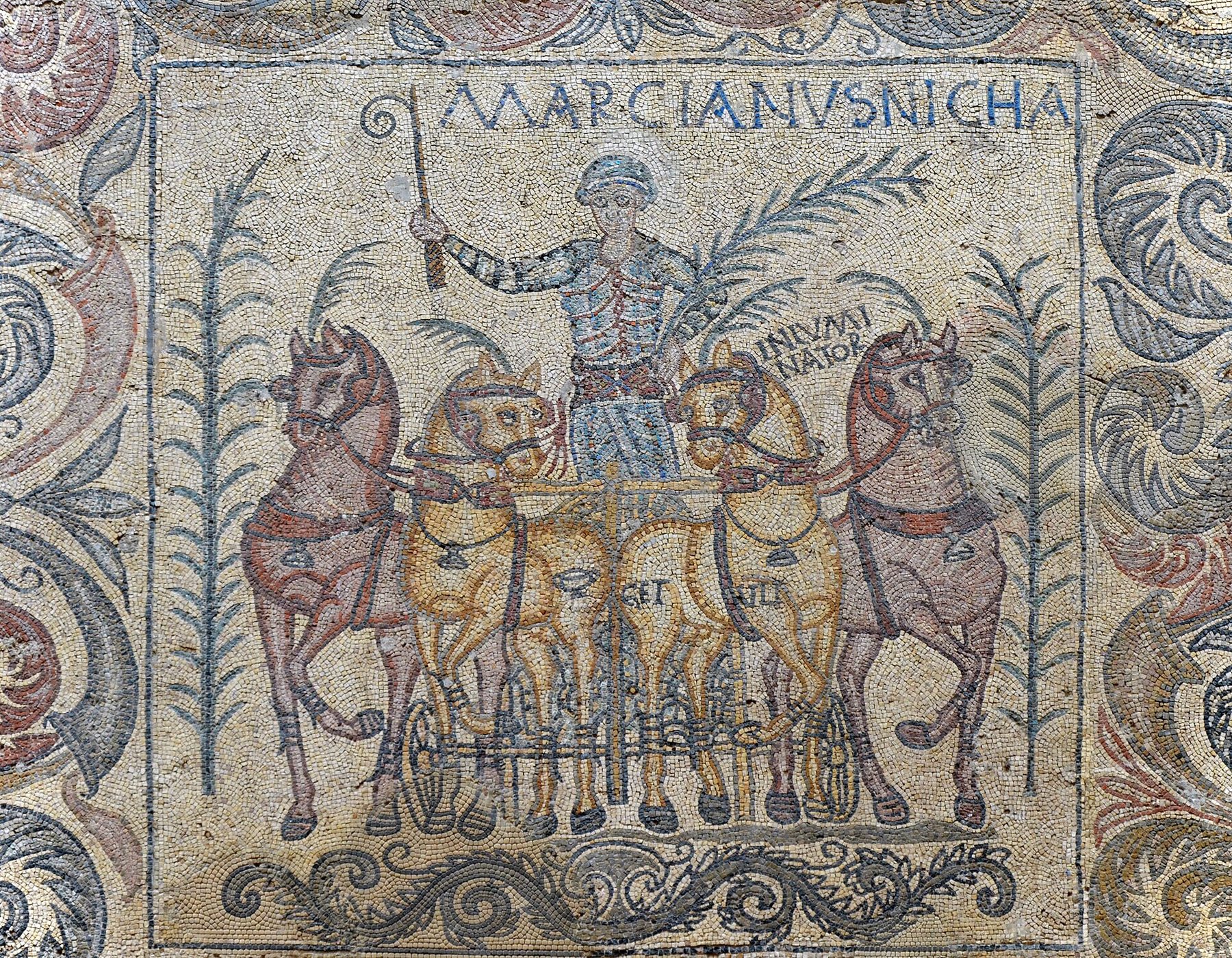
Another famous figure was Scorpus, a highly successful charioteer during the reign of Domitian in the late 1st century AD. Ancient sources describe him as a celebrated driver who achieved numerous victories. His fame was so great that the Roman poet Martial wrote about him in his poems. Scorpus demonstrates how successful charioteers could become part of Roman popular culture, with writers and spectators discussing their careers.
Charioteers could also be connected closely with particular racing factions. The colors of the factions helped spectators identify their favorite drivers, creating strong personal and group loyalties. A successful charioteer representing the Blues or Greens, for example, could become a major figure among supporters of that faction.
However, the lives of charioteers were very different from those of wealthy Roman aristocrats. Many drivers began their careers as enslaved people or people of low social status. Their occupation could therefore give them opportunities that were unusual for someone from their background. A successful driver might earn enough money to gain greater independence and improve his position in society.
The profession was also physically demanding and required years of training and experience. Horses had to be trained to respond to commands while racing at high speed, and drivers had to develop techniques for controlling the chariot. Experienced competitors understood how to judge the pace of a race and when to take risks.
Fame could bring considerable rewards. Successful drivers received prize money, gifts, and public admiration, while particularly famous competitors could become known across the empire. Their names could appear in inscriptions, literature, and other surviving evidence.
Yet celebrity did not necessarily mean high social status. Roman society placed considerable importance on social class and occupation, and professional entertainers could still face prejudice despite their wealth and popularity. A famous charioteer could therefore be both extremely successful and socially unusual at the same time.
The stories of drivers such as Diocles and Scorpus reveal the extraordinary world that developed around Roman chariot racing. They were not simply anonymous competitors. They became recognizable personalities whose victories mattered to enormous crowds, proving that ancient Rome had its own form of professional sporting celebrity.
Main Ideas
- Gaius Appuleius Diocles became one of the most successful charioteers in Roman history.
- Scorpus was another famous driver whose career was mentioned by the poet Martial.
- Successful charioteers could earn large financial rewards and public fame.
- Many drivers came from enslaved or low-status backgrounds.
- Roman charioteers became some of the ancient world’s earliest examples of sporting celebrities.
V. The Circus Maximus: The Greatest Chariot Racing Arena in Ancient Rome
The Circus Maximus was the most famous venue for chariot racing in ancient Rome and became one of the largest entertainment buildings ever constructed in the ancient world. Located in the valley between the Palatine and Aventine Hills, the enormous arena was designed to accommodate huge crowds who came to watch races, religious celebrations, and other public spectacles.
The site had been used for public events from the early history of Rome, but it developed dramatically as the city became more powerful. Roman rulers expanded and rebuilt the Circus over many generations, gradually turning it into a monumental entertainment complex. Under the Roman Empire, it could hold an enormous audience, making it one of the most important gathering places in the capital.
The basic design of the Circus was ideal for racing. Its long, narrow shape created a large track where chariots could race around the circuit. Down the center stood the spina, a long barrier that separated the two sides of the track. The spina also contained monuments and decorative features, making it an important visual feature for spectators.
At one end of the Circus were the carceres, or starting gates. Chariots waited inside these enclosed starting positions before the race began. Once the starting signal was given, the gates opened and the competitors rushed onto the track.
The curved ends of the Circus were particularly important because drivers had to make tight turns around the metae. These turns required careful control of the horses and chariot. A driver who approached a turn badly could lose valuable ground, while a skilled driver could use positioning to gain an advantage.
The enormous size of the Circus also created a spectacular experience for spectators. Thousands of people could watch the same race while supporting different racing factions. The Reds, Whites, Blues, and Greens gave spectators teams to follow, and the noise from the crowd could make the races extremely dramatic.
The Circus was also connected to Roman religion and politics. Major games traditionally began with ceremonies and processions, including the pompa circensis. The emperor and other important officials could attend the events, making the Circus an important place for interaction between rulers and the population.
Chariot racing at the Circus Maximus was therefore more than an athletic competition. It was part of a much larger system of public entertainment, religion, politics, architecture, and Roman social life. The building itself demonstrated the resources of the Roman state, while the huge crowds demonstrated just how important entertainment was to the population.
The Circus continued to be used for centuries, even as the Roman Empire changed. Its long history reflects the enduring popularity of chariot racing throughout the Roman period.
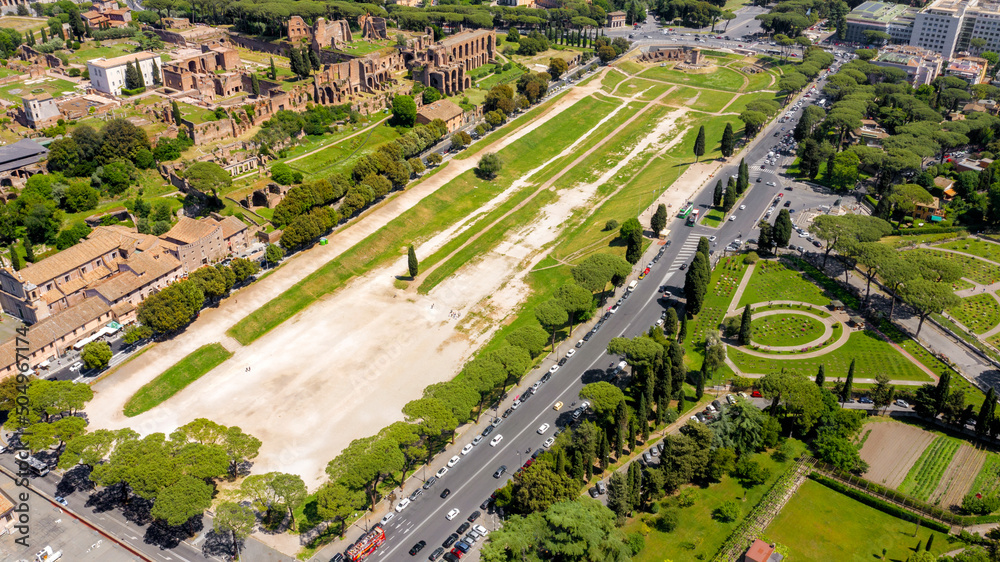
Today, much of the original structure has disappeared, but the site remains one of the most recognizable archaeological locations in Rome. The open valley gives visitors an idea of the enormous space once occupied by the ancient racing complex.
The Circus Maximus ultimately became the symbol of Roman chariot racing. Its massive scale, sophisticated racing layout, huge crowds, and connection with Roman public life made it the perfect stage for one of the most popular spectacles of the ancient world.
Main Ideas
- The Circus Maximus was Rome’s greatest chariot-racing venue.
- Its long track featured the central spina and starting gates called the carceres.
- Drivers had to navigate the difficult turns around the metae.
- Huge crowds supported the Reds, Whites, Blues, and Greens.
- The Circus connected sport, religion, politics, architecture, and public entertainment.
VI. How Chariot Racing Became a Massive Business in the Roman Empire
Chariot racing was not simply a competition between drivers. Behind every race was a large entertainment industry involving horses, trainers, charioteers, equipment, stable workers, managers, and wealthy sponsors. The popularity of the circus meant that enormous amounts of money could flow through the racing world, particularly in major cities such as Rome and Constantinople.
The most important organizations were the racing factions. The Reds, Whites, Blues, and Greens were responsible for much of the organization required to keep races running. They needed large numbers of horses and workers, while chariots had to be maintained and prepared for competition. Training horses also required considerable time and expertise.
At the center of the spectacle were the charioteers. Successful drivers could receive valuable prizes and payments, while the most famous could accumulate considerable wealth. The career of Gaius Appuleius Diocles provides one of the clearest examples. An inscription recording his career gives details of his victories and reported earnings, demonstrating that exceptional success in chariot racing could generate enormous financial rewards.
However, the money was not limited to the drivers. A successful racing organization depended on an entire network of people working behind the scenes. Horse trainers, stable workers, grooms, equipment specialists, and managers all contributed to preparing a team for competition.
The horses themselves were valuable assets. A competitive team needed animals capable of racing at speed while responding to commands from the driver. Horses required food, shelter, training, and medical care, creating continuous expenses for racing organizations.
The races also attracted wealthy spectators and large public audiences. This made the circus an important commercial environment. People could spend money around major games, while the emperor or other officials could use spectacular events to demonstrate generosity and public patronage.
Government involvement was also important. Roman rulers regularly sponsored public games as part of their responsibilities toward the population. Providing impressive entertainment helped reinforce the connection between the emperor and the people. The races therefore operated within a system where political power, public entertainment, and financial resources were closely connected.
The business of racing also helped create a pathway for some people from relatively low social backgrounds to become famous. A talented charioteer could earn rewards that would have been difficult to obtain through ordinary labor. Yet success was not guaranteed. Racing organizations invested heavily in horses and competitors, and only a small number of drivers became true stars.
As the Roman Empire expanded, the popularity of chariot racing spread to cities across the Mediterranean and beyond. Major racing venues developed in different parts of the empire, creating local industries around the sport.
Chariot racing was therefore an enormous economic and professional system, not simply a few horses running around a track. Its success depended on thousands of people, expensive animals, specialized skills, and wealthy institutions. The spectacle seen by spectators was only the visible part of a much larger organization operating behind the scenes.
Main Ideas
- Chariot racing supported a large professional entertainment industry.
- Racing factions managed horses, drivers, workers, and equipment.
- Successful charioteers could earn very large financial rewards.
- Horses required extensive training, food, care, and specialist workers.
- Emperors and wealthy sponsors helped fund the enormous world of Roman public entertainment.
VII. The Decline of Chariot Racing and What Happened to the Sport
For centuries, chariot racing remained one of the most popular forms of entertainment in the Roman Empire. Even as emperors changed, cities grew, and Roman society transformed, enormous crowds continued to gather at circuses to watch horses and chariots compete. However, the sport eventually declined as the Roman world experienced major political, economic, religious, and social changes.
The decline was gradual rather than the result of one single event. Chariot racing continued for centuries after the height of the Roman Empire, particularly in the eastern part of the empire. The sport remained extremely important in Constantinople, the capital of the Eastern Roman Empire, where the Hippodrome became one of the city’s most important public buildings.
In Constantinople, the traditional Blue and Green factions became especially influential. Their supporters could attract enormous crowds, and racing remained closely connected with public life. The factions sometimes became involved in wider disputes, showing that the circus could serve as a place where large groups of people expressed their feelings toward the government.
One of the most famous examples was the Nika Revolt of 532 AD during the reign of Emperor Justinian I. The conflict began in connection with factional supporters at the Hippodrome and developed into a major uprising in Constantinople. Although the Nika Revolt was not simply a chariot-racing dispute, the importance of the factions demonstrates how deeply racing organizations had become connected with the city’s society and politics.
In the western Roman Empire, the situation was different. As political stability weakened during Late Antiquity, maintaining enormous public entertainment venues became increasingly difficult. Cities faced changing economic conditions, while the western imperial government eventually disappeared in the 5th century AD.
Religious changes also influenced Roman entertainment. As Christianity became increasingly important within the empire, some traditional Roman festivals and forms of entertainment faced criticism or restrictions. Chariot racing was not eliminated immediately, however, and Christian emperors continued to sponsor or permit many public spectacles.
The sport therefore survived much longer than the traditional image of the “fall of Rome” might suggest. In the Eastern Roman Empire, chariot racing continued for centuries, although its importance eventually declined. The last major races at the Constantinople Hippodrome took place many centuries after the original Roman period.
The decline of chariot racing was connected to the disappearance of the enormous urban system that had supported it. Successful racing required large crowds, wealthy sponsors, trained horses, professional drivers, specialized workers, and functioning public venues. As these systems changed, maintaining the traditional spectacle became increasingly difficult.
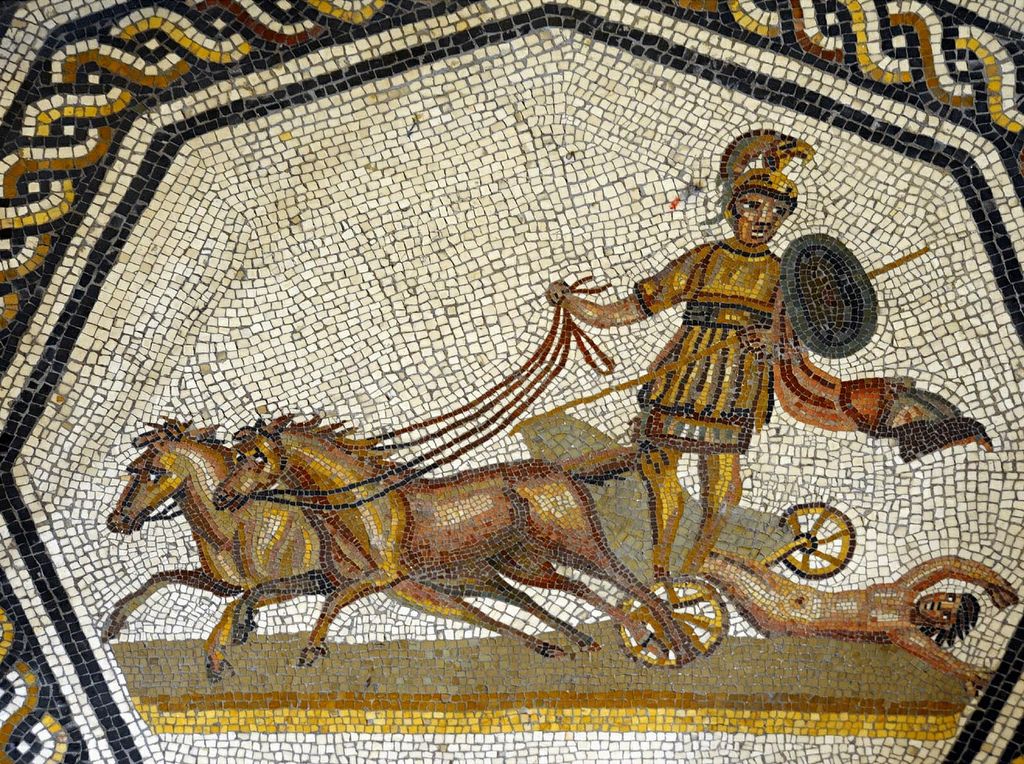
Even after the races disappeared, their influence remained. Ancient Roman circuses and hippodromes left behind some of the most impressive archaeological evidence for organized entertainment in the ancient world. Surviving mosaics, inscriptions, sculptures, and archaeological remains also provide evidence about the drivers, horses, factions, and spectators who participated in the sport.
Chariot racing ultimately lasted for well over a thousand years in the broader Roman and Byzantine world. It began as part of ancient religious celebrations, developed into a massive professional entertainment industry, and became deeply connected with Roman society.
Its long history shows just how important public entertainment was to ancient civilization. For generations of Romans, attending the circus was not merely watching a race. It was an experience involving competition, celebrities, factions, architecture, religion, politics, and enormous crowds.
Main Ideas
- Chariot racing continued for centuries, especially in the Eastern Roman Empire.
- The Blue and Green factions became particularly powerful in Constantinople.
- The Nika Revolt of 532 AD showed the wider social and political importance of the factions.
- Economic, political, and religious changes gradually weakened the traditional racing system.
- Chariot racing left a lasting legacy through archaeological remains, mosaics, inscriptions, and historical records.