Daily Life of a Roman Legionary: Discipline, Routine, and the Reality of Service
The Roman legionary was the backbone of the Empire’s military machine. Far from being simply a warrior, he was a trained professional bound by routine, duty, and endurance. Daily life for a legionary varied dramatically between peacetime stationing and active campaign, yet discipline, structure, and labor defined both worlds. Understanding the legionary’s life reveals why Rome’s armies remained effective for centuries.
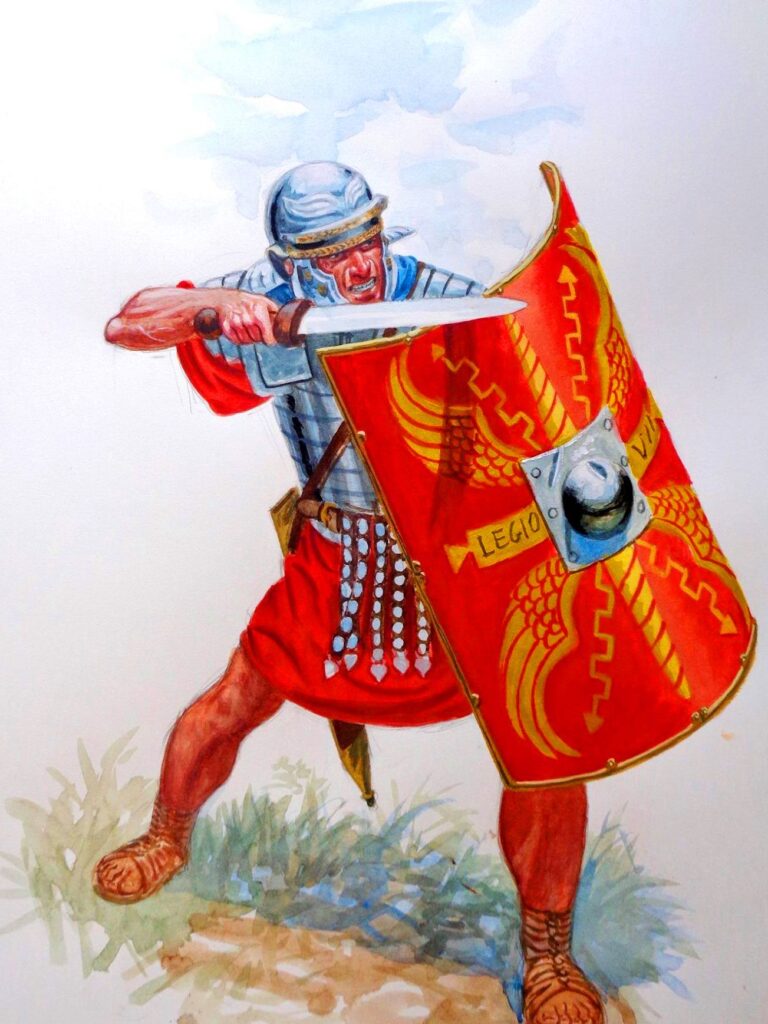
A battle ready Roman legionary
Legionary Life in Times of Peace — Routine, Training, and Order
Recruitment, Identity, and Expectations
A legionary was typically a Roman citizen serving a long-term enlistment period, often spanning twenty-five years. Joining the legions meant embracing a demanding lifestyle defined by strict discipline, loyalty, and physical endurance. The soldier swore an oath of allegiance not to the Senate or people directly, but to the commanding emperor — reinforcing unity and obedience.
Life in peace was not leisure. Soldiers received pay, equipment, and rations, but in return were expected to maintain high standards of readiness. The army was both employer and authority structure, enforcing order through regulations and harsh punishment for disobedience. The legionary identity was forged through uniform training, shared hardship, and strong communal bonds.
Caesars Army Marching to the Battle of Pharsalus (48 BCE)
Daily Routine Inside the Fort
Peacetime service centered around the military camp or fortress, carefully designed and efficiently organized. A soldier’s day began early. Officers assigned tasks, and structured activity filled the hours ahead. Training remained constant to preserve combat readiness. Physical conditioning, weapons drills, and formation exercises honed skill and discipline.
Beyond training, routine work dominated. Soldiers constructed and repaired fortifications, roads, bridges, and public projects. Administrative tasks, guard duty, patrols, and logistical support made the legion not just a fighting force, but a workforce maintaining imperial infrastructure. Order, predictability, and strict schedules created a stable environment.
Leisure existed but in controlled forms. Soldiers socialized, gambled, drank, and sometimes formed unofficial partnerships despite regulation. Religion shaped daily ritual, reinforcing discipline and morale. The camp became a structured society, with hierarchy, culture, and camaraderie.
This image shows a legionary’s daily routine inside a Roman fort, including training, guard duty, and other camp tasks that maintained discipline and readiness.
Living Conditions, Pay, and Social Standing
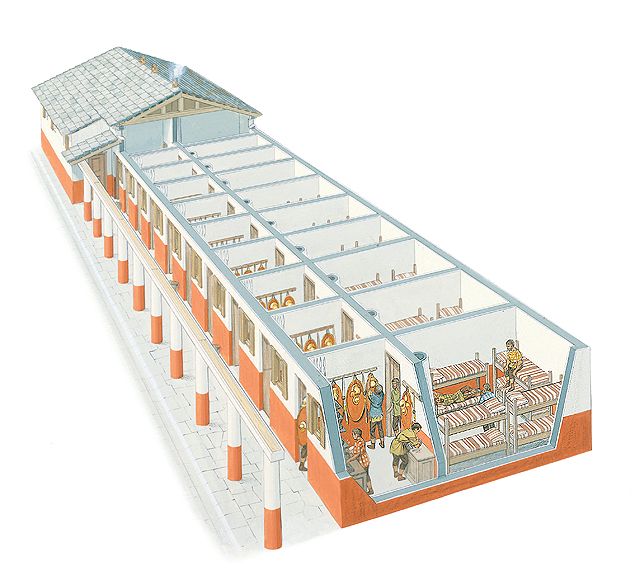
A legionary lived in barrack rooms shared with fellow soldiers, creating tight-knit groups. Conditions were organized but Spartan. Equipment and armor were stored neatly. Meals consisted primarily of grain, supplemented when possible by meat or vegetables. Uniform standards and hygiene expectations were enforced.
Pay provided security, though deductions for equipment and food reduced earnings. Nevertheless, military service granted status, steady income, and long-term opportunity. Veterans could receive land or pensions, enabling social mobility rare elsewhere in Roman society.
Peace did not mean comfort. Repetition, strict oversight, and constant preparation defined life — yet it was this environment that made Roman armies dependable and unified.
An open view of Roman barracks displays the soldiers’ living quarters, training grounds, and orderly layout, reflecting the discipline and organization of the Roman army.
Key Ideas — Legionary Life in Peace
Peacetime service centered on discipline, training, and structured routine
Soldiers supported Roman infrastructure alongside combat readiness
Military life provided order, identity, and social opportunity
Legionary Life in Times of War — Hardship, Movement, and Relentless Demands
Successful campaigns brought financial gain through pay bonuses and spoils. Status increased. Commanders rewarded loyalty. Yet long-term hardship left its mark. Injuries, disease, and exhaustion shortened lives. Many soldiers returned transformed by years of campaign service.
Nevertheless, wartime experience forged unity unparalleled in the ancient world. The legionary became a professional warrior shaped by constant discipline and shared ordeal, giving Rome its military edge for centuries.
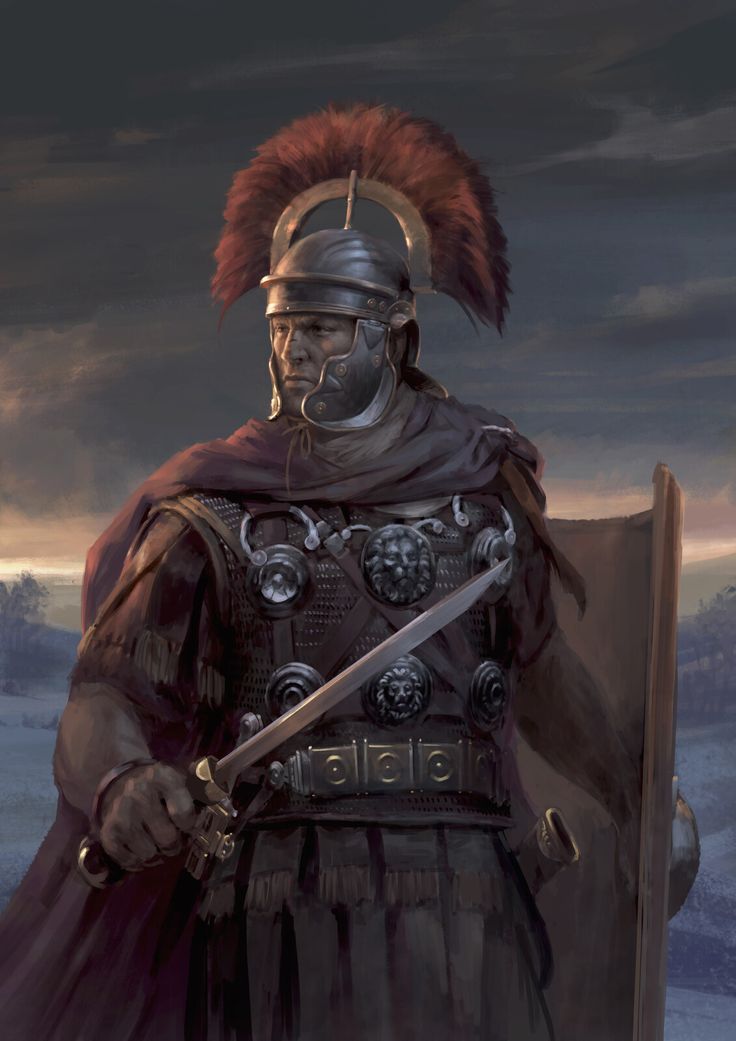
A Roman centurion
Key Ideas — Legionary Life in War
Wartime life centered on marching, fortification, and constant readiness
Combat relied on formation discipline and intense training
Campaigns brought both hardship and opportunity for reward
The Legionary as Citizen-Soldier — Duty, Identity, and Legacy
Social Role and Personal Sacrifice
A legionary existed between two worlds: citizen and soldier. Service meant long separation from family and homeland. Yet soldiers remained Roman citizens with legal protections and obligations. Many gained increased social standing through service.
The army became a ladder of opportunity. Veterans formed important communities and helped extend Roman culture across provinces. Military colonies, land grants, and settlement patterns spread Roman identity far beyond Italy.
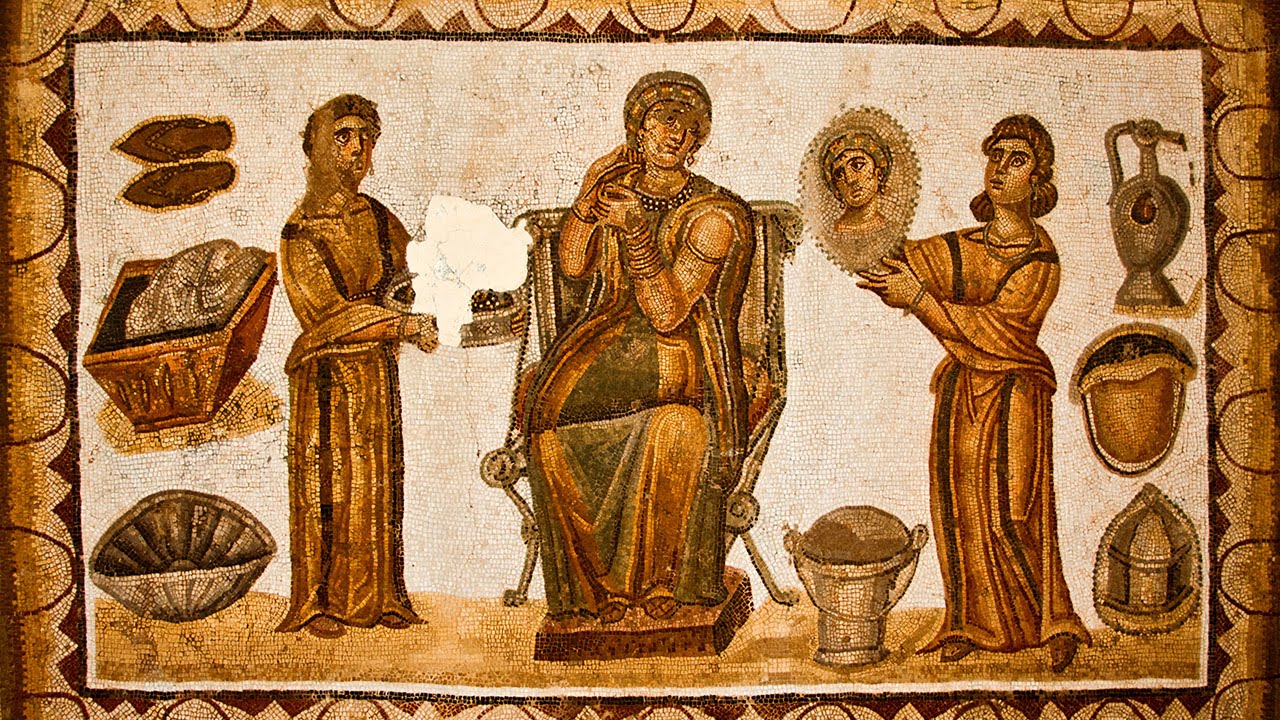
A Roman Woman receiving gifts
Discipline, Belief, and Collective Identity
Discipline defined every aspect of legionary life. Obedience to command and unity in formation reflected a culture that valued order above individual expression. Religious observance reinforced loyalty. Shared symbols, rituals, and victories built identity.
This disciplined culture made the legion a cohesive, professional force rather than a loose militia. It allowed Rome to conquer, administer, and defend a vast empire.
The surrender of Gaul to Caesar
Enduring Influence of the Roman Soldier
The Roman legionary remains one of history’s most iconic military figures. His life was not glamorous but defined by effort, structure, and endurance. Through war and peace alike, the legionary embodied Roman values of discipline, order, and resilience.
His world explains much about Rome’s durability — and its ability to project power for centuries.
A Roman centurion with his medals
Key Ideas — The Legionary Identity
The legionary balanced citizenship with professional military service
Discipline and shared identity unified Rome’s armies
The legionary’s legacy shaped military history long after Rome