
1. Organization of a Roman Legion on the Move
The Roman legion was one of the most formidable military organizations in the ancient world, not only because of its fighting ability but also due to its meticulous structure and discipline, which made it uniquely effective on long campaigns. A legion typically numbered 4,000 to 6,000 soldiers, though the size could vary depending on recruitment, losses, and the period. These soldiers were subdivided into cohorts (ten per legion) and further into centuries (roughly 80 men each), allowing commanders to exercise precise control over thousands of individuals during movement and combat. The hierarchy included legates, tribunes, centurions, and optiones, ensuring a clear chain of command that could function effectively even over extended marches.
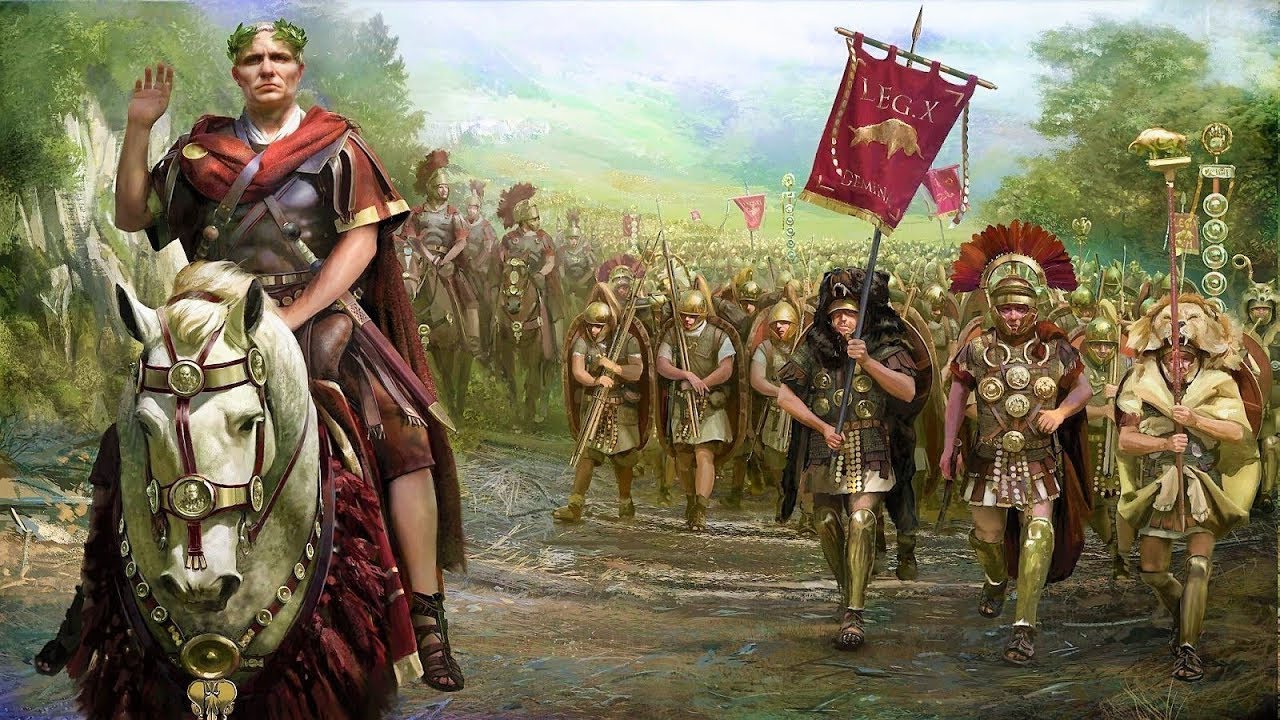
When a legion moved, its organization was extremely deliberate. Scouts and light infantry, known as velites, were positioned at the front of the column to identify potential ambushes, assess terrain, and mark routes. They were supported by skirmishers, who could harass or slow down enemy forces if detected. The heavy infantry, the backbone of the legion, formed the main body, moving in disciplined columns that allowed rapid formation into battle lines when necessary. Cavalry units, typically auxiliaries from allied states, were stationed on the flanks to protect against sudden attacks and to respond quickly to any skirmishes, a tactic that was essential for open-field campaigns.
Behind the main force marched logistical support, which was integral to the legion’s operational effectiveness. Supply wagons carried rations, weapons, armor, and construction tools, while engineers ensured roads, temporary bridges, and fortifications were in usable condition. Camp followers, including medical personnel, blacksmiths, and other non-combatants, followed closely to support soldiers’ daily needs.
Each soldier carried their personal equipment, which included the gladius (short sword), pilum (throwing spear), scutum (shield), helmet, lorica segmentata (armor), and various personal tools. This combined kit could weigh 30–40 kilograms, making marching a physically demanding endeavor. Legionaries were rigorously trained to endure these conditions, capable of moving in formation while remaining combat-ready at any moment.
The cohesion of the marching formation was essential. Centurions ensured spacing between maniples, preventing congestion and maintaining order, while signals such as horns, banners, and messengers relayed instructions efficiently. Each unit had assigned positions and responsibilities to maintain both speed and security. This meticulous organization meant that Roman legions could traverse long distances rapidly, respond to ambushes, and immediately form combat-ready lines upon encountering enemy forces.
Overall, the structure of the legion on the move was a balance of efficiency, discipline, protection, and readiness, which allowed Rome to project power across vast territories. This systematic organization was a critical factor in the legion’s historical dominance, allowing it to operate over months or even years without losing cohesion or fighting capacity.
Key Ideas
Roman legions numbered 4,000–6,000 soldiers, divided into cohorts and centuries
Hierarchical chain of command: legates, tribunes, centurions
Scouts, skirmishers, heavy infantry, and cavalry arranged for optimal protection
Soldiers carried 30–40 kg of equipment including weapons and armor
Logistics and engineers followed to maintain supplies, roads, and camp security
2. Daily Marching Routine and Speed
The daily life of a legion on campaign was governed by a strict routine that combined discipline, endurance, and efficiency. A typical marching day began at dawn, often signaled by bugles or horns. Soldiers were roused from their temporary or pre-constructed marching camps, which were built in a standardized layout to allow rapid assembly and defensive capability. The camp included protective ditches, stakes, and clearly defined zones for sleeping, cooking, and storage.
Once awake, centurions conducted gear inspections to ensure every legionary carried their weapons, armor, and rations correctly. Soldiers prepared personal packs weighing 30–40 kilograms, including the gladius, pilum, scutum, helmet, lorica segmentata, tools for entrenching, and sufficient provisions for the day. Legionaries often carried additional items such as spare sandals, woolen cloaks, and rope. Maintaining these loads during long marches required extraordinary physical conditioning, which was ingrained through years of training and daily drills.
Marching speed was carefully managed. On average, legions covered 20–25 kilometers per day, a pace considered remarkable given the weight of the equipment and the need to maintain formation. Forced marches in urgent situations could reach 30–40 kilometers, though this often caused exhaustion and occasional injuries. Terrain played a significant role: mountains, rivers, or marshlands required engineers to construct temporary bridges, clear obstacles, and reinforce paths to allow the army to progress without losing cohesion.
The marching order was critical for security and efficiency. Light infantry and scouts moved ahead to identify potential threats. The heavy infantry formed the central columns, ready to form battle lines at short notice. Cavalry units guarded the flanks, while logistical trains and camp followers trailed behind, carrying food, water, siege equipment, and medical supplies. This formation ensured that the legion could respond to ambushes while maintaining a continuous supply chain.
Communication was maintained through horns, banners, and runners, ensuring orders for speed adjustments, defensive maneuvers, or camp construction were executed quickly. Regular stops allowed soldiers to rest, eat rations, and repair equipment. Engineers would scout and prepare the next campsite, ensuring defensive positions were ready for overnight security.
Legionaries also maintained physical and mental readiness during marches. Training in formation drills, weapon practice, and endurance exercises often continued between breaks. This constant conditioning meant soldiers remained effective, even after weeks of sustained marching.
The combination of speed, discipline, logistics, and security made Roman legions unparalleled in mobility. These capabilities allowed Rome to deploy forces quickly across Italy, Hispania, and beyond, maintaining strategic flexibility that often gave them the upper hand against less organized opponents.
Key Ideas
Day began at dawn, with centurions inspecting gear
Average daily march: 20–25 km, forced up to 40 km
Formation: light infantry front, heavy infantry center, cavalry flanks, logistics rear
Engineers prepared terrain, bridges, and camps
Soldiers remained combat-ready through drills and endurance routines

3. Logistics and Supply Management
A Roman legion’s effectiveness on campaign depended as much on logistics as on combat prowess. Roman armies were accompanied by a meticulously organized supply train, ensuring that soldiers received rations, water, and equipment even in hostile or undeveloped regions. Supply wagons carried grain, dried meat, tools, and spare weapons. Engineers constructed temporary bridges, roads, and fortifications to maintain movement and provide protection during stops.
Food was carefully rationed to sustain soldiers during long marches. The staple diet included puls (grain porridge), hardtack, dried meat, and legumes, often supplemented by foraging local resources. Water supply was crucial; legionaries carried small personal flasks, while engineers located wells, rivers, or springs to prevent dehydration. Without these measures, a legion could quickly become incapacitated by exhaustion or malnutrition.
Soldiers also carried personal tools for digging, building, and fortifying camps. Shovels, picks, and stakes allowed legions to construct temporary fortifications each night. Camps were built using a standardized layout, including ditches and palisades for defense. Legionaries had clearly assigned roles for digging, guarding, and maintaining hygiene, ensuring operational efficiency even under challenging conditions.
The Romans also maintained discipline and order within supply lines. Wagons were guarded by detachments of soldiers, preventing theft or ambush. Engineers and specialists followed ahead of the army to assess terrain and prepare roads for heavy wagons and siege engines. This attention to detail allowed the legions to maintain mobility over vast distances and through varied landscapes.
Logistics extended beyond just food and water. Engineers and supply officers ensured that soldiers had repaired weapons, functioning armor, and proper camp tools. Spare sandals, rope, and even medical supplies were part of the standard supply train. The careful planning of supplies prevented disruptions that could slow the army or weaken its fighting ability.
This combination of strict discipline, engineering, and supply management enabled the Roman legion to operate as a self-sustaining, mobile military force, capable of rapid deployment and long-term campaigns. Without this logistical efficiency, Rome’s campaigns, especially in distant or hostile territories, would have been impossible.
Key Ideas
Supply trains carried food, weapons, tools, and medical supplies
Soldiers carried personal kits and fortification tools
Camps built nightly with ditches, palisades, and standard layouts
Engineers scouted terrain and maintained roads
Logistics ensured legions remained mobile and combat-ready

4. Camp Construction and Security
Every night during a campaign, a Roman legion would halt its march and construct a temporary fortified camp, a practice that reflected Rome’s dedication to discipline, organization, and security. These camps, often referred to as castra, were not haphazard; their construction followed a precise and standardized plan that allowed the army to remain protected, maintain cohesion, and prepare for future movements. The standard Roman marching camp was rectangular, with streets, designated sleeping quarters, storage areas, command tents, and spaces for livestock and supplies.
Construction typically began immediately upon arrival at the chosen site. Engineers and soldiers worked in coordinated teams, digging defensive ditches and raising earthworks around the perimeter. Wooden stakes and sharpened poles were driven into the ground to form palisades, creating formidable obstacles for potential attackers. The fortifications were complemented by strategically placed watchtowers, gates, and patrol routes, ensuring that the camp could be defended efficiently if threatened during the night.
Centurions meticulously assigned specific tasks to each unit, maintaining order and ensuring that construction proceeded efficiently. Heavy infantry often formed the central portion of the camp and took responsibility for securing the main defensive lines. Light infantry and auxiliary troops patrolled the perimeter and maintained surveillance against enemy reconnaissance or infiltration. Cavalry units were positioned to cover approaches and provide rapid response to any threat outside the camp.
Inside the camp, organization extended to daily living arrangements. Soldiers had assigned sleeping areas and maintained cleanliness to prevent disease, while supply officers monitored rations and ensured tools, weapons, and armor were in working order. Engineers also worked to level terrain, create drainage systems, and build temporary bridges or ramps, which facilitated movement within the camp and allowed siege equipment to be deployed quickly if needed.
The combination of engineering, tactical planning, and disciplined labor made the Roman camp far more than a place to rest—it was an extension of the army’s battlefield capabilities. Soldiers could recover from long marches, maintain their equipment, and train in defensive techniques. The ability to construct a fortified camp within a few hours demonstrated the legion’s remarkable efficiency and ensured it could sustain itself in hostile territory for extended periods.
Camp security was also critical to morale and combat readiness. Patrols and sentries prevented surprise attacks, while controlled access points minimized the risk of infiltration or theft. Soldiers understood that the integrity of the camp could determine life or death, reinforcing discipline and vigilance. The construction and maintenance of these camps were as vital to Roman military success as battlefield tactics, forming a cornerstone of the legion’s operational efficiency and long-term strategic mobility.
Key Ideas
Camps (castra) were rectangular and standardized, with streets, storage, and living areas
Defensive ditches, palisades, and watchtowers provided protection from attacks
Centurions assigned tasks, ensuring efficient construction and labor discipline
Camps supported morale, hygiene, and combat readiness
Engineers maintained terrain, drainage, and mobility inside and around the camp

5. Challenges on Campaign: Terrain, Weather, and Fatigue
Roman legions were unmatched in discipline and organization, but marching across the diverse landscapes of the Roman world presented constant challenges that tested the endurance, coordination, and resilience of soldiers. Every campaign brought unique obstacles, including mountains, rivers, marshes, dense forests, deserts, and uneven terrain, all of which could slow progress, disrupt formations, and increase the risk of accidents or ambushes. Roman engineers and scouts played a crucial role in mitigating these difficulties, constructing temporary bridges, clearing paths, leveling roads, and marking safe routes to ensure the army could advance without losing cohesion or becoming vulnerable to attack.
Mountains, for example, required the army to move in narrow columns, often stretching the force over long distances and exposing it to potential attacks on the flanks or rear. Engineers would carve paths, build retaining walls, and construct ramps to allow wagons and heavy equipment to traverse steep inclines. Rivers and streams demanded temporary bridges or rafts, while marshlands required drainage or reinforced plank paths to prevent soldiers and wagons from becoming mired. Forests slowed movement, requiring clearing of dense vegetation to allow troops and supply trains to pass. In each case, the legion relied on meticulous planning and coordination, ensuring that obstacles did not compromise speed or combat readiness.
Weather conditions posed additional challenges. Soldiers frequently marched in extreme heat, heavy rain, snow, or icy conditions, often while carrying 30–40 kilograms of weapons, armor, and personal supplies. Prolonged exposure could lead to exhaustion, hypothermia, or heatstroke, especially for soldiers who had already endured weeks of continuous marching. Rain and mud made roads slippery and treacherous, increasing the risk of injuries and slowing the movement of wagons and cavalry. Snow and ice added further hazards, while desert campaigns introduced the critical issue of water scarcity, forcing careful rationing and reliance on scouts to locate springs or wells along the route.
Fatigue was one of the most persistent challenges on campaign. Roman soldiers were required to maintain discipline and formation despite long days of marching and limited rest. A standard daily march ranged between 20–25 kilometers, though in urgent situations, forced marches could reach 30–40 kilometers, placing extreme physical strain on the troops. Soldiers had to maintain combat readiness while carrying heavy packs, managing personal hygiene, and ensuring that weapons and armor remained functional. Commanders addressed fatigue through scheduled rest stops, rotations for scouts and guards, and organized meals, allowing soldiers to recover before resuming movement.
Psychological fatigue was another factor. Soldiers were aware of the constant threat of enemy attacks, ambushes, or environmental hazards. Maintaining morale under these conditions required strict discipline, leadership, and the knowledge that logistical support and protective measures were in place. Engineers, supply officers, and camp followers played essential roles in reducing stress, ensuring that water, rations, and medical attention were available, even in challenging terrain.
Roman legions adapted effectively to these challenges through training, discipline, and innovation. Soldiers were physically conditioned to endure heavy loads over long distances, while engineers and scouts provided tactical solutions to environmental obstacles. This combination of endurance, preparation, and logistical planning allowed legions to sustain long campaigns, maintain combat readiness, and operate efficiently across unfamiliar and hostile landscapes, giving Rome a decisive advantage over less organized opponents.
Key Ideas
Terrain included mountains, rivers, marshes, forests, and deserts, each requiring specialized solutions
Engineers built bridges, roads, ramps, and drainage systems to maintain mobility
Weather challenges: heat, rain, snow, ice, and desert conditions
Fatigue mitigated through rest stops, rotations, rations, and hygiene measures
Psychological resilience maintained through discipline, leadership, and logistical support
Adaptability and endurance ensured long-term campaign effectiveness and operational advantage
6. Combat Readiness During Marches
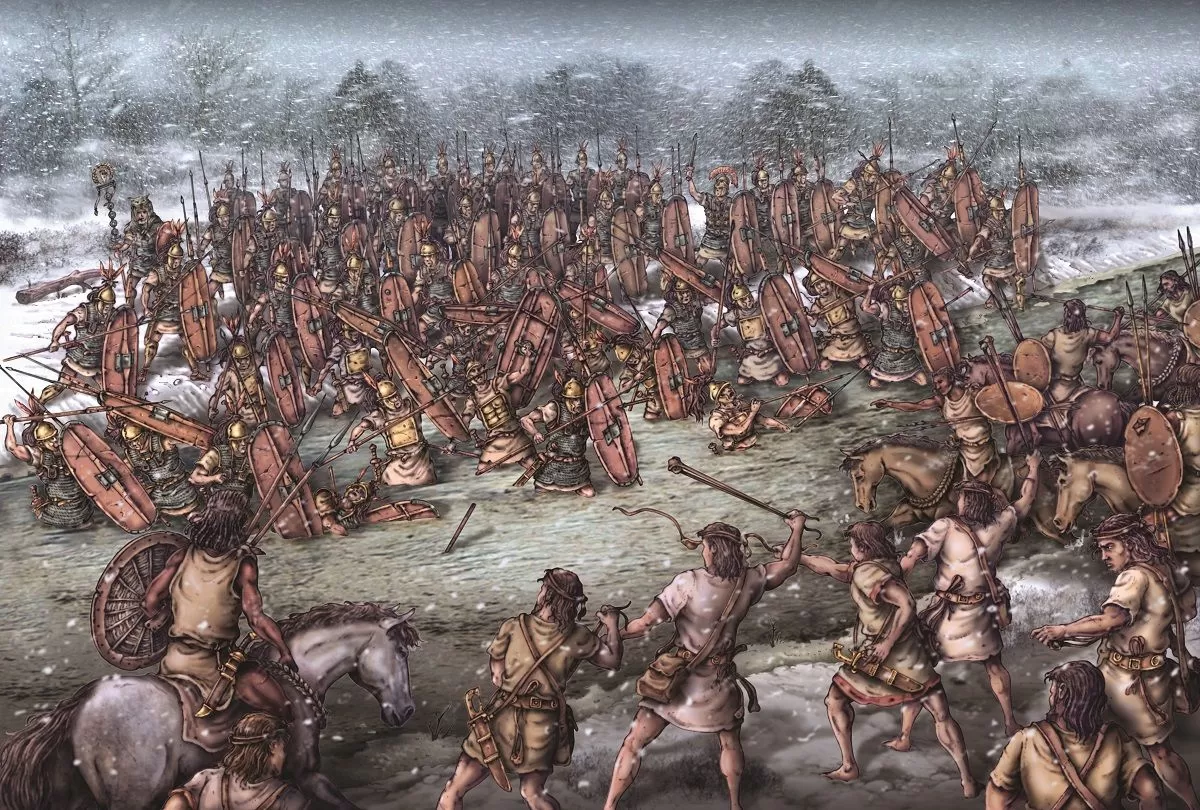
One of the defining features of the Roman legion was its ability to maintain combat readiness even during long and exhausting marches. Unlike many ancient armies, which became vulnerable while moving, Roman soldiers were trained to march in formations that allowed them to transition almost instantly into battle lines. This capability ensured that the legion could respond effectively to sudden attacks, ambushes, or enemy sightings, a factor that often proved decisive in campaigns across Italy, Gaul, Hispania, and beyond.
The marching formation was structured to maximize both mobility and protection. Heavy infantry formed the central column, providing the core strength of the army. Their position allowed them to quickly form the classic triplex acies formation—three lines of maniples arranged for offensive and defensive combat—at a moment’s notice. Light infantry and skirmishers moved along the flanks and front, acting as early-warning units to detect ambushes, harass enemy scouts, and slow down potential attacks. Cavalry units positioned on the flanks provided rapid response capability, able to chase down hostile forces, protect the rear, or exploit weaknesses in the enemy’s formation. Rear guards protected against attacks from behind and ensured that supply trains, wagons, and camp followers were secure during the march.
Every day, soldiers inspected and maintained their weapons and armor. The gladius, pilum, scutum, and lorica segmentata required careful upkeep to remain functional during combat. Pilum shafts were checked for cracks, scuta were repaired for dents or splits, and helmets and armor were polished to ensure reliability. Soldiers also carried personal tools for digging and fortifications, which could be quickly repurposed for defensive measures if the army came under attack while on the move. Regular drills during breaks reinforced formation discipline, weapon handling, and responsiveness, ensuring that even fatigued soldiers remained mentally sharp and tactically prepared.
Combat readiness during marches also depended on psychological preparation. Soldiers were trained to remain alert at all times, aware that enemy forces could attempt ambushes, raids, or sabotage. Leadership played a crucial role: centurions and officers ensured that orders were communicated efficiently, that troops maintained their positions, and that morale remained high despite fatigue. The presence of engineers and supply officers further reinforced soldiers’ confidence, knowing that logistical and structural support was immediately available in case of conflict.
The efficiency of Roman marching formations was complemented by strategic planning. Commanders often selected routes that allowed for rapid deployment into advantageous positions or pre-prepared defensive locations. Scouts assessed terrain, marking chokepoints, open fields, or areas suitable for rapid engagement. By combining meticulous planning with disciplined execution, Roman legions could respond to threats without losing cohesion, a capability that often allowed them to win battles even when initially surprised or outnumbered.
In addition to physical and tactical readiness, logistical factors contributed to combat capability. Soldiers carried sufficient rations, water, and spare equipment to endure unexpected engagements. The organization of supply trains and engineers allowed the army to construct temporary defenses or obstacles quickly, further enhancing the legion’s ability to withstand attacks during movement.
Ultimately, the ability to maintain combat readiness during marches set Roman legions apart from almost all other armies of antiquity. Their combination of discipline, training, tactical formation, logistical support, and psychological resilience ensured that they could confront enemies at any time, maintain operational momentum, and exploit strategic opportunities. This readiness allowed the legions to dominate campaigns, project power across vast territories, and achieve victories that less organized armies could never hope to attain.
Key Ideas
Marching formations allowed instant deployment into battle
Heavy infantry in the center could form triplex acies lines immediately
Light infantry and cavalry provided early warning, flank protection, and pursuit capability
Weapons and armor were inspected and maintained daily
Drills and discipline ensured mental and tactical readiness
Leadership and logistics supported morale, security, and combat efficiency
The legion’s readiness during marches gave it unmatched strategic flexibility

7. Strategic Importance of Legion Mobility
The strategic mobility of Roman legions was a cornerstone of the Republic’s and later the Empire’s military dominance. Roman armies were not only highly disciplined and well-equipped but also capable of moving across vast distances while maintaining combat readiness, a factor that allowed Rome to respond rapidly to threats, exploit enemy weaknesses, and secure critical territories. Mobility was not just physical movement—it was an integrated system of logistics, engineering, discipline, and tactical planning that made Roman legions uniquely effective in both offensive and defensive operations.
A primary aspect of legion mobility was the ability to cover significant distances without losing cohesion or readiness. On average, a legion could march 20–25 kilometers per day, with forced marches extending to 30–40 kilometers when urgency required. This mobility allowed commanders to surprise enemies, reinforce distant allies, or seize key strategic locations faster than opposing forces could react. The combination of well-trained soldiers, structured formations, and disciplined marching routines ensured that legions could operate far from their bases without compromising operational effectiveness.
Strategic mobility also depended heavily on logistics and engineering support. Supply trains ensured that soldiers had access to food, water, and spare equipment throughout long campaigns, while engineers built bridges, roads, and temporary fortifications to facilitate movement over challenging terrain. This capability allowed the Romans to traverse mountains, rivers, and marshlands that would have halted less organized armies. The ability to construct fortified camps quickly further enhanced mobility, allowing the army to pause for rest, resupply, and tactical planning without exposing itself to enemy attacks.
The psychological impact of Roman mobility on both allies and enemies was significant. Enemies faced a force that could appear unexpectedly, maintain its strength over long marches, and react swiftly to any maneuver. Allies could rely on timely reinforcements and protection, strengthening loyalty to Rome. This ability to project power across great distances created a reputation of inevitability and reliability that enhanced Rome’s diplomatic and military leverage.
Mobility also allowed Roman commanders to choose battlefields and control the tempo of engagements. Armies could march to positions offering tactical advantage, such as high ground, river crossings, or choke points, forcing enemies into disadvantageous situations. This strategic flexibility often compensated for numerical inferiority, as disciplined troops could exploit terrain, maintain formation under pressure, and execute complex maneuvers that less mobile armies could not match.
Beyond battlefield considerations, legion mobility was essential for sustained campaigns in hostile regions. Rome’s expansion into Gaul, Hispania, and North Africa required armies to operate far from supply bases, often in unfamiliar environments. The ability to maintain marching speed, construct camps, and safeguard supplies allowed the Romans to establish control over new territories, conduct sieges, and respond to uprisings without overstretching their forces.
In essence, the strategic importance of legion mobility cannot be overstated. It was a force multiplier, amplifying the effectiveness of discipline, training, equipment, and leadership. Roman legions could respond to threats faster than their enemies, maintain operational readiness over long campaigns, and exploit tactical opportunities that others could not. This capability was a defining feature of Rome’s military success, enabling rapid expansion, effective defense, and sustained dominance across centuries of warfare.
Key Ideas
Mobility allowed legions to cover long distances while remaining combat-ready
Supply trains and engineers ensured sustained campaigns in diverse terrain
Fortified camps supported rest, resupply, and defense
Mobility provided psychological and strategic advantages over enemies
Enabled commanders to choose battlefields, control engagement tempo, and exploit terrain
Critical for Rome’s expansion, defense, and long-term dominance