1. The Founding of Rome and the Rise of the Roman Kingdom
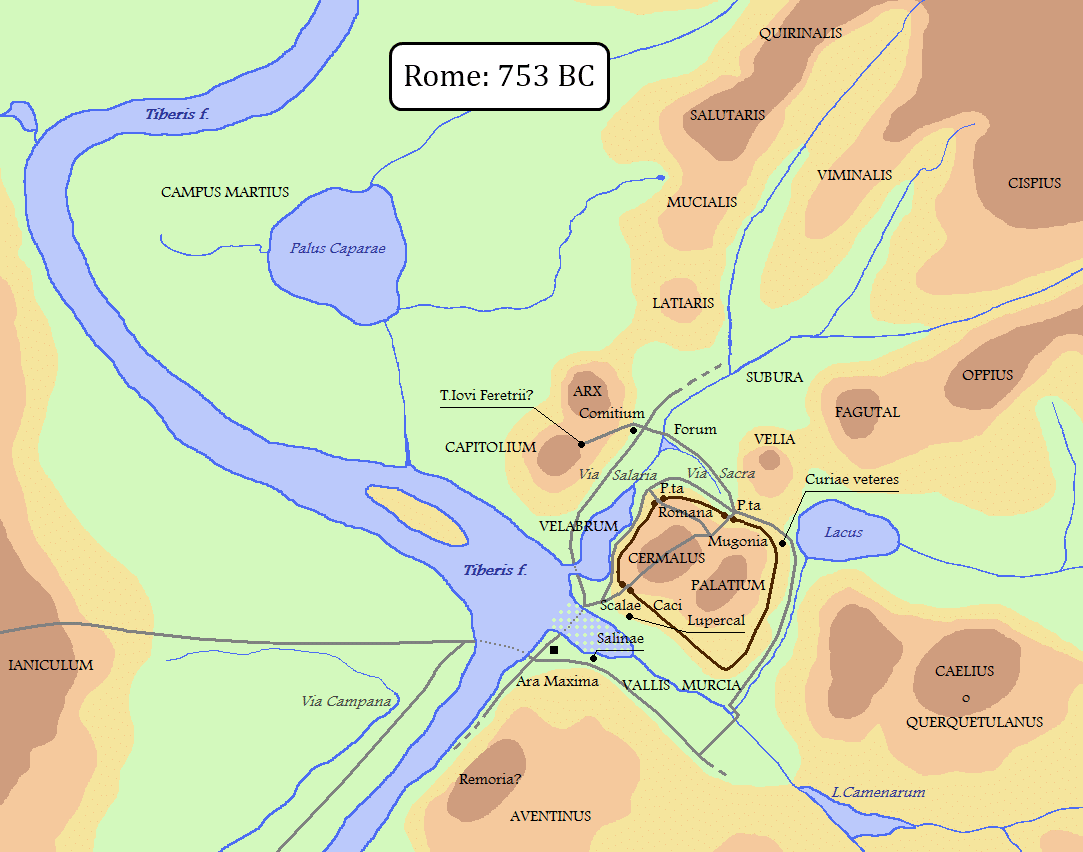
The story of Rome’s transformation from a small settlement into one of the most powerful civilizations in history begins with the Roman Kingdom, the earliest traditional period of Roman history. According to Roman tradition, the city of Rome was founded in 753 BC by Romulus, who became its first king. Although historians believe the real development of Rome was more gradual, involving several settlements merging together, the traditional story of Romulus became an important part of Roman identity.
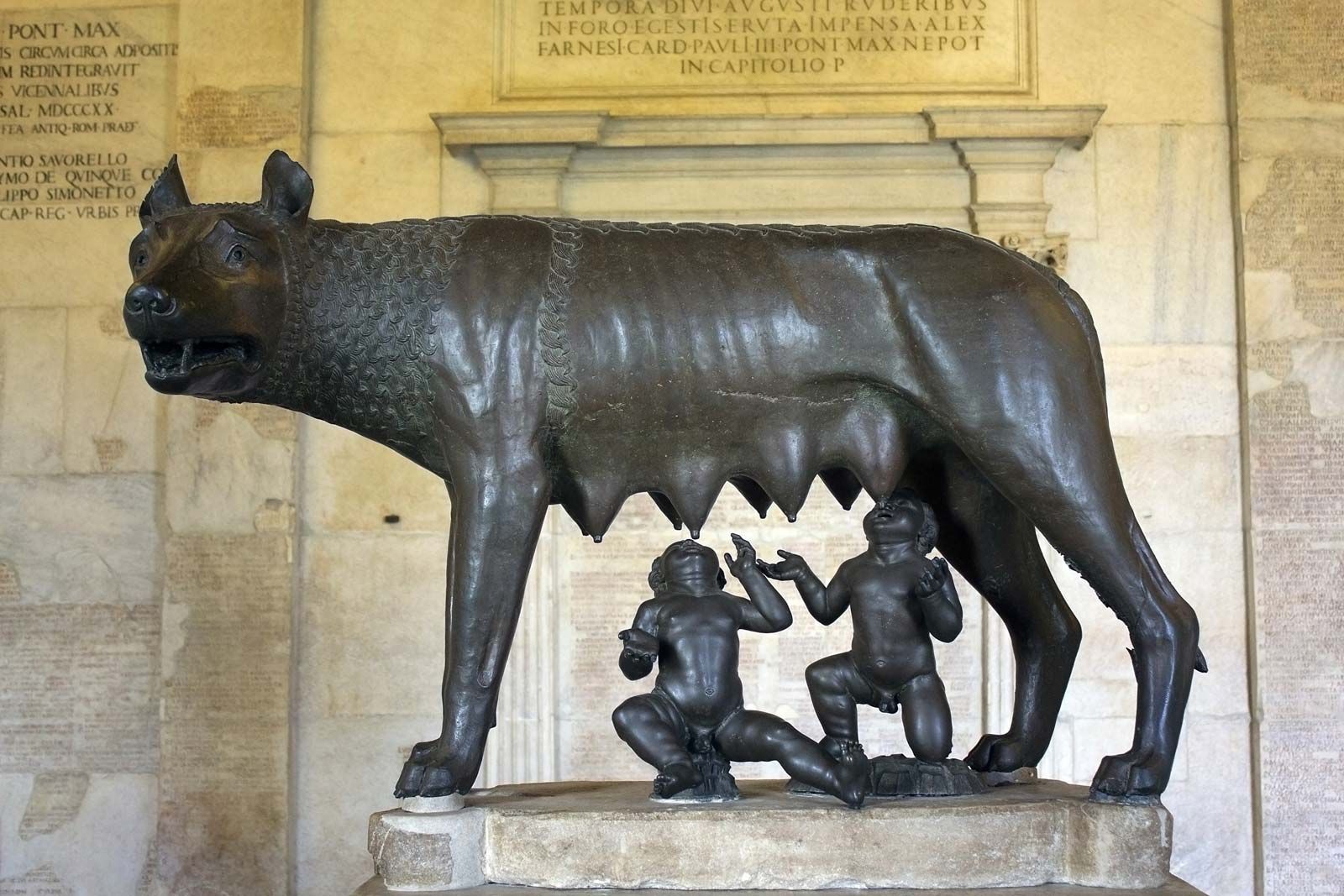
According to the famous legend, Romulus and Remus were twin brothers descended from the Trojan hero Aeneas. They were supposedly abandoned as infants and rescued by a she-wolf before eventually being raised by shepherds. As adults, the brothers decided to establish a settlement, but they disagreed over where it should be located. Their rivalry eventually ended with Romulus killing Remus, after which Romulus founded Rome on the Palatine Hill.
While the story of Romulus and Remus is largely legendary, archaeological evidence shows that people were living on the hills around Rome long before the traditional foundation date. Small farming and pastoral communities gradually developed around the Tiber River, an important waterway and trade route. The location was strategically valuable because it provided access to the river, nearby agricultural land, and routes connecting central Italy.
Over time, these separate settlements became increasingly connected. Rome’s position near the Tiber allowed it to participate in regional trade, while its location in central Italy gave it access to other Latin communities and neighboring peoples. The city’s population grew, political institutions developed, and Rome gradually became a recognizable urban community.
The early Roman Kingdom was governed by kings, but Roman tradition did not describe the monarchs as absolute rulers in the same way as some eastern kings. The king served as the city’s chief military commander, religious leader, and political authority. He was supported by institutions such as the Senate, which consisted of important aristocratic families.
The Roman population was also divided into different social groups. The patricians were powerful aristocratic families who dominated many political and religious positions, while the broader population included plebeians, who formed much of Rome’s working population. These divisions would become extremely important later, especially after the creation of the Republic.
Roman tradition recorded seven kings during the Kingdom’s history. Romulus was followed by rulers such as Numa Pompilius, who was remembered for establishing religious traditions, and Tullus Hostilius, who was associated with military expansion. Later kings were traditionally credited with expanding Rome’s territory, strengthening its institutions, and developing major public works.
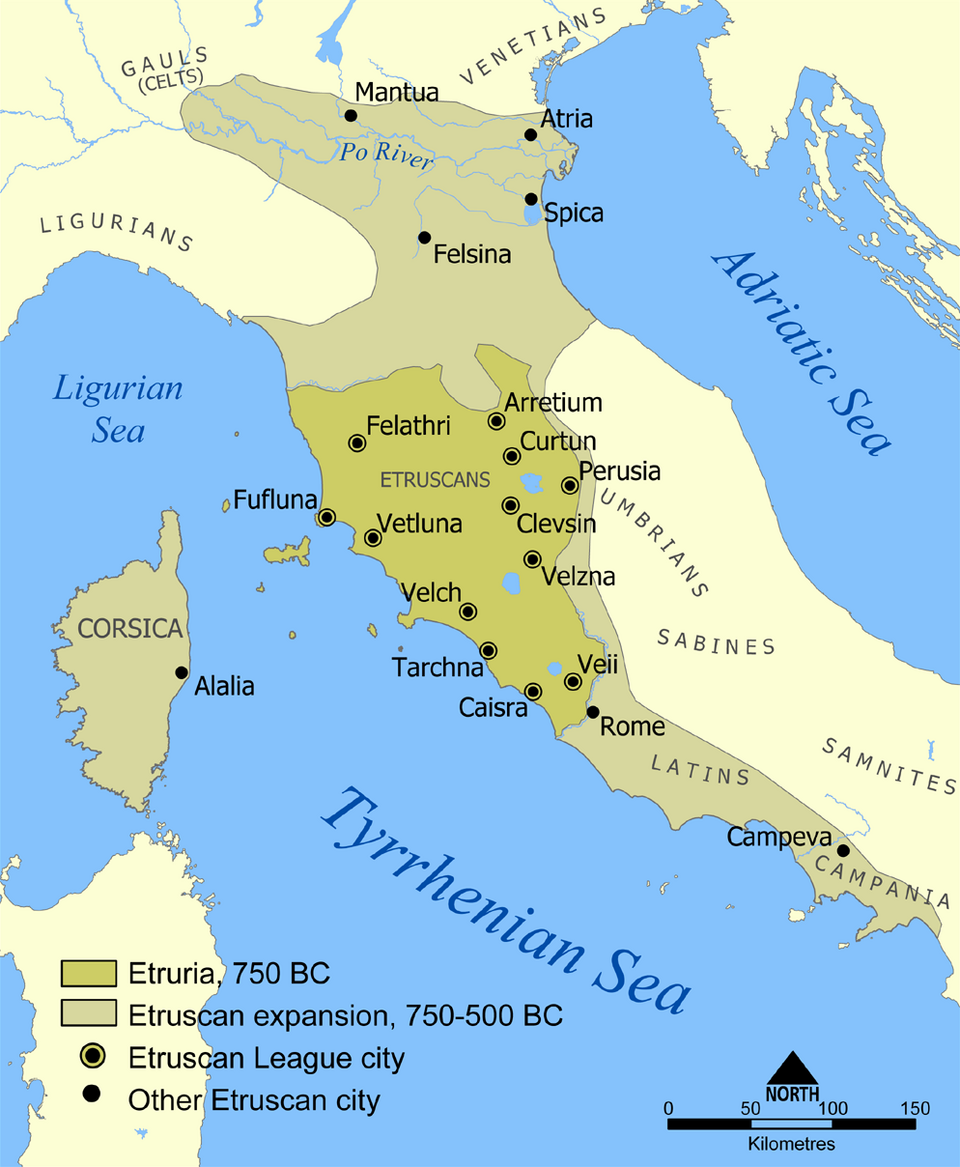
The final kings were particularly influenced by the Etruscans, a powerful civilization located north of Rome. Etruscan influence contributed to Roman architecture, religious practices, symbols of authority, and urban development. During this period, Rome became increasingly sophisticated and powerful.
The monarchy also helped establish traditions that would survive long after the kings disappeared. Roman military organization, religious ceremonies, political councils, and social structures all developed during this early period. The later Republic did not completely abandon the institutions of the Kingdom; instead, many were adapted into a new political system.
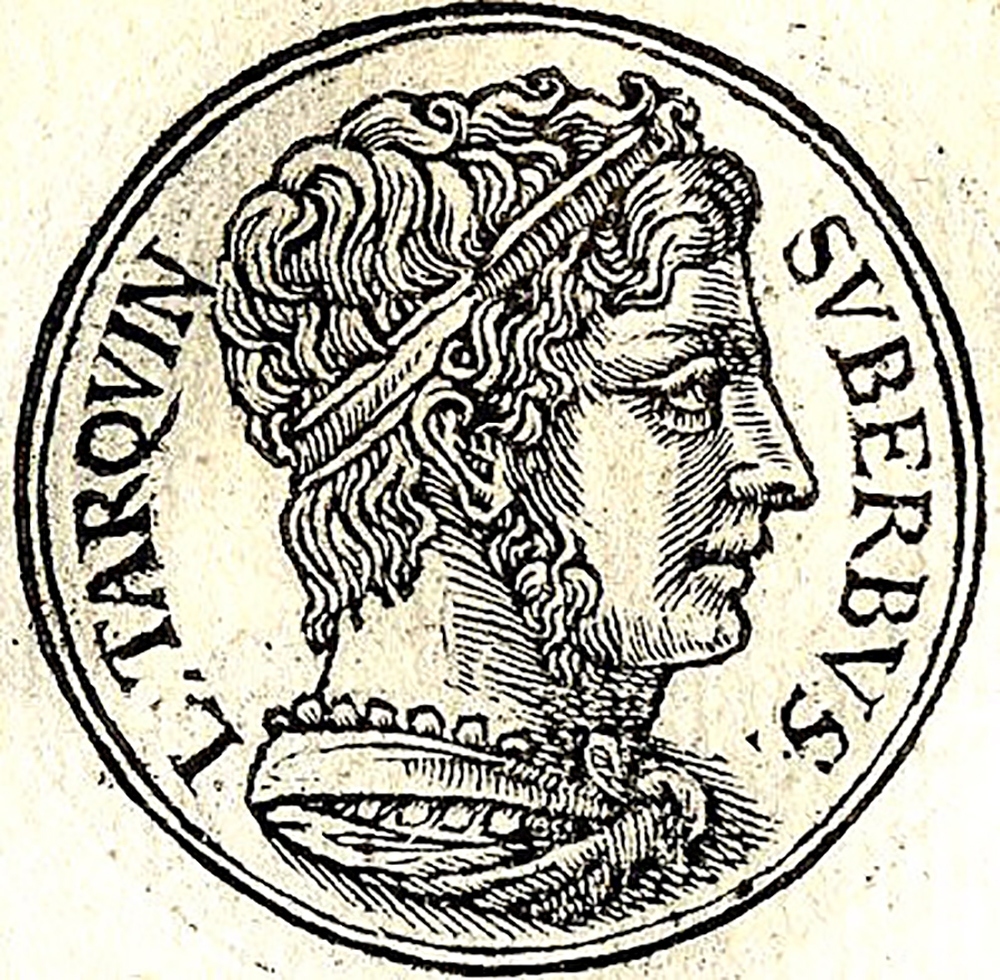
The traditional date for the end of the Roman Kingdom is 509 BC, when Roman aristocrats supposedly expelled the final king, Lucius Tarquinius Superbus, better known as Tarquinius Superbus or Tarquin the Proud. This event marked the beginning of the Roman Republic.
Therefore, the rise of the Roman Kingdom was a gradual process rather than a single event. Small settlements around the Tiber developed into an organized city with political institutions, social classes, religious traditions, and military power. These foundations created the Roman state that would eventually reject monarchy and establish the Roman Republic, beginning a new and extraordinarily important chapter in Roman history.
Main Ideas
- Rome was traditionally founded in 753 BC by Romulus.
- Archaeology shows that settlements existed around Rome before the traditional foundation date.
- The Tiber River helped Rome develop through agriculture and trade.
- The Roman Kingdom was governed by kings supported by institutions such as the Senate.
- Patricians and plebeians formed important social groups in early Rome.
- Etruscan influence contributed significantly to Rome’s development.
- Roman political, religious, and military traditions developed during the Kingdom.
- The monarchy traditionally ended in 509 BC.
- The fall of the monarchy created the Roman Republic.
2. How the Roman Kings Governed Rome and Its Early Society
During the period traditionally known as the Roman Kingdom, Rome was governed by kings who combined political, military, judicial, and religious authority. According to Roman tradition, the Kingdom lasted from 753 BC to 509 BC, beginning with the legendary foundation of Rome by Romulus and ending with the expulsion of Tarquinius Superbus, the last king. Although many details of this period are based on later Roman traditions rather than contemporary records, the political institutions associated with the monarchy became extremely important foundations for the later Roman Republic.
The Roman king, known as the rex, was the central figure in government. He acted as the city’s principal military commander and was responsible for leading Roman armies during warfare. In a society where military strength was essential for survival, this made the king one of the most powerful individuals in Rome. The king could organize armies, negotiate with neighboring communities, and direct military campaigns.
The king also possessed important religious authority. Religion was deeply connected to Roman government, and Romans believed that maintaining good relations with the gods was essential for the prosperity of the community. The king performed important religious ceremonies, supervised aspects of public worship, and was associated with interpreting divine signs. This combination of political, military, and religious responsibilities gave the monarchy enormous influence.
However, Roman kings did not necessarily govern entirely alone. One of the most important institutions was the Senate, traditionally created by Romulus. The Senate was made up of leading members of Rome’s aristocratic families. These senators, often described as patres, advised the king on important decisions concerning war, diplomacy, religion, and government.
Although the Senate’s powers during the Kingdom were not identical to those it would later possess under the Republic, its existence demonstrates that Roman political life already included a powerful aristocratic element. The relationship between the king and the aristocracy would eventually become one of the most important issues in the overthrow of the monarchy.
Another institution associated with early Rome was the popular assembly. Roman citizens could gather in organized groups to participate in certain political and military decisions. The Comitia Curiata, for example, was traditionally associated with the earliest Roman assembly system. Its powers were limited compared with later republican assemblies, but it established the idea that Roman citizens could have a formal role in political life.
Early Roman society was also highly hierarchical. The patricians represented powerful aristocratic families who controlled much of the political and religious leadership. Alongside them were the plebeians, a much larger population that included farmers, craftsmen, traders, and other ordinary citizens. The exact development of the distinction between patricians and plebeians during the Kingdom is debated by historians, but social inequality clearly became an important feature of Roman political life.
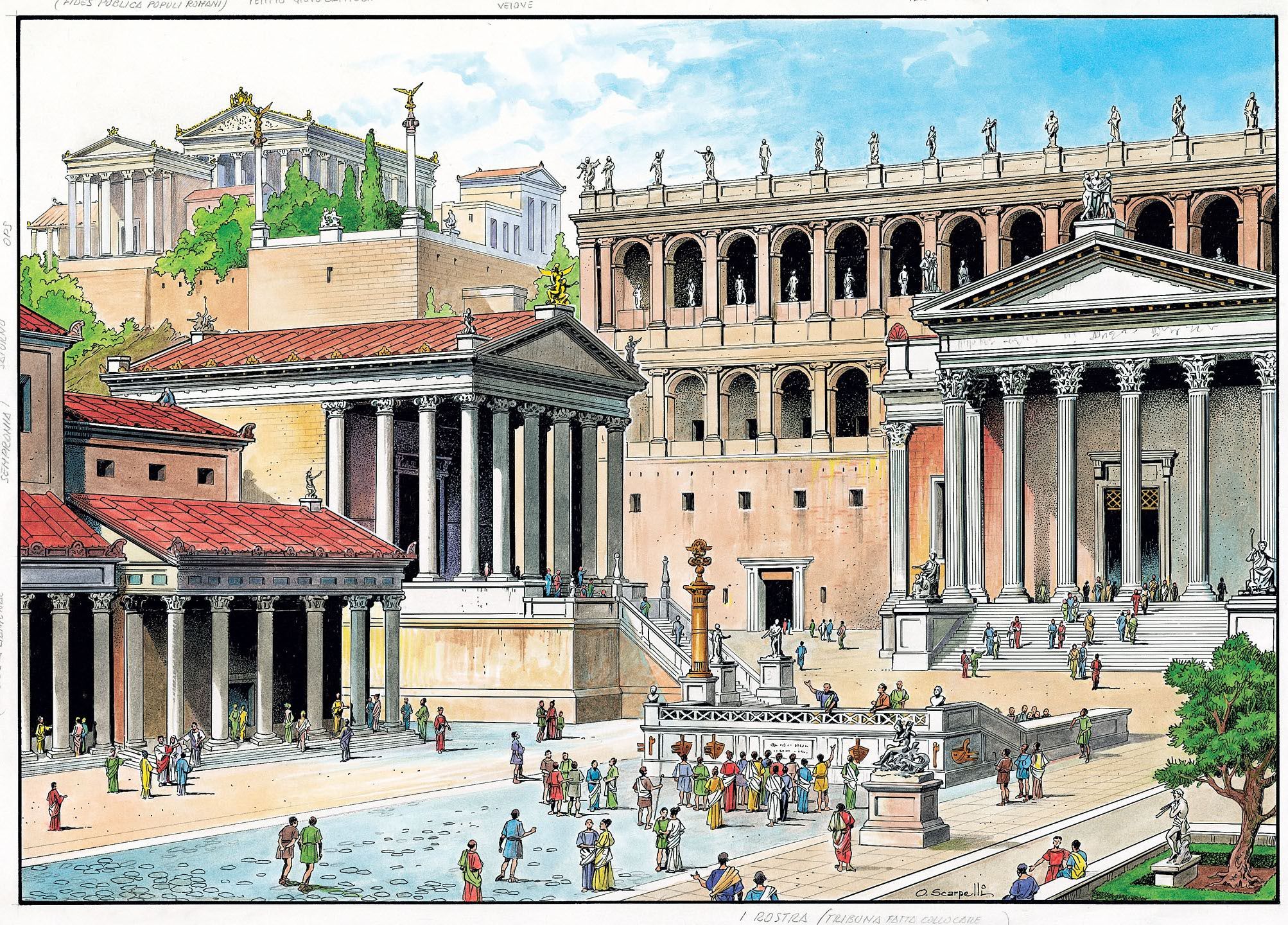
The kings also played a major role in the development of Rome’s infrastructure. Roman tradition credits several rulers with major construction projects, including temples, defensive structures, roads, and drainage systems. The development of the Forum and the construction of the Cloaca Maxima, one of Rome’s famous early drainage systems, are traditionally connected with the monarchy and especially with the later kings.
Military organization was another important part of early government. Rome was surrounded by competing peoples and communities, including the Latins, Sabines, and Etruscans. The king was therefore expected to protect Roman territory while expanding the city’s influence. Military success could strengthen a king’s authority, while military failure could weaken it.
The system worked as long as the king maintained relationships with Rome’s aristocrats, soldiers, and wider population. However, the monarchy became increasingly controversial when rulers were perceived as abusing their authority. This problem became especially serious under the final kings, whose actions contributed to growing opposition among Rome’s elite.
The Roman Kingdom therefore created a political system in which royal authority existed alongside aristocratic influence and limited citizen participation. These institutions did not disappear when the monarchy ended. Instead, many were transformed and incorporated into the Republic. The Senate became far more powerful, assemblies gained greater importance, and executive authority was transferred from a permanent king to annually elected magistrates.
Understanding how the Roman kings governed Rome is therefore essential for understanding why the Republic developed as it did. The Romans did not create their republican system from nothing. They adapted existing institutions, removed the monarchy, and created new limits on individual political power.
Main Ideas
- The Roman Kingdom traditionally lasted from 753 BC to 509 BC.
- The king served as Rome’s chief military, political, judicial, and religious authority.
- The Senate provided advice and represented powerful aristocratic families.
- Popular assemblies gave citizens a limited role in early political life.
- Roman society was strongly hierarchical.
- Patricians held significant political and religious influence.
- The kings were traditionally associated with major construction projects.
- Military leadership was essential to the king’s authority.
- Abuses of royal power eventually contributed to opposition against the monarchy.
- Many institutions of the Kingdom were later adapted by the Roman Republic.
3. The Etruscan Kings and Their Influence on Ancient Rome
The Etruscan kings played an important role in the development of early Rome and helped transform the city from a small settlement into a more organized and powerful urban center. The Etruscans lived primarily in Etruria, a region north of Rome in central Italy, and had developed sophisticated cities, religious traditions, trade networks, and political institutions. During the later period of the Roman Kingdom, Etruscan influence became particularly strong, shaping Roman architecture, religion, military practices, symbols of authority, and urban development.
Roman tradition describes several of Rome’s later kings as having connections to the Etruscan world. The most famous were Lucius Tarquinius Priscus, Servius Tullius, and Lucius Tarquinius Superbus. Their reigns were traditionally placed between the seventh and sixth centuries BC. Although the historical details surrounding these kings are difficult to verify, archaeological evidence confirms that Rome experienced significant Etruscan cultural influence during this period.
One of the most visible areas of Etruscan influence was architecture. Under the later kings, Rome developed increasingly impressive public buildings and urban infrastructure. The traditional Roman accounts associate the construction of the Temple of Jupiter Optimus Maximus on the Capitoline Hill with the Tarquin dynasty. The temple became one of the most important religious buildings in Roman history and demonstrated how Rome was becoming a major urban center.
The Etruscans also influenced Roman engineering and construction techniques. The development of large drainage systems, including the famous Cloaca Maxima, helped transform Rome’s low-lying areas and made large-scale urban development possible. These projects required significant organization and labor, demonstrating that Rome’s rulers were capable of mobilizing resources on a much larger scale than earlier generations.
Religion was another area in which Etruscan influence became extremely important. Roman religious practices were strongly influenced by Etruscan traditions involving omens, divination, sacred rituals, and the interpretation of signs from the gods. Roman officials later relied heavily on religious specialists known as haruspices, who were associated with Etruscan traditions of interpreting divine messages.
Etruscan influence also appeared in the symbols of Roman political authority. The famous fasces, a bundle of rods carried by attendants known as lictors, became an important symbol of Roman magistrates. These symbols represented the authority to command and punish, and their origins are commonly connected with Etruscan political traditions.
The Etruscans also influenced Roman military and political development. Rome’s growing population and expanding territory required a more organized army. The later kings are traditionally credited with reforms that organized Roman citizens according to wealth and military responsibility. These developments helped create a more structured military system that could support Rome’s expansion.
Perhaps the most important long-term influence was the transformation of Rome itself. During the period of strong Etruscan influence, Rome became increasingly urbanized, wealthy, and politically organized. The city developed major public spaces, religious buildings, defensive structures, and drainage systems. Rome was becoming something much larger than a collection of small villages.
However, Etruscan influence also became associated with the monarchy’s growing power. The final king, Tarquinius Superbus, was traditionally portrayed as an authoritarian ruler who ignored the advice of the Senate and governed through fear. Whether this portrayal accurately reflects the historical king is uncertain, but Roman writers used his reign to explain why Romans eventually rejected monarchy.
The Etruscan period therefore had a complicated legacy. On one hand, Etruscan influence helped Rome develop advanced architecture, engineering, religious practices, military organization, and political symbols. On the other hand, the later kings became associated with excessive royal authority and aristocratic resentment.
When the monarchy was eventually overthrown in 509 BC, Rome did not abandon everything it had inherited from the Etruscans. Instead, many Etruscan-inspired traditions were incorporated into the new Republic. Roman religion, architecture, political ceremonies, and symbols of authority continued to reflect the influence of the people who had helped shape Rome during its formative centuries.
The Etruscan kings were therefore essential to the development of early Rome. Their influence helped create the urban and political foundations upon which the Roman Republic would later be built, making the Etruscan period a crucial stage in Rome’s transformation from a small Italian settlement into a powerful Mediterranean state.
Main Ideas
- Etruscan influence was especially strong during the later Roman Kingdom.
- Several later Roman kings were traditionally connected with Etruscan culture.
- Etruscan influence transformed Roman architecture and urban development.
- The Cloaca Maxima is associated with Rome’s early urban expansion.
- Etruscan religious practices influenced Roman divination and rituals.
- The fasces became an important Roman symbol of political authority.
- Etruscan influence contributed to Roman military and political development.
- Rome became increasingly urbanized and organized during this period.
- The final kings became associated with excessive royal authority.
- Many Etruscan traditions survived after the monarchy was replaced by the Republic.
4. The Tyranny of Tarquinius Superbus and Growing Roman Resistance
The final stage of the Roman Kingdom was dominated by Lucius Tarquinius Superbus, commonly known as Tarquinius Superbus or Tarquin the Proud. According to Roman tradition, his reign played a decisive role in creating opposition to monarchy and eventually led to the establishment of the Roman Republic in 509 BC. Although some details in the ancient accounts are probably shaped by later Roman storytelling, the traditional story of Tarquin remains central to understanding why Romans came to reject the idea of having a king.
Tarquinius Superbus became king after removing Servius Tullius, the previous ruler. Ancient Roman historians portray Tarquin’s rise to power as violent and unlawful. He supposedly refused to follow the normal traditions of royal succession and eliminated his political opponents. His behavior immediately created tension between the king and Rome’s powerful aristocratic families.
One of the main criticisms directed against Tarquin was his rejection of the Senate’s authority. Earlier kings were traditionally expected to consult important aristocrats and maintain relationships with Rome’s leading families. Tarquin, however, was portrayed as ruling without respecting these traditions. He allegedly made important decisions without seeking the Senate’s approval and surrounded himself with personal supporters.
This became extremely important because the Roman aristocracy had significant political influence. Even though Rome was technically a monarchy, the king depended on cooperation from powerful families, soldiers, religious officials, and other members of society. When Tarquin ignored these groups, he weakened the political foundations that had supported the monarchy.
Tarquin was also traditionally associated with forced labor and harsh rule. Ancient sources describe him ordering large construction projects and compelling Roman citizens to work on them under difficult conditions. Major projects such as the Temple of Jupiter Optimus Maximus and other infrastructure developments were associated with his reign. These projects increased Rome’s wealth and prestige, but the heavy burden placed on ordinary people contributed to the king’s unpopular reputation.
His foreign policy was more successful. Tarquin is traditionally described as expanding Roman influence among neighboring peoples, particularly in Latium. He used military force and diplomacy to strengthen Rome’s position in central Italy. However, military success did not compensate for the growing resentment caused by his methods of government.
The turning point came with the story of Lucretia, a Roman noblewoman whose alleged assault became the immediate catalyst for the overthrow of the monarchy. According to Roman tradition, Lucretia was assaulted by Sextus Tarquinius, Tarquin’s son. She summoned her family and supporters, told them what had happened, and then died by suicide, declaring that although she was not guilty, she could not live with the dishonor.
The story became a powerful symbol of Roman resistance to tyranny. Lucius Junius Brutus, a member of the Roman aristocracy, supposedly used Lucretia’s death to rally opposition against the Tarquin family. He called upon Romans to overthrow the king and end the monarchy.
The rebellion quickly gained support. Tarquin attempted to return to Rome and recover his throne, but his position had collapsed. According to tradition, the Roman people expelled the royal family and refused to allow Tarquin to rule again.
The importance of Tarquin’s reign lies not only in the alleged cruelty of the king but also in the political lesson Romans later attached to his story. The Romans developed a deep suspicion of concentrated political power. The Republic was designed specifically to prevent one individual from holding permanent control over Rome. Instead of a king, citizens would elect annual magistrates, particularly the two consuls, who could check one another’s authority.
The traditional story of Tarquinius Superbus therefore explains why the Romans associated monarchy with tyranny, arrogance, and abuse of power. Whether every event happened exactly as Roman historians described remains uncertain, but the story had enormous influence on Roman political culture.
The fall of Tarquin marked the end of Rome’s monarchy and opened the way for the Republic. The Romans did not simply replace one ruler with another. They created a political system based on elected magistrates, shared authority, annual terms, and limits on individual power.
Main Ideas
- Tarquinius Superbus was traditionally considered the final king of Rome.
- He was portrayed as an authoritarian and oppressive ruler.
- His conflict with the Senate increased aristocratic opposition.
- Forced labor and harsh policies contributed to his unpopular reputation.
- His son Sextus Tarquinius was traditionally accused of assaulting Lucretia.
- Lucretia’s death became a symbol of resistance to royal tyranny.
- Lucius Junius Brutus helped lead the rebellion against the Tarquin family.
- The Roman monarchy traditionally ended in 509 BC.
- Romans developed strong opposition to concentrated political power.
- The Republic replaced the king with annually elected magistrates and shared authority.
5. The Rape of Lucretia and the Fall of the Roman Monarchy
The story of Lucretia is one of the most important legends connected with the fall of the Roman Kingdom and the creation of the Roman Republic. According to traditional Roman accounts, an assault against Lucretia by Sextus Tarquinius, the son of the final king Tarquinius Superbus, triggered a political revolution in Rome. Her story became a powerful symbol of Roman resistance to tyranny, and later Roman writers presented it as the immediate event that brought down the monarchy in 509 BC.
Lucretia was traditionally described as a Roman noblewoman who belonged to a respected aristocratic family. She was married to Lucius Tarquinius Collatinus, a member of the extended royal family. Ancient writers portrayed her as an ideal Roman woman who represented loyalty, modesty, courage, and family honor. Her reputation would later become central to Roman political storytelling.
The crisis began when Sextus Tarquinius, the son of Tarquinius Superbus, became obsessed with Lucretia. According to the traditional account, Sextus visited her home while her husband was away. He threatened Lucretia and sexually assaulted her. Afterward, Lucretia summoned her husband, father, and their supporters and told them what had happened.
Lucretia insisted that she was not responsible for the crime, but she believed that her honor had been destroyed. In the traditional story, she then killed herself in front of her family. Before dying, she reportedly demanded that they take action against Sextus and the royal family.
Her death transformed a private crime into a political rebellion.
Among those present was Lucius Junius Brutus, who became one of the leading figures of the revolution. Brutus allegedly took the knife used by Lucretia and swore an oath that Rome would never again be ruled by a king. He then encouraged other Roman nobles and citizens to oppose Tarquinius Superbus.
The story was particularly powerful because it connected the actions of one member of the royal family to the broader problem of monarchical power. Sextus had been able to abuse his position because he belonged to the ruling dynasty. To Roman writers, Lucretia’s tragedy demonstrated the dangers of allowing one family to possess too much authority.
Brutus and his supporters brought Lucretia’s body into the public sphere and used the event to rally opposition. The story claims that large numbers of Romans joined the rebellion. At the same time, Tarquinius Superbus was away from Rome, and his political position rapidly collapsed.
When Tarquin attempted to return, he discovered that the city had rejected his authority. The Roman people closed the gates against him, and the royal family was expelled. Tarquin reportedly sought assistance from neighboring peoples, leading to several conflicts between Rome and supporters of the former monarchy.
The traditional date for the overthrow of Tarquinius Superbus is 509 BC. After his expulsion, the Romans decided that they would no longer allow a king to rule over them. Instead, they created a republican system in which political authority was divided among elected officials.
Two consuls were placed at the head of the Roman state. Unlike a king, each consul served for only one year, and the two consuls could check each other’s authority. This system was designed to prevent the concentration of power that Romans associated with Tarquin.
The story of Lucretia continued to influence Roman culture for centuries. Writers such as Livy and Dionysius of Halicarnassus preserved different versions of the story, ensuring that Lucretia became a lasting symbol of the Republic’s origins.
Modern historians are more cautious about accepting every detail of the traditional narrative. The exact circumstances surrounding the end of the monarchy are uncertain, and the story may contain elements of legend developed over generations. Nevertheless, the tradition reveals something extremely important about Roman political values: Romans wanted to portray the Republic as a system created to protect citizens from the dangers of unchecked royal power.
The story of Lucretia therefore became much more than a tale about one tragic individual. It represented the rejection of monarchy, the resistance of Roman aristocrats to royal authority, and the beginning of a new political system that would eventually make Rome one of the most powerful states in the ancient Mediterranean.
Main Ideas
- Lucretia was a Roman noblewoman whose story became central to the fall of the monarchy.
- Sextus Tarquinius was traditionally accused of assaulting her.
- Lucretia’s death transformed a personal tragedy into a political crisis.
- Lucius Junius Brutus became a leading figure in the rebellion.
- The Tarquin royal family was expelled from Rome.
- 509 BC is traditionally given as the year the Roman monarchy ended.
- The Romans replaced the king with annually elected consuls.
- Lucretia became a symbol of resistance against tyranny.
- Her story helped explain Roman fear of concentrated political power.
- Although the story contains legendary elements, it remained fundamental to Roman ideas about the Republic.
6. How Rome Established the Roman Republic in 509 BC
The establishment of the Roman Republic in 509 BC marked one of the most important turning points in ancient Roman history. After centuries of traditional monarchy, Rome abandoned the system of rule by kings and created a new political structure based on elected magistrates, shared authority, and limited terms of office. The transition was not simply a change of ruler. It represented a fundamental change in the way Romans understood political power and became the foundation for Rome’s later expansion across Italy and the Mediterranean.
According to traditional Roman history, the Republic was established immediately after the expulsion of Tarquinius Superbus, the final king of Rome. His alleged abuse of royal power, combined with the scandal involving Lucretia, encouraged Roman aristocrats and citizens to reject the monarchy. Lucius Junius Brutus emerged as one of the leaders of the revolution and became closely associated with the creation of the new republican government.
The Romans faced an important problem after removing their king: who would govern Rome? They did not want to replace one permanent ruler with another. Instead, they created a system in which political authority would be divided between multiple officials.
The most important new officials were the two consuls. Rather than having a single king, Rome would elect two consuls each year. Both possessed significant executive and military authority, but neither could rule alone. Each consul could act as a check against the other, helping prevent one individual from becoming too powerful.
The one-year term of office was another major difference between the Republic and the Kingdom. A Roman king traditionally held power for life, while consuls had to leave office after a short period. This made it much more difficult for an individual to establish permanent personal control over the state.
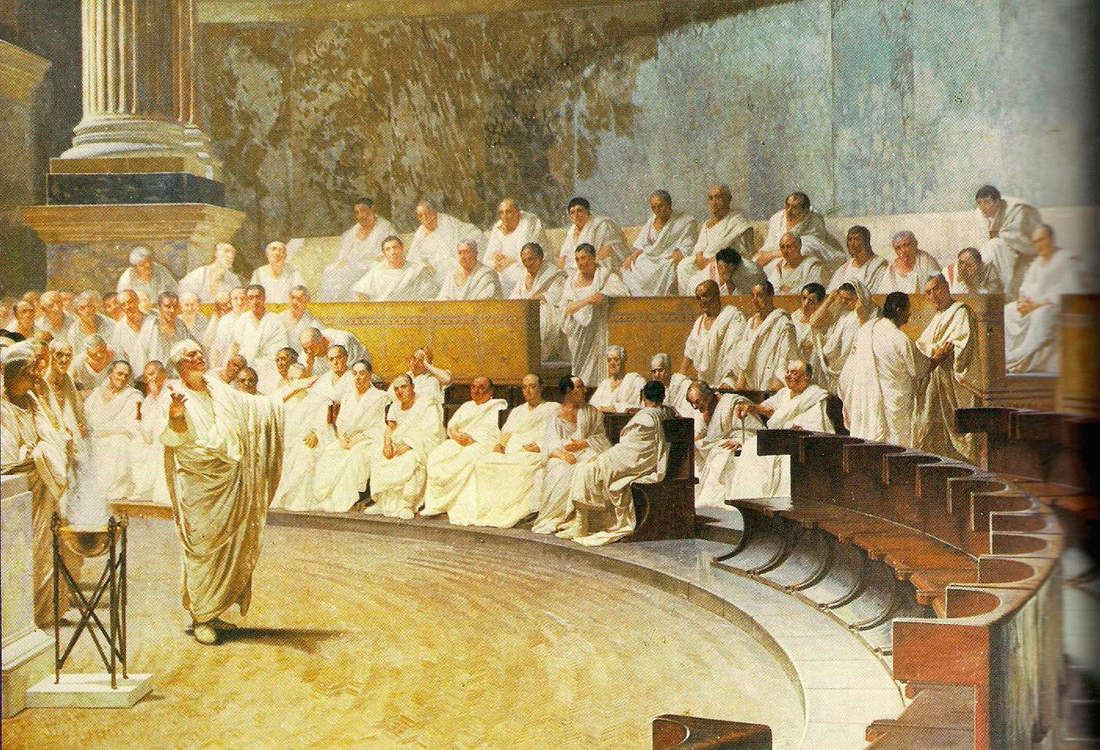
The early Republic also preserved the Senate, which became increasingly important in Roman politics. The Senate consisted largely of members of Rome’s aristocratic families and advised the consuls on matters such as warfare, diplomacy, finance, and religion. Although the Senate did not function exactly like a modern parliament, its influence over Roman policy became enormous.
The Roman assemblies also remained important. Citizens were organized into voting groups that participated in elections and certain political decisions. This created an unusual political system combining aristocratic influence with citizen participation.
However, the early Republic was not a democracy in the modern sense. Political power was heavily concentrated among wealthy Roman families, especially the patricians. Ordinary citizens, known as plebeians, initially had far fewer political opportunities. This inequality would eventually produce the Conflict of the Orders, a long struggle in which plebeians demanded greater political and legal rights.
The new Republic also had to defend itself. Supporters of the expelled royal family attempted to restore the monarchy, while neighboring peoples saw an opportunity to challenge Rome. Traditional Roman accounts describe conflicts with groups such as the Etruscans and Latins during the Republic’s early years.
These wars were extremely important because they forced Rome to develop a more organized military and political system. The Republic needed citizens willing to serve in the army, pay taxes, and defend the state. Military service therefore became closely connected with Roman citizenship.
The establishment of the Republic also created a political culture centered around the fear of tyranny. Romans became deeply suspicious of anyone who appeared to be seeking too much personal power. Later Roman political traditions repeatedly emphasized the importance of preventing another king from emerging.
The transition should not be understood as an instant transformation in which every republican institution suddenly appeared in its later form. Modern historians recognize that the early Roman Republic developed gradually. Some traditional dates and stories may have been shaped by later Roman writers. Nevertheless, 509 BC remained the traditional foundation date and became an important part of Roman historical identity.
The creation of the Republic ultimately gave Rome a political system capable of adapting over centuries. Magistracies could be changed, new offices could be created, and political rights could gradually expand. Although the Republic remained dominated by an aristocratic elite, its system of annual magistrates, divided authority, assemblies, and the Senate provided Rome with a remarkably durable political framework.
Main Ideas
- The Roman Republic was traditionally established in 509 BC.
- The monarchy ended after the expulsion of Tarquinius Superbus.
- Two consuls replaced the single king as Rome’s chief magistrates.
- Consuls served for only one year.
- The Senate became a major center of political influence.
- Roman citizens participated in assemblies and elections.
- Patricians initially dominated political power.
- Plebeians later fought for greater political and legal rights.
- The early Republic faced wars against neighboring peoples.
- The republican system was designed to prevent the return of royal tyranny.
7. The Political and Military Changes That Created the Roman Republic
The creation of the Roman Republic in 509 BC did not simply mean replacing a king with two consuls. Rome’s transition from monarchy to republic involved major political, military, social, and institutional changes that gradually transformed how the Roman state was governed. The new system was designed to prevent the concentration of power in the hands of one individual while creating a government capable of defending and expanding Rome.
One of the most important political changes was the replacement of the king with elected magistrates. Under the monarchy, the king traditionally held major military, judicial, political, and religious responsibilities. The Republic divided these responsibilities between several officials. The most important were the two consuls, who were elected annually and shared executive and military authority.
The principle of collegiality, meaning that offices were held by more than one person, became an important protection against tyranny. Each consul possessed significant authority, but the other consul could oppose his decisions. This system meant that a single politician could not easily dominate the Roman state.
The introduction of annual terms was equally important. Unlike a king who traditionally ruled for life, consuls had to leave office after one year. This created regular changes in leadership and made permanent personal rule much more difficult.
The Senate also became increasingly influential. Although it had existed during the Kingdom, its importance grew substantially under the Republic. Senators advised magistrates on foreign policy, warfare, finances, and religious matters. Because senators were generally members of Rome’s wealthiest and most influential families, the early Republic remained strongly aristocratic.
The Roman assemblies provided another important element of the republican system. Citizens were organized into voting groups and participated in elections and certain political decisions. Over time, different assemblies gained different responsibilities, helping create a complicated system in which political authority was distributed across several institutions.
Military organization was equally important. Rome’s survival depended heavily on its ability to defend itself against neighboring communities. During the early Republic, military service was closely connected with citizenship. Roman citizens were expected to serve when called upon, meaning that political rights and military responsibilities were closely connected.
The army also encouraged political organization. Wealthier citizens could generally provide better weapons and equipment, while poorer citizens served in less heavily equipped roles. This connection between wealth, military service, and political status reinforced the influence of Rome’s wealthier families during the early Republic.
However, military service also gave ordinary citizens leverage. The plebeians formed a large part of the Roman army, meaning that the state depended on their participation during wars. Over time, plebeians used this importance to demand greater political representation and legal protection. This struggle became known as the Conflict of the Orders.
One of the major results of this conflict was the creation of the Tribunes of the Plebs. Tribunes were representatives of the plebeians who gained the power to protect citizens from abuses by magistrates. Their ability to use the veto became an important limitation on political authority.
Rome also developed a strong political culture based on mos maiorum, or the “custom of the ancestors.” Roman politicians were expected to respect traditional practices, honor previous generations, and avoid behavior considered tyrannical. This culture reinforced the republican suspicion of excessive individual power.
At the same time, Rome’s military successes helped strengthen the Republic. Continuous warfare forced Romans to cooperate politically and militarily while expanding Roman influence throughout Italy. Successful commanders gained prestige, but the republican system attempted to ensure that military success did not automatically translate into permanent political control.
These political and military developments created a system that was far more complicated than the monarchy that preceded it. The Republic combined elected magistrates, the Senate, citizen assemblies, military service, and legal traditions. None of these institutions alone controlled Rome. Instead, they interacted with one another, creating both cooperation and conflict.
The Republic would eventually become one of the most powerful political systems in the ancient Mediterranean. Its institutions allowed Rome to mobilize armies, negotiate alliances, pass laws, and manage an expanding territory. At the same time, competition between political groups and ambitious individuals would eventually create serious internal problems.
The transition from Kingdom to Republic was therefore not simply the result of one rebellion. It was the beginning of a long process in which Romans developed new ways of sharing, limiting, and competing for political power. These changes created the foundations for the Roman Republic that would dominate Italy and eventually expand across much of the Mediterranean world.
Main Ideas
- The Republic replaced the king with multiple elected magistrates.
- Two consuls shared executive and military authority.
- Annual terms limited the power of individual politicians.
- The Senate became increasingly influential in government.
- Citizen assemblies provided Romans with political participation.
- Military service was closely connected to Roman citizenship.
- Plebeians used their importance in the army to demand political rights.
- The Tribunes of the Plebs became important protectors of plebeian interests.
- Mos maiorum encouraged respect for Roman traditions and opposition to tyranny.
- These political and military changes created the foundations of the Roman Republic.