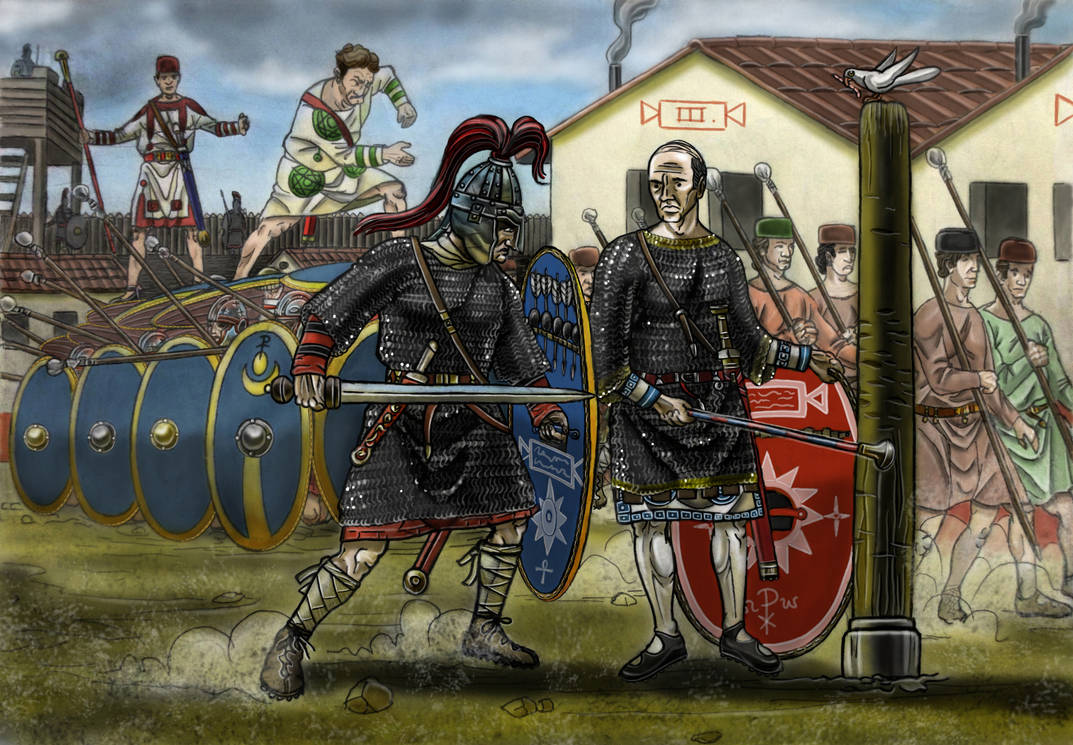
The Roman army became one of the most powerful military forces in the ancient world, but Rome’s success was not based simply on having large numbers of soldiers. A major part of Roman military strength came from training, discipline, organization, and preparation. Roman soldiers were expected to perform difficult tasks repeatedly until they became familiar with them, creating an army that could operate effectively during long and demanding campaigns.
Training began with the basic skills needed by an infantryman. Soldiers learned how to use their swords, shields, spears, and other equipment, while also developing the physical strength needed to carry their equipment over long distances. Marching was especially important because Roman armies could spend weeks or months moving across difficult terrain.
Roman soldiers also practiced combat techniques. They trained with weapons against practice targets and learned how to attack while protecting themselves with their shields. Individual fighting skills were important, but Roman military training placed just as much emphasis on working as part of a larger formation. Soldiers had to understand commands, maintain their positions, and move together with the rest of their unit.
Physical conditioning was another major part of military preparation. Soldiers needed endurance as well as strength, particularly because campaigns could involve long marches followed by combat or construction work. Roman armies were also expected to establish fortified camps, dig defensive ditches, build walls, and organize their positions. As a result, engineering and construction became important parts of military life.
Training also helped create the discipline for which Roman armies became famous. Soldiers were expected to follow orders from their commanders and maintain standards of organization even under difficult conditions. This discipline was particularly important when large formations had to move, attack, retreat, or establish defensive positions.
The exact training experienced by a Roman soldier could vary depending on the period, unit, location, and military role. A legionary serving in the imperial army did not necessarily have exactly the same experience as an auxiliary soldier, cavalryman, or specialist. Nevertheless, the basic principle remained the same: soldiers had to be prepared for both combat and the demanding practical work of military campaigns.
Roman military training therefore went far beyond learning how to fight. It created soldiers who could march, build, organize, obey commands, use weapons, and operate as part of a disciplined army. These skills helped Rome maintain large armies across territories stretching from Britain to the Middle East and North Africa.
Understanding how Roman soldiers trained helps explain how Rome was able to maintain such a powerful and organized military system for centuries.
1. What Did Roman Soldiers Learn During Training?
Training was one of the most important parts of life in the Roman army. Roman soldiers were not expected to enter battle simply because they carried weapons. They needed to develop physical strength, learn military techniques, understand commands, and become capable of operating as part of a disciplined unit. Training therefore covered a wide range of skills, from basic weapon handling to marching, construction, and battlefield formations.
For a new recruit, military training began with learning how to handle the equipment used by Roman soldiers. The gladius, a short sword commonly associated with Roman legionaries, required practice so that soldiers could use it effectively while maintaining control of their movements. Soldiers also trained with the scutum, the large shield used by Roman infantry. The shield was not simply defensive equipment; it was an important part of Roman fighting techniques and had to be carried and positioned correctly.
Soldiers also practiced with the pilum, a Roman javelin designed to be thrown before close combat. Learning when and how to use different weapons allowed soldiers to participate in several stages of an engagement. Training was therefore designed around the idea that a Roman soldier needed to be comfortable with his equipment before facing the uncertainty of an actual battlefield.
Physical conditioning was equally important. Roman soldiers could be required to march long distances while carrying weapons, armor, food, tools, and other equipment. Training therefore had to prepare them for the physical demands of campaigning. Marching exercises helped soldiers develop endurance, while other exercises strengthened their bodies and improved coordination.
Roman military training also emphasized repetition. Soldiers repeatedly practiced movements so that important actions became familiar. Roman military writers describe training with practice weapons and targets, allowing soldiers to develop their techniques without the immediate dangers of real combat.
However, individual fighting ability was only one part of Roman military training. Soldiers also needed to learn how to function within a larger formation. Roman armies depended on organization, and soldiers had to understand commands and maintain their positions while moving with other men. A legion could contain thousands of soldiers, meaning that discipline and coordination were essential.
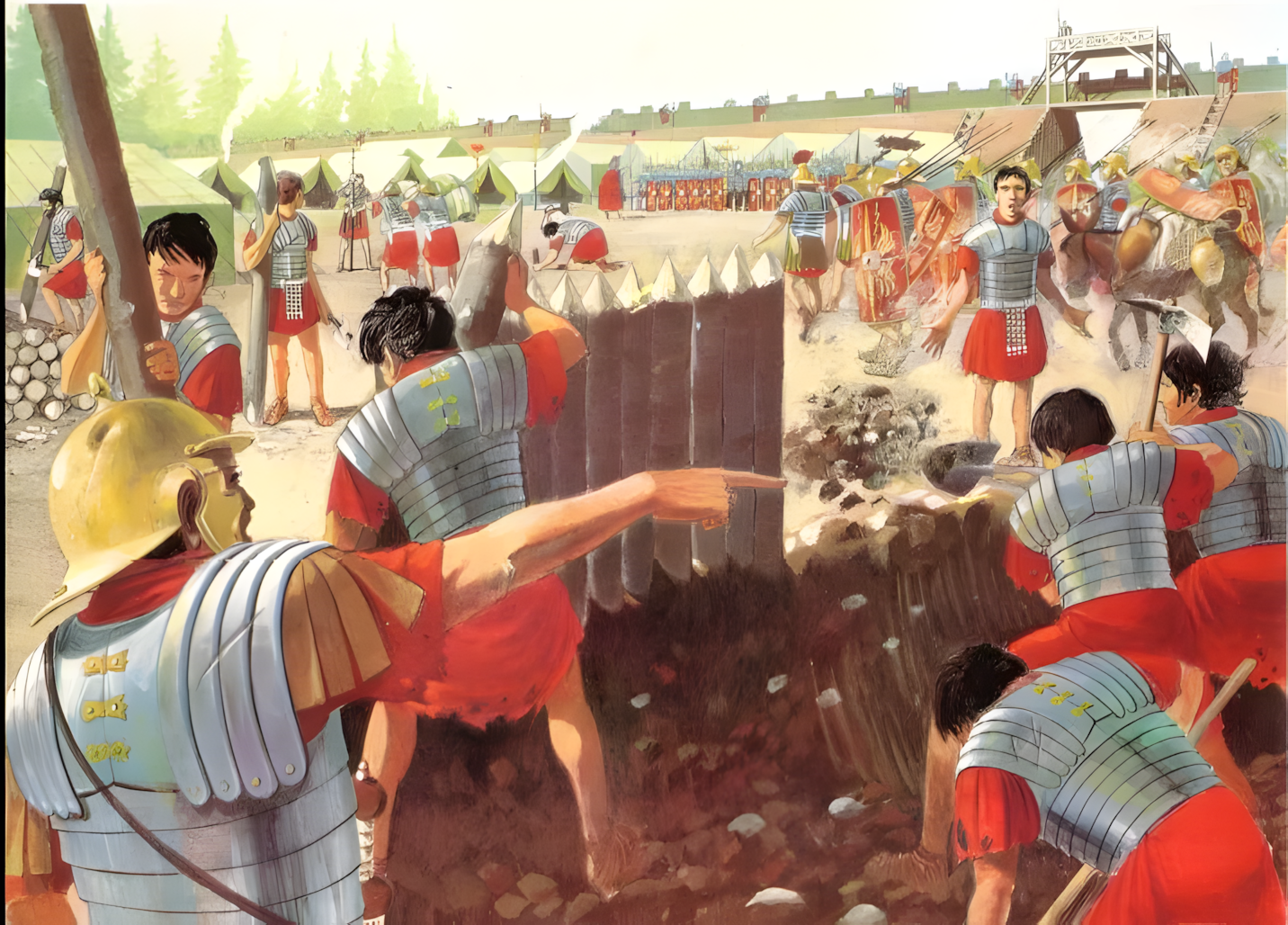
Training also extended beyond direct combat. Roman soldiers were expected to help construct fortified marching camps. During campaigns, armies regularly established camps that could include defensive ditches, earthworks, walls, gates, and organized internal areas. Soldiers therefore needed practical construction skills as well as fighting abilities.
This made Roman military training unusually broad. A soldier might spend part of his time practicing with weapons and another part marching, digging, building, or maintaining equipment. These activities prepared soldiers for the reality that military campaigns involved much more than battles.
The exact training system changed over the centuries as the Roman army itself developed. The army of the early Republic was not identical to the professional imperial army, and different units had different responsibilities. Legionaries, auxiliaries, cavalrymen, and specialists could therefore receive different forms of training.
Despite these differences, the central purpose remained consistent: Roman soldiers needed to become physically capable, technically skilled, disciplined, and dependable. Training turned recruits into members of an organized military system rather than simply armed individuals.
5 Key Ideas
- Roman soldiers trained extensively with the gladius, scutum, and pilum.
- Physical conditioning and marching prepared soldiers for long campaigns.
- Repeated practice helped soldiers develop reliable combat techniques.
- Soldiers learned to fight as part of organized formations.
- Training also included camp construction, digging, and other practical military skills.
2. How Did Roman Soldiers Train With Their Weapons?
Weapons training was a central part of life in the Roman army. Roman soldiers needed to become familiar with their equipment long before they faced an enemy, so training involved repeated practice with swords, shields, javelins, and other weapons. The goal was not simply to teach soldiers how to hold a weapon, but to make their movements controlled, reliable, and effective under pressure.
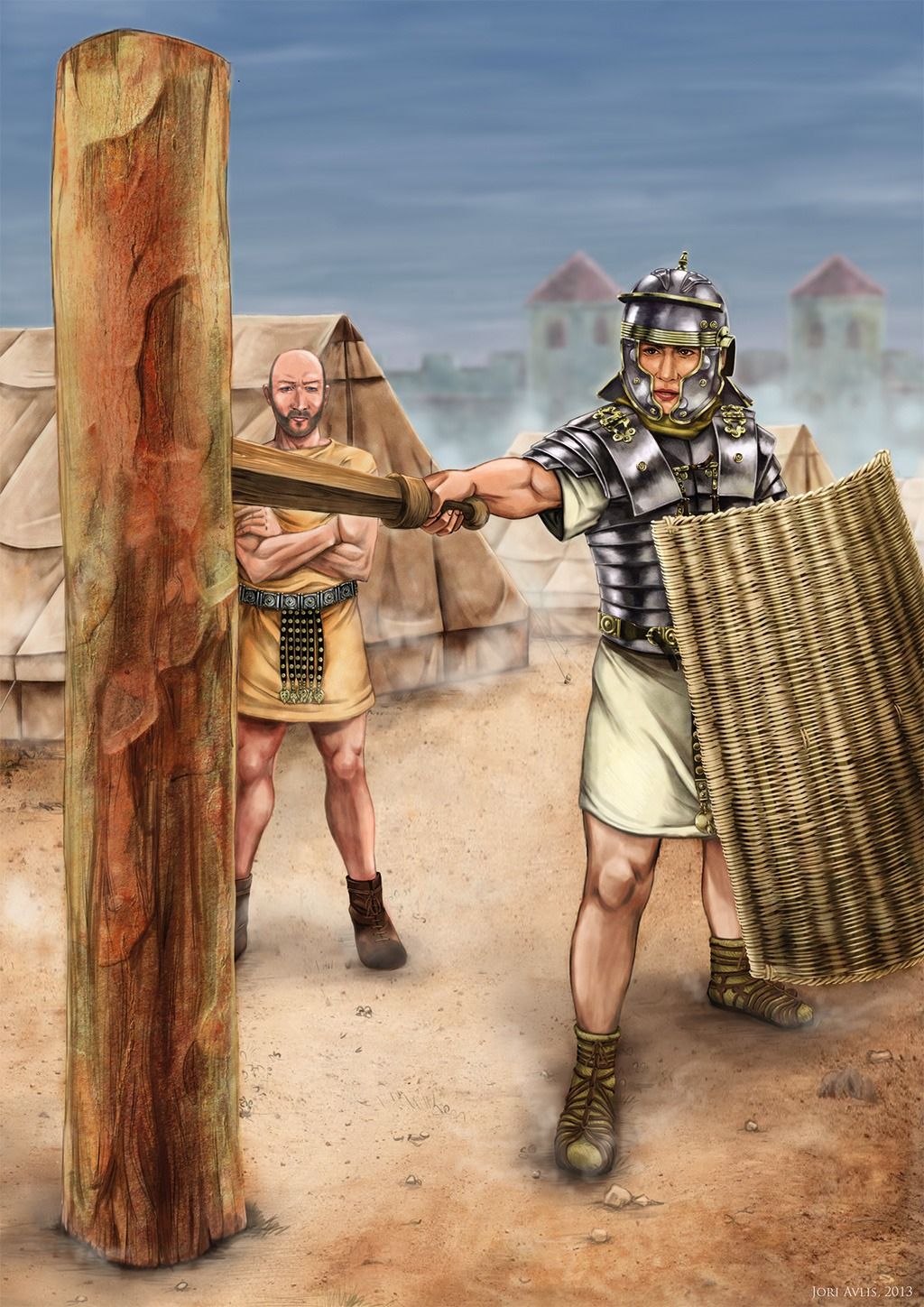
One of the most important weapons for Roman infantry was the gladius. This short sword was particularly associated with Roman legionaries during much of the Republic and early Empire. Soldiers practiced striking against training targets, allowing them to develop their technique without the dangers of actual combat.
Roman military writers describe training methods involving practice weapons and targets. Some training swords and shields were deliberately heavier than the equipment used in battle. Working with heavier equipment could make ordinary weapons feel easier to handle during actual military operations.
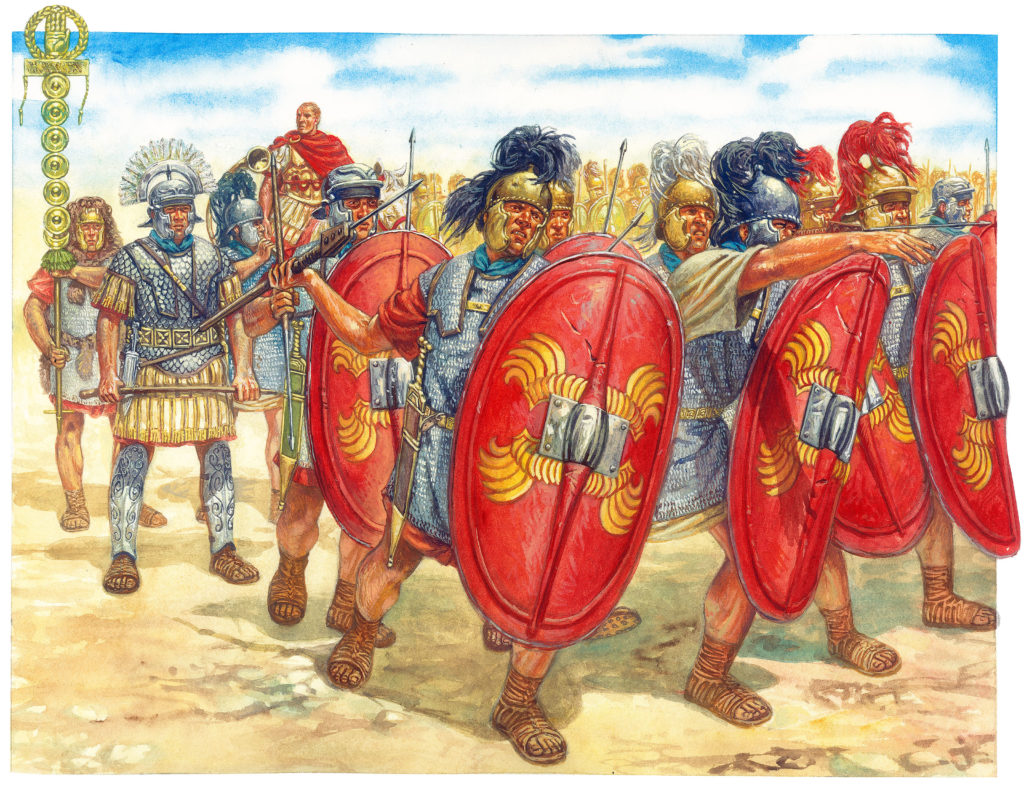
The scutum, the large shield carried by many Roman infantrymen, was equally important. Soldiers needed to learn how to carry it while moving and how to use it for protection. The shield was particularly useful when soldiers operated close together, because a well-organized formation could provide considerable protection.
Training therefore involved more than individual sword fighting. Soldiers practiced coordinating their weapons and shields with their movements. A legionary had to be able to advance, maintain his position, protect himself, and respond to commands while carrying his equipment.
The pilum, a Roman javelin, was another important part of weapons training. Soldiers practiced throwing it accurately and effectively. The pilum could be used before close combat, meaning that Roman infantry could engage an opponent from a distance before moving into closer fighting.
Roman soldiers also had to learn how to maintain their weapons. Military equipment was valuable, and soldiers were expected to keep it in usable condition. Equipment maintenance was therefore another practical part of military life.
Training with weapons was closely connected with physical conditioning. Carrying weapons and shields repeatedly required strength and endurance, while practicing movements helped soldiers develop coordination. The combination of physical fitness and technical skill allowed soldiers to handle their equipment more effectively during long campaigns.
Roman commanders also understood that soldiers needed to practice under realistic conditions. Training could involve marching, formation exercises, and simulated combat situations. These activities helped soldiers become accustomed to moving and fighting as members of a larger unit rather than as independent fighters.
The importance of weapons training can also be seen in the broader Roman military system. Rome frequently recruited men from different regions and backgrounds. Training helped turn these recruits into soldiers who could operate according to Roman military methods and discipline.
However, Roman weapons training was not completely identical throughout Roman history. Equipment and tactics changed considerably between the Republic and Empire, and different military units had different roles. Cavalry, archers, auxiliaries, and legionary infantry did not all train in exactly the same way.
Nevertheless, weapons practice remained a fundamental part of Roman military preparation. By repeatedly practicing with their equipment, soldiers could develop the strength, coordination, confidence, and familiarity needed to perform their roles within the Roman army.
5 Key Ideas
- Roman soldiers repeatedly practiced with their weapons and shields.
- The gladius was an important weapon for Roman infantry.
- Soldiers trained with the scutum to improve protection and coordination.
- The pilum required practice in throwing and handling.
- Weapons training helped soldiers develop skill, discipline, and confidence.
3. How Did Roman Soldiers Build Strength and Endurance?
Physical fitness was one of the foundations of Roman military training. Roman soldiers were expected to perform demanding tasks for long periods, often while carrying weapons, armor, food, tools, and other supplies. Because of this, becoming a Roman soldier required more than learning how to fight. Soldiers needed the strength, stamina, and endurance to keep functioning during long marches and difficult campaigns.
One of the most important forms of physical preparation was marching. Roman armies could travel considerable distances during campaigns, sometimes across rough terrain and in difficult weather. Soldiers therefore practiced marching while carrying their military equipment. This helped them become accustomed to the weight of their equipment and prepared them for the physical demands of military service.
The equipment carried by a Roman soldier could be substantial. A legionary might carry weapons, defensive equipment, clothing, food, tools, and other necessities. The army could not simply transport everything for every individual soldier, so soldiers had to be capable of carrying much of what they needed themselves.
Marching also developed endurance rather than just raw strength. A soldier who could move efficiently over long distances was more useful to a commander than someone who was strong but quickly became exhausted. Roman military organization therefore placed considerable importance on the ability to maintain a steady pace.
Physical exercises were another part of preparation. Roman military writers describe activities designed to improve strength, speed, agility, and coordination. Soldiers could practice running, jumping, swimming, and other physical movements. These exercises helped prepare them for the varied conditions they could encounter during campaigns.
Swimming could be particularly useful for an army that operated across rivers and other waterways. Roman soldiers sometimes had to cross rivers during military operations, and the ability to move through water could be valuable. Physical training therefore prepared soldiers for more than a traditional battlefield.
Roman soldiers also had to become accustomed to working while tired. Campaigning was rarely limited to fighting. Soldiers could spend hours marching before constructing a camp, repairing equipment, preparing supplies, or performing other duties. Training helped establish the physical habits needed to continue working after long periods of exertion.
Another important aspect was repetition. Soldiers did not become physically prepared after only a few exercises. Military training was ongoing, and regular practice helped maintain fitness. This was particularly important because Roman armies could remain on campaign for extended periods.
Physical conditioning also supported the wider Roman emphasis on discipline. Completing demanding exercises and marches required soldiers to follow instructions and maintain a common pace. Individual soldiers had to adapt their movements to the needs of their unit.
Different soldiers naturally had different physical roles. Legionary infantry, auxiliary troops, cavalry, archers, and specialist units could have different requirements. A cavalryman, for example, had to develop skills connected with riding as well as general fitness, while infantrymen had to be prepared to march long distances carrying their equipment.
Roman military training therefore treated physical fitness as a practical military necessity. Strength and endurance were not simply qualities that made a soldier impressive; they directly affected his ability to march, fight, build camps, carry equipment, and remain useful during a campaign.
The emphasis on physical preparation was one reason Roman armies could operate over enormous distances. Soldiers were trained not only to fight when battle arrived but also to endure the difficult journey that often came before it.
5 Key Ideas
- Marching was essential for developing Roman soldiers’ endurance.
- Soldiers trained while carrying their weapons, equipment, and supplies.
- Exercises could improve strength, speed, agility, and coordination.
- Physical preparation helped soldiers cope with long campaigns and difficult conditions.
- Fitness allowed soldiers to march, fight, construct camps, and continue working under demanding conditions.
4. How Did Roman Soldiers Practice Formations and Discipline?
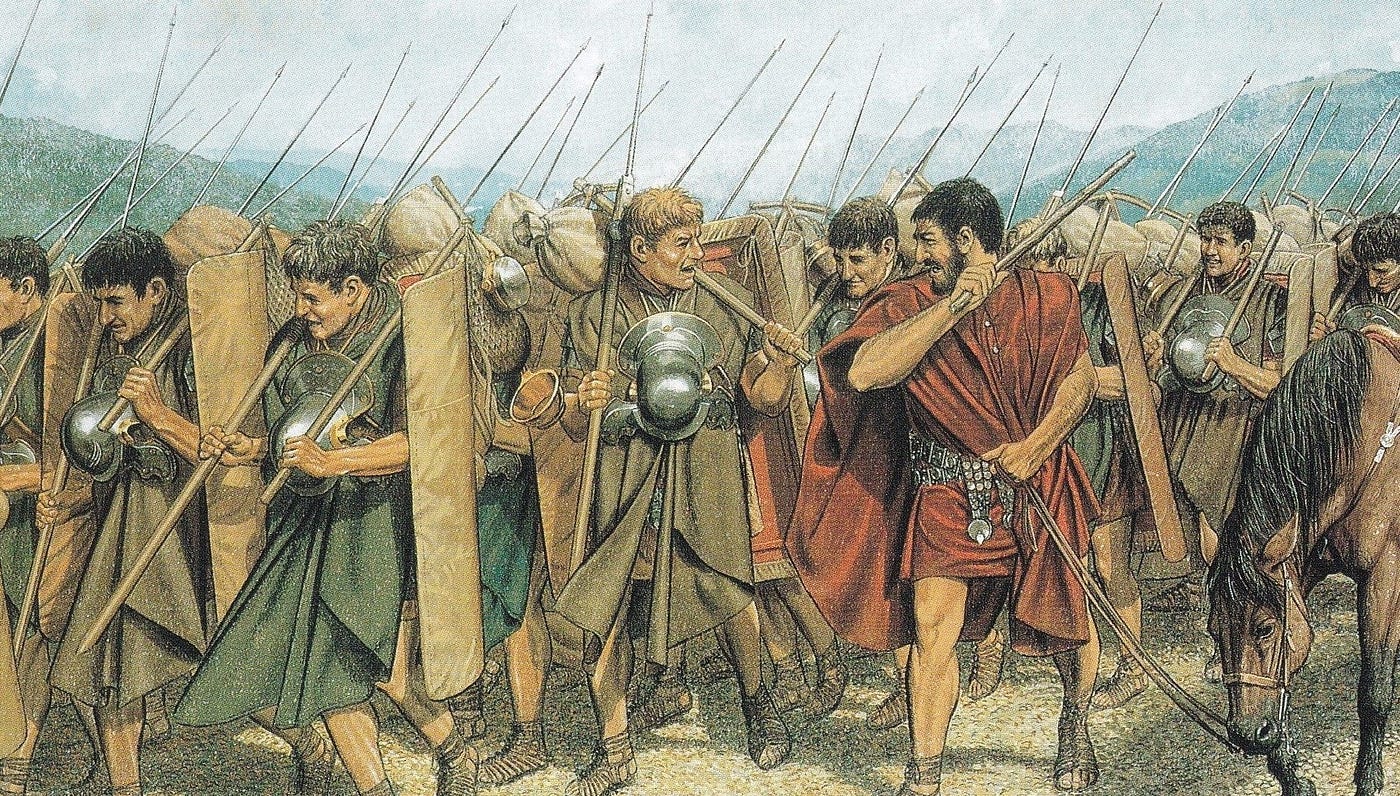
Roman military training was not focused only on individual strength and weapons. One of the most important skills a soldier had to develop was the ability to work as part of a larger formation. Roman armies could contain thousands of soldiers, and their effectiveness depended on those soldiers following commands, maintaining their positions, and moving together.
A Roman legion was a highly organized military unit. Soldiers were divided into smaller groups, with commanders responsible for different levels of the army. Training helped soldiers understand where they belonged within this structure and how their actions affected the men around them.
Formation practice was therefore an important part of military preparation. Soldiers needed to learn how to stand in organized ranks and move without breaking their formation. They could practice advancing, changing direction, stopping, and responding to commands. These movements might appear simple, but performing them with a large group required considerable coordination.
Maintaining formation was especially important because Roman soldiers depended heavily on their shields and close organization. If soldiers became widely separated, gaps could appear in the line. Training helped soldiers learn to maintain appropriate spacing and remain aware of the position of the men around them.
Roman armies also practiced marching in formation. Soldiers needed to move long distances while remaining organized, particularly when an army was traveling through potentially dangerous territory. Maintaining order during a march helped commanders control large numbers of troops.
Discipline was closely connected to this training. Roman soldiers were expected to follow commands quickly and consistently. A soldier who ignored an order could potentially create problems for an entire unit. Training therefore helped develop habits of obedience and cooperation.
Commands could be communicated through spoken orders, signals, standards, and other methods. In a large army, not every soldier could hear a commander directly, so Roman military organization relied on a chain of command. Soldiers needed to understand the signals used by their units and respond appropriately.
Training also prepared soldiers for changes in battlefield conditions. An army might need to advance, stop, reorganize, or change its formation. Soldiers who had repeatedly practiced these movements would be more familiar with what was expected of them.
Roman discipline extended beyond combat. Soldiers were expected to keep their equipment organized and maintained, follow camp routines, perform assigned duties, and cooperate with other members of their unit. Military life therefore involved a strict daily structure.
This discipline was particularly important during long campaigns. Roman armies could spend months away from home, and soldiers had to continue following orders even when conditions were uncomfortable or exhausting. Training helped establish routines that could be maintained throughout a campaign.
It is important to remember that Roman military discipline changed over time and was not identical in every period. The organization of the Republican army differed from that of the later professional imperial army. Different units also had different responsibilities.
Nevertheless, the basic principle remained important: Roman soldiers were trained to function as members of an organized military machine, rather than simply as individual fighters.
This combination of formation training and discipline helped Roman commanders control large armies. Soldiers knew their roles, understood the importance of maintaining organization, and practiced responding to commands. These qualities were fundamental to the way Rome conducted warfare.
5 Key Ideas
- Roman soldiers practiced moving and fighting in organized formations.
- Maintaining position and spacing was an important military skill.
- Soldiers learned to respond quickly to commands and signals.
- Discipline extended beyond combat to equipment, camp duties, and daily routines.
- Formation training helped large Roman armies operate as coordinated units.
5. How Did Roman Soldiers Learn to Build Military Camps?
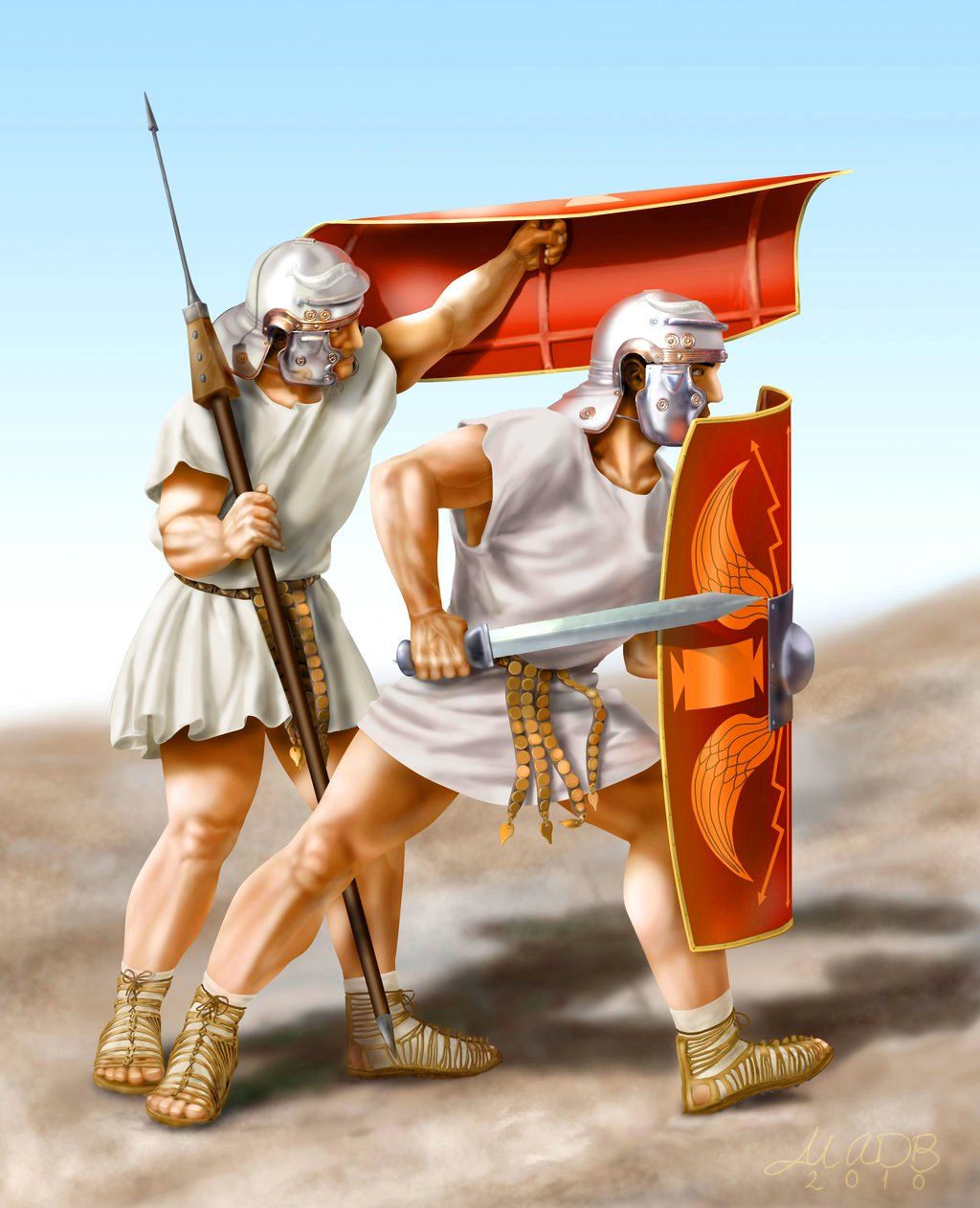
One of the most important skills Roman soldiers learned was how to construct a military camp. A Roman army did not simply stop and rest wherever it happened to finish marching. During many campaigns, soldiers established organized camps that provided protection, helped maintain discipline, and gave commanders a controlled base for the army.
Building these camps was considered an important part of military preparation because soldiers could spend a large amount of time constructing and maintaining them. The work required planning, physical effort, and cooperation between different groups of soldiers.
When an army reached a suitable location, military engineers and commanders could determine how the camp should be organized. Roman camps commonly followed a planned layout, with roads, gates, defensive boundaries, and designated areas for different parts of the army. The exact design varied depending on the circumstances and period.
Soldiers were often responsible for much of the practical work. They could dig ditches, build earthworks, prepare defensive barriers, and establish entrances. Tools were therefore an important part of military equipment. A Roman soldier was not expected to be useful only with a sword or spear; he also needed to perform practical construction work.
The defensive boundary was particularly important. A ditch and raised earthwork could make it more difficult for an enemy to approach the camp. Depending on the situation, soldiers could also construct palisades or other temporary defenses.
Building a camp required considerable physical effort. Soldiers might already have completed a long march before beginning construction. This meant that military training had to prepare them for the possibility of working while tired.
The camp also had an important organizational purpose. Soldiers knew where their units were supposed to be located, while commanders could establish headquarters and organize supplies. Roads within the camp helped movement, and designated areas helped keep the army organized.
Roman camps could also serve as temporary bases during longer campaigns. An army might establish a series of camps as it moved through a region. Some camps were temporary, while others could become more substantial military installations.
Training in camp construction therefore taught soldiers several skills at once. They developed physical endurance, learned to cooperate with other soldiers, practiced following orders, and gained experience using tools and materials.
The ability to build camps also demonstrated the broader character of the Roman army. Roman soldiers were expected to be multi-purpose military workers. They could fight, march, construct defenses, maintain equipment, and perform many other tasks necessary to keep an army operating.
This was particularly valuable because Roman armies often operated far from major settlements. Soldiers could not always depend on permanent infrastructure. Being able to create a secure and organized camp gave commanders greater flexibility during campaigns.
The camp itself also reinforced military discipline. Soldiers had assigned duties, commanders had designated positions, and the entire army followed an organized layout. Once established, the camp became a controlled environment where soldiers could rest, organize supplies, maintain equipment, and prepare for the next stage of a campaign.
Military camp construction was therefore not simply a side task. It was an essential part of Roman military life and training. A soldier who could build a defensive camp was contributing to the army’s security just as directly as a soldier practicing with a weapon.
5 Key Ideas
- Roman soldiers were trained to construct organized military camps.
- Camp building could involve ditches, earthworks, defenses, roads, and gates.
- Soldiers often performed construction work after long marches.
- Camps helped provide security, organization, and a base for military operations.
- Construction training made Roman soldiers more versatile and self-sufficient.
6. How Did Roman Soldiers Practice for Real Battles?
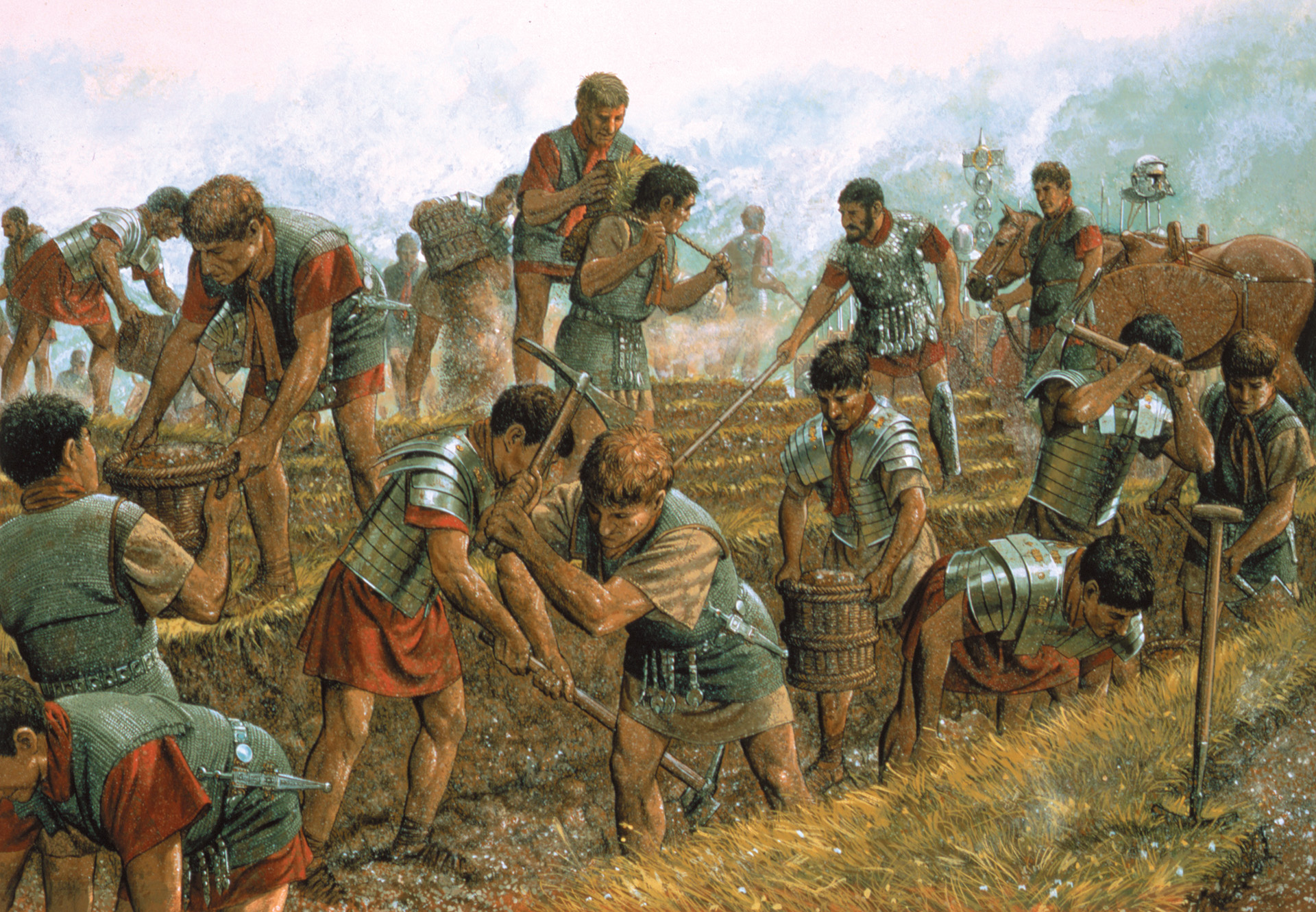
Roman military training was designed to prepare soldiers for the confusion and pressure of actual combat. Although training could never completely reproduce a real battle, repeated exercises allowed soldiers to become familiar with their weapons, formations, commands, and responsibilities before they faced an enemy.
One important method was practice combat. Soldiers could train against targets and practice the movements required for fighting with their weapons. Repetition helped them become more comfortable with their equipment and develop greater control over their movements.
Training could also involve simulated battlefield situations. Soldiers practiced advancing, changing formation, responding to commands, and coordinating their actions with the rest of their unit. These exercises helped turn individual skills into organized military tactics.
The ability to respond to commands was especially important. During a battle, circumstances could change quickly, and commanders might need soldiers to advance, halt, reorganize, or change their position. Soldiers who had repeatedly practiced these movements would already understand the basic procedures.
Roman soldiers also needed to understand how their equipment worked together. A legionary did not fight with his sword alone. His shield, sword, javelin, armor, and other equipment all played different roles. Training helped soldiers become familiar with switching between different weapons and using their equipment efficiently.
Another important part of preparation was learning to operate within a formation. Roman infantry often relied on organized ranks rather than individual combat. Soldiers therefore practiced maintaining their positions and supporting the men around them.
Training also prepared soldiers for the physical demands of combat. A soldier might already have marched for hours before reaching the battlefield. Roman exercises therefore developed the endurance needed to remain effective after physical exertion.
Experience was another important factor. Soldiers who had already served in campaigns could pass practical knowledge to newer recruits. Veteran soldiers could help less experienced men understand military routines, equipment, and battlefield organization.
Roman commanders also understood the importance of discipline under pressure. Soldiers needed to remain organized rather than simply acting independently. Training reinforced the idea that each man had a role within the larger army.
However, training did not make Roman soldiers invulnerable or guarantee victory. Roman armies suffered defeats throughout their history. Training reduced some of the difficulties of warfare, but battles remained unpredictable, and factors such as leadership, terrain, supplies, enemy tactics, and morale could all influence the outcome.
The exact nature of battle training also changed over the centuries. The Roman army evolved considerably from the Republic to the Empire, and different units had different roles. Legionaries, cavalry, archers, and auxiliary troops did not necessarily practice the same techniques.
Nevertheless, the overall purpose remained consistent. Roman military training tried to ensure that soldiers entered combat with familiar equipment, practiced movements, physical preparation, and an understanding of military discipline.
This preparation was one part of the broader Roman military system. Soldiers were not trained only to fight individually. They were trained to become members of a coordinated force capable of following orders and functioning under difficult conditions.
5 Key Ideas
- Roman soldiers practiced combat movements and weapon techniques.
- Training included simulated battlefield situations and formations.
- Soldiers practiced responding to commands under pressure.
- Physical conditioning helped soldiers remain effective after long marches and exertion.
- Training prepared soldiers for warfare but could not eliminate the uncertainty of real battles.
7. How Did Roman Military Training Change Over Time?
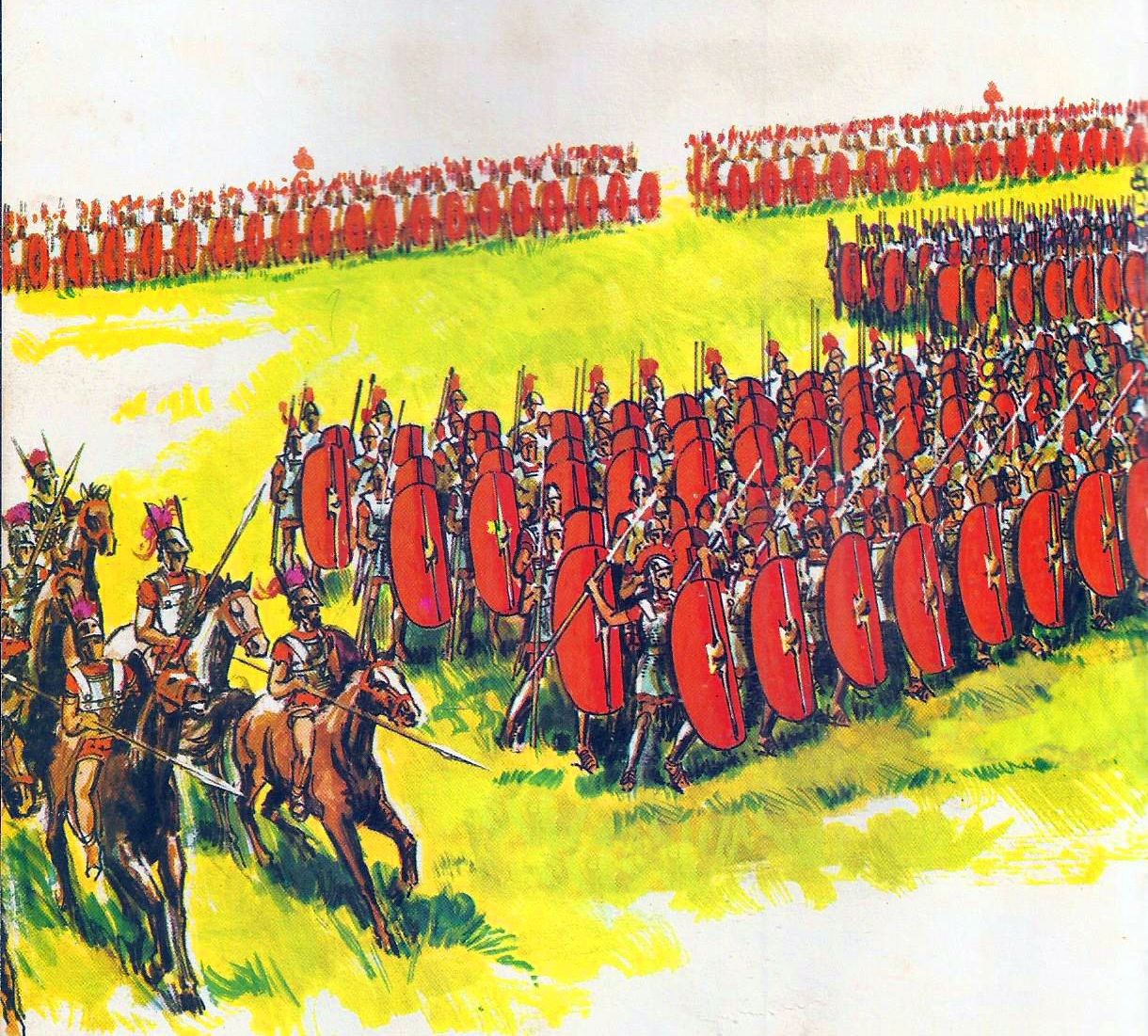
Roman military training was not the same throughout the history of Rome. The army changed significantly as Rome expanded from a city-state into a vast empire, and military training changed alongside the organization, equipment, and responsibilities of Roman soldiers.
During the early Roman Republic, the army was closely connected to Rome’s citizen population. Military service was generally associated with citizenship and social status, and soldiers were expected to provide their own equipment according to their circumstances. Training was therefore different from the highly professional system that developed later.
As Rome expanded and fought increasingly large wars, its military organization became more sophisticated. The Roman army gained greater experience with different enemies, terrains, and styles of warfare. This encouraged changes in weapons, tactics, organization, and training.
One of the biggest developments came with the growth of the professional Roman army during the late Republic and early Empire. Soldiers increasingly served for extended periods rather than participating only in short campaigns. This meant that military training could become a more regular part of a soldier’s career.
Under the early Roman Empire, especially during the reign of Augustus, the army became a more permanent institution. Legionaries served long terms and spent much of their lives within the military system. Regular training could therefore be incorporated into everyday army life.
Roman soldiers continued to practice with their weapons, march, construct camps, and perform formation exercises. However, the army also included many different types of troops. Auxiliaries provided cavalry, archers, specialized infantry, and other capabilities that complemented the legions.
The training of these units could differ according to their roles. A cavalryman needed extensive riding skills, while an archer required considerable practice with the bow. Legionary infantry had different requirements, particularly in marching, formation discipline, and close combat.
The Roman army also adapted to the enemies it encountered. Rome fought in very different environments, from the forests of northern Europe to the deserts and mountains of the eastern Mediterranean. Military experience could therefore influence tactics and preparation.
Changes in equipment also affected training. As Roman weapons and armor developed, soldiers had to become familiar with new equipment. The army was not a completely unchanging institution; it constantly adapted to practical military requirements.
Training could also vary according to location. A legion stationed on a frontier might have different experiences from troops serving elsewhere. Soldiers could spend long periods guarding forts and borders, conducting patrols, practicing exercises, and responding to local threats.
By the later Roman Empire, the military had changed again. The army included different types of units and increasingly relied on cavalry and other specialized forces. The traditional image of the heavily organized legionary remained important, but the Roman military had become much more diverse.
Despite these changes, several principles remained remarkably consistent. Roman soldiers continued to require discipline, physical fitness, weapons skills, organization, and the ability to follow commands. Training remained essential because the army depended on soldiers who could perform their duties reliably.
The long history of Roman military training therefore reflects the wider development of Rome itself. As the state expanded and its enemies changed, the army adapted. What remained constant was the belief that soldiers needed preparation and discipline if they were to serve effectively.
Roman military training was ultimately not one fixed system. It was a changing collection of practices that developed over centuries, helping Rome maintain armies capable of operating across an enormous and diverse empire.
5 Key Ideas
- Roman military training changed as the Roman army evolved.
- The development of the professional army allowed more regular training.
- Legionaries, auxiliaries, cavalry, and archers had different training requirements.
- Roman training adapted to new enemies, equipment, and environments.
- Discipline, fitness, weapons skills, and organization remained central throughout Roman history.