1. Background of the Gallic Wars: Rome Expands into Gaul
The conflict between Julius Caesar and Vercingetorix must be understood within the wider context of the Gallic Wars (58–50 BCE), a prolonged series of military campaigns that resulted in the Roman conquest of Gaul. Before Roman intervention, Gaul was not a unified political entity but a region divided among numerous independent tribes, each with its own leadership, alliances, and rivalries. This fragmentation created an environment where internal conflicts were common, making it easier for an external power like Rome to intervene, manipulate alliances, and gradually impose control.
Caesar’s involvement in Gaul was driven by both strategic necessity and personal ambition. As proconsul, he was responsible for securing Rome’s northern frontier, which was threatened by migrating tribes such as the Helvetii and by Germanic incursions across the Rhine. However, beyond these defensive concerns, Caesar recognized that military success in Gaul could provide wealth, glory, and political leverage in Rome, where competition among elites was intensifying. His campaigns were therefore as much about consolidating personal power as they were about expanding Roman territory.
From the beginning, Roman forces demonstrated clear advantages in organization, discipline, and engineering. Legions were highly structured units capable of coordinated maneuvers, supported by engineers who could rapidly construct roads, bridges, and fortified camps. These capabilities allowed Caesar to move quickly, maintain supply lines, and establish secure positions deep within enemy territory. In contrast, Gallic forces relied on tribal levies and warrior traditions, which, although fierce in combat, often lacked the coordination and logistical support needed for sustained campaigns.
As Caesar advanced through Gaul, he employed a strategy of divide and conquer, forming alliances with some tribes while defeating others. This approach allowed him to expand Roman influence steadily while preventing the emergence of a unified resistance. However, Roman expansion brought increasing pressure, taxation, and loss of autonomy to the Gallic tribes, leading to widespread resentment. Over time, this dissatisfaction created the conditions for a large-scale rebellion.
The situation reached a turning point when the Gallic tribes began to recognize that continued division would lead to total subjugation. This realization set the stage for the rise of Vercingetorix, a leader who would unite previously divided tribes in a coordinated effort to resist Roman domination. His emergence marked a significant shift in the conflict, transforming it from a series of isolated campaigns into a large-scale war for control of Gaul.
Thus, the background of the Gallic Wars reveals a gradual escalation from Roman intervention to full conquest, driven by military superiority, political ambition, and strategic manipulation. It also highlights the conditions that made a unified Gallic resistance both necessary and possible, ultimately leading to the confrontation between Caesar and Vercingetorix.
Key Ideas
- Gallic Wars (58–50 BCE) marked Roman conquest of Gaul
- Gaul was divided into independent and rival tribes
- Caesar sought security, wealth, and political power
- Roman legions had discipline, engineering, and mobility advantages
- Strategy of divide and conquer weakened Gallic unity
- Roman expansion caused resentment and loss of autonomy
- Led to the rise of Vercingetorix and unified resistance
2. Julius Caesar: Leadership, Ambition, and Strategy
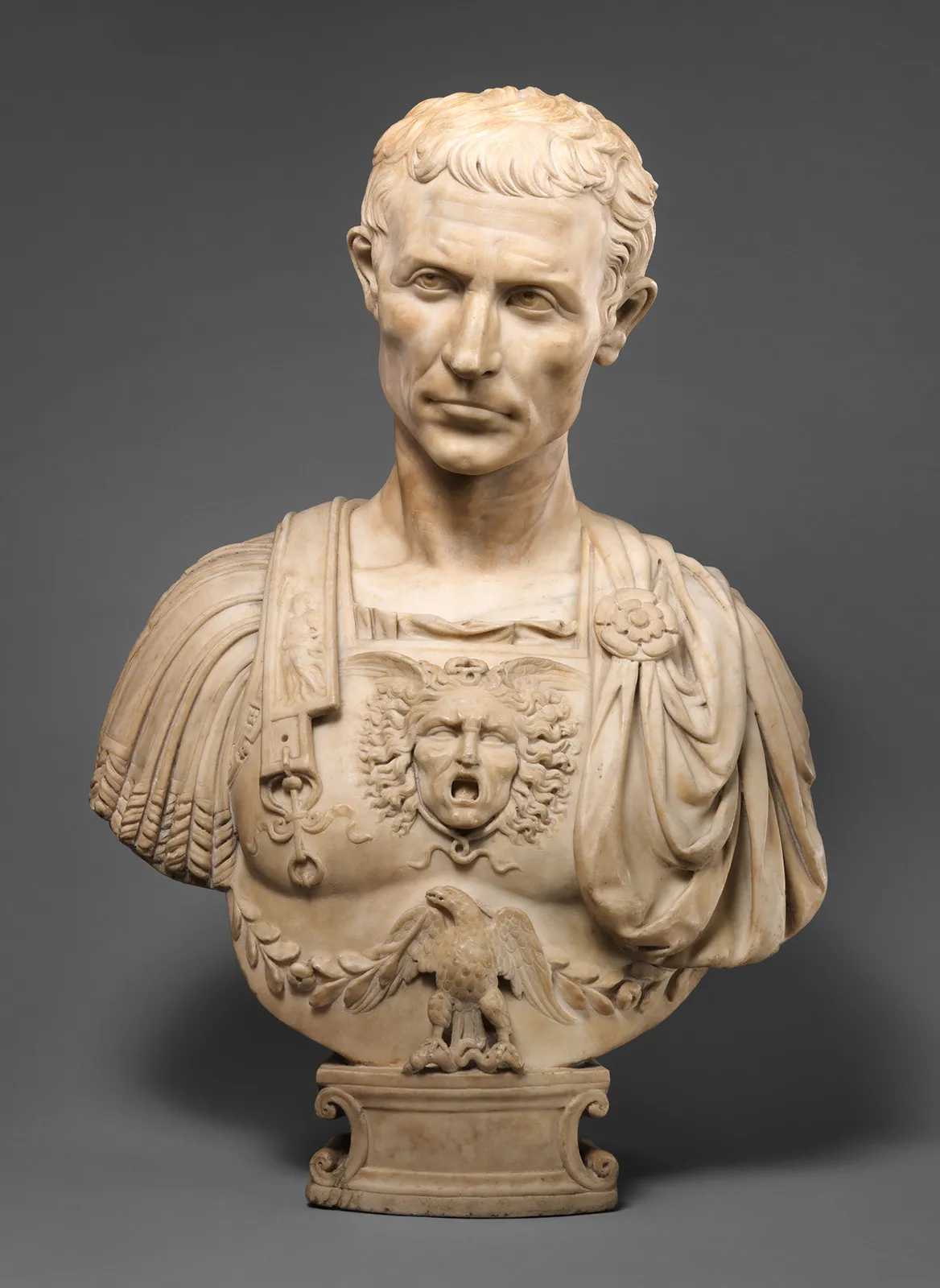
Julius Caesar’s role in the conflict against Vercingetorix was defined by a combination of personal ambition, calculated strategy, and exceptional military leadership, all of which contributed to Rome’s ultimate success in Gaul. Unlike many Roman commanders, Caesar was not merely executing orders; he was actively shaping events to serve both the interests of Rome and his own political advancement. His campaigns in Gaul provided him with the opportunity to gain military prestige, wealth, and loyal troops, which would later play a decisive role in the internal struggles of the Roman Republic.
One of Caesar’s most significant strengths was his ability to maintain strict discipline and cohesion within his legions. Roman soldiers were highly trained and organized, capable of executing complex maneuvers under pressure. Caesar reinforced this discipline through clear command structures, consistent rewards, and direct leadership, often placing himself in visible positions during battles to inspire confidence and maintain morale. This level of control allowed Roman forces to operate as a unified system, in contrast to the more loosely organized tribal forces of Gaul.
Strategically, Caesar demonstrated remarkable adaptability. While he relied on traditional Roman formations such as the triplex acies, he was not bound by them. Instead, he adjusted his tactics based on the enemy, terrain, and circumstances. In open battle, he emphasized structured formations and coordinated attacks, while in more complex situations, such as sieges or ambushes, he relied on engineering and planning. His ability to shift between offensive and defensive strategies gave him a consistent advantage over opponents who were less flexible in their approach.
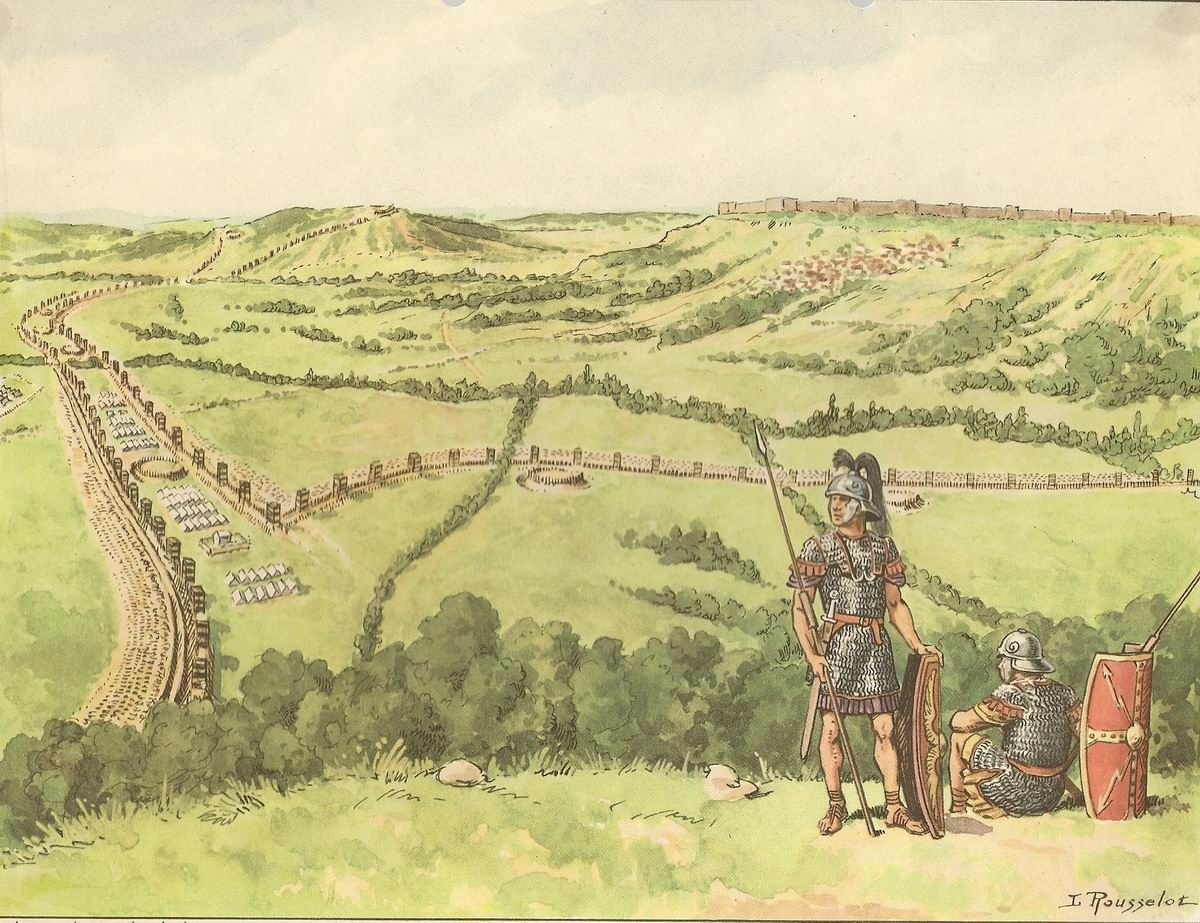
A key aspect of Caesar’s strategy was his use of engineering and logistics as tools of warfare. Roman armies under his command could construct bridges, fortified camps, siege works, and defensive lines with remarkable speed and precision. These capabilities allowed Caesar to control movement, secure supply routes, and maintain operational stability even in hostile territory. For example, his rapid construction of bridges over major rivers enabled him to move forces quickly and surprise enemies, while fortified camps ensured that his legions remained protected at all times.
Caesar also excelled in psychological and political warfare. He understood that victory in Gaul required more than battlefield success; it required the manipulation of alliances and the exploitation of divisions among the tribes. By forming alliances with certain groups and offering protection or incentives, he was able to isolate enemies and prevent the formation of a unified resistance—at least in the early stages of the war. This strategy of divide and conquer was essential in weakening opposition and extending Roman influence across the region.
Another defining feature of Caesar’s leadership was his ability to make rapid and decisive decisions. In unpredictable situations, he acted quickly, often taking calculated risks that caught his enemies off guard. His willingness to engage in bold maneuvers, combined with careful planning, allowed him to maintain the initiative throughout most of the campaign. Even when faced with setbacks, Caesar demonstrated resilience, reorganizing his forces and adapting his approach to regain control of the situation.
Ultimately, Caesar’s leadership in the Gallic Wars was characterized by a combination of discipline, adaptability, engineering expertise, and political intelligence. These qualities enabled him to overcome the challenges posed by a vast and diverse region, as well as the unified resistance led by Vercingetorix. His success in Gaul not only secured Roman dominance in the region but also elevated him to a position of unprecedented power within the Roman world, setting the stage for the transformation of the Republic.
Key Ideas
- Caesar driven by ambition, political gain, and military success
- Maintained strict discipline and cohesion within legions
- Adapted tactics using flexible strategies and formations
- Used engineering and logistics as key military advantages
- Applied divide and conquer through alliances and manipulation
- Made rapid and decisive decisions in battle
- Leadership combined strategy, psychology, and organization

3. Vercingetorix: Unifying Gaul Against Rome
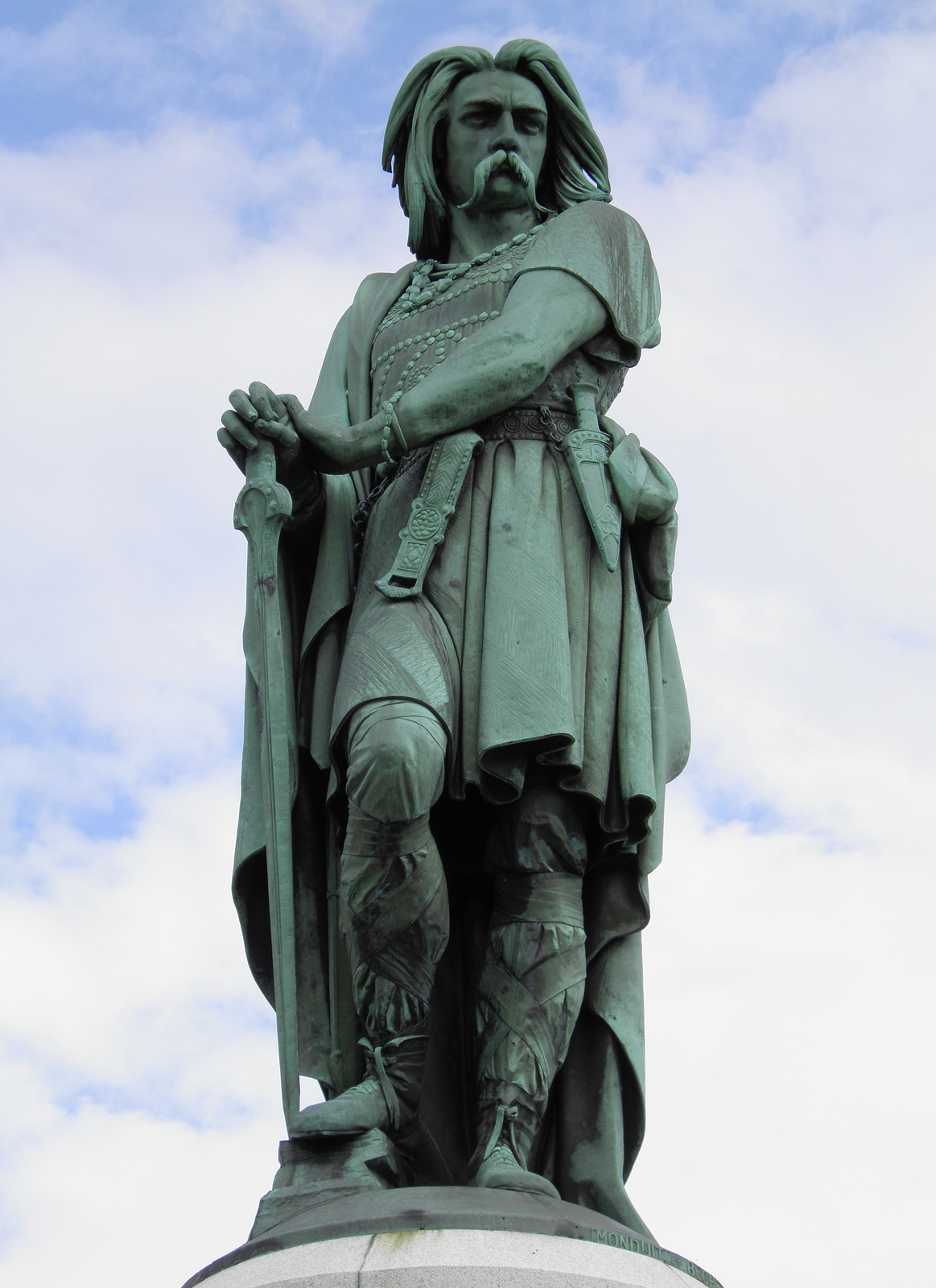
Vercingetorix emerged as the most significant Gallic leader of the Roman era by achieving what had previously been considered impossible: the temporary unification of the Gallic tribes against Roman domination. A chieftain of the Arverni, one of the most powerful tribes in central Gaul, he combined political authority, military leadership, and strategic innovation to organize a large-scale resistance against Julius Caesar. His rise marked a turning point in the Gallic Wars, transforming scattered opposition into a coordinated and dangerous challenge to Roman power.
Before Vercingetorix, Gallic resistance to Rome had been fragmented and inconsistent. Tribal rivalries, local conflicts, and competing interests prevented the formation of a unified front, allowing Caesar to exploit divisions through his strategy of divide and conquer. Vercingetorix recognized that continued disunity would lead to the complete subjugation of Gaul. His first and most critical achievement was therefore political: he persuaded, coerced, or forced multiple tribes to join a common cause, placing collective survival above individual rivalries. This required not only military strength but also charismatic leadership and authority, as he had to maintain loyalty among groups that had long histories of conflict with one another.
Vercingetorix’s leadership style was notably different from traditional Gallic warfare practices. Rather than relying solely on direct confrontation, he adopted a strategy of organized resistance and strategic denial. One of his most important decisions was the implementation of a scorched earth policy, in which Gallic forces destroyed their own crops, settlements, and supplies to prevent the Romans from foraging or sustaining their army. This approach directly targeted one of Rome’s key strengths—its reliance on organized logistics—and aimed to weaken Caesar’s forces over time rather than through a single decisive battle.
In addition to economic warfare, Vercingetorix emphasized defensive positioning and mobility. He avoided unnecessary open-field engagements, where Roman discipline and formations provided a clear advantage, and instead focused on using terrain, fortifications, and guerrilla-style tactics to harass and exhaust Roman troops. His forces targeted supply lines, launched ambushes, and used knowledge of local geography to disrupt Roman operations. This shift in strategy demonstrated a clear understanding of Roman strengths and weaknesses, as well as an ability to adapt traditional Gallic methods to a more organized and sustained form of warfare.
Despite these strengths, maintaining unity among the Gallic tribes remained a constant challenge. Vercingetorix had to enforce discipline through strict measures, including punishments for disobedience or betrayal, to ensure that allied tribes remained committed to the resistance. His authority was not absolute, and internal disagreements continued to threaten the cohesion of his coalition. Nevertheless, his leadership managed to sustain a level of cooperation that had not been seen before in Gaul, allowing for coordinated military action on a large scale.
Vercingetorix’s campaign ultimately culminated in the siege of Alesia, where his strategy of resistance was put to the test against Caesar’s engineering and organizational capabilities. Although he was eventually defeated, his efforts represented the most serious challenge to Roman expansion in Gaul. His ability to unify diverse tribes, implement strategic warfare, and confront a highly disciplined enemy demonstrates that he was not merely a tribal leader but a capable and innovative commander.
In conclusion, Vercingetorix’s role in the Gallic Wars highlights the importance of unity, strategy, and adaptability in resisting a powerful and organized opponent. While his rebellion ultimately failed, his leadership exposed the limits of Roman control and forced Caesar to engage in one of the most complex and demanding campaigns of his career. His legacy remains that of a leader who came closer than any other Gallic figure to challenging Roman dominance in Gaul.
Key Ideas
- Vercingetorix achieved temporary unification of Gallic tribes
- Overcame divisions through political authority and leadership
- Used scorched earth strategy to weaken Roman logistics
- Avoided open battle, relying on mobility and terrain
- Enforced discipline to maintain tribal cohesion
- Led coordinated resistance against Roman expansion
- Represented the strongest challenge to Caesar in Gaul
4. The Gallic Revolt of 52 BCE: The Turning Point of the War
The year 52 BCE marked the most critical phase of the conflict between Julius Caesar and Vercingetorix, as widespread rebellion erupted across Gaul in what became the largest and most coordinated uprising against Roman rule. This revolt represented a decisive shift from isolated resistance to a unified effort aimed at expelling Roman forces entirely. It exposed both the strength of Gallic unity under Vercingetorix and the limits of Roman control, forcing Caesar into one of the most challenging campaigns of his career.
The revolt began with a series of coordinated uprisings among various Gallic tribes, signaling a growing recognition that Roman expansion threatened their independence, resources, and cultural identity. The immediate spark came from acts of resistance against Roman authority, including attacks on Roman officials and settlements. These actions quickly spread, as tribes that had previously remained neutral or allied with Rome began to join the rebellion. The movement gained momentum due to widespread resentment toward taxation, military occupation, and loss of autonomy, all of which had intensified under Roman rule.
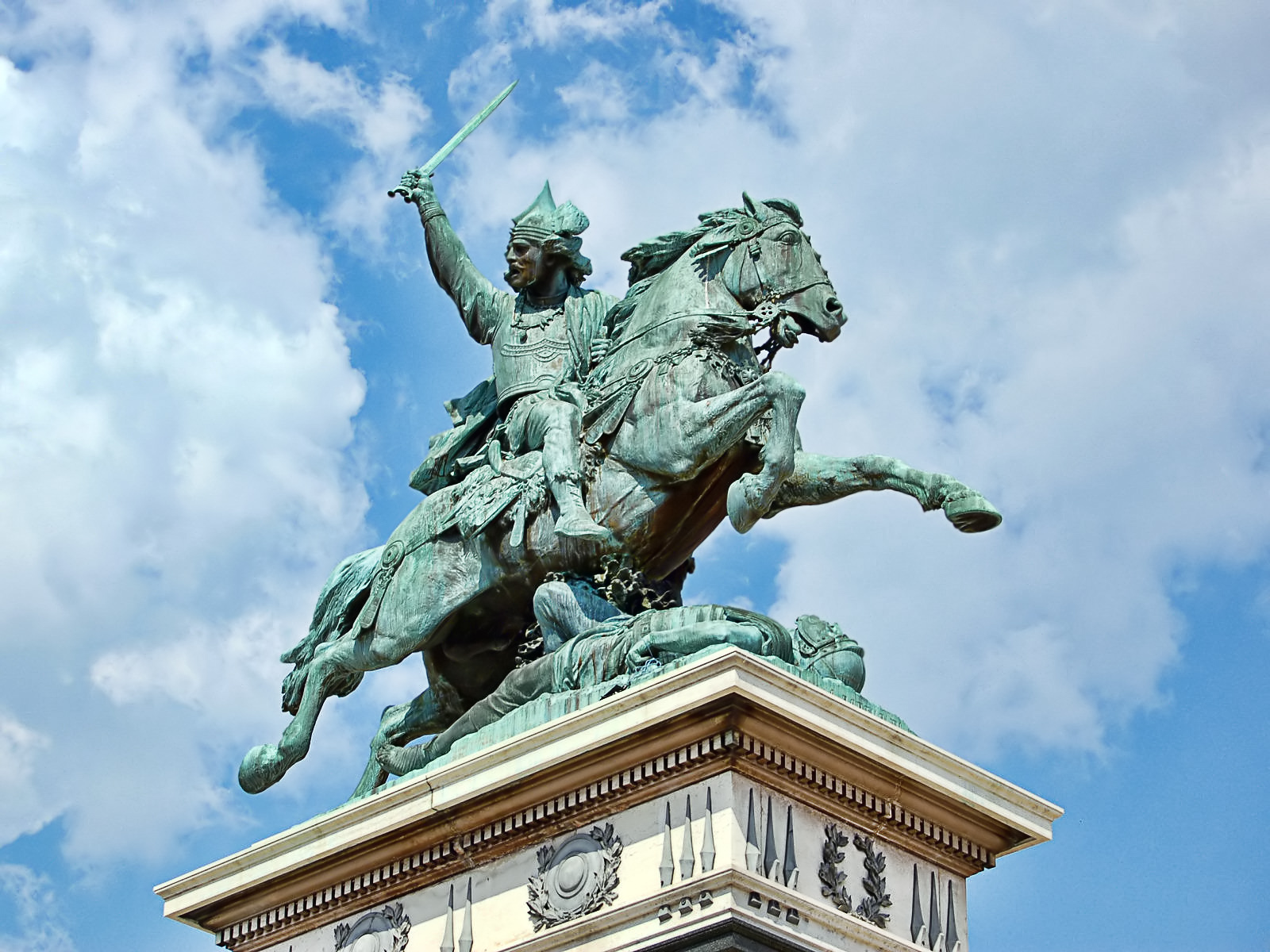
Vercingetorix emerged as the central figure of the revolt, consolidating leadership and organizing the rebellion into a more cohesive force. His ability to coordinate multiple tribes was crucial, as it allowed for simultaneous actions across different regions, stretching Roman forces and limiting their ability to respond effectively. Unlike earlier resistance movements, which were localized and short-lived, the revolt of 52 BCE demonstrated a level of strategic planning and cooperation that posed a genuine threat to Roman dominance in Gaul.
One of the defining features of this revolt was the implementation of systematic resistance strategies, particularly the scorched earth policy. By destroying crops, settlements, and supplies, Vercingetorix aimed to deny the Roman army the resources it needed to sustain itself. This forced Caesar to rely heavily on extended supply lines, increasing the vulnerability of his forces and complicating logistics. The strategy also had a psychological impact, demonstrating the determination of the Gallic tribes to resist at all costs, even at the expense of their own infrastructure.
The revolt also saw increased use of fortified positions and defensive warfare. Gallic forces began to concentrate in strongholds, using natural terrain and constructed defenses to resist Roman advances. This approach minimized the effectiveness of Roman open-field tactics and forced Caesar into a series of siege operations, which were time-consuming and resource-intensive. These engagements tested Roman engineering capabilities and required careful planning to overcome.
For Caesar, the revolt of 52 BCE required a rapid and decisive response. He had to reassert control over allied tribes, suppress uprisings, and confront the main Gallic forces, all while maintaining supply lines and troop morale. His ability to move quickly, construct fortifications, and maintain discipline among his legions proved essential in stabilizing the situation. However, the scale and intensity of the revolt demonstrated that Roman control over Gaul was far from secure and could be challenged by a unified opposition.
The events of 52 BCE ultimately set the stage for the decisive confrontation at Alesia. The revolt forced both sides to commit fully to the conflict, with Vercingetorix seeking to capitalize on Gallic unity and Caesar aiming to deliver a decisive blow that would end large-scale resistance. This phase of the war therefore represents the turning point, where the outcome of the Gallic Wars hung in the balance.
In conclusion, the Gallic Revolt of 52 BCE was a moment of maximum resistance and strategic intensity, highlighting the potential of unified opposition against Roman expansion. It demonstrated that while Rome possessed superior organization and resources, its control could be challenged when faced with coordinated and determined resistance. The revolt’s significance lies not only in its scale but in its role in shaping the final stages of the conflict between Caesar and Vercingetorix.
Key Ideas
- 52 BCE marked the largest Gallic uprising against Rome
- Revolt driven by loss of independence, taxation, and resentment
- Vercingetorix unified tribes for coordinated resistance
- Use of scorched earth strategy weakened Roman logistics
- Increased reliance on fortifications and defensive warfare
- Forced Caesar into complex and large-scale operations
- Set stage for decisive conflict at Alesia
5. Gallic Strategy vs Roman Discipline: A Clash of Military Systems
The conflict between Julius Caesar and Vercingetorix was not only a struggle between two leaders but also a confrontation between two fundamentally different military systems: the highly organized, disciplined Roman army and the more flexible but less structured Gallic forces. This contrast played a decisive role in the outcome of the war, as each side brought distinct strengths and weaknesses to the battlefield. Understanding this clash is essential to explaining why Rome ultimately prevailed despite facing a unified and determined resistance.
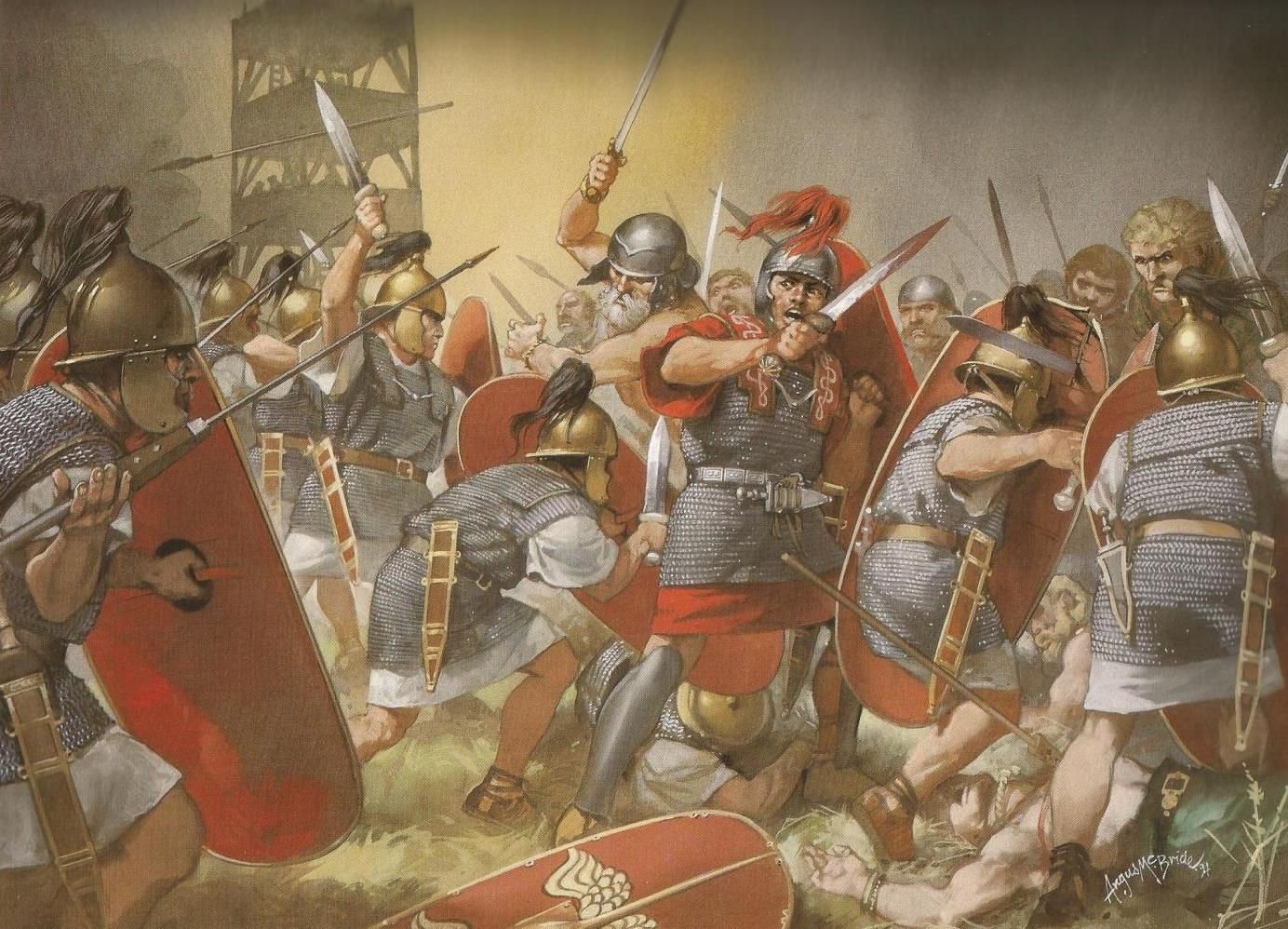
The Roman military system was built on discipline, training, and standardization. Legionaries operated within a strict command structure, where orders were followed precisely and coordination between units was maintained at all times. Formations such as the triplex acies allowed Roman forces to fight in organized lines, rotating soldiers to maintain effectiveness during prolonged engagements. This level of organization ensured that Roman troops could remain effective even under pressure, maintaining cohesion in situations where less disciplined forces might collapse.
In contrast, Gallic armies were composed of tribal warriors, often drawn from different regions with varying levels of training and equipment. While these warriors were known for their courage, aggression, and individual combat skill, they lacked the consistent structure and coordination of Roman legions. Command was less centralized, and while Vercingetorix worked to impose unity and discipline, the diversity of tribal forces made it difficult to achieve the same level of cohesion as the Romans. This difference became particularly evident in prolonged engagements or complex operations requiring precise coordination.
One of the key strengths of the Gallic system was its flexibility and mobility. Gallic forces were capable of rapid movement, ambush tactics, and adapting to local terrain. Under Vercingetorix, this flexibility was further enhanced by strategies such as guerrilla warfare and the scorched earth policy, which aimed to disrupt Roman supply lines and avoid direct confrontation. These methods demonstrated a clear understanding of Roman strengths and sought to counter them indirectly rather than through conventional battles.
However, Roman discipline and organization provided significant advantages in both open battle and siege warfare. Roman soldiers were trained to construct fortifications, siege engines, and defensive works, allowing them to adapt to a wide range of situations. Their ability to build fortified camps every day ensured constant security, while their engineering skills enabled them to overcome even the strongest defensive positions. In contrast, Gallic forces relied more heavily on natural terrain and existing fortifications, which, while effective in certain contexts, lacked the adaptability of Roman engineering.
Another critical difference was in logistics and supply management. Roman armies maintained structured supply systems, supported by organized transport and planning. This allowed them to sustain long campaigns far from their base. Gallic forces, on the other hand, depended more on local resources, which made them vulnerable when those resources were destroyed or depleted—ironically a tactic Vercingetorix himself employed to weaken the Romans. While effective in the short term, this approach also placed pressure on Gallic populations and limited their ability to sustain prolonged resistance.
Ultimately, the clash between Gallic and Roman military systems highlights the importance of organization, discipline, and adaptability in warfare. While the Gallic forces demonstrated innovation and determination under Vercingetorix, the Roman system proved more effective in maintaining consistency and control over extended campaigns. The outcome of the conflict was therefore not simply the result of individual battles but the consequence of a deeper structural advantage that allowed Rome to outlast and outmaneuver its opponents.
Key Ideas
- Conflict was a clash between Roman discipline and Gallic flexibility
- Roman legions relied on structure, formations, and strict command
- Gallic forces emphasized individual skill and mobility
- Vercingetorix used guerrilla tactics and scorched earth strategy
- Romans excelled in engineering, fortifications, and sieges
- Roman logistics ensured long-term campaign sustainability
- Roman system proved superior in organization and endurance
7. Consequences of the Conflict: The Roman Conquest of Gaul
The defeat of Vercingetorix and the end of large-scale resistance in Gaul marked a decisive turning point in Roman history, resulting in the complete incorporation of Gaul into the Roman sphere of control. This outcome was not merely a military victory but a transformation with political, economic, and cultural consequences that reshaped both Gaul and the Roman Republic. The conflict demonstrated the effectiveness of Roman expansion strategies while also contributing directly to the internal changes that would eventually lead to the fall of the Republic.
Following the surrender of Vercingetorix, organized resistance in Gaul largely collapsed. Although minor revolts and isolated conflicts continued, there was no longer a unified force capable of challenging Roman authority. Caesar systematically secured the region by establishing military garrisons, administrative control, and alliances with local elites, ensuring that Roman influence became permanent. The construction of roads, forts, and infrastructure allowed for efficient movement of troops and resources, integrating Gaul into the broader Roman system. Over time, these developments transformed Gaul from a region of independent tribes into a structured province under Roman governance.
The economic impact of the conquest was significant. Gaul provided Rome with resources, agricultural production, and wealth, contributing to the economic strength of the Republic. Trade networks expanded as Roman roads connected Gaul to other parts of the empire, facilitating the movement of goods, people, and ideas. Urban centers developed or expanded under Roman influence, introducing Roman architecture, markets, and administrative systems. This process of integration brought both stability and exploitation, as local populations were incorporated into Roman economic structures while also subject to taxation and control.
Culturally, the conquest initiated a process of Romanization, in which Gallic societies gradually adopted Roman customs, language, and institutions. Latin became the dominant language in administration and public life, while Roman law and governance replaced traditional tribal systems. Over time, local elites often embraced Roman culture, gaining status and opportunities within the imperial framework. However, this transformation was not immediate or uniform; elements of Gallic identity persisted, blending with Roman influences to create a hybrid cultural landscape.
For Rome, the consequences of the Gallic Wars extended far beyond the newly acquired territory. Caesar’s success brought him immense wealth, military loyalty, and political influence, significantly altering the balance of power within the Republic. His legions, hardened by years of campaigning, were personally loyal to him, giving him a decisive advantage in political conflicts. This shift contributed directly to the tensions that led to the Roman Civil War, as Caesar’s growing power alarmed his rivals in the Senate. The conquest of Gaul therefore played a crucial role in the transition from Republic to Empire.
The fate of Vercingetorix himself became symbolic of the conflict’s outcome. After his capture, he was taken to Rome and later executed following Caesar’s triumph, serving as a public demonstration of Roman victory and authority. His resistance, however, left a lasting legacy as a symbol of unity and opposition to foreign domination, remembered as one of the most significant challenges to Roman expansion.
In conclusion, the consequences of the conflict between Caesar and Vercingetorix were far-reaching and transformative. The Roman conquest of Gaul resulted in territorial expansion, economic integration, and cultural change, while also strengthening Caesar’s position and contributing to the political upheaval of the late Republic. The conflict illustrates how military victories could reshape entire regions and influence the course of Roman history, leaving a legacy that extended far beyond the battlefield.
Key Ideas
- Defeat of Vercingetorix led to Roman control over Gaul
- Establishment of roads, forts, and administration ensured stability
- Gaul became a source of wealth, trade, and resources
- Process of Romanization spread language and culture
- Caesar gained power, wealth, and loyal legions
- Conquest contributed to Roman Civil War and end of Republic
- Vercingetorix became a symbol of resistance and unity
