Military
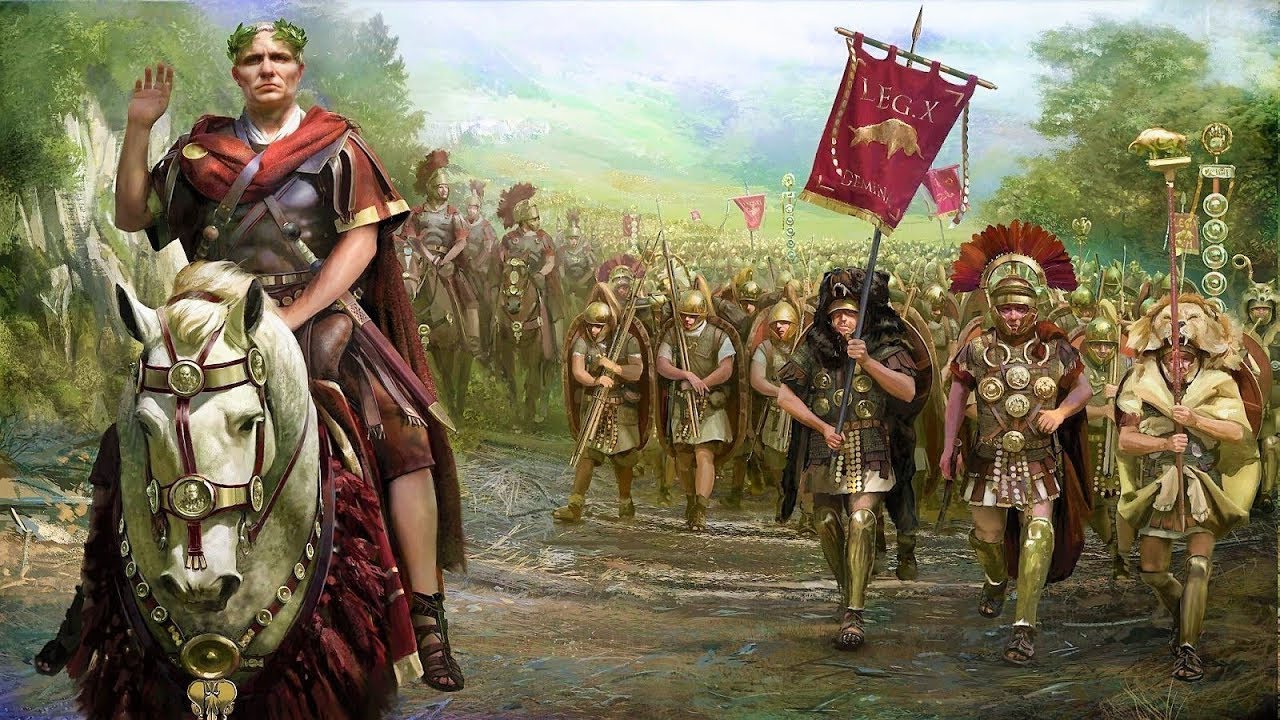
The Roman military was one of the most important institutions in the Roman world. Over many centuries, Roman armies helped expand the territory of Rome, defend its borders, suppress rebellions, and maintain control over a vast empire. Roman military success was not based on soldiers alone. Organization, discipline, training, engineering, logistics, and leadership all played important roles.
The legion was the core of the Roman army. During the later Republic and Empire, a legion usually consisted of several thousand heavily armed soldiers known as legionaries. Soldiers trained regularly and were expected to follow orders and maintain strict discipline. The army also included auxiliary troops, who provided additional infantry, cavalry, archers, and other specialized forces. Many auxiliaries were recruited from communities across the provinces and could receive Roman citizenship after completing their service.
Roman soldiers carried equipment designed for both protection and combat. The scutum, a large shield, provided substantial protection, while the gladius was a short sword commonly used in close combat. Soldiers also carried the pilum, a throwing spear designed to disrupt enemy formations before close fighting began. Armor and helmets developed over time, with different styles appearing during different periods.
One of the greatest strengths of the Roman military was its ability to build and move. Roman soldiers constructed roads, bridges, forts, camps, and siege works during military campaigns. Temporary marching camps could be built quickly, giving armies organized defensive positions even when they were far from established settlements. Engineers also developed sophisticated methods for attacking fortified cities.
The Roman military changed considerably throughout Roman history. The armies of the early Republic differed from those of the late Republic and Imperial period. Military reforms, political changes, new enemies, and changing borders all influenced how Roman forces were organized and equipped.
Life as a soldier could be demanding, involving long marches, training, construction work, and years of service. However, military service could also provide pay, status, citizenship, land, and opportunities for advancement.
From the Italian peninsula to the distant frontiers of Britain, North Africa, the Middle East, and Central Europe, Roman soldiers became a constant presence across the empire. The military was therefore not only a fighting force but also an important part of Roman society, administration, and expansion.

The Second Punic War Explained — Hannibal vs Rome and the Battles That Shaped an Empire
The Second Punic War stands as one of the most extraordinary military struggles in ancient history, defined by relentless ambition, strategic innovation, and political endurance.
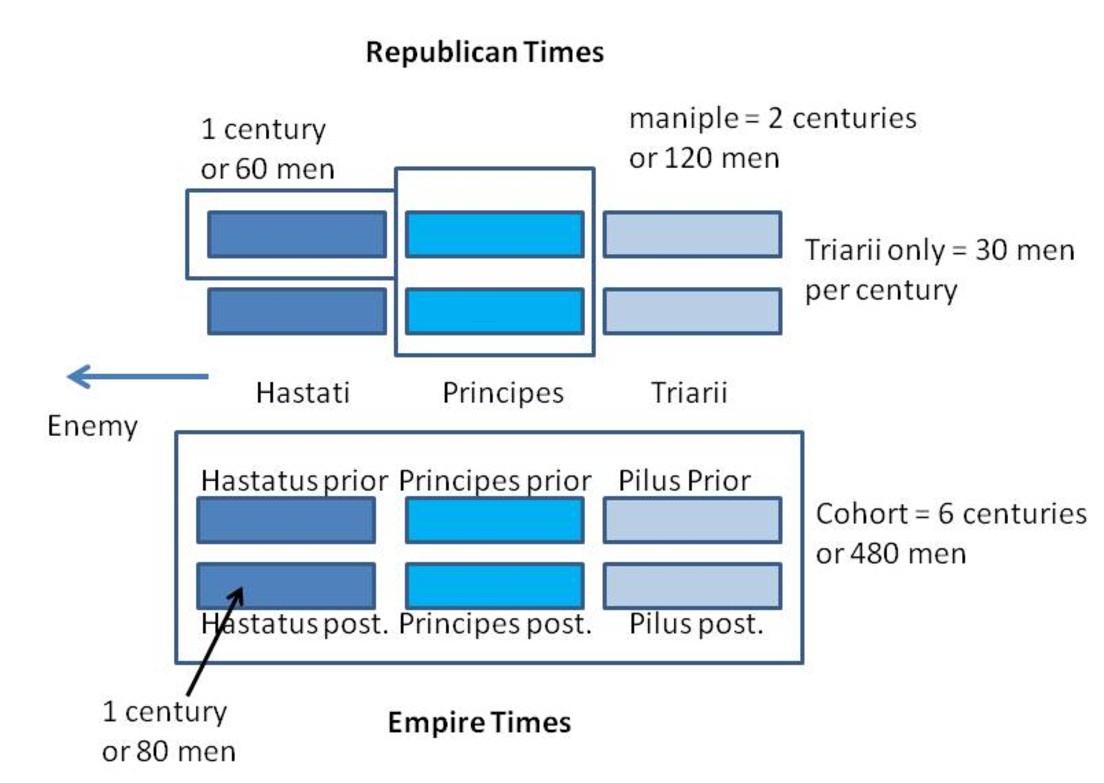
From Phalanx to Flexibility: How Rome Evolved from the Greek Phalanx to the Maniple Checkerboard Formation
The rise of Rome as the dominant military power of the ancient world was not based on brute force alone. It was the result of

The Gladiator Types of Ancient Rome: A Complete Guide to Classes, Weapons and Combat Roles
Gladiators occupy one of the most iconic—and misunderstood—places in Roman history. These fighters were not a single uniform group, but a highly diverse collection of

Julius Caesar and the Invasion of Gaul: Conquest, Strategy, and Empire
Julius Caesar’s campaigns in Gaul, fought between 58 and 50 BCE, were among the most significant military operations in ancient history. Through these wars, Rome

Caesar’s Tenth Legion: The Iron Backbone of a Conqueror
When history remembers Julius Caesar, it often focuses on his political genius, his reforms, or his assassination on the Ides of March. But behind every
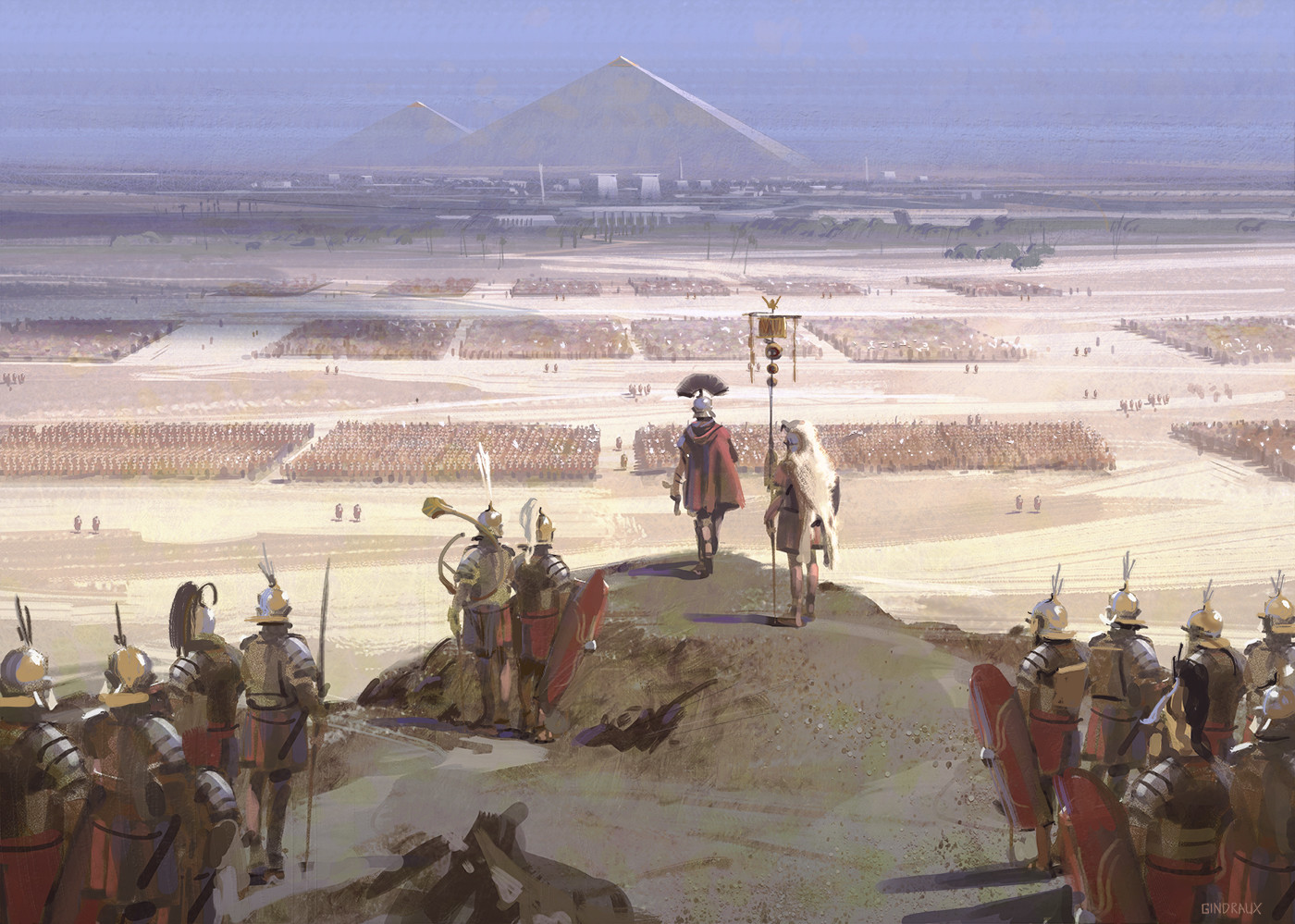
The Battle of Actium: The Naval Clash That Created the Roman Empire
Few battles in history shaped the world as much as the Battle of Actium in 31 BCE. It wasn’t fought in the streets of Rome,