Politics
Roman politics changed dramatically throughout the history of Rome, developing from a small city-state into the political system of one of the ancient world’s largest empires. Roman government passed through three major periods: the Roman Kingdom, Roman Republic, and Roman Empire. Each period had different institutions, leaders, and systems of political power.
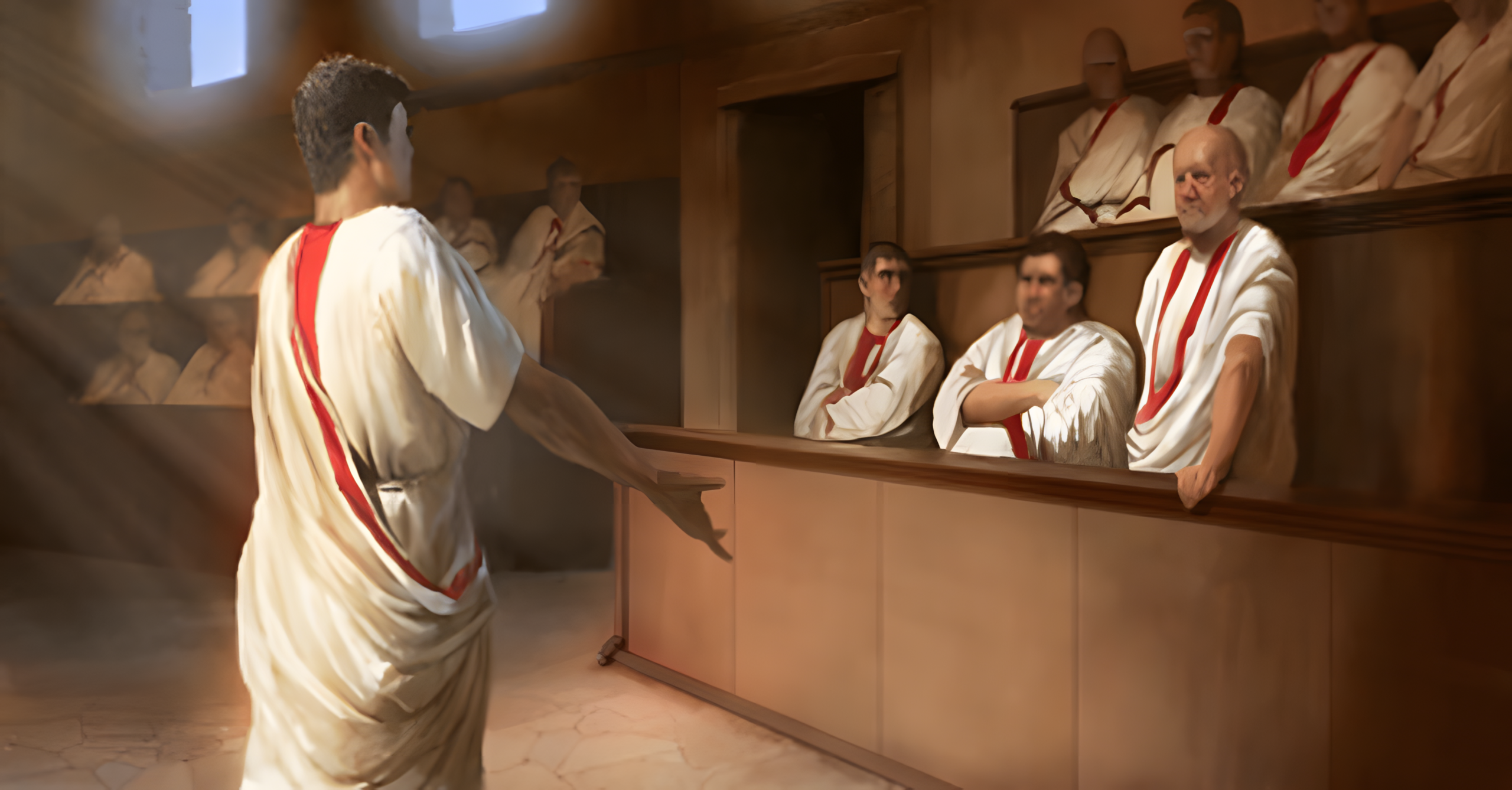
During the Roman Republic, which traditionally began in 509 BC, Rome was governed through a combination of elected officials, assemblies, and the Senate. Two consuls were elected each year and held the highest regular political office. The Senate played an important role in advising magistrates, managing finances, and influencing foreign policy. Roman citizens also participated in assemblies that voted on laws and elected officials.
Roman society was divided by differences in wealth, status, and political influence. The patricians originally held many political advantages, while the plebeians fought over time for greater political rights. The struggle between these groups led to important changes, including the creation of the office of Tribune of the Plebs, whose holders could represent plebeian interests and oppose certain actions by other officials.
Political competition became increasingly intense during the final centuries of the Republic. Powerful generals gained influence through military success, wealth, and personal alliances. Figures such as Julius Caesar, Pompey, and Crassus became central to Roman politics. Conflicts between political leaders contributed to civil wars and eventually brought an end to the Republic.
Following Caesar’s assassination in 44 BC, further civil wars eventually led to the rise of Augustus, who became Rome’s first emperor. The Republic’s traditional institutions continued to exist, but political power increasingly became concentrated around the emperor.
Under the Roman Empire, emperors controlled the military and held enormous political influence. The Senate continued to operate and could still debate legislation and administer certain responsibilities, but its power varied depending on the emperor and period. Provincial government also became increasingly important as Rome controlled territories across Europe, North Africa, and the Middle East.
Roman politics was therefore not a single, unchanging system. It evolved in response to social conflicts, military expansion, economic changes, and struggles for political power. Understanding these changes helps explain how Rome transformed from a small Italian community into a vast empire and how political institutions developed along the way.

How Emperor Aurelian Saved the Roman Empire: The Complete History of Rome’s Restorer
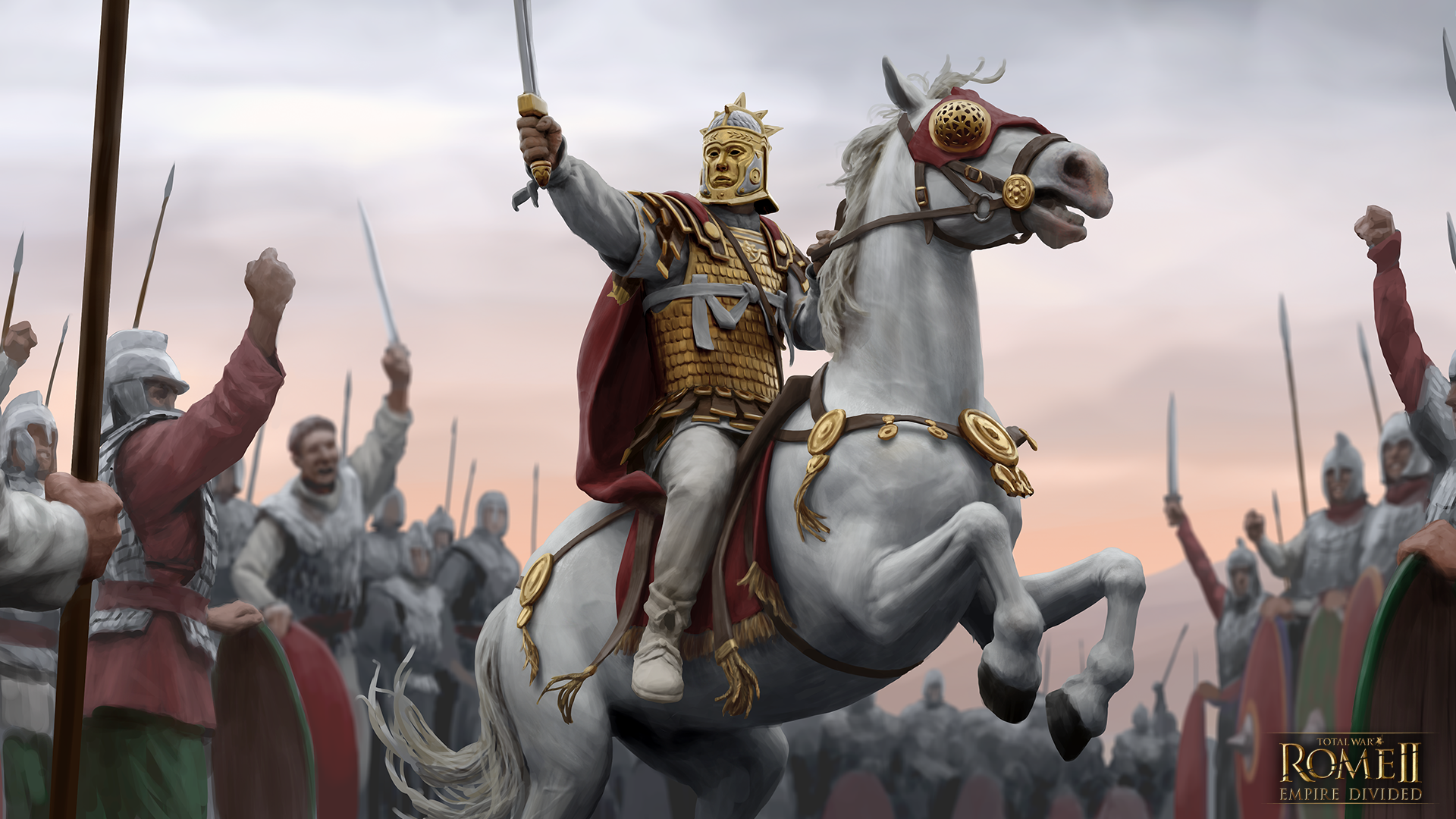
Emperor Aurelian on horseback leading Roman forces during imperial military campaign 1. The Crisis of the Third Century: Why the Roman Empire Was on the
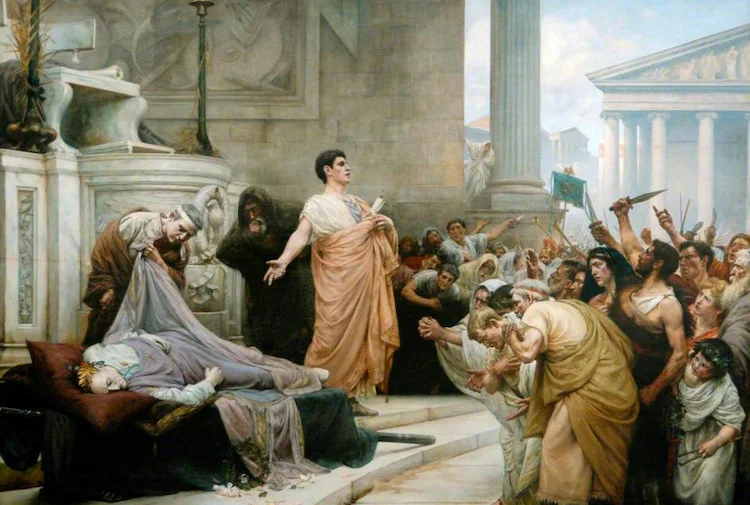
Augustus vs Mark Antony: The Rivalry That Ended the Roman Republic
1. Background of the Conflict: Power Struggle After Caesar’s Death The rivalry between Octavian (later known as Augustus) and Mark Antony began after the assassination

Why the Romans Did Not Expand Further North: Limits of Imperial Expansion
Roman expansion was guided by calculated strategy rather than uncontrolled ambition. Although Roman legions conquered vast territories across the Mediterranean, the empire deliberately halted deeper
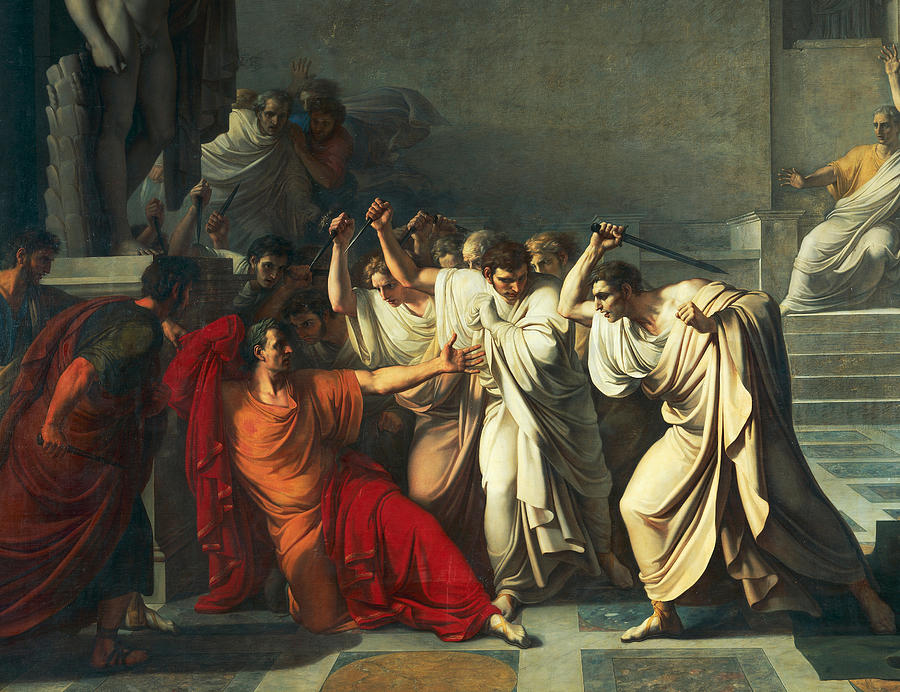
The Assassination of Julius Caesar (44 BC): Causes, Conspirators, and Consequences
The assassination of Julius Caesar on the Ides of March, 44 BC, stands as one of the most pivotal moments in Roman history. More than

How the Roman Empire Fell: Causes, Crisis, and Collapse of a Superpower
The fall of the Roman Empire was not a single sudden event, but a prolonged process that unfolded over centuries. Its decline resulted from a

The Three Phases of Ancient Rome: From Kingdom to Republic and Empire
Ancient Rome did not appear as a fully-formed empire. Instead, it evolved through three distinct political systems across many centuries. Each phase reshaped Roman power,