
The scars of Roman soldiers are more than marks of battle; they are stories of endurance, courage, and the brutal realities of empire-building. Each wound tells of a soldier who faced chaos head-on, who survived the clash of swords, the sting of arrows, and the grind of relentless campaigns. These marks were badges of honor in the eyes of comrades and witnesses to the unyielding spirit of Rome. They remind us that history is not only recorded in stone or text but also etched in the very flesh of those who fought. Understanding these scars provides insight into the life of the Roman soldier beyond the battlefield.

The Life of a Roman Legionary

A Roman legionary’s life was defined by discipline, training, and hardship. From dawn till dusk, recruits drilled endlessly, carrying heavy packs and weapons over rough terrain. They practiced formations that would save them in the chaos of battle and endured physical exhaustion that left their bodies marked even before combat. Injuries during training, such as bruises and cuts, were common and viewed as necessary preparation. These early marks were a prelude to the scars they would carry from real warfare. Daily life in the legion hardened both body and mind. Comradeship grew from shared pain and suffering. Each soldier learned quickly that survival depended on strength, skill, and resilience. The scars of these trials often mirrored the battles to come, foreshadowing the trials their bodies would endure on the field of war.

The Chaos of Battle

In the heat of battle, wounds were inevitable. Roman soldiers faced enemies armed with swords, spears, and arrows while navigating rough terrain and smoke-filled sieges. Shields shattered, swords clanged, and bodies collided in a deadly dance. Even the most disciplined formations could not prevent injuries entirely. Some soldiers suffered minor cuts that healed quickly, while others bore deep gashes or broken bones. The chaos created unpredictable hazards; flying projectiles and falling comrades left marks that often lasted a lifetime. The battlefield was not just a test of skill but of endurance, courage, and luck. Those who survived emerged with scars that recorded their experience. These marks served as tangible reminders of the dangers faced daily in service to Rome. Each scar was a chapter in a soldier’s story.
Common Wounds and Their Causes
Roman soldiers endured a wide variety of wounds, from sword slashes to spear punctures. Bladed weapons could leave long scars across the torso or limbs, while arrows often caused small, deep punctures. Burns from flaming siege engines or heated projectiles added another layer of suffering. Environmental hazards, such as jagged rocks, tree branches, or collapsing walls, also left their marks. Even training injuries could create lasting effects, especially when combined with the harsh conditions of the march or battle. Some wounds healed poorly, leaving permanent reminders of near-death experiences. Soldiers learned to fight through pain, building endurance with every injury. Each type of wound carried its own story, reflecting the dangers of specific battles or terrains. Collectively, they formed a map of a soldier’s experiences across the empire.

Roman Medicine and Healing
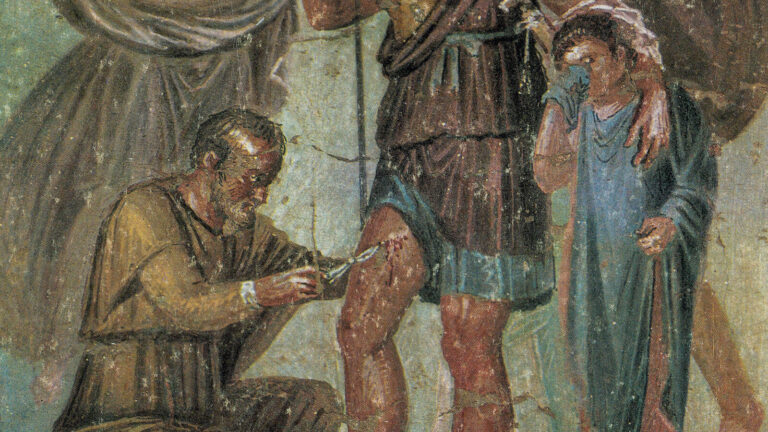
Roman military medicine was surprisingly advanced for its time. Field surgeons, called medici, were trained to treat injuries quickly to prevent infection and death. Techniques included cauterization, suturing, and the application of herbal antiseptics. Soldiers were often treated in field hospitals near battle zones, allowing prompt attention. Even with these measures, many wounds left permanent scars. The emphasis on hygiene, rest, and nutrition aided recovery, though nothing could erase the memory or mark of battle. Healed scars became symbols of endurance, proof that the soldier had survived. Medics also documented injuries to study patterns and improve treatment. These scars were both a physical record of survival and a testament to Roman medical ingenuity. Recovery was seen as a necessary step before returning to the front lines.
Scars as Symbols of Honor
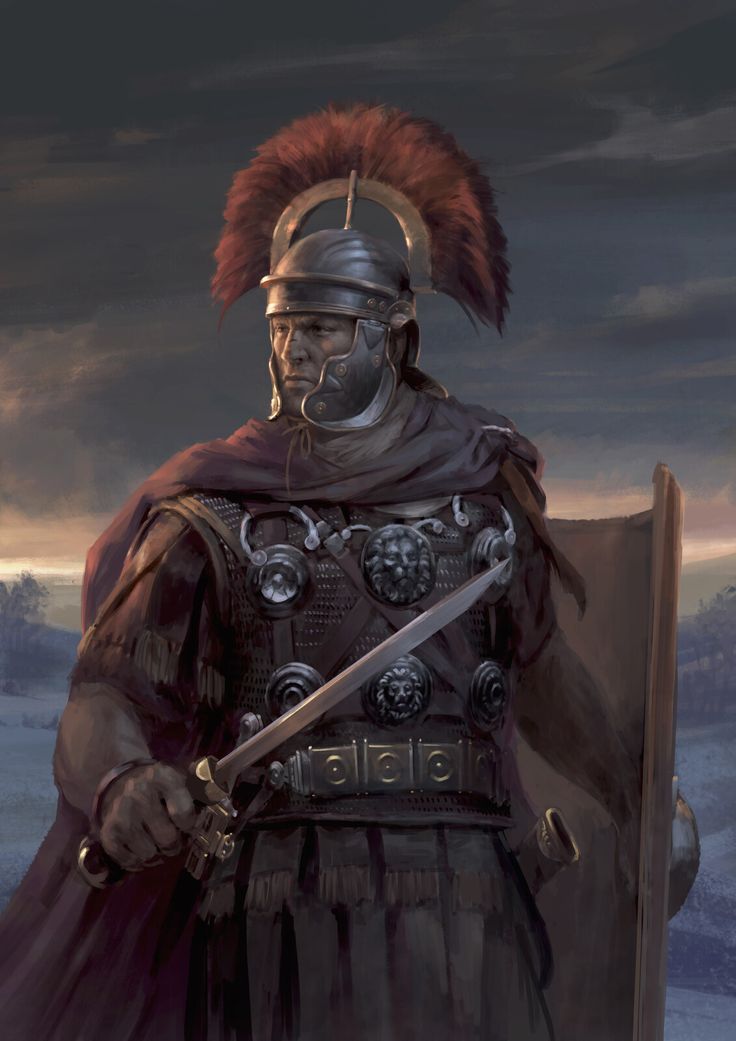
In Roman culture, scars were a visible testament to bravery. A soldier with numerous wounds was respected for having faced danger and survived. Scars could elevate a soldier’s reputation within the legion, marking him as experienced and courageous. Young recruits often looked to veterans with marked bodies as examples of what endurance and skill could achieve. These physical reminders of survival conveyed honor more clearly than medals or words. In some cases, soldiers displayed their scars proudly during festivals or in camp, recounting the battles that produced them. The social recognition of scars reinforced morale and cohesion. They were more than injuries; they were public symbols of resilience. In essence, scars were currency in the culture of Roman military valor.

Psychological Scars
Not all scars were visible. The mental toll of combat often left invisible marks. Witnessing the deaths of comrades, surviving ambushes, and enduring prolonged campaigns created lasting psychological trauma. Soldiers might suffer from nightmares, anxiety, or a heightened awareness of danger, long after returning home. These mental scars affected behavior in camp, in social interactions, and even on the battlefield. Roman culture valued stoicism, so psychological wounds were often hidden, yet they were as real as any cut or bruise. The resilience required to continue fighting despite these scars was remarkable. Many soldiers developed coping mechanisms through camaraderie or ritual. Mental endurance was considered a crucial part of military effectiveness.
Famous Battles and Their Marked Soldiers

Several key battles left legions visibly marked. At Cannae, thousands suffered deep cuts and broken bones, surviving only through sheer determination. In Teutoburg Forest, ambushed soldiers bore clawed, jagged wounds from surprise attacks in dense woods. Siege warfare often caused burns, crushed limbs, and other injuries from collapsing structures or flaming projectiles. Each battle produced scars with distinct patterns, recognizable to those familiar with warfare. Veterans carried these as silent records of campaigns, identifiable among peers. Observing a soldier’s scars could reveal his history in battles, campaigns, and victories. These marks were testimony to individual endurance and collective experience. They reminded comrades of the sacrifices required to maintain Rome’s power.
Cultural Beliefs About Scars
Romans often interpreted scars with spiritual or symbolic significance. Some believed wounds were divine signs, reflecting protection or favor in battle. Others saw them as warnings of past mistakes or omens of future challenges. Soldiers might recount the origins of their scars to emphasize bravery, survival, or divine providence. These narratives enhanced social cohesion and morale. Scars became intertwined with identity, linking physical experience to moral and spiritual lessons. They were considered part of a soldier’s story, blending history, legend, and personal triumph. Rituals and storytelling ensured that scars were not merely remembered but honored. Through these beliefs, wounds gained meaning beyond physical pain.
Training and Marching Injuries

Before battle, soldiers often acquired scars through training or grueling marches. Weighted packs, repetitive drills, and harsh terrain caused blisters, bruises, and joint injuries. These early marks prepared soldiers for the rigors of combat, building resilience over time. Minor cuts and scrapes healed, leaving permanent reminders of endurance. The discipline required to continue despite these injuries fostered strength and tenacity. Marching through rough roads, rivers, or rocky hills further tested soldiers, leaving marks that foreshadowed future battle scars. These pre-battle injuries contributed to the physical and mental toughness essential for survival. They also served as a shared experience, bonding the legion through common hardship. Each soldier entered combat with a body already marked by service.
The Legacy of Roman Scars
Centuries later, the scars of Roman soldiers continue to fascinate historians and enthusiasts. Archaeological findings reveal healed injuries, showing resilience and survival. Museums display armor and weapons still marked by combat, telling silent stories of warriors. Reenactments, literature, and academic studies highlight the human cost of Rome’s expansion. Scars are remembered as symbols of endurance, courage, and the harsh realities of ancient warfare. They remind us that history is lived, not just written. Each mark, visible or invisible, connects us to the individuals who bore them. Roman battle scars endure as a testament to human courage and the physical price of empire. They tell stories etched in flesh, immortalized by survival and valor.