1. The Backbone of Empire: Why Logistics Mattered More Than Battles
When people think about the success of Rome, they usually imagine epic battles, brilliant generals, and disciplined legions. Names like Julius Caesar or decisive clashes such as the Battle of Cannae often dominate the conversation. However, focusing only on battles misses the real reason Rome was able to build and maintain such a vast empire. The true foundation of Roman success was not just combat skill—it was logistics.
Logistics is the system that keeps an army functioning: food supply, equipment, movement, communication, and organization. Without it, even the strongest army collapses. Rome understood this better than any other ancient power. While their enemies often relied on short-term campaigns or seasonal warfare, the Romans built a system that allowed them to fight continuously, operate far from home, and recover quickly from setbacks.
One of the most important realities of ancient warfare is that armies do not fight on empty stomachs. A Roman legion, typically consisting of around 5,000 soldiers, required massive amounts of food every single day. Grain was the staple of the Roman diet, often carried and prepared by the soldiers themselves. Each legionary was responsible for part of his own supplies, reducing dependence on long supply chains. This level of personal responsibility made Roman forces more flexible and less vulnerable to disruption.
In addition to food, soldiers needed weapons, armor, tools, and medical supplies. The Roman army standardized much of its equipment, ensuring that replacements could be produced and distributed efficiently. This was a major advantage over many enemies, whose forces often used a variety of weapons and lacked consistent resupply systems. Roman logistics ensured that soldiers were consistently equipped, maintained, and ready for battle.
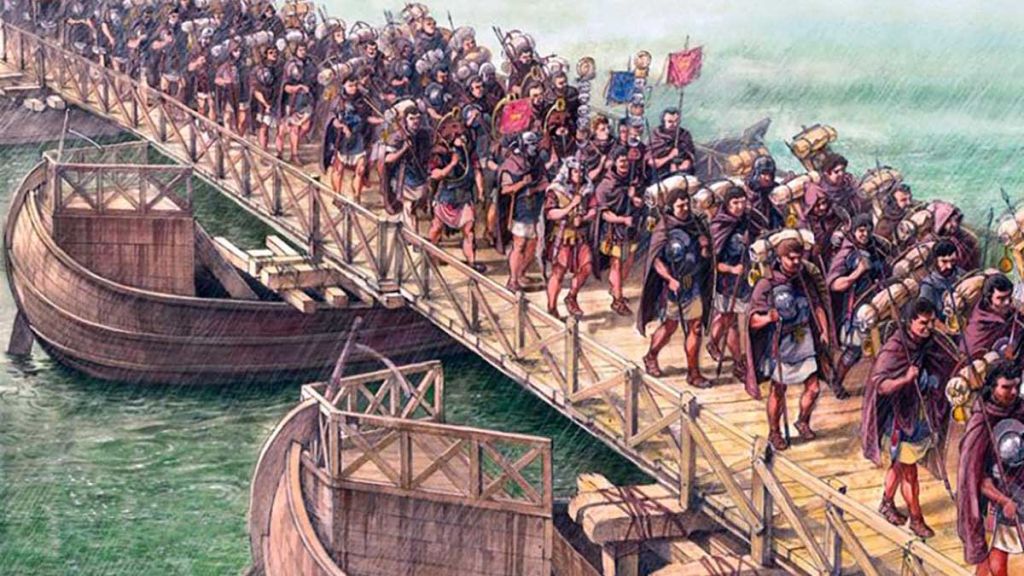
Another key factor was mobility. Roman armies were famous for their ability to march long distances quickly and in an organized manner. This was not just a matter of discipline—it was the result of careful logistical planning. Soldiers carried their own gear, often referred to as “Marius’ mules,” a system developed during reforms associated with Gaius Marius. By reducing reliance on baggage trains, Roman armies became faster and more independent.
Speed and organization gave Rome a strategic advantage. They could respond to threats more quickly, reinforce distant regions, and surprise enemies who were not expecting such rapid movement. Logistics made this possible by ensuring that armies could sustain themselves while on the move, rather than relying entirely on fixed supply bases.
The importance of logistics becomes even clearer when looking at campaigns like those of Julius Caesar in Gaul. Caesar’s success was not just due to his battlefield tactics, but also his ability to maintain supply lines, build infrastructure, and adapt to different environments. His legions constructed bridges, roads, and camps as they advanced, creating a network that supported further operations. Without this logistical foundation, his campaigns would have failed long before reaching their decisive moments.
Roman logistics also allowed for long-term occupation and control. Conquering a region was only the first step—holding it required a constant flow of supplies, reinforcements, and administrative support. Rome built roads, forts, and supply depots to maintain its presence in newly conquered territories. This transformed temporary military success into permanent political control.
One of the clearest examples of the limits of logistics can be seen in the Battle of the Teutoburg Forest. In this disaster, Roman legions under Varus were ambushed in difficult terrain, where their supply lines and organization broke down. The defeat showed that even Rome’s powerful system could fail under the wrong conditions. However, it also reinforced the importance of logistics—Rome learned from this event and adjusted its strategies, focusing more on secure supply routes and defensible positions.
Another crucial aspect of Roman logistics was planning and preparation. Campaigns were not improvised—they were carefully organized in advance. Supplies were gathered, routes were mapped, and contingencies were considered. This level of preparation reduced uncertainty and allowed Roman commanders to operate with confidence. While enemies might rely on bravery or surprise, Rome relied on structure and predictability.
Communication also played a role. Orders had to be delivered quickly and accurately across large distances. Messengers, signals, and established routes allowed commanders to coordinate movements and respond to changing situations. This ensured that different parts of the army could act together rather than independently, increasing overall effectiveness.
It is also important to understand that logistics was not just about material resources—it was about discipline and organization. Roman soldiers were trained to follow routines, carry equipment, and build infrastructure as part of their daily duties. This created a culture where logistics was integrated into every aspect of military life. It was not a separate system—it was part of what it meant to be a Roman soldier.
Compared to other ancient armies, Rome’s logistical system was unmatched. Many opponents relied on looting or local resources, which limited how long they could remain in the field. Roman armies, on the other hand, could operate for extended periods, even in hostile territory. This gave them a major advantage in prolonged conflicts, where endurance often mattered more than individual victories.
In many ways, logistics determined the outcome of wars before battles even began. An army that was well-supplied, well-organized, and able to move efficiently had a significant advantage over one that was not. Rome understood this and invested heavily in maintaining its logistical systems. This is why they were able to recover from defeats, sustain long campaigns, and expand across three continents.
In conclusion, the success of Rome was built on more than just military strength—it was built on logistical excellence. From supplying soldiers and organizing movement to planning campaigns and maintaining control over vast territories, logistics was the backbone of the Roman war machine. Battles may have decided moments, but logistics decided wars. Without it, even the greatest generals like Julius Caesar would not have achieved their victories. Rome’s true power lay not just in how it fought, but in how it sustained the ability to fight again and again.
Key Ideas
- Logistics was more important than individual battles
- Included food, equipment, movement, and communication
- Soldiers carried supplies (“Marius’ mules”) from Gaius Marius reforms
- Enabled fast and organized long-distance movement
- Supported campaigns like those of Julius Caesar
- Allowed long-term occupation and control
- Failure at Battle of the Teutoburg Forest showed its importance
- Required careful planning and preparation
- Based on discipline and standardization
- Foundation of Rome’s military dominance
2. Supplying the Legions: Food, Equipment, and Daily Needs
The strength of the Roman army did not come only from discipline or battlefield tactics—it depended heavily on its ability to feed, equip, and sustain thousands of soldiers every single day. A Roman legion was a massive logistical machine, and keeping it running required constant planning, organization, and efficiency. Without a steady supply of food, weapons, and basic necessities, even the most elite force would quickly collapse. This is why supply systems were at the heart of Roman military success.
At the most basic level, every soldier needed food. The standard diet of a Roman legionary was built around grain, especially wheat, which was used to make bread or porridge. Each soldier typically carried a portion of his own rations, often for several days at a time. This reduced dependence on supply wagons and allowed the army to move more quickly. Soldiers were expected to grind their own grain and prepare their own meals, making them more self-sufficient than many other ancient armies.
In addition to grain, soldiers consumed other foods such as meat, cheese, olives, and vegetables when available. However, these were often supplements rather than staples. The focus on grain was practical—it was durable, easy to transport, and could be stored for long periods. This made it ideal for long campaigns where fresh food might not always be available.
Despite this self-sufficiency, Roman armies still relied on larger supply systems. Food had to be transported in bulk to support extended campaigns. This was done through a combination of supply depots, transport animals, and local sourcing. In friendly or controlled regions, armies could purchase or requisition food from local populations. In hostile territory, they sometimes relied on foraging or organized supply lines from Roman-controlled areas.
Equipment was another critical part of supply logistics. Roman soldiers were heavily equipped, carrying weapons such as the gladius (short sword), pilum (throwing spear), and scutum (shield), as well as armor and helmets. These items required maintenance and occasional replacement. The Roman system ensured that equipment was standardized, meaning that replacements could be produced and distributed efficiently.
Workshops and craftsmen often traveled with or supported the army, repairing weapons, armor, and tools as needed. This reduced downtime and ensured that soldiers remained combat-ready. Standardization also meant that soldiers could quickly adapt to replacement gear without needing to learn new systems or techniques.
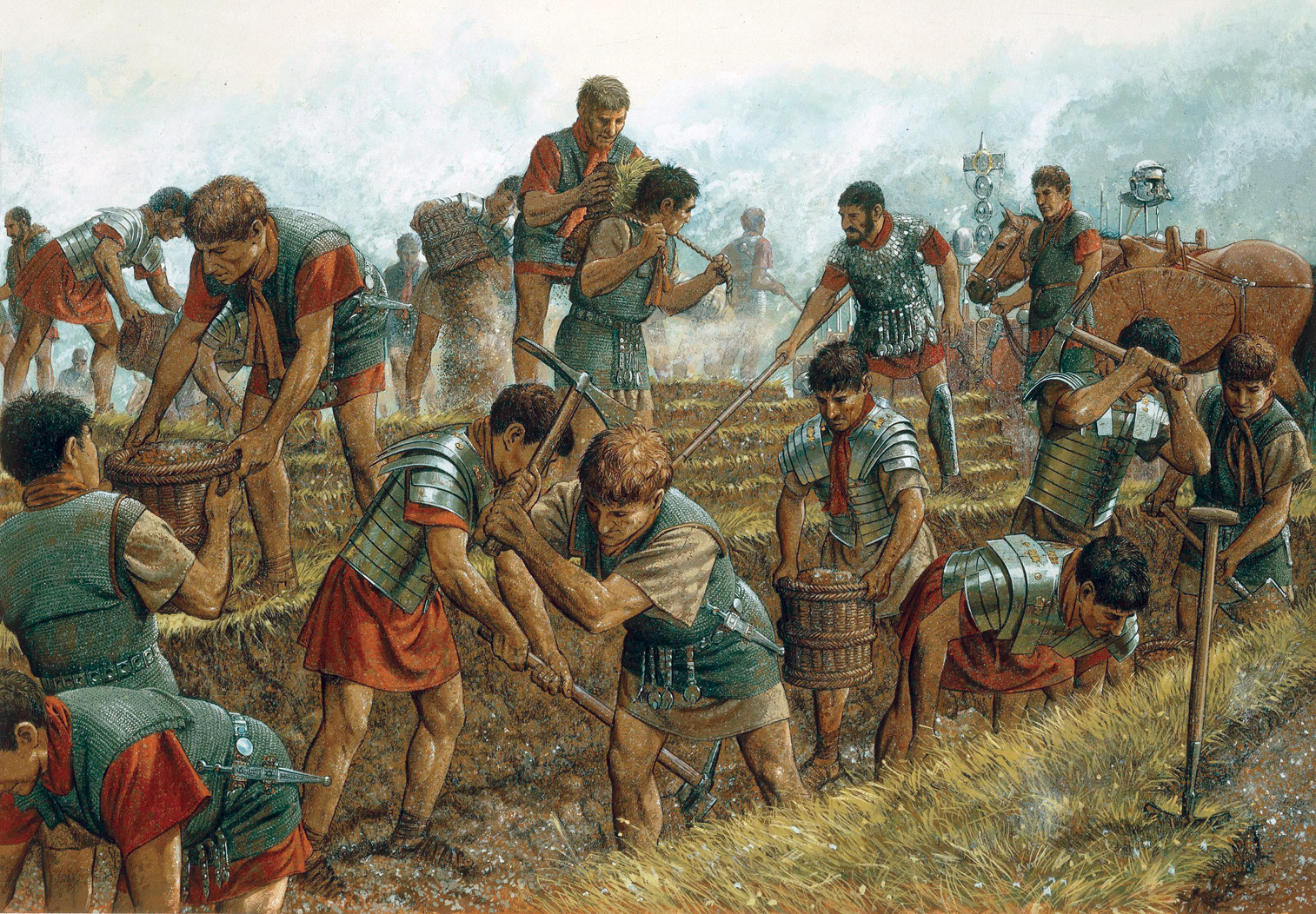
Beyond weapons and armor, soldiers carried tools for construction and daily tasks. Each legionary might carry items such as shovels, picks, and stakes for building camps and defenses. This highlights an important point: Roman soldiers were not just fighters—they were also builders and engineers. Their equipment reflected this dual role, allowing them to construct fortifications and infrastructure wherever they went.
Water supply was another essential concern. Armies needed reliable access to clean water for drinking, cooking, and hygiene. Roman commanders carefully planned routes to ensure access to rivers, springs, or other water sources. In some cases, they even built temporary systems to transport or store water. Without proper water supply, an army could not function for long, making this a key part of logistical planning.
Medical care also played a role in sustaining the army. While ancient medicine was limited, the Romans developed systems to treat injured soldiers and return them to duty when possible. Medical supplies, along with trained personnel, were part of the logistical network. Keeping soldiers healthy was just as important as feeding them, since illness and injury could weaken an army without a single battle being fought.
Another important aspect of supply logistics was organization and distribution. It was not enough to have resources—they had to be delivered to the right place at the right time. Roman armies were highly structured, with officers responsible for managing supplies and ensuring that soldiers received what they needed. This reduced waste and prevented shortages.
The ability to maintain steady supplies also allowed Roman armies to operate in a wide range of environments. Whether campaigning in the hot climates of the East or the colder regions of northern Europe, the Roman system adapted to local conditions. This flexibility was a major advantage over enemies who relied more heavily on local resources and were less prepared for long-term operations.
Campaigns like those of Julius Caesar in Gaul demonstrate the importance of supply systems. Caesar’s success depended not only on his tactics, but also on his ability to keep his legions fed and equipped while operating far from Rome. His forces built supply networks, secured resources, and maintained discipline, allowing them to continue fighting even in difficult conditions.
Failures in supply could have serious consequences. Armies that ran out of food or equipment became vulnerable, losing both strength and morale. This is why Roman commanders paid close attention to logistics, often planning campaigns around supply availability rather than purely strategic objectives.
In conclusion, supplying the Roman legions was a complex and essential part of military operations. From food and water to weapons and tools, every aspect of a soldier’s needs had to be carefully managed. The Roman ability to maintain consistent and efficient supply systems allowed their armies to operate for long periods, adapt to different environments, and sustain their dominance across vast territories. Logistics was not just support—it was the foundation that made Roman military success possible.
Key Ideas
- Soldiers relied on grain-based diets for stability and storage
- Carried their own rations for mobility and independence
- Supply systems included depots, animals, and local sourcing
- Equipment was standardized for efficiency
- Included weapons, armor, and construction tools
- Water supply was essential for survival and planning
- Medical care helped maintain army strength
- Strong organization ensured efficient distribution
- Enabled campaigns in diverse environments
- Key to success of commanders like
3. Roman Roads: The Arteries of Military Movement
One of the greatest advantages Rome had over its enemies was not just its army, but the infrastructure that supported it—especially its road network. Roman roads were far more than simple paths; they were carefully engineered military highways that allowed legions to move quickly, safely, and efficiently across vast distances. Without these roads, Rome could not have maintained control over its empire or responded rapidly to threats.
The Romans understood that speed and mobility were decisive in warfare. An army that could move faster than its enemy could choose when and where to fight, reinforce allies, or crush rebellions before they spread. Roads made this possible. They connected cities, forts, and frontiers, forming a network that acted like the circulatory system of the empire, constantly moving troops, supplies, and information.
Roman roads were built with precision and durability in mind. Unlike simple dirt tracks used by many other cultures, Roman roads were constructed in layers. Builders first dug a trench, then filled it with stones, gravel, and sand, creating a solid foundation. On top of this, they placed tightly fitted paving stones, forming a hard, stable surface. This design allowed roads to withstand heavy use and harsh weather, often lasting for centuries.
Another key feature was their straightness. Roman engineers aimed to build roads as directly as possible, cutting through hills or bridging rivers rather than taking long detours. This reduced travel time and made routes more predictable. While this approach required more effort during construction, it paid off in long-term efficiency.
Roads were also carefully planned to include drainage systems, preventing water from damaging the surface. Slight curves or slopes allowed rainwater to flow off the road, preserving its structure. These details show how advanced Roman engineering was, even in something as seemingly simple as a road.
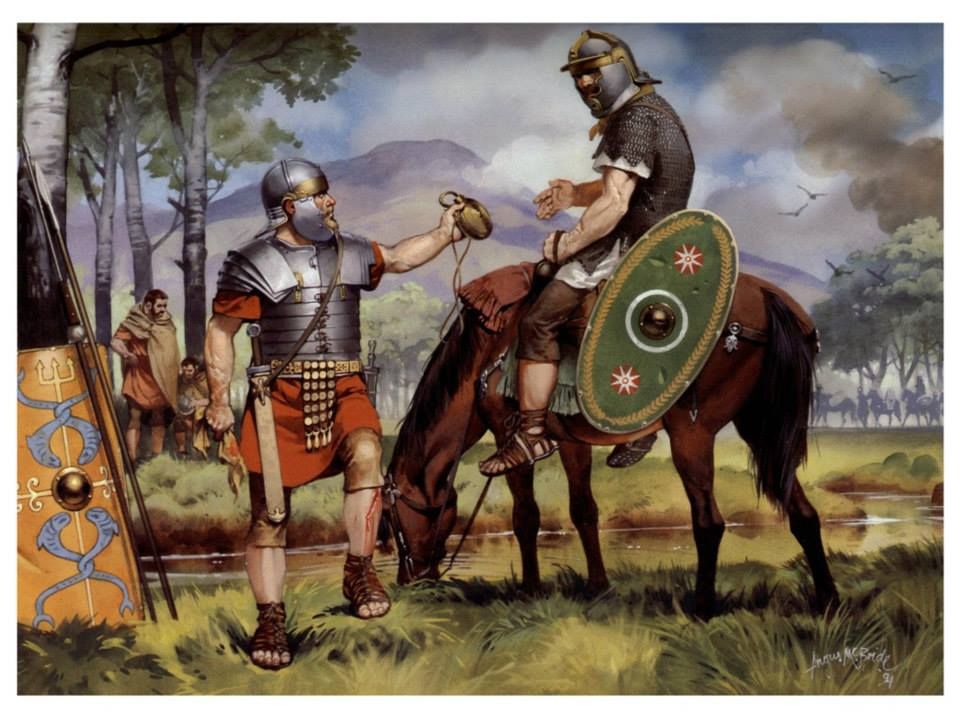
The military benefits of this network were enormous. Legions could march 20–30 kilometers per day, even while carrying heavy equipment. This speed allowed Roman commanders to react quickly to changing situations. For example, during the campaigns of Julius Caesar, rapid movement played a key role in defeating enemies who were not prepared for such fast and organized advances.
Roads also supported supply logistics. Wagons, pack animals, and messengers could travel more easily and reliably, ensuring that food, weapons, and information reached the army. Without roads, supply lines would have been slower and more vulnerable. With them, Rome could maintain long campaigns far from its core territories.
Another important function of Roman roads was communication. Messages could be sent quickly between different parts of the empire using relay systems, where messengers would travel from one station to another. This allowed commanders and officials to coordinate actions across large distances. In a time without modern technology, this level of communication was a major advantage.
Roads also played a role in control and administration. By connecting distant regions to Rome, they made it easier to govern conquered territories. Officials, tax collectors, and military units could move efficiently, ensuring that the empire remained organized and stable. In this sense, roads were not just military tools—they were essential to the functioning of the entire Roman system.
The presence of roads also had a psychological impact. For local populations, Roman roads represented power and permanence. They showed that Rome intended to stay and control the region. This could discourage resistance and reinforce the authority of the empire.
However, roads also had vulnerabilities. If an enemy could disrupt or control key routes, they could interfere with Roman movement and supply. This is why the Romans often protected important roads with forts and patrols. Maintaining control over these routes was just as important as building them.
The importance of roads is especially clear when considering regions where they were less effective. In areas like Germania, dense forests and difficult terrain limited the usefulness of roads, making movement and supply more challenging. Events like the Battle of the Teutoburg Forest showed how dangerous it could be when Roman forces operated outside their well-supported infrastructure.
Over time, the Roman road network expanded to cover tens of thousands of kilometers, linking nearly every part of the empire. Many of these roads remained in use long after the fall of Rome, and some still influence modern routes today. This lasting impact highlights their quality and importance.
In conclusion, Roman roads were a fundamental part of military logistics, enabling fast movement, reliable supply, and effective communication. They allowed Rome to project power across vast distances and maintain control over its empire. More than just physical structures, they were a system that connected every part of Roman military and political life. Without them, the success of commanders like Julius Caesar and the expansion of Rome itself would not have been possible.
Key Ideas
- Roman roads enabled fast and efficient military movement
- Built with layered construction for durability
- Designed to be straight and direct
- Included drainage systems for long-term use
- Allowed legions to march 20–30 km per day
- Supported supply lines and communication
- Helped maintain control over the empire
- Protected by forts and patrols
- Less effective in difficult terrain like Germania
- Essential to Rome’s military and administrative success

4. Marching Camps: Building a Fortress Every Night
One of the most impressive and often overlooked aspects of Roman military logistics was the practice of constructing a fortified camp at the end of each day’s march. Wherever a Roman army went, it did not simply rest in the open—it built a defensive position from scratch, turning temporary ground into a secure and organized base. This routine was not optional; it was a standard part of Roman discipline, and it played a crucial role in their long-term success.
At first glance, building a camp every night might seem like a waste of time and energy. After all, soldiers had already marched long distances carrying heavy equipment. However, the Romans understood that security, order, and readiness were worth the effort. A well-built camp protected the army from surprise attacks, maintained discipline, and ensured that soldiers were prepared for battle at any moment.
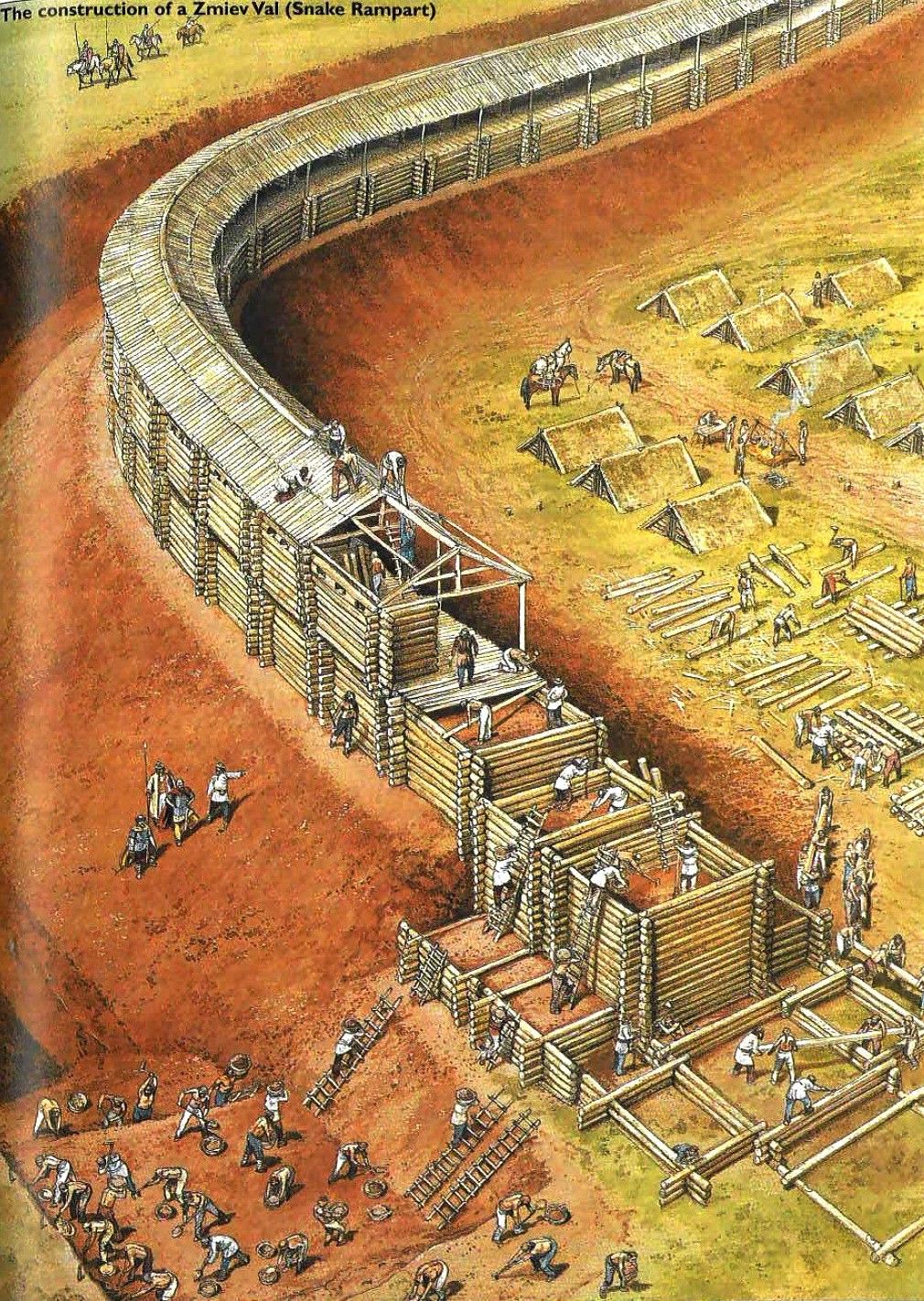
The process of building a camp was highly standardized and efficient. As soon as the army reached its stopping point, soldiers were assigned specific tasks. Some would begin marking out the layout, while others gathered materials or prepared tools. Each soldier carried equipment such as stakes and digging tools, allowing them to contribute directly to construction. This meant the army did not rely on external labor—it could build its own defenses wherever it went.
The layout of a Roman marching camp followed a consistent pattern. Camps were typically rectangular, with straight streets and clearly defined sections. At the center was the commander’s tent, surrounded by key units and storage areas. Roads ran through the camp, dividing it into organized blocks. This structure made it easy for soldiers to navigate and allowed for quick response in case of attack.
Defensive features were a key part of every camp. Soldiers dug a ditch (fossa) around the perimeter and used the removed earth to build a raised embankment (agger). On top of this, they placed wooden stakes to form a protective barrier (vallum). These defenses created a strong perimeter that made it difficult for enemies to launch a surprise attack. Even though the camp was temporary, it functioned like a small fortress.
The gates of the camp were also carefully planned. There were usually four main entrances, each positioned strategically and guarded at all times. These gates allowed controlled movement in and out of the camp while maintaining security. Guards were posted throughout the night, ensuring that the army remained protected even while resting.
This system of nightly camp construction provided several major advantages. First, it ensured constant security. Unlike many other armies that might rest in open or poorly defended positions, Roman forces were always protected. This reduced the risk of ambushes and allowed soldiers to rest more effectively, knowing they were safe.
Second, it reinforced discipline and routine. Every soldier knew his role and responsibilities. Building the camp became a daily habit, strengthening organization and teamwork. This level of discipline extended to other aspects of military life, contributing to the overall effectiveness of the Roman army.
Third, it improved readiness for battle. Because the camp was organized and structured, soldiers could quickly assemble and respond to threats. Weapons and equipment were stored in known locations, and units were positioned in predictable areas. This meant that even if an attack occurred at night or early in the morning, the army could react with speed and coordination.
The importance of marching camps becomes even clearer when compared to other ancient armies. Many opponents relied on temporary or loosely organized camps, making them vulnerable to surprise attacks. Roman camps, by contrast, provided a consistent level of protection and organization, giving them a significant advantage in both defense and morale.
Campaigns led by commanders like Julius Caesar highlight the effectiveness of this system. During his campaigns in Gaul, Caesar’s legions built camps daily, even in hostile territory. This allowed them to maintain control, secure their position, and continue operations without constant fear of attack. The ability to create a fortified base every night gave Roman forces stability in unstable environments.
Marching camps also played a role in long-term operations. In some cases, temporary camps evolved into permanent forts or bases, forming part of a wider network of Roman military infrastructure. This shows how a simple daily routine could contribute to the expansion and consolidation of the empire.
There were also psychological benefits. For Roman soldiers, the camp provided a sense of order and familiarity, even in foreign lands. For enemies, it demonstrated Roman discipline and capability. Seeing an army that could build a fortress overnight was a powerful reminder of Roman strength and organization.
Of course, building a camp every day required effort and time. Soldiers had to balance construction with marching and combat duties. However, the Romans saw this as an investment rather than a burden. The security and advantages provided by the camp far outweighed the cost in energy.
In conclusion, the practice of building marching camps was a key element of Roman logistics and military success. By creating a fortified, organized, and secure base every night, Roman armies ensured their safety, maintained discipline, and stayed ready for action. This system reflects the broader Roman approach to warfare: not just relying on strength or bravery, but on structure, preparation, and consistency. It is one of the many reasons why Rome was able to dominate its enemies and maintain control over such a vast empire.
Key Ideas
- Roman armies built a fortified camp every night
- Camps followed a standardized rectangular layout
- Included ditch, walls, and wooden stakes for defense
- Provided security against surprise attacks
- Reinforced discipline and routine
- Allowed quick battle readiness
- More organized than enemy camps
- Used effectively in campaigns of Julius Caesar
- Could evolve into permanent forts
- Combined engineering, logistics, and military strategy
5. Transport and Pack Animals: Moving an Army Across Continents
Moving a Roman army was not just about marching soldiers from one place to another—it was about transporting an entire mobile system of war. Weapons, food, tools, tents, medical supplies, and personal equipment all had to travel with the legions. This required a carefully organized system of transport and pack animals, which played a crucial role in Roman logistics. Without them, long-distance campaigns and sustained operations would have been impossible.
At the center of this system were pack animals, especially mules. Mules were preferred because they were strong, durable, and capable of carrying heavy loads over long distances. Unlike horses, which were more suited for speed and cavalry roles, mules were reliable for carrying supplies through difficult terrain. Each mule could carry significant weight, making them essential for transporting food, tools, and other necessities.
Oxen were also used, particularly for pulling heavier loads such as wagons. These animals were slower than mules but extremely strong, making them ideal for transporting bulk supplies over stable routes. In situations where large quantities of materials needed to be moved—such as during the construction of camps or fortifications—oxen and wagons were invaluable.
Despite the importance of animals, the Roman army made a deliberate effort to reduce reliance on large baggage trains. This was achieved through reforms associated with Gaius Marius, who required soldiers to carry much of their own equipment. Each legionary carried weapons, armor, tools, and personal supplies on a pole or pack, earning them the nickname “Marius’ mules.” This system increased mobility and reduced the number of animals needed, allowing armies to move faster and more efficiently.
However, pack animals still played a critical role in transporting items that soldiers could not carry themselves. These included extra food supplies, heavy equipment, siege tools, and materials for building camps. The combination of self-sufficient soldiers and animal-supported logistics created a balanced system that maximized both speed and capacity.
Transport was not limited to land. Rivers and seas were also important for moving supplies. Whenever possible, Roman armies used boats and ships to transport large quantities of goods. Water transport was often faster and more efficient than land routes, especially for heavy materials. This allowed Rome to supply distant campaigns more effectively, particularly in regions connected by rivers or coastlines.
The organization of transport was highly structured. Animals, wagons, and supplies were arranged in a specific order within the marching column. This ensured that everything moved smoothly and that important resources were easily accessible. Guards were often assigned to protect supply lines, as these were vulnerable points that enemies could target. Maintaining control over transport routes was essential for keeping the army operational.
One of the biggest challenges in transporting an army was dealing with terrain and environment. Mountains, forests, rivers, and deserts all posed obstacles. Roman logistics adapted to these conditions by adjusting the number and type of animals used, as well as the routes taken. In difficult terrain, smaller and more flexible transport systems were preferred, while open areas allowed for larger convoys.
The importance of transport becomes especially clear in campaigns like those of Julius Caesar. During his campaigns in Gaul, Caesar’s ability to move supplies efficiently allowed him to maintain pressure on his enemies and operate far from Rome. His forces combined marching discipline with logistical support, ensuring that they could continue fighting even in unfamiliar territory.
Transport systems also played a role in siege warfare. Moving siege equipment such as towers, battering rams, and artillery required significant effort. Pack animals and wagons were essential for carrying these heavy and complex tools. Without them, Roman armies would have struggled to capture fortified cities, which were often key strategic targets.
Another important factor was maintenance. Animals needed food, water, and rest, just like soldiers. Managing their needs was part of the logistical system. If animals became weak or died, the army’s ability to transport supplies would be reduced. This meant that Roman commanders had to consider not only the needs of their soldiers, but also those of their transport animals.
The system of transport also had strategic implications. An army with efficient logistics could move faster, stay supplied longer, and operate more independently. This gave Rome a major advantage over enemies who relied more heavily on local resources or less organized transport systems.
Failures in transport could lead to disaster. If supply lines were disrupted or animals lost, armies could run out of food or equipment. This would weaken morale and combat effectiveness, making the army vulnerable. For this reason, protecting and managing transport systems was a top priority for Roman commanders.
In conclusion, transport and pack animals were a vital part of Roman military logistics. By combining self-sufficient soldiers with organized animal support, Rome created a system that allowed its armies to move across continents and sustain long campaigns. From mules carrying supplies to ships transporting goods by water, every element worked together to keep the army functioning. This logistical strength was a key reason why Rome was able to expand, fight, and maintain control over such a vast empire.
Key Ideas
- Mules were primary pack animals for carrying supplies
- Oxen used for heavy loads and wagons
- Soldiers carried gear (“Marius’ mules”) from Gaius Marius reforms
- Balanced system of self-carrying and animal transport
- Used rivers and seas for efficient supply movement
- Organized marching columns for smooth transport
- Adapted to different terrains and environments
- Crucial in campaigns like those of Julius Caesar
- Supported siege warfare and heavy equipment movement
- Essential for mobility, endurance, and military success
6. Command and Organization: How Rome Coordinated Massive Forces
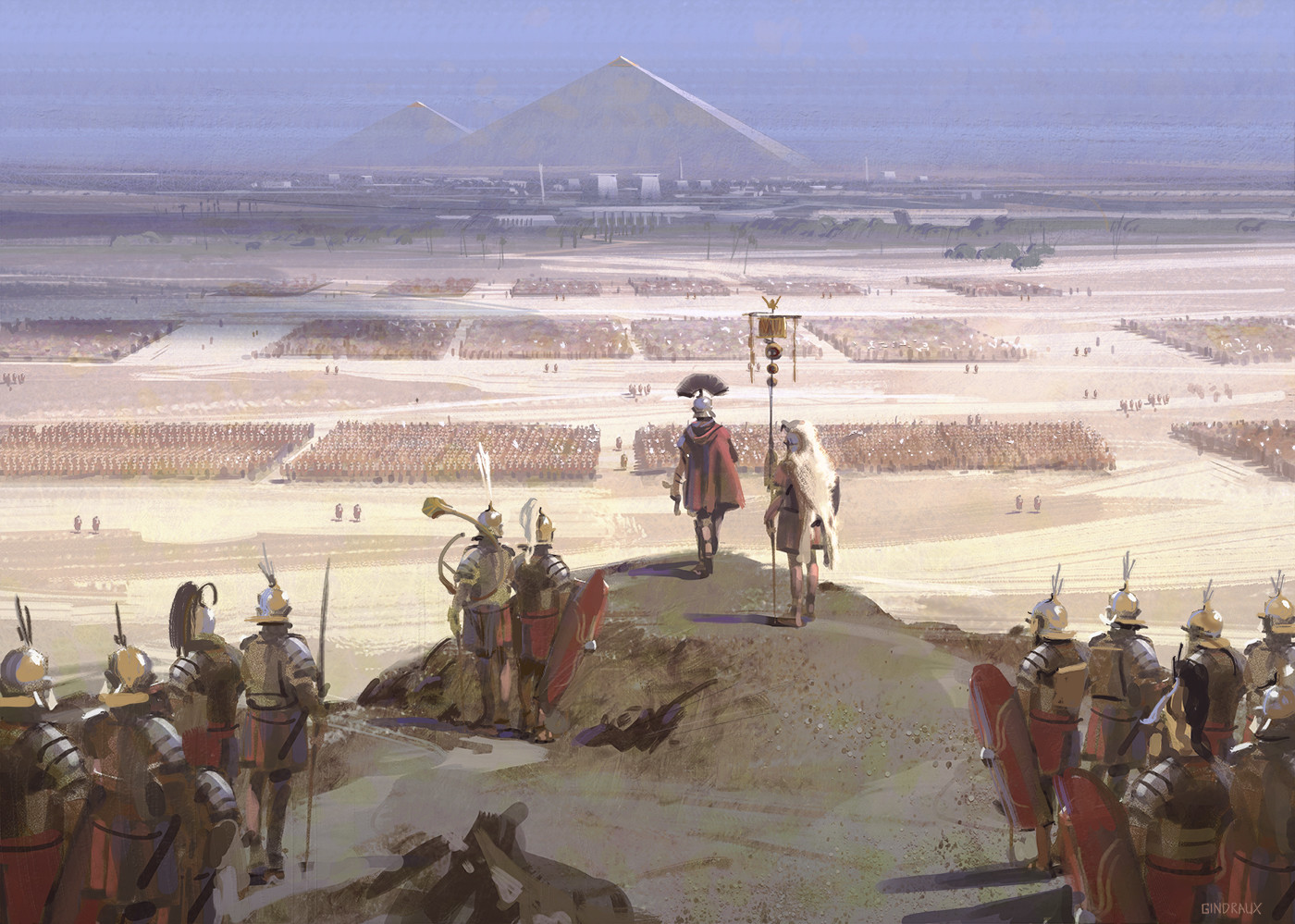
The Roman army was not just powerful because of its soldiers or equipment—it was effective because of its exceptional command structure and organization. Managing thousands of troops across vast distances required more than bravery or strength. It required a system that could coordinate movement, distribute orders, manage resources, and maintain discipline at every level. This is where Roman logistics and command truly stood out from their enemies.
At the top of the system was the overall commander, often a consul, proconsul, or emperor. Figures like Julius Caesar were responsible for setting strategy, making key decisions, and directing the army as a whole. However, Rome did not rely on a single individual. Instead, it built a layered chain of command that ensured orders could be passed down efficiently and carried out without confusion.
A Roman legion was divided into smaller units, each with its own officers. The most important of these were the centurions, who commanded units of around 80 men. Centurions were experienced soldiers, often promoted through the ranks, and they played a crucial role in maintaining discipline and executing orders. Because of this structure, commands from the top could be broken down into clear instructions at every level, ensuring that the entire army moved as a single, coordinated force.
Above the centurions were higher-ranking officers who oversaw larger units and helped manage the overall structure of the legion. This hierarchy created a system where responsibility was shared, and no single point of failure could disrupt the entire army. If one leader was lost, others could continue the chain of command, maintaining stability even in chaotic situations.
One of the key strengths of Roman organization was standardization. Units were structured in consistent ways, making it easier to coordinate actions and replace losses. Soldiers were trained to follow the same procedures, use the same equipment, and respond to the same commands. This uniformity allowed the army to function smoothly, even when operating in unfamiliar environments or under pressure.
Communication was another essential part of coordination. Orders had to be delivered quickly and accurately across large distances, both within the army and between different forces. The Romans used a variety of methods, including messengers, signal flags, horns, and visual signals, to transmit information. These systems allowed commanders to adjust tactics during battle and coordinate movements over long distances.
Logistics and command were closely connected. Officers were responsible not only for leading troops in combat, but also for ensuring that supplies were distributed and resources managed effectively. This meant that leadership in the Roman army required both military skill and administrative ability. Commanders had to think about food, equipment, and movement just as much as they thought about tactics.
The ability to coordinate massive forces is especially evident in large campaigns. During the Gallic Wars, Julius Caesar managed multiple legions across different regions, often operating simultaneously. His success depended on clear communication, reliable officers, and a structured system that allowed him to control complex operations. Without this organization, such campaigns would have been impossible.
Another important aspect of Roman command was discipline. Soldiers were expected to follow orders without hesitation, and strict rules ensured that the army remained organized. Punishments for disobedience could be severe, but they reinforced the importance of unity and coordination. Discipline ensured that even in difficult situations, the army would act as a single entity rather than a collection of individuals.
The Roman system also allowed for flexibility within structure. While the overall organization was strict, commanders could adapt to changing conditions. Units could be repositioned, strategies adjusted, and resources redirected as needed. This balance between structure and adaptability gave Rome an advantage over enemies who were either too rigid or too disorganized.
Coordination extended beyond the battlefield. Roman armies often worked alongside engineers, supply units, and administrative officials. Building roads, camps, and fortifications required cooperation between different groups. The ability to integrate these functions into a single system was a major strength of Roman logistics.
The importance of command and organization becomes even clearer when looking at failures. When coordination broke down, even Roman armies could suffer defeat. The Battle of the Teutoburg Forest is a key example, where poor communication and difficult terrain disrupted the Roman command structure. This showed that even the best system depended on maintaining control and coordination.
Compared to many of their enemies, Roman forces were far more organized. Opposing armies often relied on tribal leaders or temporary alliances, which could lead to confusion and lack of coordination. Roman command structure, by contrast, provided consistency, reliability, and efficiency, allowing them to operate effectively over long periods and large distances.
In conclusion, the success of the Roman army depended heavily on its command and organizational system. By creating a clear chain of command, standardizing units, and maintaining strong communication, Rome was able to coordinate massive forces with precision. Leaders like Julius Caesar were effective not just because of their personal skill, but because they operated within a system designed for control and efficiency. This combination of leadership and structure made Roman logistics one of the most advanced and effective in the ancient world.
Key Ideas
- Roman success relied on strong command structure
- Clear chain of command from generals to centurions
- Centurions ensured discipline and execution of orders
- Standardized units improved coordination
- Communication through signals and messengers
- Leaders managed both combat and logistics
- Discipline ensured unity and efficiency
- Allowed flexibility within structured system
- Demonstrated in campaigns of Julius Caesar
- Failures like Battle of the Teutoburg Forest show importance of coordination
7. Logistics in Action: Campaign Case Studies from Caesar to Germania
Understanding Roman logistics in theory is important—but seeing it applied in real campaigns is what truly shows its power. Rome did not dominate the ancient world simply because of discipline or tactics; it succeeded because it could sustain, move, and coordinate armies over long periods and vast distances. By examining real campaigns, especially those led by Julius Caesar and operations in Germania, we can clearly see how logistics determined success—or failure.
One of the best examples of Roman logistical excellence is Caesar’s campaign in Gaul (58–50 BCE). At the start, Caesar faced multiple tribes across a huge and unfamiliar region. Victory in a single battle was not enough—he needed to maintain a long-term presence. This required a system that could feed, equip, and move several legions continuously.
Caesar solved this by combining local resources with organized supply lines. In friendly or conquered areas, he secured grain and supplies from local populations. At the same time, he ensured that his legions carried enough provisions to remain independent when necessary. This balance allowed him to operate even in hostile territory.
A famous example of logistical innovation during this campaign is Caesar’s construction of a bridge across the Rhine River. Instead of relying on boats, he ordered his troops to build a massive wooden bridge in just ten days. This was not only an engineering achievement—it was a logistical statement. It showed that Roman forces could move anywhere, overcome natural obstacles, and maintain supply lines even across major barriers.
Another key moment is the siege of Alesia (52 BCE). Caesar’s army surrounded a fortified Gallic position while also defending against a massive relief force. To manage this, the Romans built two lines of fortifications—one facing inward toward the city and one outward against incoming enemies. Maintaining this position required precise logistics: food had to be rationed, supplies had to be secured, and troops had to be coordinated across a complex defensive system. The victory at Alesia was not just tactical—it was a triumph of organization, supply management, and engineering.
However, Roman logistics was not always successful. The Battle of the Teutoburg Forest is one of the clearest examples of what happens when the system breaks down. In this campaign, Roman forces under Varus were moving through Germania, a region with dense forests and limited infrastructure. Unlike Gaul, Germania lacked developed roads and reliable supply networks.
As the army advanced, it became stretched out and vulnerable. The terrain made it difficult to maintain formation and communication. Supply lines were harder to protect, and movement became slow and disorganized. Taking advantage of these weaknesses, Germanic forces led by Arminius launched a series of ambushes. Over several days, the Roman legions were destroyed.
This defeat highlights a critical point: Roman logistics depended heavily on infrastructure, planning, and control of the environment. In Germania, these elements were missing. The Romans could not rely on their usual systems, and without them, even experienced legions were vulnerable.
Despite this disaster, Rome learned from its mistakes. Future operations in frontier regions placed greater emphasis on secure supply lines, fortified positions, and controlled movement. Instead of deep, unsupported advances, Roman strategy shifted toward consolidation—building forts, roads, and defensive lines to stabilize the frontier.
Another example of logistics in action can be seen in Roman campaigns in the East, where long distances and harsh climates required careful planning. Armies had to deal with heat, limited water sources, and extended supply routes. Roman commanders adapted by using river transport, supply depots, and coordinated movements to maintain their forces. These campaigns show that Roman logistics was not fixed—it could evolve based on conditions.
What ties all these examples together is the idea that logistics determined what was possible. Caesar could win in Gaul because he maintained supply and movement. The Romans failed in Germania because those systems collapsed. Success or failure was not just about bravery or tactics—it was about whether the army could sustain itself in the field.
Logistics also influenced strategic decisions. Commanders had to consider where supplies would come from, how troops would move, and whether the environment supported long-term operations. Campaigns were planned around these factors, not just enemy positions. This level of planning gave Rome a major advantage over opponents who relied more on immediate opportunities rather than long-term organization.
Another important lesson from these case studies is the role of engineering and adaptability. Building bridges, fortifications, and roads allowed Roman armies to shape their environment. They did not simply react to conditions—they changed them to fit their needs. This ability to combine logistics with engineering made Roman campaigns more flexible and effective.
In conclusion, Roman logistics was not just a support system—it was the deciding factor in military campaigns. From the organized success of Julius Caesar in Gaul to the catastrophic failure at the Battle of the Teutoburg Forest, these examples show how supply, movement, and coordination shaped outcomes. Rome’s ability to sustain its armies gave it unmatched power, but when that system failed, even the strongest legions could fall. Logistics was the difference between conquest and collapse.
Key Ideas
- Campaigns show logistics in real action
- Julius Caesar relied on supply and local resources in Gaul
- Rhine bridge showed engineering + mobility
- Siege of Alesia required precise supply and coordination
- Battle of the Teutoburg Forest showed failure of logistics
- Germania lacked roads and infrastructure
- Led by Arminius ambush tactics exploited weaknesses
- Rome adapted with stronger frontier logistics
- Logistics shaped strategy and decision-making
- Key factor between victory and defeat
