
The Parthian Campaign of Emperor Trajan was one of the most ambitious military expeditions in the entire history of the Roman Empire. Between AD 113 and 117, Roman armies marched deep into the East, conquered Armenia and Mesopotamia, captured the powerful Parthian capital of Ctesiphon, and reached the shores of the Persian Gulf. For a brief period, Rome appeared to have pushed its eastern frontier farther than ever before.
But the campaign was about much more than spectacular victories.
Behind Trajan’s advance was a much older struggle between Rome and the Parthian Empire, two of the most powerful states of the ancient world. For centuries, both powers competed for influence over territories such as Armenia and Mesopotamia. These regions were strategically important because they stood between the Roman and Parthian spheres of influence. Whoever controlled them could gain an important position for military operations and political influence in the East.
Trajan inherited this rivalry and eventually chose to confront it directly.
The immediate crisis centered on Armenia. Rome and Parthia disagreed over the political status of the Armenian kingdom, and Trajan used the dispute as the starting point for a much larger military operation. What began as an intervention in Armenia soon developed into a major Roman offensive against Parthian territory.
The campaign presented Rome with challenges very different from those faced on its European frontiers. Roman armies had to operate far from Italy and the Mediterranean, crossing major rivers and moving through unfamiliar landscapes. Maintaining an army thousands of kilometers from Rome required enormous logistical organization.
Trajan’s soldiers nevertheless achieved remarkable victories. They advanced through Armenia and into Mesopotamia, capturing important cities and eventually reaching Ctesiphon. The capture of the Parthian capital was an extraordinary achievement and demonstrated the military strength of the Roman Empire at the height of its power.
Yet the campaign also exposed a major weakness in Roman expansion: conquering territory was easier than permanently controlling it.
As Roman armies advanced deeper into the East, they created longer supply lines and had to defend increasingly large territories. Revolts began breaking out behind the advancing army, forcing Roman commanders to divide their attention between further conquest and maintaining control over lands already occupied.
By AD 117, Trajan’s eastern empire had reached its greatest extent. But the emperor died that same year, leaving his successor Hadrian with the difficult task of deciding what could realistically be defended.
Hadrian eventually abandoned most of Trajan’s new eastern territories.
This makes the Parthian Campaign particularly fascinating. It was both a spectacular Roman military success and a demonstration of the limits of imperial expansion. Trajan proved that Rome could march deep into the heart of the East, but the events that followed showed that military conquest did not automatically create a stable or sustainable frontier.
In this article, we will examine why Trajan went to war, how the Roman invasion unfolded, the major battles and conquests, the capture of Ctesiphon, the logistical problems facing the Roman army, the rebellions that followed, and why Hadrian eventually abandoned most of Trajan’s eastern conquests.
1. The Road to War — Why Trajan Invaded the East
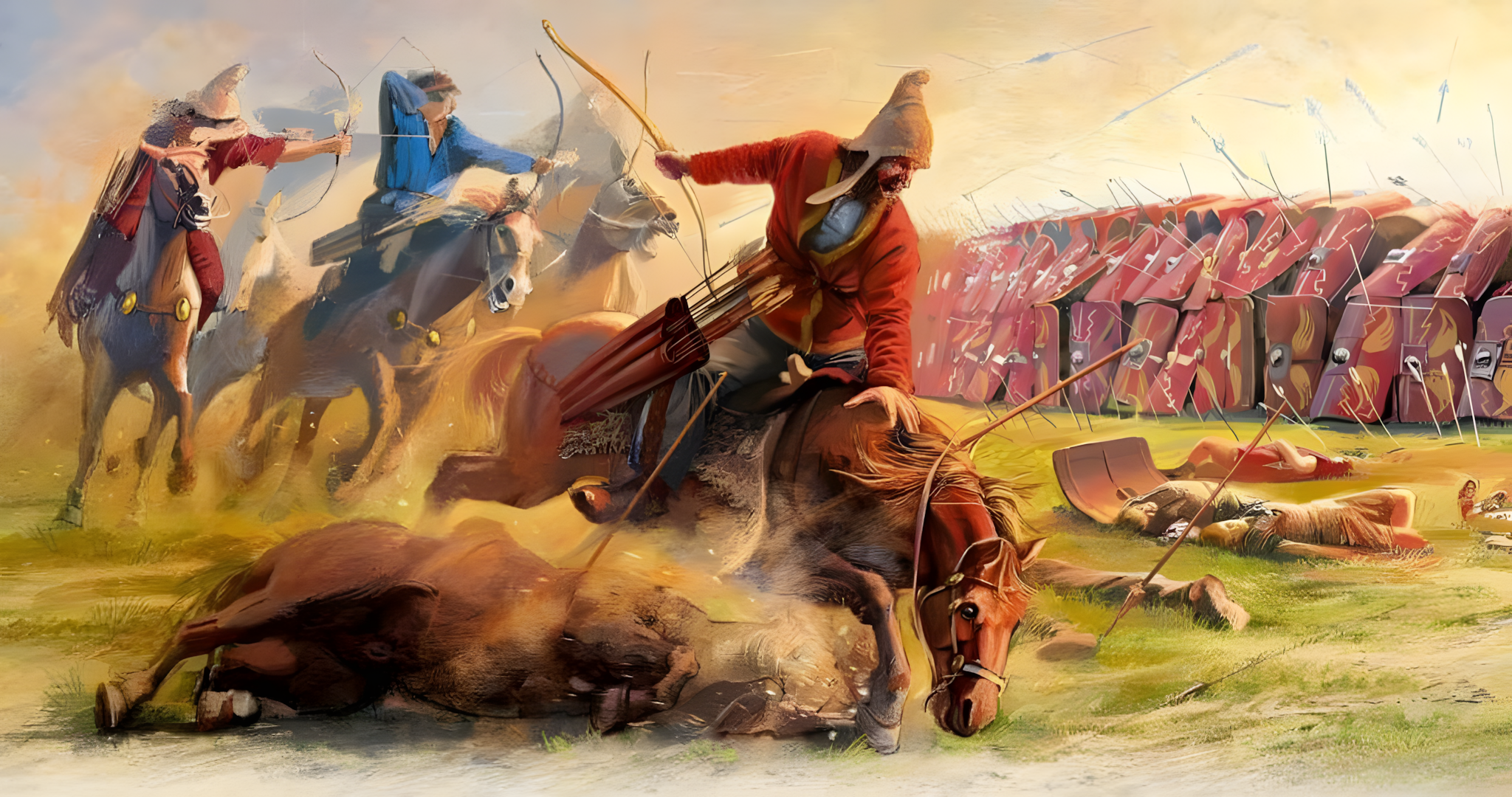
The Parthian Campaign did not begin suddenly. It was the result of a long rivalry between Rome and the Parthian Empire, two of the most powerful states of the ancient world. For centuries, both powers competed for influence across Armenia, Mesopotamia, and the territories between the Roman and Parthian spheres. By the reign of Emperor Trajan, tensions in the East had created an opportunity for Rome to launch a major military intervention.
The most immediate issue was Armenia.
Armenia occupied an extremely important strategic position. It stood between the Roman and Parthian worlds, making it a valuable buffer state and an important route into the Caucasus and Mesopotamia. Both Rome and Parthia wanted political influence over the Armenian kingdom.
For Rome, Armenia was not simply a distant kingdom. Its political alignment could affect the security of the entire eastern frontier. A ruler favorable to Parthia could potentially strengthen Parthian influence close to Roman territory.
Earlier Roman emperors had already struggled with this problem. Rome and Parthia had repeatedly competed over who would control Armenia’s throne, sometimes reaching diplomatic agreements and sometimes coming close to war.
When Trajan became emperor in AD 98, he inherited this complicated situation. Unlike some of his predecessors, Trajan was interested in major military expansion. He had already demonstrated his willingness to undertake ambitious campaigns during the Dacian Wars, and the East provided another opportunity to increase Roman power.
The immediate crisis came when the Parthian king Osroes I became involved in the Armenian succession. A ruler named Axidares had been placed on the Armenian throne, but Osroes later replaced him with Parthamasiris, a member of the Parthian royal family.
Trajan viewed this as unacceptable.
From the Roman perspective, Parthia was interfering with an issue that Rome considered strategically important. Trajan therefore decided to intervene directly rather than continue relying on diplomatic arrangements.
In AD 113, Trajan began preparing for a major eastern expedition.
The scale of the operation was enormous. Roman troops had to move from different parts of the empire toward the East, while supplies and military equipment had to be organized for a campaign that would take the army far beyond the established Roman frontier.
Trajan’s objective was also broader than simply settling the Armenian succession.
The emperor wanted to strengthen Roman authority in the East and demonstrate that Rome could challenge Parthia directly. The campaign would eventually develop into a full-scale invasion of Parthian territories.
In AD 114, Trajan entered Armenia with his army. Parthamasiris attempted to negotiate with the Roman emperor, but Trajan refused to restore him to power. Instead, Armenia was brought under direct Roman control.
This was a major turning point.
Rome had moved beyond diplomatic competition with Parthia and had begun actively expanding its territory eastward.
Trajan then turned his attention toward Mesopotamia. The campaign was becoming much larger than the original Armenian dispute.
This decision carried enormous risks. The Roman army would have to operate far from its traditional bases, cross major rivers, maintain long supply lines, and control populations that had never been securely incorporated into the Roman Empire.
Yet Trajan continued.
His eastern campaign would soon become one of the greatest examples of Roman military expansion. Roman forces would move through Armenia and Mesopotamia, capture major cities, and eventually reach Ctesiphon, the heart of the Parthian Empire.
The road to war therefore began with a dispute over Armenia, but Trajan transformed that dispute into something much larger: a massive Roman offensive designed to challenge Parthian power and push the empire farther east than ever before.
5 Main Ideas
- Rome and Parthia competed for influence across Armenia and Mesopotamia for centuries.
- Armenia was strategically important because it stood between the two great empires.
- Trajan intervened after Parthian involvement in the Armenian succession.
- In AD 114, Trajan brought Armenia under direct Roman control.
- What began as an Armenian dispute developed into a major Roman invasion of Parthian territory.
2. The Roman Invasion of Armenia — Trajan Moves East
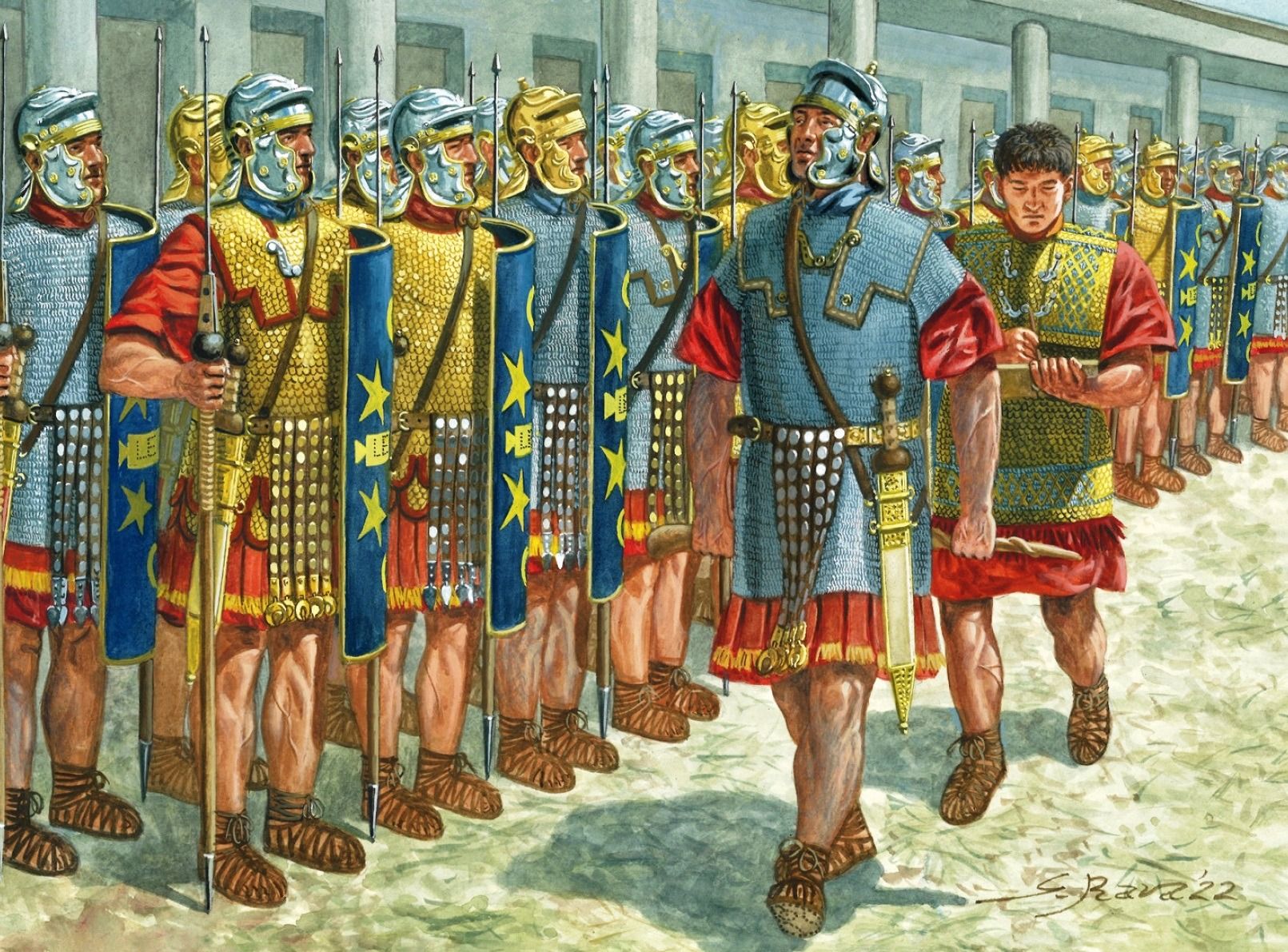
In AD 114, Emperor Trajan began the eastern phase of his campaign by moving a large Roman army into Armenia, transforming the political dispute between Rome and Parthia into a direct military confrontation. Armenia had long been one of the most important points of competition between the two empires, and Trajan now intended to settle the issue through Roman military power.
Armenia was strategically important because it occupied a position between the Roman and Parthian spheres of influence. Control over the kingdom could give either empire influence over routes leading toward Mesopotamia, the Caucasus, and the eastern Roman frontier.
Trajan’s arrival immediately changed the political situation. The Armenian king Parthamasiris, who had been supported by the Parthian king Osroes I, attempted to negotiate with the Roman emperor. According to Roman accounts, Parthamasiris met Trajan and hoped that a political arrangement could preserve his position as ruler.
Trajan refused to accept the existing arrangement.
Instead of allowing Armenia to remain under a ruler connected to Parthia, Trajan decided to establish direct Roman authority over the kingdom. Parthamasiris was removed from power, and Armenia was subsequently incorporated into the Roman imperial system.
This represented an important change in Roman policy. Rome had previously relied heavily on client kings and diplomatic influence in Armenia. Trajan was now choosing direct territorial control, bringing the kingdom much more closely under Roman administration.
The Roman army then continued operating across Armenia. The region presented considerable military difficulties. Its landscape included mountains, valleys, high plateaus, and narrow routes, all of which could make the movement of a large army slow and complicated.
Roman soldiers also had to maintain their supply system while operating far from the Mediterranean. Food, weapons, equipment, horses, and reinforcements had to reach the army, while communications between different Roman units had to remain reliable.
Roman engineering and organization helped overcome some of these difficulties. The army could construct fortified camps, roads, bridges, and temporary military infrastructure as it advanced.
Trajan’s forces nevertheless achieved their immediate objective. By bringing Armenia under Roman control, the emperor secured an important strategic position before turning his attention farther south.
However, Armenia was only the beginning.
The conquest placed Roman forces directly on the approach toward Mesopotamia, where Parthian influence was much stronger. Trajan now had to decide whether to stop after securing Armenia or continue the offensive.
He chose to continue.
The campaign therefore moved from a dispute over a single strategically important kingdom toward a much larger war against Parthian territory itself.
The conquest of Armenia also sent a powerful political message. Rome was no longer satisfied with simply competing with Parthia for influence through diplomacy. Trajan intended to demonstrate that Rome could impose its own political order in the East.
This decision would have enormous consequences. Roman armies would soon advance into Mesopotamia, capture important cities, and eventually threaten the heart of Parthian power.
The Armenian campaign was therefore the opening stage of Trajan’s greatest eastern offensive. It gave Rome an important strategic foothold, but it also committed the emperor to a much larger and more difficult conflict.
5 Main Ideas
- Trajan invaded Armenia in AD 114, beginning the major eastern phase of his campaign.
- Armenia was strategically important because it stood between the Roman and Parthian spheres of influence.
- Trajan removed Parthamasiris and established direct Roman control over Armenia.
- Roman forces faced difficult mountainous terrain and demanding logistics.
- The conquest of Armenia opened the way toward Mesopotamia and the heart of Parthian territory.
3. The Conquest of Mesopotamia — Rome Enters Parthian Territory
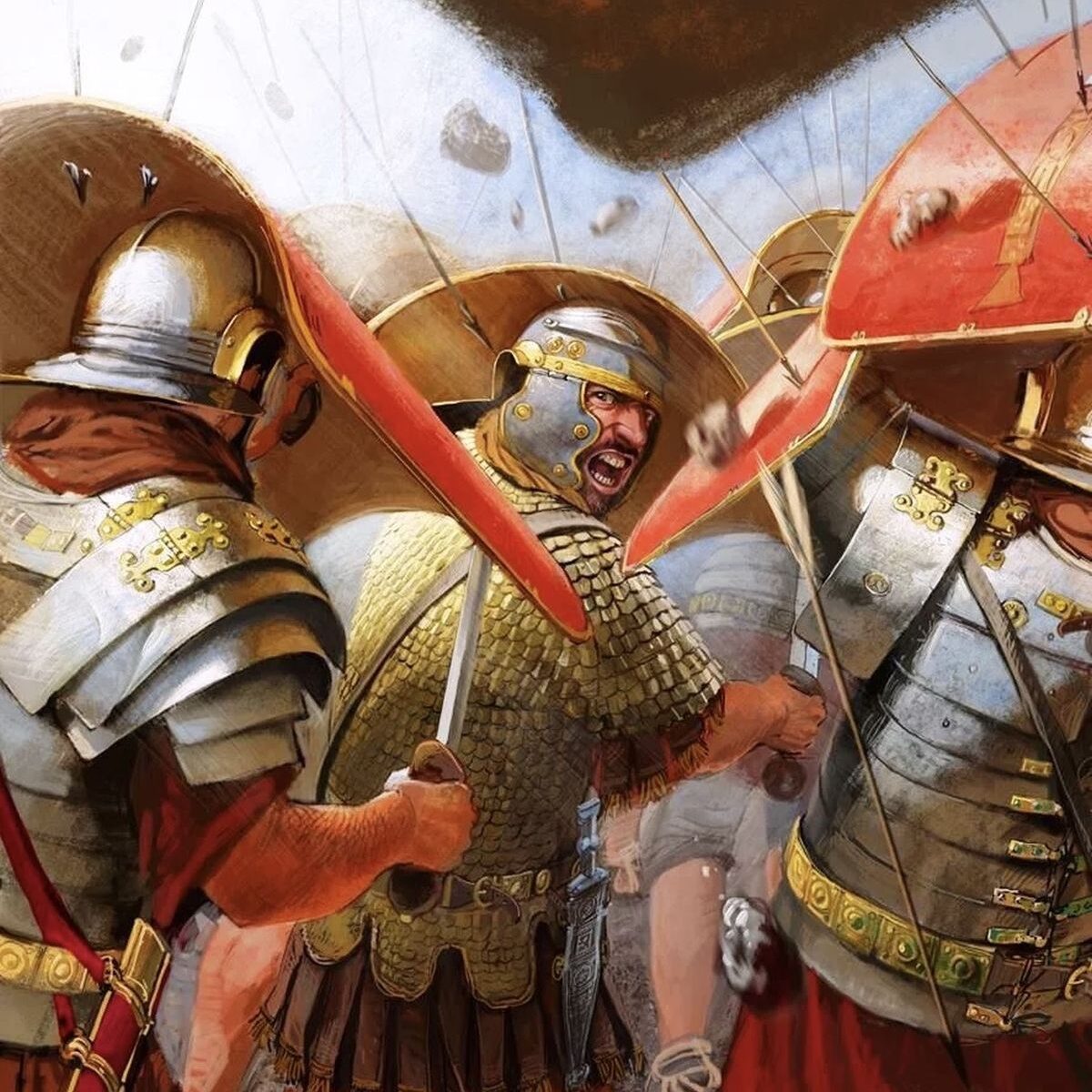
After securing Armenia, Trajan turned his attention south toward Mesopotamia, taking the Roman campaign into territory directly connected with the Parthian Empire. This was a major escalation. Rome was no longer simply influencing a buffer kingdom; Roman armies were now advancing into one of the most important regions of the ancient Near East.
Mesopotamia was strategically valuable because of its fertile river valleys, major cities, trade routes, and position between the Euphrates and Tigris rivers. Controlling the region could give Rome access to important commercial and military routes leading farther east.
Trajan’s army advanced into northern Mesopotamia in AD 114–115. Several important settlements came under Roman control, and Roman forces gradually established themselves across the region.
The campaign was not simply a matter of marching from one city to another. The Roman army had to deal with the region’s rivers, extreme distances, climate, and supply requirements. The Euphrates and Tigris were particularly important because they could either assist Roman movement or create major obstacles.
Roman engineers played an important role. The army was capable of constructing bridges, roads, fortified camps, and temporary crossings, allowing large numbers of soldiers and supplies to move through difficult areas.
Trajan’s advance was also helped by political divisions within Parthian territory. The Parthian Empire was not organized in exactly the same way as the Roman Empire. It consisted of a collection of territories and powerful local rulers whose loyalty to the central government could vary.
This meant that the Romans could sometimes exploit local rivalries and political divisions as they advanced.
Trajan continued pushing south and eventually reached the region around Babylonia. Roman forces captured several important cities, and Roman authority expanded rapidly.
One of the most important developments came when Trajan’s forces approached Ctesiphon, the major royal center of the Parthian Empire.
Ctesiphon was located near the Tigris River and was closely associated with the political power of the Parthian kings. Its capture would represent far more than the occupation of another city. It would demonstrate that the Roman army had penetrated deep into the heart of Parthian territory.
Before reaching Ctesiphon, however, Trajan had to continue solving the logistical problems created by the campaign.
The farther the Romans advanced, the longer their supply lines became. Food, weapons, reinforcements, and other equipment had to travel enormous distances. Roman commanders also had to maintain garrisons in territories already conquered.
This created a growing strategic problem: every victory increased the amount of territory Rome had to defend.
Trajan nevertheless continued the offensive.
By AD 116, Roman forces had captured Ctesiphon, marking one of the greatest military achievements of Trajan’s reign. The Parthian king Osroes I was forced to flee, while Trajan continued to expand Roman influence farther east and south.
The capture of Ctesiphon demonstrated the extraordinary reach of the Roman military. Rome had moved from the Mediterranean world through Armenia and Mesopotamia and into the political heartland of its greatest eastern rival.
But the campaign was entering a dangerous stage.
Roman armies could conquer cities, but holding Mesopotamia was a much more difficult task. Local resistance began increasing, and disturbances appeared in areas that the Romans had already conquered.
Trajan therefore faced a growing contradiction. His army was achieving remarkable victories, but every additional conquest created new defensive responsibilities and longer logistical routes.
The conquest of Mesopotamia was consequently both a military triumph and the beginning of a major strategic problem.
5 Main Ideas
- After Armenia, Trajan advanced into Mesopotamia, taking the war directly into Parthian territory.
- The region’s rivers, climate, distances, and major cities created serious logistical challenges.
- Roman engineering helped the army cross rivers and maintain roads, bridges, and fortified camps.
- Roman forces captured important cities and eventually reached Ctesiphon, the Parthian royal center.
- The rapid expansion created a growing problem of long supply lines and defending newly conquered territory.
4. The Capture of Ctesiphon — Rome Reaches the Heart of Parthia
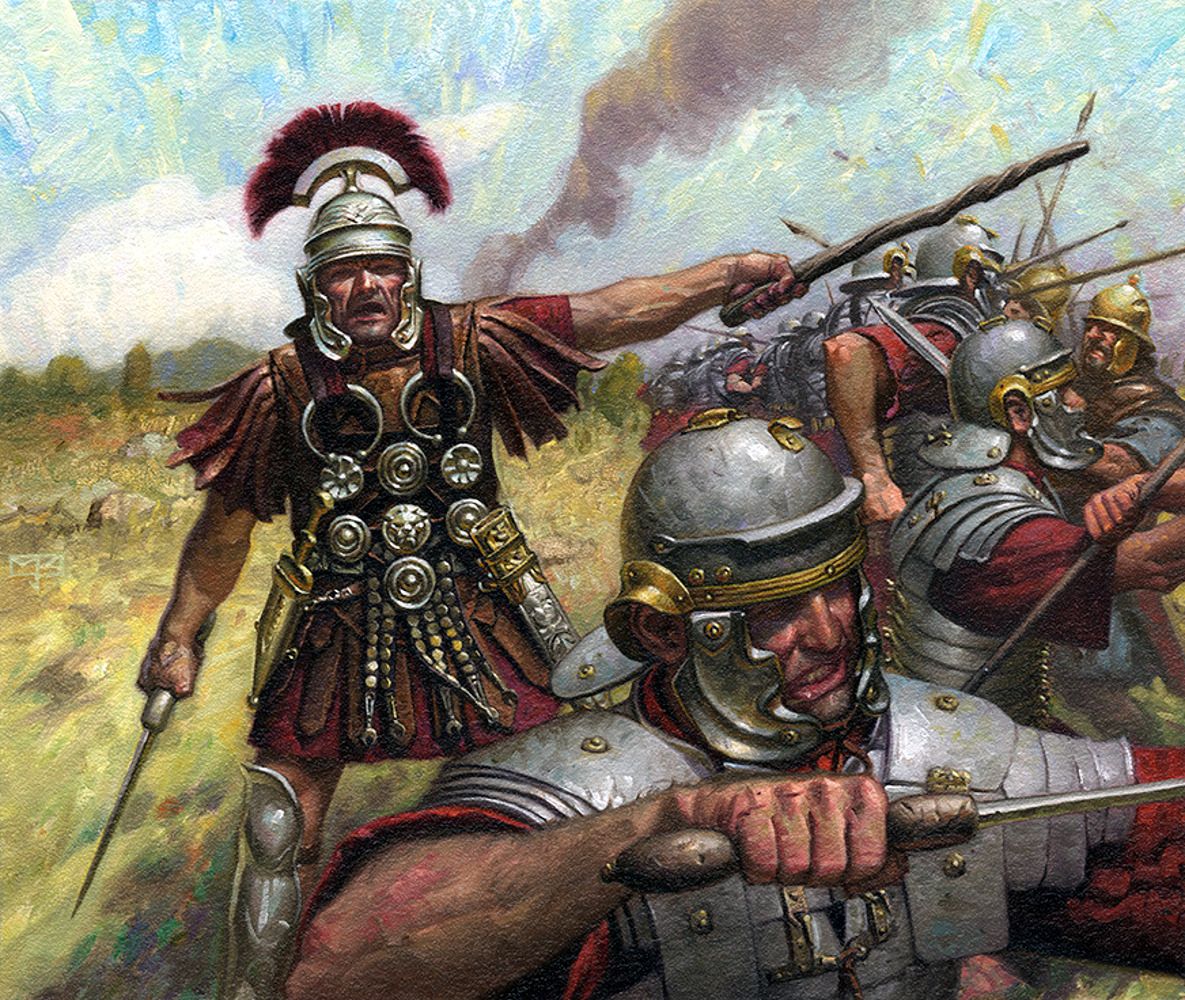
The capture of Ctesiphon in AD 116 was the most spectacular moment of Trajan’s Parthian Campaign. After conquering Armenia and advancing through Mesopotamia, the Roman army had reached the political heartland of the Parthian Empire. Ctesiphon was not merely another city. It was one of the most important royal centers of Parthian power, located on the Tigris River near modern Baghdad.
For Trajan, capturing Ctesiphon demonstrated that Rome could take the war deep into territory that had previously been dominated by Parthia.
The journey to Ctesiphon had already required enormous military organization. Roman troops had moved through Armenia and Mesopotamia, while engineers constructed crossings and Roman commanders maintained communication with forces operating in different parts of the newly conquered territory.
The Tigris River presented one of the biggest geographical challenges.
Trajan’s army needed to cross the river while continuing its advance. Roman engineers were highly experienced at military bridge construction, and they developed methods for moving troops and equipment across major waterways.
Once the Romans crossed the Tigris, the road toward Ctesiphon became more direct.
The Parthian forces did not simply disappear, however. Parthia still possessed substantial military resources, and its rulers could rely on local support, cavalry forces, and the enormous distances of their empire to make Roman occupation difficult.
The Roman army eventually reached Ctesiphon.
The city was extremely important because it represented the political authority of the Parthian monarchy. Capturing it was therefore both a military and symbolic victory.
Trajan entered the city and took control of the royal center. The Roman victory demonstrated how far the empire’s armies had advanced. Rome had conquered territory hundreds of miles beyond its traditional eastern frontier and had captured the principal seat of its greatest eastern rival.
The significance of the victory was enormous.
Trajan could now claim that Roman forces had defeated the Parthian political center and extended Roman authority across large parts of Mesopotamia.
The emperor even took steps to establish Roman control over additional territories. The newly conquered regions were organized into Roman provinces, including Mesopotamia, while Armenia had already been incorporated into the empire.
But the capture of Ctesiphon created a major problem.
Trajan had reached the furthest point of his eastern expansion, but he now had to hold everything he had conquered.
The Roman army was operating extremely far from its established bases. A permanent occupation required garrisons, roads, supplies, administrators, and reinforcements.
The problem became even more serious because resistance began appearing behind the Roman army.
Revolts broke out in several parts of the eastern territories, forcing Roman forces to divide their attention. Soldiers who might otherwise have supported further advances had to be used to secure conquered cities and suppress resistance.
This revealed the central weakness of Trajan’s strategy.
Ctesiphon could be captured in a campaign, but an entire empire could not be controlled simply by capturing its capital.
The Parthian Empire still had resources beyond the territory directly occupied by Rome. Local rulers could resist Roman authority, while the huge distances made it difficult for Rome to respond quickly to every rebellion.
Trajan nevertheless continued his ambitious eastern plans. After the capture of Ctesiphon, he moved farther south and eventually reached the Persian Gulf.
This represented the maximum geographical reach of the Roman Empire.
Yet the further Trajan advanced, the more difficult it became to maintain the enormous territory behind him.
The capture of Ctesiphon was therefore both the high point of Roman military expansion in the East and the moment when the problems of overextension became increasingly obvious.
Rome had demonstrated that it could conquer the Parthian capital. The much harder question was whether Rome could keep what it had conquered.
5 Main Ideas
- Ctesiphon was captured in AD 116, becoming the greatest Roman victory of Trajan’s eastern campaign.
- The city was a major royal and political center of the Parthian Empire.
- Roman engineers and soldiers overcame major obstacles, including the Tigris River.
- Capturing Ctesiphon demonstrated the enormous military reach of Rome.
- The victory also exposed the problem of overextension, because maintaining such distant conquests required enormous military and logistical resources.
5. Reaching the Persian Gulf — Trajan's Greatest Eastern Expansion
After the capture of Ctesiphon, Trajan did something that few Roman commanders could have imagined: he continued farther south toward the Persian Gulf. By this stage of the campaign, Roman forces had already conquered large areas of Armenia and Mesopotamia, defeated or displaced Parthian authorities, and captured one of the empire’s most important royal centers.
The advance toward the Persian Gulf represented the maximum geographical extent of Trajan’s eastern campaign.
The Romans followed the course of the Tigris River, using the river system to support movement through Mesopotamia. Rivers were extremely important to ancient armies because transporting large quantities of supplies over water could be easier than moving everything by land.
Trajan’s forces eventually reached the southern part of Mesopotamia. From there, the emperor was able to see the Persian Gulf, marking the furthest point reached by Roman forces during the campaign.
This was an extraordinary moment for the Roman Empire.
Rome’s traditional power base was centered around the Mediterranean Sea, yet Trajan had pushed Roman military power deep into the Near East. His armies had crossed huge distances and entered territories that had previously been dominated by Parthia.
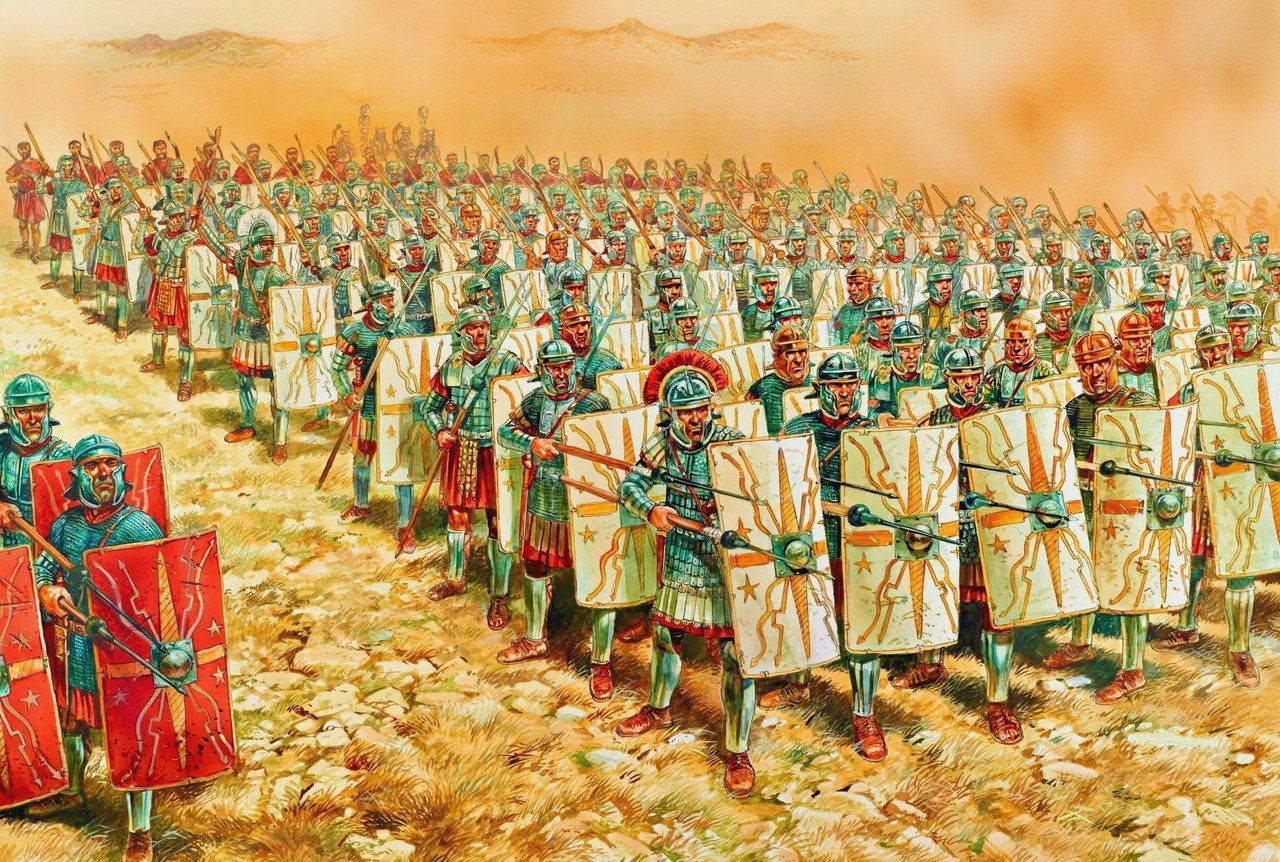
The campaign demonstrated the enormous capabilities of the Roman army and Roman engineering. Roads, camps, bridges, supply systems, and river transportation allowed the Romans to operate far from Italy and the Mediterranean provinces.
However, reaching the Persian Gulf also highlighted the growing difficulties of maintaining such a vast conquest.
The Roman army was now operating at an enormous distance from its western bases. Every additional kilometer of territory created another area that required soldiers, supplies, administration, and communication.
Trajan therefore faced a difficult strategic situation.
The Romans had won major victories, but the empire’s new territories were not necessarily stable. Rebellions had begun breaking out in different parts of the conquered regions, requiring Roman troops to return and restore control.
The problem was particularly serious because Parthia had not been completely destroyed.
The Parthian Empire was weakened by the Roman offensive, but it still possessed large territories, military resources, powerful local rulers, and political networks outside the areas directly controlled by Rome.
Trajan’s campaign had therefore achieved something very different from the complete destruction of Parthian power.
Rome had occupied major parts of Parthian territory, but it had not eliminated the underlying political and military forces that could challenge Roman control.
The Persian Gulf also created new possibilities that Trajan appears to have recognized. From this region, Roman merchants and officials could potentially gain access to long-distance trade routes connecting Mesopotamia with Arabia, India, and other parts of the eastern world.
Yet economic opportunities could not solve the basic military problem.
A permanent Roman presence so far east would require a massive commitment of resources. Roman soldiers would have to defend territories separated from the empire’s traditional heartlands by enormous distances.
The campaign therefore reached a fascinating contradiction.
Trajan had achieved one of Rome’s greatest military advances, but the very scale of his success was creating new problems.
The empire had never before controlled territory so far east. The further the Roman army advanced, the more difficult it became to maintain secure connections between the newly conquered territories and the established provinces farther west.
Trajan’s journey to the Persian Gulf consequently became both a symbol of Roman power and a warning about its limits.
The emperor had pushed Rome farther than any predecessor, but the question of whether these territories could remain Roman was becoming increasingly important.
The answer would become clearer after Trajan’s death.
5 Main Ideas
- Trajan’s army reached the Persian Gulf after capturing Ctesiphon and advancing through southern Mesopotamia.
- This represented the maximum eastern expansion of the Roman Empire.
- Roman armies relied heavily on rivers, engineering, roads, and organized supply systems.
- Increasing distance created major problems involving garrisons, communication, supplies, and administration.
- Reaching the Persian Gulf demonstrated both the enormous power of Rome and the growing problem of strategic overextension.
6. The Revolt Against Rome — When Victory Began to Unravel
Trajan’s victories in the East looked impressive on a map, but controlling the newly conquered territories was becoming increasingly difficult. After the capture of Ctesiphon and the advance toward the Persian Gulf, Roman armies were spread across an enormous area. Almost immediately, the problems of maintaining this new empire became clear.
The central difficulty was that Parthian territory had not been completely pacified. Capturing major cities did not automatically mean that the populations of surrounding regions accepted Roman rule. Local rulers, communities, and military groups could continue resisting even after Roman armies had defeated the main forces opposing them.
As Trajan moved farther south, rebellions broke out behind the Roman advance. This was extremely dangerous because the Roman army depended on secure communication and supply routes connecting the front lines with territories farther west.
A Roman army operating deep inside Mesopotamia could not simply ignore unrest in the territories it had already conquered.
Trajan therefore had to redirect soldiers to deal with these disturbances. This created a growing problem: the more territory Rome conquered, the more troops it needed simply to hold that territory.
The situation became particularly complicated in Babylonia and Mesopotamia, where resistance threatened Roman control of important cities and communication routes.
The Romans responded with military force and attempted to restore their authority, but the repeated uprisings demonstrated that the conquest was far from complete.
Another problem was the Parthian political system itself. Parthia was not a centralized state in exactly the same way as the Roman Empire. Powerful local rulers possessed considerable autonomy, meaning that Roman victories against the central Parthian leadership did not necessarily eliminate resistance everywhere.
This allowed opposition to continue even after Ctesiphon had fallen.
Trajan also faced the challenge of governing the territories he had conquered. Creating Roman provinces required administrators, tax systems, garrisons, and reliable communications. All of this took time and resources.
The emperor had therefore reached a point where military expansion was moving faster than political consolidation.
The problem became even more serious when unrest spread beyond the immediate Parthian territories. Jewish communities in several eastern provinces rose in revolt during AD 115–117, creating another major crisis for Rome. These disturbances, sometimes called the Kitos War in later historical terminology, affected regions including Cyrenaica, Egypt, Cyprus, and Mesopotamia.
Rome now had to deal with resistance across several widely separated areas.
This was a serious test of the empire’s ability to respond to multiple crises simultaneously. Roman troops had to be moved between regions, while Trajan’s eastern army still had to maintain control over its newly conquered territories.
The campaign was therefore becoming less about advancing forward and more about holding together what Rome had already conquered.
Trajan’s military achievements remained extraordinary. His army had captured important Parthian cities and reached the Persian Gulf. But the growing rebellions revealed the limits of those victories.
The emperor eventually began moving westward, attempting to restore stability. However, the eastern territories remained unsettled.
This is one of the most important lessons of Trajan’s campaign: an empire’s military strength does not automatically determine how much territory it can permanently control.
Rome possessed highly trained soldiers, experienced commanders, sophisticated engineering, and enormous resources. Yet even Rome had to consider the practical limits imposed by distance, manpower, communication, local resistance, and geography.
By the end of Trajan’s reign, the eastern conquests had become increasingly difficult to maintain.
The campaign had reached its greatest geographical extent, but the foundations of that expansion were already becoming unstable.
When Trajan died in AD 117, his successor Hadrian would face the enormous question of whether Rome should attempt to hold these distant territories or retreat to a more defensible frontier.
5 Main Ideas
- Rebellions erupted behind the Roman army after Trajan’s major eastern victories.
- Capturing cities did not guarantee long-term Roman control over surrounding territories.
- Rome increasingly had to use troops to defend conquered areas instead of continuing its advance.
- The wider Jewish revolts in the eastern provinces created another major military problem during AD 115–117.
- The growing unrest demonstrated the central problem of Trajan’s campaign: Roman expansion had exceeded the ability to easily consolidate and defend the new territories.
7. Hadrian’s Retreat — Why Rome Abandoned Most of Trajan’s Eastern Conquests
The death of Emperor Trajan in AD 117 brought one of the most dramatic changes in Roman eastern policy. Trajan had pushed the empire farther east than any emperor before him, conquering Armenia, Mesopotamia, and parts of the Parthian Empire, capturing Ctesiphon, and reaching the Persian Gulf. On a map, Rome appeared more powerful than ever. In practice, however, maintaining these enormous new territories was becoming increasingly difficult.
Trajan’s successor, Hadrian, inherited an eastern frontier facing serious problems. Roman forces were dealing with rebellions, long supply routes, local resistance, and the difficulty of defending territory far beyond the Euphrates. The Roman army could conquer cities and defeat armies, but permanent control required something different: reliable administration, secure communications, sufficient garrisons, and cooperation from local populations.
Hadrian therefore adopted a very different strategy. Rather than continuing Trajan’s expansion, he began consolidating the Roman Empire’s existing frontiers. Most of Trajan’s new eastern conquests were abandoned. Mesopotamia was given up, while Armenia was again treated largely as a client kingdom and buffer zone rather than being maintained as a permanently controlled Roman province.
This was not simply the result of Rome losing one enormous battle. The situation was more complicated. The Romans had demonstrated that they could invade deep into Parthian territory and capture major political centers. The problem was keeping those territories under Roman authority after the main army moved elsewhere.
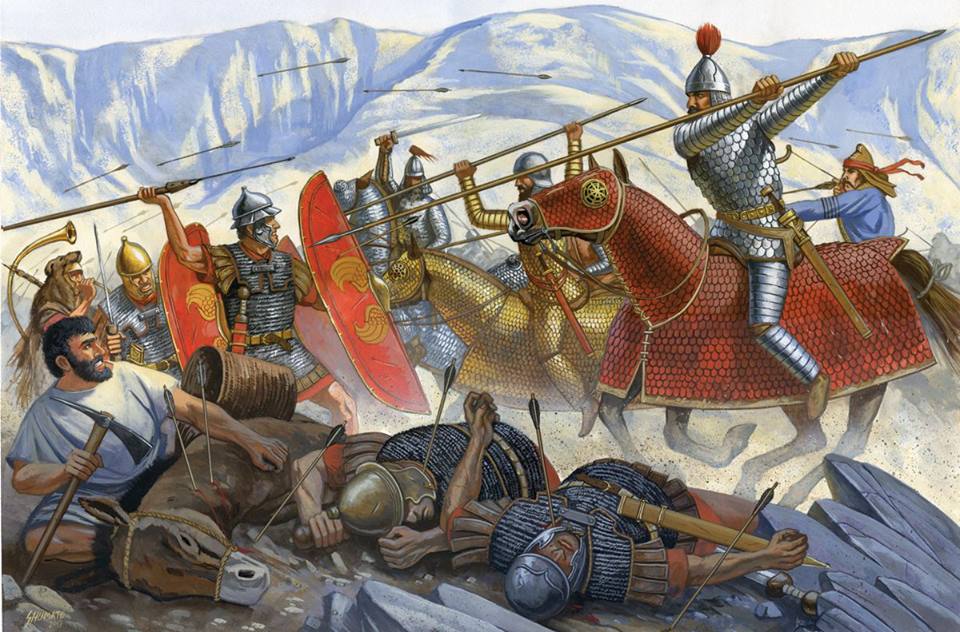
Distance was a major issue. Roman armies operating around the Tigris and Euphrates were hundreds of kilometers from the traditional Mediterranean centers of Roman power. Supplies had to travel along difficult routes, while troops had to be stationed in multiple cities and strategic positions. Every additional territory increased the number of soldiers and resources required for defense.
The Parthian Empire also remained a major regional power. Capturing Ctesiphon did not eliminate Parthian political influence or military resources. Rome therefore faced the possibility of repeatedly fighting for territory that was extremely expensive to hold.
Hadrian’s approach represented a fundamental change in imperial strategy: consolidation instead of maximum expansion. His reign became associated with strengthening and organizing defensible frontiers rather than constantly adding new territory. The famous Hadrian’s Wall in Britain reflects this broader approach, although the eastern frontier required its own very different solutions.
Trajan’s campaign therefore left Rome with an important lesson. The Roman Empire possessed extraordinary military power and could project that power across enormous distances. But conquest and permanent control were not the same thing. The campaign demonstrated both the extraordinary capabilities of the Roman army and the geographical, logistical, and political limits of imperial expansion.
In that sense, Trajan’s Parthian Campaign was both a spectacular success and a warning. Rome reached the Persian Gulf, conquered some of the most important territories in the Near East, and achieved its greatest eastern territorial expansion. Yet only a few years later, much of that expansion had been abandoned.
The campaign’s ultimate importance therefore lies not only in how far Trajan marched, but in what happened afterward. It showed that even at the height of Roman power, the empire could not simply expand indefinitely. Every conquest created another frontier to defend, another population to govern, and another supply network to maintain.
Trajan had demonstrated how far Rome could go. Hadrian demonstrated where Rome chose to stop.
5 Main Ideas
- Trajan died in AD 117, leaving an enormous and unstable eastern expansion behind him.
- Hadrian abandoned most of Trajan’s eastern conquests, prioritizing consolidation over further expansion.
- The main problem was not simply battlefield defeat but logistics, distance, rebellion, administration, and the cost of permanent occupation.
- Parthia remained a powerful regional rival, even after Rome captured Ctesiphon.
- Trajan’s campaign became a powerful example of both Roman military capability and the limits of imperial expansion.