
Strategic Background and the Road to Zama
The Battle of Zama, fought in 202 BCE, marked the decisive conclusion of the Second Punic War, one of the most significant conflicts in ancient Mediterranean history. This war had lasted for nearly two decades and had brought the Roman Republic to the brink of collapse during its early stages. The conflict began in 218 BCE when the Carthaginian general Hannibal Barca launched an ambitious campaign against Rome by leading an army across the Alps into Italy, an operation that stunned the Roman world and demonstrated extraordinary strategic daring.
During the early years of the war, Hannibal achieved several devastating victories against Roman forces. Battles such as the Battle of Trebia (218 BCE), the Battle of Lake Trasimene (217 BCE), and especially the catastrophic Battle of Cannae (216 BCE) resulted in enormous Roman casualties. At Cannae, Hannibal executed one of the most famous tactical maneuvers in military history, a double envelopment, which destroyed a massive Roman army and killed tens of thousands of soldiers in a single day. These victories severely weakened Rome’s position and encouraged several of Rome’s Italian allies to defect.
Despite these disasters, Rome refused to surrender. Instead, the Roman Senate adopted a strategy of long-term resistance and strategic patience. Roman forces avoided large-scale confrontations with Hannibal while rebuilding their armies and attacking Carthaginian territories elsewhere. One of the most important figures to emerge during this phase was the Roman general Publius Cornelius Scipio, later known as Scipio Africanus. Scipio achieved major successes in Hispania (Spain) by defeating Carthaginian commanders and cutting off Hannibal’s supply base.
After consolidating Roman control in Spain, Scipio proposed a bold strategy: instead of continuing to fight Hannibal in Italy, Rome would invade North Africa, threatening Carthage itself. This forced the Carthaginian leadership to recall Hannibal from Italy after more than fifteen years of campaigning.
The two greatest commanders of the war—Hannibal Barca and Scipio Africanus—would finally meet in open battle on the plains near the city of Zama, southwest of Carthage. The outcome of this battle would determine the future balance of power in the Mediterranean world.
Key Ideas
Battle fought in 202 BCE
Decisive end of the Second Punic War
Hannibal previously defeated Rome at Cannae
Roman strategy shifted to strategic endurance
Scipio Africanus invaded North Africa, forcing Hannibal’s return
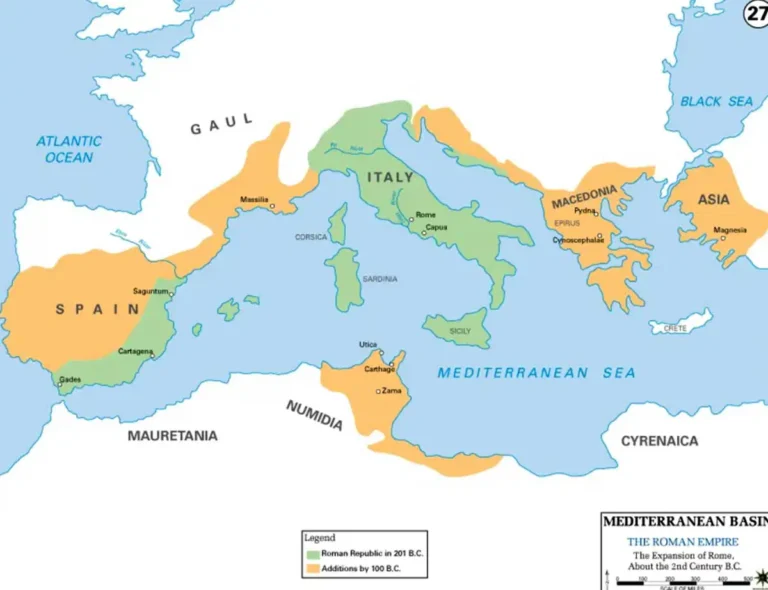
Armies and Commanders at Zama
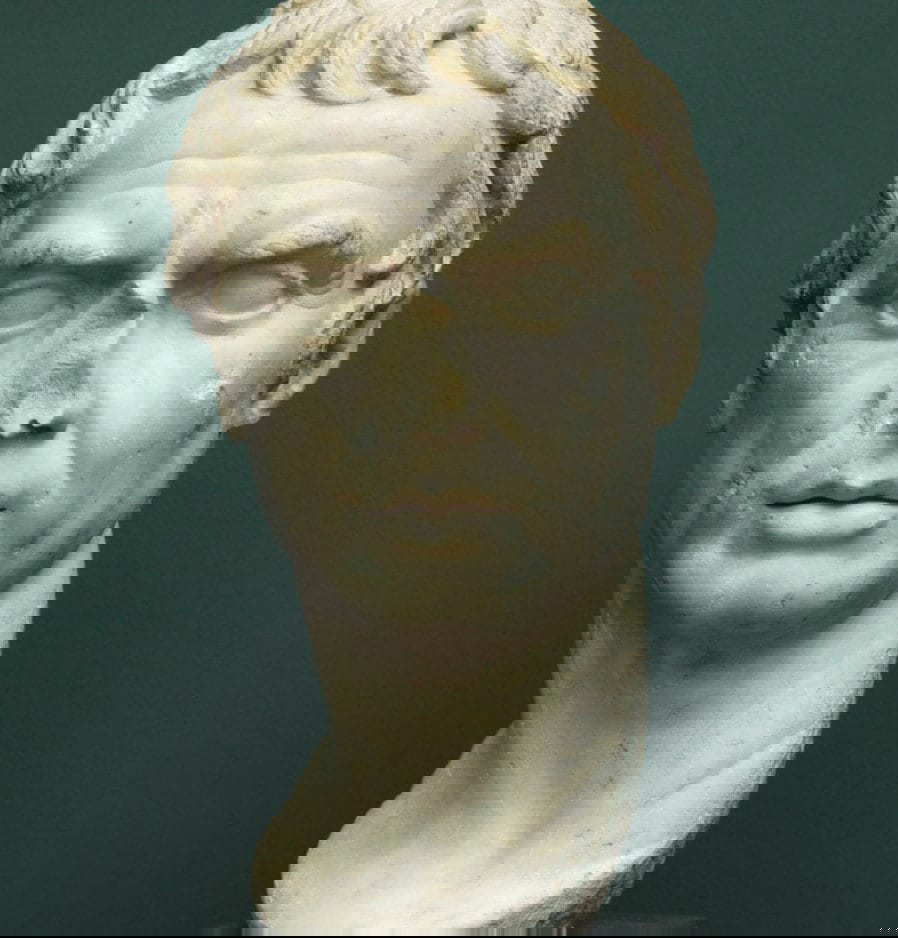
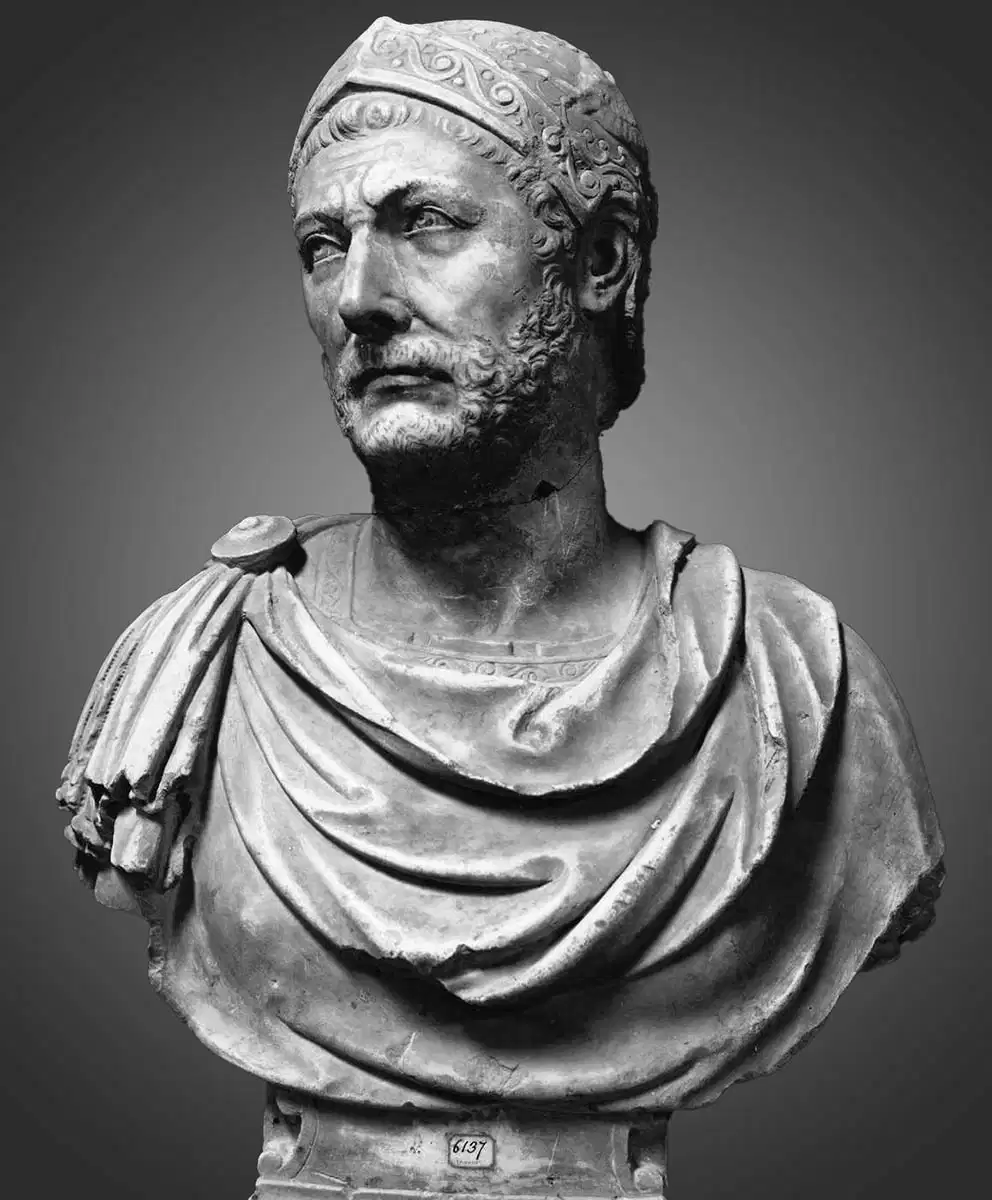
The armies that met at Zama represented two of the most experienced military forces of the ancient world. On one side stood the Roman army commanded by Scipio Africanus, a general who had proven his abilities through campaigns in Hispania and through his innovative understanding of Hannibal’s tactics. On the other side was Hannibal Barca, one of the most legendary military commanders in history, whose earlier victories had reshaped the strategic landscape of the Mediterranean.
Scipio’s army consisted primarily of Roman legions and allied Italian troops, supported by a crucial contingent of Numidian cavalry under the command of Masinissa, a North African king who had allied himself with Rome. Cavalry superiority would prove to be a decisive factor in the battle. The Roman infantry was organized into the traditional manipular legion system, allowing flexibility and coordinated battlefield movement.
Hannibal’s army, however, was more complex and heterogeneous. It included Carthaginian citizens, Libyan infantry, mercenaries from various regions, and war elephants. Hannibal also deployed a large number of veterans who had fought alongside him during the long Italian campaign. These experienced soldiers formed the most reliable portion of his army and were placed in the final line of battle.
One of the most distinctive features of Hannibal’s army was the presence of approximately 80 war elephants, which were intended to disrupt Roman formations and create chaos among the legions. Elephants had been used effectively in earlier Carthaginian battles, though their success depended heavily on terrain and battlefield control.
Both commanders understood each other’s tactical abilities. Scipio had studied Hannibal’s previous victories carefully and developed countermeasures designed specifically to neutralize Carthaginian strengths. Hannibal, meanwhile, attempted to compensate for Rome’s growing strength by combining veteran infantry with psychological and shock tactics.
The confrontation at Zama therefore represented not only a clash of armies but also a direct contest between two of antiquity’s greatest military strategists.
Key Ideas
Roman army commanded by Scipio Africanus
Carthaginian army commanded by Hannibal Barca
Romans supported by Numidian cavalry under Masinissa
Hannibal deployed war elephants and veteran infantry
Battle represented a clash of elite commanders and armies
Tactics and the Course of the Battle
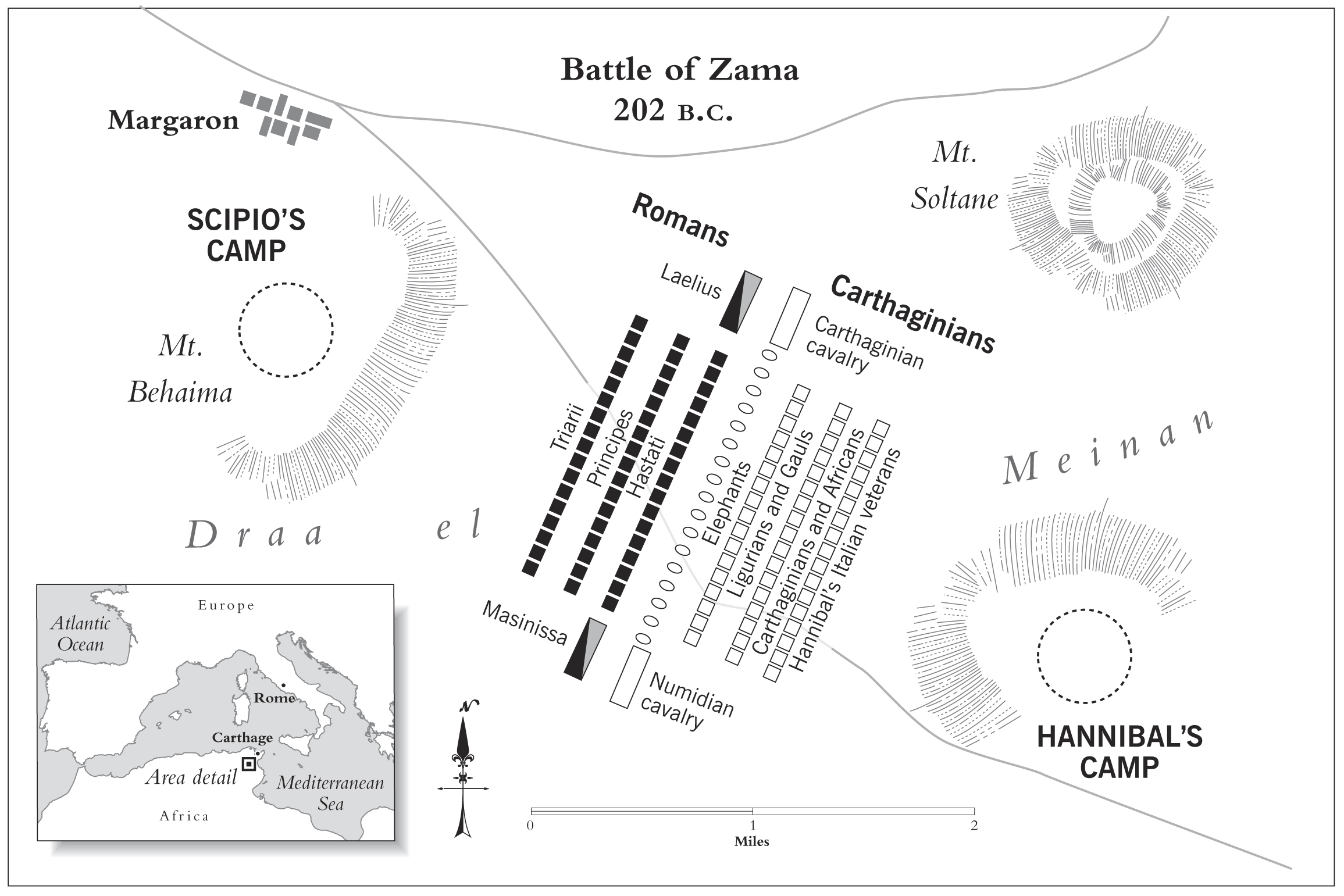
The battle began with Hannibal launching his war elephants toward the Roman lines in an attempt to break Roman formations and create panic among the infantry. However, Scipio had anticipated this tactic and organized his legions in an unusual formation designed to neutralize the elephant charge. Instead of placing maniples in the typical staggered arrangement, he created wide corridors between the units, allowing the elephants to pass through without causing serious disruption.
As the elephants advanced, Roman soldiers used trumpets, horns, and loud noises to frighten the animals. Many of the elephants panicked and turned back toward their own lines, causing confusion among Carthaginian troops. Others passed harmlessly through the Roman corridors, where they were attacked from the sides by skirmishers.
After the elephant attack failed, the main infantry engagement began. Hannibal had organized his army into three separate lines. The first consisted largely of mercenaries, who initially engaged the Roman infantry. The second line included Carthaginian and Libyan troops, while the third line consisted of Hannibal’s seasoned Italian veterans.
The first line eventually collapsed under Roman pressure and retreated, causing disorder within the second line. As the battle continued, Scipio reorganized his forces and advanced against the remaining Carthaginian troops. Meanwhile, the Numidian and Roman cavalry, having driven off Hannibal’s cavalry earlier in the battle, pursued them far from the battlefield.
The decisive moment came when the Roman and Numidian cavalry returned and attacked Hannibal’s infantry from the rear. This maneuver effectively surrounded the Carthaginian forces and mirrored the famous double-envelopment tactic Hannibal himself had used at Cannae years earlier.
With pressure from both front and rear, the Carthaginian army collapsed. The battle ended in a decisive Roman victory that destroyed Hannibal’s ability to continue the war.
Key Ideas
Hannibal opened battle with war elephant charge
Scipio created corridors in Roman formations
Elephants were neutralized by noise and maneuver
Roman cavalry gained superiority
Final victory achieved through rear cavalry attack
Casualties and the Brutality of the Battle
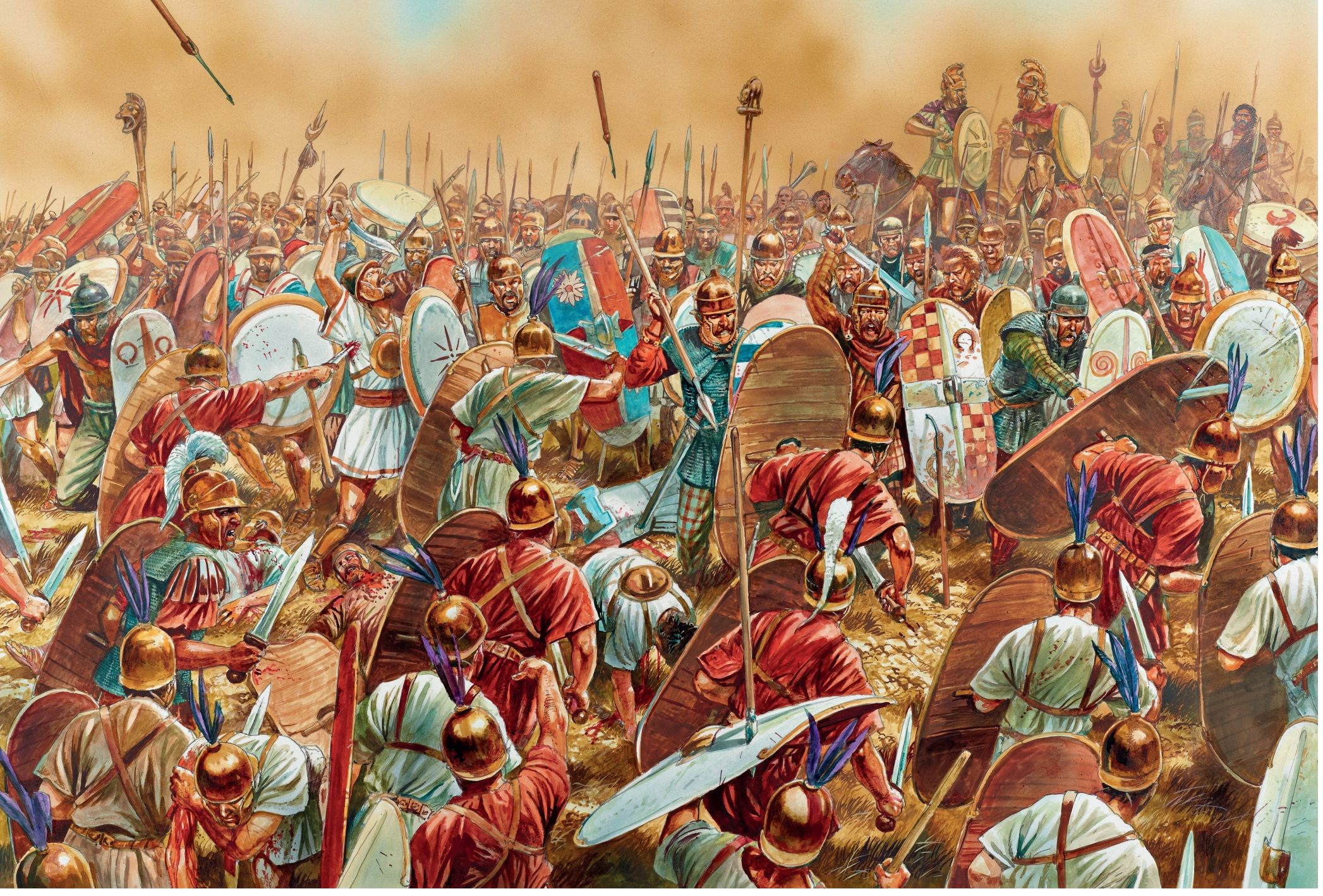
The Battle of Zama was not only strategically decisive but also extremely bloody and destructive, reflecting the brutal nature of ancient warfare. Although exact casualty figures are difficult to confirm due to variations in ancient sources, historians such as Polybius and Livy provide estimates that demonstrate the scale of the losses suffered by the Carthaginian army. According to these accounts, approximately 20,000 Carthaginian soldiers were killed during the battle, while another 20,000 were captured by Roman forces after the collapse of Hannibal’s army.
The Roman army also suffered casualties, though significantly fewer. Roman losses are generally estimated at around 1,500 to 5,000 soldiers, a relatively smaller number compared to the destruction inflicted upon the Carthaginian forces. This disparity reflects the decisive nature of the final phase of the battle, when Roman infantry and returning cavalry forces trapped the Carthaginian army from multiple directions.
Ancient battlefield conditions contributed heavily to the brutality of the fighting. Combat between Roman legionaries and Carthaginian infantry involved close-quarters fighting with swords, shields, and spears, where soldiers fought at extremely short distances. Once formations broke down, battles often devolved into chaotic and deadly clashes where survival depended on individual endurance and discipline.
The situation became even more lethal when the Roman and Numidian cavalry returned to the battlefield, striking Hannibal’s infantry from the rear. This maneuver effectively surrounded large portions of the Carthaginian army. Soldiers trapped in such conditions had little opportunity to escape, and many were killed as Roman forces pressed forward from multiple sides.
In ancient warfare, once an army collapsed and began retreating, casualties often increased dramatically. Pursuing cavalry units cut down fleeing soldiers, while disorganized infantry became easy targets. This phase of the battle likely accounted for a significant portion of the Carthaginian casualties.
The scale of the losses at Zama demonstrates how decisive ancient battles could be. When armies numbering tens of thousands of soldiers fought in close formation, the defeat of one side often resulted in catastrophic destruction. The heavy casualties inflicted on Hannibal’s forces effectively ended Carthage’s ability to continue the war.
Key Ideas
Approximately 20,000 Carthaginian soldiers killed
Around 20,000 captured after the battle
Roman casualties estimated between 1,500–5,000
Fighting involved close-quarters combat with swords and shields
Final cavalry attack created encirclement and mass casualties
Consequences and the End of the Second Punic War
The Roman victory at Zama brought the Second Punic War to an immediate end and fundamentally reshaped the political landscape of the Mediterranean world. Carthage, which had once been Rome’s most powerful rival, was forced to accept a harsh peace settlement that severely restricted its military and political independence.
Under the terms of the treaty imposed by Rome, Carthage was required to surrender nearly its entire fleet, leaving only a small number of ships for defense. The city was also forced to pay a massive financial indemnity to Rome over a period of fifty years. In addition, Carthage lost control of its overseas territories, including Spain, which became part of Rome’s expanding sphere of influence.
Perhaps the most restrictive condition of the treaty was the requirement that Carthage could not declare war without Roman permission. This effectively placed Carthage under Roman supervision and prevented it from rebuilding its military strength.
For Rome, the victory marked the beginning of a new era. The Republic emerged as the dominant power in the western Mediterranean, with control over large territories and growing influence beyond Italy. The defeat of Carthage removed the only rival capable of seriously challenging Roman power in the region.
The victory also elevated Scipio Africanus to legendary status within Roman history. His successful invasion of North Africa, combined with his tactical innovations at Zama, secured his reputation as one of Rome’s greatest military commanders.
Although Carthage survived as a city, its power was permanently weakened. Over the following decades, tensions between Rome and Carthage would continue to grow, eventually leading to the Third Punic War (149–146 BCE), which ended with the complete destruction of the city.
Key Ideas
Ended the Second Punic War
Carthage forced to accept severe treaty terms
Rome became dominant Mediterranean power
Scipio Africanus gained lasting fame
Set the stage for the Third Punic War