1. Rome First Arrives: The Beginning of the Punic War Invasion of Hispania
The Roman arrival in Hispania marked the beginning of one of the most important transformations in ancient Mediterranean history. Before Rome ever controlled the Iberian Peninsula, the region was a patchwork of Iberian tribes, Celtic groups, and powerful coastal colonies, most notably those influenced by Carthage. Hispania was not initially a Roman objective. Instead, Rome entered the region as part of a larger struggle against its greatest rival: Carthage.
The true starting point of Roman involvement in Hispania comes during the Second Punic War (218–201 BCE), one of the most dangerous conflicts Rome ever faced. After the First Punic War, Carthage had been weakened but not destroyed. To rebuild its power, the Carthaginian general Hamilcar Barca led an expansion into Iberia. His goal was simple: create a new power base rich in silver, soldiers, and resources. Hispania became the foundation of Carthaginian recovery.
Hamilcar and later his son Hannibal Barca transformed Hispania into a military and economic engine. Cities were founded or controlled, mines were exploited, and local tribes were either allied or conquered. Hannibal, in particular, used Hispania as the launching point for his famous invasion of Italy, including his legendary crossing of the Alps. This made Hispania not just a territory, but a strategic weapon against Rome itself.
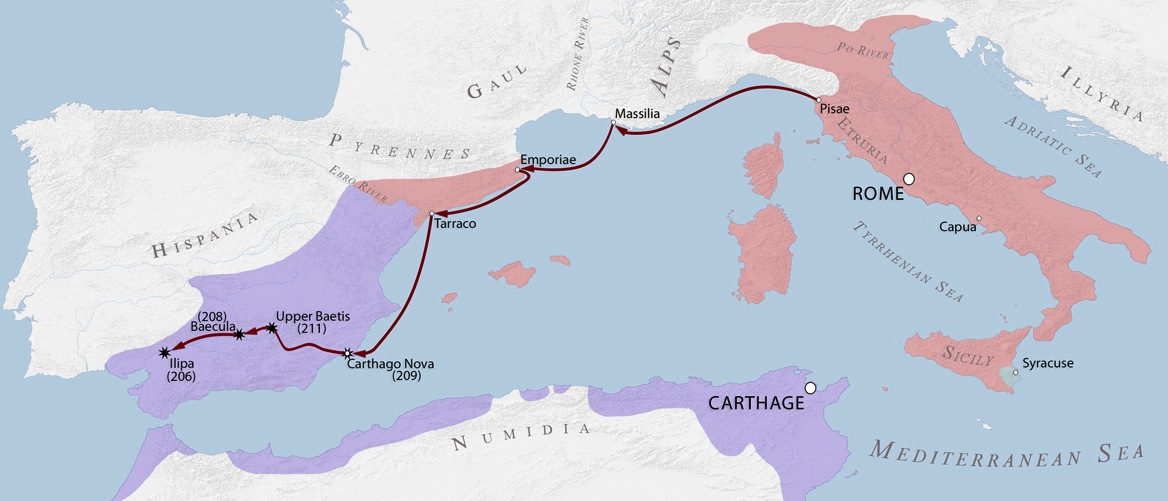
Rome understood the danger. If Carthage maintained control of Hispania, it could rebuild its strength and threaten Rome again. This is why Rome’s entry into Hispania was not just expansion—it was preemptive survival strategy. In 218 BCE, as the Second Punic War began, Rome sent forces to the Iberian Peninsula to cut off Carthaginian resources and disrupt Hannibal’s supply network.
The Roman campaign in Hispania initially focused on coastal regions. Roman generals, including the brothers Publius and Gnaeus Scipio, were tasked with landing forces and securing alliances with local tribes. These early operations were difficult. Carthaginian forces already controlled much of the southern and eastern parts of the peninsula, and Roman troops had to operate far from their homeland, relying heavily on naval supply routes.
This early phase of Roman involvement shows an important feature of Roman strategy: they did not immediately attempt full conquest. Instead, they focused on strategic disruption, targeting Carthaginian supply lines and weakening their ability to support Hannibal in Italy. Hispania became a secondary battlefield in a much larger war.
The geography of Hispania also played a major role. The peninsula was mountainous, with river valleys, forests, and coastal plains. This made communication and movement difficult. Unlike Italy, where Rome had established infrastructure, Hispania was unfamiliar terrain. Roman commanders had to adapt quickly, learning how to operate in a region with limited roads and strong local resistance.
One of the turning points in this early phase came when Roman forces began to gain support from certain Iberian tribes. Many local groups did not see themselves as unified under Carthage or Rome. Instead, they acted in their own interests. Rome exploited these divisions by offering alliances, protection, and trade opportunities. This strategy of divide and recruit became a key tool in Roman expansion.
At the same time, Carthaginian control began to weaken after Hannibal left Hispania for Italy. Without his leadership, Carthaginian forces became more vulnerable. Rome took advantage of this shift, gradually expanding its influence deeper into the peninsula.
A major breakthrough occurred with the rise of Scipio Africanus. He understood that defeating Carthage in Hispania was essential to winning the war overall. Instead of focusing only on defensive actions, he launched aggressive campaigns that targeted key Carthaginian cities and supply centers. His strategy combined military action with diplomacy, winning over local allies while isolating enemy forces.
One of Scipio’s most important achievements was the capture of New Carthage (Carthago Nova), a major Carthaginian stronghold in Hispania. This victory gave Rome control over a crucial port, access to wealth, and a strong base of operations. It also marked a psychological turning point: Rome was no longer just resisting Carthage in Hispania—it was dominating it.
The Roman arrival in Hispania was therefore not a simple invasion but a gradual process shaped by war, diplomacy, and strategic necessity. It began as a response to Carthaginian expansion but evolved into a long-term occupation that would eventually transform the entire Iberian Peninsula.
What makes this period especially important is that it set the foundation for everything that followed. Once Rome entered Hispania, it never truly left. The initial military presence became permanent, leading to centuries of Roman influence, infrastructure, culture, and governance.
In conclusion, Rome’s first arrival in Hispania during the Punic Wars was a turning point driven by survival, strategy, and opportunity. Through conflict with Carthage, alliances with local tribes, and the leadership of figures like Scipio Africanus, Rome established its first foothold in the Iberian Peninsula. What began as a battlefield soon became one of the most important regions of the Roman world.
Main Ideas
- Rome entered Hispania during the Second Punic War (218 BCE)
- Carthage controlled Hispania under Hamilcar Barca and Hannibal Barca
- Hispania was a key resource base for Carthage
- Rome aimed to cut off Hannibal’s supply network
- Early Roman focus was coastal control and alliances
- Geography made warfare difficult and fragmented
- Rome used local tribal alliances to gain support
- Rise of Scipio Africanus changed the war
- Capture of New Carthage was a major turning point
- Rome’s presence in Hispania became permanent and foundational
2. Carthage in Hispania: Hannibal’s Base and Rome’s First Target
Before Hispania became a Roman province, it was effectively the power base of Carthage in the western Mediterranean. The region was not just an outpost—it was the foundation of Carthaginian strength after their defeat in the First Punic War. Through Hispania, Carthage rebuilt its military, secured vital resources, and prepared for what would become one of the most famous wars in ancient history. For Rome, this made Hispania not just important, but absolutely essential to control or destroy.
The transformation of Hispania into a Carthaginian stronghold began with Hamilcar Barca. After Carthage lost Sicily to Rome, Hamilcar turned his attention westward. Hispania offered everything Carthage needed: silver mines, fertile land, manpower, and strategic depth. Hamilcar began a systematic campaign of expansion, using both military conquest and alliances with local tribes to establish control over large parts of the peninsula, especially in the south.
Hamilcar’s strategy was not just about territory—it was about recovery and revenge. Carthage had been financially weakened by its defeat in the First Punic War, and Hispania’s rich silver mines provided the wealth needed to rebuild. This resource extraction allowed Carthage to pay off war debts, rebuild its navy, and rearm its military forces. Hispania essentially became Carthage’s economic engine of revival.
After Hamilcar’s death, his son Hasdrubal the Fair continued this expansion. He strengthened Carthaginian control through diplomacy, founding cities and establishing formal administration in key regions. One of his most important contributions was the creation of New Carthage (Carthago Nova), a major port city that became the administrative and military center of Carthaginian Hispania. This city allowed Carthage to coordinate trade, ship resources, and launch military operations across the western Mediterranean.
Eventually, leadership passed to Hannibal Barca, one of the greatest military commanders in history. Hannibal inherited not only an army but an entire region organized for war. Hispania provided him with soldiers, money, weapons, and strategic depth. The local Iberian tribes supplied experienced warriors who were integrated into his forces. This multicultural army became the foundation of his campaign against Rome.
Hannibal’s famous invasion of Italy in 218 BCE began in Hispania. This is why the region was so critical: it was the launching point for one of the most daring military campaigns in history. Before crossing the Alps, Hannibal secured his rear in Hispania, leaving garrisons and ensuring supply lines were stable. Without Hispania, his invasion of Italy would have been impossible.
Rome quickly recognized this threat. As long as Carthage controlled Hispania, it could continue to send troops and resources to Hannibal in Italy. This made the peninsula a direct strategic threat to Rome itself. Therefore, Roman intervention in Hispania was not optional—it was necessary for survival.
The wealth of Hispania also made it a long-term target. The silver mines in regions such as Baetica generated enormous income for Carthage. This wealth allowed them to maintain armies and challenge Rome on equal terms. For Rome, capturing Hispania meant not only weakening Carthage but also gaining access to these same resources.
Carthaginian control of Hispania was not uniform. It relied heavily on alliances with local tribes, some of whom were loyal, while others resisted. This created a fragile system of control that depended on strong leadership. When Hannibal left for Italy, that system became more vulnerable. Roman forces later exploited these divisions by forming alliances with rival tribes, gradually breaking Carthaginian influence.
A key aspect of Carthaginian strategy in Hispania was military training. The region served as a training ground for elite soldiers and commanders. Young officers, including Hannibal himself, gained experience in Hispania’s diverse terrain—mountains, rivers, and coastal plains. This prepared them for the complex campaigns that would follow in Italy.
However, Carthaginian control was always under pressure. Rome was determined to eliminate this base of power. Roman commanders such as Scipio Africanus later focused specifically on dismantling Carthaginian authority in Hispania. The struggle between Rome and Carthage in this region became a critical front in the wider war.
The capture of key cities, especially New Carthage, marked the beginning of the end for Carthaginian dominance. Once Rome gained control of this strategic port, Carthage lost its main administrative center in Hispania. Without it, coordination of troops, supplies, and communication became extremely difficult.
Carthaginian Hispania was not just a territory—it was a system of power, economy, and military organization. It supported Hannibal’s invasion, funded Carthage’s recovery, and stood as Rome’s most dangerous rival base outside North Africa. Its destruction was therefore essential for Roman victory in the Second Punic War.
In conclusion, Hispania under Carthaginian control represented the peak of Carthage’s post-war recovery and the foundation of Hannibal’s military power. Through leaders like Hamilcar Barca, Hasdrubal the Fair, and Hannibal Barca, the region became a strategic and economic powerhouse. For Rome, it was not just a distant province—it was the key to defeating Carthage and securing dominance in the western Mediterranean.
Main Ideas
- Hispania was Carthage’s main western power base
- Expanded under Hamilcar Barca after First Punic War
- Rich in silver, manpower, and resources
- Continued development under Hasdrubal the Fair
- New Carthage became administrative and military capital
- Hannibal Barca launched Italian invasion from Hispania
- Provided troops, money, and strategic depth
- Local tribes were both allies and sources of instability
- Rome targeted Hispania to weaken Carthage
- Loss of Hispania meant collapse of Carthaginian western power
3. The Roman Conquest Begins: Scipio Africanus and the Turning Point
The Roman conquest of Hispania truly shifted from defensive reaction to aggressive expansion with the rise of Scipio Africanus. Before his arrival, Roman operations in the Iberian Peninsula had been unstable and fragmented. Commanders were killed in battle, alliances with local tribes were inconsistent, and Carthaginian forces still held strong positions in the south and east. Rome needed not just victories, but a strategy capable of dismantling the entire Carthaginian system in Hispania. Scipio Africanus provided exactly that.
Scipio arrived in Hispania in 210 BCE, during the Second Punic War, at a moment when Roman morale in the region was low. His father and uncle had both been killed in earlier campaigns against Carthaginian forces led by Hasdrubal Barca and his allies. Many in Rome believed Hispania was too dangerous and unstable to control. However, Scipio saw the situation differently. He understood that Carthaginian power in the peninsula was centralized and vulnerable if key strongpoints were struck.
Instead of continuing scattered attacks, Scipio reorganized Roman strategy. One of his first major decisions was to focus on intelligence and coordination. He built a network of spies and scouts to understand Carthaginian movements, supply lines, and political relationships with Iberian tribes. This allowed him to identify weaknesses in enemy control and plan targeted strikes rather than random engagements.
A key turning point came with his decision to attack New Carthage (Carthago Nova), the most important Carthaginian city in Hispania. At the time, the city was considered nearly impregnable. It served as the main administrative center, naval base, and treasury for Carthaginian forces in the region. Many expected Scipio to avoid such a heavily defended target. Instead, he launched a bold and unexpected assault in 209 BCE.
Scipio’s attack on New Carthage demonstrated his mastery of surprise, coordination, and logistics. He timed his assault carefully, taking advantage of low tide conditions that exposed shallow areas of the lagoon protecting the city. Roman troops were able to cross and scale defenses that were assumed to be inaccessible. The speed and precision of the attack overwhelmed the defenders, leading to the rapid fall of the city.
The capture of New Carthage was a massive strategic victory. Rome gained access to enormous stores of weapons, gold, silver, and supplies. Even more importantly, it gained control of Carthage’s central command structure in Hispania. Without this base, Carthaginian forces became disorganized and increasingly isolated. This moment marked the beginning of the collapse of Carthaginian power in the peninsula.
Scipio did not rely only on military force. He also used diplomacy and psychological strategy. After capturing cities, he often treated prisoners and local populations with relative leniency. This was a deliberate policy designed to encourage Iberian tribes to switch allegiance from Carthage to Rome. By presenting Rome as a more stable and less oppressive power, Scipio weakened Carthaginian influence without always needing direct combat.
This approach proved highly effective. Many Iberian tribes began to see Rome as a better long-term ally. Carthaginian control had often depended on tribute, military pressure, and the authority of strong leaders like Hannibal Barca. Once that authority weakened due to Hannibal’s absence in Italy, loyalty to Carthage became less stable. Scipio exploited this situation with careful political strategy.
Another major aspect of Scipio’s campaign was his emphasis on discipline and training. He reformed Roman forces in Hispania, improving coordination between infantry, cavalry, and allied units. He ensured that his legions were better organized than their opponents, allowing them to respond more effectively in battle. This professionalism became a defining feature of his army.
Scipio’s victories also forced Carthaginian commanders into defensive positions. Leaders like Hasdrubal Barca were forced to abandon broader strategic goals and focus on protecting remaining strongholds. This shift meant that Carthage was no longer controlling the war in Hispania—it was reacting to Roman advances.
The psychological impact of Scipio’s campaigns was just as important as the military outcomes. His ability to defeat major Carthaginian forces and capture key cities created a sense of inevitability around Roman victory. Tribes, cities, and commanders increasingly aligned themselves with Rome to avoid being on the losing side of the conflict.
Eventually, Scipio’s success in Hispania directly influenced the wider Second Punic War. By cutting off Carthage’s supply base and weakening its control over Iberian resources, he helped isolate Hannibal in Italy. Without reinforcements from Hispania, Hannibal’s campaign became increasingly unsustainable.
In conclusion, the rise of Scipio Africanus marked the true turning point in the Roman conquest of Hispania. Through bold military action, strategic intelligence, and political diplomacy, he transformed Rome’s position from defensive resistance to dominant control. The capture of New Carthage and the collapse of Carthaginian authority under leaders like Hasdrubal Barca and Hannibal Barca set the stage for Rome’s permanent presence in the Iberian Peninsula.
Main Ideas
- Scipio Africanus transformed Roman strategy in Hispania
- Shift from reactive defense to planned conquest
- Built intelligence networks and better coordination
- Captured New Carthage in 209 BCE
- Victory gave Rome wealth, supplies, and strategic control
- Used diplomacy to win over Iberian tribes
- Carthaginian power weakened under Hasdrubal Barca
- Carthage became defensive instead of offensive
- Cut off support for Hannibal Barca in Italy
- Marked turning point toward Roman domination of Hispania
4. Resistance of the Iberian Tribes: Guerrilla Warfare and Brutal Rebellions
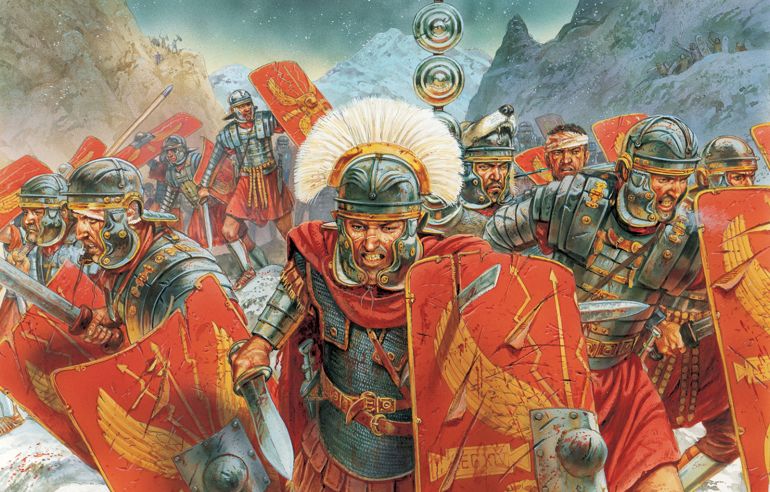
After Rome began establishing control over Hispania, the conquest did not immediately become a smooth process of occupation. Instead, the Iberian Peninsula turned into a long and often brutal battlefield where Roman legions faced some of the most persistent and adaptive resistance in their entire history. The native Iberian and Celtiberian tribes did not fight as a unified nation. Instead, they resisted in fragmented, local, and highly flexible ways, which made the conflict unpredictable and extremely difficult for Rome to fully control.
Unlike the organized armies of Carthage or Rome, Iberian resistance relied heavily on guerrilla warfare tactics. Small tribal groups used their deep knowledge of the terrain—mountains, forests, and river valleys—to ambush Roman patrols, cut supply lines, and retreat quickly before a full Roman response could be organized. This style of warfare avoided direct confrontation with the disciplined Roman legions, which were strongest in open-field battles. Instead, it targeted Roman weaknesses: communication, logistics, and mobility.
One of the most important features of Iberian resistance was its lack of central leadership. There was no single commander uniting all tribes. Instead, different groups acted independently based on local interests. This made the resistance extremely persistent but decentralized. Even when Rome defeated one tribe or region, others continued fighting elsewhere. This created a constant cycle of conflict that stretched Roman resources across the peninsula.
The Romans initially underestimated this form of warfare. Their military system was designed for structured battles and sieges, not constant small-scale ambushes. As a result, early Roman forces in Hispania often suffered losses when moving through unfamiliar terrain. Roads were unsafe, supply caravans were attacked, and isolated units could be overwhelmed. This forced Rome to adapt its strategy over time.
One of the most famous early examples of Iberian resistance occurred during the conflicts in the central plateau regions, where Celtiberian tribes used fortified hill settlements and mobile raiding tactics. These communities would often strike Roman positions and then disappear into difficult terrain, making pursuit extremely costly and inefficient.
The resistance was not only military—it was also psychological. Roman commanders faced constant uncertainty, as it was difficult to predict when or where the next attack would occur. This created pressure on Roman logistics and forced the army to maintain higher levels of alertness at all times. Even in supposedly “controlled” territories, instability remained a constant threat.
A key factor in Iberian resistance was the strong cultural identity of the tribes. Many groups had long-standing traditions of independence and local autonomy. Roman rule, which imposed taxation, administration, and military obligations, was often seen as an external imposition. This led to repeated uprisings whenever Roman control weakened or when local agreements broke down.
Roman commanders such as Scipio Africanus played a major role in suppressing early resistance by combining military action with diplomacy. However, even after major victories against Carthage, unrest continued across the peninsula. Rome had to maintain a long-term military presence to prevent rebellions from spreading.
One of the most important aspects of Iberian resistance was its ability to adapt. When Rome began building fortified camps and improving road networks, tribal groups shifted tactics, focusing more on rapid raids and avoiding direct confrontation. When Rome strengthened patrol systems, resistance groups responded by targeting remote areas and disrupting communication lines instead. This constant adaptation made the conflict long and expensive for Rome.
The terrain of Hispania itself played a crucial role. The mountains of the north, the forests of the interior, and the isolated valleys created natural defensive environments. These landscapes favored small, mobile groups over large organized armies. Roman legions, despite their discipline and training, found it difficult to maintain full control in such environments without constant reinforcement.
Over time, Rome responded by increasing the number of garrisons and constructing a network of roads and fortified positions. This allowed them to move troops more quickly and respond to attacks more efficiently. However, even with these improvements, complete pacification of Hispania took generations.
Another important dimension of resistance was the emergence of powerful regional leaders who attempted to unify tribes against Rome. Although these efforts rarely succeeded long-term, they created moments of intense conflict that required significant Roman military attention. These leaders became symbols of resistance, even if their coalitions eventually collapsed.
The brutality of the conflict also escalated over time. Both sides committed acts that intensified hatred and resistance. Roman commanders sometimes used harsh punishments to suppress rebellion, while Iberian groups continued to target Roman forces and collaborators. This cycle of violence made reconciliation more difficult and extended the duration of the conquest.
Despite the persistence of resistance, Rome gradually gained the upper hand due to its superior resources, organization, and ability to maintain long-term campaigns. However, Iberian resistance ensured that Hispania was never a quick or easy conquest. Instead, it became one of the most prolonged and complex processes of Roman expansion anywhere in the empire.
In conclusion, the resistance of the Iberian tribes transformed Hispania into a long-term frontier of conflict rather than a simple conquest. Through guerrilla warfare, decentralized leadership, and deep knowledge of the terrain, native groups challenged Roman authority for generations. Even as Rome expanded its control, resistance continued to shape the military, political, and logistical systems of the province, making Hispania one of the most difficult but ultimately crucial regions in Roman history.
Main Ideas
- Iberian resistance used guerrilla warfare tactics
- Small, mobile groups attacked Roman supply lines
- No unified leadership—highly decentralized resistance
- Terrain (mountains, forests) favored local fighters
- Rome struggled with logistics and communication
- Constant raids created psychological pressure on Roman armies
- Cultural independence fueled repeated uprisings
- Scipio Africanus helped suppress early resistance
- Rome responded with roads, forts, and garrisons
- Hispania remained a long-term conflict zone for centuries
5. The Fall of Numantia: The Symbol of Final Iberian Resistance
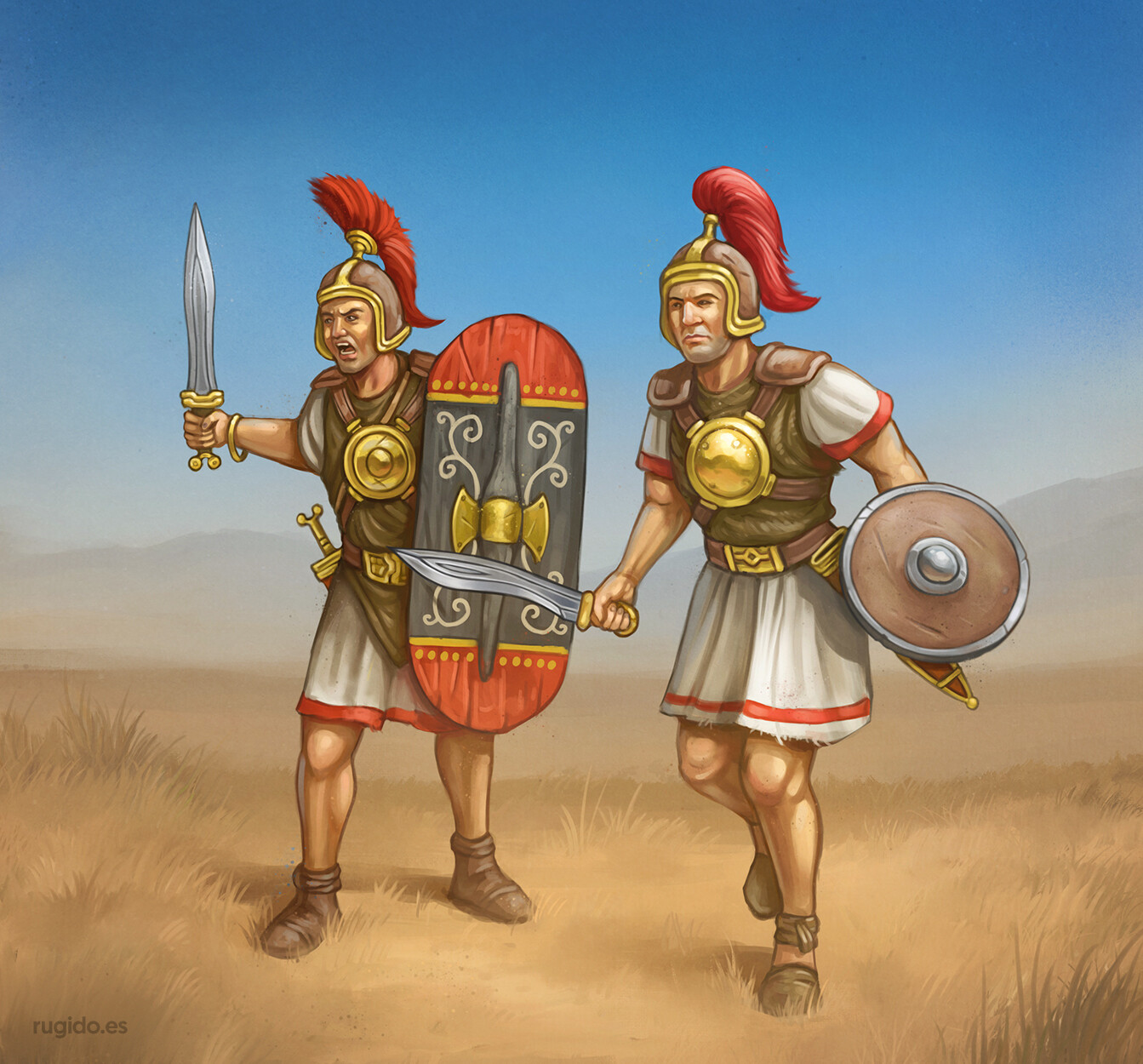
Among all the conflicts between Rome and the Iberian peoples, none became more symbolic than the siege and destruction of Numantia. This city was not the largest or richest in Hispania, but it became the ultimate representation of Iberian resistance, Roman persistence, and the brutal reality of conquest. The fall of Numantia in 133 BCE marked the collapse of organized Celtiberian opposition in central Hispania and demonstrated Rome’s willingness to endure extreme difficulty in order to secure total control.
Numantia was a Celtiberian city located on a hill near the Duero River in what is now northern Spain. Its position made it naturally defensible, surrounded by rough terrain and difficult access routes. The inhabitants were part of the Celtiberian tribes, known for their fierce independence and strong warrior culture. Unlike larger urban centers, Numantia was not built for empire—it was built for survival and defense.
The conflict between Rome and Numantia escalated during the late 2nd century BCE, when Roman expansion in Hispania brought increasing pressure on local tribes. Roman commanders attempted to subdue the region through military campaigns and treaties, but Numantia repeatedly resisted submission. This resistance led Rome to commit larger and more experienced forces to the region, escalating the conflict into a full-scale siege.
One of the key Roman commanders involved in the final siege was Scipio Aemilianus. He was given the task of ending the Numantine resistance decisively after earlier Roman failures. Previous Roman armies had suffered setbacks due to Numantia’s strong defenses, difficult terrain, and the determination of its defenders. Scipio Aemilianus recognized that traditional assault methods would not work. Instead, he adopted a strategy based on total encirclement and attrition.
Rather than attacking the city directly, Scipio built a massive network of fortifications around Numantia. This included walls, trenches, watchtowers, and camps designed to completely isolate the city from the outside world. The goal was not immediate destruction but complete starvation and psychological pressure. By cutting off all supplies, Rome aimed to force surrender without risking heavy casualties in direct combat.
The siege system built around Numantia was highly organized and reflected Roman engineering skill. The encirclement stretched for kilometers, ensuring that no supplies or reinforcements could enter the city. Roman soldiers maintained strict discipline throughout the long siege, demonstrating Rome’s ability to sustain operations over extended periods even in difficult conditions.
Inside Numantia, the situation became increasingly desperate. With food supplies running out and no hope of external assistance, the population faced starvation. Despite this, the defenders continued to resist for as long as possible. Ancient sources describe extreme conditions, including shortages of food, internal suffering, and the collapse of normal daily life.
What made Numantia especially significant was the psychological dimension of its resistance. The city became a symbol of defiance against Rome itself, not just a local military target. Its inhabitants refused to surrender even when defeat was inevitable. This level of resistance made Numantia a legendary example of courage in later historical accounts.
When it became clear that no escape was possible, many inhabitants chose death over surrender. According to historical tradition, parts of the population destroyed their own city and took their own lives rather than be captured. While details may be partially shaped by later Roman and Greek writers, the story reflects the intensity of resistance and the emotional impact of the siege.
When Roman forces finally entered Numantia, they found a devastated city. The siege had lasted for months, and the population had been reduced to extreme conditions. The destruction of Numantia marked the end of major organized resistance in central Hispania. Rome had achieved a decisive victory, but at a significant cost in time, resources, and military effort.
The fall of Numantia had wide-ranging consequences. Politically, it strengthened Roman control over Hispania and allowed for deeper integration of the region into the Roman system. Militarily, it demonstrated that Rome was willing to use total war strategies, including encirclement and starvation, to achieve its objectives. This approach would later be used in other sieges across the empire.
The city itself became a symbol in Roman culture. Writers and historians later used Numantia to represent both Roman determination and the tragic cost of resistance against imperial expansion. It also served as a lesson in the dangers of underestimating Roman persistence and engineering capability.
Despite its destruction, Numantia remained an important historical symbol for centuries. It represented the final stand of independent Celtiberian resistance and highlighted the long, difficult process of Roman conquest in Hispania. Unlike battles that ended quickly, Numantia showed that Roman expansion could involve prolonged sieges, harsh conditions, and extreme human suffering on both sides.
In conclusion, the fall of Numantia was not just a military victory—it was a defining moment in the history of Roman Hispania. Through the leadership of Scipio Aemilianus and the resilience of its defenders, the siege demonstrated the extremes of both Roman strategy and Iberian resistance. It marked the end of major organized opposition in central Hispania and became a lasting symbol of the cost and intensity of Roman conquest.
Main Ideas
- Numantia was a major symbol of Celtiberian resistance
- Located in northern central Hispania with strong natural defenses
- Rome used a full siege and encirclement strategy
- Led by Scipio Aemilianus
- City was cut off from all supplies and reinforcements
- Siege relied on attrition and starvation tactics
- Defenders resisted even under extreme conditions
- Traditional accounts describe mass despair and destruction
- Fall marked end of major organized resistance in region
- Became a symbol of Roman persistence and imperial expansion
6. Sertorius and Civil War in Hispania: Rome Fighting Rome on Iberian Soil
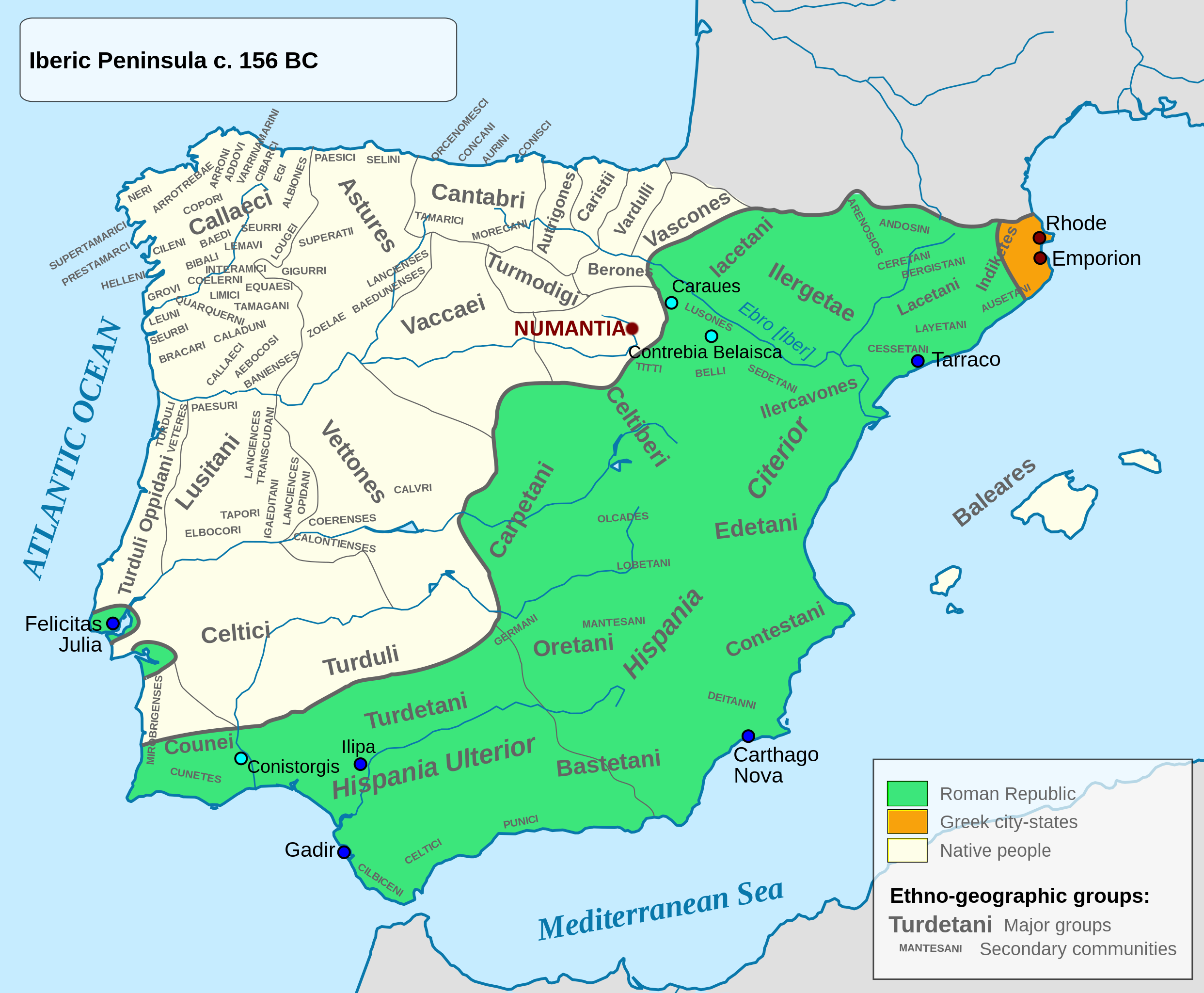
The history of Roman Hispania did not only involve Rome fighting external enemies like Carthage or the Iberian tribes. One of the most complex and revealing chapters of the province’s history came when Rome itself became divided, turning Hispania into a battlefield for Roman civil war, political exile, and military rebellion. At the center of this conflict stood Quintus Sertorius, a man who transformed Hispania into a semi-independent power base that resisted the authority of Rome for years.
Sertorius was originally a Roman general loyal to the popular faction during the late Republic. He had served Rome with distinction, gaining experience in military campaigns and earning respect for his leadership skills. However, during the violent political struggles in Rome between competing factions, Sertorius found himself on the losing side of internal power struggles. When the political situation turned against him, he was forced into exile.
Rather than disappearing quietly, Sertorius fled to Hispania, a region that had already experienced centuries of resistance, instability, and partial Roman control. This made it an ideal place for a Roman rebel to build an alternative power base. Hispania was far from Rome, difficult to govern centrally, and filled with tribes that were still not fully integrated into Roman rule. Sertorius recognized that these conditions could be used to create a parallel Roman state outside Italy.
Once in Hispania, Sertorius quickly began organizing local support. He formed alliances with Iberian tribes who were dissatisfied with Roman taxation, military presence, or political interference. Unlike many Roman commanders who treated local populations harshly, Sertorius adopted a different approach. He respected local customs, incorporated Iberian soldiers into his forces, and presented himself as a protector rather than an oppressor. This strategy earned him strong loyalty among many tribes.
Sertorius also built a highly disciplined army that combined Roman military structure with local knowledge. His forces included Roman exiles, Iberian warriors, and mercenaries from various regions. Despite being a rebel force, his army was organized, trained, and capable of challenging official Roman legions. This made Sertorius one of the most dangerous internal enemies Rome had ever faced.
Rome responded by sending experienced generals to suppress him, including figures linked to the broader conflicts of the late Republic. However, Sertorius proved extremely difficult to defeat. His deep understanding of both Roman tactics and Iberian terrain allowed him to use guerrilla warfare, ambushes, and strategic retreats effectively. He avoided direct confrontation when necessary and struck when Roman forces were vulnerable.
One of Sertorius’ most effective strategies was using Hispania’s geography to his advantage. The mountains, forests, and rural landscapes provided perfect conditions for mobile warfare. Roman armies, which relied heavily on structured formations and supply lines, struggled to adapt to this unpredictable style of conflict. Sertorius used this imbalance to maintain resistance for years.
He also created a political structure in Hispania that resembled a rival Roman government. He established schools, administrative systems, and alliances that mirrored Roman institutions but operated independently from Rome. One famous story describes how he used education and symbolic leadership to present himself as a legitimate alternative authority. This helped strengthen his control over both Roman exiles and local allies.
The conflict escalated into a full-scale civil war in Hispania, with Rome forced to treat the region not just as a province, but as a rebellious political center. This situation revealed a major weakness in Roman expansion: once a region was partially integrated, it could still become a base for internal political conflict. Hispania was no longer just a frontier—it was now part of Rome’s internal struggles.
Eventually, Rome sent more powerful forces to deal with Sertorius. Among these was Pompey the Great, one of the most capable military commanders of the late Republic. The war between Sertorius and Pompey became one of the most important conflicts of the period, combining traditional military campaigns with political intrigue and shifting alliances.
Despite initial successes, Sertorius’ position gradually weakened. Internal tensions within his own ranks, betrayals, and increasing Roman pressure made it difficult for him to maintain control. Even so, his resistance lasted for years, demonstrating both his personal ability and the difficulty Rome faced in fully controlling Hispania.
Sertorius was eventually assassinated by members of his own circle, a betrayal that ended his movement. After his death, his forces quickly collapsed, and Rome reasserted control over Hispania. However, the conflict left a lasting impact on the region. It showed that Hispania was not just a conquered land, but a place where Roman political conflicts could continue in exile.
The Sertorian War also highlighted the growing instability of the Roman Republic itself. Internal divisions in Rome were no longer confined to Italy—they were being exported into provinces like Hispania. This made provincial control more complicated and showed that Rome’s expansion came with political risks as well as military benefits.
In conclusion, the conflict led by Quintus Sertorius transformed Hispania into a stage for Roman civil war and political resistance. Through alliances with Iberian tribes, guerrilla warfare tactics, and the creation of an alternative Roman authority, Sertorius challenged Rome in ways few had before. His eventual defeat by forces including Pompey the Great restored Roman control, but the conflict revealed the deep political complexities of governing such a vast and diverse province.
Main Ideas
- Quintus Sertorius led a Roman rebellion in Hispania
- Hispania became a base for Roman civil war in exile
- Formed alliances with Iberian tribes
- Used guerrilla warfare and local geography
- Built a parallel Roman-style administration
- Challenged Rome’s authority for years
- Opposed by Pompey the Great
- Eventually weakened by betrayal and internal conflict
- His death ended organized resistance
- Showed Hispania as a politically unstable but strategic province
7. Hispania Becomes Roman: Provinces, Law, and Imperial Integration
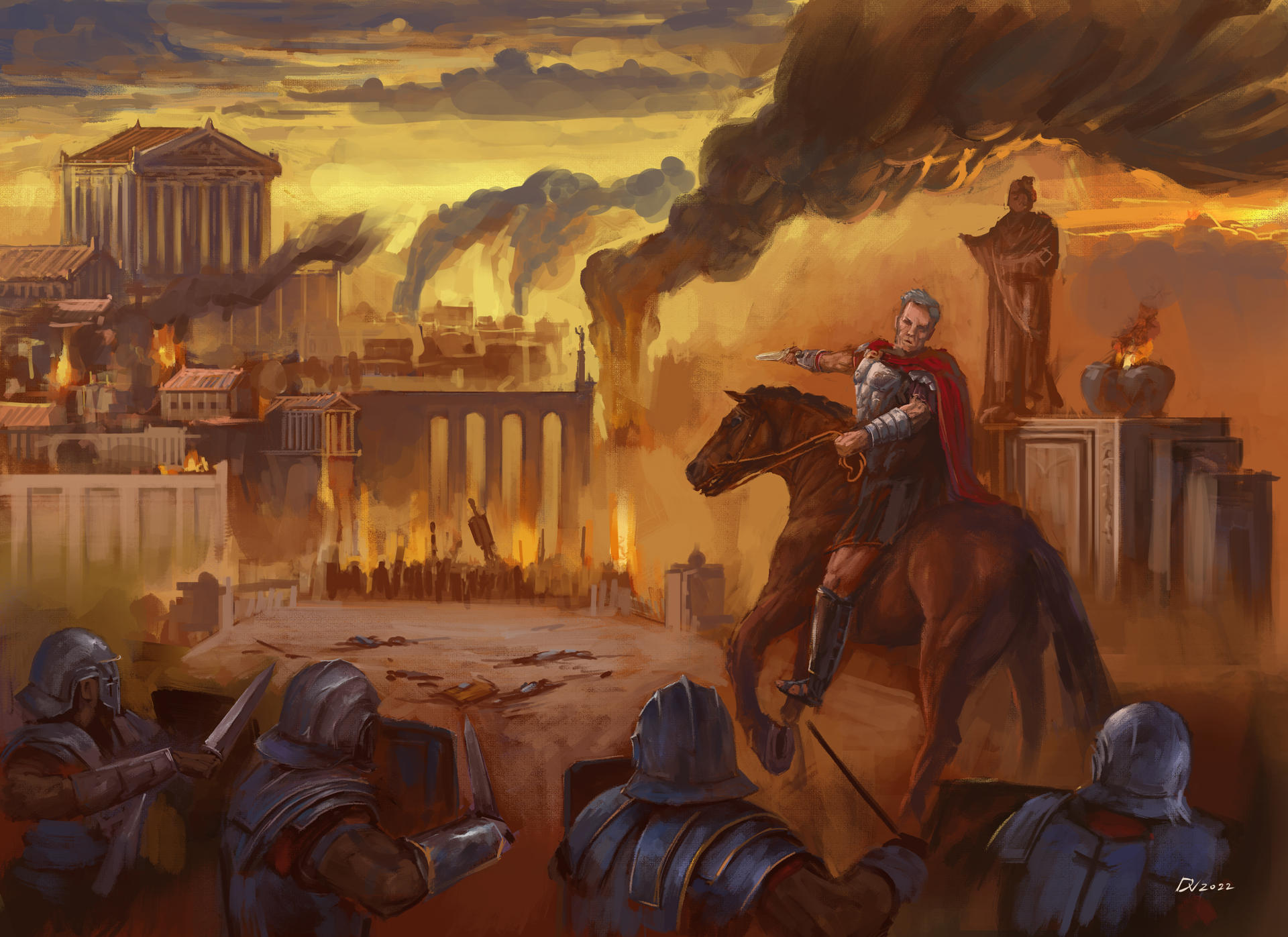
After generations of warfare, rebellion, and military campaigns, Rome gradually transformed Hispania from a contested frontier into one of the most important and fully integrated regions of the empire. What began as a battlefield during the Punic Wars eventually became a network of Roman provinces connected by law, administration, infrastructure, trade, and culture. This transformation did not happen overnight. It was the result of centuries of conquest, political organization, and systematic integration into the Roman world.
Once major resistance movements such as Numantia and the Sertorian rebellion were defeated, Rome shifted its focus from conquest to administration. The primary goal was no longer simply military victory, but long-term stability and control. To achieve this, Rome reorganized Hispania into provinces that could be governed more efficiently.
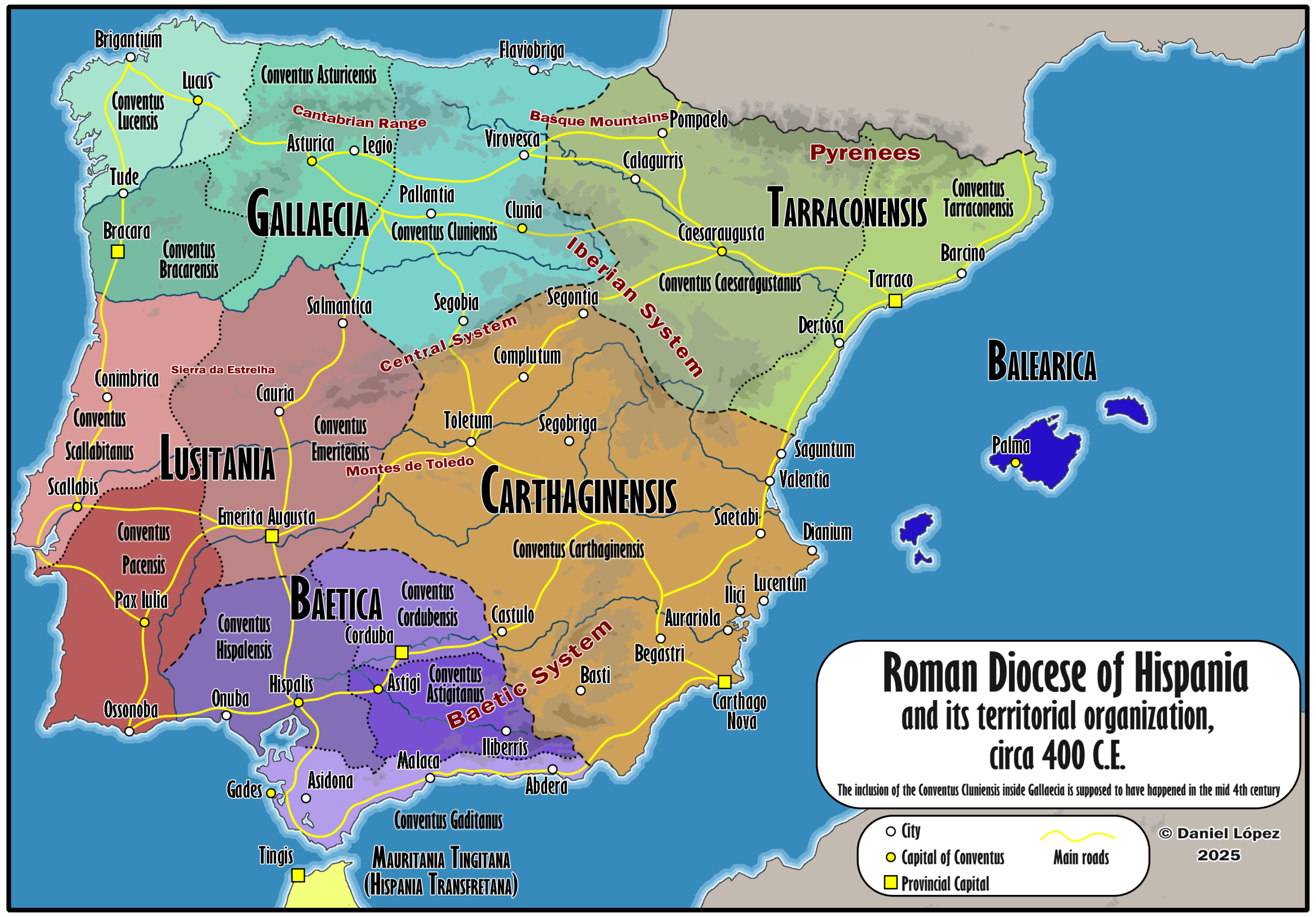
Initially, the peninsula was divided into two provinces: Hispania Citerior (“Nearer Spain”) and Hispania Ulterior (“Further Spain”). These divisions reflected Rome’s early understanding of the region from the perspective of Italy. However, as Roman control expanded and administration became more complex, the system evolved. Later emperors, especially Augustus, reorganized Hispania into more structured provinces such as Baetica, Lusitania, and Tarraconensis.
These provinces were not just geographic divisions—they were part of a broader system of Roman governance and imperial control. Governors were appointed to oversee taxation, law enforcement, military security, and infrastructure. Through these provincial administrations, Rome extended its political authority deep into local communities across the peninsula.
One of the most important tools of integration was Roman law. Rome introduced legal systems that standardized administration and resolved disputes across the provinces. Local elites often adopted Roman legal practices because they provided stability, predictability, and opportunities for political advancement. Over time, Roman law became one of the strongest foundations of Roman influence in Hispania.
Citizenship also played a crucial role. At first, full Roman citizenship was limited, but Rome gradually extended rights to local communities and elites. This process encouraged cooperation and loyalty. Becoming Roman was not only about military conquest—it was also about participating in Roman political and social life. Local aristocrats often gained positions in administration, trade, or even the Roman Senate itself.
The integration of Hispania accelerated under emperors such as Augustus, who promoted infrastructure development throughout the empire. Roads connected cities, military bases, ports, and rural settlements. These roads improved trade, communication, and troop movement while also spreading Roman culture and administration. Hispania became deeply connected to the wider imperial network.
Roman cities expanded rapidly during this period. Urban centers such as Tarraco, Corduba, and Emerita Augusta developed into major administrative and cultural hubs. These cities included forums, temples, theaters, baths, aqueducts, and amphitheaters, all reflecting Roman architectural styles and urban planning. Through urbanization, Rome reshaped the landscape of Hispania itself.
Latin gradually became the dominant language of administration and public life. While local languages and traditions continued in some regions, Latin spread through government, trade, military service, and education. Over time, this linguistic transformation laid the foundations for the later development of Spanish and Portuguese.
Religion also evolved during integration. Roman gods and religious practices were introduced throughout Hispania, often blending with local traditions. Temples dedicated to Roman deities appeared in cities and settlements, reinforcing the cultural presence of Rome. Later, during the imperial period, Christianity would spread across Hispania through the same roads and urban networks created by Roman administration.
Economic integration was equally important. Hispania became one of the empire’s richest provinces due to its agricultural production, mining industries, and trade networks. Olive oil, wine, grain, silver, and gold flowed from Hispania into other parts of the empire. The province became economically essential to Rome, supplying both resources and tax revenue.
Military integration also strengthened Roman control. Local men from Hispania served in Roman auxiliary units and legions, gaining military experience and citizenship opportunities. Over time, many people in Hispania no longer viewed themselves purely as tribal groups but increasingly as participants in the Roman imperial system.
Perhaps the clearest sign of integration was that Hispania eventually produced Roman emperors themselves. Figures such as Trajan and Hadrian were born in Hispania, demonstrating how deeply the region had become part of the Roman world. A territory once conquered through war eventually became capable of ruling the empire itself.
However, Romanization was not uniform everywhere. Remote regions, especially in mountainous northern areas, often preserved local traditions and identities longer than major cities. Integration was therefore a gradual and uneven process rather than total cultural replacement. Even so, Roman influence became dominant across most of the peninsula.
The transformation of Hispania into a Roman province had long-lasting consequences far beyond antiquity. Roman law, language, urban planning, infrastructure, and political systems continued shaping the region long after the fall of the Western Roman Empire. Modern Spain and Portugal still reflect many foundations first established during Roman rule.
In conclusion, the Roman integration of Hispania was one of the most successful examples of provincial transformation in the ancient world. Through law, citizenship, administration, urbanization, and infrastructure, Rome turned a once-divided and resistant region into a central part of the empire. The process reshaped the peninsula politically, culturally, and economically, leaving a legacy that continues to influence Iberia even today.
Main Ideas
- Hispania evolved from frontier to fully integrated Roman province
- Divided into provinces like Baetica, Lusitania, and Tarraconensis
- Reorganized under Augustus
- Roman law standardized governance and society
- Citizenship encouraged loyalty and integration
- Roads and cities connected Hispania to the empire
- Latin language spread throughout the peninsula
- Hispania became economically vital through trade and mining
- Produced emperors like Trajan and Hadrian
- Romanization shaped the foundations of modern Iberia
8. Economic Engine of the Empire: Mines, Gold, Silver, and Agriculture
Once Hispania became firmly integrated into the Roman Empire, it transformed into one of the most economically valuable provinces in the entire Roman world. The region was rich in precious metals, fertile agricultural land, and strategic trade routes, making it essential to Rome’s long-term prosperity. While military conquest secured control of the peninsula, it was the economic exploitation and development of Hispania that truly cemented its importance within the empire.
Rome viewed provinces not only as territories to govern, but also as sources of wealth that could support the imperial system. Hispania quickly proved to be one of the richest regions under Roman rule. Its mines supplied enormous quantities of gold and silver, while its farms produced olive oil, wine, grain, and other goods exported across the Mediterranean. Through these resources, Hispania became a major contributor to the Roman economy and imperial stability.
The mining industry was especially important. Long before Roman conquest, local peoples and the Carthaginians had already exploited parts of Hispania’s mineral wealth. However, Rome expanded extraction on a far larger scale using organized labor, engineering techniques, and imperial administration. The peninsula contained some of the richest mining regions in Europe, particularly in silver and gold.
One of the most famous mining complexes was Las Médulas in northwestern Hispania. This site became one of the largest gold mining operations in the Roman Empire. Roman engineers transformed the landscape itself using advanced hydraulic systems. Water channels were constructed across mountains to direct powerful flows into mining areas, breaking apart rock through a method known as ruina montium, or “wrecking of mountains.”
This mining technique demonstrated the extraordinary scale of Roman engineering. Entire hillsides were destroyed to extract gold, showing how far Rome was willing to reshape the environment for economic gain. Thousands of workers, including local laborers and enslaved people, participated in these operations. The gold extracted from sites like Las Médulas flowed into the imperial treasury and helped finance armies, construction projects, and administration throughout the empire.
Silver mining was equally important, especially in southern Hispania. Regions near Carthago Nova had already been major silver-producing areas under Carthaginian control. Rome inherited and expanded these systems, using Hispania’s silver to mint coins and stabilize the Roman economy. Silver from Hispania circulated across the Mediterranean, connecting the peninsula directly to imperial trade networks.
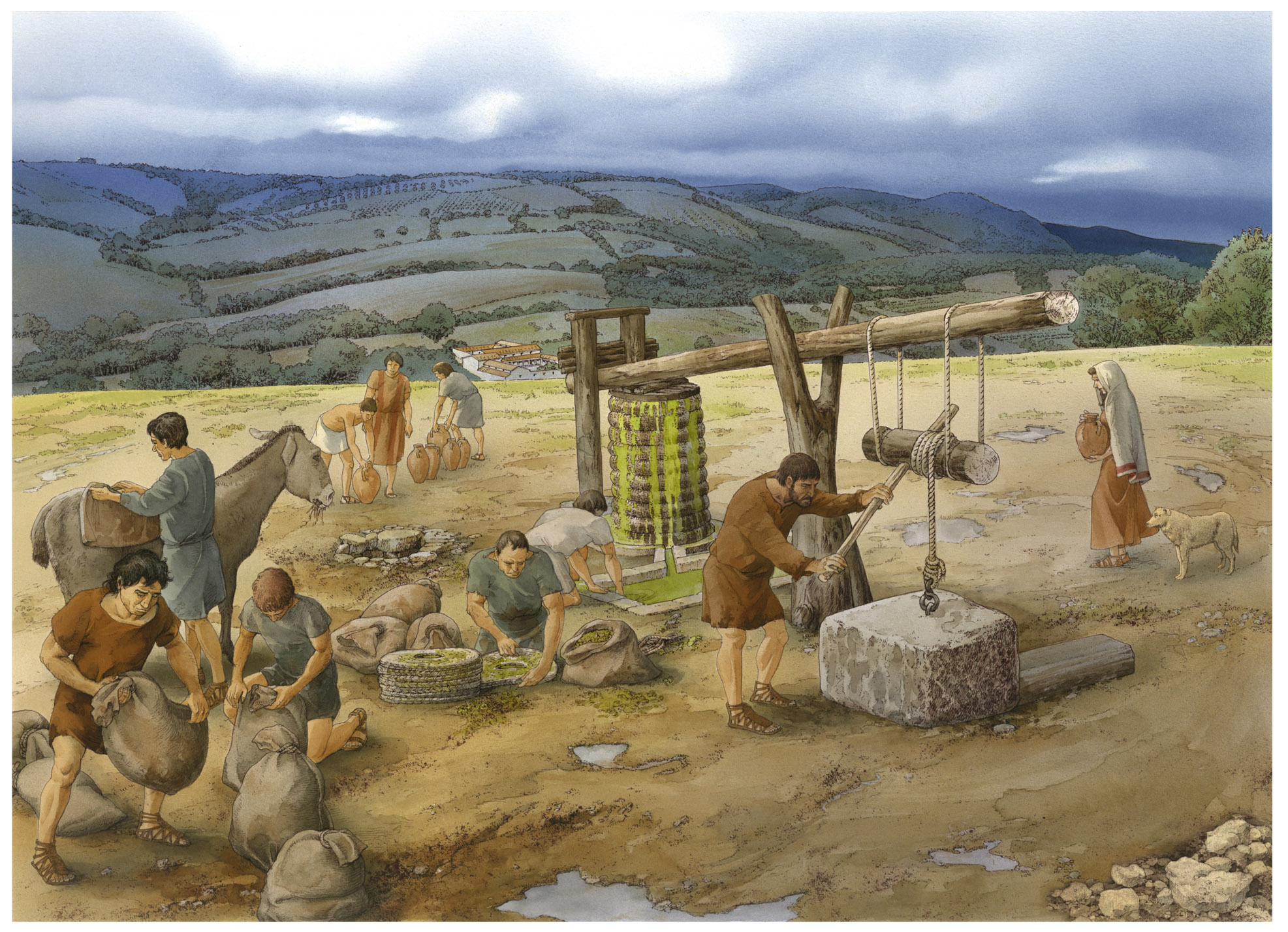
Agriculture formed the second major pillar of Hispania’s economy. The fertile lands of Baetica, particularly in southern Hispania, became some of the empire’s most productive agricultural regions. Large estates known as latifundia produced massive quantities of olive oil, wine, and grain. These goods were exported to Rome and other provinces through organized trade systems.
Olive oil from Baetica became especially famous throughout the empire. Amphorae carrying Hispania’s oil have been discovered in archaeological sites across Europe and North Africa, demonstrating the enormous scale of trade. In Rome itself, discarded oil containers formed massive waste deposits such as Monte Testaccio, much of which came from Hispania. This shows how deeply connected the province was to everyday life in the imperial capital.
Roman infrastructure played a crucial role in supporting this economic growth. Roads connected inland mines and farms to coastal ports, allowing goods to move efficiently across the region. Ports along the Mediterranean and Atlantic coasts linked Hispania to broader Mediterranean trade networks. Without Roman roads, bridges, and shipping systems, economic exploitation on this scale would have been impossible.
Urbanization also supported the economy. Roman cities acted as centers of trade, taxation, and administration. Markets connected rural producers with merchants and exporters, while local elites often invested in agricultural estates or mining operations. This created a provincial economy increasingly integrated into Roman imperial structures.
Economic wealth also contributed to social and political mobility. Successful local elites in Hispania could gain Roman citizenship, enter imperial administration, or even rise to positions of major influence. The prosperity of the region allowed some Hispano-Roman families to become deeply involved in imperial politics. Over time, Hispania evolved from a conquered territory into one of the empire’s wealthiest and most respected provinces.
However, this economic system also relied heavily on inequality and labor exploitation. Enslaved workers and poor laborers performed much of the dangerous mining and agricultural work. Conditions in mines could be extremely harsh, with long hours and dangerous environments. Roman economic success often depended on the intensive use of human labor alongside engineering innovation.
The wealth of Hispania also strengthened Rome militarily. Taxes and resources from the province helped support Roman armies stationed across the empire. In this sense, Hispania was not only economically valuable—it was strategically essential to maintaining Roman global power.
Over time, Roman influence reshaped the Iberian landscape itself. Forests were cleared for agriculture, mountains were altered by mining, and cities expanded through trade wealth. The province became deeply interconnected with the broader imperial economy, no longer isolated but fully integrated into Rome’s system of production and exchange.
In conclusion, Hispania became one of the greatest economic centers of the Roman Empire through its gold mines, silver production, agriculture, and trade networks. Sites like Las Médulas demonstrated Roman engineering ambition, while the agricultural wealth of Baetica supplied goods across the Mediterranean world. Through resource extraction, infrastructure, and trade, Hispania evolved into a crucial engine of Roman prosperity and imperial strength.
Main Ideas
- Hispania became one of Rome’s richest provinces
- Major sources of gold, silver, olive oil, wine, and grain
- Las Médulas was a massive Roman gold mine
- Romans used advanced hydraulic mining techniques
- Silver mining supported Roman currency and trade
- Baetica became famous for olive oil exports
- Roads and ports connected Hispania to imperial markets
- Urban centers supported trade and taxation
- Wealth increased integration into Roman politics
- Economy relied heavily on labor exploitation and slavery
9. Roman Cities and Infrastructure: Roads, Aqueducts, and Urban Growth
One of the greatest and most lasting impacts of Roman rule in Hispania was the transformation of the peninsula through urbanization, infrastructure, and engineering. Before Roman conquest, many Iberian and Celtiberian communities lived in tribal settlements, fortified hill towns, or coastal trading centers. Although some urban development already existed, Rome introduced a far more organized and interconnected system of cities, roads, aqueducts, and public buildings. Over time, Hispania became deeply integrated into the Roman world through these networks, and much of modern Spain and Portugal still reflects this Roman foundation today.
Rome understood that controlling a province required more than military conquest. Armies could win battles, but roads, cities, and infrastructure were what allowed an empire to function over centuries. In Hispania, Roman engineers and administrators reshaped the landscape to improve communication, trade, defense, and governance. This transformation was one of the clearest examples of Roman organizational power.
The Roman road system became the backbone of Hispania’s integration into the empire. Roman roads connected major cities, military bases, mining regions, ports, and agricultural centers. These roads allowed troops to move quickly, merchants to transport goods efficiently, and government officials to maintain communication across large distances.
One of the most important routes was the Via Augusta, which stretched along the Mediterranean coast and linked Hispania to southern Gaul and Italy. This road became a major commercial and military artery, connecting cities and facilitating trade throughout the western Mediterranean. Other roads extended into the interior, allowing Rome to maintain control even in previously isolated regions.
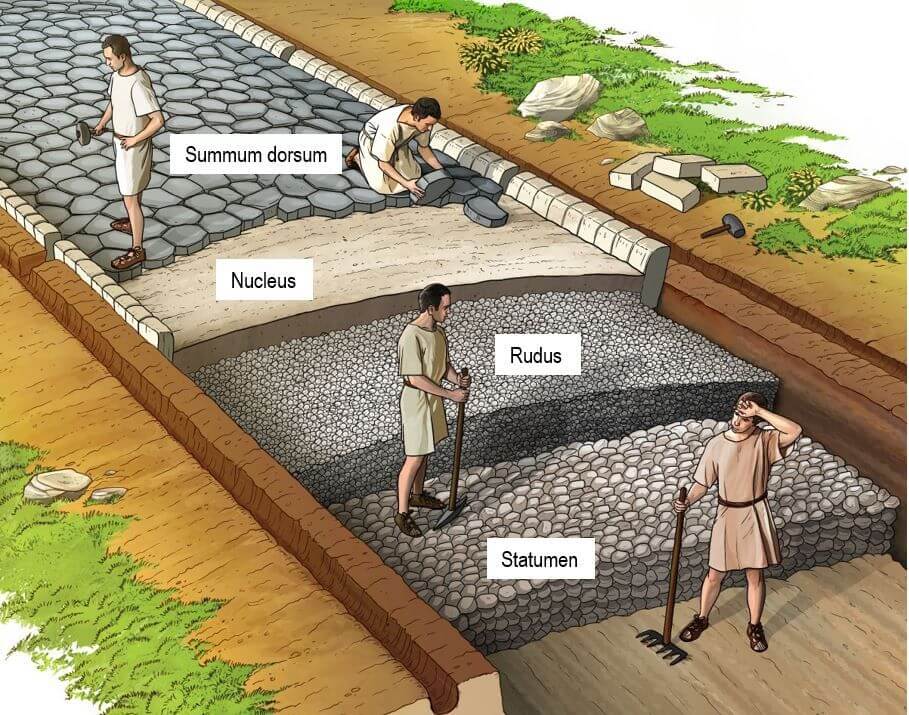
Roman roads were famous for their durability and engineering precision. Builders carefully prepared foundations, drainage systems, and stone paving to ensure roads remained functional for long periods. Bridges crossed rivers, while milestones marked distances and reinforced imperial organization. These roads were not temporary military paths—they were permanent infrastructure projects designed to support the empire for generations.
Cities also expanded rapidly under Roman rule. Urban centers became administrative hubs where governors, merchants, soldiers, and local elites interacted. Many Roman cities in Hispania followed the classic Roman layout, including forums, temples, baths, theaters, amphitheaters, and markets. Through urban planning, Rome imposed a recognizable imperial structure across the peninsula.
One important city was Tarraco, which became the capital of the province Tarraconensis. Tarraco served as an administrative and military center and reflected the wealth and importance of Roman Hispania. Public buildings, walls, and entertainment structures demonstrated Rome’s investment in urban development.
Another major center was Emerita Augusta, modern Mérida, founded under Augustus as a settlement for retired Roman soldiers. The city contained theaters, temples, aqueducts, and bridges, many of which still survive today. Emerita Augusta symbolized how Rome used urbanization to integrate veterans, stabilize territories, and spread Roman culture.
Aqueducts were among the most impressive examples of Roman engineering in Hispania. These structures transported water from distant sources into cities, supporting baths, fountains, irrigation, and public sanitation. The Romans understood that reliable water systems were essential for urban growth and public health.
One of the most famous surviving Roman structures in Hispania is the Aqueduct of Segovia. Built using massive stone blocks without mortar, the aqueduct carried water into the city across a series of towering arches. It demonstrated Roman mastery of engineering, mathematics, and construction techniques. Even centuries after the fall of Rome, parts of the aqueduct remained functional.
Public baths, forums, amphitheaters, and temples also played a major role in Roman city life. These spaces were not only practical but symbolic. They represented Roman order, culture, and civilization. Local elites often funded public buildings to gain prestige and demonstrate loyalty to Rome. Through architecture, Roman values became visible throughout Hispania.
Urbanization also accelerated economic growth. Cities became centers for trade, taxation, and production. Markets connected rural agricultural regions with merchants and exporters, while ports linked Hispania to the wider Mediterranean economy. Roman infrastructure therefore supported both political control and economic prosperity simultaneously.
Military needs also shaped infrastructure development. Roads allowed legions to move rapidly during rebellions or external threats, while bridges and forts secured important strategic locations. Rome’s ability to combine civilian and military infrastructure gave it enormous advantages in maintaining long-term control over the peninsula.
The spread of infrastructure also encouraged cultural integration. Latin language, Roman law, religious practices, and social customs spread most rapidly through urban centers connected by roads and trade networks. Cities became places where local Iberian traditions blended with Roman culture, creating the Hispano-Roman identity that would dominate the region for centuries.
However, urbanization was uneven. Coastal and southern regions developed more quickly due to trade and agricultural wealth, while remote mountainous areas remained less Romanized for longer periods. Even so, Roman infrastructure gradually connected much of the peninsula into a unified imperial system.
The legacy of Roman infrastructure in Hispania survived long after the Western Roman Empire collapsed. Roads continued to shape trade routes, cities remained major population centers, and structures like aqueducts and bridges continued to function. Many modern Spanish and Portuguese cities still follow patterns established during Roman rule.
In conclusion, Roman cities and infrastructure transformed Hispania into a highly organized and interconnected province. Through roads, aqueducts, urban planning, and public architecture, Rome reshaped the Iberian Peninsula economically, culturally, and politically. Landmarks such as Tarraco and the Aqueduct of Segovia continue to demonstrate the scale and permanence of Roman influence in Hispania.
Main Ideas
- Rome transformed Hispania through urbanization and infrastructure
- Roads connected cities, mines, ports, and military bases
- Via Augusta was one of the most important Roman roads
- Roman roads were durable and strategically designed
- Tarraco became a major provincial capital
- Emerita Augusta was founded for Roman veterans
- Aqueducts supplied cities with fresh water
- Aqueduct of Segovia showed advanced Roman engineering
- Infrastructure strengthened trade, military control, and cultural integration
- Roman cities shaped the foundations of modern Iberian urban life
10. The End of Rome in Hispania: Visigoths, Collapse, and Lasting Legacy
The Roman presence in Hispania lasted for more than six centuries, shaping the peninsula through conquest, administration, infrastructure, law, and culture. However, like the rest of the Western Roman Empire, Roman Hispania eventually entered a long period of decline. Political instability, economic problems, military weakness, and invasions gradually weakened imperial control until Rome could no longer govern the region effectively. The fall of Roman Hispania was not a sudden collapse in a single year, but a slow transformation from Roman rule into a post-Roman world dominated by new powers such as the Visigoths.
By the 3rd century CE, the Roman Empire was facing increasing difficulties across its territories. Civil wars, economic crises, inflation, and military instability placed enormous pressure on imperial administration. Hispania, although still wealthy and relatively stable compared to some frontier provinces, began to feel the effects of these larger problems. Trade slowed, urban growth weakened, and imperial authority became less consistent.
One major issue was the increasing difficulty Rome faced in defending its vast borders. Germanic tribes, migrating peoples, and external invasions stretched Roman military resources to the limit. As more troops were needed in frontier regions such as the Rhine and Danube, provinces like Hispania received less direct military attention. This weakened Rome’s ability to maintain strong control across the peninsula.
At the same time, political instability in Rome itself created uncertainty throughout the empire. Emperors rose and fell rapidly, often through military coups or civil wars. Provincial governors and local elites sometimes became more focused on protecting regional interests than maintaining loyalty to distant imperial authority. Hispania remained connected to Rome, but the strength of that connection slowly weakened over time.
Despite these challenges, Roman culture and administration continued functioning in many parts of Hispania during the 4th century. Cities still operated, Roman law remained influential, and Christianity expanded rapidly throughout the peninsula. In fact, Christianity became one of the most important forces preserving elements of Roman identity even as political structures weakened. Churches, bishops, and Christian communities increasingly replaced some traditional imperial institutions.
The true collapse of Roman authority accelerated during the early 5th century CE. In 409 CE, several groups—including the Vandals, Suebi, and Alans—crossed into Hispania after moving through Gaul. These invasions exposed Rome’s inability to defend the province effectively. Imperial control fragmented as local regions fell under the authority of different barbarian groups.
Rome attempted to regain stability by relying on allied Germanic peoples known as federates. Among the most important were the Visigoths. Originally settled within the empire as allies, the Visigoths were later tasked with restoring order in Hispania. Over time, however, they established their own independent kingdom, gradually replacing Roman authority altogether.
The Visigoths eventually became the dominant power in Hispania, especially after defeating rival groups and consolidating territory. Their kingdom preserved many Roman traditions while also introducing new Germanic political structures. Latin continued to be spoken, Roman law remained influential, and many Roman cities survived under Visigothic rule. This demonstrates that the “fall” of Rome in Hispania was not a total destruction of civilization, but rather a transition into a new political era.
One important aspect of this transition was the survival of Roman infrastructure. Roads, bridges, aqueducts, and cities built during Roman rule continued to shape life in Hispania long after imperial collapse. Many Visigothic rulers governed from former Roman urban centers and relied on existing administrative systems. Roman foundations proved so strong that they remained useful even without direct imperial authority.
The cultural legacy of Rome in Hispania was even more lasting. Latin evolved into the early forms of Spanish and Portuguese. Roman law influenced medieval legal traditions. Christianity, spread through Roman networks, became central to Iberian identity for centuries. Roman urban planning continued shaping settlement patterns, while Roman agricultural systems and trade routes influenced economic development long after the empire ended.
Hispania also played a role in preserving aspects of Roman intellectual and religious life during the transition to the medieval world. Bishops and scholars maintained literacy, administration, and legal traditions at a time when many imperial institutions elsewhere were collapsing. In this sense, Roman Hispania did not disappear completely—it evolved into something new while carrying forward many elements of Roman civilization.
The end of Roman rule also marked the beginning of new historical periods in Iberia. The Visigothic Kingdom became the dominant power until the Islamic conquest of the early 8th century transformed the peninsula once again. Yet even through these later changes, Roman influence remained deeply embedded in Iberian society.
Today, the legacy of Roman Hispania can still be seen throughout modern Spain and Portugal. Roman roads influenced transportation routes, aqueducts and bridges still stand, and countless cities trace their origins to Roman foundations. More importantly, language, law, architecture, and cultural identity all retain strong Roman roots.
In conclusion, the end of Rome in Hispania was not simply the disappearance of an empire, but a gradual transformation shaped by crisis, invasion, and adaptation. The rise of the Visigoths marked the political end of Roman rule, yet Roman culture and institutions survived in many forms. Through its language, infrastructure, religion, and law, the legacy of Roman Hispania continued shaping the Iberian Peninsula long after the empire itself had fallen.
Main Ideas
- Roman Hispania declined gradually rather than collapsing instantly
- Empire weakened through political instability and economic crisis
- Barbarian invasions accelerated the collapse in the 5th century CE
- Christianity became a stabilizing force during decline
- Groups like Vandals and Suebi entered Hispania in 409 CE
- Visigoths eventually took control of the peninsula
- Many Roman systems survived under Visigothic rule
- Roman roads, cities, and infrastructure remained influential
- Latin evolved into Spanish and Portuguese
- Roman legacy continued shaping Iberia long after imperial collapse