
The First Samnite War (343–341 BC) was an important conflict in the early history of the Roman Republic and marked a major stage in Rome’s expansion across Italy. The war was fought between Rome and the Samnites, a powerful group of peoples who lived in the mountainous regions of central and southern Italy. Although the conflict was relatively short, it had important consequences for Rome’s growing influence and its relationships with other Italian communities.
The war began after the Campani of Capua sought Roman assistance against the Samnites. Rome faced a difficult decision because it had previously maintained friendly relations with the Samnites. However, the opportunity to gain influence in the wealthy region of Campania encouraged Rome to intervene. Roman armies were sent south, bringing the Republic into direct conflict with the Samnite forces.
The Romans achieved important successes during the conflict, including victories associated with the Battle of Mount Gaurus and the Battle of Saticula. These victories demonstrated the growing strength and organization of the Roman military. However, the war was not simply a straightforward Roman conquest. Rome faced political and military difficulties, and maintaining its alliances and influence in Italy was just as important as winning battles.
In 341 BC, the war came to an end through a negotiated settlement. Rome and the Samnites made peace, and the two powers temporarily returned to cooperation. Rome did not completely defeat or destroy the Samnites, meaning that the conflict was only the beginning of a much longer struggle between the two powers. The Samnite Wars would continue in later decades and become some of the most important conflicts in Rome’s conquest of Italy.
The First Samnite War also demonstrated how Roman diplomacy, military power, and alliances worked together during the Republic’s expansion. Rome increasingly became involved in conflicts between Italian communities, allowing it to strengthen its position beyond Latium. Its involvement in Campania gave Rome greater influence in a strategically important region and helped set the stage for future conflicts.
Although the First Samnite War was brief, its importance lies in what it represented. It was an early example of Rome becoming more deeply involved in the affairs of central and southern Italy. The conflict helped shape Rome’s future relationships with the Samnites and other Italian peoples, contributing to the long process that would eventually make Rome the dominant power in the Italian peninsula.
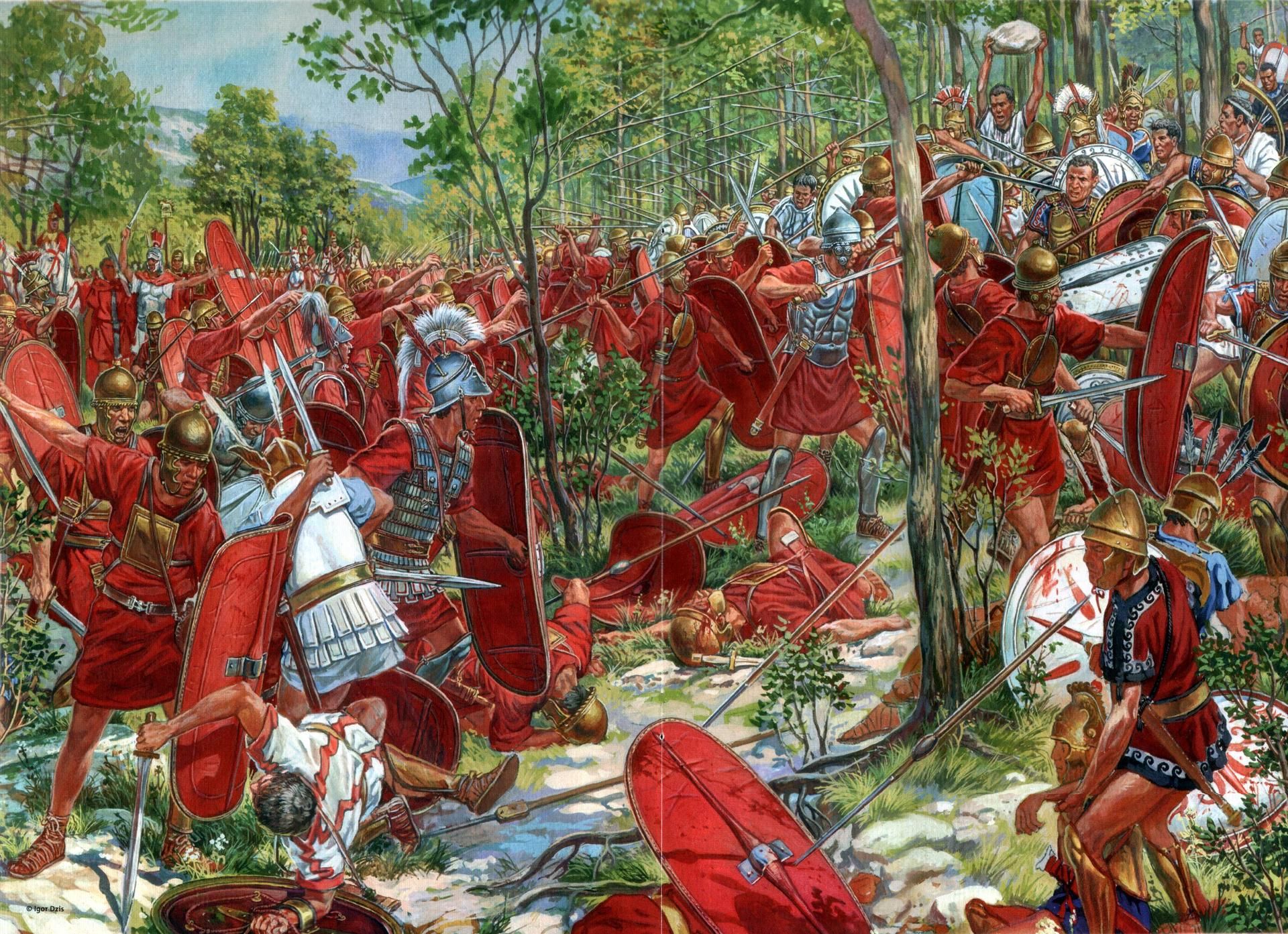
I. The Causes and Origins of the First Samnite War
The First Samnite War began in 343 BC and was caused by a combination of political, military, and economic developments in central and southern Italy. During this period, the Roman Republic was becoming increasingly powerful, while the Samnites were one of the strongest peoples in the Italian peninsula. The conflict developed from growing competition for influence, particularly in the wealthy region of Campania.
Before the war, Rome had already expanded its influence throughout Latium and had established itself as an important regional power. However, Rome’s ambitions were increasingly connected to areas farther south. Campania, located around the Bay of Naples, was especially valuable because of its fertile farmland, prosperous cities, and important trade routes. Control or influence in this region could significantly strengthen Rome’s position in Italy.
The Samnites had their own interests in Campania. They were a powerful group from the mountainous areas of central Italy and had expanded their influence toward the lowlands. Their relationship with Rome had previously been relatively peaceful, and the two powers had even agreed to cooperate through a treaty around 354 BC. This agreement helped establish a temporary balance between Roman and Samnite interests.
The immediate cause of the First Samnite War was the conflict between the Samnites and the Campani. The Campani, particularly the people of Capua, came under pressure from Samnite attacks and sought assistance from Rome. Roman intervention created a difficult political situation because Rome had to decide whether to honor its existing relationship with the Samnites or take advantage of an opportunity to expand its influence.
According to ancient accounts, the people of Capua appealed to Rome for protection and placed themselves under Roman authority. This gave Rome a justification for entering the conflict. The Roman decision was significant because it brought the Republic into direct confrontation with a powerful Italian people with whom it had previously maintained friendly relations.
There were also important economic and strategic reasons behind Rome’s involvement. Campania was one of the richest regions in Italy, and gaining influence there could provide Rome with greater access to agricultural resources, trade networks, and important settlements. Rome’s leaders therefore had strong reasons to protect their new relationship with the Campani.
The outbreak of war also reflected the changing balance of power in Italy. Rome was no longer concerned only with defending its immediate territory. It was becoming increasingly involved in the political affairs of neighboring peoples. The First Samnite War therefore represented an important step in Rome’s expansion beyond Latium.
However, the causes of the war should not be understood as a simple plan by Rome to conquer all of Italy. Roman actions were influenced by a mixture of alliances, security concerns, economic interests, and opportunities for expansion. The conflict developed from a complicated political situation in which several Italian communities had their own goals and rivalries.
Ultimately, the First Samnite War began because Roman and Samnite interests increasingly came into conflict in Campania. Rome’s decision to support the Campani transformed a regional dispute into a war between two major powers. Although the conflict ended after only a few years, it established tensions that would later lead to the much larger Second and Third Samnite Wars.
5 Main Ideas
I. Roman Expansion: Rome was becoming more powerful and increasingly interested in southern Italy.
II. Campania: The wealthy and strategically important region became a major focus of Roman and Samnite competition.
III. Samnite Power: The Samnites were a strong Italian people whose expansion brought them into competition with Rome.
IV. Roman Intervention: Rome entered the conflict after the Campani, especially Capua, requested Roman assistance.
V. Long-Term Consequences: The First Samnite War created tensions that contributed to the later Samnite Wars and Rome’s wider expansion in Italy.
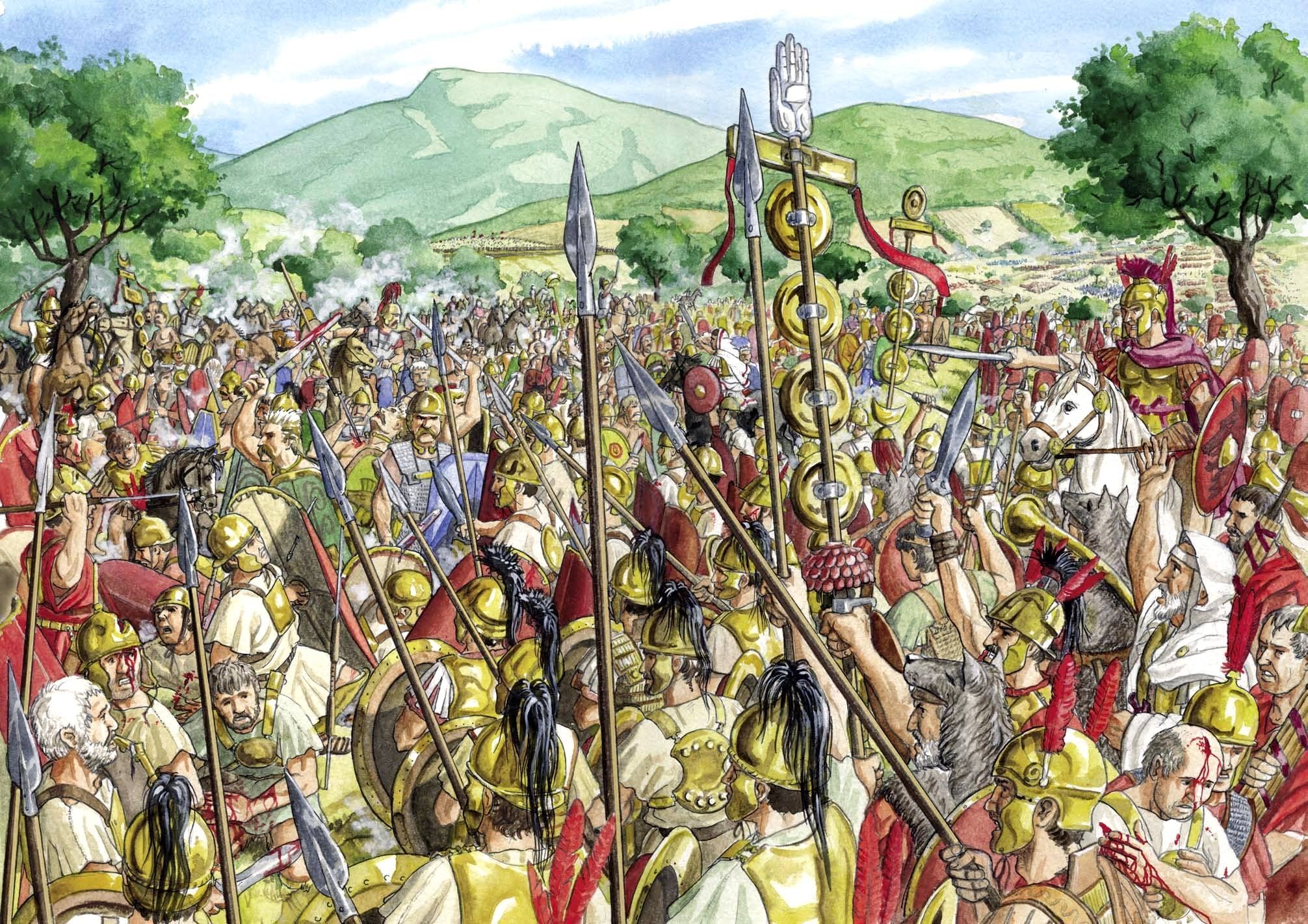
II. Rome, the Samnites, and the Political Situation in Italy
The First Samnite War took place during a period when Rome and the Samnites were two of the most important powers in central Italy. To understand why the war developed, it is important to examine the political situation that existed before 343 BC. Rome had already established strong control over much of Latium, while the Samnites controlled extensive areas of the central Apennines and had expanded their influence toward the fertile and wealthy region of Campania. The growing power of both sides meant that their interests were increasingly likely to come into contact.
The Samnites were a collection of related peoples living mainly in the mountainous regions of central and southern Italy. Unlike Rome, they did not operate as one centralized state with a single permanent ruler. Different Samnite communities had their own interests and leaders, but they could cooperate when facing serious military threats. Their homeland was difficult to invade because of its mountainous landscape, and the Samnites developed strong military traditions. By the fourth century BC, they had become one of the most significant powers in the Italian peninsula.
Rome, meanwhile, had developed a powerful republican government supported by an increasingly organized military. After years of conflicts with neighboring communities, Rome had strengthened its position throughout Latium. Roman victories and alliances gave the Republic greater security and allowed its leaders to become more involved in affairs beyond their traditional territory. This expansion did not immediately mean that Rome controlled southern Italy, but it meant that Roman interests were spreading into regions where other powerful peoples already had influence.
Despite their growing competition, Rome and the Samnites had previously maintained relatively peaceful relations. Around 354 BC, Rome and the Samnites reached a treaty that helped establish an understanding between the two powers. The agreement reduced the likelihood of direct conflict and allowed both sides to concentrate on their own interests. At this time, neither Rome nor the Samnites necessarily benefited from fighting a major war against the other, so cooperation was possible.
However, this balance became increasingly difficult to maintain because of Campania’s wealth and strategic importance. Campania had fertile farmland, prosperous communities, and important trading connections. Its position in southern Italy also made it valuable for military and political reasons. A powerful state with influence in Campania could strengthen its position throughout Italy and gain access to important routes connecting central and southern regions.
One of the most important cities in Campania was Capua, a wealthy and influential city with strong political and economic connections. The Campani eventually came into conflict with the Samnites and faced increasing pressure from them. As the situation became more serious, the Campani sought assistance from Rome. Their request created a major decision for the Roman government because helping them could threaten Rome’s previous relationship with the Samnites.
Rome eventually decided to intervene on behalf of the Campani. This was a major turning point in Roman foreign policy, because the Republic was now prepared to challenge Samnite interests in an area that both powers considered important. Rome’s decision was influenced by a combination of alliances, security concerns, political opportunities, and the desire to increase its influence in Italy.
The changing political situation therefore helps explain the origins of the First Samnite War. Rome and the Samnites had not always been enemies; they had previously cooperated and maintained a treaty. The conflict developed because the balance of power in Italy was changing. Rome was expanding, the Samnites were defending their interests, and Campania had become an area of intense competition.
The First Samnite War was therefore the result of several connected political developments rather than one single cause. The struggle for influence in Campania brought Rome and the Samnites into direct conflict, while the involvement of Capua turned a regional dispute into a much larger confrontation. Although the war lasted only a few years, these tensions would continue to shape Roman and Samnite relations for decades.
5 Main Ideas
I. The Power of the Samnites: The Samnites were a collection of powerful Italian communities with strong military traditions and influence across central and southern Italy.
II. The Growth of Rome: Rome had strengthened its control over Latium and was becoming increasingly involved in the political affairs of neighboring regions.
III. The Treaty of 354 BC: Rome and the Samnites had previously maintained relatively peaceful relations through an agreement that helped prevent direct conflict.
IV. The Importance of Campania: Campania was wealthy, fertile, strategically located, and increasingly important to both Roman and Samnite interests.
V. The Campanian Appeal to Rome: The Campani’s request for Roman assistance brought Rome into direct competition with the Samnites and helped trigger the First Samnite War.
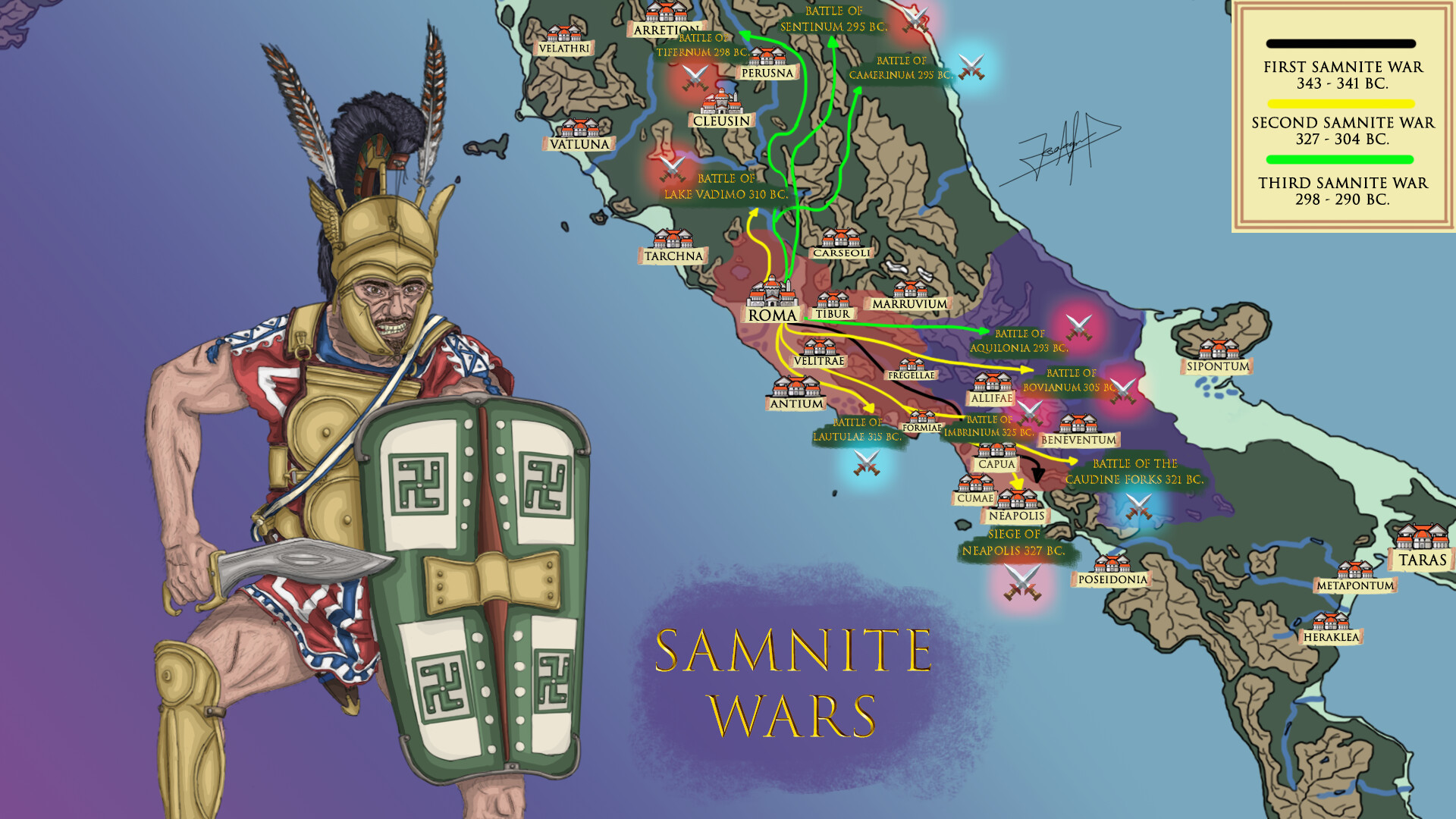
III. Rome’s Intervention in Campania and the Beginning of the War
The Roman intervention in Campania was the immediate development that turned growing tensions between Rome and the Samnites into the First Samnite War. By 343 BC, Campania had become one of the most important regions in central and southern Italy. Its fertile land, prosperous communities, and strategic position made it valuable to several neighboring powers. The situation became especially important when the Campani of Capua came under pressure from the Samnites and looked to Rome for assistance.
Before Roman involvement, the Campani had already experienced serious conflict with the Samnites. The Samnites had expanded their influence into parts of Campania, creating tension with local communities. Capua was particularly important because of its wealth and political influence. The city and surrounding Campanian communities had strong reasons to seek protection from a powerful outside ally. Rome, which was becoming increasingly influential in Italy, offered a possible source of military support.
The Campani’s appeal to Rome created a difficult political situation. Rome and the Samnites had previously maintained friendly relations through their treaty of 354 BC. Entering a war against the Samnites could therefore damage an existing relationship that had benefited both powers. At the same time, refusing to help the Campani could mean losing an opportunity to establish Roman influence in a wealthy and strategically important region.
According to ancient Roman accounts, the Campani made a particularly strong appeal for Roman assistance. They sought protection and eventually placed themselves and their territory under Roman authority. This gave the Romans a political basis for intervention. Rome accepted the Campanian appeal and prepared to oppose the Samnites, marking a major change in relations between the two powers.
Roman involvement was not simply about protecting Campania. The region offered important economic and strategic advantages. Its farmland could support large populations, while its cities were involved in trade across Italy and the Mediterranean. Control of important routes through Campania could also improve Rome’s ability to communicate and move armies toward southern Italy.
The Roman government therefore faced a combination of military, diplomatic, and economic considerations. Supporting Campania could strengthen Rome’s position, but it also created the possibility of a major conflict with a powerful opponent. The decision demonstrated that Roman leaders were becoming more willing to intervene outside Latium when they believed important interests were involved.
Once Rome committed itself to the Campanian cause, Roman and Samnite forces came into direct conflict. Roman armies were sent into Campania, where they achieved important victories during the early stages of the war. These successes helped establish Roman influence in the region and demonstrated the strength of the Roman military.
However, the beginning of the war did not mean that Rome immediately conquered the Samnites or gained complete control of Campania. The conflict remained complicated, and Rome had to consider its relationships with other Italian communities. The Samnites also remained a powerful force capable of resisting Roman expansion.
The intervention in Campania was therefore a turning point in Roman history. It demonstrated that Rome was becoming more deeply involved in the affairs of southern Italy and was willing to risk conflict to defend its alliances and expand its influence. The First Samnite War began as a regional struggle, but Roman intervention transformed it into a conflict between two major Italian powers.
5 Main Ideas
I. Campanian Crisis: The Campani faced increasing pressure from the Samnites and sought assistance from Rome.
II. Roman Intervention: Rome accepted the Campanian appeal and decided to become directly involved in the conflict.
III. Diplomatic Risk: Roman intervention threatened the previous relationship and treaty between Rome and the Samnites.
IV. Strategic Importance: Campania offered valuable farmland, trade connections, cities, and important routes through Italy.
V. Beginning of the War: Rome’s decision to support Campania brought Roman and Samnite forces into direct military conflict and began the First Samnite War.
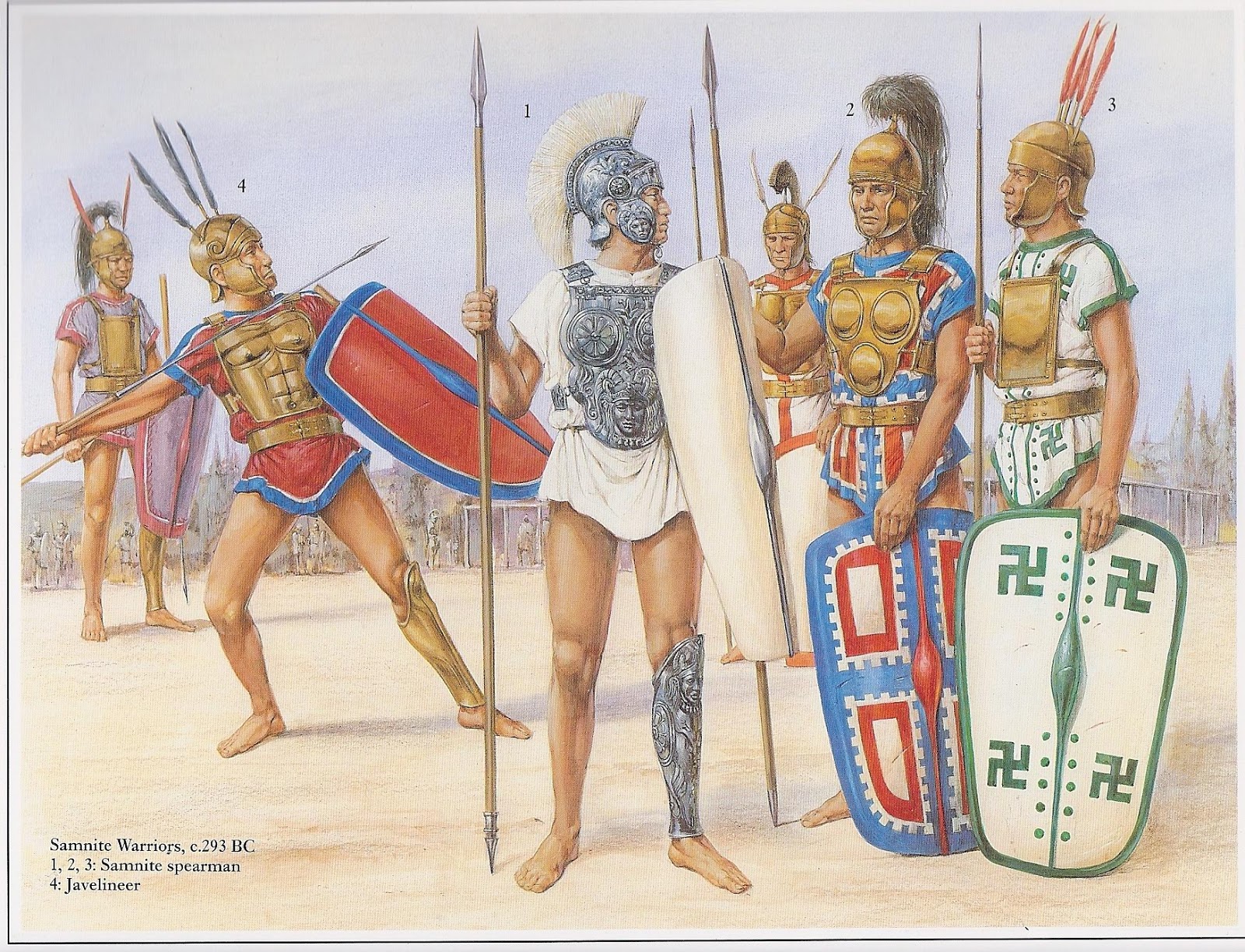
IV. The Major Battles and Military Victories of the First Samnite War
The First Samnite War involved several important military encounters between Roman and Samnite forces. Although the war lasted only from 343 to 341 BC, the fighting demonstrated the military strength of both sides and showed how Rome was becoming increasingly capable of operating outside its traditional territory. Roman armies entered Campania to support their new allies, while the Samnites attempted to maintain their influence in the region. The conflict was therefore an important test of Roman military organization and leadership.
One of the earliest major engagements was the Battle of Mount Gaurus, traditionally dated to 343 BC. The battle took place near Cumae in Campania and is described by the Roman historian Livy as an important Roman victory. The Roman army was commanded by the consul Marcus Valerius Corvus, while the Samnites attempted to resist the Roman advance. According to the ancient account, the fighting was difficult and intense, but the Romans eventually gained the advantage.
The victory at Mount Gaurus was significant because it demonstrated that Roman forces could successfully challenge the Samnites in Campania. The Samnites were experienced warriors and controlled difficult mountainous territory, so defeating them in battle strengthened Roman confidence. The victory also helped protect Rome’s developing relationship with the Campani and increased Roman influence in the region.
Another important engagement occurred at the Battle of Saticula, also associated with the fighting of 343 BC. Roman forces operated in the area around Saticula while facing Samnite resistance. The campaign demonstrated the importance of controlling towns and routes as well as winning individual battles. Roman commanders had to maintain their armies in unfamiliar territory while dealing with a determined opponent.
The Roman military also fought at the Battle of Suessula, where Roman forces under Marcus Valerius Corvus achieved another important victory according to Livy. The Samnites had gathered a large force in the area, and the Romans attacked after carefully positioning their army. The Roman victory further strengthened their position in Campania and placed additional pressure on Samnite forces.
These victories were important, but the war was not simply a series of effortless Roman successes. The Samnites remained a powerful military opponent, and Rome faced political difficulties as the conflict continued. The Romans also had to manage their relationships with other Italian communities and maintain support for the war at home.
The campaigns of the First Samnite War demonstrated several characteristics of Roman warfare. Roman commanders relied on discipline, organization, military experience, and effective leadership. Soldiers were expected to maintain formations and follow orders even during difficult battles. Rome’s ability to repeatedly organize armies and send them into different parts of Italy became an important advantage as its conflicts expanded.
The Samnites also demonstrated their military strength and determination. Their ability to challenge Roman armies showed that Rome had not yet become the unquestioned military power of Italy. The later Samnite Wars would prove that the rivalry between the two powers was far from over.
The battles of the First Samnite War therefore had importance beyond their immediate results. Roman victories increased the Republic’s influence in Campania, strengthened its alliances, and demonstrated its growing military capabilities. At the same time, the resistance of the Samnites ensured that the conflict ended through political settlement rather than the complete destruction of one side.
By the end of the fighting, Rome had gained valuable experience and strengthened its position in central and southern Italy. The military campaigns of 343–341 BC helped prepare Rome for future conflicts and contributed to the much longer struggle that would eventually determine the balance of power across the Italian peninsula.
5 Main Ideas
I. Battle of Mount Gaurus: A major Roman victory that demonstrated Rome’s ability to challenge Samnite forces in Campania.
II. Battle of Saticula: Fighting around Saticula showed the importance of controlling territory and maintaining Roman military operations in Campania.
III. Battle of Suessula: Another important Roman success that strengthened Rome’s position and placed pressure on the Samnites.
IV. Roman Military Organization: Roman discipline, leadership, organization, and experience helped the Republic conduct successful campaigns.
V. Samnite Resistance: Despite Roman victories, the Samnites remained a powerful military opponent, ensuring that their rivalry with Rome would continue beyond the First Samnite War.
V. Roman Alliances and the Changing Balance of Power in Italy
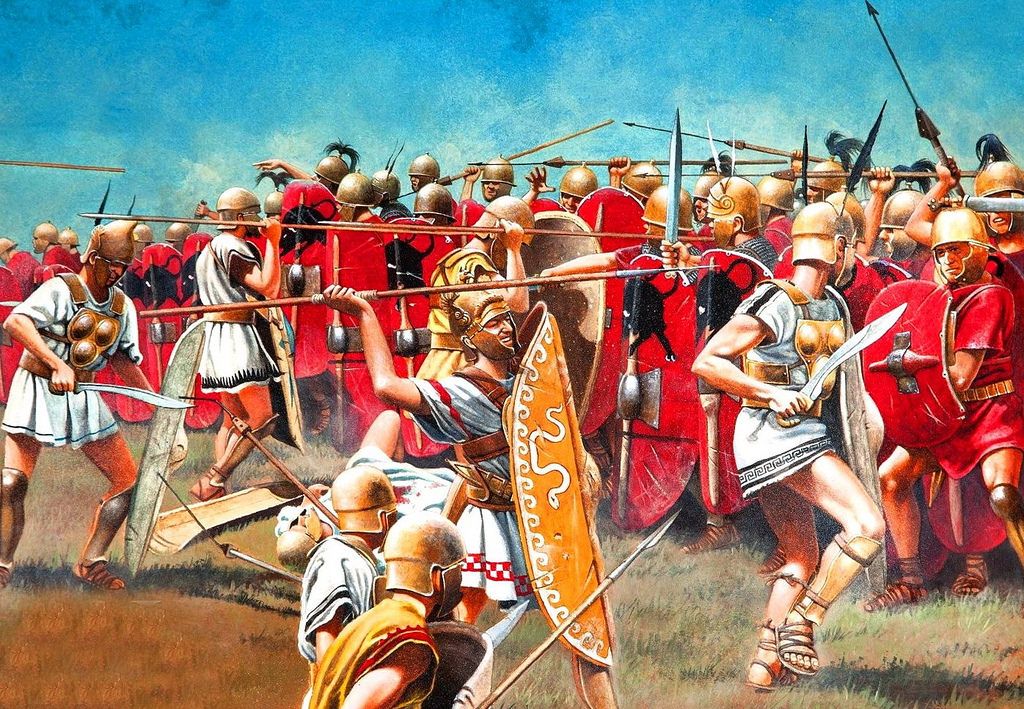
The First Samnite War was influenced not only by battles between Roman and Samnite armies, but also by the alliances and political relationships between different Italian communities. During the fourth century BC, Italy was not a single unified country. It was made up of many independent cities, tribes, and communities, each with its own interests and traditions. Rome and the Samnites both tried to strengthen their positions by building relationships with these communities. As Rome became more involved in Campania, the balance of power in Italy began to change.
One of the most important groups involved in the conflict was the Campani, particularly the people of Capua. Campania was a wealthy and strategically important region, and its communities could play an important role in determining which power would dominate central and southern Italy. When the Campani turned to Rome for protection against the Samnites, Rome gained an important political connection outside Latium. This alliance gave Rome greater influence while also bringing it into direct competition with the Samnites.
The relationship between Rome and the Campani was important because alliances could provide more than military support. An allied community could offer soldiers, supplies, information, money, and access to important territory. Rome increasingly used a combination of military force and diplomacy to establish relationships with Italian communities. These connections helped Rome operate beyond its traditional homeland and made its influence more difficult for rival powers to challenge.
The Samnites also had their own network of relationships throughout Italy. Their influence extended across large areas of central and southern Italy, and they were capable of cooperating with other communities when necessary. Samnite military power remained a major obstacle to Roman expansion, particularly because their homeland was located in difficult mountainous terrain that could be challenging for Roman armies to penetrate.
The war therefore created a changing political situation. Before the conflict, Rome and the Samnites had been able to maintain an agreement that reduced direct competition. Once Rome became involved in Campania, that balance was disrupted. Rome’s growing relationship with the Campani increased its influence in southern Italy, while the Samnites had to respond to the presence of a powerful new rival.
Other Italian communities also had to consider how the changing situation might affect them. Some could benefit from cooperation with Rome, while others might prefer to maintain relationships with the Samnites or remain independent. Rome’s growing power meant that neighboring communities increasingly had to take Roman interests into account when making political and military decisions.
The First Samnite War therefore demonstrated the importance of diplomacy alongside military strength. Rome could win battles, but maintaining alliances was essential for turning military victories into lasting political influence. The Campanian connection provided Rome with an important base of support and helped establish a pattern that would become increasingly important during later Roman expansion.
The changing balance of power did not immediately make Rome dominant over all of Italy. The Samnites remained strong, and other Italian communities continued to pursue their own interests. Nevertheless, the war strengthened Rome’s position and showed that alliances could expand Roman influence without requiring the immediate conquest of every community.
By the end of the First Samnite War, Rome had gained greater experience in managing relationships with communities beyond Latium. Its involvement in Campania helped establish connections that would remain important in future conflicts. The struggle between Rome and the Samnites was therefore not only a military contest but also a competition for allies, territory, influence, and political power across Italy.
5 Main Ideas
I. Campanian Alliance: The Campani and Capua became important partners for Rome during the conflict.
II. Political Influence: Alliances allowed Rome to expand its influence beyond Latium without immediately conquering every community.
III. Samnite Power: The Samnites maintained strong military and political influence across central and southern Italy.
IV. Changing Balance: Roman involvement in Campania disrupted the previous balance between Rome and the Samnites.
V. Diplomacy and Warfare: The First Samnite War demonstrated that Roman expansion depended on both military victories and strong political alliances.

VI. The Peace Settlement and the End of the First Samnite War
The First Samnite War ended in 341 BC after several years of fighting between Rome and the Samnites. Although Roman armies had achieved important victories in Campania, the conflict did not end with the complete defeat or destruction of the Samnite people. Instead, the war concluded through a peace settlement that allowed both Rome and the Samnites to preserve important interests. The settlement was influenced by military developments, political circumstances, and changes within the alliances supporting each side.
During the final stage of the war, Rome had established itself as an important military power in Campania. Roman victories had strengthened its relationship with the Campani and demonstrated that Rome could successfully challenge the Samnites. However, the Samnites remained a powerful force and still controlled substantial territory. Continuing the war could therefore be costly for both sides, particularly when other political problems began to develop across Italy.
One important development was the changing relationship between Rome and its Latin allies. In 341 BC, the Latin communities were becoming increasingly dissatisfied with Roman dominance. This situation created a serious challenge for Rome because the Republic depended on its position in Latium as well as its newer relationships in Campania. Rome therefore had to consider the possibility of a wider conflict while it was still dealing with the Samnites.
The Samnites also had reasons to reconsider the war. Although they had been able to resist Roman expansion, continued fighting in Campania could require significant military resources. A settlement with Rome offered the possibility of ending the immediate conflict while allowing the Samnites to maintain their influence in their traditional territories.
The resulting agreement brought the First Samnite War to an end. Rome and the Samnites returned to a form of cooperation, and their previous relationship was partly restored. The settlement was important because neither side had achieved complete dominance. Instead, both powers recognized that maintaining peace could serve their interests better than continuing an expensive conflict.
For Rome, the end of the war provided an opportunity to strengthen its position in Campania. The Republic had demonstrated its military power and established important connections with local communities. These developments increased Roman influence in southern Italy and provided valuable experience for future campaigns.
The peace also showed that Roman expansion during this period was not always a simple process of conquest. Diplomacy, alliances, negotiations, and military victories all played important roles. Rome could use a successful campaign to increase its influence while still accepting agreements that temporarily limited further conflict.
However, the peace did not permanently resolve the rivalry between Rome and the Samnites. The interests of the two powers would continue to collide as Rome expanded farther into Italy. The Second Samnite War, which began in 326 BC, would become a much longer and more difficult conflict.
The end of the First Samnite War was therefore an important moment in Roman history. Rome had survived a major confrontation with one of Italy’s strongest powers, strengthened its position in Campania, and gained valuable military and political experience. At the same time, the Samnites remained independent and powerful. The settlement created only a temporary pause in a rivalry that would continue for many years.
5 Main Ideas
I. End of the War: The First Samnite War concluded in 341 BC through a peace settlement rather than the complete defeat of either side.
II. Samnite Strength: The Samnites remained a powerful independent force despite Roman military victories.
III. Roman Gains: Rome strengthened its influence in Campania and developed important political relationships in the region.
IV. Changing Politics: Growing tensions with Rome’s Latin allies influenced the decision to bring the conflict with the Samnites to an end.
V. Temporary Peace: The settlement ended the immediate conflict but did not permanently resolve the rivalry between Rome and the Samnites.

VII. The Historical Importance and Lasting Impact of the First Samnite War
The First Samnite War was an important turning point in the history of the Roman Republic because it marked one of the earliest major conflicts between Rome and a powerful people from central and southern Italy. Although the war lasted only from 343 to 341 BC, its consequences extended far beyond the immediate fighting. Rome strengthened its position in Campania, gained valuable military experience, and became increasingly involved in the political affairs of the Italian peninsula.
One of the most important results of the war was Rome’s growing influence in Campania. By supporting the Campani and establishing stronger relationships with communities such as Capua, Rome extended its political and military influence farther south than before. Campania was a wealthy and strategically important region, so Roman involvement there gave the Republic access to valuable resources, trade connections, and important routes.
The war also demonstrated the importance of Roman military organization and leadership. Roman armies were able to campaign outside their traditional territory and achieve several important victories against the Samnites. These experiences helped Roman commanders and soldiers develop skills that would become increasingly valuable during later wars. The ability to organize large armies, maintain supplies, build camps, and operate in unfamiliar areas contributed to Rome’s future military expansion.
At the same time, the First Samnite War showed that Rome had not yet become the dominant power in Italy. The Samnites remained independent and militarily strong after the peace settlement. Rather than completely defeating them, Rome reached an agreement that temporarily ended the conflict. This demonstrated that Rome still had to balance military ambitions with diplomacy and political circumstances.
The war also contributed to the changing balance of power in Italy. Rome’s involvement in Campania increased its importance among Italian communities, while the Samnites continued to control large areas of central and southern Italy. Other communities had to consider the growing influence of both powers when making their own political decisions.
Perhaps the most significant long-term consequence was that the First Samnite War did not permanently settle the rivalry between Rome and the Samnites. Their competition continued, eventually leading to the Second Samnite War and the Third Samnite War. These later conflicts were longer and more difficult, but the experiences and relationships developed during the first war helped shape the circumstances in which they occurred.
The First Samnite War therefore forms an important part of the larger story of Rome’s conquest of Italy. Rome did not become dominant overnight. Its expansion developed through a combination of wars, alliances, negotiations, and political changes. The conflict with the Samnites was one stage in this longer process.
Studying the First Samnite War helps explain how Rome began moving from a powerful regional state toward a much larger Italian power. Military victories, alliances with local communities, and strategic involvement in Campania all contributed to this development. Although the war itself was relatively short, it helped create conditions for the conflicts that followed and played an important role in the gradual expansion of Roman power across Italy.
5 Main Ideas
I. Roman Expansion: The war increased Rome’s influence in Campania and strengthened its position in Italy.
II. Military Development: Roman armies gained important experience that helped prepare them for future conflicts.
III. Samnite Independence: The Samnites remained powerful and independent after the peace settlement.
IV. Changing Balance of Power: Rome’s growing influence changed political relationships among Italian communities.
V. Long-Term Impact: The First Samnite War helped set the stage for the later Samnite Wars and Rome’s eventual dominance of the Italian peninsula.