Death was a constant part of life in ancient Rome. Although Rome was one of the largest and most advanced cities of the ancient Mediterranean, living in the capital of the Roman Empire came with serious health and environmental risks. Millions of people passed through Rome over the centuries, while hundreds of thousands lived within the city at its height. Crowded neighborhoods, infectious diseases, dangerous childbirth, childhood mortality, fires, building collapses, flooding, accidents, and occasional epidemics all contributed to a high level of mortality.
It is important to understand that Romans did not necessarily expect to die young, but the statistical chances of surviving childhood were much lower than they are in modern societies. Life expectancy at birth was heavily reduced by the large number of infants and children who died. A person who survived childhood could potentially live into their 50s, 60s, or beyond. This means that the commonly repeated idea that every Roman died around the age of 30 is misleading. Life expectancy at birth and the lifespan of someone who survived childhood were very different things.
The population of Rome faced particularly difficult conditions because of the city’s enormous size and density. Large numbers of people lived close together, while immigrants, merchants, soldiers, enslaved people, and travelers constantly entered and left the capital. This movement helped make Rome an important economic center, but it also created opportunities for infectious diseases to spread.
Rome did possess impressive infrastructure. Aqueducts supplied enormous quantities of water, sewers helped remove waste, and public baths were widespread. However, Roman engineering did not eliminate disease. Ancient Romans did not understand bacteria, viruses, mosquitoes as disease vectors, or many of the mechanisms behind infection. Water and food could become contaminated, while crowded housing and poor ventilation could contribute to unhealthy conditions.
Among the most important causes of death were infectious diseases, especially illnesses affecting children and vulnerable adults. Malaria was particularly significant in the Italian environment, while respiratory and gastrointestinal diseases also posed serious risks. Childbirth was another major danger for women, and pregnancy-related complications could be fatal without modern medical treatment.
Everyday life also presented physical dangers. Fires could spread through densely built neighborhoods, buildings could collapse, the Tiber could flood, and accidents could occur in streets, workshops, construction sites, and homes. Periodic epidemics could make mortality dramatically worse.
Understanding death in ancient Rome therefore requires looking beyond a single cause. Mortality was the result of many interconnected factors, including disease, age, living conditions, environment, poverty, childbirth, and occasional disasters. By examining these causes, we can better understand what everyday life was really like in one of the most important cities of the ancient world.
Infant and Child Mortality: Why So Many Roman Children Died Young
One of the most important reasons death was so common in ancient Rome was the extremely high mortality rate among infants and children. A Roman child’s first years of life were among the most dangerous periods of their entire existence. Many children who were born in Rome did not survive infancy, while others died during childhood from diseases, malnutrition, accidents, or complications that modern medicine can often prevent or treat.
Historians cannot determine the exact percentage of Roman children who died because the surviving evidence is incomplete. However, demographic studies of ancient populations generally indicate very high infant and childhood mortality compared with modern societies. Some demographic models suggest that a substantial proportion of children could die before reaching adulthood. The exact numbers vary depending on the population and assumptions used by historians, so precise figures should be treated cautiously.
The first year of life was particularly dangerous. Newborn babies had very limited protection against infectious diseases, and illnesses that might be relatively manageable for healthy adults could become life-threatening for infants. Respiratory infections, gastrointestinal illnesses, fevers, and other diseases could spread easily in crowded urban environments.
Nutrition was another important factor. Roman families had access to a wide variety of foods, but not every family had equal access to a reliable and nutritious diet. Poorer households could be especially vulnerable when food supplies became expensive or difficult to obtain. Infants who were already weak or poorly nourished had fewer resources to withstand illness.
The health of the mother also affected the survival of the child. Pregnancy and childbirth were physically demanding, and complications could affect both mother and newborn. A child’s chances of survival were closely connected to the health and circumstances of the family into which they were born.
Disease was not the only danger. Roman children lived in a busy city filled with crowded streets, animals, carts, open fires, construction, workshops, and unstable buildings. Accidents could therefore occur in homes or public spaces. Younger children were particularly vulnerable because they had little ability to recognize or avoid dangerous situations.
Child mortality also had an enormous effect on Roman families and society. Having several children did not guarantee that several would survive into adulthood. Families therefore experienced the loss of children far more frequently than families in most modern developed societies. Roman tombstones and inscriptions provide evidence that parents mourned children of different ages, demonstrating that childhood death was a deeply personal experience as well as a demographic reality.
However, high child mortality does not mean that Roman parents were indifferent toward their children. Roman literature, inscriptions, and funerary monuments contain many expressions of grief and affection for deceased children. Families clearly formed strong emotional bonds, even though death was much more common.
Surviving childhood changed the picture considerably. A person who reached adolescence had already survived one of the most dangerous stages of life. Their expected remaining lifespan could therefore be considerably longer than the commonly quoted life expectancy at birth suggests.
For this reason, childhood mortality is essential to understanding death in ancient Rome. The high number of deaths among infants and children strongly influenced overall Roman life expectancy, making mortality at birth appear much lower than the potential lifespan of someone who successfully survived childhood.
5 Main Ideas
I. Childhood Was Dangerous: Infants and young children faced much higher mortality risks than adults, making early life one of the most dangerous stages of Roman life.
II. Disease Was a Major Threat: Infectious diseases, especially respiratory and gastrointestinal illnesses, could be extremely dangerous for young children.
III. Nutrition Mattered: Poor nutrition and unequal access to food could make vulnerable children less able to survive illness.
IV. Families Experienced Frequent Loss: High childhood mortality meant that Roman families regularly experienced the death of children, although surviving evidence shows that parents deeply mourned these losses.
V. Surviving Childhood Changed Life Expectancy: A person who reached adolescence had already passed through the period of highest mortality, meaning their potential lifespan could be considerably longer than the average life expectancy at birth.
II. Infectious Diseases: The Silent Threat to the Population of Rome
Infectious disease was one of the most important causes of death in ancient Rome. Romans lived without modern knowledge of bacteria, viruses, parasites, or how infectious diseases spread, making many illnesses difficult to prevent or treat. Rome’s enormous population and crowded urban environment could make these problems even more serious. Diseases that might affect only a small number of people in a less densely populated settlement could spread much more easily through a city where hundreds of thousands of people lived, worked, traded, and traveled.
One particularly important disease in discussions of ancient Roman mortality is malaria. Malaria is caused by parasites transmitted by certain mosquitoes, and parts of Italy provided suitable conditions for mosquito populations. Historical and archaeological research suggests that malaria affected populations in ancient Italy and may have contributed significantly to mortality around Rome, particularly during warmer months. The disease could produce recurring fever and serious illness, with children and weakened individuals being especially vulnerable.
Rome’s location also created environmental conditions that could contribute to disease. The Tiber River, wetlands, agricultural areas, and standing water around parts of the Roman landscape could provide habitats for mosquitoes. Although Romans did not understand mosquitoes as disease vectors, they recognized that certain places and seasons were associated with illness.
Respiratory diseases were another major concern. Crowded housing could make respiratory infections easier to transmit, particularly in densely populated neighborhoods. Many people lived in apartment buildings known as insulae, where residents could occupy relatively small spaces close to one another. Poor ventilation, smoke from cooking and heating, and crowded living conditions could create additional health problems.
Gastrointestinal illnesses could also be dangerous. Rome had an impressive water system, including aqueducts that transported water over long distances, but Roman water infrastructure should not be confused with modern sanitation. Water could become contaminated at various points, while food could spoil or become contaminated by microorganisms that Romans could not see or identify.
The city also received people from across the Roman world. Merchants, soldiers, immigrants, enslaved people, travelers, and officials constantly moved through Rome, making the capital a major center of human contact. This movement was essential to Rome’s economy and political power, but it also created opportunities for infectious diseases to travel between regions.
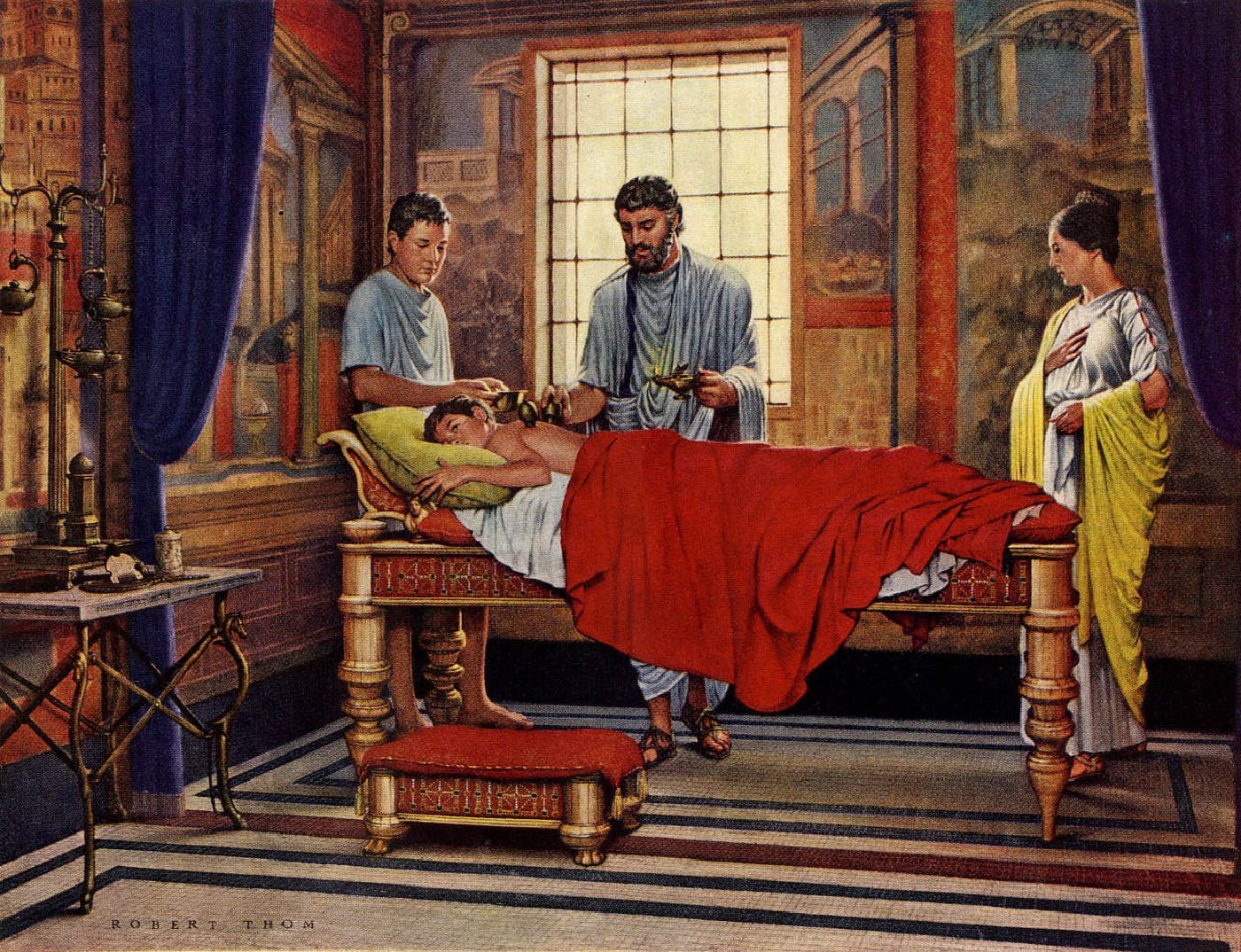
Medical treatment had limitations as well. Roman physicians possessed considerable practical knowledge and used medicines, surgery, diet, and other treatments, but they lacked antibiotics, vaccines, modern laboratory testing, and an understanding of germ theory. Some illnesses therefore had no effective treatment.
Not every Roman disease can be identified with certainty today. Ancient writers often described symptoms rather than providing modern medical diagnoses, while archaeological evidence can reveal signs of disease without always identifying its exact cause. Historians must therefore distinguish between diseases that can be strongly supported by evidence and diseases that remain uncertain.
Disease could become especially devastating when an epidemic occurred. During major outbreaks, large numbers of people could become sick within a relatively short period, placing enormous pressure on families and communities. Ancient writers sometimes reported extremely large death tolls, although their numerical claims need to be treated carefully.
Infectious disease therefore formed a constant background threat in Roman life. It did not require a dramatic disaster to cause deaths; ordinary illnesses could kill people throughout the year. Combined with high infant mortality, poor medical treatment, environmental hazards, and periodic epidemics, disease helped produce the high mortality characteristic of the ancient Roman population.
5 Main Ideas
I. Disease Was a Major Killer: Infectious diseases were among the most important threats to life in ancient Rome.
II. Malaria Was Significant: Malaria likely contributed substantially to mortality in ancient Italy, particularly in environments suitable for mosquito transmission.
III. Crowding Increased Risk: Rome’s dense population and crowded housing created conditions in which some infections could spread more easily.
IV. Medical Knowledge Was Limited: Roman doctors had important medical knowledge but lacked modern antibiotics, vaccines, germ theory, and advanced diagnostic technology.
V. Epidemics Could Be Devastating: Occasional outbreaks could cause unusually high mortality, adding sudden crises to the already high level of everyday disease-related deaths.
III. Childbirth and Maternal Death: The Dangers Faced by Roman Women
Childbirth was one of the major dangers faced by women in ancient Rome. Pregnancy and giving birth were natural parts of Roman family life, but they could also become life-threatening events, particularly when complications occurred. Without modern obstetric medicine, blood transfusions, antibiotics, reliable anesthesia, or surgical techniques, Roman women had far fewer options when something went seriously wrong.
The danger began before labor itself. Pregnancy placed considerable physical demands on a woman’s body, and problems such as severe bleeding, infection, difficult labor, or complications involving the placenta could become fatal. Ancient medical writers recognized some pregnancy complications, but their ability to diagnose and treat them was limited compared with modern medicine.
Childbirth usually took place at home, often with the assistance of a midwife (obstetrix). Midwives had practical experience and played an important role in Roman society. Wealthier families could also have access to physicians, while poorer women might rely primarily on experienced midwives and female relatives. However, even skilled assistance could not solve every complication.
One particularly dangerous situation was prolonged or obstructed labor. If the baby could not be delivered normally, modern medicine can sometimes use surgery or other interventions to save the mother and child. Roman medicine had far fewer safe options. Physicians knew some procedures, including forms of surgical intervention, but these were extremely risky.
Severe bleeding was another major danger. Modern medicine can respond to hemorrhage with transfusions, medication, surgery, and intensive monitoring. Roman women did not have access to these treatments. A woman who lost a large amount of blood during or after childbirth could therefore face a life-threatening situation with very limited treatment available.
Infections also posed a serious risk. There was no understanding of bacteria or antibiotics, meaning infections following childbirth could become extremely dangerous. Even when Roman doctors recognized that a woman was seriously ill, they lacked many of the treatments available today.
Maternal mortality also had consequences for Roman families. The death of a mother could affect the survival and future of her children, particularly newborns who depended heavily on their mother or another caregiver. Families therefore faced the possibility of losing both a woman and a child during a single pregnancy or birth.
The risks were not necessarily the same for every woman. Age, health, nutrition, previous pregnancies, access to assistance, and social circumstances could all affect the outcome. Wealthier women could potentially receive better food, living conditions, and medical attention, although wealth could not eliminate the biological dangers of childbirth.
Roman society placed enormous importance on marriage and having children, especially among elite families. This meant that pregnancy and childbirth were central to Roman family life despite their dangers. Women were expected to participate in reproduction, while laws and social customs sometimes encouraged marriage and childbearing.
It is difficult to calculate exactly how many Roman women died during childbirth. Ancient records do not provide reliable statistics for the entire population of Rome. Historians therefore know that maternal death was a significant danger without being able to assign one precise percentage to all Roman women.
Childbirth was consequently an important part of Rome’s overall mortality pattern. Alongside infectious disease and childhood mortality, maternal death demonstrates how biological events that are usually manageable in modern societies could become fatal in the ancient world.
5 Main Ideas
I. Childbirth Was Dangerous: Pregnancy and labor could become life-threatening, especially when serious complications occurred.
II. Midwives Were Important: Midwives played a central role in Roman childbirth, particularly for women giving birth at home.
III. Medical Treatment Was Limited: Roman doctors lacked modern surgery, antibiotics, blood transfusions, and other treatments that can save lives today.
IV. Complications Could Be Fatal: Severe bleeding, infection, and difficult or obstructed labor were among the serious dangers women could face.
V. Families Were Affected: The death of a mother could have major consequences for children and the wider family, making maternal mortality an important part of Roman social life.
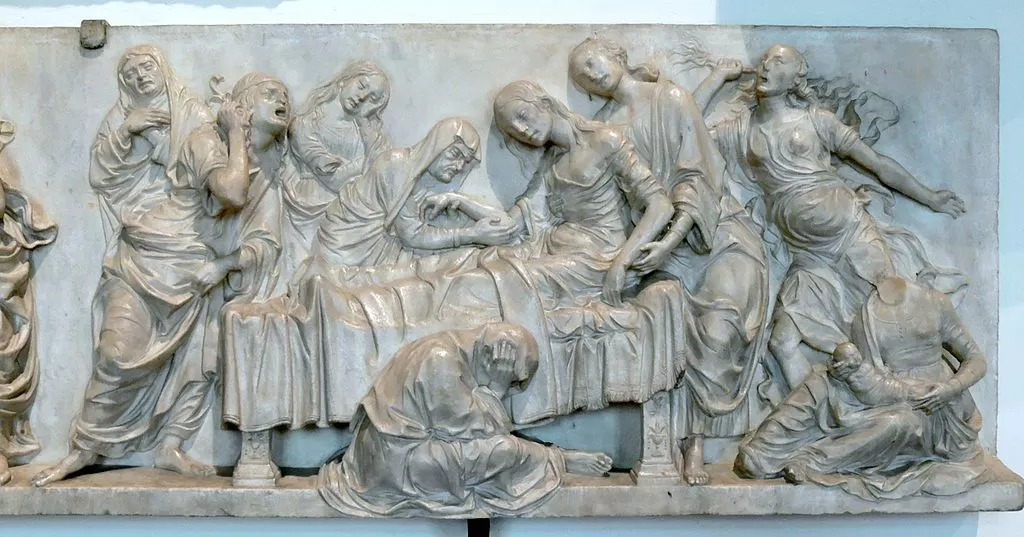
IV. Poor Living Conditions, Sanitation, and Food: Everyday Health Risks in Rome
The city of Rome had remarkable infrastructure for the ancient world, but Roman engineering did not eliminate the health risks created by a huge and densely populated city. Hundreds of thousands of people lived, worked, and traveled within Rome, often in crowded neighborhoods. Access to clean water, safe food, adequate housing, and waste disposal varied considerably between different parts of the population. These conditions could contribute to illness and, in some cases, death.
One of Rome’s greatest achievements was its water system. Aqueducts transported enormous quantities of water into the city, supplying public fountains, baths, private homes, and other facilities. This was an extraordinary engineering achievement, but it is important not to imagine Roman water as equivalent to modern treated drinking water.
Most ordinary residents did not simply turn on a private tap connected to a modern purification system. Public fountains were an important source of water for much of the population, while the quality of water could vary depending on its source, storage, and handling. Rome also had many pipes made from materials such as lead, although historians continue to debate how significant lead exposure was as a cause of disease in the Roman population.
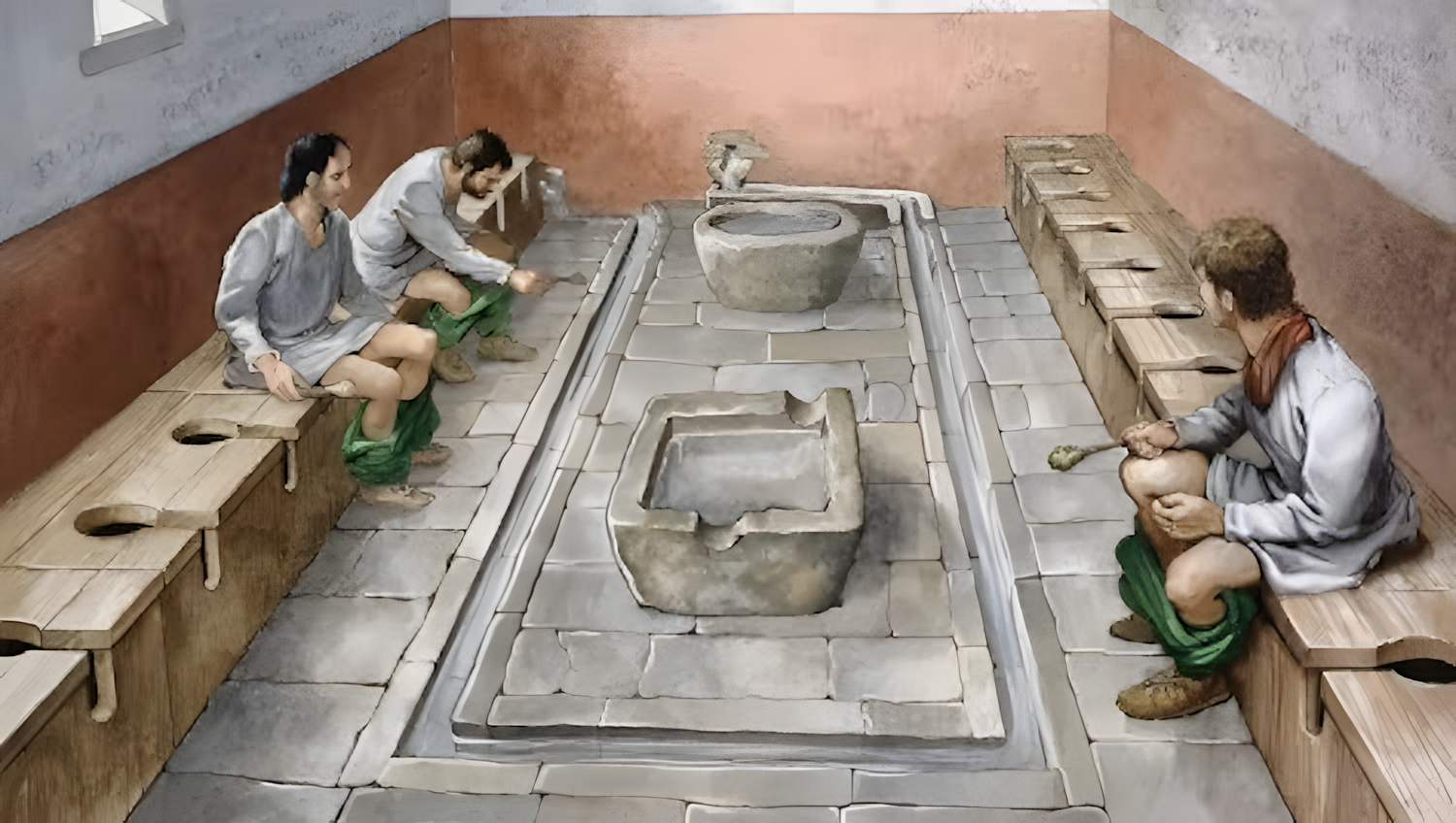
Waste management presented another challenge. Rome had sewers, including the famous Cloaca Maxima, but the city’s sanitation system was not designed like a modern sewage network serving every household. Human waste could be collected in containers, dumped in designated areas, or handled through various local arrangements. Sewers existed, but sanitation remained uneven, particularly in crowded residential districts.
The density of Rome created additional problems. Many poorer residents lived in apartment buildings called insulae. Crowded housing could mean limited space, poor ventilation, and difficult access to sanitation facilities. Some apartment buildings were also poorly constructed or badly maintained, creating physical as well as health risks.
Food presented another potential source of illness. Rome depended heavily on a massive system of agricultural production and long-distance trade to feed its population. Grain, wine, olive oil, meat, fish, vegetables, and other products entered the city from across the Mediterranean. The enormous food supply was essential to Rome’s survival, but transporting and storing food also created opportunities for contamination and spoilage.
Without refrigeration, modern food packaging, or knowledge of microorganisms, food could deteriorate relatively quickly, especially during warm weather. Some preservation techniques existed, including salting, drying, smoking, and fermenting, but these methods could not eliminate every risk.
The poorest residents were generally more vulnerable to these problems. Health was strongly connected to social and economic status. Wealthier Romans could afford better housing, more varied diets, private water connections, and access to physicians. Poorer inhabitants had fewer resources when disease or food shortages occurred.
However, poor sanitation was not the only reason Romans died from disease. Ancient Romans simply lacked the scientific understanding needed to identify many sources of infection. They did not know about bacteria and viruses, and they could not see the microorganisms responsible for many illnesses.
This is why Rome’s impressive aqueducts, baths, and sewers should be viewed in context. They improved urban life and demonstrated remarkable engineering, but they could not prevent infectious diseases from circulating through such a large population.
The combination of crowded housing, uneven sanitation, food risks, environmental contamination, and limited medical knowledge therefore created a constant background of health problems. These everyday conditions helped make disease one of the major causes of death in ancient Rome, even when the city was not experiencing a major epidemic or disaster.
5 Main Ideas
I. Rome Had Advanced Infrastructure: Aqueducts, fountains, baths, and sewers provided important improvements to urban life, but they did not create modern sanitation.
II. Clean Water Was Not Guaranteed: Water quality varied, and most ordinary Romans depended heavily on public water sources.
III. Crowded Housing Increased Risks: Poorer residents often lived in densely populated apartment buildings, where ventilation and sanitation could be limited.
IV. Food Could Become Unsafe: Without modern refrigeration and food-safety systems, spoiled or contaminated food could contribute to illness.
V. Poverty Increased Vulnerability: Wealthier Romans generally had greater access to better housing, food, and medical care, while poorer residents faced greater everyday health risks.
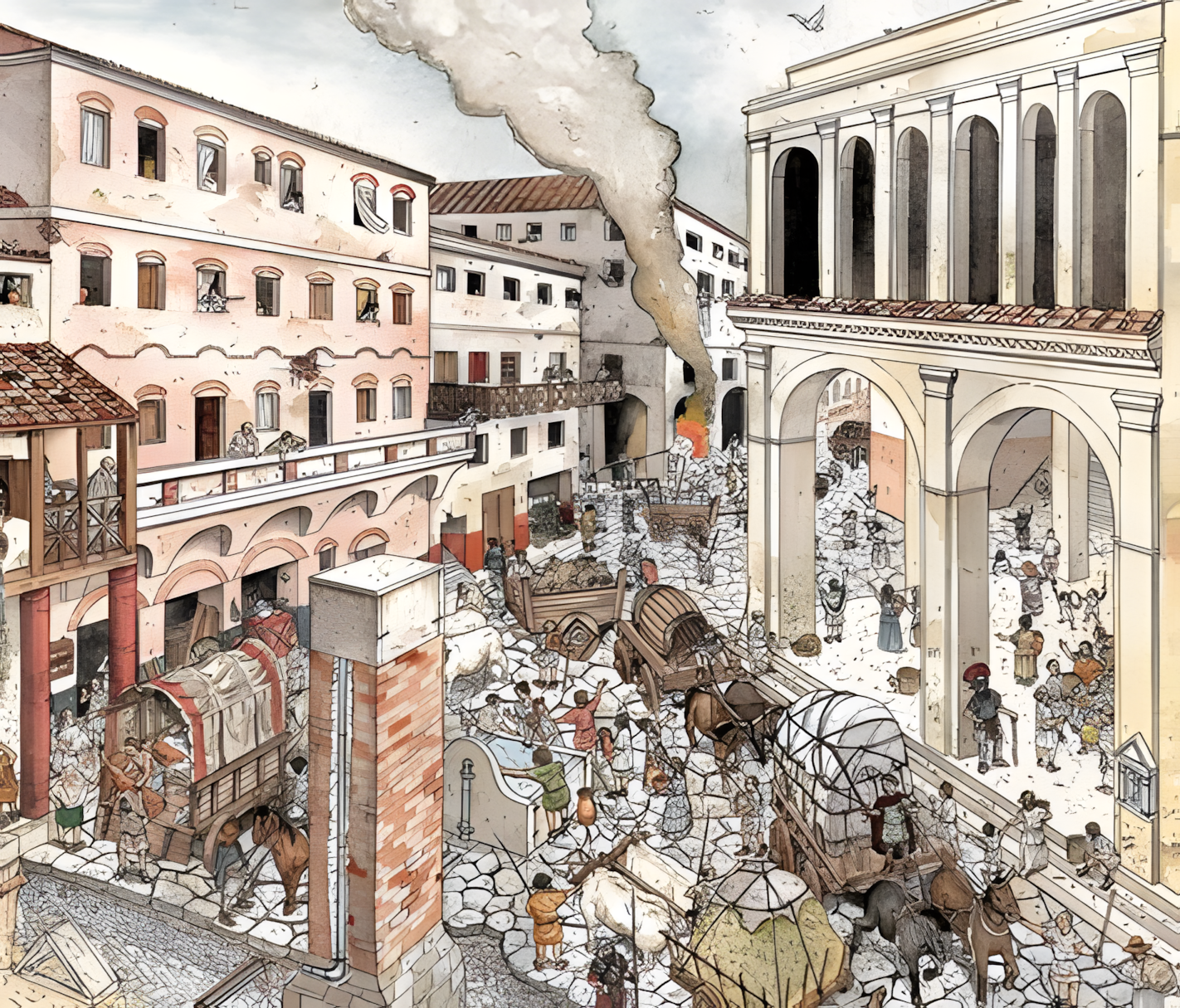
V. Fires, Building Collapses, and Accidents: The Physical Dangers of Living in Rome
Disease was not the only threat faced by people living in ancient Rome. The city itself could be physically dangerous, particularly for people living in crowded neighborhoods. Rome contained enormous numbers of houses, apartment buildings, shops, workshops, streets, animals, carts, cooking fires, and construction projects. Without modern building regulations, firefighting technology, or traffic systems, accidents and urban disasters could sometimes result in serious injury or death.
One of the most obvious dangers was fire. Fire was a normal part of Roman daily life because people used flames for cooking, heating, lighting, metalworking, and other activities. Lamps and cooking fires were common inside buildings, while workshops could contain materials that burned easily.
The danger became greater because many parts of Rome were densely built. A fire that started in one building could spread to neighboring structures, especially when buildings were close together and constructed partly from combustible materials. Strong winds could make the situation even worse.
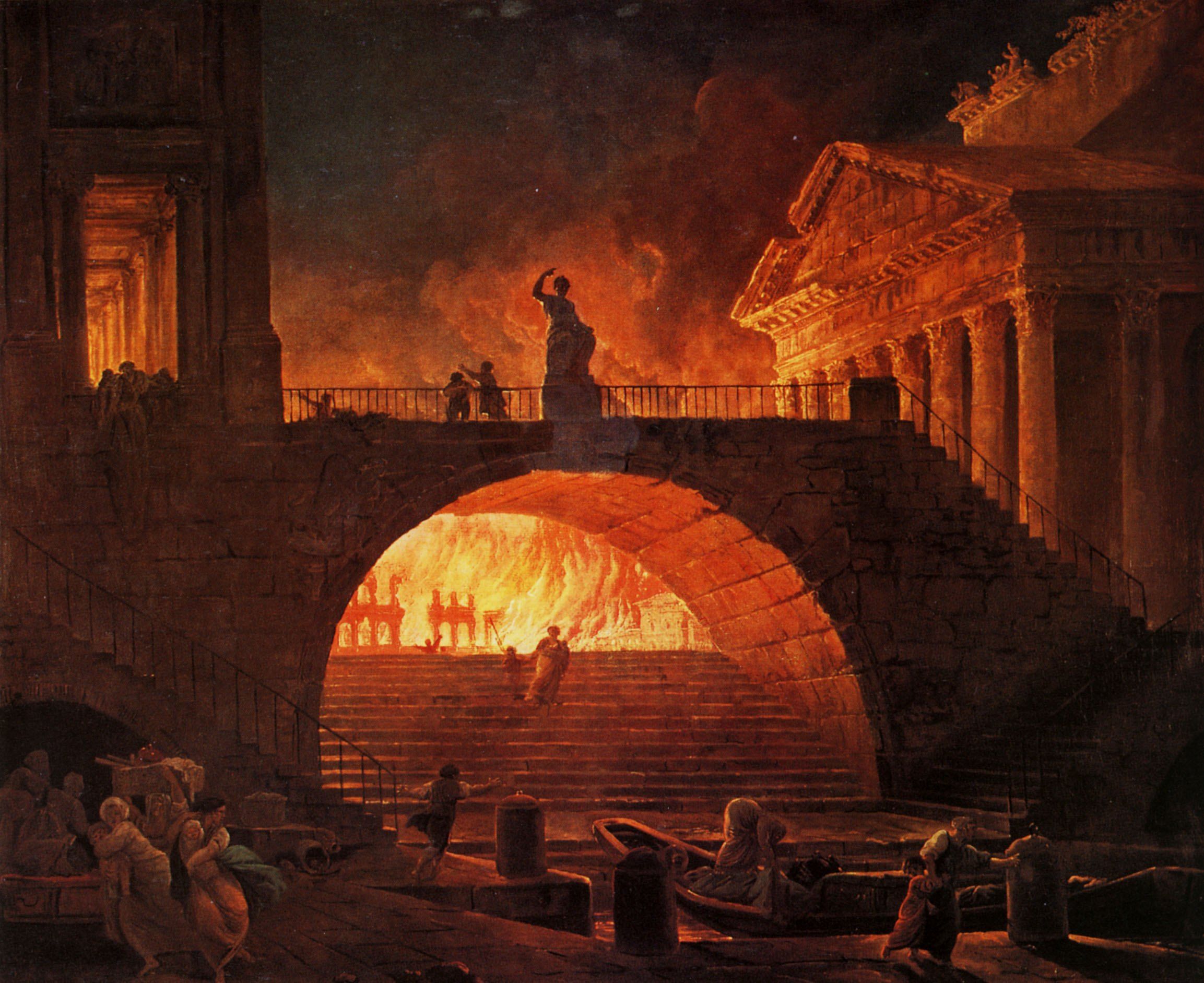
Rome experienced several major fires throughout its history. The most famous was the Great Fire of Rome in AD 64, which burned for several days and destroyed large sections of the city. Ancient sources provide different accounts of the disaster and its extent, so individual details should be treated cautiously. What is clear is that fire was a serious urban problem.
Rome eventually developed organized firefighting forces. Under Augustus, the city received the Vigiles, a permanent organization responsible for firefighting and maintaining order at night. The creation of the Vigiles demonstrates that Roman authorities recognized fire as a major threat to the capital.
Building collapses were another danger. Rome’s enormous population created a constant demand for housing, and many residents lived in multi-story insulae. Poor construction, structural weakness, fires, earthquakes, or excessive weight could contribute to collapses.
Not every apartment building was poorly built, and Roman construction could be remarkably sophisticated. Nevertheless, some structures were vulnerable, particularly when owners attempted to maximize the amount of rentable space. A densely populated city with tall buildings naturally created risks that would be much easier to control with modern engineering standards.
The streets themselves could also be dangerous. Rome was filled with carts, animals, pedestrians, and commercial activity. Traffic could become chaotic, particularly in busy areas. Heavy vehicles moving through narrow streets could cause accidents, while animals used for transportation and labor could behave unpredictably.
Construction and manual labor created additional risks. Workers were involved in building, mining, road construction, metalworking, pottery, agriculture, and other physically demanding activities. Without modern workplace safety equipment and regulations, injuries could be serious.
Flooding was another urban hazard. The Tiber River occasionally overflowed, damaging buildings and infrastructure. Floods could destroy property and disrupt food supplies and transportation. They could also leave behind unhealthy conditions that contributed to disease.
These hazards did not necessarily kill enormous numbers of people every year. Their importance was that they formed a constant background of physical risk in a very large city. A person could potentially die from an accident, fire, building collapse, or flood even without suffering from an infectious disease.
The Roman government took steps to reduce some of these dangers. Fire brigades, building regulations, street rules, and infrastructure projects were introduced or expanded at different points. Roman authorities understood that managing the physical environment was essential to controlling a city as large as Rome.
Nevertheless, Rome remained a dangerous urban environment by modern standards. Its impressive buildings and engineering achievements existed alongside fires, collapses, accidents, and environmental disasters, all of which contributed to the overall risks faced by the city’s population.
5 Main Ideas
I. Fires Were Common Dangers: Cooking, lighting, heating, and workshops created constant fire risks, especially in densely built neighborhoods.
II. Building Collapses Could Kill: Poor construction, structural weakness, earthquakes, and excessive building loads could cause dangerous collapses.
III. Rome’s Streets Were Hazardous: Carts, animals, pedestrians, and commercial activity created opportunities for serious accidents.
IV. Workers Faced Physical Risks: Construction, manufacturing, transportation, and other forms of labor could result in serious injuries.
V. Rome Developed Safety Measures: Organizations such as the Vigiles and various building regulations show that Roman authorities actively attempted to control some of the city’s physical dangers.
VI. Epidemics and Major Disease Outbreaks: When Death Suddenly Increased
The everyday mortality of ancient Rome was already high, but occasionally the city faced something much more serious: large outbreaks of infectious disease that could cause unusually high numbers of deaths over a relatively short period. These epidemics were among the most disruptive events that Roman society experienced. Unlike ordinary illnesses, which affected individuals and families continuously, major outbreaks could spread across entire communities and create widespread fear, economic disruption, and social instability.
Rome was particularly vulnerable because it was an enormous center of movement. People arrived in the capital from almost every part of the Roman world, including merchants, soldiers, officials, enslaved people, travelers, and immigrants. Ships and commercial routes connected Rome with ports across the Mediterranean, while roads connected the capital with the rest of Italy and the wider empire.
This constant movement brought enormous economic benefits, but it also created opportunities for infectious diseases to spread. A disease introduced into Rome could potentially move through a very large and densely populated population. Crowded housing and frequent contact between people could make transmission easier.
One of the best-known disease crises occurred during the reign of Marcus Aurelius in the second century AD. This epidemic is commonly called the Antonine Plague, although historians continue to debate exactly what disease caused it. Ancient evidence suggests that the outbreak spread widely across the Roman Empire and caused substantial mortality.
The ancient physician Galen was present during the period of the epidemic and described symptoms associated with the disease. His writings are valuable historical evidence, although modern historians cannot establish the exact identity of the illness with complete certainty. Suggestions have included smallpox and other infectious diseases.
Another major epidemic occurred during the third century, often called the Cyprian Plague after the Christian bishop Cyprian, whose writings described the crisis. Again, historians debate the exact disease involved. What is clear is that the Roman world experienced major outbreaks capable of causing significant mortality and social disruption.
Epidemics could affect more than health. Large numbers of sick and dying people could disrupt trade, agriculture, military recruitment, religious practices, and family life. If workers became ill or died, businesses and households could struggle to function normally.
The psychological impact could also be significant. Roman society had religious explanations for disasters and disease, and communities sometimes interpreted epidemics through religious or supernatural frameworks. Different groups could respond to epidemics in very different ways, depending on their beliefs and circumstances.
Medical treatment during epidemics was extremely limited compared with modern standards. Physicians could provide supportive care and attempt various treatments, but there were no vaccines, antibiotics, modern intensive-care units, or laboratory tests that could identify the responsible pathogen.
However, it is important not to imagine that Rome was constantly experiencing catastrophic epidemics. Major outbreaks were exceptional events rather than the normal condition of every year. Most deaths in ordinary periods resulted from the combination of childhood mortality, infectious diseases, childbirth, chronic illness, and accidents.
The distinction between everyday mortality and epidemic mortality is therefore essential. Ancient Rome had a high baseline death rate, but epidemics could temporarily push mortality far above normal levels.
These outbreaks also demonstrate an important weakness of the Roman urban system. Rome could transport enormous quantities of grain, goods, and people across the Mediterranean, but the same interconnected network that made the empire powerful could also help infectious diseases travel over great distances.
5 Main Ideas
I. Epidemics Were Major Crises: Large disease outbreaks could cause mortality far above the normal level experienced by Rome’s population.
II. Rome’s Connections Increased Risk: The movement of people and goods across the Mediterranean created opportunities for diseases to spread into and throughout the capital.
III. The Antonine Plague: A major second-century epidemic spread across the Roman Empire and caused substantial mortality, although its exact disease remains debated.
IV. Later Epidemics Occurred: The third-century Cyprian Plague was another major disease crisis, demonstrating that epidemics remained an important threat.
V. Epidemics Were Different From Everyday Mortality: Rome normally experienced high mortality, but major epidemics could produce sudden and exceptional increases in deaths.
VII. How Common Was Death Overall? Life Expectancy, Age, and the Reality of Mortality in Rome
To understand how common death was in ancient Rome, it is important to look at life expectancy, age, and the difference between dying young and dying after surviving childhood. Modern readers sometimes see estimates of Roman life expectancy at birth of around 20–30 years and assume that most Romans died when they were in their twenties. That is not what these figures mean. The average was pulled downward dramatically by the very high number of deaths among infants and young children.
A person who survived the dangerous first years of life could have a considerably longer lifespan. Some Romans lived into their 50s, 60s, 70s, and beyond, although reaching those ages was less common than in modern societies. Literary sources, inscriptions, tombstones, and other evidence show that older adults were certainly part of Roman society. Therefore, saying that “Romans lived only to age 30” is misleading. Life expectancy at birth and the typical lifespan of an adult are two different measurements.
The greatest difference between Roman and modern mortality was the much higher risk of dying at almost every stage of life. Infectious diseases were a constant threat, and medical treatments were limited compared with those available today. A relatively minor infection could sometimes become life-threatening because Romans did not understand microorganisms and had no antibiotics or modern vaccines. Diseases spread particularly easily in a huge, crowded city such as Rome.
Death was also strongly influenced by social and economic circumstances. Wealthier Romans could sometimes afford better food, more spacious housing, private medical care, and cleaner surroundings. Poorer residents often lived in crowded apartment buildings and faced greater exposure to disease, fires, building accidents, and food insecurity. These differences did not eliminate disease among the wealthy, but they could affect a person’s risks and ability to recover from illness.
Women faced additional dangers connected with pregnancy and childbirth, while children faced especially high mortality during infancy and early childhood. Older people faced the accumulated effects of disease, injury, poor nutrition, and the normal decline associated with aging.
It is difficult to calculate an exact annual death rate for the city of Rome. Ancient sources do not provide reliable population registers showing every birth and death, and modern historians must reconstruct Roman mortality from archaeological evidence, inscriptions, historical accounts, and demographic models. Conditions also changed over time, particularly during wars, epidemics, famines, and other crises.
Overall, death was a much more familiar part of everyday Roman life than it is for people in many modern societies. Infant and child mortality, infectious disease, childbirth, accidents, fires, and occasional epidemics were the major dangers. Yet ancient Romans did not necessarily expect every adult to die young. Many people survived childhood and lived for decades afterward, building families, working, participating in religion and politics, and contributing to Roman society.
5 Main Ideas
I. High infant and child mortality greatly lowered Roman life expectancy at birth.
II. Surviving childhood could allow Romans to live into their 50s, 60s, 70s, or beyond.
III. Infectious diseases were among the most important causes of death because modern vaccines, antibiotics, and medical knowledge did not exist.
IV. Poverty, crowded housing, childbirth, accidents, fires, and environmental conditions created additional risks.
V. Death was common in ancient Rome, but the idea that most Romans died around age 30 is a misleading interpretation of life-expectancy statistics.