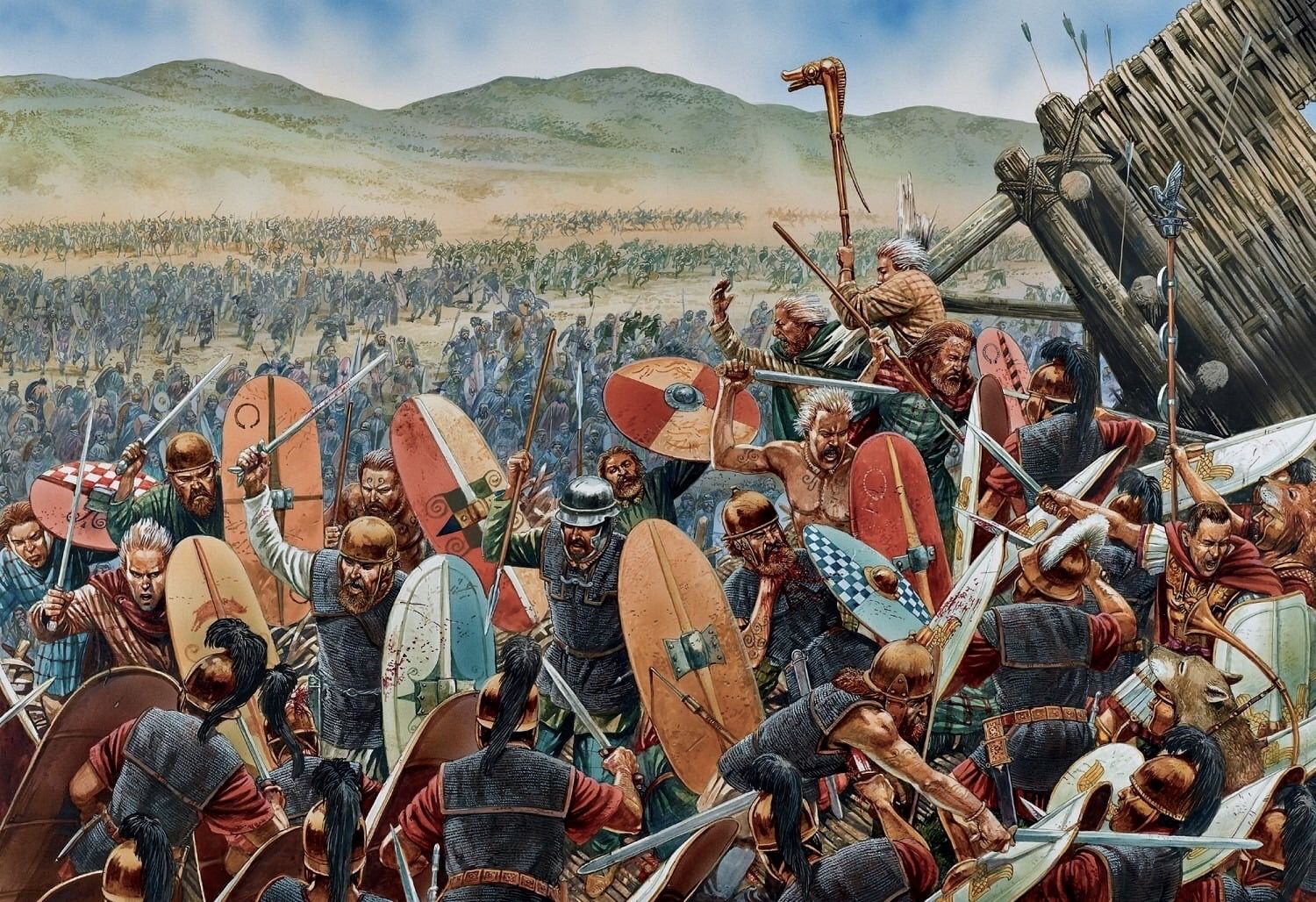
The history of Rome is filled with extraordinary military campaigns. Over more than a thousand years, Roman armies fought across Europe, North Africa, the Middle East, and Britain, often operating thousands of kilometres from Italy. Some campaigns were short and decisive, while others lasted for years and forced Rome to commit enormous numbers of soldiers and resources. But which campaign was actually the hardest in Roman history?
That question is more complicated than simply identifying Rome’s bloodiest battle or its most famous enemy. A truly difficult campaign could challenge the Roman army in several different ways at once. Terrain, distance, climate, enemy strength, logistics, casualties, duration, and political consequences could all determine how difficult a campaign became.
One of Rome’s greatest military crises came during Hannibal’s invasion of Italy in the Second Punic War. Hannibal crossed the Alps, defeated Roman armies repeatedly, and inflicted one of the most devastating battlefield defeats in Roman history at Cannae. Yet Rome refused to surrender. The war continued for years, forcing the Romans to rebuild their armies and develop a strategy capable of eventually defeating Carthage.
Other campaigns presented completely different challenges. During the conquest of Dacia, Emperor Trajan’s armies had to fight through mountainous territory against the forces of King Decebalus. Roman engineers constructed enormous roads and bridges to keep the army supplied, while two major wars were required to bring Dacia under Roman control.
Caesar’s conquest of Gaul was another enormous undertaking. Roman forces fought for years against different Gallic peoples, while large coalitions repeatedly challenged Roman control. The final uprising led by Vercingetorix forced Caesar into one of the most remarkable sieges of Roman history at Alesia.
Further east, Roman armies faced different problems. The Jewish War required Rome to fight a determined revolt across difficult terrain and eventually conduct the massive siege of Jerusalem. Trajan’s eastern campaigns pushed Roman armies deep into Armenia and Mesopotamia, creating enormous supply and communication problems far from the Mediterranean heartland.
Britain presented yet another challenge. Roman armies had to conquer and control an island separated from continental Europe, while facing difficult terrain, northern resistance, major rebellions, and an environment very different from the Mediterranean world.
So, what truly deserves the title of Rome’s hardest campaign? To answer that question, we need to compare these conflicts using the same standards rather than judging them by reputation alone. In this article, we will examine the enemy Rome faced, the length of each campaign, the terrain, logistical difficulties, major setbacks, military resources required, and the ultimate cost of victory. Only then can we determine which campaign placed the greatest overall demands on the Roman military.
1. Hannibal's Invasion of Italy — Rome Against Its Greatest Military Threat
Among all the campaigns Rome fought, Hannibal’s invasion of Italy during the Second Punic War stands out as one of the most demanding. The conflict began in 218 BC and lasted until 201 BC, although the most dangerous period for Rome came during the years when the Carthaginian general Hannibal Barca operated directly in Italy. What made this campaign so difficult was not simply the strength of Hannibal’s army. Rome suffered a series of devastating defeats while facing an enemy who repeatedly demonstrated the ability to outmaneuver much larger Roman forces.
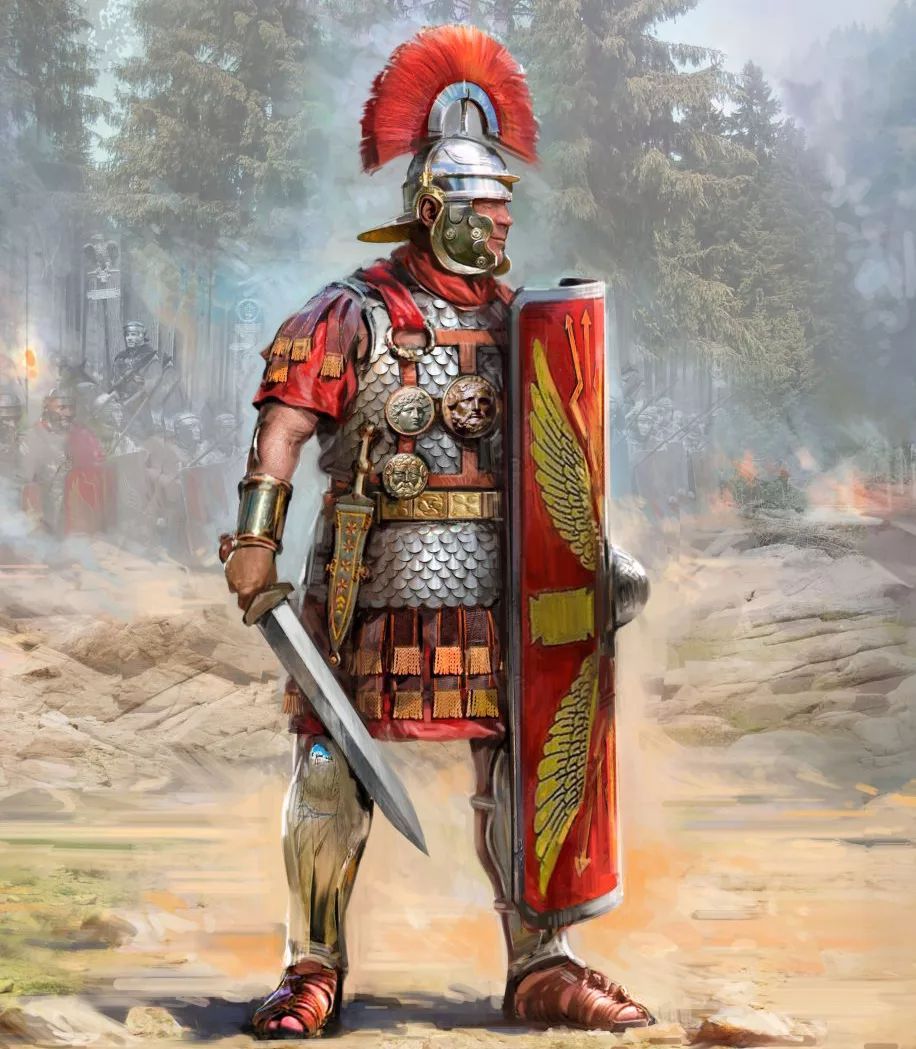
Hannibal began his invasion from Spain and led his army across the Pyrenees and Alps before entering Italy. Crossing the Alps was itself an extraordinary logistical challenge. The army had to move through mountainous terrain while carrying weapons, supplies, and equipment. Once in Italy, Hannibal immediately confronted Roman armies and demonstrated that the invasion was far from a conventional campaign.
The first major Roman defeat came at the Battle of the Trebia in 218 BC. Hannibal used the terrain and Roman movements to his advantage, surrounding part of the Roman army and inflicting heavy losses. The following year, he achieved another major victory at the Battle of Lake Trasimene, where Roman forces were caught in an ambush and suffered another devastating defeat.
The greatest disaster came in 216 BC at Cannae. Hannibal’s army surrounded and destroyed a much larger Roman force through a carefully planned double-envelopment maneuver. The defeat was catastrophic for Rome, with enormous Roman casualties. Several of Rome’s allies in southern Italy also began to reconsider their relationship with the Republic.
At this point, Rome faced a genuine strategic crisis. Yet instead of seeking a quick peace, the Romans changed their approach. The strategy associated with Quintus Fabius Maximus avoided unnecessary large-scale battles and focused on weakening Hannibal through delay, harassment, and the destruction of his ability to operate freely.
This made the Italian campaign extraordinarily long. Hannibal remained in Italy for more than a decade, but he could not force Rome to surrender. Rome continued raising armies and recruiting soldiers despite suffering enormous losses. The Republic also maintained alliances across much of Italy, giving it access to a huge pool of manpower and resources.
The Romans eventually took the war beyond Italy. Roman forces attacked Carthaginian territory in Spain and eventually invaded North Africa under Scipio Africanus. Hannibal was recalled from Italy to defend Carthage, leading to the final confrontation at Zama in 202 BC.
The importance of Hannibal’s campaign lies in how many different problems Rome had to overcome. The Romans faced a highly capable commander, suffered repeated battlefield defeats, lost enormous numbers of soldiers, and had to defend their allies while continuing to raise new armies.
However, Hannibal’s invasion also demonstrates one of Rome’s greatest strengths: the ability to recover from military catastrophe. Rome did not win because every battle went in its favor. Instead, it survived defeat, adapted its strategy, maintained its alliances, rebuilt its armies, and eventually carried the war to Carthage itself.
That combination makes Hannibal’s invasion one of the strongest candidates for the title of hardest campaign in Roman history. But other campaigns would challenge Rome in completely different ways, particularly through mountains, prolonged sieges, distant territories, and difficult logistics.
5 Main Ideas
- Hannibal invaded Italy in 218 BC after crossing the Alps with his army.
- Rome suffered devastating defeats at Trebia, Lake Trasimene, and Cannae.
- Hannibal remained in Italy for years, creating a long-term strategic crisis for Rome.
- Rome survived through manpower, alliances, strategic adaptation, and continued recruitment.
- The campaign became one of Rome’s greatest tests because it combined military defeats, enormous losses, difficult strategy, and a prolonged war.
2. The Roman Conquest of Dacia — Fighting in the Carpathian Mountains
The Roman conquest of Dacia was one of the most difficult military campaigns of the imperial period. Unlike a short campaign fought on open ground, Trajan’s wars against the Dacian king Decebalus required Roman armies to operate across mountains, forests, valleys, and heavily defended settlements. Rome ultimately conquered Dacia, but it took two major wars, enormous military resources, and extensive engineering work to achieve victory.
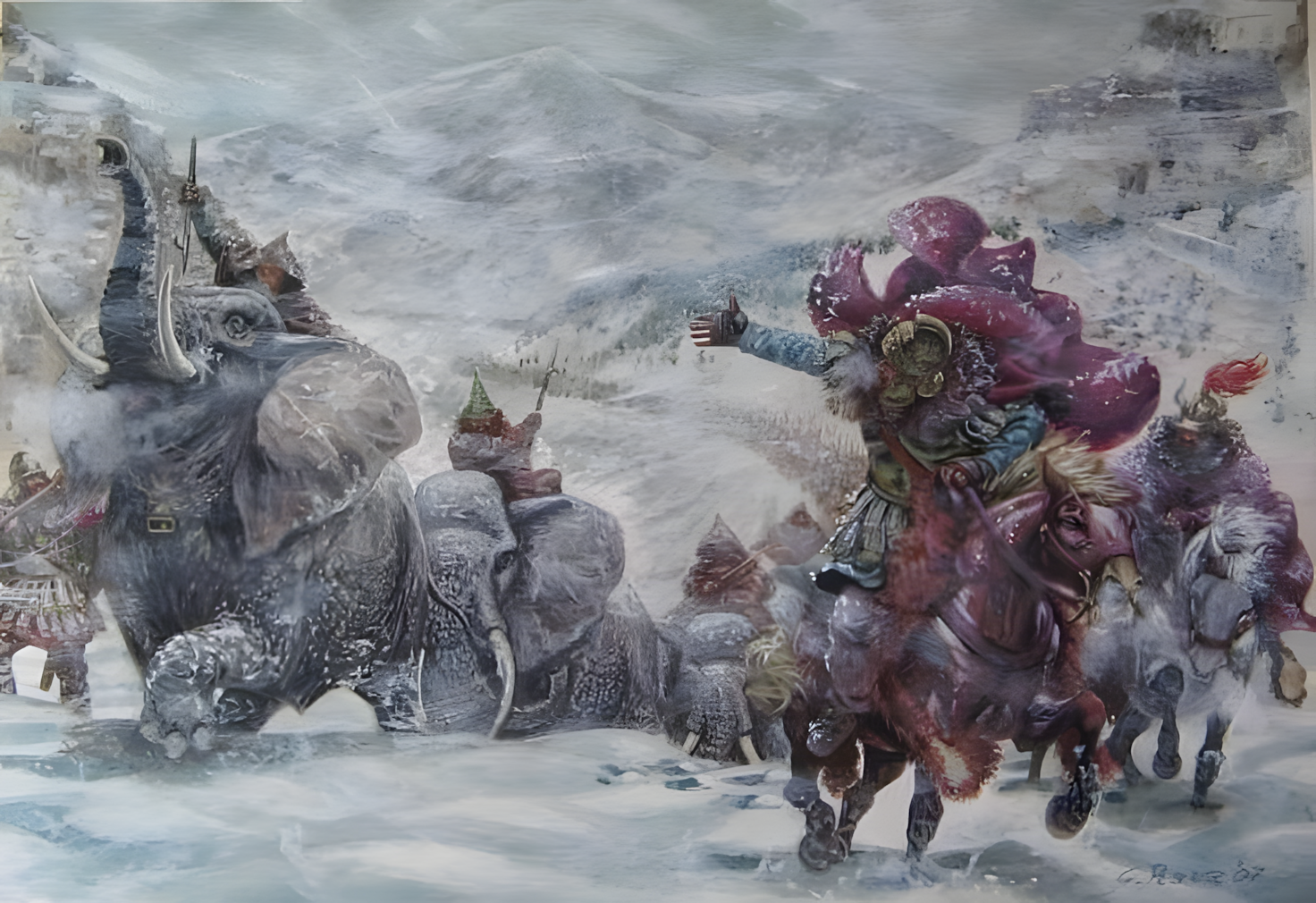
The first war began in AD 101, when Emperor Trajan invaded Dacia. Roman forces crossed the Danube and advanced into Dacian territory, but the landscape immediately created difficulties. The Carpathian Mountains divided the region into valleys and passes, making movement more complicated than on the open plains of Italy or North Africa.
Roman armies were highly organized, but organization could not eliminate the problems created by geography. Soldiers needed roads, bridges, supplies, and secure communications. Roman engineers therefore played an important role in the campaign. The famous Trajan’s Bridge across the Danube allowed Roman forces to move large numbers of troops and supplies into Dacia and demonstrated how important engineering was to the invasion.
The Dacians were also capable opponents. Under Decebalus, they had developed a strong kingdom and possessed fortified positions that could be difficult for Roman forces to capture. The Dacians also understood the local terrain, giving them advantages when Roman troops moved through unfamiliar areas.
Trajan eventually forced Decebalus to accept peace terms in AD 102, but the conflict was not permanently settled. The Dacian king rebuilt his strength, and tensions between Rome and Dacia continued. Trajan therefore launched a second invasion in AD 105.
The second war was even more demanding because Rome now had to destroy Dacia’s ability to resist permanently. Roman armies advanced from multiple directions while maintaining their supply lines through difficult territory. The campaign involved the capture of important strongholds and eventually placed pressure directly on the Dacian capital, Sarmizegetusa Regia.
The fall of the capital in AD 106 effectively ended organized Dacian resistance. Decebalus fled and eventually died, while much of his kingdom was transformed into the Roman province of Dacia.
The conquest had a major strategic consequence: Rome had created a new province north of the Danube. This brought wealth, especially from Dacia’s gold resources, but it also created a long-term military responsibility. Roman soldiers now had to defend a territory surrounded by peoples who remained outside Roman control.
The campaign therefore involved much more than battlefield fighting. Rome had to solve logistical and engineering problems, maintain large armies far from Italy, overcome mountain terrain, capture fortified positions, and then establish permanent control over the conquered territory.
Dacia also demonstrates why the difficulty of a campaign cannot always be measured by its final result. Rome eventually won decisively, but achieving that victory required two major invasions separated by several years. The need for a second war shows that Roman military superiority did not make the conquest easy.
Compared with Hannibal’s invasion, Dacia presented a different type of challenge. Rome did not face an enemy who repeatedly destroyed huge Roman armies in open battle. Instead, the difficulty came from terrain, fortified positions, logistics, and prolonged military operations. The campaign required Rome to use virtually every advantage of its military system, including engineering, disciplined infantry, cavalry, roads, bridges, and organized supply.
For this reason, the Dacian Wars are among the strongest candidates when considering the hardest Roman campaigns. They demonstrate how difficult it could be for Rome to conquer a determined enemy defending a mountainous homeland.
5 Main Ideas
- The Dacian Wars required two major Roman invasions, in AD 101–102 and AD 105–106.
- The Carpathian Mountains and difficult terrain created major problems for Roman armies.
- Roman engineering and logistics, including Trajan’s Bridge, were essential to the campaign.
- Decebalus and the Dacian forces used fortified positions and their knowledge of the terrain to resist Rome.
- The conquest required enormous military resources and eventually turned Dacia into a new Roman province that Rome then had to defend.
3. Caesar's Conquest of Gaul — Years of Continuous Warfare
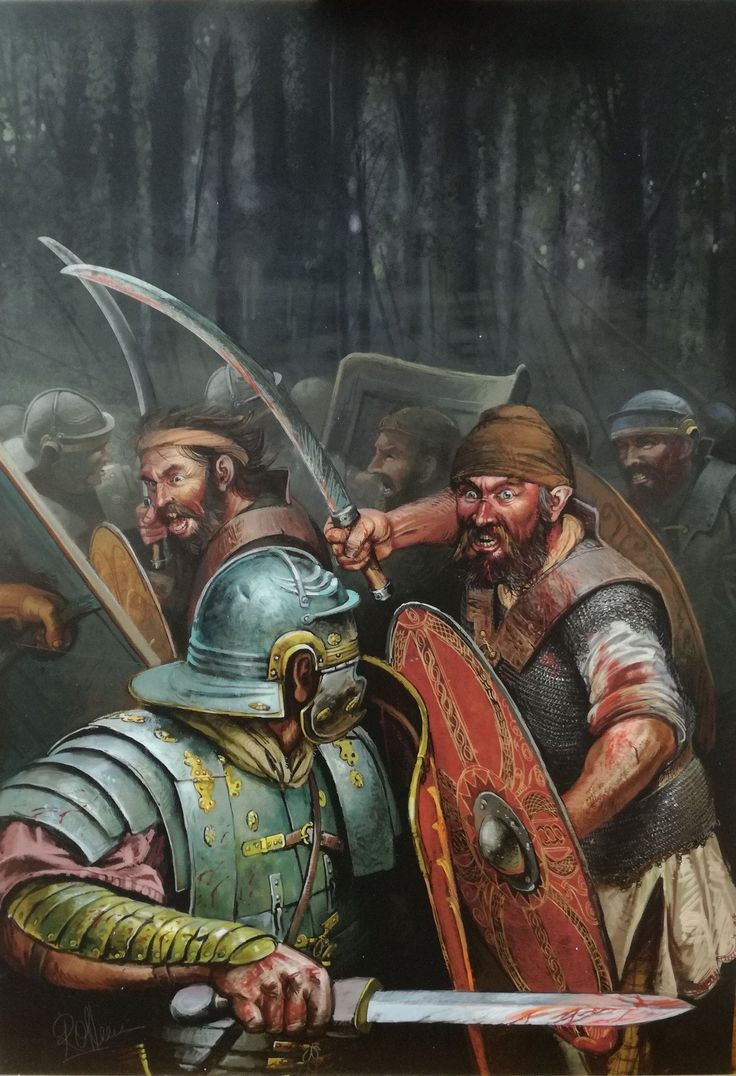
Julius Caesar’s conquest of Gaul was one of the most extensive and demanding military campaigns of the late Roman Republic. Beginning in 58 BC, Caesar’s armies spent years campaigning across a huge territory that covered much of modern France, Belgium, Luxembourg, and parts of neighboring regions. The conflict was not one continuous war against a single enemy. Instead, it consisted of multiple campaigns, tribal wars, rebellions, sieges, diplomatic crises, and sudden changes of alliance. This made Gaul a constantly changing military environment.
One of Caesar’s biggest challenges was that Gaul was politically fragmented. There was no single Gallic government that Rome could defeat and then consider the conquest complete. Instead, the region contained numerous tribes and communities, each with their own leaders and political interests. Some initially cooperated with Caesar, while others opposed Roman expansion. These relationships could change quickly, meaning that Caesar had to combine military force with diplomacy and political maneuvering.
The geography of Gaul also created major difficulties. Roman armies had to cross large rivers, dense forests, mountains, open plains, and heavily settled agricultural regions. Roads were not always suitable for large Roman armies, so soldiers frequently had to construct bridges, improve routes, and establish fortified camps. Roman engineering gave Caesar a major advantage, but it also required enormous amounts of labor.
One of the earliest major challenges came from the Helvetii migration in 58 BC. A large movement of people across Gaul threatened to disrupt the existing political balance. Caesar intervened, eventually defeating the Helvetii and forcing them back toward their homeland. The campaign demonstrated how quickly a large population movement could create a military crisis for Rome.
Caesar then faced Ariovistus and his Germanic forces. After defeating them, Caesar continued expanding Roman influence. Campaigns against the Belgae followed, requiring Roman armies to operate farther north and confront powerful tribal coalitions.
The Venetian War of 56 BC presented an entirely different problem. The Veneti lived along the Atlantic coast and possessed a strong maritime tradition. Their ships were designed for the local waters and conditions, forcing Caesar to conduct a naval campaign. Roman forces eventually adapted their tactics and defeated the Veneti, demonstrating how Roman armies could modify their methods when facing unfamiliar forms of warfare.
The campaign also extended beyond Gaul itself. Caesar conducted expeditions across the Rhine into Germania and launched two expeditions to Britain in 55 and 54 BC. These operations were partly military demonstrations, but they also showed how far Caesar’s campaigns had expanded. Roman troops were now operating far from the Mediterranean world and encountering unfamiliar geography, climates, and peoples.
The greatest challenge came in 52 BC, when Vercingetorix emerged as the leader of a major Gallic revolt. Unlike earlier resistance, this uprising brought together many important Gallic communities. The Romans were now facing a much broader coalition with the potential to threaten their entire position in Gaul.
The campaign became particularly difficult at Gergovia, where Caesar suffered a significant setback. Roman forces were unable to achieve the victory they expected, and the defeat demonstrated that the Gallic coalition could seriously challenge Caesar’s army.
Vercingetorix eventually withdrew to Alesia, a strongly positioned settlement where he gathered a large force. Caesar responded by beginning one of the most impressive engineering operations of the entire Roman conquest.
The Romans constructed a massive double system of fortifications around Alesia. One line faced inward toward the Gallic defenders, while another faced outward toward the relief army that was expected to attack the Romans from outside. Roman soldiers therefore had to fight while simultaneously maintaining their siege positions and defending themselves against forces approaching from different directions.
The relief army eventually attacked, creating an extremely dangerous situation for Caesar’s troops. Yet Roman discipline, fortifications, engineering, and battlefield organization allowed them to withstand the attacks. Vercingetorix eventually surrendered, effectively breaking the major organized resistance to Roman rule.
Even after Alesia, the conquest was not instantly complete. Additional resistance continued in parts of Gaul, requiring further campaigns before Roman control became secure.
The difficulty of Caesar’s Gallic campaign therefore came from its enormous scale and continuous uncertainty. Rome had to defeat different enemies, maintain alliances, suppress rebellions, build infrastructure, protect supply lines, and operate far from Italy for years.
Compared with Hannibal’s invasion of Italy, Caesar’s conquest presented a different challenge. Hannibal placed Rome itself under extraordinary pressure through repeated battlefield victories. Caesar instead faced the difficult task of conquering and reorganizing an enormous region containing many independent peoples.
The Gallic Wars were therefore one of Rome’s hardest campaigns because they demanded not just military strength, but adaptability, engineering, diplomacy, logistics, and endurance over many years.
5 Main Ideas
- Caesar’s conquest of Gaul involved years of continuous warfare from 58 BC, rather than one single campaign.
- Rome faced numerous tribes, shifting alliances, rebellions, and different forms of warfare.
- The geography of Gaul required extensive engineering, roads, bridges, camps, and fortified positions.
- Vercingetorix’s revolt and the Siege of Alesia created the greatest challenge of the conquest.
- The campaign was difficult because of its enormous geographical scale, political complexity, logistical demands, and long duration.
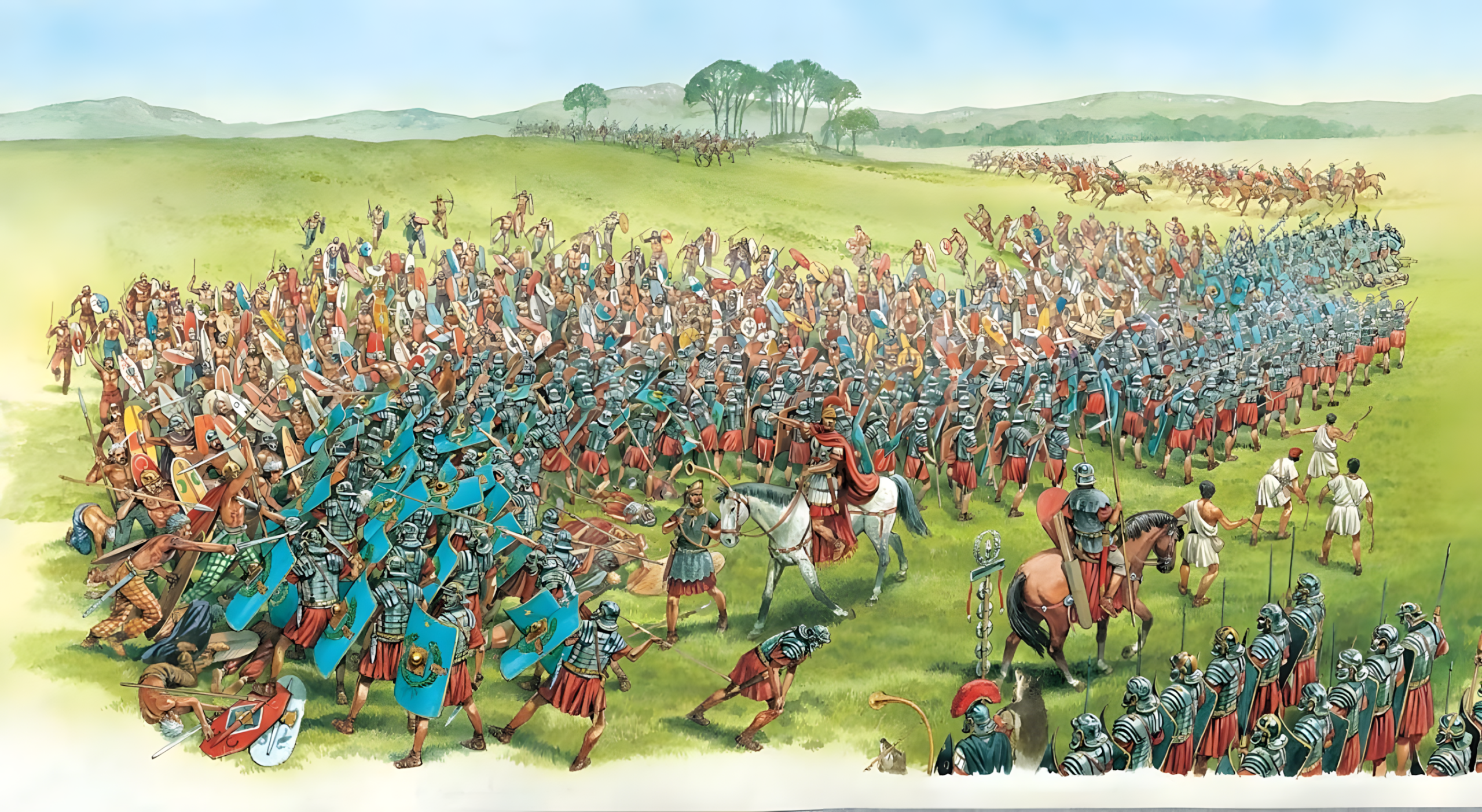
4. The Jewish War — A Long and Difficult Siege War
The Jewish War, also known as the First Jewish–Roman War, was one of the most difficult military campaigns Rome fought during the first century AD. The revolt began in AD 66 in the Roman province of Judaea and developed into a prolonged conflict involving fortified cities, difficult terrain, large Roman armies, and strong local resistance. Unlike a conventional war fought mainly through open battles, much of the Roman effort involved sieges, fortified positions, urban warfare, and the gradual destruction of organized resistance.
The conflict began after years of political, religious, and social tensions between parts of the Jewish population and Roman authorities. Resistance quickly spread, and Roman control in Judaea weakened. Roman forces initially suffered setbacks, demonstrating that the revolt was more serious than a small provincial uprising.
The emperor Nero eventually appointed Vespasian to lead the Roman response. Vespasian arrived with substantial Roman forces and began a systematic campaign to recover Roman control. His army first concentrated on Galilee, where several towns and fortified positions resisted the Roman advance.
The geography of Judaea made the campaign difficult. Roman soldiers had to operate across mountainous regions, valleys, rugged countryside, and heavily defended settlements. Fortified locations could delay Roman armies even when the Romans possessed superior organization and manpower.
Roman forces gradually captured important positions in Galilee and moved southward. However, the rebellion was still far from over. Jerusalem, the political and religious center of the revolt, remained under rebel control.
In AD 69, Vespasian became emperor, and command of the campaign passed increasingly to his son Titus. Titus eventually led the main Roman army toward Jerusalem.
The siege of Jerusalem in AD 70 became the central event of the war. Jerusalem was a large and strongly defended city, and the Romans faced determined resistance. Roman forces had to establish siege lines and fortified positions around the city while maintaining supplies and protecting their own army.
This required enormous logistical organization. Roman soldiers had to transport food, weapons, construction materials, and other supplies while operating in hostile territory. The army also had to prevent forces inside the city from breaking through the siege.
The Romans used their traditional combination of engineering and military organization. Siege works, earthworks, fortified camps, and assault operations gradually tightened Roman control around Jerusalem.
The campaign was particularly difficult because Jerusalem was not simply another fortified settlement. It was a city of enormous religious and political importance, meaning that its capture had consequences far beyond the battlefield.
After the fall of Jerusalem, organized resistance continued in several locations. Roman forces still had to deal with isolated strongholds and remaining rebel groups. One of the most famous was Masada, a heavily fortified position overlooking the Dead Sea. Roman forces eventually constructed a large siege system around the fortress.
Masada fell around AD 73 or 74, marking the effective end of the major organized resistance associated with the First Jewish–Roman War. The exact chronology and details of the final stage are debated by historians, but its fall became an important symbol in later historical memory.
The Jewish War was therefore difficult for Rome for several reasons. It combined political instability, religious tensions, fortified settlements, difficult terrain, prolonged sieges, and major logistical requirements. Roman military superiority did not make the conflict short or simple.
The campaign also demonstrated an important feature of Roman warfare: Rome was often most effective when it could turn a difficult conflict into a systematic war of attrition and engineering. Rather than relying entirely on one decisive battle, Roman commanders gradually captured territory, isolated resistance centers, and used overwhelming resources to maintain pressure.
Compared with Caesar’s conquest of Gaul, the Jewish War was less about defeating numerous armies across an enormous territory and more about breaking resistance centered around fortified cities and strongholds. Compared with Hannibal’s invasion of Italy, Rome faced less danger of losing the entire Roman state, but the campaign still required years of military effort.
The Jewish War therefore stands among Rome’s hardest campaigns because of its fortified terrain, prolonged resistance, difficult sieges, political consequences, and enormous logistical demands.
5 Main Ideas
- The Jewish War began in AD 66 as a major revolt against Roman rule in Judaea.
- Vespasian and Titus organized a large Roman campaign to gradually restore Roman control.
- The Romans faced mountainous terrain, fortified settlements, and strong resistance, making the campaign difficult.
- The Siege of Jerusalem in AD 70 became the decisive stage of the war.
- Resistance continued after Jerusalem, with Masada falling around AD 73–74, showing how prolonged the Roman campaign became.
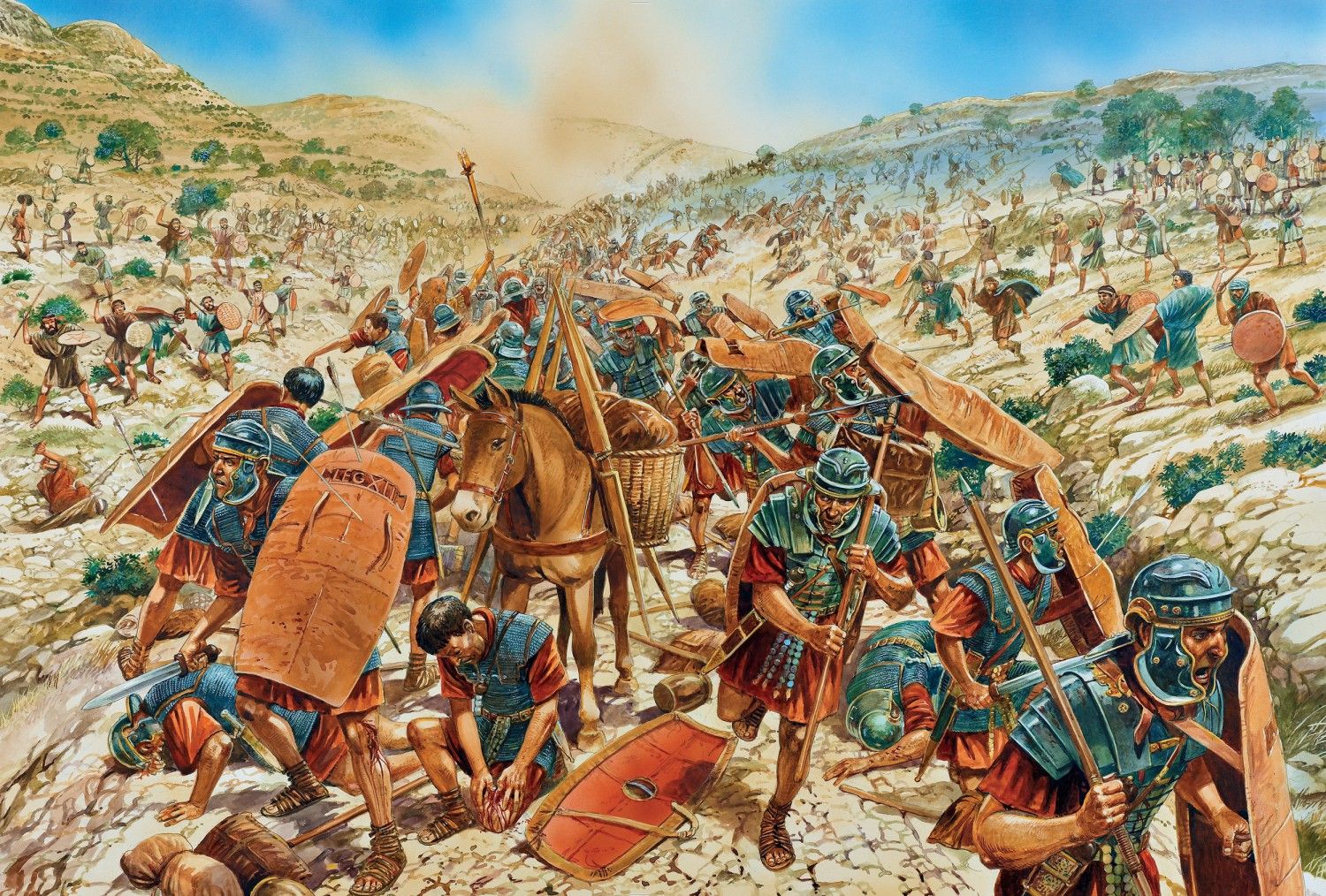
5. Trajan's Eastern Campaign — Rome at the Edge of Its Expansion
Trajan’s eastern campaign was one of the most ambitious military operations in Roman history. Fought mainly between AD 113 and 117, it pushed Roman armies deep into territories controlled by the Parthian Empire and brought Rome to the greatest geographical extent of its expansion. Unlike campaigns such as Caesar’s conquest of Gaul, the main difficulty was not simply defeating an enemy army. Rome had to operate extremely far from its established Mediterranean bases, maintain long supply routes, control newly conquered territories, and respond to rebellions that appeared behind the advancing army.
The conflict developed from Rome’s continuing rivalry with Parthia, the major power east of the Roman Empire. Armenia was particularly important because it occupied a strategic position between Roman and Parthian spheres of influence. Trajan considered the existing political situation unacceptable and prepared for a major eastern offensive.
In AD 113, Trajan began moving east. Roman forces entered Armenia, and the campaign quickly expanded beyond the original dispute. Armenia was incorporated into the Roman sphere, and Trajan continued toward Mesopotamia, bringing Roman armies into regions that were much more difficult to control than the established provinces around the Mediterranean.
The geography presented major challenges. Roman soldiers had to operate across mountainous areas, open plains, major rivers, and dry regions. Rivers such as the Euphrates and Tigris were particularly important because they affected transportation, communications, and military movement. Roman engineers had to construct or adapt bridges, roads, camps, and supply systems to keep the army moving.
Trajan’s forces achieved several major victories and captured important cities. In AD 116, the Romans captured Ctesiphon, one of the most important cities of the Parthian Empire and a major royal center. Trajan’s army then advanced farther east and eventually reached the Persian Gulf.
From a purely geographical perspective, this was an extraordinary achievement. Roman armies had moved farther into the Near East than ever before. However, conquering territory and holding territory were two very different problems.
As the Romans advanced, resistance began to develop in areas that had already been conquered. Local populations rebelled against Roman authority, while Roman forces became increasingly separated from their original bases. This created a serious strategic problem.
An army can win battles and capture cities while still facing an increasingly difficult military situation. Every additional region under Roman control required soldiers, food, roads, communications, garrisons, and administrators. The farther the army moved, the greater the logistical burden became.
Trajan therefore faced a problem of strategic overextension. His victories had expanded Roman territory faster than the empire could easily consolidate it.
The situation became even more complicated because Roman forces were simultaneously dealing with unrest in different regions. The empire had to divide its military resources between continuing offensive operations and suppressing resistance in territory already occupied.
Trajan’s eastern achievements were therefore impressive but difficult to maintain. When Trajan became seriously ill and died in AD 117, his successor Hadrian inherited an empire that had reached an enormous territorial extent.
Hadrian decided that maintaining all of Trajan’s new eastern conquests was not practical. Rome withdrew from most of the territories Trajan had recently conquered, returning to a more defensible eastern frontier.
This makes Trajan’s campaign particularly interesting when considering the hardest campaigns in Roman history. The Romans were extremely successful on the battlefield and captured major enemy centers, yet the campaign revealed the enormous difficulty of sustaining Roman armies at the farthest limits of imperial expansion.
The challenge was therefore not simply winning the war. It was maintaining control after victory.
Compared with the Jewish War, Trajan’s eastern campaign involved fewer years of prolonged siege warfare but created a much greater problem of distance and strategic overextension. Compared with Caesar’s conquest of Gaul, Trajan operated in a region where Rome faced another major imperial power rather than numerous independent tribes.
The campaign demonstrated that even at the height of Roman military power, there were practical limits to how far the empire could expand and still maintain a stable frontier.
5 Main Ideas
- Trajan’s eastern campaign took place mainly between AD 113 and 117 against the Parthian Empire.
- Roman forces conquered Armenia and large parts of Mesopotamia, reaching the Persian Gulf.
- The campaign created major logistical challenges because Roman armies were operating extremely far from established bases.
- Rebellions and resistance demonstrated how difficult it was to maintain control over newly conquered territories.
- Trajan’s conquests were largely abandoned under Hadrian, showing the difference between achieving military expansion and maintaining a sustainable empire.
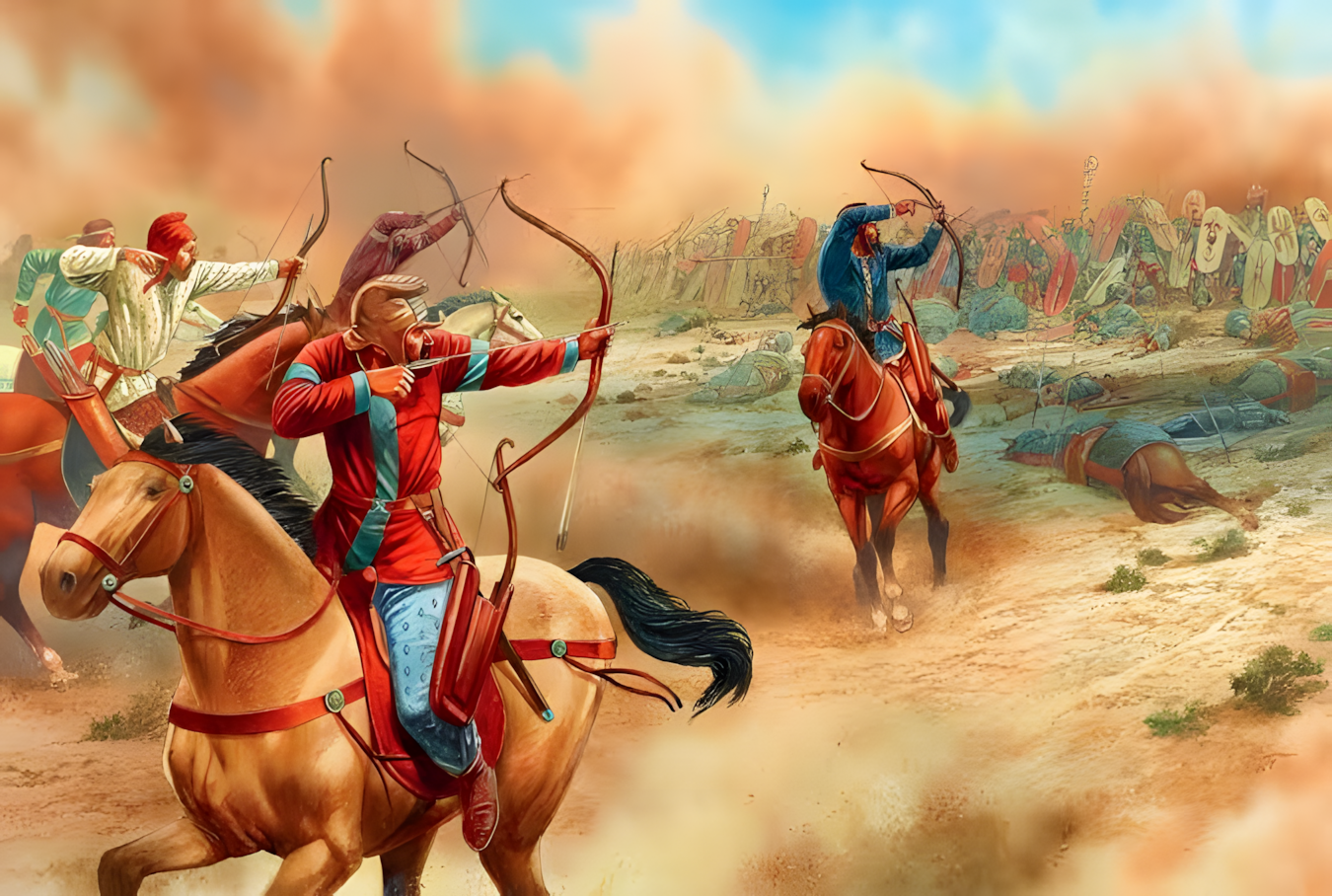
6. The Roman War in Britain — Conquering a Difficult Island
The Roman conquest of Britain was one of the longest and most geographically challenging expansion campaigns in Roman history. The main invasion began in AD 43 under Emperor Claudius, but Roman efforts to establish lasting control continued for decades. Britain presented Rome with a combination of difficult terrain, unpredictable weather, long supply routes, strong local resistance, and geographical isolation from the European mainland.
The initial invasion was commanded by Aulus Plautius, who led a substantial Roman army across the English Channel. The Romans quickly captured important settlements and defeated several British forces, eventually establishing a permanent Roman presence in southern Britain.
However, conquering southern Britain did not mean that the entire island was under Roman control. Britain contained numerous tribal societies, and Roman commanders had to deal with different communities across a huge and unfamiliar landscape.
The geography was particularly demanding. Southern Britain contained forests, rivers, hills, marshes, and large areas without the developed road network that Roman armies were accustomed to in some Mediterranean provinces. As Roman forces moved farther north and west, the terrain became increasingly difficult.
Roman armies responded with their usual combination of roads, forts, bridges, supply depots, and military camps. These allowed soldiers to move through difficult territory and maintain communications between different parts of the province.
Yet resistance remained a major problem.
One of the most serious challenges came in AD 60–61, when Boudica, queen of the Iceni, led a major revolt against Roman rule. Several Roman settlements were attacked, and Roman forces in Britain were temporarily placed under severe pressure.
The revolt demonstrated an important weakness of Roman control: even after the initial conquest, a province could remain politically unstable. Roman authorities therefore had to devote substantial military resources to maintaining order as well as expanding territory.
The Romans eventually defeated Boudica’s rebellion, but the conquest continued.
Roman forces then concentrated increasingly on Wales and northern Britain, where resistance and difficult geography made expansion slower. Wales was particularly challenging because of its mountainous terrain and strong local resistance.
The campaigns of Gnaeus Julius Agricola, governor of Britain from AD 77/78 to 83/84, represented another major phase of Roman expansion. Agricola pushed Roman forces farther north and conducted campaigns into areas that are now Scotland.
One of the most famous encounters was the Battle of Mons Graupius, usually dated to around AD 83 or 84. The Roman victory was presented by the Roman historian Tacitus as an important success, although the exact location of the battle remains uncertain and historians debate some details of the campaign.
Even after Roman victories, however, northern Britain remained difficult to control. The farther Roman armies moved, the harder it became to maintain supplies, communications, and permanent occupation.
This was one of the fundamental problems of Britain. The Roman army could defeat an enemy force and advance into new territory, but keeping that territory required a permanent network of forts, roads, garrisons, and administrative centers.
Britain was also separated from the rest of the Roman Empire by the English Channel. Supplies and reinforcements had to cross the sea, creating another logistical complication. Weather could affect maritime transportation, while long distances within Britain increased the time required to move troops.
Eventually, Rome’s strategy shifted away from unlimited expansion. Instead of attempting to conquer every part of the island, Roman authorities increasingly focused on establishing a defensible frontier.
The construction of Hadrian’s Wall beginning around AD 122 became the clearest symbol of this change. The wall did not simply represent a military barrier. It was part of a broader system of forts, roads, gates, patrols, and controlled crossings designed to regulate movement and protect the Roman province.
The later Antonine Wall briefly marked a farther northern frontier, but Rome eventually returned to the Hadrianic frontier.
Britain therefore demonstrates an important difference between conquest and permanent control. Rome could advance through enemy territory, but maintaining a stable frontier in northern Britain required enormous resources.
Compared with the conquest of Gaul, Britain was geographically more isolated. Compared with Trajan’s eastern campaign, Britain did not involve another empire of comparable scale, but its terrain and distance created persistent logistical problems.
The Roman war in Britain was therefore difficult because it combined isolation, difficult terrain, long supply routes, repeated rebellions, and the challenge of maintaining control over a distant island.
5 Main Ideas
- The Roman invasion of Britain began in AD 43, but complete Roman control was never achieved over the entire island.
- Britain presented major challenges through mountains, forests, rivers, weather, and difficult transportation.
- Boudica’s revolt in AD 60–61 demonstrated how unstable Roman control could become after conquest.
- Roman campaigns under Agricola pushed into northern Britain but faced increasing logistical and geographical difficulties.
- Hadrian’s Wall represented a shift from unlimited expansion toward maintaining a more manageable and defensible frontier.
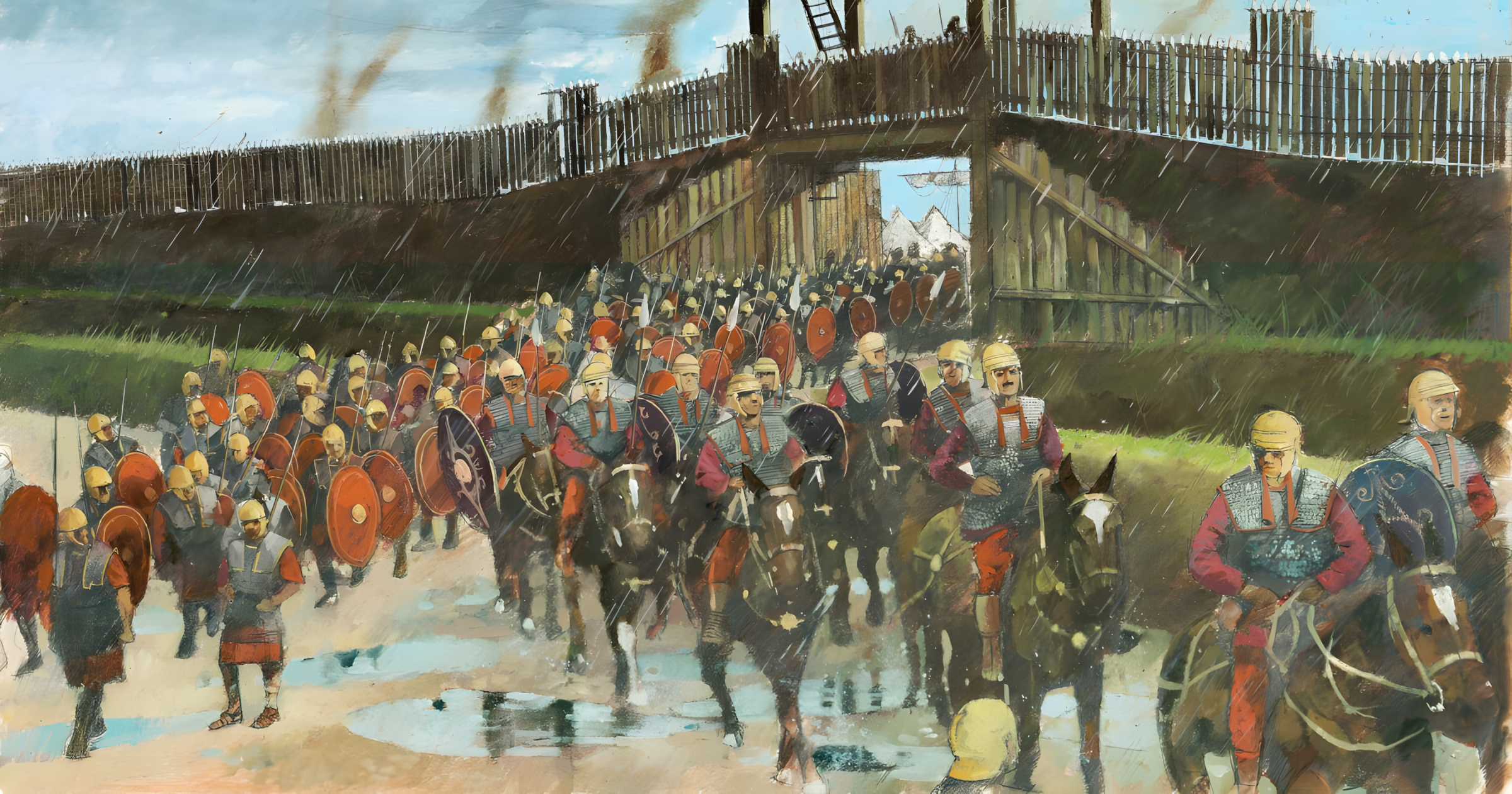
7. So Which Was the Hardest Roman Campaign?
After examining the major campaigns, it is possible to make a final judgment by comparing them using the same criteria: enemy strength, duration, terrain, logistics, Roman setbacks, political danger, and the consequences of failure.
Each campaign was difficult for a different reason.
Caesar’s conquest of Gaul was exceptionally demanding because of its length, enormous geographical scale, political complexity, and repeated rebellions. Caesar had to fight different enemies across a huge territory while maintaining alliances and keeping his army supplied. The revolt of Vercingetorix and the crisis at Alesia showed how dangerous the campaign could become.
The Dacian Wars presented a different challenge. Trajan’s soldiers had to fight in the Carpathian Mountains, where steep terrain, forests, valleys, and fortified settlements made movement difficult. Roman engineering was essential, and the construction of Trajan’s Bridge demonstrated the scale of the logistical effort required. The campaign was highly successful, but it demanded enormous preparation.
The Jewish War was particularly difficult because of fortified cities, prolonged sieges, political instability, and religious significance. The siege of Jerusalem required extensive Roman engineering and military organization. Even after Jerusalem fell, resistance continued at other strongholds.
The Roman conquest of Britain was difficult because Britain was an isolated island with challenging terrain and long supply routes. Roman commanders could win battles and capture territory, but maintaining control required decades of military infrastructure. The continuing importance of Hadrian’s Wall demonstrates how difficult the northern frontier remained.
Trajan’s eastern campaign reached farther than any of these campaigns in terms of Roman expansion. Roman armies captured major cities and advanced deep into Parthian territory. However, the campaign exposed the problem of strategic overextension. The farther Rome advanced, the more difficult it became to supply armies and control conquered territory. Hadrian’s later withdrawal from most of Trajan’s eastern conquests showed that military victories did not automatically create sustainable provinces.
But Hannibal’s invasion of Italy presents the strongest overall case for being Rome’s hardest campaign.
The reason is the combination of nearly every major difficulty at once.
Rome was fighting an exceptionally capable commander in Hannibal, who had already demonstrated his ability to defeat Roman armies repeatedly. His invasion began with the extraordinary crossing of the Alps, followed by major Roman defeats at the Trebia, Lake Trasimene, and especially Cannae in 216 BC.
Cannae was particularly important because it created a genuine strategic crisis for Rome. Rome had suffered a catastrophic battlefield defeat, and some of its allies in Italy changed sides or became uncertain about their loyalty.
Yet Rome continued fighting.
This is what makes the campaign different from many of the others. Rome was not simply trying to conquer a distant province. It was fighting a war in which the security of Italy itself was threatened.
The Romans eventually adapted their strategy. Instead of repeatedly confronting Hannibal in the type of battle where he was strongest, Roman commanders increasingly relied on attrition, delaying tactics, attacks on his allies, and campaigns elsewhere.
At the same time, Rome continued raising new armies despite its enormous losses.
Eventually, the Romans carried the war to North Africa, forcing Hannibal to return from Italy. The final confrontation came at Zama in 202 BC, where Scipio Africanus defeated Hannibal and ended Carthage’s ability to continue the war on the same scale.
When all the campaigns are compared, Hannibal’s invasion stands out because it combined a highly capable enemy commander, repeated Roman disasters, prolonged warfare, major logistical challenges, political instability, and a direct threat to Rome’s position in Italy.
The Dacian Wars may have been more difficult because of mountain warfare and engineering. The Jewish War may have been more difficult because of sieges and fortified resistance. Trajan’s eastern campaign may have created greater problems of distance and overextension. Britain was exceptionally difficult because of isolation and terrain, while Gaul demanded years of continuous campaigning across a huge region.
But when the criteria are considered together, Hannibal’s invasion of Italy has the strongest overall claim to being the hardest Roman campaign.
It was not Rome’s longest war, nor its largest conquest. Its distinction comes from the fact that Rome suffered some of its most serious military defeats while facing an enemy capable of exploiting them—and still had to find a way to survive.
5 Main Ideas
- Gaul was exceptionally difficult because of its enormous size, numerous enemies, shifting alliances, and years of warfare.
- Dacia tested Roman armies through mountainous terrain, fortified positions, and demanding engineering operations.
- Judaea, Britain, and the eastern campaigns each created different problems involving sieges, isolation, terrain, logistics, or strategic overextension.
- Hannibal’s invasion of Italy combined multiple forms of difficulty, including major Roman defeats and threats to Rome’s Italian alliance system.
- Based on the combined criteria of enemy strength, battlefield setbacks, duration, logistics, political danger, and consequences of failure, Hannibal’s invasion of Italy presents the strongest overall case for Rome’s hardest campaign.