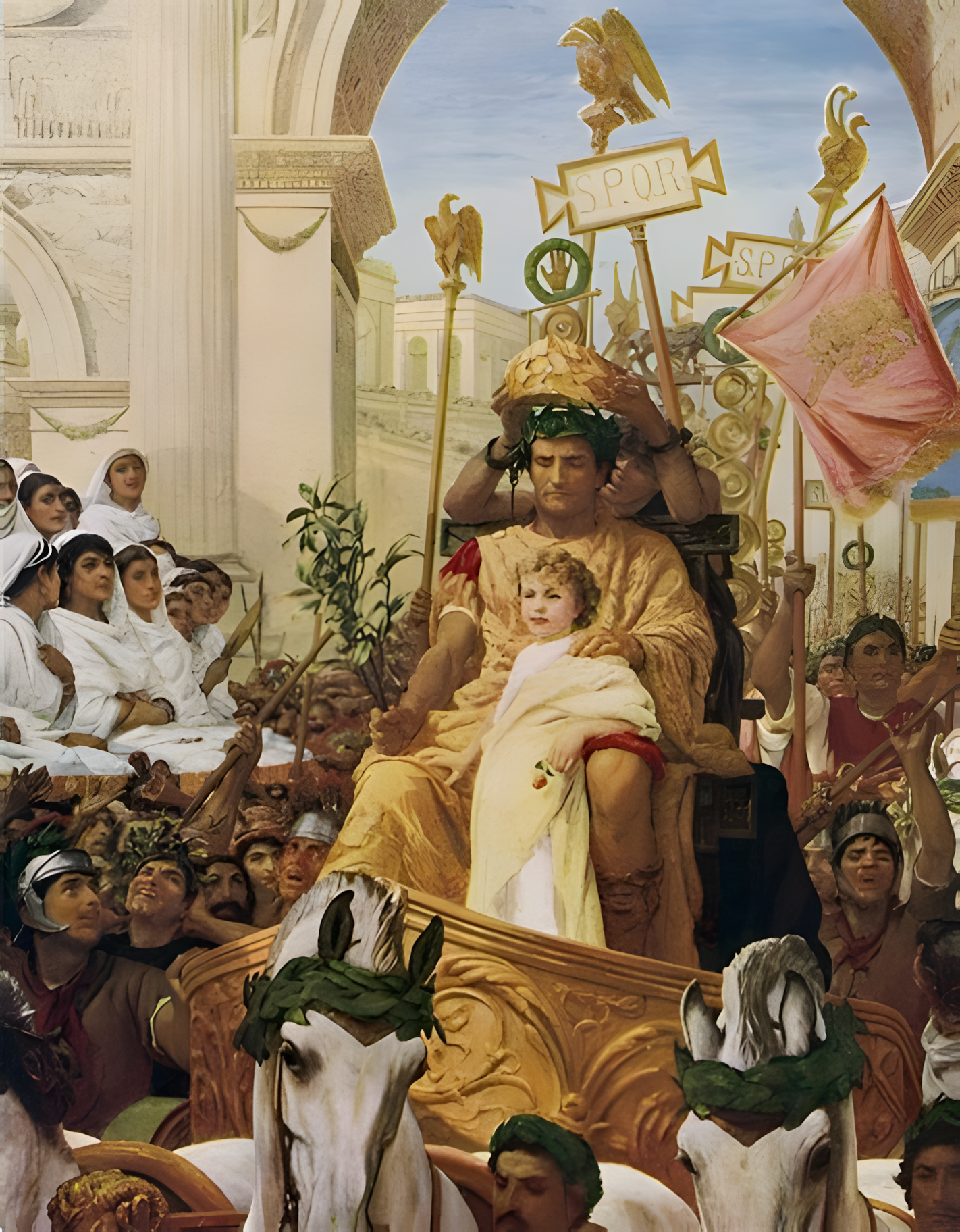
The New Year was celebrated differently in ancient Rome depending on the period of Roman history. The Roman calendar changed significantly over time, and the date considered the beginning of the year was not always January 1 as it is today. Understanding when Romans celebrated the New Year requires looking at how the Roman calendar developed and how political and religious traditions influenced the Roman year.
In the earliest Roman tradition, March was considered the beginning of the year. This is reflected in the names of several months that still survive in modern calendars. September, for example, comes from the Latin word for seven, while October, November, and December are connected to the numbers eight, nine, and ten. These names make more sense when March was the first month of the year.
March was also closely connected with Mars, the Roman god of war. This was appropriate for a society in which the beginning of the campaigning season was an important part of the annual cycle. The Roman military calendar and the political calendar were closely connected to the changing seasons.
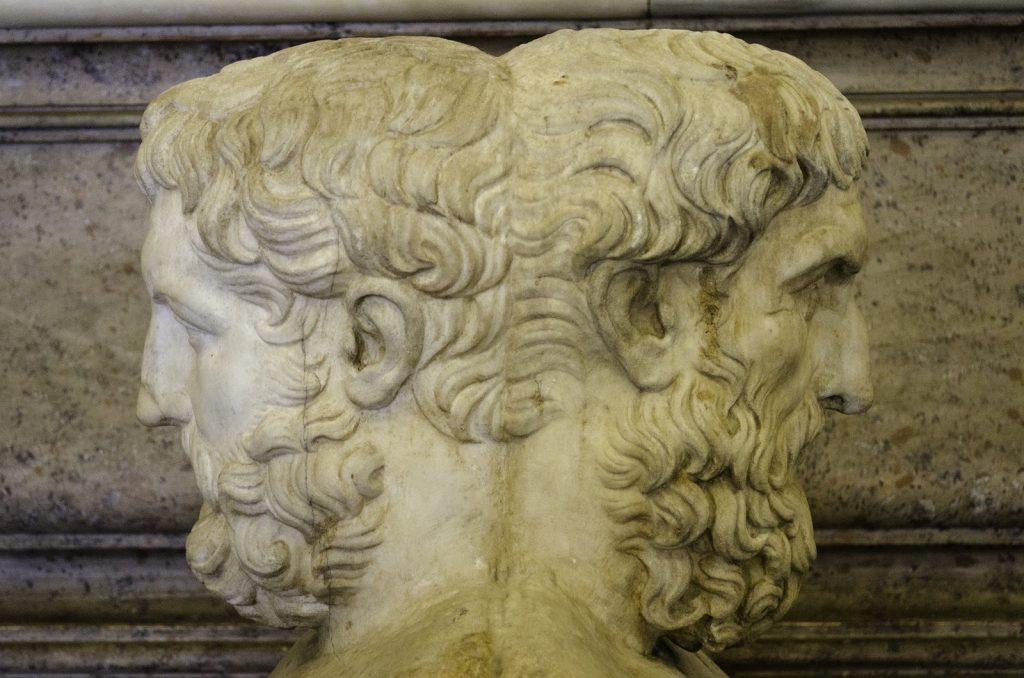
Over time, however, January became increasingly important. The month was named after Janus, the Roman god associated with beginnings, transitions, doorways, and looking both backward and forward. Janus was therefore a natural symbol for the beginning of a new year.
In 153 BC, January 1 became the official beginning of the Roman consular year. Roman consuls were normally elected annually, and their term of office became connected with January 1. This helped establish the date as an important political beginning to the Roman year.
The change became even more significant after Julius Caesar’s calendar reform. In 46 BC, Caesar introduced major changes to the Roman calendar, creating what became known as the Julian calendar. The reformed calendar officially retained January 1 as the beginning of the year, helping establish a system that influenced later European calendars.
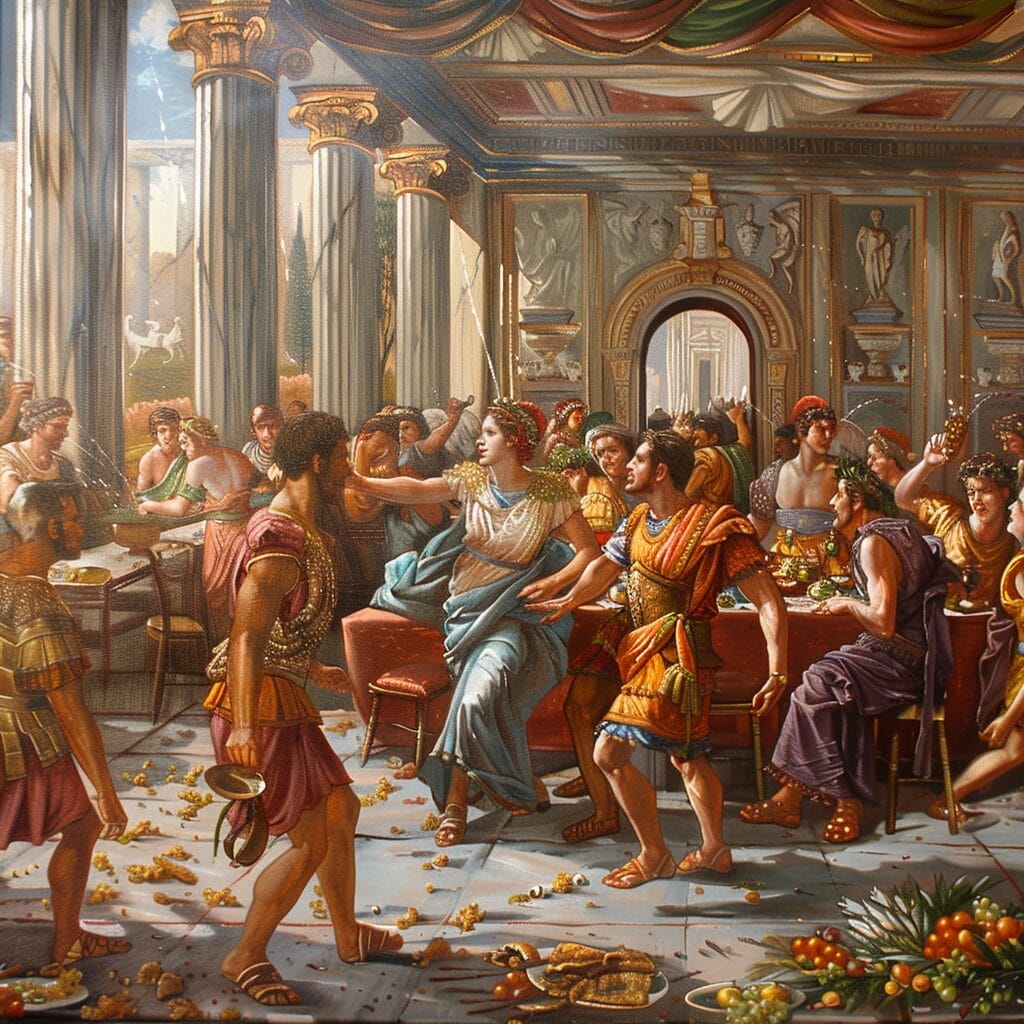
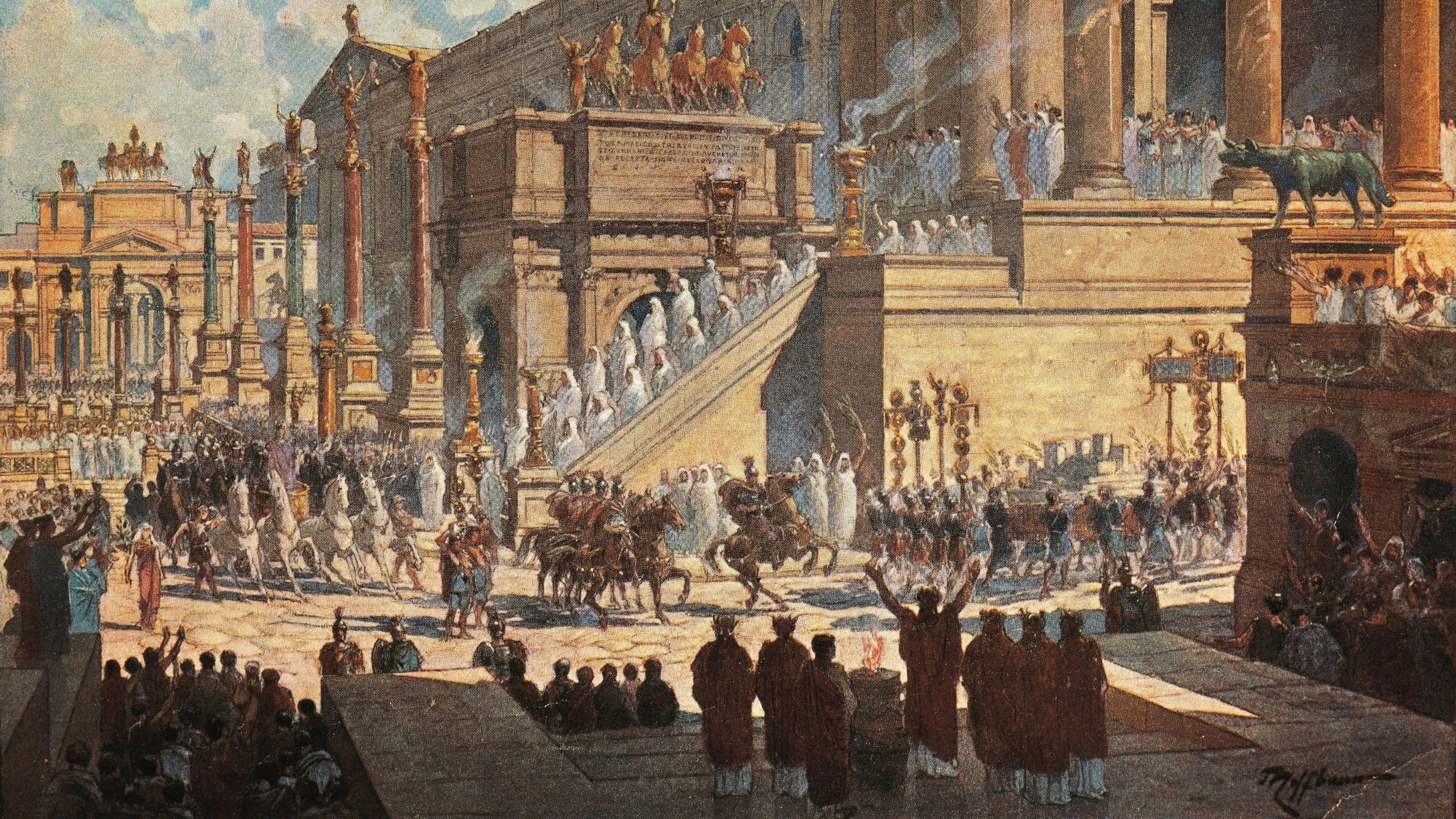
Roman New Year was not simply a modern-style celebration with parties and midnight countdowns. It was closely connected with religion, politics, family traditions, and public life. Romans made offerings to the gods, exchanged good wishes and gifts, and participated in ceremonies connected with the new year.
The beginning of the year was especially important for Roman officials because it marked the start of new consular terms and a new political year. The public appearance of newly appointed magistrates was an important part of Roman civic life.
The Roman New Year therefore changed from an earlier March-based calendar to one centered on January 1. This transition reflects the broader development of Roman society, politics, religion, and administration.
Although the Roman calendar was later modified again, the decision to make January 1 the beginning of the year became one of Rome’s most lasting contributions to the way calendars are organized. Many centuries later, January 1 remains New Year’s Day in much of the modern world.
1. When Did the Roman New Year Begin?
The answer to when New Year began in ancient Rome depends on which period of Roman history we are talking about. The Roman calendar changed over the centuries, and January 1 was not always the first day of the Roman year. In the earliest Roman tradition, the year was associated with March, while January gradually became more important as Roman political and religious traditions developed.
The early Roman calendar is traditionally associated with Romulus, the legendary founder of Rome. According to later Roman tradition, the earliest calendar had ten months and began with March. This helps explain the names of several months that still exist today. September comes from septem, meaning seven, while October, November, and December come from the Latin words for eight, nine, and ten. Their names preserve evidence of an older system in which March occupied the first position.
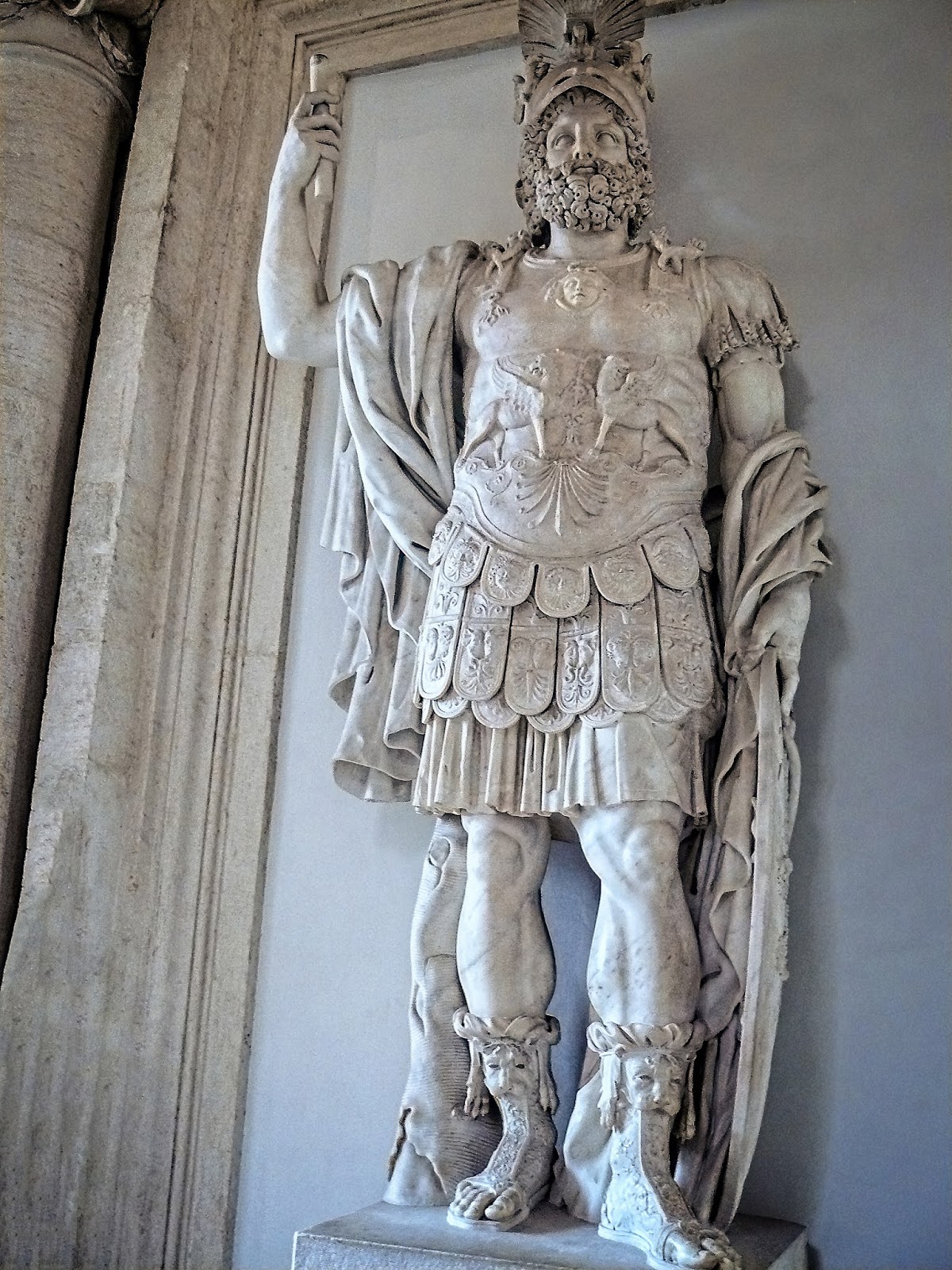
March was an important month in Roman society. It was associated with Mars, the Roman god of war, and the arrival of spring marked the beginning of a season when military campaigning became more practical. Rome was a heavily militarized society, so the seasonal cycle had an important influence on its calendar.
The beginning of the Roman year was also closely connected with religious ceremonies and political activities. Important festivals took place at particular points in the calendar, and the start of a new year represented a transition between one period of civic and religious activity and the next.
Over time, however, the Roman calendar became more complicated. January, which was named after Janus, gradually became associated with beginnings and transitions. Janus was traditionally depicted with two faces, allowing him to symbolically look both backward toward the past and forward toward the future. This made him particularly appropriate as a deity connected with the beginning of a new year.
A major change occurred in 153 BC, when January 1 became the beginning of the Roman consular year. Roman consuls were the Republic’s highest elected magistrates, and their annual terms had traditionally been an important part of Roman political life. Once their terms began on January 1, the date became increasingly important as the beginning of the official political year.
This did not mean that every older Roman tradition immediately disappeared. Roman calendars could contain different religious, political, and administrative cycles, and traditions developed gradually. Nevertheless, January 1 became firmly established as an important starting point for the Roman year.
The importance of January 1 continued into the final decades of the Roman Republic. By the time Julius Caesar came to power, the Roman calendar had accumulated significant problems, including irregularities that caused the calendar dates to drift away from the seasons.
In 46 BC, Caesar introduced a major calendar reform. The new system, known as the Julian calendar, reorganized the length of the year and established a more regular system based on a solar year. January 1 remained the first day of the year, helping reinforce the tradition that would eventually spread throughout much of Europe.
Therefore, there was no single answer for the entire history of Rome. In earlier traditions, March was associated with the beginning of the year, while by the late Republic, January 1 had become the official beginning of the political year.
5 Key Ideas
- The earliest Roman tradition associated the beginning of the year with March.
- The names of September, October, November, and December preserve evidence of the older calendar.
- January was named after Janus, the Roman god associated with beginnings and transitions.
- In 153 BC, January 1 became the beginning of the Roman consular year.
- Julius Caesar’s calendar reform maintained January 1 as the beginning of the year.
2. Why Was March Originally the First Month?
The association of March with the beginning of the Roman year goes back to the earliest traditions surrounding the Roman calendar. Unlike the modern calendar, which begins with January, the earliest Roman system placed March at the start of the year. This arrangement reflected the importance of agriculture, religion, warfare, and the changing seasons in Roman society.
According to later Roman tradition, the earliest calendar was established under Romulus, the legendary founder of Rome. This traditional calendar supposedly contained ten months, beginning with March and ending with December. Whether this calendar existed exactly as later Roman writers described it is uncertain, but the tradition preserves an important clue about how Romans understood the beginning of the year.
The names of several familiar months provide further evidence. September comes from the Latin septem, meaning “seven,” while October comes from octo, meaning “eight.” November comes from novem, meaning “nine,” and December comes from decem, meaning “ten.” These names make sense in a calendar where March was originally counted as the first month.
March also had strong religious significance because it was associated with Mars, one of the most important gods in Roman religion. Mars was the Roman god of war, and his importance went far beyond warfare. He was also connected with agriculture and the protection of the Roman community.
The beginning of March coincided with the return of more favorable weather after winter. This was important for a society whose economy depended heavily on agriculture. Farmers could begin preparing fields for the new growing season, while military commanders could once again organize major campaigns.
The Roman military calendar was particularly important. During the Republic, large-scale military campaigns were generally easier to conduct during the warmer months. Winter could make travel and campaigning more difficult, so the arrival of spring represented a natural beginning for a new period of military activity.
March was also associated with important Roman religious festivals. One of the most significant was the Festival of Mars, which took place during March and involved ceremonies connected with the god and Rome’s military traditions.
Another important figure connected with the early Roman calendar was Janus, the god of beginnings, transitions, doorways, and passages. Although January eventually became the first month, Janus was already an important deity in Roman religious life. His association with beginnings helped make January particularly appropriate as the first month of the year.
The older March-based system did not simply disappear overnight. Roman calendars developed gradually, and different parts of Roman life could follow different traditions. Religious festivals, agricultural activities, political offices, and military campaigns did not always follow exactly the same practical timetable.
Eventually, political developments helped January become the official starting point of the Roman political year. However, the older importance of March remained visible in Roman traditions and in the names of the later months.
The story of March therefore shows that the Roman calendar was closely connected to the natural seasons and Roman society. The beginning of the year was not simply an arbitrary date. It reflected the rhythms of farming, warfare, religion, and public life.
5 Key Ideas
- March was traditionally the first month of the early Roman year.
- The names of September through December preserve evidence of the older calendar system.
- March was strongly associated with Mars, the Roman god of war and agriculture.
- The arrival of spring was important for farming and military campaigning.
- Roman calendars developed gradually as religious, political, and practical traditions changed.
3. How January Became the Start of the Roman Year
The shift from March to January as the beginning of the Roman year was a gradual development rather than a single change made at one moment. In Rome’s early calendar traditions, March had been closely connected with the start of the agricultural and military year. Over time, however, January became increasingly important for Roman government, religion, and public administration.
January was named after Janus, one of Rome’s most distinctive gods. Janus was associated with beginnings, transitions, doorways, and changes from one state to another. He was often represented with two faces, looking in opposite directions, symbolizing the ability to look toward both the past and the future. Because of this connection with beginnings, January was a natural month to become associated with the opening of a new year.
January itself was already part of the Roman calendar before it became the official starting point of the year. Roman tradition connected the addition of January and February with Numa Pompilius, the legendary second king of Rome, although the historical development of the early Roman calendar is more complicated than later Roman traditions suggested.
The most important change came in 153 BC, when the beginning of the Roman consular year was moved to January 1. Roman consuls were the Republic’s highest elected magistrates, and the date when they entered office was extremely important for government and administration. Changing the beginning of their term to January helped align political and military planning with the demands of the Roman state.
This change was particularly important because Roman government was closely connected to military affairs. Consuls could receive military commands, and Roman armies often needed to be organized and deployed according to political decisions made in Rome. Starting the official political year in January therefore made the calendar more useful for administration, elections, military planning, and provincial government.
The religious importance of January also remained strong. January 1 was the Kalends of January, the first day of the month, and it became an important occasion for religious observances and public customs. Romans made offerings to Janus and associated the opening of the year with hopes for prosperity and good fortune.
The change did not immediately erase the older importance of March. Many Roman religious festivals and traditions continued to follow older seasonal patterns, and March remained an important month in Roman religious and military life.
Later, Julius Caesar’s calendar reform of 46 BC created the Julian calendar. Caesar kept January 1 as the beginning of the year, helping establish the arrangement that would eventually influence the modern calendar.
5 Key Ideas
- January was named after Janus, the Roman god of beginnings and transitions.
- March was originally associated with the beginning of the Roman year and remained culturally important.
- 153 BC was a major turning point when Roman consuls began their terms on January 1.
- January 1 became important for Roman politics, administration, religion, and military planning.
- Julius Caesar’s calendar reform retained January 1 as the beginning of the year.
4. How Romans Celebrated the New Year
New Year in ancient Rome was not simply a single celebration. It was connected to religion, politics, family traditions, public ceremonies, and hopes for good fortune. As January 1 became established as the beginning of the Roman political year, the day developed into an important occasion across Roman society.
One of the most important figures associated with the New Year was Janus, the god of beginnings, transitions, and doorways. Romans believed that the opening of a new year was an important moment for seeking divine protection and good fortune. Religious ceremonies and offerings were therefore an important part of the celebrations.
The Kalends of January, meaning the first day of January, had particular religious importance. Romans honored Janus with offerings, and the beginning of the year was associated with favorable signs for the months ahead. Janus was especially appropriate for the occasion because his two faces symbolically looked toward the past and the future.
New Year was also closely connected with Roman political life. On January 1, newly elected consuls formally entered office during the Republic and later periods. This gave the day an official and public character. The beginning of a new political year was an opportunity for ceremonies, announcements, and expressions of loyalty to Rome.
Gifts were another important part of Roman New Year traditions. Romans exchanged small presents called strenae, a custom traditionally associated with good wishes for the coming year. These gifts could include items such as branches, food, coins, or other objects representing prosperity and good fortune.
The emperor also became an important part of New Year celebrations during the Roman Empire. People could exchange greetings and gifts connected with the imperial household, while public ceremonies reinforced the relationship between the emperor, the state, and Roman society.
New Year was therefore both religious and social. Families could gather together, people exchanged good wishes, and religious practices marked the transition into a new year. The occasion was not necessarily celebrated in the same way by every Roman, however. Customs varied depending on period, location, social status, and the individual’s relationship with Roman religious traditions.
The celebrations also reflected a broader Roman belief that the beginning of something new mattered. The first day of the year was a symbolic moment to seek good fortune, divine favor, prosperity, and stability.
Although Roman New Year traditions changed over centuries, the basic idea remained recognizable: January 1 marked a transition from the old year into the new one, bringing together religion, government, family, and social customs.
5 Key Ideas
- Janus was central to Roman New Year traditions.
- January 1 was the Kalends of January and had religious importance.
- Romans exchanged gifts and good wishes for the coming year.
- The New Year was connected to Roman political and governmental ceremonies.
- Roman celebrations combined religion, society, family, and hopes for good fortune.
5. How the Julian Calendar Changed New Year’s Day
The Julian calendar reform was one of the most important changes to the Roman calendar. Before Julius Caesar’s reform, the Roman calendar had become increasingly difficult to keep aligned with the seasons. Political decisions and occasional additions of extra days had created confusion, making the calendar less predictable. Caesar’s reform addressed these problems and helped establish January 1 as the beginning of the year for centuries afterward.
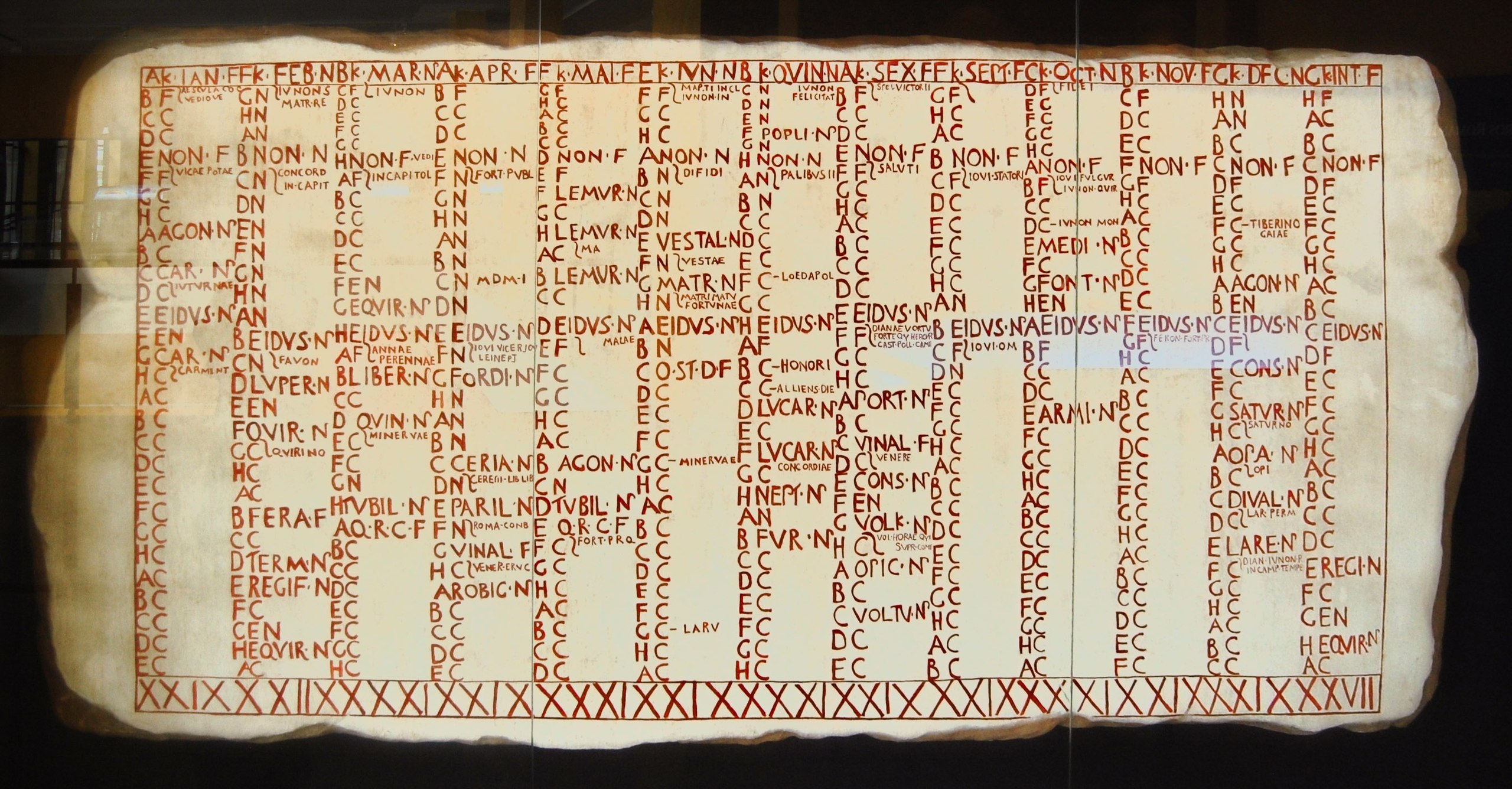
By the first century BC, the Roman calendar had fallen out of alignment with the solar year. The traditional calendar contained approximately 355 days, which was shorter than the solar year. To correct this difference, Roman officials could add an extra month called Mercedonius. However, these adjustments were not always made consistently.
The result was a calendar that could gradually drift away from the seasons. This was particularly problematic for a state as large as Rome because the calendar was important for religious festivals, government administration, military planning, taxation, and agriculture.
Julius Caesar introduced his calendar reform in 46 BC. With the assistance of the astronomer Sosigenes of Alexandria, Caesar created a system based much more closely on the solar year. The new calendar became known as the Julian calendar.
The reform established a year of 365 days, divided into twelve months. Every fourth year would normally contain an additional day, creating a leap year. This system kept the calendar much closer to the actual length of the solar year than the previous Roman system.
An important feature of the reform was that January 1 remained the first day of the year. By this point, January had already become deeply connected with Roman political administration. The reform therefore did not return the beginning of the year to March.
The transition required a major correction. The calendar had accumulated enough seasonal drift that 46 BC became an unusually long year, containing additional days to bring the calendar back into alignment with the solar cycle. This year is sometimes called the “Year of Confusion” because of its exceptional length.
The Julian calendar gave Rome a much more stable system. January 1 could now serve as a consistent beginning of the civil year, while the leap-year system helped prevent the calendar from drifting rapidly away from the seasons.
The significance of Caesar’s reform extended far beyond his lifetime. The Julian calendar was later adopted across much of Europe and remained the standard calendar in many places for more than a thousand years. Although the Gregorian calendar eventually replaced it in much of the world, the basic position of January 1 as New Year’s Day survived.
The Roman decision to place the year at January therefore had a lasting legacy. What began as a Roman administrative and religious development eventually became part of the calendar system used by much of the modern world.
5 Key Ideas
- The old Roman calendar had become misaligned with the seasons.
- Julius Caesar reformed the calendar in 46 BC.
- The Julian calendar introduced a regular 365-day year and leap-year system.
- January 1 remained the beginning of the year after the reform.
- The Julian calendar helped preserve the tradition of January 1 as New Year’s Day for centuries.