
Caesarion, whose full name was Ptolemy XV Caesar, was the son of Julius Caesar and Cleopatra VII, and one of the most important figures in the final years of Ptolemaic Egypt. Born in 47 BC, Caesarion grew up at a time when the political future of both Egypt and Rome was being transformed by powerful individuals competing for control of the Mediterranean world.
Caesarion’s importance came largely from his connection to two famous rulers. His mother, Cleopatra VII, was the last active ruler of the Ptolemaic Kingdom of Egypt, while his alleged father, Julius Caesar, was Rome’s most powerful political and military leader. Cleopatra presented Caesarion as Caesar’s son, giving the young prince an important connection to Roman power and the famous Julian family.
Caesarion spent much of his childhood in Alexandria, the capital of Ptolemaic Egypt. Cleopatra eventually made him her co-ruler, and he became Ptolemy XV Caesar. His position gave him a formal role in the government of Egypt, although the kingdom was increasingly influenced by the political struggles taking place in Rome.
The death of Julius Caesar in 44 BC dramatically changed Caesarion’s future. Caesar had been assassinated by Roman senators who claimed they were defending the Republic. His death created a struggle for power between several competing groups, including Mark Antony and Octavian, Caesar’s adopted son and heir.
For Cleopatra, Caesarion’s connection to Julius Caesar was politically valuable. At the same time, it made him a potential threat to Octavian, who was building his own claim to Caesar’s political and dynastic legacy. Unlike Caesarion, Octavian was not Caesar’s biological son, but Caesar had formally adopted him in his will, making him Caesar’s legal son and heir.
The rivalry between Caesarion and Octavian became increasingly important as Cleopatra became closely allied with Mark Antony. Antony and Cleopatra controlled a powerful eastern political alliance, while Octavian presented himself as the legitimate successor to Julius Caesar in Rome.
The conflict eventually led to the Battle of Actium in 31 BC, where Octavian defeated the combined forces of Antony and Cleopatra. Their defeat marked the collapse of Cleopatra’s political position and brought Egypt under Roman control.
Caesarion’s story ended soon afterward. Following the deaths of Antony and Cleopatra in 30 BC, Caesarion was captured and killed on Octavian’s orders. He was only a teenager.
Caesarion therefore lived a short life, but his position was enormously significant. He stood at the intersection of Roman politics, Egyptian monarchy, and the legacy of Julius Caesar. His existence represented a potential alternative claim to Caesar’s dynasty, making him an important figure in the final struggle that transformed Rome from a Republic into an Empire.
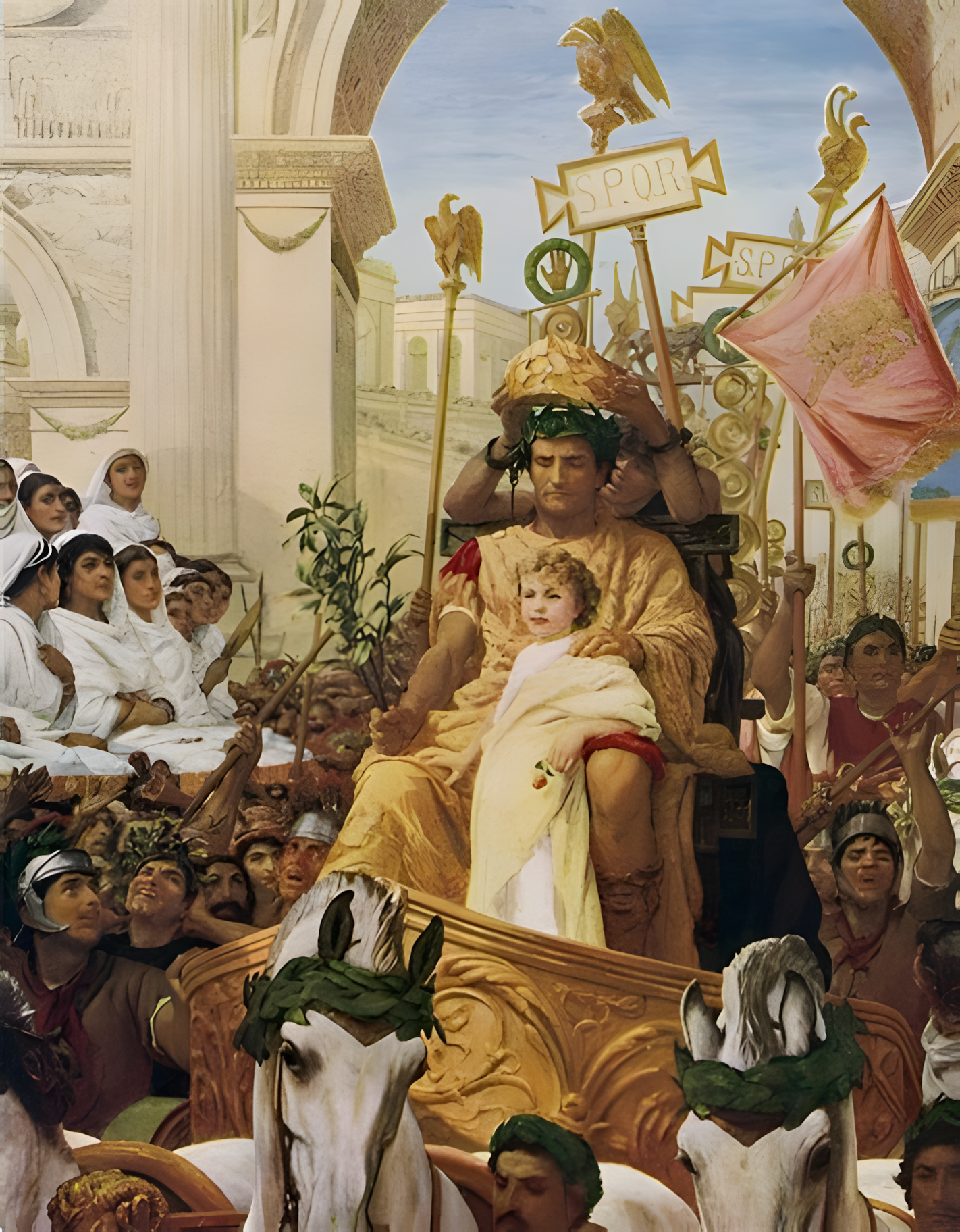
1. Who Was Caesarion? The Son of Julius Caesar and Cleopatra
Caesarion, whose official name was Ptolemy XV Caesar, was the son of Cleopatra VII and the man Cleopatra claimed was Julius Caesar. Born in 47 BC, he became an important figure in the final years of the Ptolemaic Kingdom of Egypt and in the political struggles that followed Caesar’s assassination.
Caesarion was born in Alexandria, the capital of Ptolemaic Egypt. His mother, Cleopatra VII, had become closely associated with Julius Caesar after Caesar arrived in Egypt during his conflict with Pompey the Great. Caesar supported Cleopatra in her struggle for the Egyptian throne, and the two became politically and personally connected.
Several months after Caesar’s stay in Egypt, Cleopatra gave birth to Caesarion. She presented him publicly as the son of Julius Caesar, although Caesar never formally acknowledged him as his son during his lifetime. The question of Caesarion’s paternity therefore became an important issue in later Roman politics.
Caesarion’s position was unusual because he belonged to both the Ptolemaic royal family and, according to Cleopatra’s claim, the family of Julius Caesar. This gave him considerable symbolic importance. Cleopatra could present her son as a link between the Egyptian monarchy and one of Rome’s most powerful leaders.
Caesarion spent his early years in Egypt, where he was raised within the royal court of Alexandria. Cleopatra eventually made him her co-ruler, giving him the title Ptolemy XV. His formal position meant that he was not simply a royal child but part of the ruling structure of the Egyptian kingdom.
In 44 BC, Julius Caesar was assassinated in Rome. Caesarion was only a young child at the time, but his connection to Caesar became increasingly important. Cleopatra remained in Egypt, while Rome entered a period of political conflict between competing groups seeking to control Caesar’s political legacy.
One of the most important figures in this struggle was Octavian, Caesar’s great-nephew and adopted son. Caesar’s will had named Octavian as his heir and formally adopted him, giving Octavian a powerful legal and political connection to Caesar.
This created an important distinction between Caesarion and Octavian. Caesarion was presented as Caesar’s biological son, while Octavian was Caesar’s legally adopted son and heir. As Octavian’s political power grew, Caesarion’s existence became increasingly significant.
Cleopatra later became closely allied with Mark Antony, another leading Roman politician and former supporter of Caesar. Antony and Cleopatra had children together and created a powerful political partnership in the eastern Mediterranean. Caesarion remained an important part of Cleopatra’s royal dynasty and was publicly associated with her rule.
In 34 BC, Antony and Cleopatra publicly promoted Caesarion’s position through a series of ceremonies in Alexandria. Caesarion was presented as King of Kings, while Cleopatra received an equally prominent royal position. These events demonstrated the importance that Cleopatra and Antony placed on the young ruler.
For Octavian, however, Caesarion represented a potential challenge to his position as Caesar’s successor. Octavian’s political legitimacy depended heavily on his relationship with Julius Caesar, while Caesarion represented a competing biological connection.
This rivalry eventually contributed to the wider conflict between Octavian and Antony and Cleopatra. After their defeat at the Battle of Actium in 31 BC, the political position of Caesarion and his mother collapsed.
Caesarion was therefore far more than simply Cleopatra’s son. His identity connected Egyptian kingship, Julius Caesar’s legacy, and the struggle for control of Rome. His short life took place during one of the most important transitions in ancient history.
5 Key Ideas
- Caesarion was the son of Cleopatra VII, and Cleopatra claimed Julius Caesar was his father.
- He became Ptolemy XV, co-ruler of Egypt with Cleopatra.
- His connection to Caesar gave him major political and dynastic significance.
- Caesarion’s position contrasted with Octavian, Caesar’s adopted son and legal heir.
- His story became closely connected to the fall of Cleopatra and the rise of Octavian.
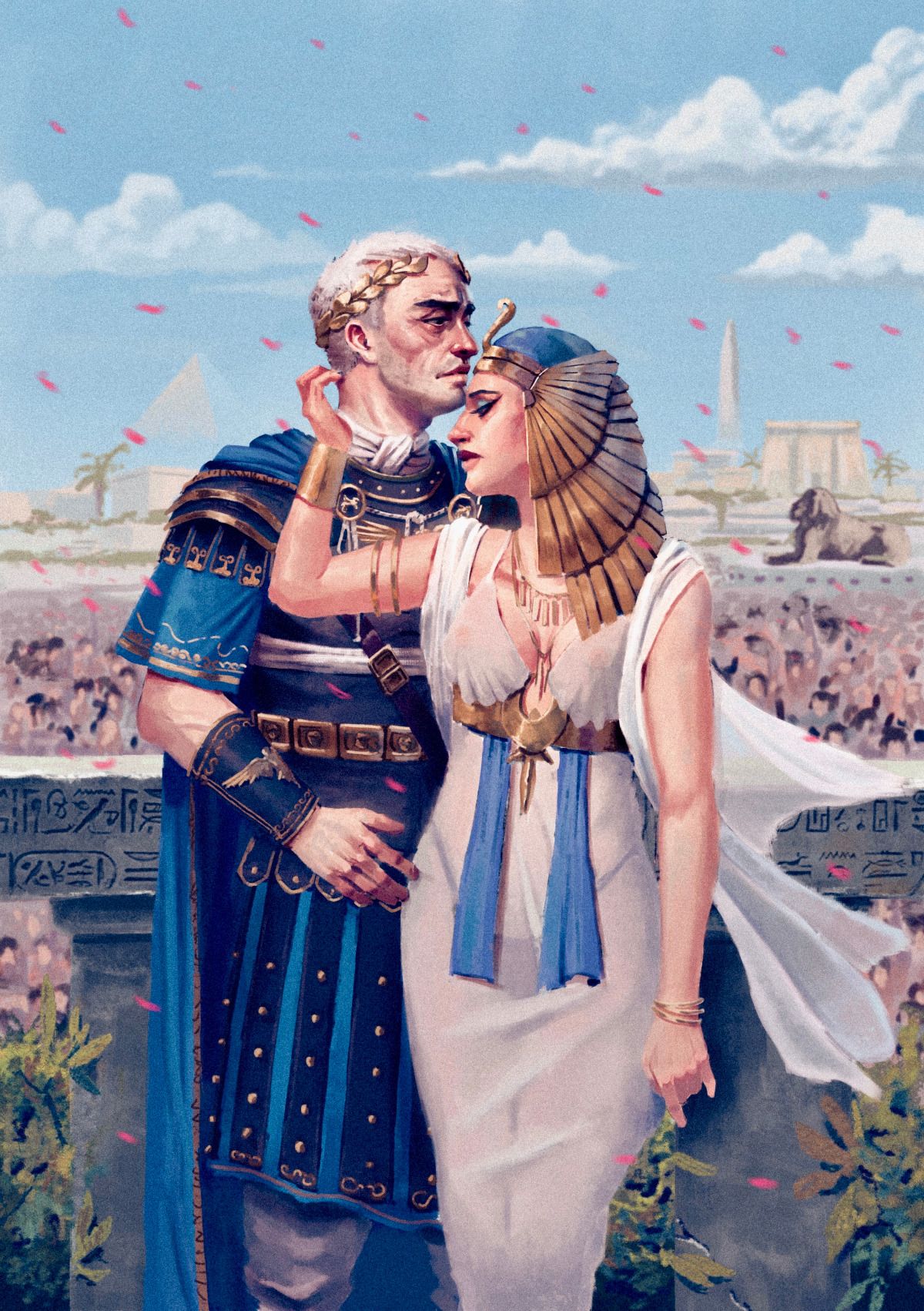
2. Caesarion's Birth and His Connection to Julius Caesar
Caesarion was born in 47 BC, shortly after Julius Caesar’s involvement in the Egyptian civil war. His birth created an important connection between the Ptolemaic royal family of Egypt and one of the most powerful men in the Roman world.
At the time, Cleopatra VII was fighting to maintain her position as ruler of Egypt. Her political relationship with Julius Caesar had become extremely important after Caesar arrived in Alexandria during his conflict with Pompey the Great. Caesar supported Cleopatra in her struggle against her brother Ptolemy XIII, helping her secure her position on the Egyptian throne.
According to Cleopatra, Caesarion was the result of her relationship with Julius Caesar. The young prince was therefore presented as Caesar’s biological son. Ancient sources indicate that Cleopatra publicly emphasized this connection, and Caesarion’s name itself reflected it. His official name, Ptolemy XV Caesar, directly connected him to the Roman dictator.
The question of Caesarion’s father has nevertheless remained historically important because Julius Caesar never formally acknowledged Caesarion as his son. Caesar was aware of the child and maintained a close political relationship with Cleopatra, but he did not name Caesarion as his legal heir.
This distinction became extremely important after Caesar’s assassination. In Roman society, there was a major difference between being someone’s biological child and being their legally recognized heir. Caesar’s will instead named his great-nephew Octavian as his principal heir and adopted him posthumously.
Caesarion therefore occupied an unusual position. He was a Ptolemaic prince, the son of Cleopatra, and according to Cleopatra’s claim, the biological son of Julius Caesar. Yet he did not inherit Caesar’s Roman property or political position.
Cleopatra understood the value of Caesarion’s connection to Caesar. In Egypt, the young prince could strengthen the legitimacy of her dynasty. The Ptolemaic rulers had traditionally emphasized their royal ancestry, and Caesarion provided Cleopatra with a way to connect her family’s rule to the prestige of Julius Caesar.
Caesarion also became important because of the political situation in Rome. After Caesar’s assassination in 44 BC, several Roman leaders competed for control of his political legacy. Mark Antony became one of the most powerful figures in Rome, while Octavian gradually emerged as another major contender.
Octavian’s position was particularly important because Caesar had adopted him in his will. This gave Octavian a powerful legal connection to Caesar and allowed him to present himself as Caesar’s legitimate successor.
Caesarion represented a different kind of connection. If he was indeed Caesar’s biological son, he had something Octavian did not: a direct blood relationship with Julius Caesar. This did not automatically make Caesarion Caesar’s heir, but it gave him considerable symbolic importance.
Cleopatra continued to raise Caesarion in Alexandria, where he was surrounded by the traditions of the Ptolemaic court. His education and upbringing prepared him for a future role in Egyptian kingship rather than Roman politics.
As Caesarion grew older, Cleopatra increasingly incorporated him into her public rule. He was eventually made co-ruler of Egypt, ensuring that the young prince had an official position within the kingdom.
Caesarion’s birth therefore had consequences far beyond his family. His existence connected Egyptian monarchy with Roman political power, and his alleged relationship with Julius Caesar would eventually become one of the factors that made him a potential rival to Octavian.
5 Key Ideas
- Caesarion was born in 47 BC to Cleopatra VII.
- Cleopatra claimed Julius Caesar was Caesarion’s father.
- Caesar never formally recognized Caesarion as his legal heir.
- Octavian was Caesar’s adopted son and named heir, creating an important contrast with Caesarion.
- Caesarion’s connection to Caesar gave him major dynastic and political significance.
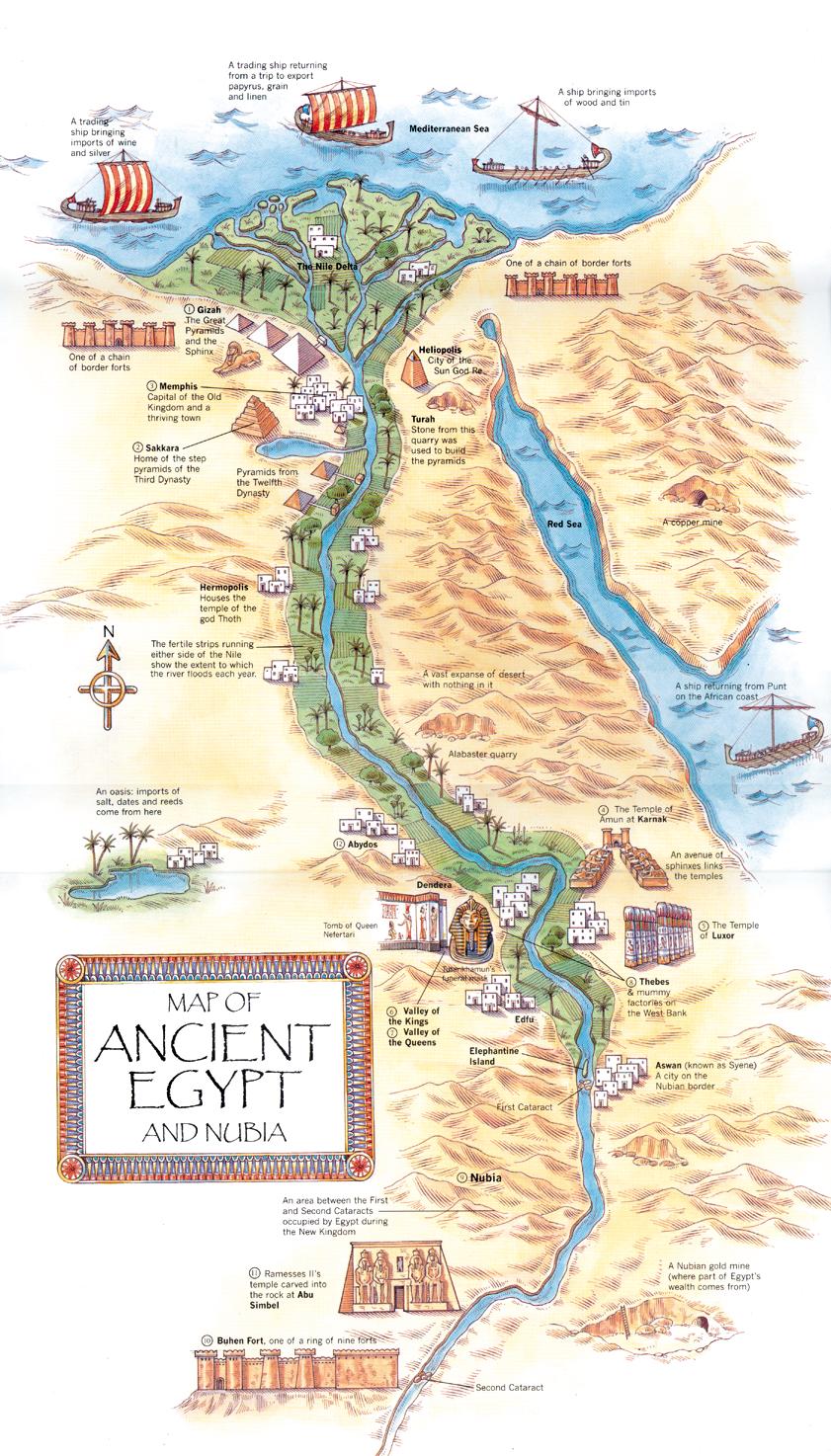
3. Caesarion Becomes King of Egypt
Caesarion’s position changed significantly after the death of Julius Caesar in 44 BC. Although he was still a young child, his status as the son of Cleopatra and the man she claimed was Julius Caesar made him an important figure in the future of Egypt. Cleopatra used his royal position to strengthen the Ptolemaic dynasty and maintain her authority over the Egyptian kingdom.
Caesarion was officially known as Ptolemy XV Caesar. He became co-ruler of Egypt with Cleopatra, although because he was still a child, Cleopatra remained the dominant political figure. The arrangement followed a long Ptolemaic tradition in which members of the royal family ruled together. For Cleopatra, however, Caesarion had an additional importance because of his alleged connection to Rome’s most powerful leader.
Cleopatra presented Caesarion as the biological son of Julius Caesar. This gave the young king a connection to both the Ptolemaic royal family and the Roman world. Caesar had supported Cleopatra during the Alexandrian conflict, and their relationship had created a political connection between Egypt and Rome. Caesarion’s birth allowed Cleopatra to continue that connection after Caesar’s death.
The situation became more complicated because Caesar had left Octavian as his principal heir. Octavian was Caesar’s adopted son and later became the future emperor Augustus. This created an important distinction between the two young men. Caesarion was presented as Caesar’s biological son, while Octavian was Caesar’s legally adopted heir.
As Octavian and Mark Antony competed for power after Caesar’s assassination, Caesarion’s existence became increasingly important. Cleopatra supported Antony, and Antony developed a close political and personal alliance with the Egyptian queen. Together, they strengthened Caesarion’s position within the eastern Mediterranean.
In 34 BC, Antony and Cleopatra held the Donations of Alexandria, a major political ceremony in which they announced territorial and dynastic arrangements involving their children. Caesarion received particularly important honors. He was presented as King of Kings, while Cleopatra remained the dominant ruler of Egypt. The ceremony demonstrated that Caesarion was not simply a ceremonial child king. Cleopatra and Antony were presenting him as an important member of their political order.
Caesarion’s position also had wider significance because Egypt remained one of the wealthiest kingdoms in the Mediterranean. Control of Egypt provided enormous economic and strategic advantages. For Cleopatra, ensuring Caesarion’s future was therefore connected to the survival of her dynasty.
However, Caesarion’s growing political importance also made him a potential threat to Octavian. If Caesarion was accepted as Caesar’s biological son, he could provide an alternative connection to Caesar’s legacy. Octavian therefore had strong political reasons to defeat Cleopatra and Antony and eliminate the possibility of Caesarion becoming a rival symbol of Caesar’s dynasty.
The conflict eventually led to the Battle of Actium in 31 BC, where Octavian defeated the forces of Antony and Cleopatra. The defeat marked the beginning of the end for the Ptolemaic kingdom. Caesarion’s position as king could no longer be separated from the larger struggle between Cleopatra’s Egypt and Octavian’s rising Roman power.
5 Key Ideas
- Caesarion became Ptolemy XV Caesar, ruling Egypt alongside Cleopatra.
- Cleopatra used Caesarion’s claimed connection to Julius Caesar to strengthen the Ptolemaic dynasty.
- Caesarion was presented as Caesar’s biological son, while Octavian was Caesar’s adopted and legal heir.
- In 34 BC, Antony and Cleopatra gave Caesarion the important title King of Kings.
- Caesarion’s connection to Caesar became politically important during the conflict between Cleopatra, Antony, and Octavian.
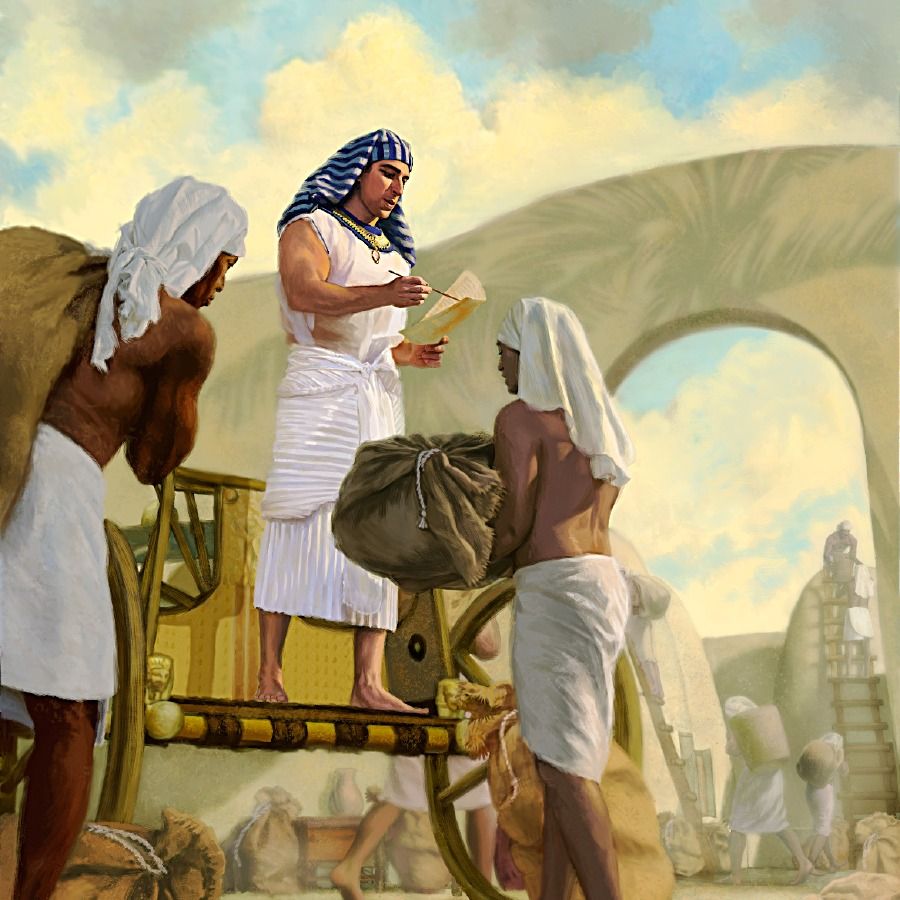
4. Caesarion and the Legacy of Julius Caesar
Caesarion’s importance was closely connected to the legacy of Julius Caesar. Although Caesarion was still a young child when Caesar was assassinated in 44 BC, Cleopatra presented him as Caesar’s biological son and used this connection to strengthen his position as ruler of Egypt. His existence became especially significant because Rome itself was entering a period of political conflict over who would inherit Caesar’s authority and reputation.
After Caesar’s death, several different claims to his legacy emerged. Octavian, Caesar’s adopted son and principal heir, quickly became one of the most important figures in Roman politics. Mark Antony also claimed a major role in defending Caesar’s memory and political interests. Caesarion represented something different: Cleopatra’s claim that Caesar had left behind a biological son who could continue his family line.
This distinction mattered because Roman politics placed enormous importance on family connections, inheritance, adoption, and legitimacy. Octavian could point to Caesar’s formal adoption and his position as Caesar’s chosen heir. Caesarion, meanwhile, could be presented as Caesar’s natural son through Cleopatra. Cleopatra therefore had a powerful dynastic argument for Caesarion’s importance, even though Caesar had never formally adopted him or publicly established him as his legal successor.
The question of Caesarion’s parentage was politically sensitive. Cleopatra consistently presented him as Caesar’s son, and ancient sources preserve this claim. However, Caesar himself never publicly established Caesarion as his heir. This meant that Caesarion’s connection to Caesar could be used as a powerful political symbol without giving him the same legal position that Octavian possessed.
The rivalry became increasingly important as Octavian and Cleopatra moved toward open conflict. Octavian had a strong interest in presenting himself as the legitimate continuation of Caesar’s political legacy. Cleopatra’s promotion of Caesarion created a competing dynastic connection. If Caesarion was accepted as Caesar’s son, he could potentially become an important symbol for supporters of Cleopatra and the Ptolemaic kingdom.
Caesarion’s position was also unusual because he belonged to two different political worlds. Through Cleopatra, he was a member of the Ptolemaic dynasty, one of the most important surviving Hellenistic royal families. Through his claimed relationship with Caesar, he was connected to the most powerful Roman political figure of the previous generation.
This combination made Caesarion particularly valuable to Cleopatra. He could be presented as the future of Egypt while also carrying the name Caesar. His official name, Ptolemy XV Caesar, made that connection visible and helped distinguish him from other members of the Ptolemaic royal family.
The political significance of Caesarion increased further during the alliance between Cleopatra and Mark Antony. Antony and Cleopatra promoted their children and presented a dynastic vision that connected their eastern kingdoms with their family. Caesarion received particularly prominent honors, including the title King of Kings, which demonstrated the importance attached to his position.
For Octavian, however, Caesarion represented a potential alternative connection to Caesar. Octavian’s authority depended heavily on his relationship with Caesar through adoption and inheritance. Caesarion’s claimed biological relationship created a different type of dynastic connection. The two therefore represented different ideas about how Caesar’s legacy could continue.
After the defeat of Antony and Cleopatra at the Battle of Actium in 31 BC, Caesarion’s position became increasingly vulnerable. Octavian had defeated the political alliance that supported him, and Egypt was approaching the end of its independence. Caesarion was no longer simply a young Egyptian king; he had become a potential alternative symbol of Caesar’s bloodline.
The story of Caesarion therefore illustrates the complicated meaning of Caesar’s legacy. His importance did not come from military achievements or personal political accomplishments, since he was still very young. Instead, his importance came from the political meaning attached to his parentage, his royal title, and his connection to both Egypt and Rome.
His short life became part of the larger struggle over whether Caesar’s political legacy would continue through his adopted heir in Rome or through the dynasty of Cleopatra in Egypt. Ultimately, Octavian’s victory ended the political system that had allowed Caesarion to occupy this unusual position, while Caesarion himself became remembered as the last Ptolemaic ruler of Egypt.
5 Key Ideas
- Caesarion’s importance was closely connected to Julius Caesar’s legacy and the question of who could claim to continue it.
- Cleopatra presented Caesarion as Caesar’s biological son, although Caesar never formally made him his legal heir.
- Octavian was Caesar’s adopted son and principal heir, giving him a different legal and political connection to Caesar.
- Caesarion connected the Ptolemaic dynasty with the Roman name of Caesar, making him an important dynastic symbol.
- After Octavian’s victory at Actium, Caesarion’s position became increasingly vulnerable as Egypt’s independence came to an end.
5. Caesarion, Cleopatra, and Mark Antony
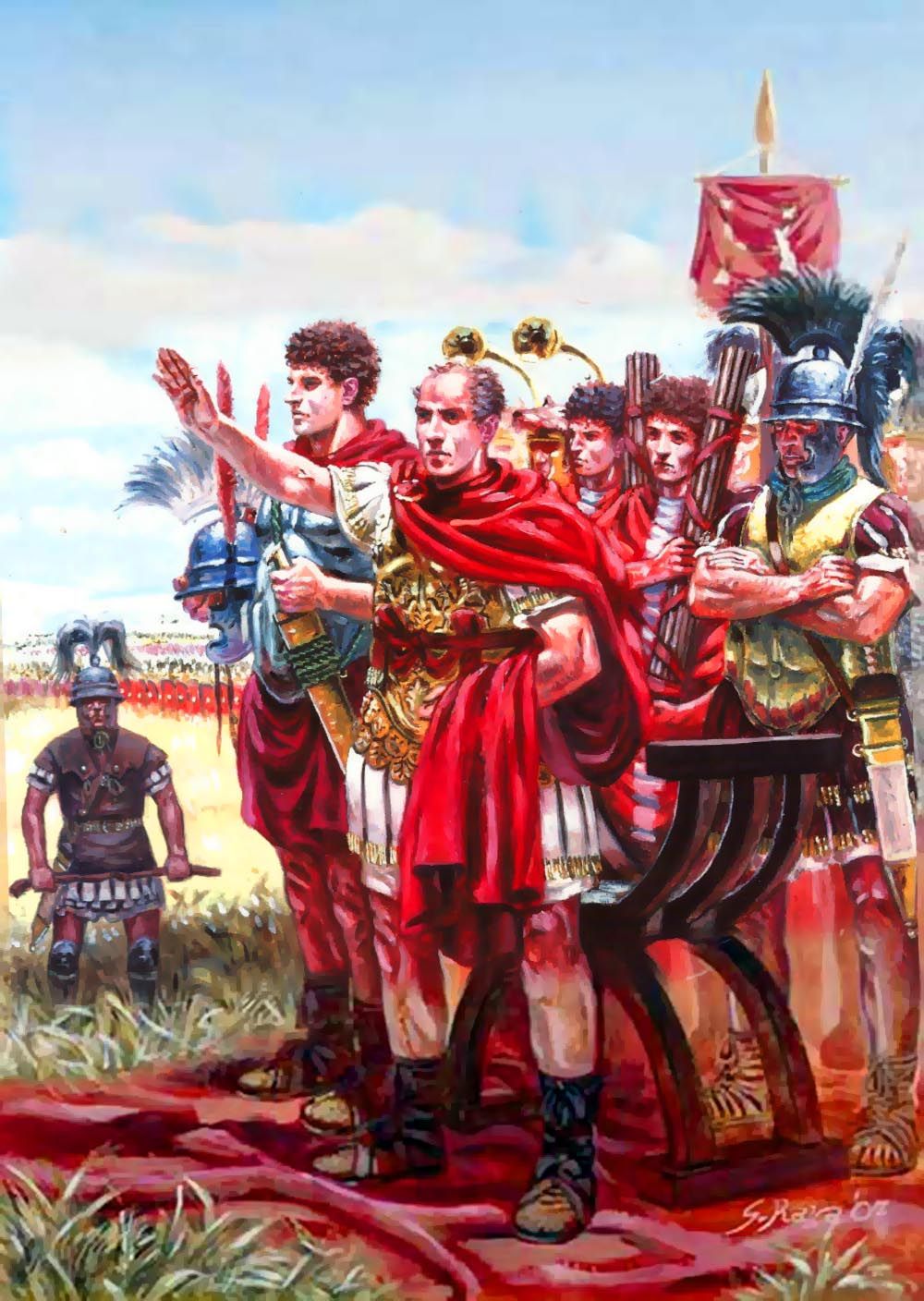
Caesarion’s position became even more important after Cleopatra formed her political and personal alliance with Mark Antony. Following the assassination of Julius Caesar in 44 BC, the Roman world entered a period of conflict between powerful leaders competing for control. Cleopatra understood that Egypt’s survival depended heavily on its relationship with Rome, while Antony needed resources and political support as he competed with Octavian.
Cleopatra and Antony eventually became closely connected, and their alliance had major consequences for Caesarion. Cleopatra already ruled Egypt with Caesarion as her co-ruler, but her relationship with Antony created a broader political network involving several territories in the eastern Mediterranean. Caesarion was part of this developing dynastic system and remained an important symbol of Cleopatra’s royal authority.
For Cleopatra, Caesarion’s connection to Julius Caesar remained particularly valuable. His name linked the Egyptian royal family with the most famous Roman leader of the previous generation. At the same time, Caesarion was a member of the Ptolemaic dynasty through Cleopatra. This combination gave him a distinctive place in the political world created by Cleopatra and Antony.
Antony also recognized the importance of Caesarion’s position. In 34 BC, Antony and Cleopatra organized the Donations of Alexandria, a major ceremony that announced territorial and dynastic arrangements. Caesarion received the title King of Kings, while Cleopatra was proclaimed Queen of Kings. The ceremony presented their family as the center of a powerful eastern political order.
Caesarion’s title was significant because it placed him above the other children of Antony and Cleopatra in the hierarchy announced at the ceremony. He was presented as the senior male member of Cleopatra’s dynasty and as someone with a special connection to Caesar. His position therefore went beyond simply being the young king of Egypt.
The political message of these arrangements was important. Cleopatra and Antony were demonstrating that their authority was not limited to Egypt. They were presenting a dynastic future involving their children and the territories under their control. Caesarion occupied a special place within that vision because of his claimed descent from Julius Caesar.
The growing power of Cleopatra and Antony alarmed Octavian. He increasingly presented the conflict as a struggle against Antony’s eastern alliance and Cleopatra’s influence. Caesarion became part of this political dispute because of his connection to Caesar. Octavian could claim that he was Caesar’s legitimate political and adopted successor, while Cleopatra promoted Caesarion as Caesar’s biological son.
This difference became especially important in Roman propaganda. Octavian emphasized his legal adoption by Caesar, while Caesarion’s supporters emphasized his alleged blood relationship. The distinction allowed both sides to associate themselves with Caesar, but in different ways.
The conflict eventually reached its decisive stage with the Battle of Actium in 31 BC. Octavian’s forces defeated the combined forces associated with Antony and Cleopatra. The defeat destroyed much of the political foundation supporting Caesarion’s position.
After Actium, Antony and Cleopatra returned to Egypt, but their political situation had become extremely difficult. Octavian continued his advance toward Egypt, and the Ptolemaic kingdom could no longer rely on its previous military and diplomatic position.
Caesarion was therefore caught in a struggle much larger than his own personal actions. He was still a young ruler, but his name, royal status, and connection to Julius Caesar gave him political significance. His fate would ultimately be determined by the outcome of the conflict between Cleopatra, Antony, and Octavian.
5 Key Ideas
- Cleopatra and Mark Antony’s alliance strengthened Caesarion’s political position within the Ptolemaic dynasty.
- Caesarion’s claimed relationship with Julius Caesar made him especially important to Cleopatra.
- In 34 BC, Caesarion was given the title King of Kings during the Donations of Alexandria.
- Octavian and Cleopatra presented different claims to Caesar’s legacy, with Octavian emphasizing adoption and Caesarion’s supporters emphasizing biological descent.
- The Battle of Actium in 31 BC weakened Caesarion’s position and brought the Ptolemaic kingdom closer to its final collapse.
6. Octavian's War Against Cleopatra and Antony
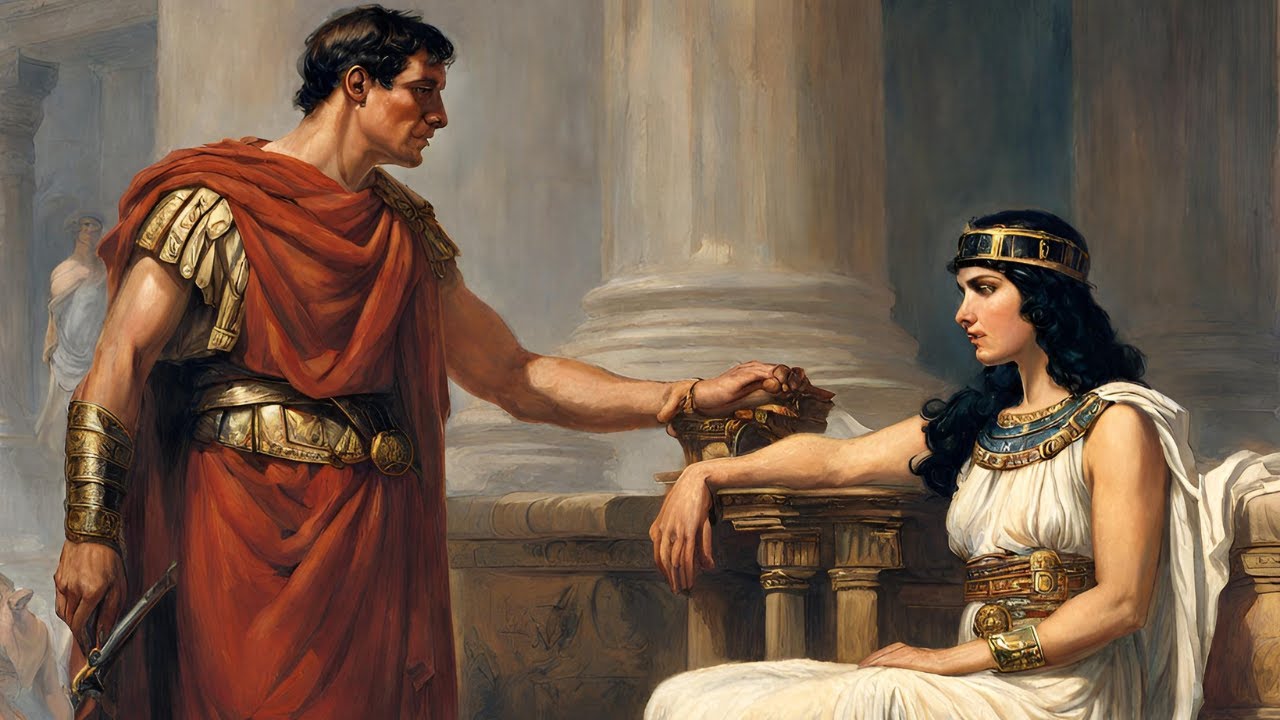
The final stage of Caesarion’s life was closely connected to the war between Octavian, Cleopatra, and Mark Antony. By the late 30s BC, the relationship between the Roman leaders had deteriorated into open political competition. Octavian presented himself as the defender of Caesar’s legacy in Rome, while Cleopatra and Antony built a powerful alliance in the eastern Mediterranean.
Caesarion became part of this larger conflict because of his connection to both Cleopatra and Julius Caesar. Cleopatra’s claim that Caesarion was Caesar’s son gave the young king an important place within the dynasty she was trying to preserve. For Octavian, however, Caesarion represented a competing connection to Caesar and therefore had political significance beyond his age.
The conflict intensified during the final years of the Roman Republic. Antony had established much of his political power in the eastern Mediterranean, while Cleopatra provided him with the resources of Egypt. Their alliance allowed them to build a strong political and military position, but it also gave Octavian an opportunity to portray their relationship as a threat to Roman interests.
Octavian increasingly focused his political campaign on Cleopatra, presenting the conflict as a struggle between Rome and an eastern monarchy. Antony’s association with Cleopatra became central to Octavian’s arguments against him. Caesarion also appeared in this political struggle because Cleopatra promoted him as the son of Julius Caesar.
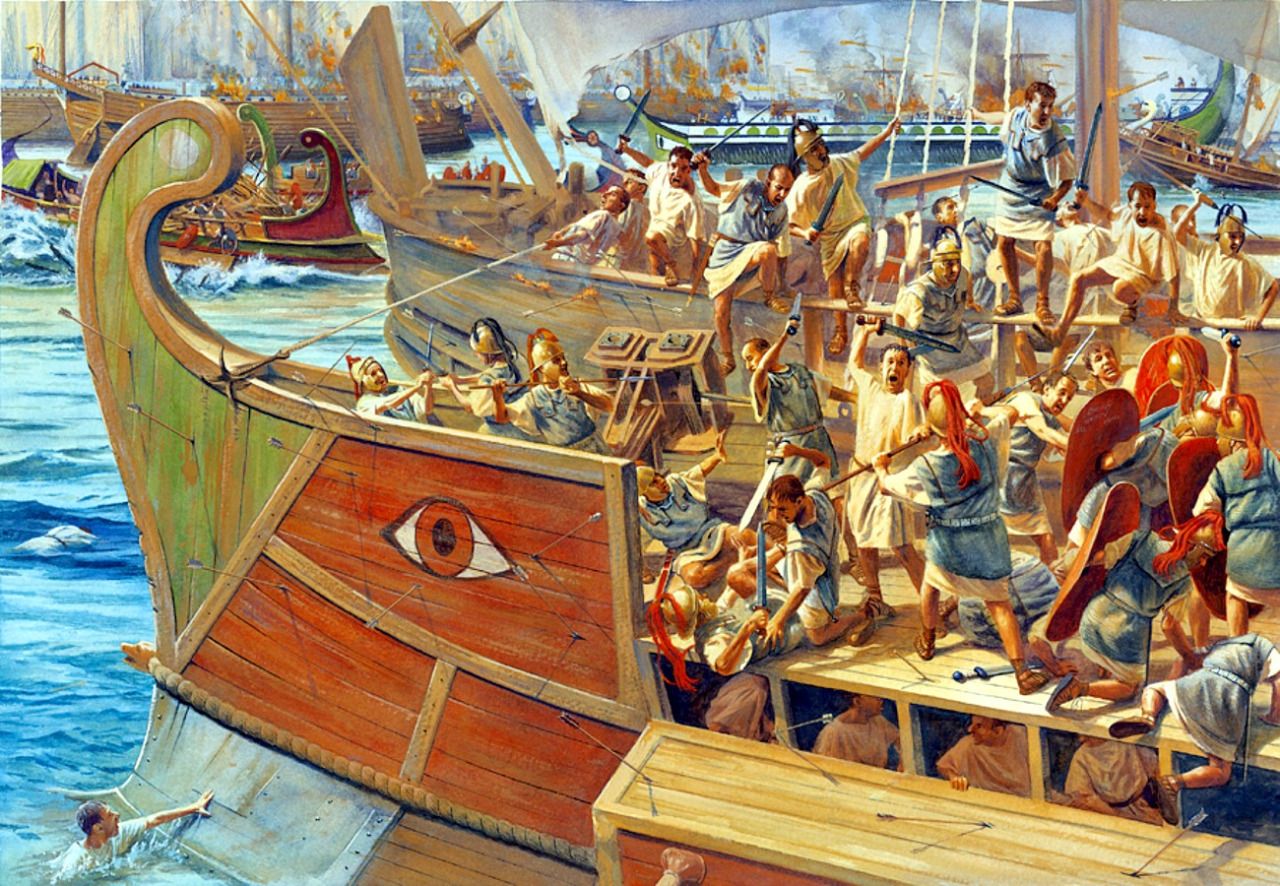
The decisive confrontation came in 31 BC at the Battle of Actium. Octavian’s forces defeated the combined forces of Antony and Cleopatra in a major naval battle off the western coast of Greece. The defeat did not immediately end the Ptolemaic kingdom, but it destroyed the military position that had allowed Antony and Cleopatra to challenge Octavian.
After Actium, Octavian prepared to invade Egypt. Antony and Cleopatra returned to Alexandria, where they attempted to maintain their authority. Caesarion remained part of the royal family and continued to hold the title of king, but the political situation had changed dramatically.
In 30 BC, Octavian entered Egypt and took control of Alexandria. Antony and Cleopatra died soon afterward, leaving Caesarion without the two most powerful figures who had protected his position. Egypt’s long history as an independent Hellenistic kingdom was approaching its end.
Caesarion’s situation was particularly dangerous because of his connection to Caesar. Octavian had already established himself as Caesar’s adopted son and political successor. Allowing another young ruler to remain alive while being presented as Caesar’s biological son could create a competing dynastic symbol.
Ancient sources report that Caesarion attempted to leave Egypt and was eventually captured. He was killed in 30 BC, when he was still a teenager. With his death, the direct Ptolemaic line associated with Cleopatra came to an end.
Octavian then transformed Egypt into a Roman province, bringing the Ptolemaic kingdom under Roman control. Egypt became one of the most valuable territories in the Roman world, while Octavian returned to Rome with his position as the dominant Roman leader firmly established.
Caesarion’s death therefore marked more than the end of one young king’s life. It represented the end of the Ptolemaic dynasty’s independent rule and removed the last major figure who could be presented as a biological descendant of Julius Caesar. The political world associated with Cleopatra and Antony had disappeared, while Octavian’s system became the foundation of the Roman Empire.
5 Key Ideas
- Caesarion became part of the conflict between Octavian, Cleopatra, and Antony because of his connection to Caesar.
- Octavian presented himself as Caesar’s adopted son and political successor.
- The Battle of Actium in 31 BC destroyed much of Antony and Cleopatra’s military power.
- Octavian captured Alexandria in 30 BC, ending the independent Ptolemaic kingdom.
- Caesarion was killed in 30 BC, removing the last major Ptolemaic ruler connected to Cleopatra and the claimed bloodline of Julius Caesar.
7. What Happened to Caesarion? His Death and Legacy
Caesarion’s final years came during the collapse of Ptolemaic Egypt and the rise of Octavian as the dominant power in the Roman world. His position had always depended heavily on Cleopatra, but after her defeat alongside Mark Antony, Caesarion was left without the political protection that had sustained his rule.
Following the Battle of Actium in 31 BC, Octavian continued his campaign against Antony and Cleopatra. Their forces had been weakened, and Egypt was increasingly isolated. In 30 BC, Octavian entered Alexandria and took control of the city. The defeat effectively ended Cleopatra’s ability to preserve Egypt as an independent kingdom.
Caesarion was still very young at this time. Although he had been formally recognized as Ptolemy XV Caesar, his political importance was much greater than his personal experience. He had been presented as the son of Julius Caesar and had held the title of King of Kings. His existence therefore carried an important dynastic and political meaning.
After Cleopatra’s death, Caesarion was captured. Ancient sources report that he was killed in 30 BC, bringing an end to the Ptolemaic royal line associated with Cleopatra. His death also removed a potential alternative connection to Julius Caesar at a moment when Octavian was establishing his own authority.
Octavian’s position was different from Caesarion’s. Octavian had been adopted by Julius Caesar and named as his principal heir. He therefore possessed a formal legal and political connection to Caesar. Caesarion’s connection was based on Cleopatra’s claim that he was Caesar’s biological son. The contrast between the two became particularly significant after Octavian conquered Egypt.
With Caesarion gone, there was no longer a young Ptolemaic ruler who could potentially serve as the focus of opposition to Octavian. Egypt was reorganized as a Roman province, ending centuries of independent Ptolemaic rule that had begun after the death of Alexander the Great.
Caesarion’s legacy is therefore closely connected to the end of the Hellenistic world and the beginning of Roman imperial rule. He was the final ruler of the Ptolemaic dynasty, although Cleopatra had exercised most of the actual political authority during his reign. His short life connected several major historical developments: the legacy of Julius Caesar, the final years of the Ptolemaic kingdom, the alliance between Cleopatra and Antony, and Octavian’s rise to power.
Caesarion is also remembered because his story highlights the difference between biological descent and legal inheritance in the politics of the ancient Mediterranean. Cleopatra emphasized his alleged biological relationship with Caesar, while Octavian’s power rested on adoption, inheritance, political alliances, and military victory.
His death in 30 BC marked the disappearance of the last major Ptolemaic claimant connected with Cleopatra. Egypt subsequently became one of the most important territories of the Roman Empire, providing enormous wealth and resources to Rome.
Caesarion himself ruled for only a short time and achieved little independently because he spent most of his life as a child or teenager. Nevertheless, his historical importance is considerable. He stood at the intersection of Egyptian kingship and Roman politics, carrying the names of both Ptolemy and Caesar.
His story ultimately belongs to one of the most important transitions in ancient history: the transformation of the Mediterranean from a world dominated by competing Hellenistic kingdoms and the Roman Republic into a political system dominated by Augustus and the Roman Empire.
5 Key Ideas
- Caesarion was killed in 30 BC after Octavian captured Alexandria and defeated Cleopatra.
- His death ended the Ptolemaic dynasty’s independent rule of Egypt.
- Caesarion’s connection to Julius Caesar was based on Cleopatra’s claim of biological descent, while Octavian had Caesar’s formal adoption and inheritance.
- Egypt became a Roman province after Octavian’s victory.
- Caesarion’s legacy connects Cleopatra, Julius Caesar, Ptolemaic Egypt, and the rise of Augustus.