
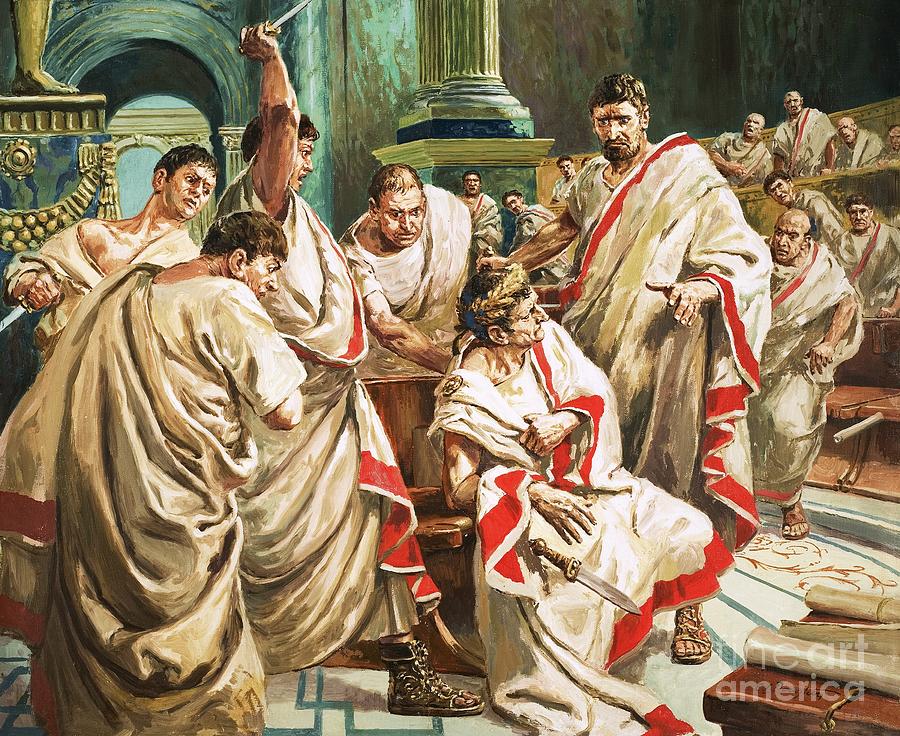
Julius Caesar was killed on March 15, 44 BCE, in one of the most famous political assassinations in ancient history. A group of Roman senators attacked and killed Caesar during a meeting of the Senate, believing that removing him was necessary to stop his growing control over the Roman Republic. However, the reasons behind his assassination were not limited to one disagreement or one political decision. Fear, political rivalry, loss of power, resentment, and concerns about the future of the Republic all played important roles.
By the final years of his life, Caesar had gained an extraordinary amount of political and military power. His victories in the Gallic Wars had made him extremely wealthy, influential, and popular with many soldiers and ordinary Romans. His victory in the Roman Civil War then left him as the dominant political figure in Rome. He was appointed dictator, eventually receiving the title of dictator for life.
For some senators, this concentration of authority was deeply concerning. The Roman Republic had traditionally been built around a system in which political power was shared among elected officials, the Senate, assemblies, and other institutions. Caesar’s increasing control appeared to some Romans to threaten that system.
Another major concern was the possibility that Caesar intended to become king. Romans had a long-standing hostility toward kingship because the Republic had traditionally defined itself against the rule of kings. Caesar was not officially crowned king, but his enormous authority and honors caused some senators to fear that Rome was moving toward personal monarchy.
The conspirators therefore presented the assassination as an attempt to protect the Roman Republic. Figures such as Brutus and Cassius became central members of the conspiracy, although the conspirators had different personal and political motivations.
At the same time, Caesar had created enemies through years of political conflict. His rise had displaced or weakened powerful members of the traditional Roman elite, and some senators had reasons to resent his dominance.
Understanding why Caesar was killed therefore requires looking at several connected reasons rather than a single cause. The following sections examine the main factors behind the assassination, focusing specifically on why Caesar’s opponents decided that killing him was necessary.
I. Fear That Caesar Was Becoming a King
One of the major reasons Julius Caesar was killed was the fear that he was becoming too powerful and might eventually become king of Rome. This fear was especially important because Romans had a strong historical opposition to kingship. According to Roman tradition, the Republic had been established after the overthrow of Rome’s last king, Lucius Tarquinius Superbus. For centuries afterward, Roman political culture associated kingship with the loss of political freedom.
By 44 BCE, Caesar had reached an extraordinary position of power. He had defeated his political enemies during the Roman Civil War, gained control over Rome, and become the dominant figure in Roman politics. He was repeatedly appointed dictator and was eventually given the title dictator perpetuo, meaning dictator for life.
Caesar was never officially made king of Rome. However, some of his actions and the honors given to him caused certain senators to worry that he was moving toward monarchical rule. Caesar received extraordinary honors, including statues and special privileges. His enormous influence over government and his close relationship with the army also made his position unlike that of a normal Roman politician.
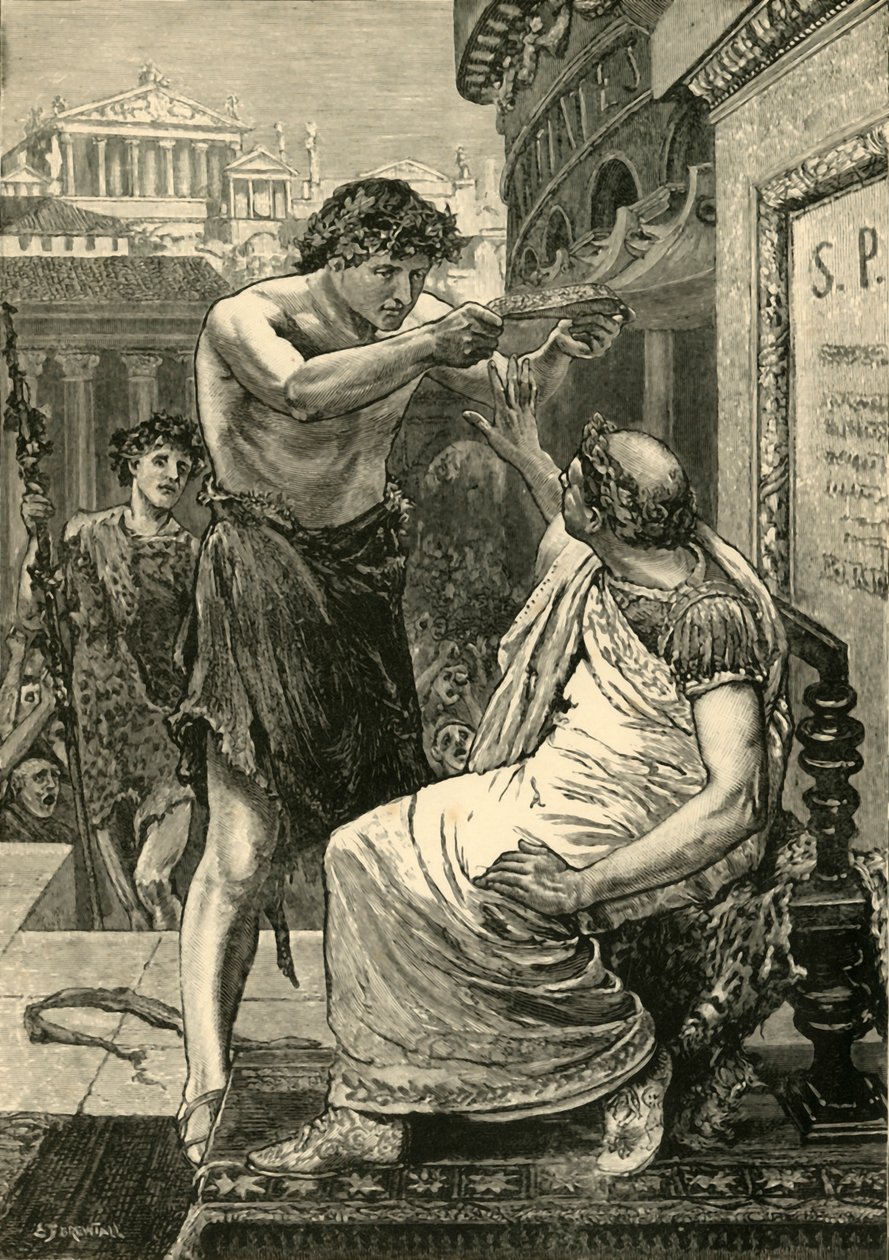
Another important incident occurred during a public festival in 44 BCE, when Caesar was offered a diadem, a headband associated with kingship. Ancient sources describe Caesar rejecting it, but the incident still demonstrated how sensitive the question of kingship had become. Even the suggestion that Caesar might accept a royal title could create serious political tension.
For Caesar’s opponents, the issue was not simply the title of “king.” They feared that Caesar could establish a system in which one individual permanently controlled Rome, leaving the Senate and traditional republican institutions with much less authority.
This fear was particularly important among members of the Roman political elite. Senators had traditionally expected important decisions to involve debate, elections, competing magistrates, and established republican customs. Caesar’s enormous authority seemed to challenge that political system.
The conspirators therefore viewed Caesar as a potential threat to Roman liberty and the Republic. Some believed that if they waited too long, Caesar would become impossible to remove peacefully. Killing him could therefore be presented as an attempt to prevent Rome from becoming a monarchy.
However, it is important to distinguish what Caesar actually intended from what his enemies feared. Caesar never officially declared himself king, and historians continue to debate how far he intended to transform the Roman political system. His growing power was undeniable, but his exact plans for the future are less certain.
The fear of kingship nevertheless became a powerful motivation for the conspirators. Brutus, Cassius, and the other senators involved in the plot could portray Caesar’s assassination as an effort to stop one man from replacing the Roman Republic with permanent personal rule.
Main Ideas
- Romans had a strong historical fear of kingship
- Caesar became extremely powerful after the Civil War
- He was eventually named dictator for life
- Some senators feared he would establish permanent personal rule
- The conspirators believed killing Caesar could protect the Roman Republic
II. Caesar’s Growing Control Over the Roman Republic
One of the main reasons Julius Caesar was killed was his extraordinary concentration of political power. The Roman Republic was designed around a system in which power was divided between elected magistrates, the Senate, popular assemblies, and other political institutions. By the final years of Caesar’s life, however, much of Rome’s political power had become concentrated in his hands.
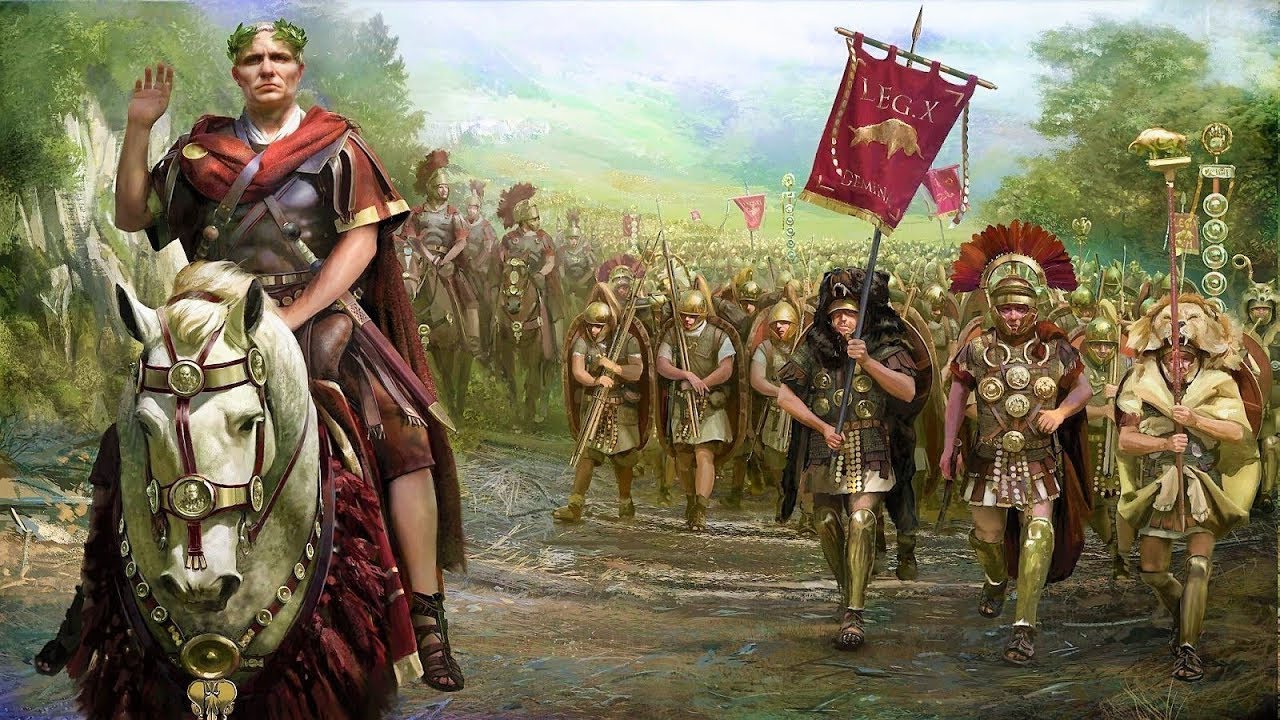
Caesar’s rise accelerated during the Roman Civil War, which began in 49 BCE when he crossed the Rubicon with his army. After defeating his main opponents, including Pompey the Great, Caesar became the most powerful political figure in Rome. His military victories gave him enormous influence over the Roman army, while his popularity and wealth strengthened his position among the population.
Caesar was appointed dictator several times during the final years of his life. These appointments were initially temporary, but the length and frequency of his appointments increased. In 44 BCE, he was appointed dictator perpetuo, or dictator for life. This was an extraordinary development because republican government traditionally depended on temporary offices and the regular transfer of political authority.
Caesar also gained influence over important political decisions. He could influence appointments, legislation, military commands, and the distribution of political offices. Although the Senate continued to exist, Caesar’s dominance meant that senators increasingly had to operate within a political system where one individual possessed far greater authority than any ordinary magistrate.
This created anxiety among some members of the Roman elite. The problem was not simply that Caesar was powerful; Roman politicians had always competed for influence. The concern was that Caesar’s power had become difficult to challenge.
His control was also supported by his relationship with the army. Roman generals could become extremely powerful because successful commanders gained the loyalty of their soldiers. Caesar had demonstrated this during the Civil War. His veterans had fought for him for years, and his military success gave him a powerful source of political influence.
Caesar also introduced reforms that strengthened his position while attempting to address problems within Roman society and government. He reorganized aspects of administration, changed the calendar, settled veterans and colonists, and made other political and economic changes. Some of these reforms were popular, but they also reinforced the impression that Caesar was personally directing the future of Rome.
For his opponents, this concentration of authority threatened the traditional balance of the Republic. They feared that once Caesar had gained so much power, the Senate and other republican institutions might never regain their previous independence.
Not every Roman agreed with this view. Caesar had supporters who believed his leadership brought stability after years of civil war. Some Romans benefited from his reforms or valued the peace that followed the conflict. Therefore, opposition to Caesar was not universal.
The conspirators, however, believed that his growing control represented a fundamental danger. Their concern was that the Republic could become a government dominated permanently by one powerful ruler.
Main Ideas
- Caesar accumulated extraordinary political power
- His victory in the Civil War made him Rome’s dominant leader
- He was eventually appointed dictator for life
- His power reduced the independence of traditional republican institutions
- His opponents feared the Republic was becoming one-man rule
III. Senators Feared Losing Their Political Power
Another major reason Julius Caesar was killed was that some Roman senators feared losing their political influence and privileges. The Roman Republic was dominated by a powerful political elite, particularly wealthy and influential families whose members competed for important offices and positions of authority. Caesar’s rise threatened to change the balance of power that had existed for generations.
Before Caesar became dominant, ambitious Roman politicians competed for positions such as consul, praetor, and governor. The Senate also played a major role in foreign policy, finances, military decisions, and administration. Political influence depended heavily on family connections, wealth, reputation, military achievements, and relationships with other powerful Romans.
Caesar’s growing authority changed this system. Because he controlled enormous political influence, many important decisions increasingly depended on his approval. His ability to appoint or recommend officials also gave him considerable influence over the careers of other politicians.
This was particularly concerning for senators who had previously expected the Senate to be one of the most important centers of Roman political power. Caesar did not completely abolish the Senate, but his dominance meant that individual senators had less ability to challenge him.
Some senators also feared that Caesar was replacing the traditional political competition of the Republic with a system based on personal loyalty. Instead of politicians competing with one another through established republican institutions, Caesar could reward supporters with offices, land, money, or other benefits.
This created a powerful division between Romans who benefited from Caesar’s leadership and those who believed that the traditional political system was being weakened.
The issue was also connected to Caesar’s treatment of former enemies. After winning the Civil War, Caesar pardoned many of his opponents through a policy often associated with clementia, or mercy. Some former enemies were allowed to return to political life. While this helped Caesar gain supporters, it also demonstrated how much political authority he personally possessed. He could decide who would be forgiven and who could return to public life.
For some senators, this was deeply uncomfortable. Republican government was supposed to operate through laws, offices, elections, and shared authority, rather than depending primarily on the personal decisions of one individual.
There were also personal rivalries. Some senators had spent years building political careers, only to find themselves operating under a leader whose authority was vastly greater than theirs. Ambition therefore played a role alongside genuine political concerns.
However, it would be inaccurate to say that all senators wanted Caesar dead. Many senators supported him, cooperated with him, or benefited from his government. The conspiracy involved a relatively limited group of men with different motivations.
For the conspirators, protecting their political position was closely connected to protecting the Roman Republic itself. They feared that if Caesar remained dominant, traditional senatorial authority would continue to decline.
The assassination was therefore partly a struggle over who should control Rome: a powerful individual leader supported by his military and political followers, or a republican system in which senators and other institutions retained greater influence.
Main Ideas
- Some senators feared losing their political influence
- Caesar could strongly influence appointments and political careers
- Traditional senatorial authority was weakened by his dominance
- Personal ambition and rivalry contributed to opposition
- Conspirators connected their political interests with the defense of the Republic
IV. Caesar’s Reforms Created Powerful Enemies
Another reason Caesar was killed was the political opposition created by his reforms and decisions. After becoming the dominant political figure in Rome, Caesar introduced a wide range of changes to Roman government, administration, land distribution, citizenship, and public life. Some of these reforms addressed genuine problems, but they also affected powerful people who had interests in maintaining the existing system.
One of Caesar’s important reforms involved Roman citizenship and the administration of the provinces. He expanded citizenship to some people outside Italy and increased the number of individuals who could participate in Roman political life. Caesar also founded colonies for veterans and other settlers, helping redistribute land and settle former soldiers. These policies could benefit many people, but changes involving land and citizenship could also create opposition among groups that believed their traditional privileges were being threatened.
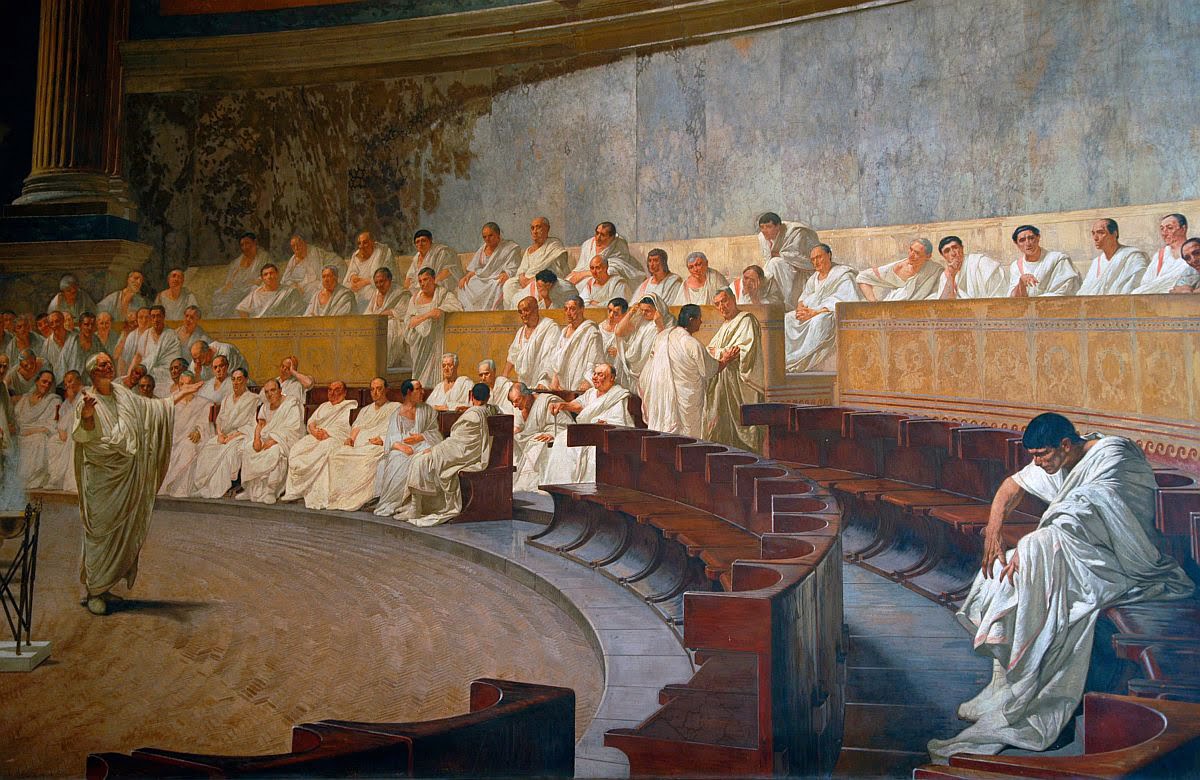
Caesar also changed the Roman Senate. He increased the number of senators, bringing additional people into the political elite. Some of the new senators came from Italian communities and provincial backgrounds rather than belonging to the oldest Roman families. This helped Caesar broaden his political support, but some traditional senators disliked the changes and viewed the expansion of the Senate as weakening the prestige of the old aristocracy.
His reforms therefore created an important political divide. Caesar had supporters who believed that he was making Rome more efficient and addressing problems that the traditional political system had failed to solve. His opponents, however, could see these changes as evidence that Caesar was restructuring Roman government around his own authority.
Caesar also rewarded his soldiers and veterans. After years of civil war, many veterans expected land and financial rewards. Caesar worked to provide settlements and benefits for them. This strengthened his relationship with the army and helped secure loyalty among soldiers. At the same time, opponents could view Caesar’s dependence on veteran support as another sign that he possessed a political power base outside the traditional Senate.
His reforms also affected the wealthy elite. Caesar attempted to address issues involving debt, public administration, taxation, and provincial government. Some of these measures benefited ordinary Romans or provincial communities, while others affected people who had profited from existing arrangements.
Importantly, not every senator who disliked Caesar’s reforms wanted him dead. Opposition existed on a spectrum. Some people could disagree with particular policies while still supporting Caesar’s leadership. The assassination conspiracy involved a smaller group whose opposition had become much more extreme.
For the conspirators, Caesar’s reforms were important because they demonstrated that he could make major changes without depending on traditional senatorial agreement. If Caesar remained in power, they feared that he would continue transforming Roman political institutions according to his own priorities.
This made Caesar’s reforms part of a larger argument about the future of Rome. His supporters could describe them as necessary improvements after years of political instability, while his opponents could interpret them as evidence that the traditional Republic was being replaced.
The reforms therefore did not cause the assassination by themselves. Instead, they strengthened the broader conflict between Caesar and parts of the traditional Roman elite, adding another reason for some senators to oppose him.
Main Ideas
- Caesar introduced major political and social reforms
- His reforms changed citizenship, land, and government
- He expanded the Roman Senate
- Some traditional elites believed their privileges were being weakened
- His reforms contributed to the wider conflict between Caesar and his opponents
V. His Dictatorship and Increasingly Unchecked Authority
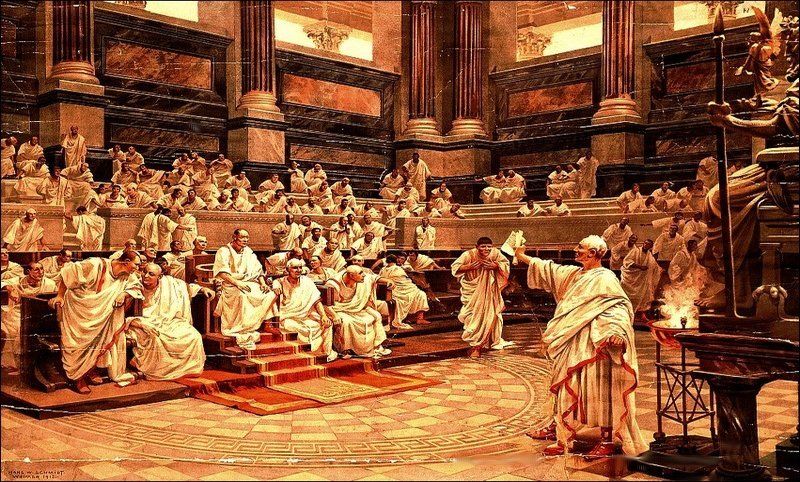
One of the most important reasons Caesar was killed was the growing belief that his dictatorship had become too powerful. The Roman Republic had a long tradition of limiting political authority through temporary offices, elections, and shared responsibilities. Caesar’s position increasingly appeared to challenge those traditions, especially after he became dictator for life.
The title of dictator itself was not originally considered illegal or automatically tyrannical. In the Roman Republic, a dictator could be appointed during an emergency and given extraordinary powers for a limited period. The purpose was to allow Rome to respond quickly to serious threats. Traditionally, however, the office was temporary.
Caesar’s situation was different. During the years following the Civil War, he was appointed dictator repeatedly. In 44 BCE, he was appointed dictator perpetuo, meaning that his dictatorship was no longer limited to a short emergency period. This was a major development because it suggested that extraordinary authority could become a permanent part of Roman government.
Caesar also accumulated other honors and powers. He held the position of consul and received extensive privileges that emphasized his exceptional status. His name, image, and achievements became increasingly visible throughout Rome and its territories.
For some senators, the problem was that Caesar no longer appeared to be simply one politician among many. His authority extended across government, military affairs, appointments, legislation, and provincial administration. The normal republican system of competing politicians therefore seemed increasingly difficult to maintain.
His control over the army was especially important. Caesar had won a major civil war and had loyal veterans who had fought under him for years. Roman political leaders understood how powerful military loyalty could be. A politician who controlled a large and loyal military following possessed a source of power that ordinary senators did not have.
Caesar’s opponents therefore feared that there would be no practical way to remove him through normal political competition. If he continued holding extraordinary authority indefinitely, future elections and senatorial decisions could become less meaningful.
There was also concern about what would happen after Caesar. If one person could become dictator for life, the Roman political system could potentially develop into a government based on permanent personal leadership. His opponents did not necessarily know what Caesar’s long-term plans were, but they believed the precedent itself was dangerous.
However, Caesar also had supporters who saw his dictatorship differently. Rome had experienced years of political violence and civil war, and some Romans believed that strong leadership was necessary to restore stability. Caesar’s supporters could therefore view his extraordinary authority as a response to the political crisis rather than simply an attempt to destroy the Republic.
The conspirators saw the situation differently. To them, Caesar’s permanent dictatorship represented a point at which the traditional republican system was becoming impossible to recover through ordinary politics.
His assassination was therefore partly an attempt to stop the continued concentration of power in one person. The conspirators believed that removing Caesar could create an opportunity to restore the authority of the Senate and traditional republican institutions.
Main Ideas
- Caesar’s dictatorship gave him extraordinary political authority
- He became dictator for life in 44 BCE
- Republican dictatorships had traditionally been temporary
- His military and political power made him difficult to challenge
- His opponents feared permanent one-man rule could replace the Republic
VI. The Conspirators Believed They Were Saving the Republic
Another major reason Julius Caesar was killed was that the conspirators believed they were protecting the Roman Republic. Although the assassination was driven by different motives among different individuals, the idea of defending republican government became one of the central justifications for the conspiracy.
The Roman Republic had existed for centuries before Caesar’s rise. Its political system depended on elected magistrates, the Senate, popular assemblies, and traditions that limited individual power. Although the Republic was far from democratic by modern standards, Romans who opposed Caesar believed that these institutions were essential to preserving their political system.
The conspirators argued that Caesar’s growing authority had placed the Republic in danger. His victory in the Civil War, repeated dictatorships, appointment as dictator for life, and accumulation of honors convinced them that traditional political institutions were losing their independence.
Some of the conspirators used the idea of Roman liberty to explain their opposition. They feared that if Caesar remained in power, future Romans might no longer have meaningful political freedom. In their view, removing Caesar could prevent the Republic from becoming a permanent system of one-man rule.
Marcus Junius Brutus became particularly associated with this argument. Brutus came from a family whose traditions were strongly connected with republican government. Ancient writers later presented him as a man who struggled between his personal relationship with Caesar and his belief in the Republic.
Gaius Cassius Longinus was another important conspirator. He had his own political disagreements with Caesar and became one of the leading organizers of the assassination. Like the other conspirators, Cassius had personal reasons for opposing Caesar, but the defense of republican government was also an important part of the conspiracy’s justification.
However, the conspirators were not all motivated by exactly the same beliefs. Some were concerned about political power, others about personal rivalries, and others about Caesar’s treatment of the traditional Roman elite. The idea of saving the Republic therefore brought together people who had different individual reasons for joining the plot.
There was also an important contradiction in their plan. The conspirators believed that killing Caesar would restore republican government, but they did not have a clear agreement about what should happen afterward. Removing Caesar did not automatically solve the political problems that had caused years of civil war.
Many Romans also did not necessarily see Caesar as an enemy of the Republic. Some supported him because they believed he had brought stability after years of conflict. His reforms and policies had gained him supporters among soldiers, veterans, citizens, and provincial communities.
Nevertheless, the conspirators believed that allowing Caesar to remain in power would be more dangerous than taking the extraordinary step of assassinating him. They therefore presented their actions as a defense of liberty, republican institutions, and traditional Roman government.
Their belief that they were saving the Republic became one of the most important ideas behind the assassination, even though the events that followed showed that removing Caesar did not restore the old political system.
Main Ideas
- The conspirators claimed they were protecting the Roman Republic
- They feared Caesar’s power threatened Roman liberty
- Brutus and Cassius became leading figures in the conspiracy
- The conspirators had different personal and political motives
- Killing Caesar did not automatically restore the Republic

VII. Personal Rivalries, Resentment, and Political Ambition
The final major reason Julius Caesar was killed was the combination of personal rivalries, resentment, and political ambition among members of the Roman elite. The assassination was not carried out by people who all had exactly the same reasons for opposing Caesar. Different conspirators had different experiences with him, and personal disagreements became connected with the larger political conflict over the future of Rome.
Roman politics was highly competitive. Wealthy and ambitious politicians competed for offices, military commands, influence, prestige, and public recognition. Caesar’s extraordinary rise changed this competition because he became so powerful that other politicians could no longer compete with him on equal terms.
Some members of the elite had previously been Caesar’s political opponents during the Civil War. Although Caesar showed mercy toward many defeated enemies through his policy of clementia, allowing some of them to return to political life, forgiveness did not necessarily erase political resentment. Former opponents could remain uncomfortable with the fact that their careers now existed under Caesar’s dominance.
There were also disagreements over honor and status. Roman political culture placed enormous importance on reputation, family history, military achievements, and public honors. Caesar received an extraordinary number of honors during the final years of his life. Some Romans believed these honors were appropriate for his achievements, while others thought they placed him above the traditional limits expected of a Roman politician.
Personal ambition also mattered. Some conspirators were themselves experienced politicians with their own hopes of gaining influence. Caesar’s continued dominance could limit their opportunities. As long as Caesar remained the most powerful person in Rome, other ambitious senators could struggle to regain the political influence they had previously expected to possess.
Cassius, for example, had political disagreements with Caesar and had reasons to resent the power Caesar had accumulated. Brutus had a more complicated relationship with Caesar. Caesar had shown favor toward Brutus despite their opposing sides during the Civil War, making Brutus’s eventual participation in the conspiracy especially significant.
The conspirators could therefore combine personal grievances with a broader political argument. Their resentment toward Caesar was not simply private anger. They could argue that his dominance threatened their own political freedom and the traditional institutions of the Republic.
At the same time, it is important not to reduce the assassination to jealousy or personal hatred. The conspirators had serious political disagreements about Caesar’s authority and the future of Rome. Personal ambition and resentment were connected to larger concerns about government.
The assassination was therefore the result of multiple motivations coming together. Fear of monarchy, opposition to Caesar’s power, concern about the Senate’s authority, disagreements over his reforms, and personal rivalries all contributed to the decision to remove him.
The conspirators believed that killing Caesar would eliminate the central figure who stood between them and a restoration of traditional republican politics. Their actions, however, produced another period of political conflict rather than a simple return to the old Republic.
Main Ideas
- Personal rivalries contributed to opposition against Caesar
- Roman politicians competed intensely for power and prestige
- Some conspirators resented Caesar’s political dominance
- Brutus and Cassius had different personal relationships with Caesar
- The assassination resulted from several motives coming together