Rome did not become the dominant power of the ancient Mediterranean simply because its soldiers were brave or because its generals were brilliant. Rome’s rise was the result of a remarkable combination of military organization, political flexibility, manpower, infrastructure, wealth, alliances, and an unusual ability to recover from disaster. Over centuries, these advantages allowed a relatively small city on the Tiber to defeat or outlast many of the most powerful states and peoples of the ancient world.
When Rome first began expanding, it was surrounded by serious rivals. The Etruscans, Samnites, Greek cities, Carthaginians, Macedonian kingdoms, and numerous Celtic and Germanic peoples all possessed their own military traditions, resources, and political systems. Rome was not automatically destined to conquer them. In fact, Roman history contains plenty of moments when its survival seemed uncertain.
Rome suffered devastating defeats. At Cannae in 216 BC, Hannibal’s army destroyed a huge Roman force. Yet Rome refused to surrender. It raised new armies, found new allies, changed its strategy, and eventually defeated Carthage. This ability to continue fighting after catastrophic losses became one of the most important features of Roman power.
The Roman military was certainly crucial, but the legion was only one part of a much larger system. Rome developed methods for recruiting enormous numbers of soldiers, supplying them, moving them across long distances, constructing fortified camps and roads, and replacing equipment and manpower after losses. Its armies could operate far from Italy because the wider Roman state was capable of supporting them.
Just as important was Rome’s approach to conquered peoples. Rome did not always simply destroy its defeated enemies. Instead, it frequently created alliances, extended citizenship, established colonies, incorporated local elites, and recruited soldiers from communities across its growing territory. This allowed Rome to turn expansion into additional sources of manpower and wealth.
Infrastructure reinforced this system. Roads connected territories, ports moved supplies, bridges helped armies cross rivers, and administrative centers allowed Rome to collect taxes and organize its expanding possessions. The empire became increasingly interconnected, making it easier for Roman power to operate across enormous distances.
Perhaps Rome’s greatest strength was its ability to adapt. Roman institutions changed, military methods evolved, and political arrangements were repeatedly modified when circumstances demanded it. Rome was not always successful, and its history contains major failures, but defeat did not necessarily end Roman expansion.
The story of Rome’s rise is therefore not simply a story of superior soldiers. It is the story of a state that became exceptionally good at mobilizing people and resources, learning from its enemies, recovering from catastrophe, and incorporating conquered territories into a larger system.
Understanding these characteristics helps explain how Rome ultimately overcame so many of its rivals and transformed from an Italian city-state into one of the most powerful political systems of the ancient world.

1. Rome's Greatest Advantage — Its Ability to Adapt
One of the most important reasons Rome became so powerful was its remarkable ability to adapt. Rome was not successful because it always had the best weapons, the largest population, or the most talented generals. Instead, one of its greatest strengths was the willingness to learn from failure and change its methods when circumstances demanded it.
This can be seen throughout Roman history. Rome frequently encountered enemies who fought in ways the Romans had not experienced before. Instead of assuming that traditional Roman methods were always superior, Roman commanders and institutions could adjust. Military tactics, weapons, organization, and strategy could change when Rome encountered new challenges.
The wars against the Samnites provide an early example. Fighting in the difficult terrain of central and southern Italy forced Rome to operate in environments where its traditional methods were not always ideal. Over time, Roman military organization developed into something capable of dealing with different types of warfare and terrain.
The conflict with Carthage demonstrated this adaptability on an even greater scale. During the Second Punic War, Hannibal inflicted some of the most devastating defeats Rome ever experienced. Cannae in 216 BC was particularly catastrophic. Yet Rome did not simply attempt to repeat the same strategy and hope for a different result.
Instead, Rome changed its approach. It avoided giving Hannibal the kind of major battle he wanted when circumstances made such an engagement dangerous, while continuing to recruit soldiers and maintain pressure elsewhere. Roman forces also learned from Carthaginian methods and eventually carried the war into Africa under Scipio Africanus.
Rome’s ability to learn was not limited to warfare. Roman institutions themselves evolved. The Republic changed significantly as Rome expanded, and later the Roman Empire developed new administrative systems to govern territories stretching across the Mediterranean and beyond.
Rome also learned to adapt politically. Conquered peoples were not always treated in exactly the same way. Depending on the circumstances, Rome could use alliances, citizenship, colonies, treaties, local elites, and military recruitment to integrate different communities into its expanding system.
This flexibility gave Rome an important advantage over time. A single defeat did not necessarily destroy the Roman system because the system could change in response to what had happened.
Another important element was Roman willingness to borrow ideas from other peoples. Rome adopted and modified military, technological, cultural, and administrative practices from the societies it encountered. Greek culture, for example, eventually had an enormous influence on Roman education, literature, philosophy, art, and architecture.
This does not mean Rome was always innovative or that every Roman decision was successful. Roman history contains plenty of mistakes, political disasters, military defeats, and periods of serious instability. What mattered was that these failures did not automatically prevent Rome from changing course.
Over centuries, this created a powerful cumulative advantage. Rome could encounter a new enemy, suffer setbacks, study the situation, adjust its methods, and return with another approach.
In this sense, Rome’s greatest strength may not have been that it was always stronger than its opponents. It was that Rome could become stronger because of what it experienced.
5 Main Ideas
- Adaptability was one of Rome’s greatest long-term strengths.
- Rome could change military tactics and strategy after encountering new challenges.
- The defeats inflicted by enemies such as Hannibal did not permanently cripple Rome.
- Rome adapted politically through alliances, citizenship, colonies, and integration.
- Rome’s willingness to learn from other societies helped its institutions and culture evolve.
2. The Roman Military — More Than Just Legions
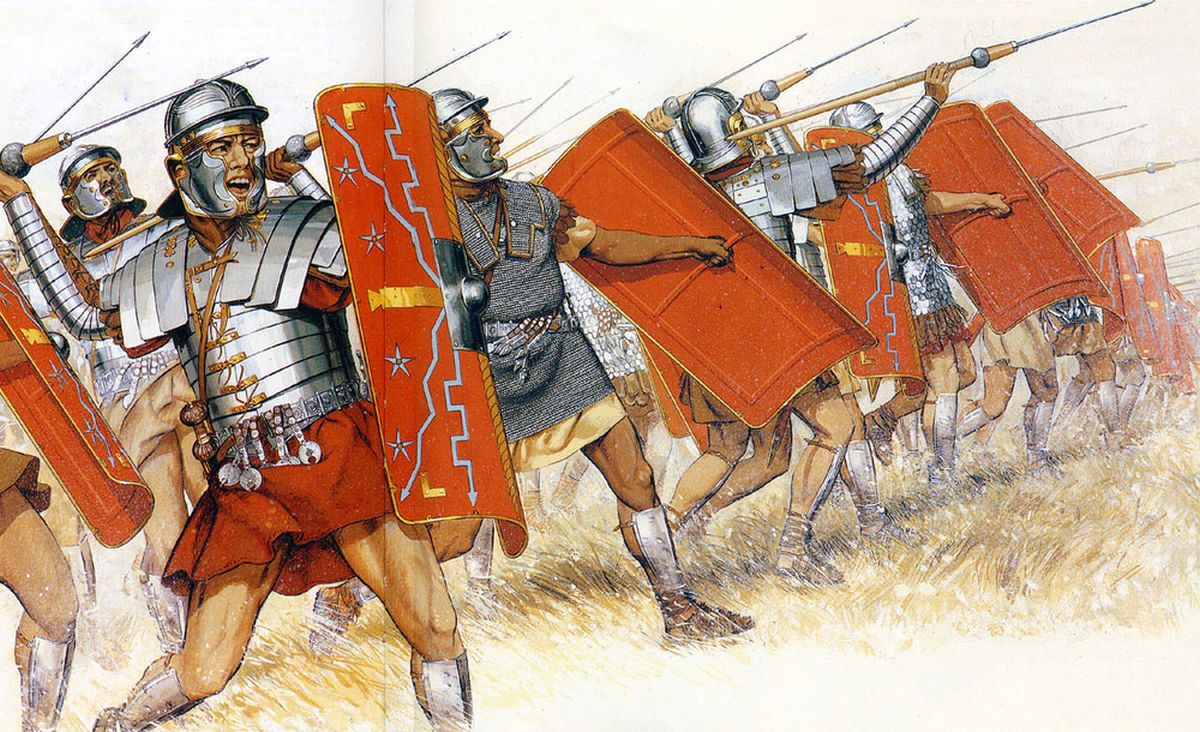
When people think about Roman power, they often imagine the Roman legion: disciplined soldiers marching behind their standards, carrying shields and weapons, and advancing in organized formations. The legion was certainly one of the foundations of Roman expansion, but Rome’s military strength was much larger than the individual legionary. Its real advantage came from an entire military system that could recruit, train, supply, organize, and replace enormous numbers of soldiers.
Roman soldiers were expected to operate within a strict structure. Units were organized under officers, orders were communicated through established chains of command, and soldiers trained to respond collectively rather than simply fighting as individuals. Discipline and organization allowed Roman armies to maintain cohesion during difficult campaigns.
Engineering was another major advantage. Roman soldiers were not simply trained to fight. They could also build roads, bridges, fortified camps, siege works, and defensive structures. A Roman army could arrive in an area and rapidly establish a fortified camp, giving its soldiers protection and creating an organized base from which further operations could be conducted.
This was particularly important during long campaigns. An army might march for days or weeks through difficult territory, far from established Roman settlements. The ability to construct camps and infrastructure allowed Roman forces to remain operational even when the surrounding environment provided few conveniences.
Logistics was equally important. Soldiers needed food, water, weapons, clothing, animals, tools, and replacement equipment. Supplying a large army over long distances was an enormous challenge. Rome developed increasingly sophisticated systems for collecting, transporting, storing, and distributing resources.
The Roman military also benefited from its enormous manpower base. As Rome expanded, it could recruit soldiers not only from Italy but increasingly from across its territories. Auxiliary troops provided cavalry, archers, light infantry, and other specialized capabilities that complemented the heavy infantry of the legions.
This meant that the Roman army was not a single type of force. Different units could perform different roles, while commanders could combine them according to the demands of a particular campaign.
Another important characteristic was Roman persistence. If an army suffered a defeat, Rome could often raise another. This became particularly significant during the Second Punic War. After catastrophic losses against Hannibal, Rome continued recruiting and fielding armies rather than accepting defeat.
The Roman military therefore possessed something more important than an image of invincibility. It possessed depth. Rome could suffer losses and still have institutions capable of producing more soldiers, more supplies, and new armies.
Military service also connected the army to the wider Roman state. Soldiers carried Roman authority into distant territories, while veterans could later settle in colonies and strengthen Roman influence. The army was therefore both a fighting force and an important instrument of Roman expansion and integration.
Of course, Roman armies could be defeated. They suffered major disasters throughout their history, and some opponents developed effective ways of challenging Roman forces. But Rome’s military system was capable of learning, reorganizing, and returning.
That is why the Roman army should not be understood simply as a collection of exceptionally tough soldiers. Its greater strength came from the system behind those soldiers—training, discipline, engineering, logistics, manpower, command structures, and the ability to replace losses.
Rome did not become dominant because every Roman soldier was superior to every enemy soldier. It became dominant because Rome built a military machine capable of operating repeatedly, across enormous distances, for generations.
5 Main Ideas
- The Roman military was a complete system, not simply an army of legionaries.
- Discipline, organization, and training allowed Roman forces to operate effectively.
- Roman soldiers were also engineers capable of building roads, bridges, camps, and siege works.
- Logistics and manpower allowed Rome to sustain long campaigns and replace losses.
- The army’s greatest advantage was its ability to keep functioning, adapt, and return after defeat.
3. Citizenship and Integration — Turning Enemies Into Romans
One of Rome’s most unusual strengths was its ability to incorporate conquered peoples into the Roman system. Rome did not always treat defeated communities simply as permanent enemies or subjects. Over time, different peoples could become allies, citizens, soldiers, taxpayers, officials, and eventually an important part of Roman society itself.
This approach developed gradually. During Rome’s expansion across Italy, conquered communities were often given different legal relationships with Rome. Some became allies, while others received varying degrees of Roman citizenship. This created a complicated but flexible system in which Rome could expand its influence without treating every community in exactly the same way.
The importance of this became particularly clear during the Social War of 91–88 BC. Rome had long depended heavily on Italian allies for soldiers, but many Italian communities wanted greater political rights. The conflict demonstrated the limitations of an unequal alliance system. Rome ultimately extended citizenship more broadly across Italy, transforming former allies into citizens of the Roman state.
This was a major development because Roman citizenship could become a tool of integration. Instead of maintaining a permanent distinction between Romans and every conquered population, Rome could gradually bring outsiders into its political and social system.
Citizenship did not mean that everyone immediately became equal in wealth, status, or political influence. Roman society remained deeply hierarchical. Nevertheless, citizenship provided important legal and political privileges and created a connection between individuals and the Roman state.
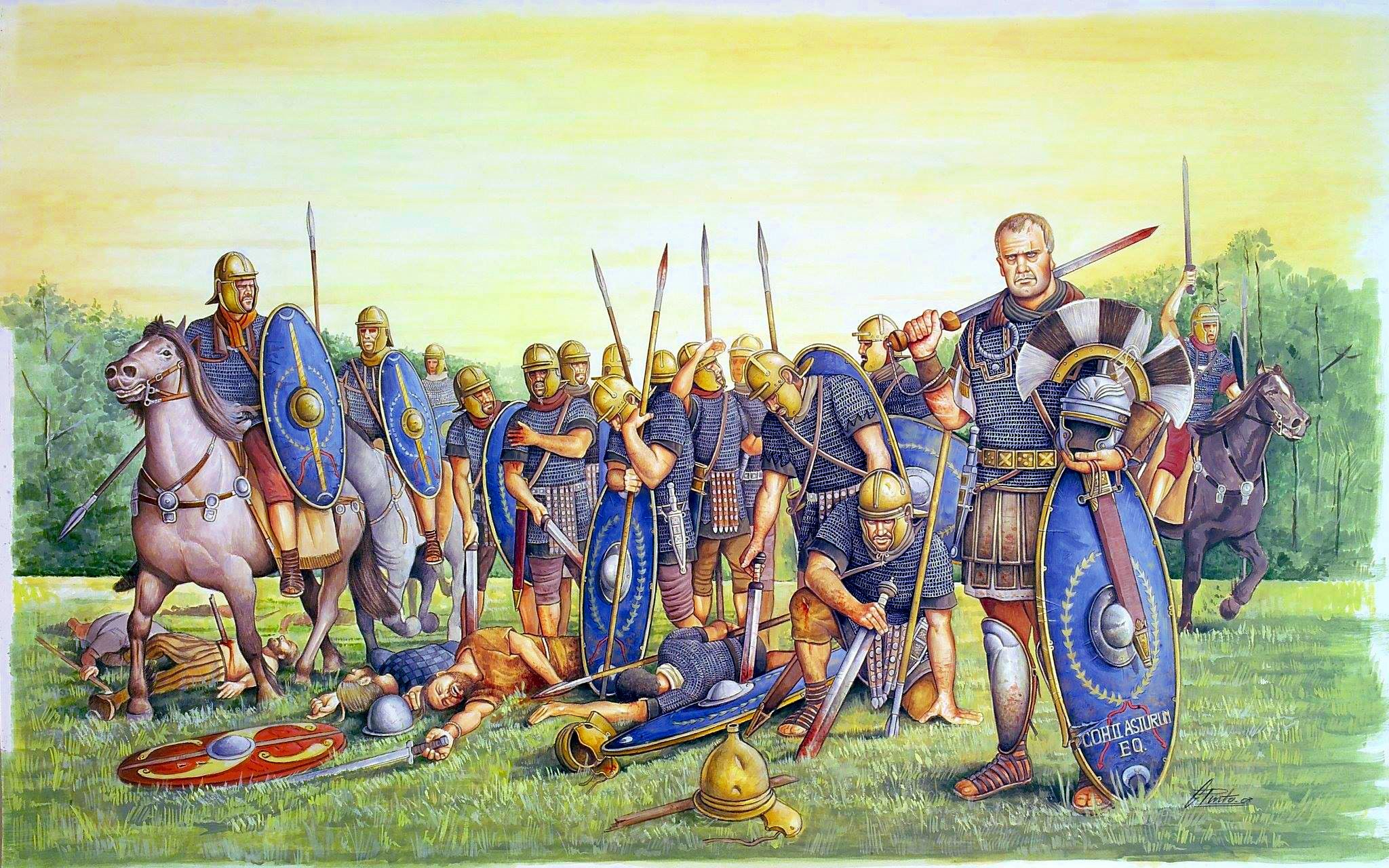
The army benefited enormously from this expanding system. As Rome incorporated more territory, its potential pool of soldiers grew. Over time, military recruitment expanded beyond Italy, and provincial communities became important sources of Roman soldiers.
This meant that conquest could eventually create additional manpower for future conquests. A community that had once resisted Rome might later provide soldiers who fought under Roman standards in another part of the empire.
Integration also worked through local elites. Rome often allowed local communities to retain aspects of their existing institutions while recognizing Roman authority. Local leaders could cooperate with Roman administrators and gain advantages from maintaining good relations with the imperial system.
This approach could make governing large territories easier than attempting to impose exactly the same system everywhere immediately. Rome could combine Roman authority with existing local structures, adapting its rule to different regions.
Culture played a role as well. Roman rule did not simply erase every local tradition. Languages, religions, customs, and regional identities continued to exist throughout the empire. At the same time, Roman law, citizenship, architecture, military service, and administration spread widely.
Over generations, this produced something remarkable: people from distant provinces could increasingly identify with the Roman world while still retaining local identities. A person born far from Italy could become a Roman citizen, soldier, senator, governor, or emperor.
The rise of provincial emperors demonstrates just how far this process eventually went. By the later Empire, Roman political identity was no longer restricted to people whose ancestors had come from the city of Rome.
This flexibility gave Rome a major long-term advantage. Conquest did not necessarily have to produce a permanently hostile population. The defeated could eventually become participants in the system that had conquered them.
Rome therefore expanded not only by defeating enemies but also by absorbing people and communities into its political, military, and economic structures.
That did not mean Roman rule was always peaceful or welcomed. Revolts, resistance, discrimination, and conflicts occurred throughout Roman history. Integration was gradual and uneven. But the ability to turn former enemies into citizens, allies, soldiers, and administrators helped Rome transform territorial conquest into a much larger and more durable political system.
5 Main Ideas
- Rome developed a flexible system of citizenship and alliances for incorporating different communities.
- The expansion of citizenship helped transform former allies and conquered peoples into participants in the Roman state.
- Provincial populations became an important source of soldiers as Rome expanded.
- Rome often worked with local elites and existing institutions rather than completely replacing them.
- Over generations, former outsiders could become Roman citizens, officials, soldiers, and even emperors.
4. Alliances — Rome Rarely Fought Alone
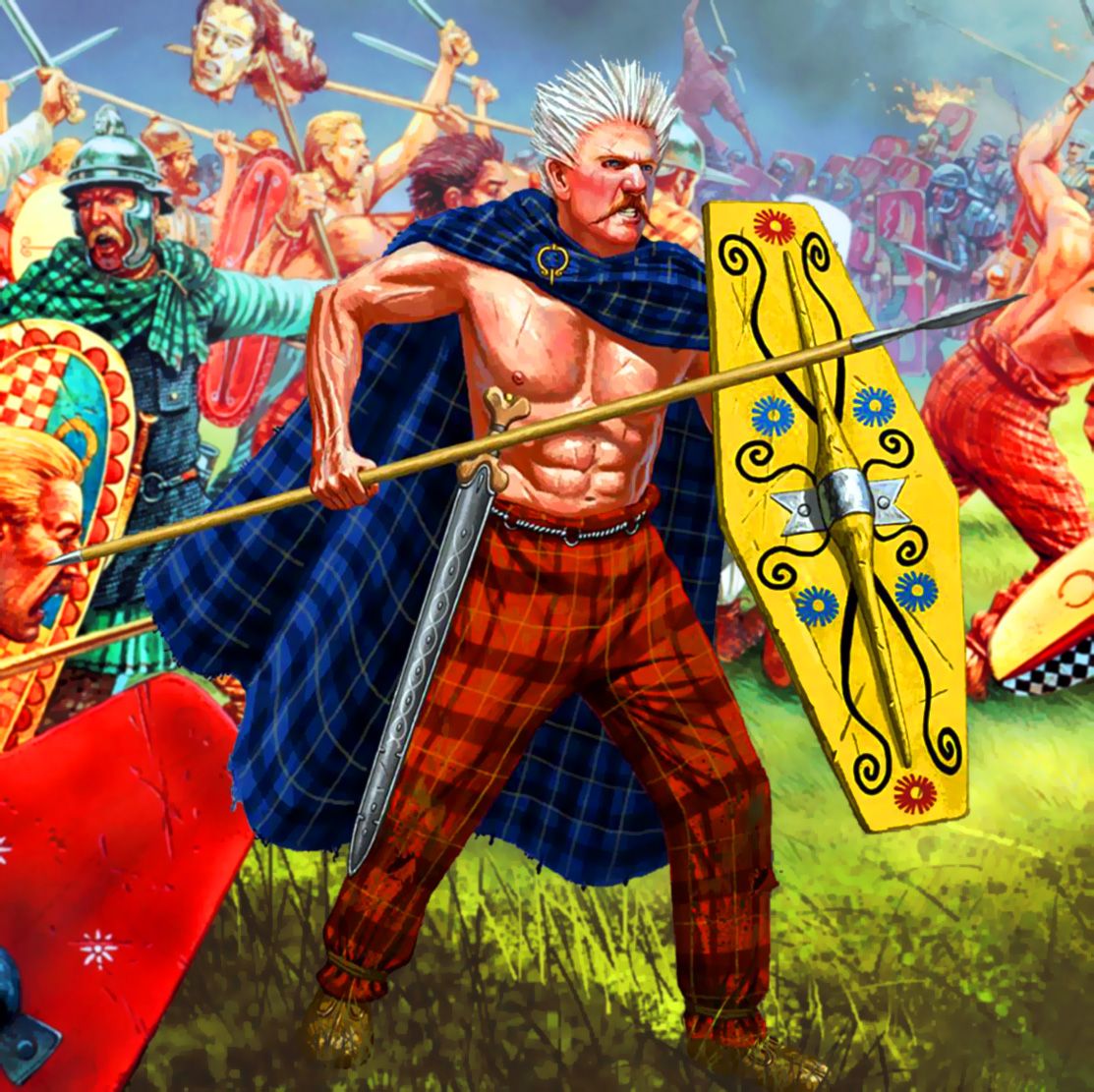
Rome’s expansion is sometimes imagined as a simple story of Roman legions defeating one enemy after another. In reality, Rome rarely fought alone. One of its greatest advantages was its ability to build and maintain alliances, particularly in Italy. These relationships gave Rome access to additional soldiers, resources, territory, and strategic support.
During the early and middle Republic, Rome gradually developed a network of relationships with communities across the Italian peninsula. Not every community was treated in exactly the same way. Some had different legal arrangements, while others became allies of Rome. Together, these communities created a large pool of manpower and resources that could support Roman wars.
This became particularly important because Rome’s enemies often had their own alliances. Rome therefore needed more than a strong army from the city itself. It needed a political system capable of bringing large numbers of communities into a common military effort.
The Italian alliance network proved extremely valuable during major wars. During the Second Punic War, for example, Hannibal attempted to break Rome’s network of allies and encourage Italian communities to abandon Rome. Some did change sides, but many remained loyal. This mattered enormously because Rome could continue raising armies and maintaining its war effort even after suffering devastating defeats.
The Roman state therefore possessed something that many individual enemies lacked: a broad and durable base of manpower.
Alliances also provided strategic advantages. Communities across Italy knew the local geography, controlled important routes, and could provide food, animals, recruits, and other resources. Rome’s expanding network meant that an enemy fighting Rome was often dealing with more than the city of Rome itself.
As Roman territory expanded beyond Italy, the system became even more complicated. Rome developed relationships with client kingdoms, allied communities, provincial cities, and other local powers. These relationships could provide military assistance, diplomatic support, supplies, or strategic access.
Rome did not always directly control every territory from the beginning. Sometimes it was advantageous to work through local rulers or governments that were willing to cooperate with Roman interests.
This flexibility helped Rome manage a huge and increasingly diverse political world. Instead of requiring every region to become identical immediately, Roman power could operate through different forms of cooperation and control.
The military benefited directly from this system. Roman armies increasingly included auxiliary soldiers recruited from different parts of the empire. These troops could provide capabilities that complemented the legions, including cavalry, archery, and other forms of specialized warfare.
The result was a military system drawing on people from a vast geographical area. A conflict in one region could therefore involve soldiers and resources originating from many different parts of the Roman world.
But alliances were not guaranteed forever. Communities could rebel, change sides, or resist Roman demands. Rome sometimes had to use force to restore control. The durability of an alliance depended on political circumstances, military pressure, economic interests, and Rome’s ability to maintain cooperation.
Nevertheless, the overall system gave Rome a remarkable advantage. Every successful expansion could potentially create new allies, new sources of manpower, and new resources, which could then support further expansion.
This created a kind of cycle. Rome conquered territory, established relationships with local communities, gained additional resources and soldiers, and then used that greater strength in future conflicts.
That is one reason Rome’s rise cannot be explained simply by looking at the strength of its legions. The legion was supported by a much larger political network.
Rome’s ability to persuade, pressure, reward, and integrate other communities allowed it to mobilize resources on a scale that individual rivals often struggled to match. Its greatest strength was not simply that Rome could fight—but that Rome could make an enormous number of people and communities part of its wars.
5 Main Ideas
- Rome rarely fought alone and relied heavily on allies and associated communities.
- The Italian alliance system provided Rome with enormous manpower and resources.
- Hannibal’s failure to completely destroy Rome’s alliance network was crucial during the Second Punic War.
- As Rome expanded, client kingdoms, allied communities, and auxiliary soldiers increased its military reach.
- Alliances created a powerful cycle in which expansion could produce more resources and manpower for further expansion.
5. Roads, Infrastructure, and Logistics
Rome’s power did not end when a battle was won. To control territory, move armies, collect resources, and maintain communication across enormous distances, Rome needed something less glamorous but equally important: infrastructure.
One of the most visible examples was the Roman road network. Roads were built for many purposes, including military movement, administration, trade, and communication. Good roads allowed soldiers and supplies to move more efficiently between important locations. As Roman territory expanded, these connections helped turn separate conquered regions into parts of a larger system.
The military importance was enormous. An army operating far from Italy needed reliable routes for movement and supplies. Soldiers could not simply march wherever they wanted without considering rivers, mountains, forests, and other obstacles. Roads and bridges made difficult journeys more manageable and allowed Roman commanders to move forces where they were needed.
Bridges were particularly important. Rivers could become major obstacles for an advancing army, especially when large numbers of soldiers, animals, wagons, and supplies needed to cross. Roman engineers became highly skilled at constructing temporary and permanent crossings. Engineering allowed the army to overcome geography rather than simply accept it as a limitation.
The same principle applied to fortifications. Roman armies routinely constructed fortified camps, forts, walls, and siege works. These structures provided protection and created secure positions from which armies could operate. The ability to build rapidly meant that Roman forces could establish themselves even in unfamiliar territory.
Infrastructure also supported the civilian side of Roman rule. Cities, roads, ports, aqueducts, warehouses, and administrative centers helped connect provinces to one another and to the wider Roman economy. These projects varied enormously depending on location and period, but together they contributed to the practical functioning of Roman government.
Ports were particularly valuable. The Mediterranean was the central transportation network of the Roman world, and ships could move large quantities of goods more efficiently than overland transport. Grain, oil, wine, metals, animals, and other products could travel between distant regions.
This helped Rome draw resources from a huge geographical area. Egypt, North Africa, Spain, Gaul, the eastern Mediterranean, and Italy each had different economic strengths. Roman power connected these regions into an increasingly integrated Mediterranean system.
Taxation was another part of the equation. Provincial governments collected revenue that helped support administration and, ultimately, the military. The exact systems varied across time and place, but the Roman state was capable of extracting and redistributing enormous amounts of wealth.
Communication mattered as well. Roman officials, military commanders, and administrators needed to exchange information across vast distances. Roads and maritime routes made this possible, even though communication remained slow compared with the modern world.
Perhaps most importantly, infrastructure created long-term advantages. A road built for an army could later support merchants and travelers. A military settlement could develop into a permanent town. A port could become an important commercial center. Roman infrastructure therefore often strengthened both military control and economic development.
This helps explain why Rome could maintain power over such a large territory. Conquest created new provinces, but infrastructure helped connect those provinces to the Roman system.
Rome’s roads and engineering were not simply symbols of technological achievement. They were practical tools that allowed soldiers, officials, merchants, and supplies to move across the empire.
The result was a state with an extraordinary ability to move people and resources across enormous distances. Military strength, economic power, and infrastructure reinforced one another, helping Rome maintain an empire that stretched far beyond the original city on the Tiber.
5 Main Ideas
- Roads connected Roman territories and made military and economic movement easier.
- Bridges and engineering allowed Roman armies to overcome rivers and difficult terrain.
- Fortifications and camps gave Roman forces secure positions throughout their territories.
- Ports and Mediterranean trade connected distant provinces and moved enormous quantities of resources.
- Infrastructure helped transform conquered territories into a connected and functioning Roman system.

6. Rome's Ability to Survive Disaster
Perhaps one of Rome’s greatest advantages was not that it avoided disaster, but that it could survive enormous disasters and continue functioning. Throughout Roman history, the state suffered military defeats, invasions, political crises, rebellions, economic difficulties, and civil wars. Yet again and again, Rome demonstrated an extraordinary ability to recover.
The clearest example came during the Second Punic War. Hannibal inflicted devastating defeats on Roman armies, culminating in the disaster at Cannae in 216 BC. Thousands of Roman and allied soldiers were killed, and Rome faced an extremely dangerous situation. Several communities in Italy defected to Hannibal, and the Roman state had lost a huge number of troops.
Yet Rome did not surrender.
Instead, it raised new armies, recruited additional soldiers, strengthened its alliances, and changed its strategy. Roman commanders increasingly avoided giving Hannibal the kind of decisive battle he wanted while Roman forces attacked his allies and expanded the war into other regions.
Rome’s response to Cannae reveals something fundamental about Roman power. The state had enough manpower, resources, political organization, and determination to continue fighting even after suffering losses that might have destroyed a smaller power.
This pattern appeared repeatedly. Rome experienced defeats against the Samnites, suffered disasters during wars against foreign powers, and faced serious rebellions within its own territories. The empire also endured major crises long after the Republic had disappeared.
The important point is not that Rome always recovered quickly or easily. Sometimes recovery took years or decades. Roman resilience was not automatic. It depended on institutions, resources, political decisions, and the willingness of Roman communities and allies to continue supporting the state.
Rome’s enormous territory eventually became another source of resilience. As the state expanded, it possessed access to larger populations, wider agricultural regions, greater tax revenues, and more diverse sources of resources. Losing an army in one region did not necessarily mean losing the entire imperial system.
This was especially important during the imperial period. A crisis affecting one province could sometimes be met with forces and resources from another. The empire’s geographical scale could therefore provide both challenges and opportunities.
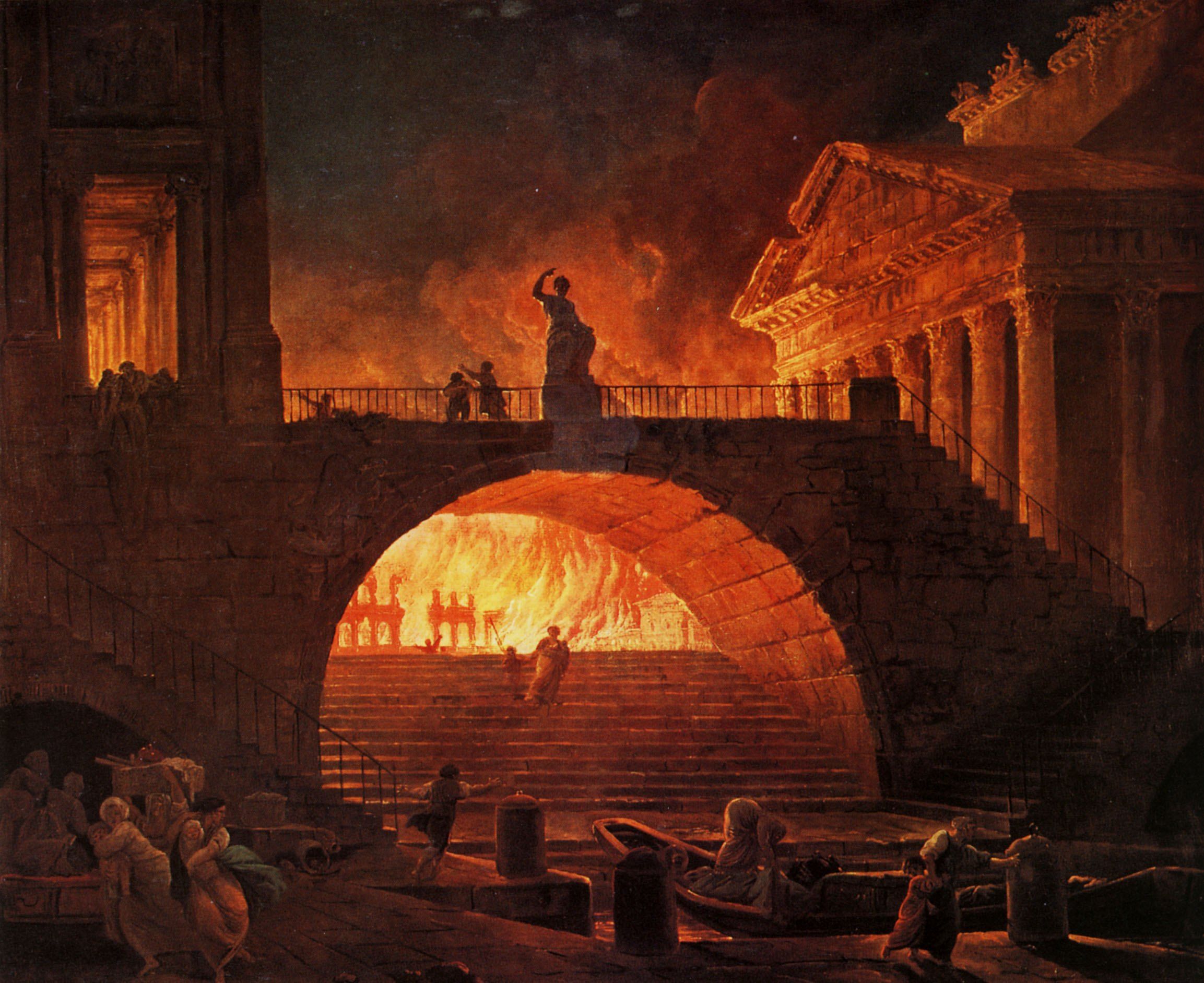
Rome also possessed a remarkable capacity to rebuild after physical destruction. Cities could be reconstructed after fires, earthquakes, or wars. Roads and bridges could be repaired. Fortifications could be rebuilt. Armies could be reorganized.
Political institutions could also change after major crises. The Roman Republic itself underwent enormous transformations, eventually giving way to the imperial system established by Augustus. Later emperors introduced further administrative and military reforms as circumstances changed.
None of this means Rome was invulnerable. The Roman Empire eventually experienced prolonged periods of instability, and parts of the western empire were lost during the fifth century. Rome did have limits, and its political system did not survive unchanged forever.
But the centuries before that decline demonstrate how unusual Roman resilience could be.
Many states could win impressive victories. Far fewer could suffer catastrophic defeats and then rebuild their armies, restore their finances, strengthen their alliances, and continue expanding.
This is one reason Rome’s history cannot be explained simply by saying that the Romans were better fighters. Their deeper advantage was the ability to absorb losses without immediately collapsing as a political system.
Rome could lose a battle without losing the war. It could lose an army without losing the state. And after suffering a major setback, it could often reorganize and return.
That ability to recover gave Rome something incredibly valuable in long conflicts: time. An enemy might need a quick and decisive victory, while Rome could sometimes continue fighting until circumstances changed.
Over centuries, this resilience became one of the foundations of Roman dominance. Rome was not unbeatable—but it was exceptionally difficult to permanently defeat.
5 Main Ideas
- Rome’s strength included its ability to survive catastrophic defeats.
- After disasters such as Cannae, Rome could raise new armies and continue the war.
- A large population and territory gave Rome access to manpower and resources for recovery.
- Rome repeatedly rebuilt cities, infrastructure, armies, and political institutions after crises.
- Rome was not invulnerable, but its extraordinary resilience made permanent defeat extremely difficult.
7. The Roman System — Why Rome Kept Winning in the Long Run
Rome’s eventual dominance was not the result of one extraordinary advantage. No single Roman institution, weapon, general, or tradition explains the rise of Rome. Instead, its greatest strength came from the way many different advantages worked together.
Rome could recruit large numbers of soldiers because it controlled a growing population and maintained relationships with allies. Those soldiers could operate effectively because of military discipline, organization, engineering, and logistics. Armies could move because roads, bridges, ports, and supply systems connected different parts of the Roman world. Conquered communities could be incorporated through citizenship, alliances, administration, and military service. And when Rome suffered disasters, its enormous political and economic system gave it the ability to recover.
These advantages reinforced one another.
Military expansion created territory. Territory created resources and manpower. Resources supported larger armies and infrastructure. Infrastructure made further expansion easier. Expansion also brought new peoples into the Roman political and economic system.
This helps explain why Rome’s rise continued for centuries.
Rome also possessed a political culture that could change when circumstances demanded it. The Republic was not identical to the early Roman state, and the Empire was not identical to the Republic. Roman government underwent enormous transformations while maintaining enough continuity for the state to survive.
This adaptability was particularly important because Rome’s enemies were constantly changing. Rome fought Greek armies, Carthaginian armies, Celtic peoples, Germanic groups, eastern kingdoms, desert peoples, and many others. There was no single enemy or style of warfare that Rome could prepare for permanently.
Instead, Roman forces repeatedly had to adjust.
The same was true politically. Different regions required different approaches. Rome could work through local elites in one area, establish colonies in another, grant citizenship to communities elsewhere, or use military force when cooperation failed.
This flexibility did not make Roman rule peaceful or universally accepted. Revolts, resistance, civil wars, and political conflicts were frequent parts of Roman history. But Rome possessed multiple tools for dealing with these challenges.
Another important factor was time. Rome’s expansion was not a single uninterrupted conquest. It developed over centuries of gradual growth. Victories accumulated, territories were integrated, infrastructure expanded, and institutions evolved.
Rome therefore became powerful partly because it was able to turn temporary successes into permanent advantages.
Yet it is important not to turn Roman history into a simple story of inevitable victory. Rome lost battles and wars. Some territories resisted Roman rule for generations. Major political crises nearly destroyed the state at various points. Eventually, the western Roman Empire fragmented.
Rome was therefore not destined to rule the ancient world.
What made Rome exceptional was the combination of resilience, adaptability, manpower, military organization, political integration, infrastructure, and resources that allowed it to remain competitive for such a long period.
The Romans themselves could certainly be ambitious, disciplined, and determined, but the larger story goes beyond individual character. Rome built a system capable of mobilizing enormous resources and repeatedly converting them into political and military power.
That may be the best explanation for why Rome ultimately prevailed over so many of its peers.
It was not always the strongest.
It was not always the most advanced.
It was not always the most successful.
But Rome repeatedly found ways to recover, adapt, integrate, organize, and continue.
And over the course of centuries, that combination transformed a small Italian city into the center of a Mediterranean empire whose political, legal, architectural, linguistic, and cultural influence would survive long after the Roman state itself had changed.
5 Main Ideas
- Rome’s dominance came from a combination of interconnected advantages, not one single strength.
- Military power, infrastructure, manpower, alliances, and economic resources reinforced one another.
- Rome repeatedly adapted its political and military systems to new circumstances.
- Roman expansion turned conquered territory into additional resources, manpower, and political connections.
- Rome ultimately prevailed because it was exceptionally capable of recovering, adapting, integrating, organizing, and continuing over centuries.