1. What Was a Roman Legion and How Did It Work?
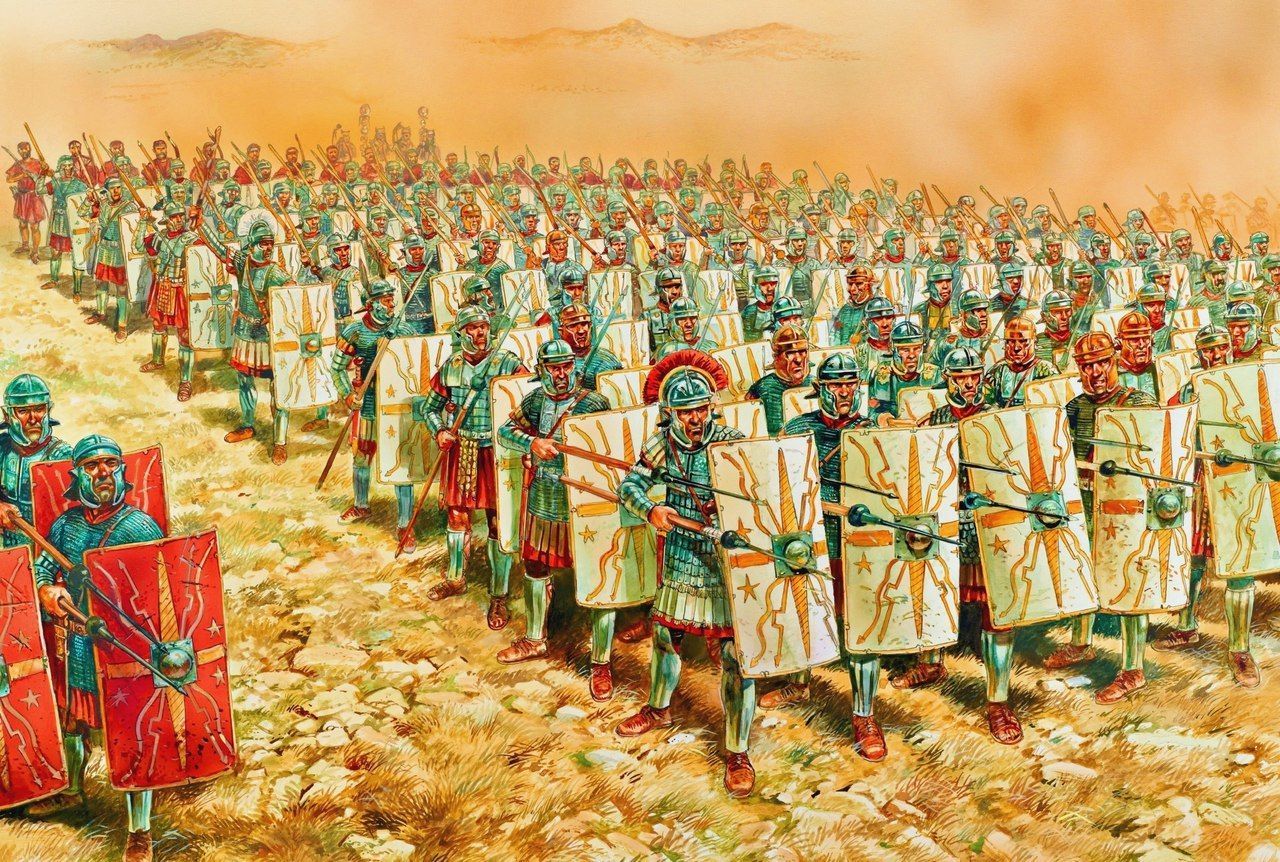
A Roman legion was the core military unit of the Ancient Roman army, and it was one of the most powerful and efficient fighting forces in history. A legion was not just a group of soldiers—it was a fully organized military system with its own command structure, engineering units, support staff, weapons, training system, and logistics network. This made it capable of operating independently for long periods, even in hostile territory far from Rome.
At its core, a legion was made up of heavily trained infantry known as legionaries. These soldiers formed the backbone of Roman military power and were expected to fight in disciplined formations rather than as individual warriors. What made the legion so effective was its ability to combine strict organization, flexibility, and discipline in almost any battlefield situation.
A typical legion was structured to function like a self-contained military machine. It included not only fighting soldiers but also engineers, scouts, medics, and support personnel. This meant that a legion could build camps, construct roads, repair weapons, and conduct sieges without needing external assistance. This level of independence was rare in ancient warfare and gave Rome a massive strategic advantage.
The Roman legion was built around a strict hierarchy. At the top was the legion commander, usually a senior officer appointed by the Roman state or emperor. Below him were several layers of officers responsible for different levels of command. This clear structure ensured that orders could move quickly and efficiently from the top down to individual soldiers on the battlefield.
One of the most important features of a legion was its ability to divide into smaller units while still maintaining coordination. This allowed Roman armies to adapt quickly during battle. Whether fighting in open fields, forests, mountains, or urban environments, the legion could reorganize itself to match the conditions of the battlefield.
The strength of the legion also came from the training and discipline of its soldiers. Legionaries underwent intense physical training, weapons practice, and formation drills. They were taught to fight as part of a unit, maintaining strict formations even under pressure. This discipline made Roman legions far more reliable than many enemy forces, which often relied on individual bravery or loosely organized groups.
Another key feature was the legion’s ability to operate alongside auxiliary troops and cavalry, which provided additional flexibility. While the legionaries formed the main fighting force, auxiliaries supported them with specialized skills such as archery, scouting, and cavalry combat. This combination made the Roman army highly adaptable in different types of warfare.
A famous example of the effectiveness of Roman legions can be seen in the campaigns of Julius Caesar, who used highly trained legions during the Gallic Wars to conquer large territories in Gaul. These legions were capable of building fortifications, conducting sieges, and winning large-scale battles through discipline and coordination.
The legion was also a highly mobile unit. Roman soldiers carried their own equipment and could march long distances quickly. This allowed Roman armies to respond rapidly to threats and maintain pressure on enemies across vast regions. Mobility, combined with discipline and engineering skill, made the legion one of the most feared military forces of the ancient world.
In essence, a Roman legion worked as a complete military ecosystem. It combined soldiers, engineers, officers, and support units into one highly organized structure capable of fighting, building, marching, and surviving in almost any environment. This level of organization is one of the main reasons Rome was able to expand and maintain control over such a vast empire for centuries.
Main Ideas
- A Roman legion was a fully organized military system, not just soldiers.
- Legionaries were heavily trained infantry forming the core of the army.
- Legions included engineers, scouts, and support personnel.
- The command structure ensured fast and efficient communication.
- Legions could operate independently for long periods.
- Discipline and training made Roman soldiers highly effective.
- Auxiliaries and cavalry supported the main legion forces.
- Legions were highly mobile and capable of long marches.
- Julius Caesar used legions effectively during the Gallic Wars.
- The legion was a key reason for Roman military dominance.
2. The Size and Strength of a Typical Roman Legion
A Roman legion was not a fixed-size unit throughout all periods of Roman history, but during the height of the Roman Empire, it generally consisted of around 4,800 to 5,500 infantry soldiers, supported by additional non-combat personnel and sometimes attached cavalry units. This combination created a force that was large enough to dominate most battlefield situations but still small enough to remain flexible and well-controlled.
The core strength of a legion came from its heavy infantry, known as legionaries. These soldiers were highly trained professional warriors who formed the backbone of Roman military power. Unlike many ancient armies that relied on temporary militias or tribal warriors, Roman legionaries served long-term, often for 20 years or more. This long service created highly experienced soldiers who were skilled in both combat and discipline.
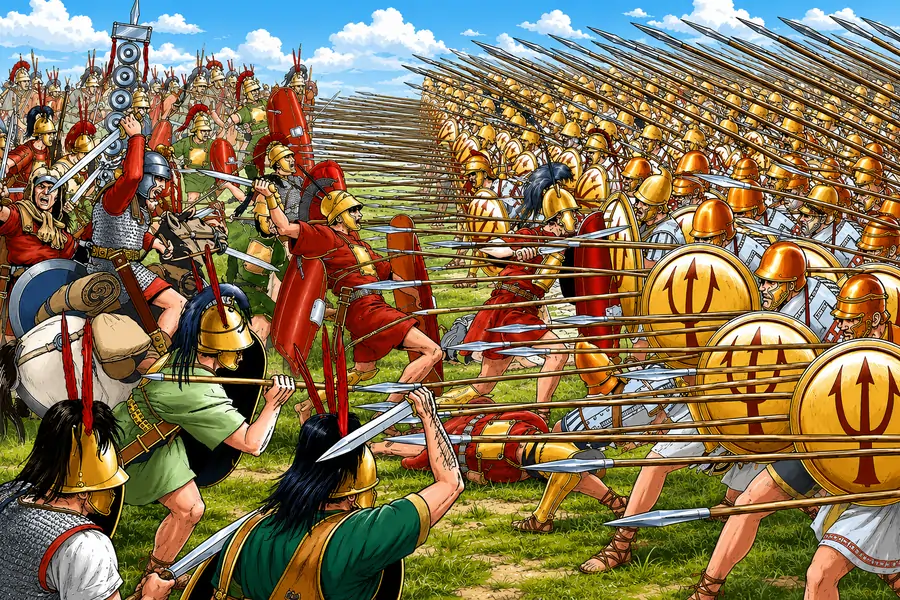
A typical legion was divided into smaller tactical units, which allowed it to maintain strength while also being highly flexible. This structure meant that a legion could fight as a single massive formation or split into smaller groups depending on battlefield conditions. This adaptability was one of the main reasons Roman armies were so effective against different types of enemies.
Even though the official number of legionaries was around 5,000, the true strength of a legion was often higher when including support staff, engineers, medics, supply workers, and occasionally attached auxiliary troops. When auxiliaries were included, a Roman field army could easily reach 10,000–12,000 or more soldiers, depending on the campaign.
These additional forces played a crucial role in increasing the operational strength of a legion. Auxiliary troops often provided specialized skills such as archery, cavalry combat, scouting, and reconnaissance. While legionaries were primarily heavy infantry, auxiliaries gave the Roman army the ability to fight in a wide variety of environments and situations.
The strength of a legion was not just measured in numbers, but also in discipline, training, and organization. Roman soldiers were trained to move, fight, and respond as a coordinated unit. This meant that even when facing larger enemy forces, a Roman legion could often win through superior tactics and structure.
One of the best historical examples of legion strength can be seen in the campaigns of Julius Caesar during the Gallic Wars. Caesar often commanded multiple legions working together, allowing him to control large regions of Gaul. Even when outnumbered, his legions were able to defeat tribal coalitions through discipline and coordinated attacks.
Another important factor in legion strength was endurance. Roman soldiers were trained to march long distances while carrying heavy equipment, build fortified camps, and fight after exhausting travel. This physical resilience allowed legions to operate effectively even in difficult terrain and harsh weather conditions.
The psychological strength of a legion was also significant. The sight of a fully organized Roman formation advancing in disciplined lines often intimidated enemy forces. Many opponents, especially tribal or less organized armies, were not accustomed to fighting such structured and coordinated units.
Over time, the size and structure of legions changed slightly depending on the needs of the empire. Some emperors increased or reduced legion size for administrative or strategic reasons. However, the core idea remained the same: a legion was a powerful, self-sufficient military unit built on discipline, training, and organization.
In conclusion, the size of a Roman legion was carefully balanced to combine strength, flexibility, and control. It was large enough to dominate battles but structured enough to remain efficient in complex military operations. This balance made the Roman legion one of the most effective military formations in ancient history.
Main Ideas
- A Roman legion typically had around 4,800–5,500 soldiers.
- Legionaries were highly trained professional infantry.
- Auxiliaries increased total army strength and provided specialized skills.
- Legions could operate independently in large military campaigns.
- Discipline and training were more important than raw numbers.
- Caesar used multiple legions effectively during the Gallic Wars.
- Legions were capable of long marches and heavy endurance operations.
- Enemy forces were often intimidated by Roman formations.
- Legion size varied slightly across different periods.
- Overall strength came from organization, not just numbers.
3. The Legionary Soldier: Training, Equipment, and Role
The legionary soldier was the foundation of the entire Roman legion, and everything about Roman military success depended on the quality, discipline, and endurance of these men. A legionary was not a temporary fighter or a citizen militia member; he was a professional soldier, trained to fight, march, build, and survive in almost any environment. This level of professionalism made Roman armies far more reliable than most ancient forces.
To become a legionary, recruits had to pass strict selection standards. They needed to be physically strong, Roman citizens (in most periods), and capable of enduring intense military discipline. Once accepted, they entered a long training process designed to transform them into highly efficient soldiers. Training included marching long distances with heavy equipment, weapons practice, formation drills, and survival skills.
One of the most important aspects of legionary training was discipline in formation combat. Legionaries were taught to fight as part of a unit rather than as individuals. They practiced maintaining lines, responding to commands instantly, and holding positions under pressure. This discipline allowed Roman legions to remain organized even in chaotic battles.
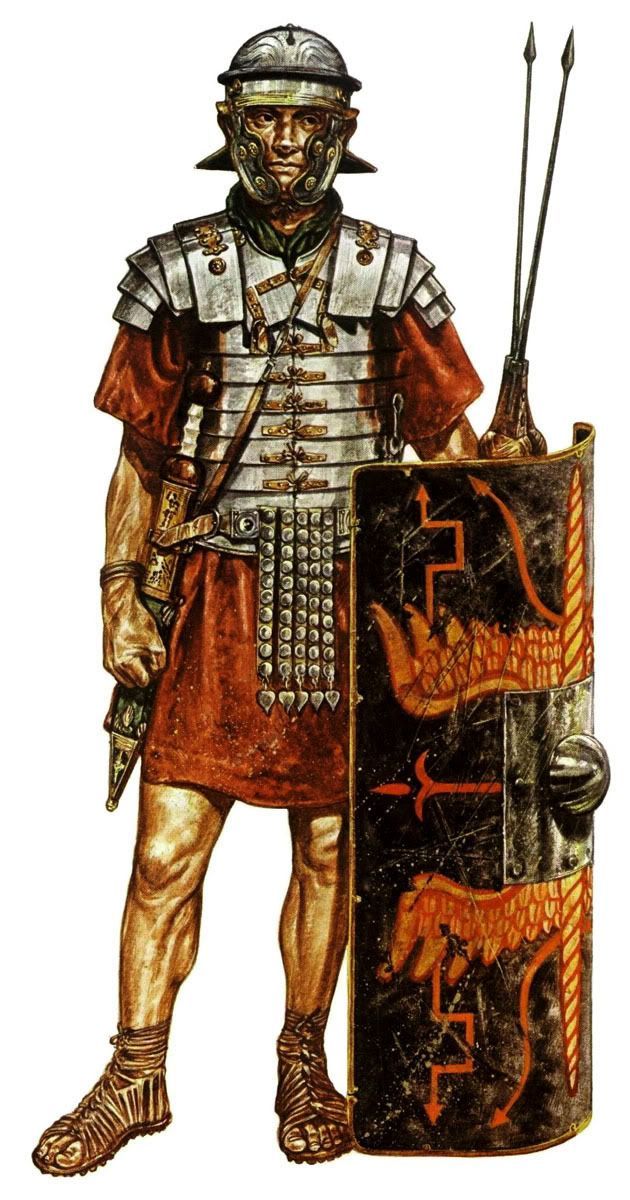
A typical legionary carried a carefully designed set of equipment. His primary weapon was the gladius, a short stabbing sword ideal for close combat. He also carried the pilum, a heavy javelin designed to be thrown at enemies before engaging in hand-to-hand combat. The pilum was engineered to bend upon impact, preventing enemies from throwing it back.
For protection, legionaries wore armor such as the lorica segmentata (segmented plate armor in later periods) or chainmail in earlier times. They also used helmets and large rectangular shields called scuta, which provided excellent protection in formation. These shields were designed to work together, allowing soldiers to create defensive walls during battle.
The role of a legionary extended beyond fighting. Roman soldiers were also engineers and laborers. They built roads, bridges, forts, and siege equipment during campaigns. This dual role made Roman legions highly efficient and self-sufficient. They could construct their own camps and fortifications without relying on civilians.
Legionaries were also expected to march long distances carrying heavy loads, sometimes over 30 kilograms of equipment. This included weapons, armor, tools, food, and camping supplies. Their endurance allowed Roman armies to move quickly and maintain pressure on enemies.
A famous example of legionary effectiveness can be seen in the campaigns of Julius Caesar, especially during the Gallic Wars, where disciplined legionaries were able to defeat larger tribal forces through coordination and training.
In addition to combat and engineering, legionaries followed strict military routines. They trained daily, maintained equipment, and followed rigid discipline enforced by centurions. Punishments for disobedience were severe, which ensured order within the ranks.
Ultimately, the legionary soldier represented the perfect combination of strength, discipline, skill, and endurance. Their training and equipment allowed them to dominate ancient battlefields and form the backbone of Roman military power.
Main Ideas
- Legionaries were professional, highly trained Roman soldiers.
- They trained in weapons, marching, and formation combat.
- Primary weapons were the gladius and pilum.
- Armor and shields provided strong protection in battle.
- Legionaries also served as engineers and builders.
- They carried heavy loads on long marches.
- Discipline and formation fighting were essential.
- Caesar’s legions showed their effectiveness in Gaul.
- Strict rules maintained order and obedience.
- Legionaries were the core strength of the Roman army.
4. The Century System: How Roman Units Were Organized
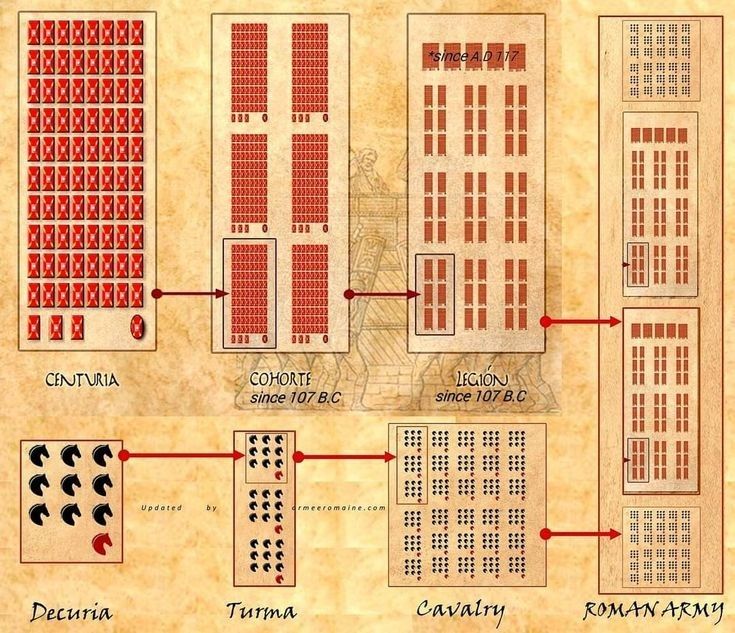
The century system was one of the most important building blocks of the Roman legion, and it is a major reason why Roman armies were so disciplined, flexible, and effective in battle. Despite the name, a Roman century did not always contain exactly 100 soldiers. Instead, it was a tactical military unit that usually consisted of around 80 legionaries, led by a professional officer called a centurion.
The entire legion was divided into many centuries, and these centuries were grouped together to form larger units. This layered structure allowed the Roman army to operate with both precision and flexibility, making it possible to control thousands of soldiers with remarkable efficiency.
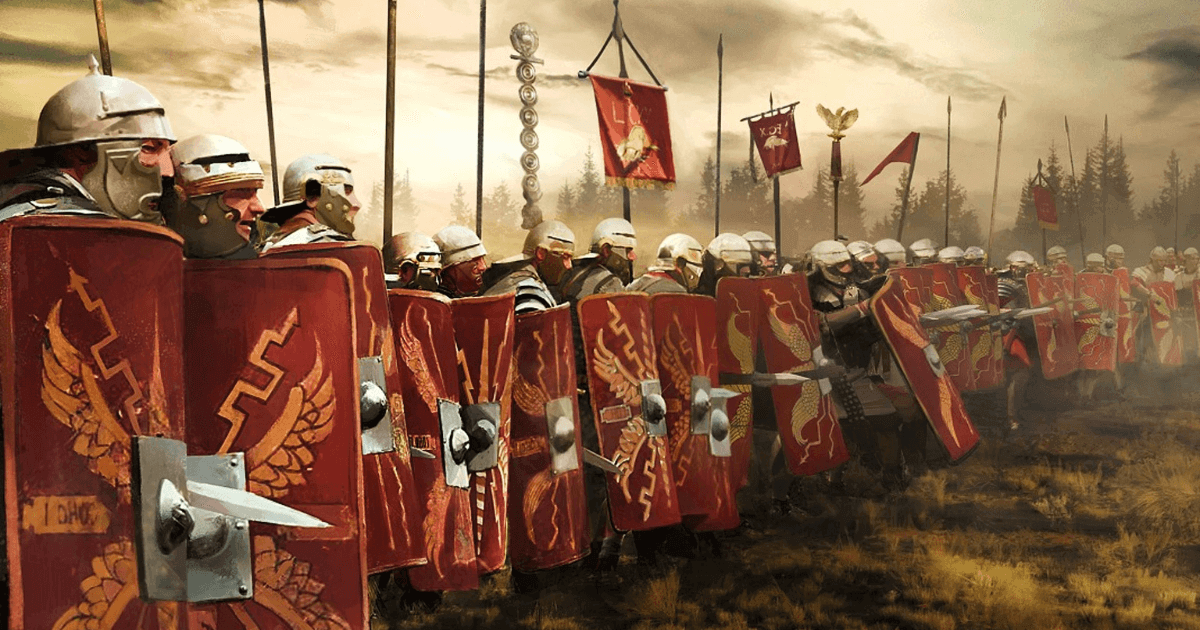
At the smallest level, the century was the key fighting unit. Soldiers trained, marched, ate, and fought together as a single group. This created strong bonds between soldiers, improving discipline and coordination on the battlefield. Because they always operated with the same men, each century functioned almost like a “military family,” where every soldier knew his role and the expectations placed upon him.
Two centuries were often paired together under a shared structure, which allowed for more coordinated battlefield movements. These paired units formed part of larger groups called cohorts, which were the main tactical divisions of a legion. This system allowed Roman commanders to scale their forces easily depending on the situation.
The strength of the century system came from its simplicity and clarity of command. Every soldier knew exactly who his centurion was, and orders flowed directly from the top down through clearly defined ranks. This reduced confusion during battle and allowed Roman units to respond quickly to changing conditions.
Centurions played a crucial role in maintaining discipline and effectiveness within the century. They were experienced soldiers who had earned their position through skill, leadership, and bravery. A centurion was responsible for training his men, enforcing discipline, and leading them directly in combat. His presence on the battlefield was vital for keeping order, especially during intense fighting.
The century system also allowed Roman armies to be extremely flexible in formation combat. Units could advance, retreat, rotate, or reposition without breaking overall structure. This adaptability was especially important in complex battles where conditions changed rapidly.
A good example of the effectiveness of this system can be seen in the campaigns of Julius Caesar, particularly during the Gallic Wars. Caesar’s legions often faced larger enemy forces, but the organization of centuries allowed his troops to hold formations, respond to ambushes, and execute complex battlefield maneuvers with precision.
The century system also played a key role in maintaining discipline outside of battle. Soldiers lived together in camps, worked together on construction projects, and trained together daily. This constant cooperation strengthened unity and ensured that units could function effectively under pressure.
Another important aspect of the century system was its role in communication. Orders from higher command passed through centurions to individual centuries, ensuring that instructions were executed quickly and accurately. This chain of command reduced delays and helped Roman armies maintain control even in chaotic situations.
Over time, the century system remained a stable foundation of Roman military organization, even as other aspects of the army evolved. Whether during the Roman Republic or the Roman Empire, centuries continued to serve as the essential building blocks of legion structure.
Ultimately, the century system was successful because it combined clear leadership, strong unit cohesion, and flexible organization. It allowed Rome to manage massive armies efficiently and gave its soldiers the structure needed to perform at a consistently high level in battle.
Main Ideas
- A century was a basic Roman military unit of about 80 soldiers.
- Centuries were grouped into larger units called cohorts.
- Centurions led each century and enforced discipline.
- Soldiers trained, lived, and fought together as one unit.
- The system created strong unit cohesion and trust.
- Orders moved clearly through a structured chain of command.
- The system allowed flexible battlefield movement.
- Julius Caesar used this organization effectively in Gaul.
- Centuries improved communication and reduced confusion in battle.
- The century system was a core strength of Roman military power.
5. The Role of Centurions in Leading the Legion
The centurion was one of the most important figures in the entire Roman legion, acting as the backbone of discipline, leadership, and battlefield control. Without centurions, the Roman military machine would not have functioned effectively, because they were the officers who turned commands from generals into real action on the ground. In many ways, centurions were the true enforcers of Roman military power.
A centurion commanded a century, which was a unit of roughly 80 soldiers. While this may sound small compared to the entire legion, the importance of the centurion came from the fact that Roman armies were built from many centuries working together. Each centurion controlled his unit directly, meaning that thousands of soldiers across the legion were all guided by experienced frontline leaders.
Centurions were not aristocrats or political appointees in most cases. Instead, they were often experienced soldiers who rose through the ranks due to skill, discipline, and bravery. This made them highly respected by their men, because they had personally lived through the same hardships as the soldiers they commanded. Their authority came not just from rank, but from proven ability in battle.
One of the most important duties of a centurion was maintaining strict discipline. Roman armies were famous for their order and control, and this was enforced at the level of the century. Centurions ensured that soldiers followed orders, kept formation, and performed their duties correctly. Punishments could be severe for disobedience, and centurions were responsible for enforcing military law on the spot.
Centurions were also frontline fighters. Unlike many officers in later military systems, Roman centurions fought directly alongside their men. They led charges, held defensive lines, and stood in the most dangerous parts of the battlefield. Because of this, centurions often suffered higher casualty rates than ordinary soldiers, as they were always in the thick of combat.
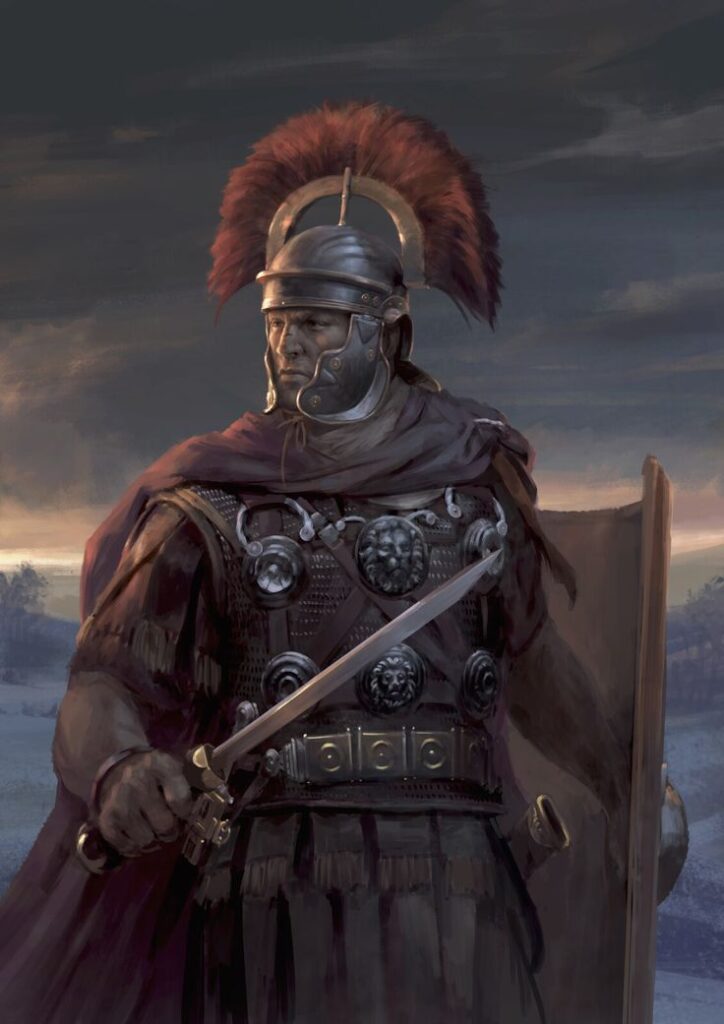
Their appearance also made them easy to identify. Centurions typically wore distinctive helmets with cross-crests or side plumes, carried a vine staff known as the vitis (used both as a symbol of authority and a disciplinary tool), and often had more decorated armor than regular soldiers. These visual markers reinforced their authority and made them recognizable during battle.
In addition to combat leadership, centurions were responsible for training their centuries. They drilled soldiers in weapons use, marching formations, and battlefield tactics. Training was constant and repetitive, ensuring that Roman soldiers could react instantly to commands without hesitation. This level of preparation helped make Roman legions extremely effective in combat.
Centurions also played a key role in logistics and camp organization. They supervised construction of Roman camps, assigned duties, and ensured that soldiers carried out necessary tasks such as building fortifications, maintaining equipment, and securing supplies. Their leadership extended far beyond the battlefield.
A strong example of the importance of centurions can be seen in the campaigns of Julius Caesar during the Gallic Wars. Caesar relied heavily on experienced centurions to execute complex battlefield maneuvers. These officers ensured that Roman formations remained stable even when facing large and aggressive tribal armies.
Centurions also served as a crucial link in the chain of command. Orders from higher-ranking officers passed through centurions before reaching individual soldiers. This system allowed Roman armies to respond quickly and efficiently to changing battlefield conditions, since centurions could interpret and enforce commands immediately.
Over time, centurions became symbols of Roman military strength and discipline. Their combination of authority, experience, and frontline leadership made them indispensable. Even emperors recognized their importance, often rewarding successful centurions with promotion, land, or wealth.
Ultimately, centurions were the foundation of Roman military effectiveness. They ensured discipline, led by example, trained soldiers, and executed orders with precision. Without them, the Roman legion would have lost the structure and control that made it one of the most powerful military forces in ancient history.
Main Ideas
- Centurions commanded centuries of about 80 soldiers.
- They were experienced soldiers promoted through merit.
- Centurions enforced strict discipline within the legion.
- They fought directly on the battlefield alongside their men.
- Their appearance made them easily identifiable in combat.
- They trained soldiers in weapons and formation tactics.
- Centurions helped build and organize Roman camps.
- They were essential links in the chain of command.
- Caesar relied heavily on centurions during the Gallic Wars.
- Centurions were key to Roman military discipline and success.
6. Cohorts, Auxiliaries, and Cavalry: Supporting the Legion
The strength of the Roman legion did not come only from its core infantry, but also from the wider system of supporting units that worked alongside it. These included cohorts, auxiliary troops, and cavalry, all of which played essential roles in making the Roman army one of the most flexible and powerful military forces in the ancient world. Without these supporting elements, even the best-trained legionaries would have been limited in how effectively they could fight across different terrains and against different enemies.
The cohort was the main tactical subdivision of a Roman legion. A legion was typically divided into ten cohorts, and each cohort contained several centuries. This structure allowed commanders to control large numbers of soldiers more easily while still maintaining flexibility on the battlefield. The first cohort was often the strongest and most experienced, serving as a shock unit during major battles. Cohorts could be deployed independently or combined depending on tactical needs, giving Roman generals a high degree of control over their forces.
While cohorts formed the internal structure of the legion, auxiliary troops provided additional strength and specialization. Auxiliaries were non-citizen soldiers recruited from across the Roman Empire. These troops were often drawn from regions with specific military traditions, meaning they brought unique skills that complemented the standard legionaries. For example, some auxiliary units specialized in archery, others in light infantry skirmishing, and others in mountain warfare or desert operations.
Auxiliaries were especially important because Roman legionaries were primarily heavy infantry. While legionaries excelled in direct, disciplined combat, they were not always suited for every type of battlefield situation. Auxiliaries filled this gap by providing flexibility. They could scout ahead, harass enemy forces, protect flanks, and operate in difficult terrain where heavy infantry struggled. This made Roman armies far more adaptable than many of their opponents.
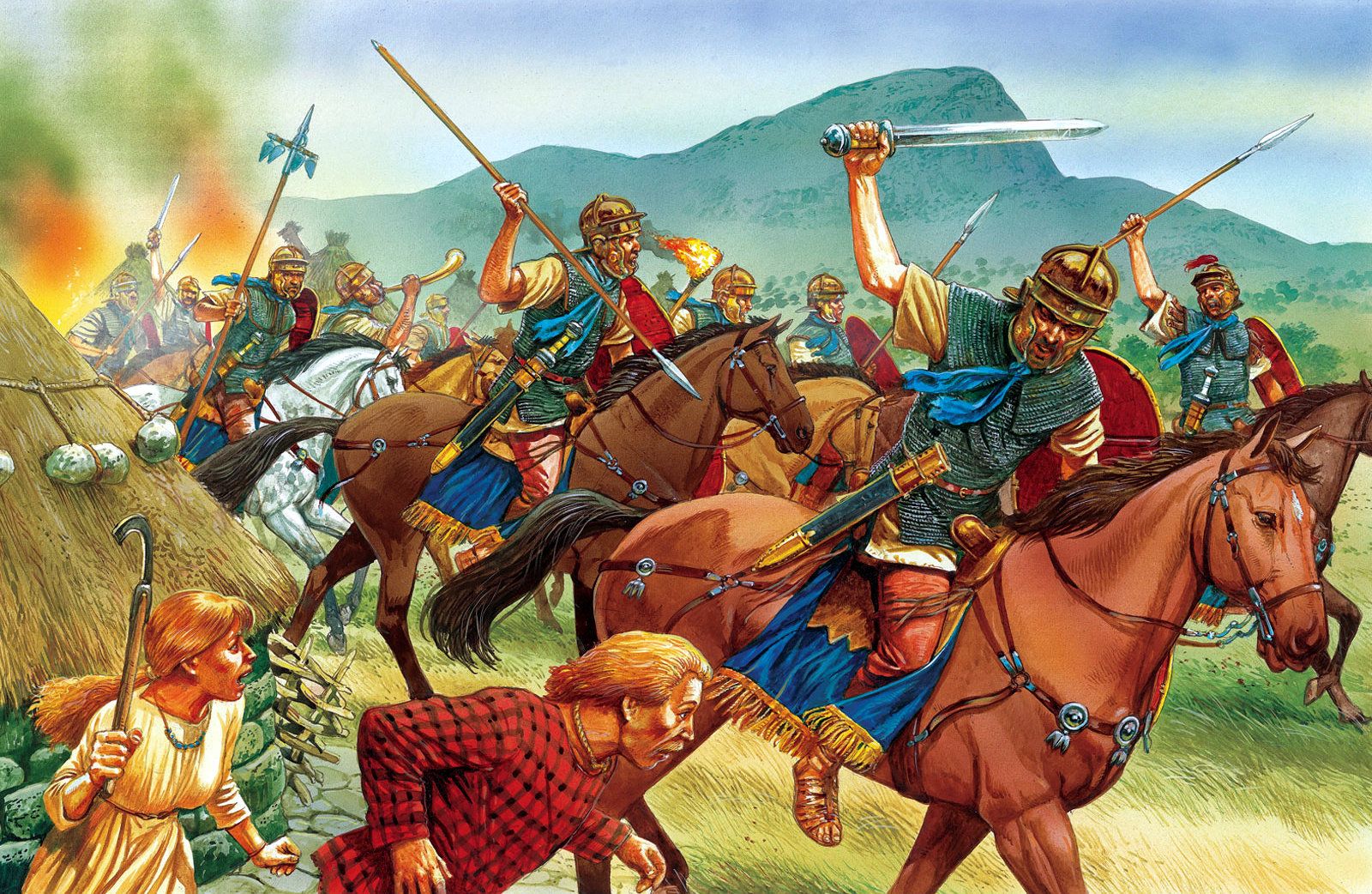
Another crucial supporting element was the Roman cavalry. Although not as large or dominant as infantry forces, cavalry units played a vital role in reconnaissance, pursuit, and battlefield mobility. Cavalry was used to chase down fleeing enemies after a battle, protect the army’s flanks during combat, and gather intelligence about enemy movements. In some cases, cavalry also delivered fast, decisive strikes against vulnerable parts of enemy formations.
The combination of cohorts, auxiliaries, and cavalry created a highly balanced military system. Roman commanders could mix and match different unit types depending on the situation. For example, in open-field battles, cavalry might be used to disrupt enemy formations, while cohorts held the center and auxiliaries secured the terrain. During sieges, auxiliaries might provide ranged support while cohorts built fortifications or assaulted walls.
A clear example of this combined strength can be seen in the campaigns of Julius Caesar during the Gallic Wars. Caesar frequently relied on auxiliary cavalry from allied tribes to scout enemy positions and pursue retreating forces. Meanwhile, his cohorts maintained strict battlefield formations, allowing Roman forces to defeat larger and more diverse enemy armies.
The integration of these units also improved Roman operational range. Because auxiliaries came from different regions, they were often better adapted to local conditions such as climate and terrain. This gave Roman armies a significant advantage when campaigning in unfamiliar territories.
Ultimately, the supporting structure of cohorts, auxiliaries, and cavalry made the Roman legion far more than just an infantry force. It created a multi-layered military system capable of adapting to almost any battlefield situation, from open warfare to sieges and guerrilla-style combat.
Main Ideas
- Cohorts were the main internal subdivisions of a Roman legion.
- The first cohort was often the strongest and most experienced.
- Auxiliary troops provided specialized skills like archery and skirmishing.
- Auxiliaries were recruited from across the Roman Empire.
- Roman cavalry handled scouting, pursuit, and battlefield mobility.
- These units made the Roman army highly flexible and adaptable.
- Different units worked together depending on battlefield needs.
- Caesar used auxiliaries effectively during the Gallic Wars.
- Supporting forces compensated for legionary limitations.
- The combined system made Roman armies extremely effective.
7. Command, Discipline, and Why the Roman Legion Was So Effective
The ultimate strength of the Roman legion came from its unmatched system of command, discipline, and organization, which allowed it to function as a single coordinated machine rather than a loose collection of soldiers. While many ancient armies relied heavily on individual bravery or the charisma of a single leader, Roman military power was built on structure, routine, and strict obedience at every level of the chain of command.
At the top of a legion’s structure stood the legion commander, responsible for overall strategy, planning, and coordination during campaigns. However, what made the Roman system especially effective was that no single leader had to control everything directly. Instead, authority was distributed through a carefully designed hierarchy that allowed orders to flow smoothly and quickly from the top to the battlefield.
Below the commander were senior officers and, most importantly, the centurions, who acted as the primary link between leadership and ordinary soldiers. These officers ensured that strategic decisions were translated into precise actions on the ground. Because of this layered system, Roman armies could react quickly to changing battlefield conditions without collapsing into confusion.
The foundation of Roman military success was discipline. Roman soldiers were trained to obey orders instantly and without hesitation, even under extreme pressure. This discipline was not optional—it was enforced constantly through training, repetition, and strict military law. Soldiers learned that survival in battle depended on maintaining formation and following commands exactly as given.
Punishments for disobedience were severe, which reinforced order within the ranks. Centurions played a key role in maintaining this discipline, ensuring that every soldier performed his duties correctly during training, marching, and combat. This created an army where reliability was more important than individual heroism.
Another important factor was standardization. Roman legions used consistent training methods, equipment, camp layouts, and battle formations across all units. This meant that any legion could operate alongside another without confusion, even if they came from different regions of the empire. The consistency of organization allowed Rome to deploy large armies across vast distances while maintaining control and efficiency.
Roman discipline extended beyond battle itself. Soldiers were constantly engaged in structured activity, including marching drills, weapon training, camp construction, and engineering work. This continuous routine ensured that the army remained physically fit, mentally prepared, and ready for combat at any time.
A strong example of the effectiveness of this system can be seen in the Dacian Wars under Emperor Trajan. Roman legions operating in unfamiliar mountainous terrain were able to maintain discipline and coordination while facing a highly determined enemy in fortified positions. Despite difficult conditions, Roman organization and engineering capability allowed them to construct roads, fortifications, and siege works while maintaining battlefield effectiveness. This demonstrated how Roman discipline could adapt even to challenging environments far from traditional battlefields.
Communication was another essential element. Signals, messengers, and standardized commands ensured that instructions could be transmitted quickly across the battlefield. This allowed Roman commanders to coordinate large-scale maneuvers with precision, even in the chaos of combat.
Ultimately, the Roman legion was effective because it combined strict discipline, a clear command structure, standardized systems, and constant training into one unified military machine. Every soldier understood his role, every officer understood his responsibility, and every unit operated as part of a larger coordinated system. This structure allowed Rome to maintain military dominance across centuries and across very different enemies and terrains.
Main Ideas
- Roman success came from discipline and organization, not just strength.
- A clear chain of command ensured efficient execution of orders.
- Centurions maintained discipline at the unit level.
- Standardization allowed different legions to work together smoothly.
- Constant training kept soldiers ready at all times.
- Punishments reinforced obedience and order.
- The Dacian Wars show Roman discipline in difficult terrain.
- Communication systems improved battlefield coordination.
- Roman armies functioned as a unified military machine.
- Structure and discipline were key to Roman military dominance.