The Spartacus Revolt was one of the most famous slave rebellions in the history of Ancient Rome. Beginning in 73 BC, what started as an escape by a small group of gladiators from a training school in Capua quickly developed into a major conflict involving thousands of escaped slaves, gladiators, and other followers. At the center of the rebellion was Spartacus, a gladiator whose leadership transformed a desperate escape into a serious challenge to Roman authority.
The rebellion took place during a period when Roman society depended heavily on slavery. Enslaved people worked on farms, in households, mines, workshops, and many other parts of Roman life. Gladiators faced an especially dangerous existence, being trained to fight for public entertainment. Spartacus and his fellow gladiators decided to risk everything by escaping, taking weapons from their training school and fleeing into the countryside.
As the rebellion grew, the Roman authorities struggled to contain it. Spartacus and his followers defeated several Roman forces and attracted thousands of people to their growing army. What had begun as a small escape soon became a major military crisis for the Roman Republic.
The conflict became known as the Third Servile War and lasted for roughly three years. The rebels moved across southern Italy while Rome sent increasingly powerful forces to destroy them. Eventually, the Roman general Marcus Licinius Crassus took command of the campaign and organized a determined effort to defeat Spartacus and his followers.
The story of Spartacus is more than simply the story of a gladiator who escaped. The rebellion reveals important aspects of Roman slavery, gladiatorial life, Roman military power, social inequality, and the strength of the Roman Republic. It also shows how quickly a small uprising could become a major threat when Roman forces underestimated their opponents.
To understand how the rebellion became such a serious challenge to Rome, we first need to look at how Spartacus and the gladiators escaped from their training school in Capua.
I. How Spartacus and the Gladiators Escaped from the Gladiator School
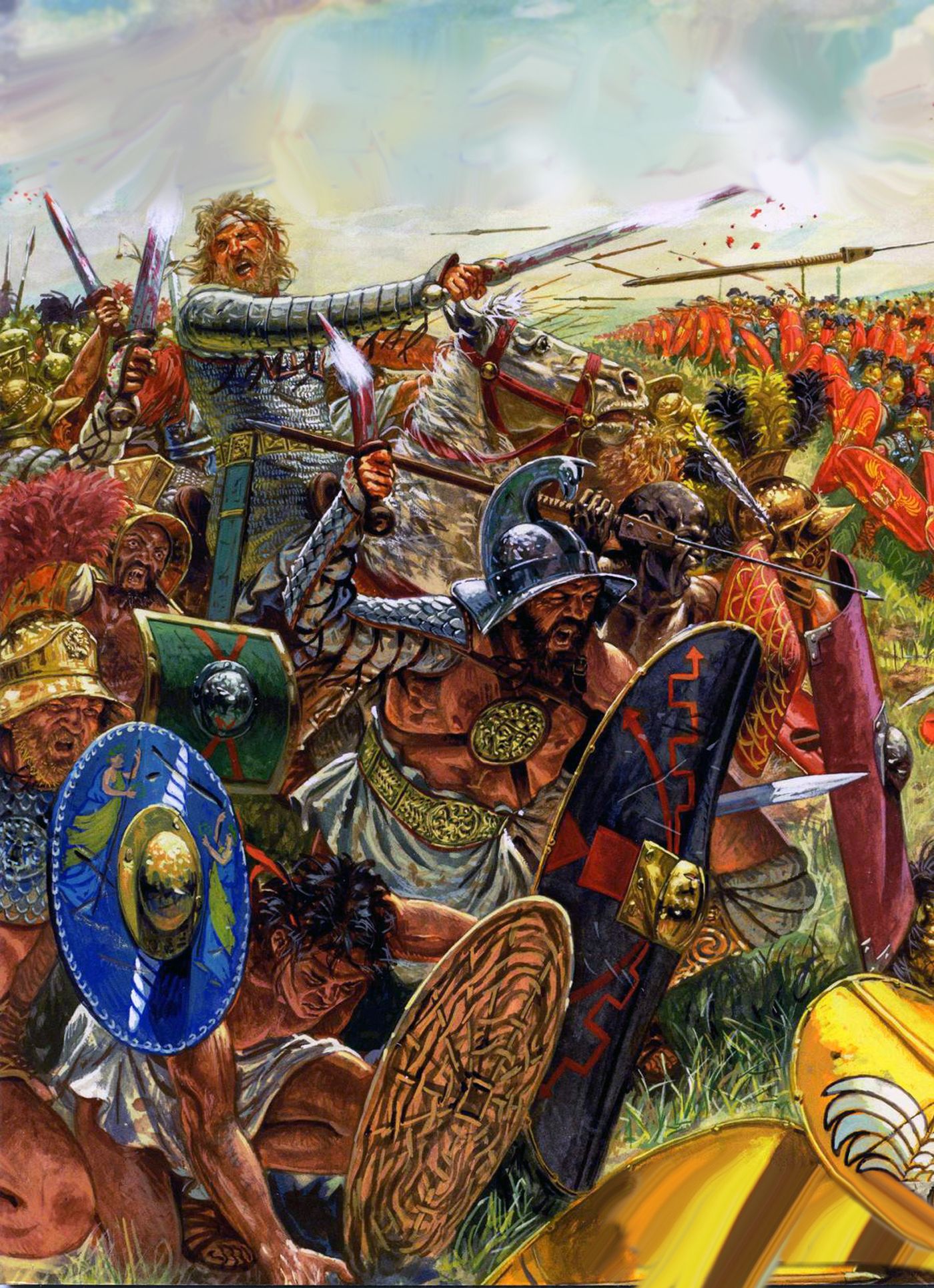
The Spartacus Revolt began in 73 BC when Spartacus and a group of gladiators escaped from a gladiatorial training school in Capua, a city in southern Italy. At the time, gladiators were enslaved or otherwise legally constrained people who were trained to fight in public spectacles. Their lives were controlled by the owners and trainers who managed the gladiatorial schools, known as ludi. Spartacus and his companions decided that they would no longer accept this life and planned a dangerous escape.
According to the ancient historian Plutarch, around 70 gladiators were involved in the initial escape. Other ancient accounts give somewhat different numbers, but the important point is that the rebellion began with a relatively small group of gladiators rather than a huge army. The men reportedly discovered the plan before it could be stopped and managed to escape from the training school. They armed themselves with improvised weapons, including kitchen utensils, before obtaining more suitable weapons during their flight.
After escaping Capua, the gladiators made their way toward Mount Vesuvius. This was an important decision because the mountain provided a defensible location where the group could organize itself. The rebels were no longer simply trying to escape; they were beginning to form a fighting force.
The group also attracted more followers. Other enslaved people and workers joined Spartacus and the escaped gladiators, increasing the size of the rebellion. The rebels captured weapons and supplies where they could, gradually transforming themselves from a group of fugitives into an organized armed force.
Spartacus appears to have played an important leadership role, although the ancient sources do not provide enough information to know exactly how the rebel army was organized during its earliest days. Two other important leaders, Crixus and Oenomaus, are also associated with the rebellion. The presence of several commanders suggests that the uprising was not simply controlled by one person from the beginning.
The Roman authorities initially did not treat the rebellion as a major war. They expected that a relatively small group of escaped slaves and gladiators could be defeated without sending Rome’s most powerful armies. This assumption would prove to be a serious mistake. The rebels soon demonstrated that they were capable of fighting Roman forces successfully, and their numbers continued to increase.
What began as an escape from a gladiator school had therefore become the beginning of a much larger conflict. Spartacus and his followers had escaped their immediate captors, but they were now facing the military power of the Roman Republic. Their next challenge would be surviving the Roman forces sent to capture them.
Main Ideas
- Spartacus Revolt began in 73 BC with an escape from a gladiator school in Capua.
- Around 70 gladiators were involved in the initial escape according to Plutarch.
- The escaped gladiators obtained weapons and established themselves near Mount Vesuvius.
- More enslaved people and followers joined the growing rebellion.
- Rome initially underestimated the uprising, allowing it to develop into a much larger military conflict.
II. How Spartacus Built a Rebel Army and Defeated the First Roman Forces
After escaping from the gladiator school at Capua, Spartacus and his followers moved toward Mount Vesuvius, where they established a position that was difficult for the Romans to approach. At first, the Roman authorities did not consider the rebellion a serious military threat. They were dealing with a relatively small group of escaped gladiators and enslaved people, so Rome initially relied on smaller forces rather than sending a large professional army.
The Romans eventually placed a force under the command of Gaius Claudius Glaber to deal with the rebels. Glaber’s troops surrounded the area around Vesuvius and attempted to prevent Spartacus and his followers from escaping. The Romans believed that the rebels could be trapped and forced to surrender because they had limited access to supplies and escape routes.
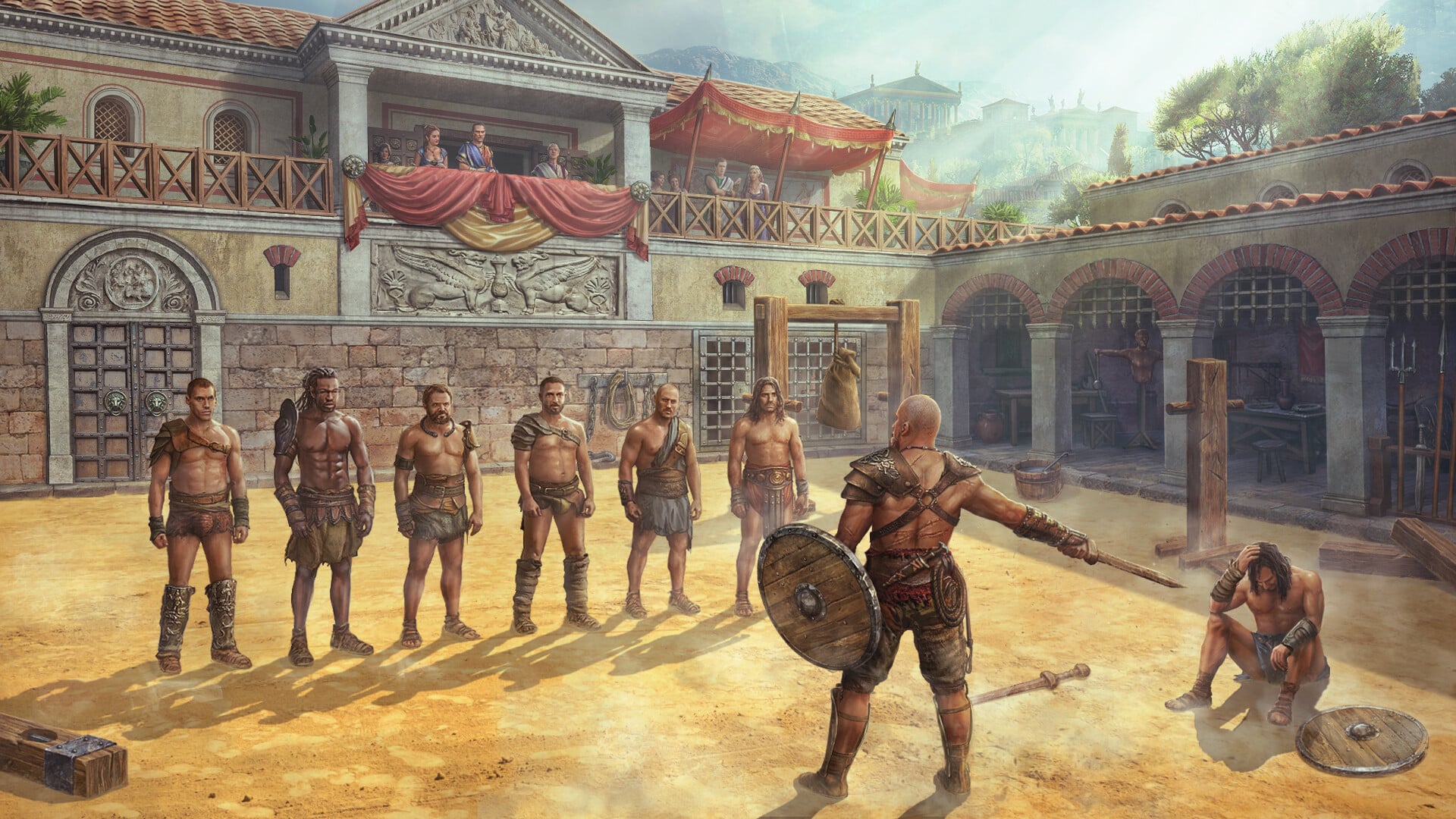
Spartacus, however, found a way around the Roman position. According to ancient accounts, his followers used vines and improvised ropes to descend from the steep side of the mountain. They then attacked the Roman force from an unexpected direction. The rebels defeated Glaber’s troops and captured equipment and weapons.
This victory was extremely important because it gave Spartacus’s growing army confidence, weapons, and supplies. It also demonstrated that the Romans could be defeated by the rebels. More people joined Spartacus, increasing the size of the force and turning the uprising into a much more serious problem for the Roman authorities.
Another Roman force was later sent against the rebels under Publius Varinius. Spartacus and his followers again managed to defeat Roman forces during the campaign. These early victories helped establish Spartacus as a capable military leader and gave the rebellion momentum.
The rebel army was not made up entirely of trained gladiators. Gladiators provided valuable fighting experience, but the growing force included many escaped enslaved people and other followers. As its numbers increased, the army also had to deal with the difficult task of obtaining food, weapons, clothing, and other supplies.
The rebellion also developed different groups and commanders. Crixus, one of Spartacus’s most important associates, commanded a significant portion of the rebels. The ancient sources suggest that disagreements existed among the rebel leaders about what they should ultimately do. Some wanted to leave Italy, while others appear to have preferred continuing the war and gaining wealth or revenge.
For Rome, the early defeats were a warning that the uprising could no longer be treated as a simple disturbance. Spartacus had escaped from slavery, defeated Roman troops, gathered a growing army, and acquired military equipment. The Third Servile War was beginning to become a major challenge for the Roman Republic.
Main Ideas
- Spartacus established his followers around Mount Vesuvius after escaping Capua.
- Roman commanders initially underestimated the strength of the rebellion.
- Spartacus defeated forces commanded by Gaius Claudius Glaber.
- Further victories against Roman forces helped the rebels gain weapons, supplies, and new followers.
- The growing rebel army developed several leaders, including Spartacus and Crixus.
III. How the Spartacus Revolt Grew Into a Major War Against Rome
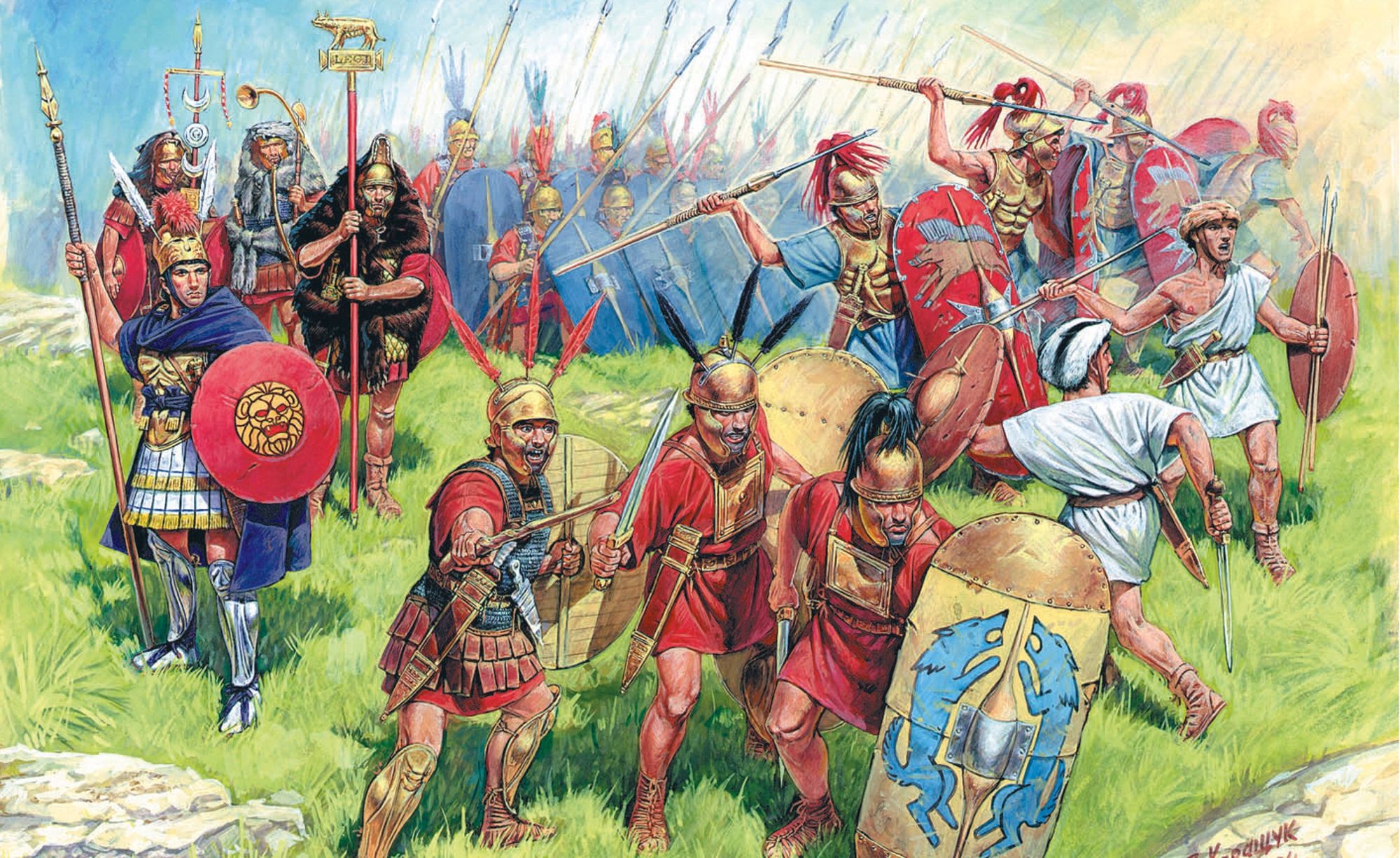
After the early victories around Mount Vesuvius, the Spartacus Revolt became much larger and more dangerous for the Roman Republic. What had started as an escape involving a small group of gladiators was now attracting thousands of people. As the rebel army moved through southern Italy, many enslaved people joined its ranks, hoping to escape Roman control and gain freedom.
The growth of the rebel army created both opportunities and challenges. Spartacus needed to provide his followers with food, weapons, clothing, and other supplies, while also keeping the increasingly large force organized. The rebels obtained supplies through movement across the countryside, capturing equipment from defeated Roman forces, and gathering resources from areas they passed through.
The Roman response also became more serious. Rome sent additional military forces to deal with the uprising, but the Roman commanders faced an unusual enemy. Spartacus’s followers were not a conventional Roman army with a permanent base, standardized equipment, or a traditional chain of command. They were a large and mobile rebel force that could move quickly through Italy.
The rebellion continued to grow during 72 BC. Ancient sources describe the rebel army as becoming extremely large, although the exact numbers are uncertain and ancient writers sometimes provide figures that historians cannot verify. It is clear, however, that the rebellion had become far larger than the original group that escaped from Capua.
Spartacus also emerged as the most prominent leader of the movement. He was not the only important commander. Crixus, another former gladiator, commanded a large group of rebels, while other leaders also appear in the ancient accounts. The different groups within the rebel army did not always have identical goals.
One of the biggest questions facing the rebels was what to do next. Spartacus appears to have wanted to move his followers away from Italy, potentially allowing them to return to their homelands or escape Roman territory altogether. Other members of the rebellion seem to have preferred remaining in Italy, where they could continue fighting Roman forces and take advantage of the wealth available there.
This difference became increasingly important. The rebel army had already demonstrated that it could defeat Roman forces, but defeating individual Roman armies was very different from permanently defeating the Roman Republic. Rome had enormous resources, manpower, and wealth available to it. Even after suffering defeats, the Romans could continue raising and equipping new armies.
The rebellion therefore entered a new phase. Rome could no longer treat Spartacus and his followers as a small group of escaped slaves. They had become a major military threat inside Italy itself. Roman leaders now had to find commanders capable of defeating the growing rebel army before it could escape Italy or become even more powerful.
The events that followed would make the Spartacus Revolt one of the largest and most serious slave rebellions Rome had faced. The struggle was no longer simply about a group of gladiators trying to escape captivity. It had become a large-scale war between a growing rebel army and one of the most powerful states in the ancient Mediterranean.
Main Ideas
- The Spartacus Revolt grew rapidly after the rebels defeated the first Roman forces.
- Thousands of enslaved people and other followers joined the rebellion.
- Spartacus had to organize a large army and obtain food, weapons, and supplies.
- Spartacus and Crixus became important leaders within the growing rebel force.
- The Romans increasingly recognized the uprising as a major military threat to the Roman Republic.
IV. How Spartacus Defeated Roman Armies and Expanded His Rebellion
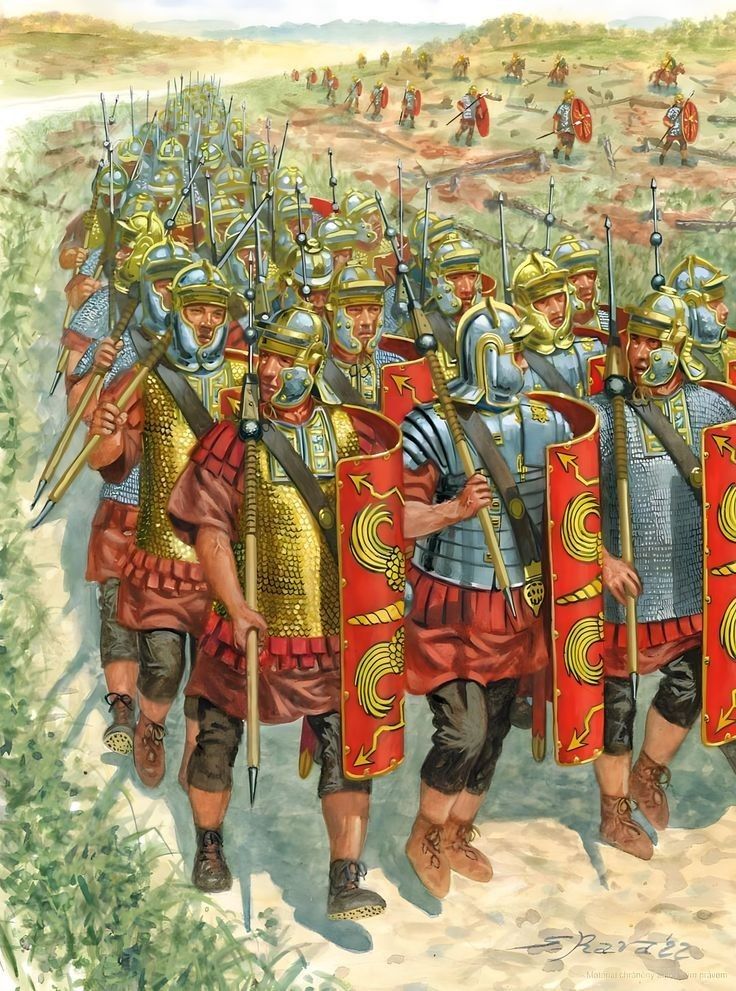
By 72 BC, the Spartacus Revolt had become a major military crisis for the Roman Republic. The rebel army had grown dramatically since the escape from Capua, and Spartacus had demonstrated that his followers could defeat Roman forces in open conflict. Rome now had to respond with much larger armies, but the early stages of the campaign showed that defeating the rebels would not be easy.
The Roman Senate eventually gave command of the campaign to the experienced politician and general Lucius Gellius Publicola, while another Roman commander, Gnaeus Cornelius Lentulus Clodianus, also operated against the rebels. These forces represented a much more serious Roman response than the small units sent against Spartacus at the beginning of the revolt.
During this period, the rebel army also became divided. Crixus, one of Spartacus’s leading commanders, separated from the main force with a large group of followers. The reasons for the split are uncertain, although ancient sources suggest that different groups within the rebellion had different ideas about what they wanted to accomplish.
Crixus and his followers were eventually defeated by Roman forces at the Battle of Mount Garganus. Crixus was killed, and many of the rebels with him were defeated. This was a major setback for the rebellion, but it did not end the war.
Spartacus continued to lead the larger rebel force. He demonstrated his military ability by defeating Roman armies and moving his followers across Italy. One of his greatest advantages was mobility. The rebel army could move rapidly and choose where to fight, making it difficult for Roman commanders to trap it.
Spartacus also understood the importance of Roman morale. After defeating Roman forces, the rebels could acquire weapons, armor, animals, and supplies. Every Roman defeat potentially made the rebel army better equipped while weakening the confidence of the Roman troops facing them.
Ancient sources also describe Spartacus using captured Roman soldiers and prisoners in ways intended to demonstrate the seriousness of the rebellion. The details in these accounts should be treated carefully because the ancient writers were describing events from a Roman perspective and sometimes emphasized dramatic episodes.
The victories of 72 BC showed that the rebellion had developed into something much more than a temporary disturbance. Spartacus had a large force capable of defeating Roman armies and moving throughout Italy. However, the rebels still faced a fundamental problem: Rome had far greater resources.
The Roman Republic could recruit more soldiers, raise money, obtain supplies, and continue the war even after suffering defeats. Spartacus therefore needed to find a way to escape the Roman sphere of power before Rome could bring its full military strength against him.
This became one of the most important decisions of the entire rebellion. Spartacus and his followers had survived several Roman campaigns, but their continued survival depended on what they did next. The rebel army now had to decide whether to leave Italy, continue fighting, or pursue another strategy.
Main Ideas
- By 72 BC, the Spartacus Revolt had become a major war against Rome.
- Roman commanders Gellius Publicola and Lentulus led forces against the rebels.
- Crixus and his followers separated from Spartacus and were later defeated.
- Spartacus continued defeating Roman forces while using mobility and captured supplies to strengthen his army.
- Despite the rebel victories, Rome’s greater resources meant Spartacus needed a long-term strategy.
V. Why Spartacus and His Followers Tried to Escape Italy
After defeating several Roman armies, Spartacus faced a difficult decision. His rebellion had become powerful enough to challenge Roman forces in the field, but defeating the entire Roman Republic was a completely different challenge. Rome had enormous reserves of soldiers, money, weapons, and supplies. Spartacus therefore appears to have recognized that his followers needed a way to get out of Italy before Rome could eventually overwhelm them.
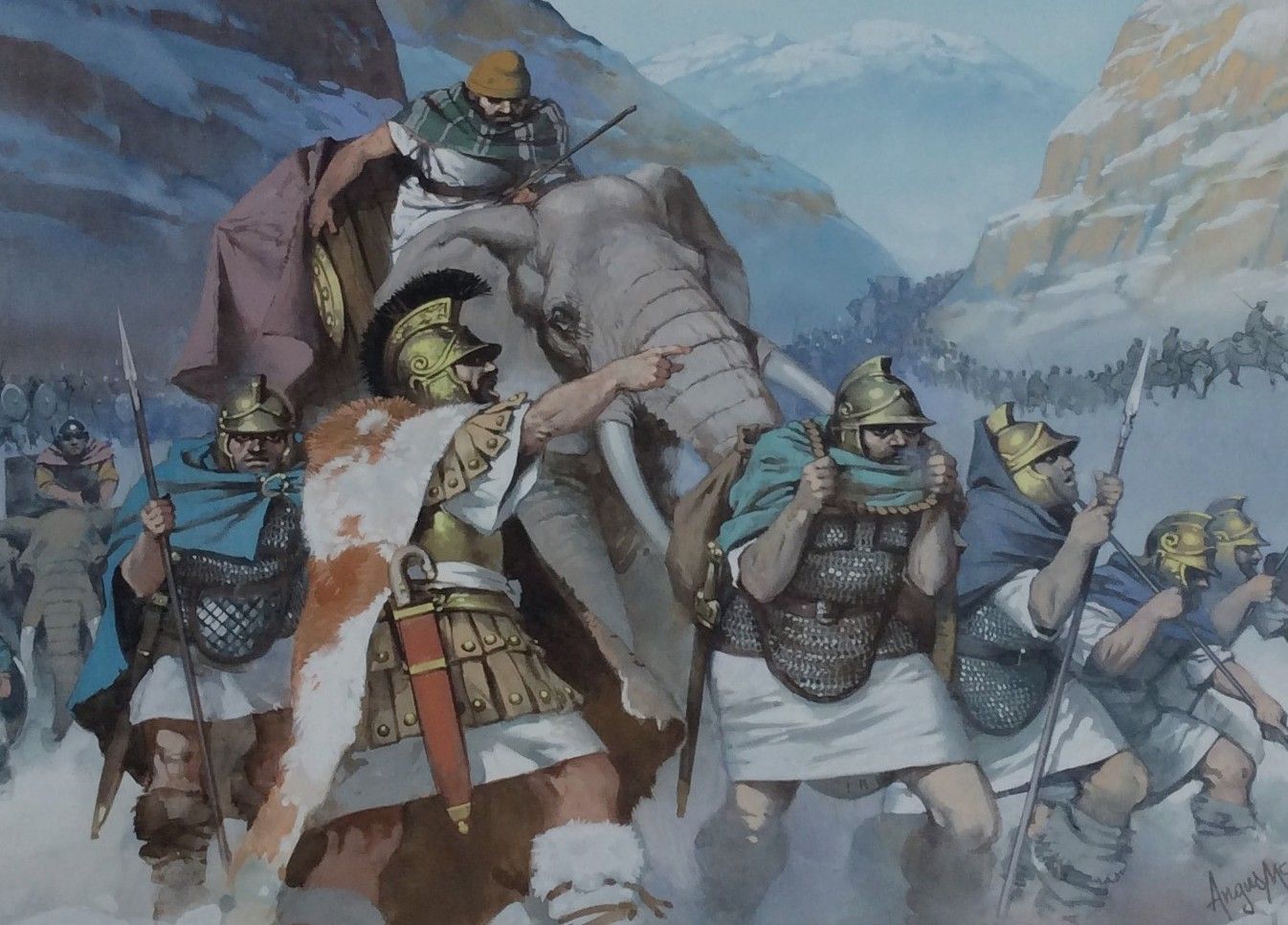
According to the ancient sources, Spartacus moved his army northward during 72 BC. His apparent objective was to reach the Alps, the enormous mountain range separating Italy from the rest of Europe. If the rebels could cross the Alps, they could potentially escape Roman territory and scatter toward different regions and homelands.
This plan made strategic sense for an army made up largely of escaped enslaved people. Many of Spartacus’s followers did not necessarily want to conquer Rome. Their primary goal may have been to gain freedom and escape the system that had enslaved them. Leaving Italy offered a possible path toward that goal.
However, the rebel army did not simply march out of Italy. The movement toward the Alps became complicated by disagreements among the rebels. Spartacus and his followers did not always share the same objectives, and the large army contained people with different backgrounds and motivations.
Some groups appear to have wanted to continue fighting and taking advantage of the wealth available in Italy. Others may have preferred to escape as quickly as possible. The division between these objectives made it harder for Spartacus to maintain a single strategy.
The Romans also continued to pursue the rebels. Spartacus eventually defeated the Roman forces sent against him in northern Italy, demonstrating once again that his army remained a formidable fighting force. At this point, the path toward the Alps was potentially open.
Yet Spartacus did not leave Italy.
The exact reasons remain uncertain. The ancient sources provide different accounts, and historians cannot know precisely what Spartacus and his followers were thinking. Some accounts suggest that the rebels changed their plans because of their desire to continue fighting in Italy. Other explanations focus on the difficulties of maintaining such a large army during a long march through unfamiliar territory.
Whatever the reason, the decision was enormously important. Instead of crossing the Alps, Spartacus turned his army back toward southern Italy. This gave Rome more time to reorganize and prepare a much stronger response.
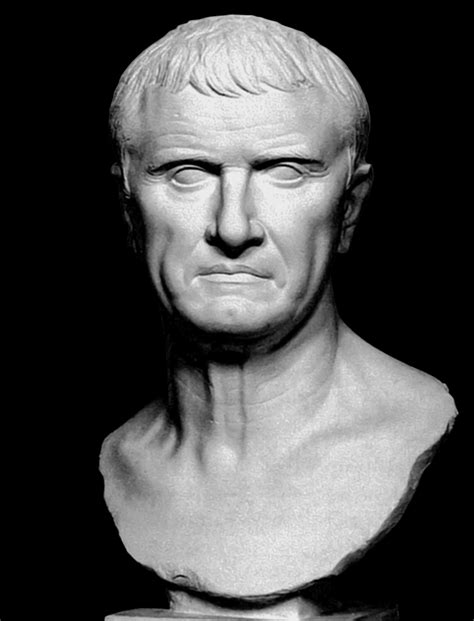
The Roman Senate eventually placed Marcus Licinius Crassus in command of the campaign against Spartacus. Crassus was one of the wealthiest and most powerful men in the Roman Republic, and he approached the rebellion with far greater resources than the commanders who had previously faced Spartacus.
The opportunity to escape Italy had therefore passed. Spartacus still commanded a large army, but the Romans were now preparing for a final campaign. The rebellion had reached its most dangerous stage, with Spartacus and Crassus moving toward a confrontation that would determine the fate of the uprising.
Main Ideas
- Spartacus appears to have considered escaping Italy rather than fighting Rome indefinitely.
- The rebels moved toward the Alps, which offered a possible route out of Roman-controlled Italy.
- Many followers may have wanted freedom and escape rather than permanent war with Rome.
- Disagreements among the rebels contributed to uncertainty about their future strategy.
- Spartacus ultimately remained in Italy, giving Crassus and Rome time to prepare a much stronger response.
VI. How Marcus Licinius Crassus Defeated the Spartacus Rebellion
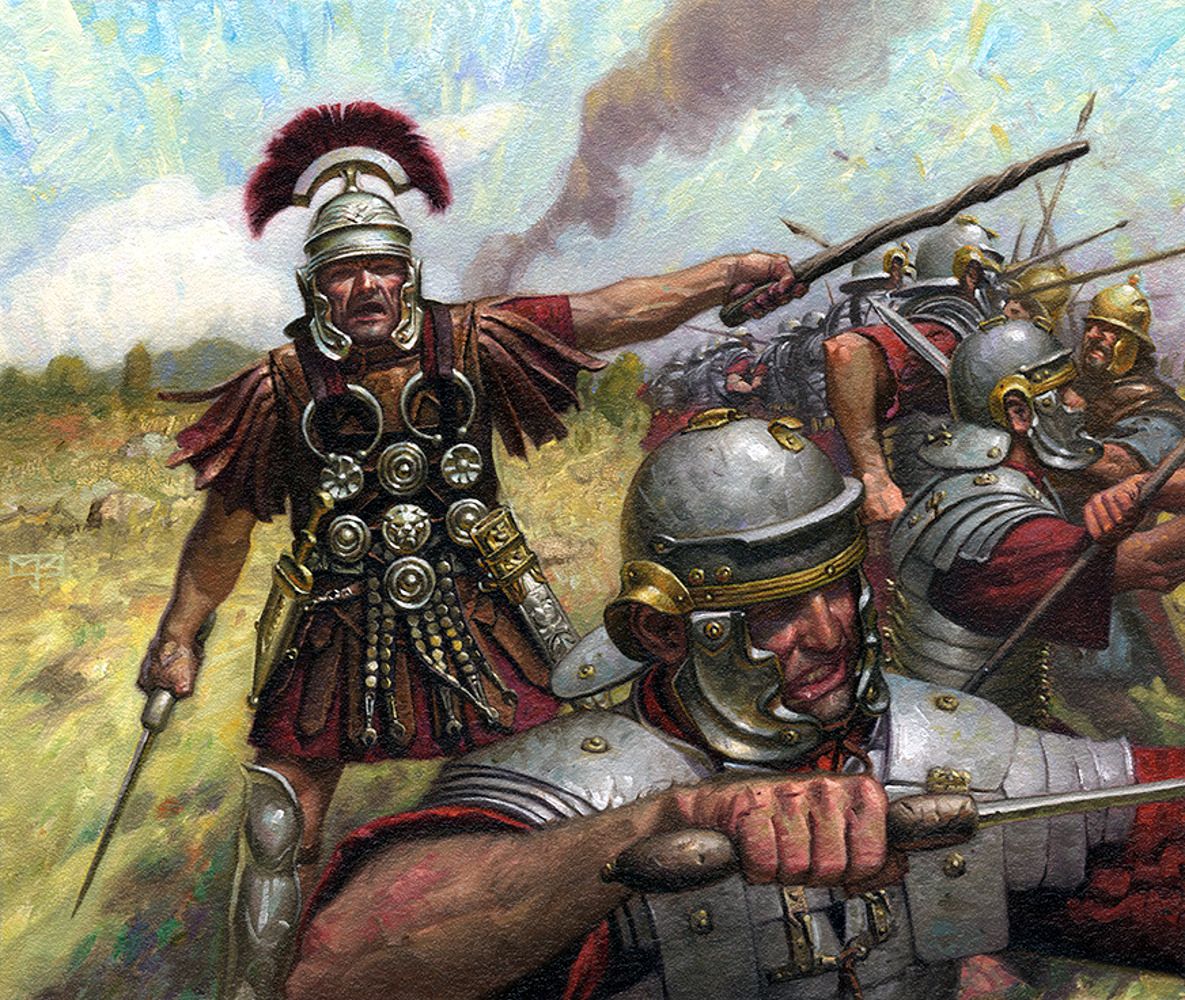
After Spartacus decided to remain in Italy, the Roman Senate took much more serious action against the rebellion. Command was given to Marcus Licinius Crassus, one of the wealthiest and most influential men in the Roman Republic. Crassus understood that previous Roman commanders had underestimated Spartacus, so he approached the campaign with a much larger and more disciplined force.
Crassus took command of several Roman legions and began pursuing Spartacus through southern Italy. Unlike some of the earlier Roman commanders, he focused on discipline and organization. He wanted his soldiers to understand that failure against Spartacus would have serious consequences, and he worked to restore confidence within the Roman army.
Spartacus initially continued to move around Italy, looking for a way to escape the growing Roman pressure. Eventually, he and his followers became trapped in southern Italy, near the region of Bruttium. Crassus constructed a large defensive system across the Rhegium peninsula, including a ditch and fortifications designed to prevent the rebels from escaping.
The strategy was intended to contain Spartacus rather than immediately destroy his army. The Roman fortifications made it increasingly difficult for the rebels to obtain food and supplies. Spartacus eventually managed to break through the Roman lines, but the escape came at a significant cost and demonstrated that the Roman army was becoming increasingly effective.
The final stages of the rebellion took place in 71 BC. Spartacus moved northward again, but his army was eventually confronted by Crassus. The two forces met in a major battle in southern Italy.
The exact details of the final battle are uncertain because the ancient accounts were written long after the events and sometimes disagree with one another. What is clear is that Spartacus’s army was defeated, and Spartacus himself was killed during the fighting.
With their main army destroyed, organized resistance quickly collapsed. Thousands of surviving rebels were captured by the Romans. Crassus wanted the victory to demonstrate the consequences of challenging Roman authority, and the surviving rebels were treated as defeated enemies of the Roman state.
The Roman victory brought the Third Servile War to an end. However, Crassus was not the only Roman leader who became associated with the conclusion of the conflict. Pompey the Great, returning to Italy after campaigns in Spain, encountered some groups of fleeing rebels and defeated them. Pompey later claimed part of the credit for ending the rebellion, creating political tension between him and Crassus.
The defeat of Spartacus demonstrated the enormous military power of Rome. The rebellion had survived for several years and defeated multiple Roman forces, but Rome eventually used its greater manpower, wealth, organization, and military resources to crush the uprising.
For Spartacus and his followers, however, the defeat meant that their attempt to escape Roman slavery had come to an end. The rebellion had failed militarily, but the story of Spartacus would survive for centuries as one of the most famous episodes in the history of Ancient Rome.
Main Ideas
- Marcus Licinius Crassus took command of the Roman campaign against Spartacus.
- Crassus used discipline, fortifications, and a large Roman army to contain the rebels.
- Spartacus became trapped in southern Italy as Roman pressure increased.
- The rebel army was defeated in 71 BC, and Spartacus was killed.
- The defeat brought the Third Servile War to an end, although Pompey also claimed a role in the final victory.
VII. What Happened to Spartacus and the Survivors of the Revolt
The defeat of Spartacus in 71 BC brought the Third Servile War to a violent end, but the consequences of the rebellion continued long after the final battle. Spartacus was killed during the fighting, although the exact circumstances of his death remain uncertain. Ancient writers describe him as fighting alongside his followers during the final confrontation with the Roman army led by Marcus Licinius Crassus.
Because Spartacus’s body was never clearly identified, the ancient sources do not provide a confirmed account of what happened to him after the battle. His death marked the end of the rebellion’s most important leadership, however, and the remaining rebel forces quickly lost their ability to continue organized resistance.
Thousands of Spartacus’s followers survived the final battles but were captured by Roman forces. Their fate was extremely severe. Crassus ordered the captured rebels to be punished as a warning to others who might consider rebelling against Roman authority.
According to the ancient historian Appian, around 6,000 prisoners were crucified along the road between Capua and Rome. This was intended not simply as punishment but also as a highly visible demonstration of Roman power. The road was an important route through Italy, meaning that travelers could see the consequences of the rebellion.
Not every surviving rebel was captured immediately. Some groups managed to escape the main battlefield and continued moving through Italy. Pompey the Great, who was returning from a campaign in Spain, encountered and defeated some of these remaining rebels. Pompey subsequently claimed that his actions had helped bring the war to its final conclusion.
The political consequences were also important. Both Crassus and Pompey gained recognition from the Roman state after the rebellion. Their rivalry would later become an important part of Roman politics. The Spartacus Revolt therefore connected to the wider political struggles of the late Roman Republic, although the rebellion itself was primarily a conflict over slavery and Roman control.
For the Roman government, the rebellion demonstrated the potential danger posed by the enormous population of enslaved people throughout Italy. Rome depended heavily on slavery for agriculture, domestic labor, mining, and other economic activities. A rebellion involving thousands of enslaved people represented a serious threat to social and economic stability.
The revolt also became famous because of Spartacus himself. Ancient Roman writers remembered him as an unusually capable leader who had repeatedly defeated Roman forces despite commanding an army with fewer resources and less organization than Rome’s legions. Later generations would interpret his story in many different ways.
The historical Spartacus remains difficult to understand completely because the surviving accounts were written by Roman or Greek authors, rather than by Spartacus or his followers. As a result, much of what we know comes from people who were writing about the rebellion from outside the rebel movement.
The Spartacus Revolt ultimately failed to destroy slavery or weaken Roman power in any permanent way. Nevertheless, it became one of the most famous rebellions in Roman history, remembered because a group of gladiators managed to escape captivity, build a huge army, defeat Roman forces, and challenge the Republic for several years.
Main Ideas
- Spartacus was killed in 71 BC during the final battle against Crassus’s army.
- Thousands of surviving rebels were captured by the Romans.
- Ancient sources report that around 6,000 prisoners were crucified along the road from Capua to Rome.
- Pompey the Great defeated some remaining rebel groups and later claimed credit for helping end the revolt.
- The rebellion failed militarily but became one of the most famous events in the history of Ancient Rome and Roman slavery.