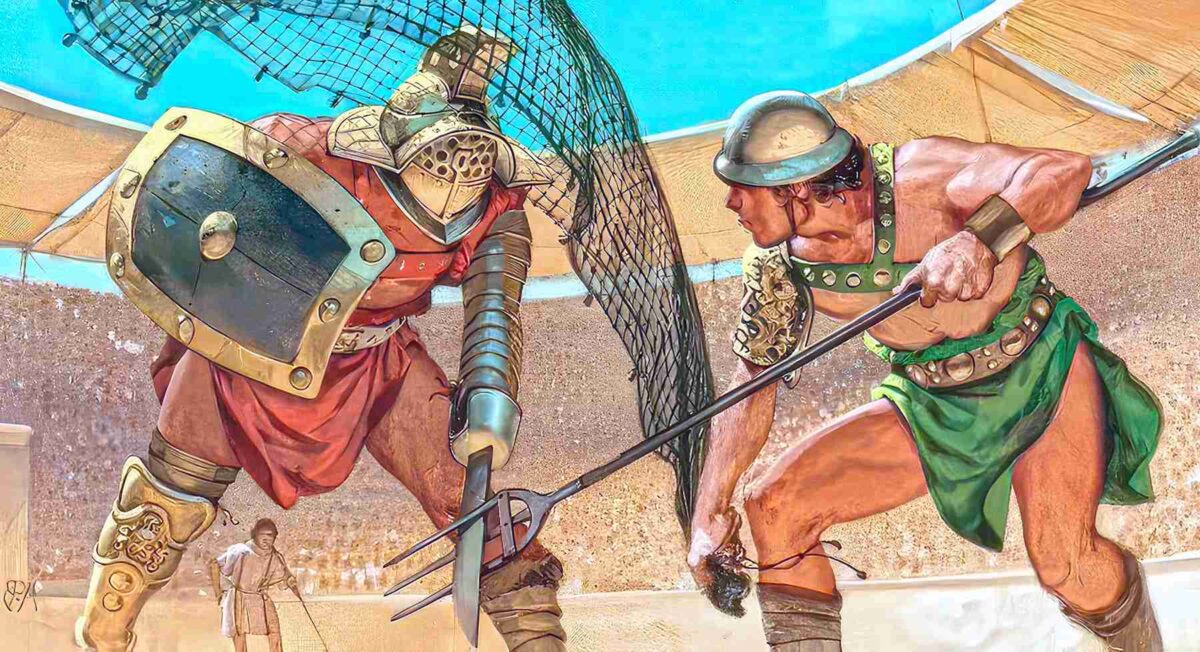
The Best Gladiator Matchups in Ancient Rome: 7 Iconic Combats
Gladiatorial combat was one of the most famous forms of entertainment in Ancient Rome. Gladiators were trained fighters who entered the arena to fight in
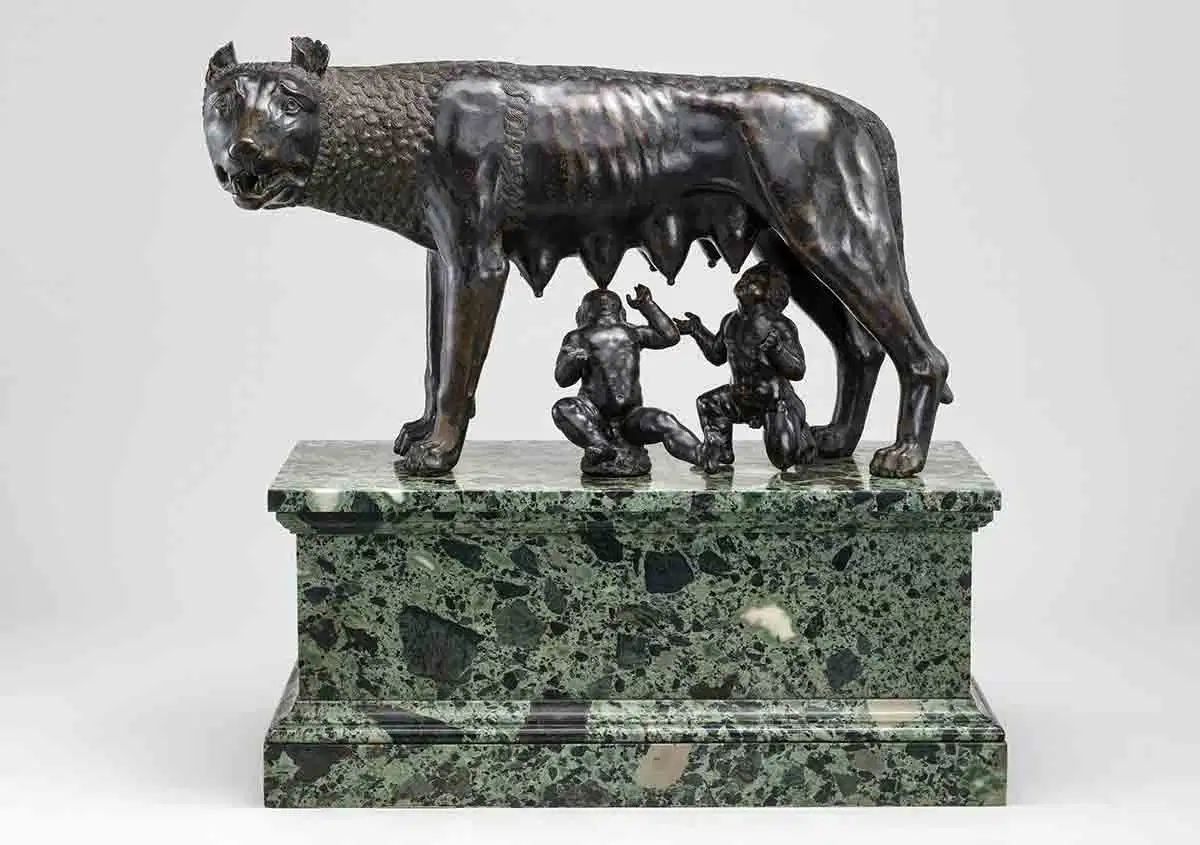
One of the most important parts of Roman culture was language. Latin was widely used throughout the western Roman Empire, especially in government, law, and literature. Greek was also commonly used, particularly in the eastern parts of the empire. Roman writers produced works covering history, poetry, philosophy, politics, and other subjects. Authors such as Virgil, Cicero, Ovid, and Livy became important figures in Roman literature and helped preserve ideas about Roman history and society.
Art and architecture were also central to Roman culture. Romans built temples, theatres, baths, roads, bridges, aqueducts, and large public buildings. Their architecture often demonstrated the wealth and power of the Roman state. Mosaics, sculptures, paintings, and decorated buildings were found in both public spaces and private homes. Roman artists were strongly influenced by Greek styles while also developing their own traditions.
Religion played an important role in Roman culture and was closely connected to everyday life. Romans worshipped many gods and goddesses, including Jupiter, Juno, and Minerva. Religious festivals, sacrifices, ceremonies, and household rituals were common. As the empire expanded, Romans encountered many different religions and sometimes adopted foreign gods and practices. Christianity eventually spread throughout the Roman Empire and became especially important during the later Roman period.
Entertainment was another major part of Roman culture. Romans enjoyed public spectacles such as chariot racing, theatrical performances, and gladiatorial contests. Large venues, including amphitheatres and circuses, could attract huge crowds. Public baths were also important social spaces where people could relax, exercise, and meet others.
Food, clothing, family traditions, education, and celebrations also contributed to Roman culture. Wealthy Romans could enjoy elaborate meals and comfortable homes, while poorer people often lived much simpler lives. Cultural experiences therefore varied greatly depending on a person’s wealth, location, and social status.
Roman culture continued to develop as the empire changed and interacted with different peoples. Its language, architecture, literature, art, laws, and traditions influenced later European and Mediterranean societies. Studying Roman culture helps us understand not only how Romans lived, but also how the ideas and traditions of the ancient world continued to shape history.

Gladiatorial combat was one of the most famous forms of entertainment in Ancient Rome. Gladiators were trained fighters who entered the arena to fight in

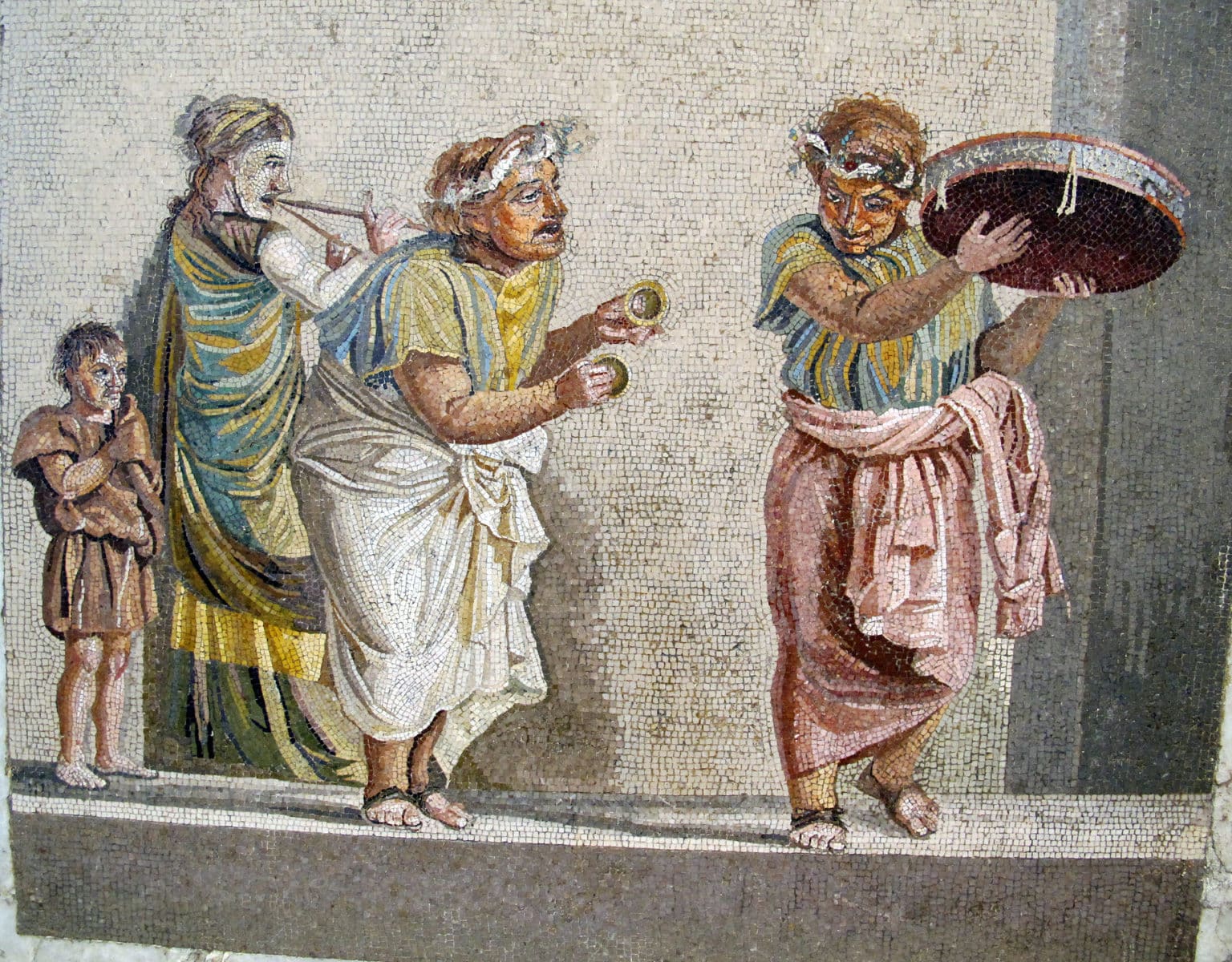
Music was an important part of everyday life in Ancient Rome, even though almost none of the actual sounds have survived. Romans used music during
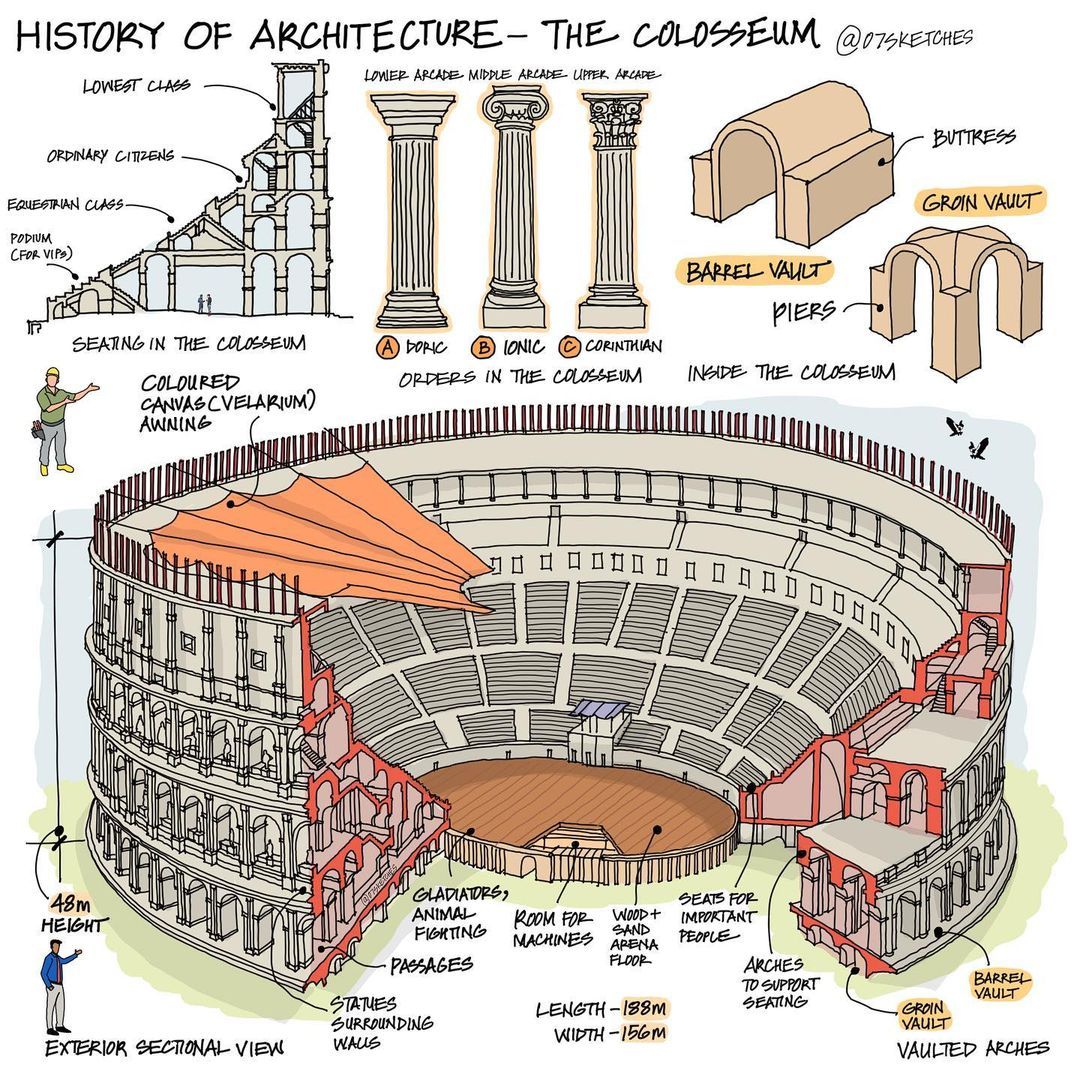
Roman theatres were some of the most important entertainment venues in the ancient Roman world. They were places where thousands of people could gather to
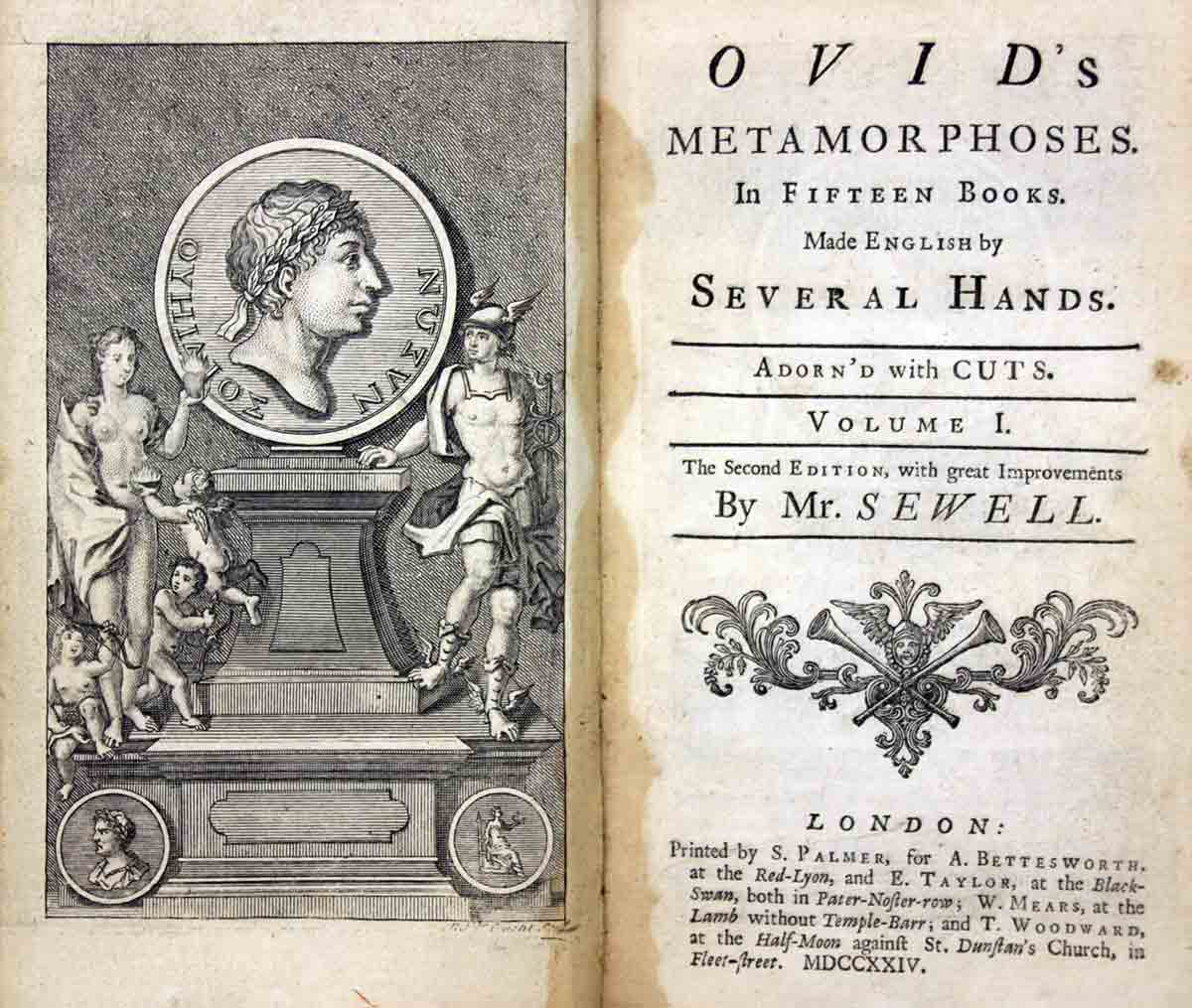
Ovid was one of the most famous and influential poets of ancient Rome. Born as Publius Ovidius Naso in 43 BC, he lived during a
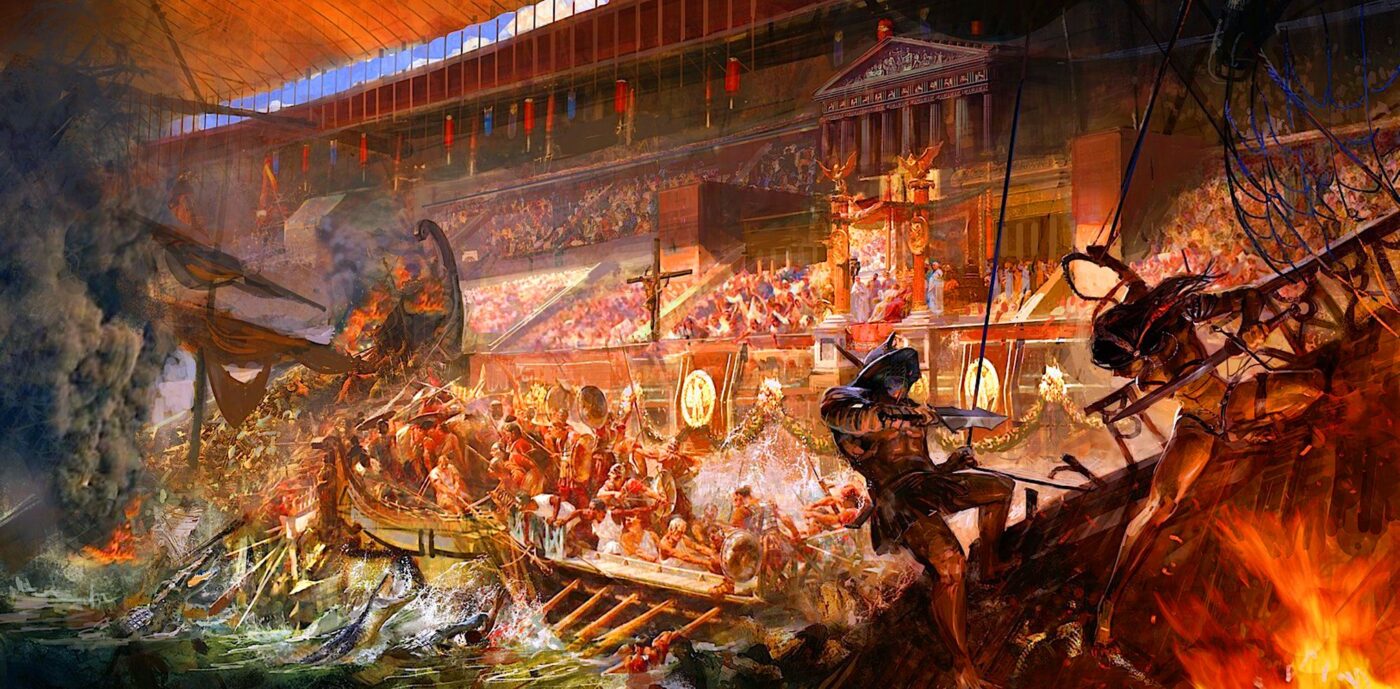
Ancient Roman gladiators training for a fight in the Colosseum 1. Why the Colosseum Was Built: Power, Politics, and Public Control The construction of the
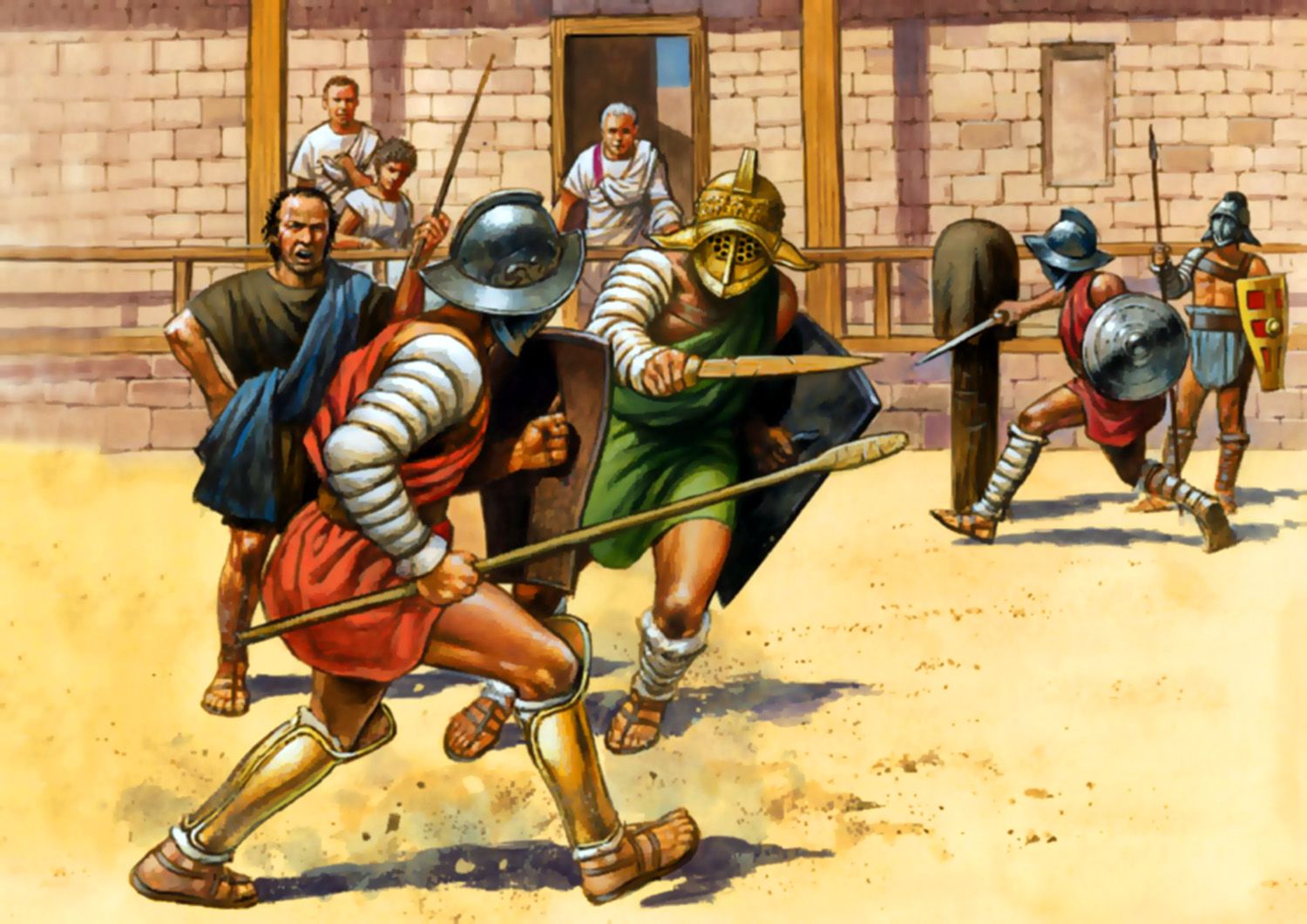
Roman gladiators are often imagined as brutal fighters sustained by raw meat and wine, yet archaeological and literary evidence reveals a far more structured and