
1. Origins of Legio X Equestris and Its Formation Under Julius Caesar
The Legio X Equestris, also known as the Tenth Equestrian Legion, was one of the most famous and trusted legions in the entire Roman military system. It was closely associated with Julius Caesar, who formed and heavily relied on it during his campaigns in Gaul and later during the Roman Civil War. The origins of this legion are directly tied to Caesar’s early governorship in Gaul, when he needed highly loyal and effective troops to carry out his ambitious military plans.
The legion was originally raised around 58 BC, during the early stages of Caesar’s command in Transalpine Gaul. At this time, Caesar was preparing for what would become the Gallic Wars, a long series of military campaigns against various Gallic tribes across modern-day France, Belgium, and surrounding regions. To succeed, he needed dependable legions that were not only well-trained but also personally loyal to him. The Tenth Legion quickly became his most trusted force.
From the beginning, Legio X Equestris stood out due to its discipline, speed, and elite reputation. Caesar carefully selected and trained its soldiers, ensuring they could operate effectively in difficult terrain and unpredictable battlefield conditions. Unlike many other Roman units that were recruited from a wide range of backgrounds, the Tenth Legion became known for its strong internal identity and cohesion.
One of the most important aspects of its formation was Caesar’s decision to build a deep bond between himself and the legion. He treated Legio X Equestris with special respect, often relying on it for the most critical missions. This created a strong sense of loyalty between commander and soldiers, which would later play a major role in Roman political history.
The name “Equestris”, meaning “mounted” or “equestrian,” is traditionally linked to a famous moment when Caesar reportedly mounted the entire legion on horseback. According to ancient accounts, he did this as a symbolic gesture to emphasize their elite status and mobility. Whether fully literal or partly symbolic, the name reflected the idea that the Tenth Legion was exceptional compared to standard infantry units.
The soldiers of Legio X Equestris were primarily heavy infantry, like other Roman legions, but they were trained to move with exceptional speed and flexibility. This allowed them to respond quickly to threats, execute rapid maneuvers, and support Caesar in fast-moving campaigns. Their effectiveness in both open battles and siege operations made them one of the most versatile legions in Roman service.
During its early years, the legion was involved in the initial phases of Caesar’s conquest of Gaul, where it helped secure Roman control over newly conquered territories. The harsh conditions of Gaul—dense forests, hostile tribes, and unpredictable weather—tested the endurance of Roman forces. The Tenth Legion quickly proved itself capable of handling these challenges, earning a reputation for reliability and strength.
The loyalty of Legio X Equestris was especially important because Caesar’s position in Gaul was politically sensitive. He was operating far from Rome with significant military power, and his success depended heavily on the loyalty of his troops. The Tenth Legion became not just a military unit, but also a symbol of Caesar’s personal authority and influence.
As Caesar’s campaigns expanded, the Tenth Legion continued to grow in prestige. It was often placed at the center of major operations, including battles and sieges against some of the strongest Gallic resistance. Its reputation spread both among Roman soldiers and among enemy forces, many of whom recognized it as one of the most dangerous units in Caesar’s army.
In summary, the origins of Legio X Equestris reflect the combination of strategic recruitment, intense training, and strong personal leadership. Created during a critical moment in Roman expansion, it became one of the most important tools in Caesar’s rise to power and a defining symbol of Roman military excellence during the late Republic.
Main Ideas
- Legio X Equestris was formed by Julius Caesar around 58 BC.
- It was created during the early stages of the Gallic Wars.
- The legion became one of Caesar’s most trusted military units.
- Its soldiers were highly disciplined and well-trained.
- The name “Equestris” reflects its elite status and mobility.
- The legion was known for speed, flexibility, and reliability.
- It played a key role in the conquest of Gaul.
- The Tenth Legion symbolized Caesar’s personal authority.
- It was highly respected by both Romans and enemies.
- Its formation marked the beginning of its legendary status.
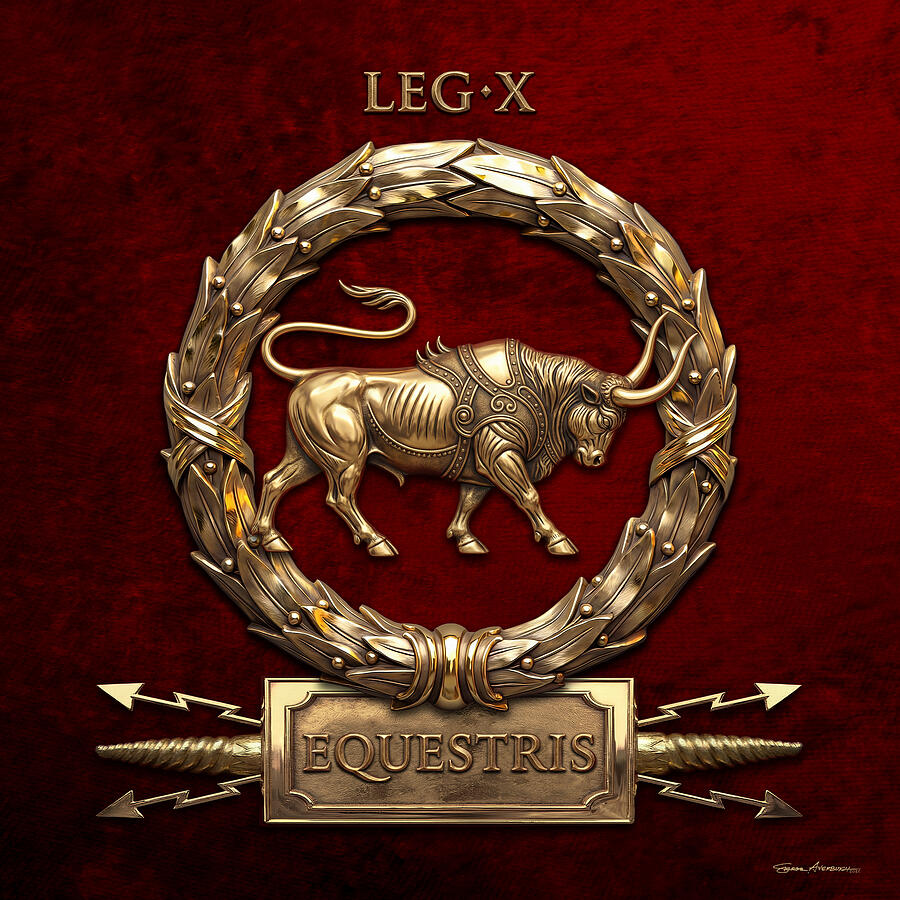
2. Why Legio X Equestris Was Called the “Equestrian Legion”
The title “Equestris” given to Legio X Equestris is one of the most distinctive and debated names in Roman military history. In Roman terminology, equestris is connected to the equites, the Roman equestrian class traditionally associated with cavalry, wealth, and social prestige. However, Legio X Equestris was not a cavalry unit in the usual sense. It was a heavy infantry legion, so the name reflects symbolism, elite status, and historical reputation rather than its actual battlefield role.
The origin of the name is closely tied to Julius Caesar, who personally valued this legion more than almost any other in his army. Ancient accounts suggest that Caesar gave the legion the honorary title “Equestris” after a symbolic and unusual act. During a campaign, when Caesar needed to attend negotiations with a Gallic leader, he allegedly feared for his safety. To demonstrate trust and honor, he mounted his entire Tenth Legion on horseback as a bodyguard escort. This dramatic gesture linked the legion with cavalry imagery and elite status, even though its soldiers remained infantry.
Whether this story is entirely literal or partly symbolic, it reflects an important Roman reality: names and honors were often used to shape identity and morale. By calling the legion “Equestrian,” Caesar elevated its prestige above ordinary units. It became a symbol of loyalty, speed, and elite performance, rather than just another infantry formation.
Another reason for the name lies in Roman social structure. The equestrian order was the second-highest social class in Rome, just below the senatorial elite. By associating the Tenth Legion with this term, Caesar may have been emphasizing that the unit stood above normal legions in honor and importance. This would have strengthened pride among its soldiers and reinforced their loyalty to him personally.
The name also reflects the legion’s operational reputation. Although not cavalry, Legio X Equestris often operated with a level of mobility and responsiveness that made it feel faster and more flexible than typical heavy infantry units. It was frequently deployed in critical situations where rapid movement, decisive action, and reliability were required. This performance reinforced the idea that it was “elite,” fitting the elevated name.
In addition, Roman military culture placed great importance on honorary titles and symbolic distinctions. Legions often received names based on their achievements, loyalty, or the circumstances of their formation. These titles helped create identity and cohesion within the unit. In the case of the Tenth Legion, “Equestris” became a powerful badge of honor that distinguished it from other legions in Caesar’s army.
The psychological effect of the name should not be underestimated. Soldiers in the Tenth Legion understood that they were considered Caesar’s trusted elite force. This fostered intense pride and unity. At the same time, enemies who heard of the “Equestrian Legion” may have perceived it as something unusual or superior, adding to its psychological impact on the battlefield.
Over time, Legio X Equestris became one of the most famous units in Roman history, and its name remained associated with excellence and loyalty. Even after Caesar’s death, the legacy of the legion continued to be remembered as part of his military genius and personal leadership style.
In essence, the name “Equestrian Legion” was not about cavalry tactics but about status, symbolism, and Caesar’s personal bond with his troops. It represented a carefully crafted identity that elevated the Tenth Legion above others and helped turn it into one of the most legendary forces in the Roman army.
Main Ideas
- “Equestris” is linked to Roman elite equestrian status, not cavalry.
- Caesar used symbolic acts to associate the legion with prestige.
- The name likely came from a ceremonial horseback escort event.
- It reflected honor, loyalty, and elite reputation.
- Roman equestrian class inspired the symbolic meaning of the name.
- The legion was considered Caesar’s most trusted unit.
- It was known for speed, flexibility, and reliability in action.
- Roman legions often received honorary titles for identity.
- The name strengthened morale and unity among soldiers.
- “Equestris” became a lasting symbol of elite Roman military status.
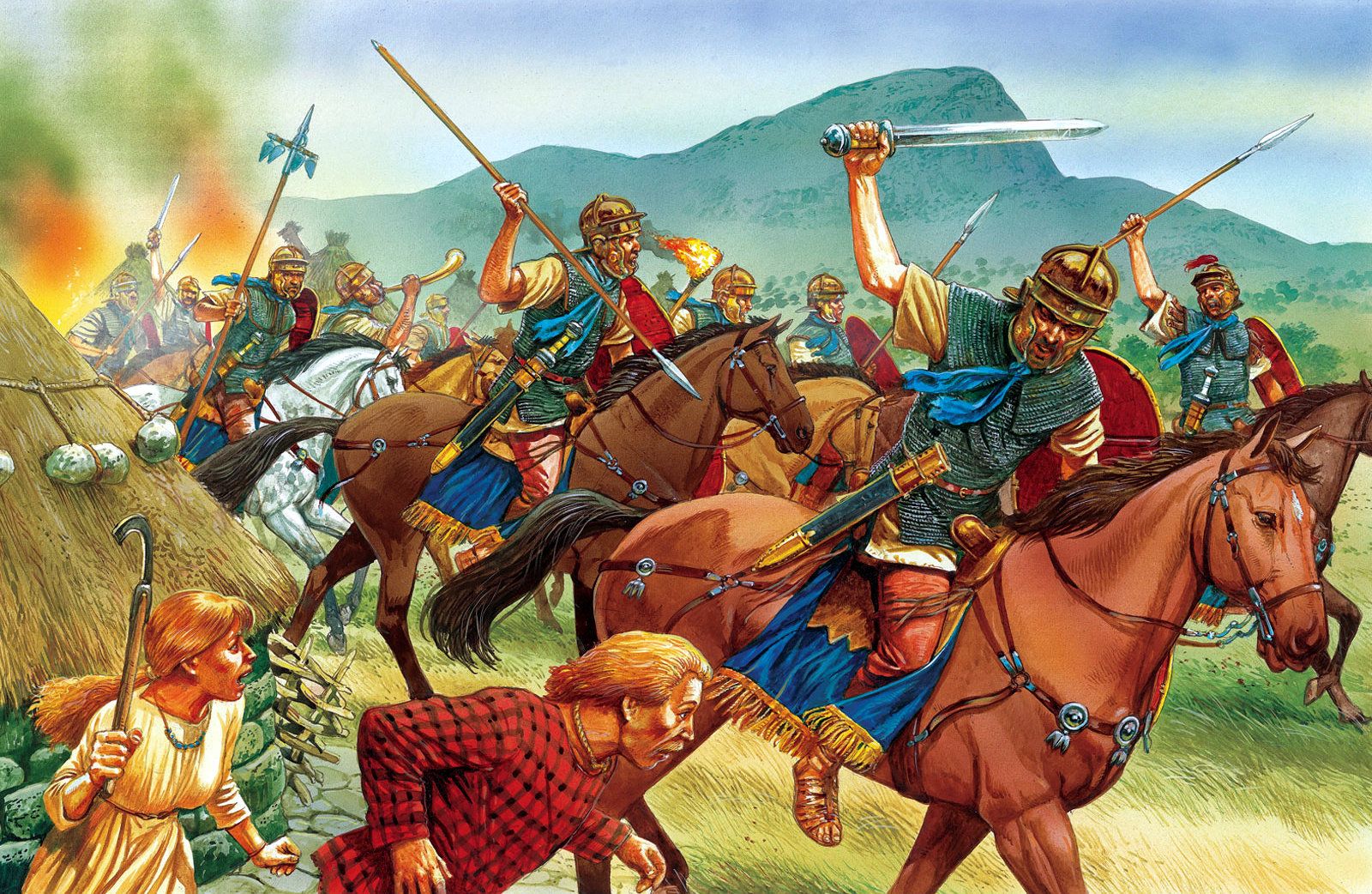
3. Training, Discipline, and Daily Life of the Tenth Legion Soldiers
The strength of Legio X Equestris was not only based on battlefield victories, but also on its intense training, strict discipline, and structured daily life. Like all Roman legions, it was designed to function as a highly organized military machine, where every soldier understood his role and every action was governed by routine and order. Under the leadership of Julius Caesar, the Tenth Legion became one of the most efficient and reliable units in the Roman army.
Training for Roman legionaries was extremely demanding. Soldiers of Legio X Equestris were expected to master a wide range of skills, including weapon combat, formation fighting, marching discipline, and engineering work. They trained regularly with heavy wooden practice weapons that were often twice the weight of real swords and shields. This made real combat feel easier and ensured that soldiers could fight effectively even when exhausted.
A key part of their training focused on formation discipline. Roman military success depended heavily on maintaining organized lines during battle. Soldiers practiced advancing, retreating, rotating positions, and responding instantly to commands. Even a small breakdown in formation could lead to disaster, so repetition was essential. The Tenth Legion became known for its ability to maintain cohesion even in chaotic battlefield conditions.
Physical endurance was another major focus. Legionaries were required to march long distances carrying heavy equipment, including armor, weapons, tools, and supplies. These forced marches could cover 20 to 30 kilometers per day, sometimes more during emergency movements. The purpose of this training was to ensure that soldiers could quickly reposition themselves across vast territories without losing effectiveness.
Daily life in Legio X Equestris was highly structured. Soldiers followed strict schedules that balanced training, construction, and rest. When not fighting, they were often engaged in building forts, roads, bridges, and siege works. This engineering role was a defining feature of Roman armies and gave them a major advantage in long campaigns. The Tenth Legion became skilled not only in combat, but also in constructing the infrastructure needed to support military operations.
Discipline was enforced strictly within the legion. Punishments for disobedience could be severe, ranging from reduced rations to physical punishment or even execution in extreme cases. Centurions played a central role in maintaining order, ensuring that soldiers followed commands precisely. This strict discipline helped create a unit that could be trusted to perform under pressure without breaking formation.
Despite the harshness of military life, camaraderie among soldiers was extremely strong. Men of Legio X Equestris lived, trained, and fought together for years, forming deep bonds of loyalty. This sense of unity was essential for battlefield effectiveness. Soldiers trusted their comrades to hold the line, which allowed the legion to function as a single coordinated force.
The Tenth Legion also benefited from its close relationship with Caesar himself. Because they served as his favored unit, the soldiers of Legio X Equestris often received recognition, rewards, and special trust. This created a powerful sense of pride and identity within the legion. They were not just soldiers of Rome—they were Caesar’s elite force.
Hygiene, camp organization, and routine were also carefully managed. Roman camps were laid out in standardized patterns, ensuring efficiency and security. Soldiers followed strict rules for sleeping arrangements, food distribution, and guard duty. This level of organization reduced confusion and increased readiness for sudden combat situations.
Over time, the combination of discipline, training, and shared experience made Legio X Equestris one of the most effective fighting units in Roman history. Their ability to move quickly, fight cohesively, and adapt to different battlefield situations made them invaluable during Caesar’s campaigns in Gaul and beyond.
In essence, the daily life of the Tenth Legion was defined by constant training, strict discipline, and structured routine, all of which transformed ordinary soldiers into a highly professional and elite military force capable of achieving extraordinary results on the battlefield.
Main Ideas
- Training focused on weapons, formations, and endurance.
- Soldiers practiced with heavier weapons to build strength.
- Marching long distances was a key part of preparation.
- Legionaries also built roads, forts, and siege equipment.
- Strict discipline was enforced by centurions.
- Punishments ensured obedience and order.
- Soldiers developed strong loyalty and camaraderie.
- The Tenth Legion had a close bond with Caesar.
- Standardized camp life ensured efficiency and readiness.
- Training and discipline made the legion highly effective in battle.

4. Major Campaigns of Legio X Equestris in the Gallic Wars
The military reputation of Legio X Equestris was forged on the battlefields of Gaul, where it became one of the most reliable and feared units in the Roman army. Under the command of Julius Caesar, the Tenth Legion took part in nearly every major phase of the Gallic Wars (58–50 BC), playing a central role in Rome’s expansion across modern-day France, Belgium, and surrounding regions.
From the very beginning of the campaigns, Legio X Equestris was placed at the heart of Caesar’s military strategy. It was often used in the most difficult and dangerous operations because Caesar trusted its discipline, speed, and loyalty. Early in the war, the legion helped confront the migration of the Helvetii, a large tribal movement that threatened Roman-controlled territory. The Tenth Legion’s ability to hold formation and endure long marches was crucial in tracking and pressuring the migrating tribes until they were forced into battle.
As the war expanded, the Tenth Legion became deeply involved in confrontations with powerful Gallic leaders such as Vercingetorix, who united multiple tribes in a large-scale rebellion against Rome. This phase of the Gallic Wars tested Roman discipline more than any earlier conflict, as the Gauls used guerrilla tactics, fortified positions, and scorched-earth strategies to weaken Roman supply lines.
One of the most important contributions of Legio X Equestris during these campaigns was its role in maintaining Roman stability during rapid movements across hostile territory. The legion often operated as part of Caesar’s main striking force, advancing quickly through difficult terrain while other units secured supply routes and fortifications. Its ability to march long distances and immediately engage enemy forces made it essential for maintaining pressure on Gallic resistance.
The Tenth Legion also played a critical role in several major sieges. Roman warfare in Gaul was not only about open battle but also about capturing fortified hilltop settlements known as oppida. These strongholds were heavily defended and required advanced engineering, discipline, and patience to overcome. The soldiers of Legio X Equestris participated in building siege works such as ramps, walls, and towers, demonstrating their versatility beyond direct combat.
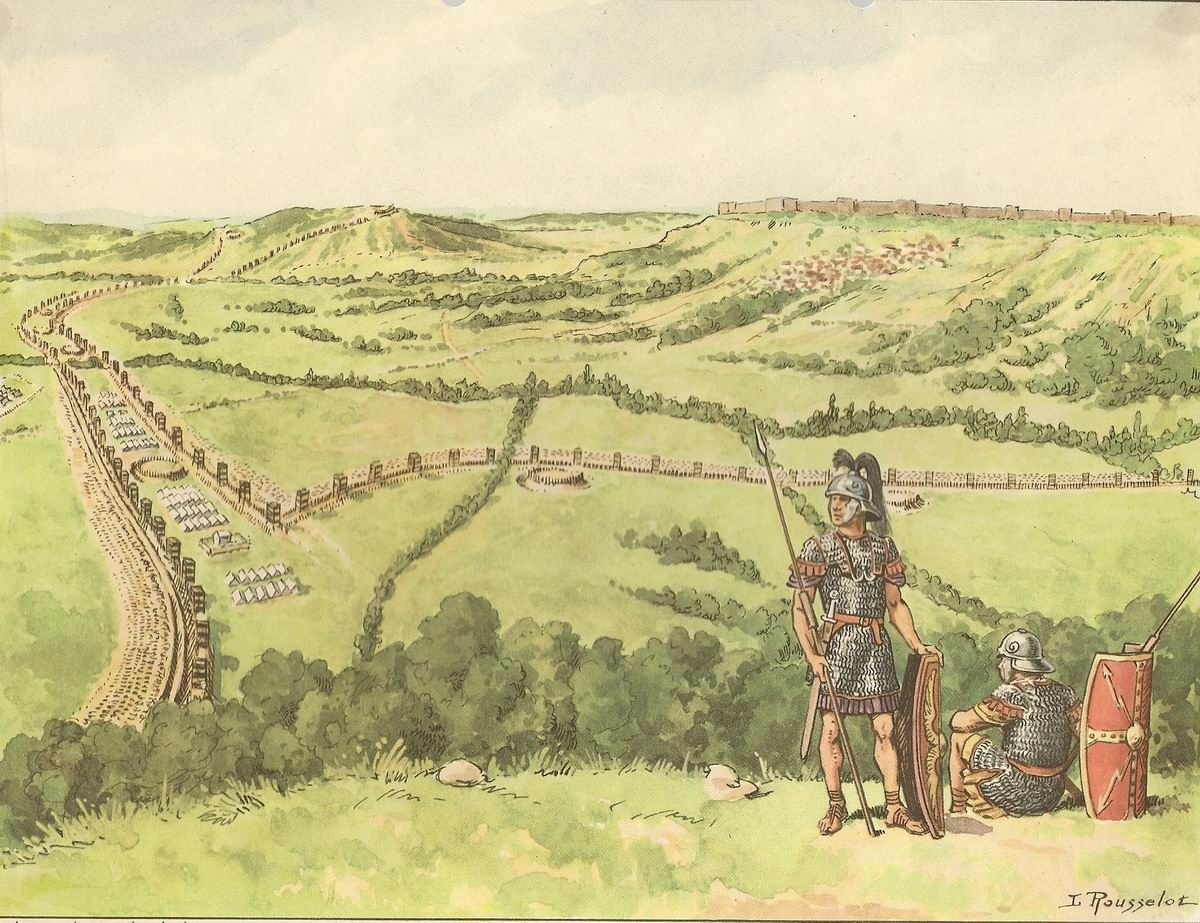
During one of the most decisive moments of the Gallic Wars, the siege of Alesia, Legio X Equestris was part of the massive Roman encirclement system. Roman forces constructed two enormous defensive lines: one facing inward to trap Vercingetorix inside the city, and another facing outward to defend against relief forces. The Tenth Legion helped maintain these fortifications under constant pressure from Gallic attacks. The ability of Roman soldiers to hold disciplined defensive positions under repeated assault was a key factor in the eventual Roman victory.
The legion also gained a reputation for reliability during moments of crisis. When Roman lines were threatened or when rapid reinforcement was needed, Caesar frequently deployed Legio X Equestris because he trusted it to stabilize the battlefield. Its soldiers were known for their calm under pressure and their ability to execute orders without hesitation, even in chaotic conditions.
Beyond large battles and sieges, the Tenth Legion also took part in smaller engagements, reconnaissance missions, and rapid response operations across Gaul. Its flexibility allowed Caesar to maintain control over a vast and constantly changing war zone, where alliances shifted frequently and new uprisings could emerge at any time.
Over the course of the Gallic Wars, Legio X Equestris became more than just a military unit—it became a symbol of Roman discipline and Caesar’s personal authority. Its repeated success in key operations helped secure Roman dominance over Gaul and contributed directly to Caesar’s rise in political power back in Rome.
In summary, the campaigns of Legio X Equestris in Gaul demonstrate its importance as a core fighting force, engineering unit, and rapid response legion. Its performance in major battles and sieges helped shape the outcome of the Gallic Wars and cemented its place as one of the most legendary legions in Roman history.
Main Ideas
- Legio X Equestris fought in nearly all major Gallic War campaigns.
- It played a key role in early operations against migrating tribes.
- The legion was essential in battles against Vercingetorix’s rebellion.
- It supported rapid movement and battlefield control.
- The legion helped construct siege works during major sieges.
- It was part of the double fortification system at Alesia.
- The soldiers defended Roman positions under heavy pressure.
- It was trusted for crisis response and stabilization.
- The legion also carried out smaller missions and reconnaissance.
- Its performance helped secure Roman control over Gaul.
5. The Role of Legio X Equestris in the Battle of Alesia and Key Sieges
One of the most defining moments in the history of Legio X Equestris was its involvement in the siege of Alesia, a decisive confrontation during the Gallic Wars. Under the command of Julius Caesar, the Tenth Legion played a crucial role in one of the most complex and strategically advanced siege operations in ancient military history. The battle demonstrated not only Roman engineering skill but also the discipline and endurance of elite legions like the Tenth.
Alesia was a heavily fortified hilltop settlement controlled by Vercingetorix, who had united many Gallic tribes in a final attempt to resist Roman expansion. The position was extremely strong, surrounded by natural defenses such as steep hills and rivers. Rather than storming the settlement directly, Caesar chose a strategy of complete encirclement, designed to starve the defenders into surrender.
To achieve this, the Romans constructed an enormous double line of fortifications. The inner line, called the circumvallation, surrounded Alesia and trapped Vercingetorix and his forces inside. The outer line, called the contravallation, faced outward to defend against incoming Gallic relief armies. This meant the Roman army had to fight both inside and outside the siege lines simultaneously, creating one of the most demanding military situations in ancient warfare.
Legio X Equestris was heavily involved in building and defending these fortifications. Roman soldiers worked as engineers as well as fighters, constructing trenches, wooden palisades, towers, and traps across miles of terrain. The Tenth Legion’s discipline was essential in completing these massive works under constant threat of attack. Any weakness in construction could have allowed Gallic forces to break through and destroy the Roman position.
When Gallic relief armies arrived, the situation became even more intense. Caesar’s forces were now caught between two enemies: Vercingetorix’s forces inside Alesia and the external Gallic coalition outside the walls. The Roman lines were attacked repeatedly in coordinated assaults. In these moments, Legio X Equestris helped stabilize critical sections of the defenses, holding positions under extreme pressure.
The Tenth Legion’s ability to maintain formation was vital. Roman soldiers were trained to fight in disciplined units, and this allowed them to resist waves of attacks without collapsing. Even when parts of the fortifications were breached or threatened, counterattacks were quickly organized to restore the defensive line. This level of coordination was only possible because of the strict discipline that defined Roman legions.
In addition to defending the siege lines, Legio X Equestris also took part in counterattacks against the relief forces. Roman commanders used carefully timed strikes to disrupt enemy formations, taking advantage of gaps in coordination between the different Gallic tribes. The Tenth Legion’s speed and reliability made it ideal for these rapid response operations, where quick decisions determined the outcome of entire sectors of the battlefield.
Inside Alesia, conditions for the besieged Gauls became increasingly desperate. Supplies ran low, and attempts to break out were repeatedly repelled by Roman defenses. The presence of the Tenth Legion and other disciplined Roman units ensured that both the inner and outer siege lines held firm despite constant pressure.
Eventually, the combined effects of starvation inside the city and failure of the external relief forces led to the surrender of Vercingetorix. The victory at Alesia marked the collapse of organized Gallic resistance and secured Roman control over the region.
Beyond Alesia, Legio X Equestris also participated in numerous other sieges throughout Gaul. Many Gallic settlements were located on fortified hilltops, requiring Roman engineers and soldiers to build ramps, siege towers, and complex assault systems. The Tenth Legion’s versatility allowed it to adapt to these engineering-heavy operations while still functioning as a frontline combat unit.
In summary, the role of Legio X Equestris in the siege of Alesia highlights its importance as both a fighting force and an engineering powerhouse. Its discipline, endurance, and adaptability were essential in one of Rome’s most famous victories, helping to bring the Gallic Wars to a decisive conclusion.
Main Ideas
- Legio X Equestris played a key role in the siege of Alesia.
- Roman forces built double fortifications around the city.
- The legion helped construct defensive siege works.
- It defended against attacks from both inside and outside Alesia.
- Discipline allowed Roman lines to hold under extreme pressure.
- The Tenth Legion took part in counterattacks against relief forces.
- Roman engineering was essential to maintaining the siege.
- Gallic forces inside Alesia eventually ran out of supplies.
- The siege ended with the surrender of Vercingetorix.
- Alesia marked the collapse of organized Gallic resistance.
6. Loyalty of Legio X Equestris During Caesar’s Civil War
After the end of the Gallic Wars, Legio X Equestris reached a turning point in its history. It was no longer just a battlefield unit used for conquest in Gaul—it had become a deeply loyal force tied personally to Julius Caesar. This loyalty would be tested to its limits during the Roman Civil War (49–45 BC), one of the most important conflicts in Roman history.
The crisis began when political tensions in Rome forced Caesar into conflict with the Senate and his rival Pompey the Great. When Caesar crossed the Rubicon River in 49 BC, he effectively declared war on the Roman state. At this moment, loyalty became more important than ever. Legio X Equestris stood firmly with Caesar, even though the decision meant fighting against other Roman legions and former allies.
The loyalty of the Tenth Legion was not accidental. It had been built over years of shared hardship during the Gallic campaigns. Soldiers had marched, fought, and survived together under Caesar’s direct command. This created a strong emotional bond between commander and legion. Many soldiers saw Caesar not just as a general, but as the leader who had given them purpose, success, and identity.
At the beginning of the civil war, Caesar relied heavily on Legio X Equestris because it was his most trusted unit. When other troops hesitated or came from uncertain backgrounds, the Tenth Legion acted as a stabilizing core within his army. Its discipline and reliability allowed Caesar to move quickly across Italy, securing key cities with minimal resistance.
One of the most notable aspects of the legion’s loyalty was its willingness to follow Caesar even into conflicts against fellow Romans. Civil war was deeply controversial, and many soldiers in both armies were uncertain about fighting their own countrymen. However, Legio X Equestris remained committed, demonstrating that its loyalty had shifted from the Roman state to Caesar himself as a commander.
During early campaigns in Italy and later in Spain, the Tenth Legion helped Caesar defeat forces loyal to Pompey. In these operations, speed and coordination were essential. The legion’s experience from the Gallic Wars made it especially effective in rapid maneuvers and siege operations. Its soldiers were able to adapt quickly to new environments and different types of warfare.
However, the most famous moment of loyalty came during a critical stage of the conflict when Caesar faced logistical difficulties and political uncertainty. The Tenth Legion’s veterans were among the strongest supporters of continuing the campaign despite hardships. Ancient sources even describe moments where Caesar addressed the legion directly, relying on their trust to maintain morale within his army.
This loyalty was not just symbolic—it had real military consequences. Armies in the civil war often changed sides, and commanders could not always rely on consistent support. In this unstable environment, Legio X Equestris functioned as an anchor. It provided Caesar with a reliable core force that allowed him to take risks that other commanders could not.
Even as the civil war expanded across the Roman world, the Tenth Legion continued to play an active role in major battles and campaigns. Its reputation alone often influenced enemy decisions, as opposing forces recognized that Caesar’s most experienced and loyal troops were present on the battlefield.
In the broader context of Roman history, the loyalty of Legio X Equestris reflects a major shift in the nature of Roman military power. Soldiers were increasingly tied to individual commanders rather than the state itself. This change would have long-term consequences for the Roman Republic and later the Empire.
In summary, during the Roman Civil War, Legio X Equestris proved itself not only as an elite fighting force but also as one of Caesar’s most loyal and dependable legions. Its commitment helped shape the outcome of the war and strengthened Caesar’s position during one of the most decisive periods in Roman history.
Main Ideas
- Legio X Equestris remained loyal to Caesar during the civil war.
- The conflict began after Caesar crossed the Rubicon against Pompey.
- The legion’s loyalty came from years of shared experience in Gaul.
- It became Caesar’s most trusted core military unit.
- The Tenth Legion helped secure early victories in Italy and Spain.
- It provided stability in a chaotic civil war environment.
- Soldiers followed Caesar even against other Romans.
- Its reputation influenced enemy decisions in battle.
- The legion acted as an anchor for Caesar’s forces.
- Its loyalty reflected a shift in Roman military allegiance toward generals.

7. Legacy and Historical Importance of Legio X Equestris in Roman Military History
The legacy of Legio X Equestris is one of the most powerful in the entire history of the Roman army. Few legions achieved such a strong combination of battlefield success, personal loyalty to a commander, and long-lasting historical reputation. Closely associated with Julius Caesar, the Tenth Legion became a symbol of Roman military excellence during the final years of the Roman Republic and helped shape the transformation of Rome’s political and military system.
One of the most important aspects of its legacy is its role in the rise of Caesar. The Tenth Legion was not just another unit in his army—it was his elite core force, trusted in the most dangerous and decisive operations. Its performance in Gaul helped Caesar gain enormous political influence back in Rome. Without the success and reliability of Legio X Equestris, Caesar’s path to power would have been far more uncertain.
The legion also represents a major shift in Roman military culture. Traditionally, Roman soldiers were expected to be loyal to the Republic and its institutions. However, the Tenth Legion became deeply loyal to Caesar himself. This personal loyalty was a defining feature of the late Republic, where powerful generals increasingly commanded armies that were loyal to them rather than to the state. This shift played a major role in the eventual collapse of the Republic and the rise of imperial rule.
After the Gallic Wars and the Roman Civil War, the legacy of the Tenth Legion continued even beyond Caesar’s death. Although its exact later history is complex, the name and traditions associated with Legio X Equestris were carried forward in various reorganizations of Roman military units under later rulers, including Augustus. The prestige of the Tenth Legion influenced how later Roman armies were structured and remembered.
Another major part of its legacy is its reputation for discipline, speed, and reliability. The Tenth Legion became known as a model of what a Roman legion could achieve when properly trained and led. Its success in sieges, open battles, and rapid campaigns demonstrated the effectiveness of Roman military organization. Later legions would be judged against the standard set by elite units like the Tenth.
The psychological impact of Legio X Equestris also contributed to its historical importance. Both Roman citizens and foreign enemies recognized its reputation. In battle, the presence of the Tenth Legion could influence enemy decisions, as it was widely known for its discipline and effectiveness. This made it not only a military force but also a psychological weapon.
The legion’s role in major events such as the conquest of Gaul, the siege of Alesia, and the Roman Civil War ensured that it was permanently linked to some of the most important moments in Roman history. These campaigns helped expand Roman territory, secure long-term control over Gaul, and ultimately reshape the political structure of Rome itself.
Over time, Legio X Equestris became a symbol of the broader transformation of Rome from Republic to Empire. It represented the growing importance of professional armies, the rise of powerful generals, and the increasing role of military loyalty in political power. These changes would define Roman history for centuries.
In historical memory, the Tenth Legion stands as one of the most legendary units ever created by Rome. Its combination of elite performance, personal loyalty, and historical impact makes it a key example of how Roman military power operated at its peak. Even today, it is studied as a model of discipline, organization, and military effectiveness.
In summary, the legacy of Legio X Equestris is not just about battles won, but about how it helped transform Rome itself. It played a direct role in Caesar’s rise, influenced the fall of the Republic, and set a standard for Roman legions that would last for generations.
Main Ideas
- Legio X Equestris was central to Caesar’s rise to power.
- It symbolized the shift from loyalty to the Republic to loyalty to generals.
- Its success influenced the transition from Republic to Empire.
- The legion set a standard for discipline and effectiveness.
- Its reputation impacted both Romans and enemies psychologically.
- It was involved in major historical events like the Gallic Wars and civil war.
- Its legacy continued into the early Imperial Roman army.
- It became a model for later Roman legions.
- It helped reshape Roman military and political structure.
- It remains one of the most famous legions in Roman history.