
Society
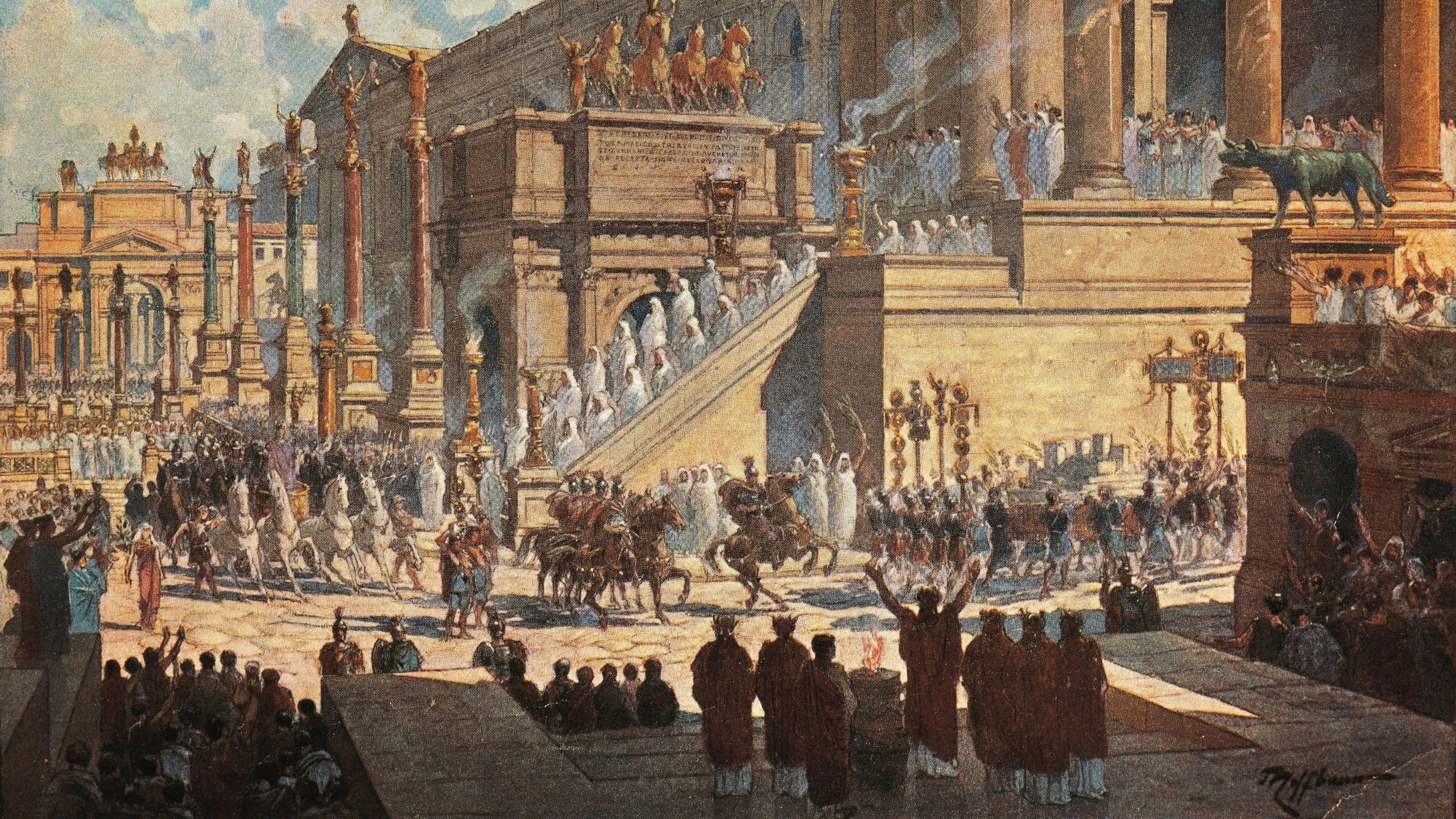
Roman society was highly organized and shaped by differences in wealth, status, citizenship, occupation, and family background. From wealthy senators and powerful military commanders to farmers, craftsmen, merchants, and enslaved people, the Roman world contained a wide range of social groups. Although these groups lived very different lives, they were all connected through the political, economic, and cultural systems of Rome.
At the top of society were the senatorial and wealthy elite, who owned large estates and often held important political positions. Below them were other wealthy citizens, merchants, soldiers, craftsmen, and ordinary working people. Roman citizenship provided important legal rights and privileges, although the meaning and availability of citizenship changed over time as Rome expanded.
The family was one of the most important parts of Roman society. The household was generally organized under the authority of the paterfamilias, the senior male head of the family. Marriage, inheritance, adoption, and family connections could all have major social and economic consequences. Children were expected to respect their parents and learn the values considered important within Roman society.
Women played important roles in Roman households and communities, although they generally did not hold the same political rights as men. Wealthier women could manage property, oversee households, and participate in social and religious activities. Their legal and economic position could vary considerably depending on their family and circumstances.
Slavery was also a major part of Roman society. Enslaved people worked in households, farms, mines, workshops, and other areas of the economy. Their experiences varied greatly depending on their owners and occupations. Some enslaved people were eventually freed and became freedpersons, although they remained socially distinct from freeborn citizens.
Daily life differed enormously between cities and the countryside. Urban Romans could live in apartment buildings, visit public baths, shop in markets, attend religious ceremonies, and watch public entertainment. Rural populations often worked in agriculture and lived on farms or estates.
As Rome expanded, its society became increasingly diverse. People from different provinces brought their own languages, religions, customs, and traditions, contributing to the cultural variety of the empire.
Roman society was therefore not simply divided into rich and poor. It was a complex system of relationships involving family, citizenship, occupation, gender, wealth, slavery, and social status. Understanding these relationships provides a clearer picture of what everyday life was like across the Roman world.

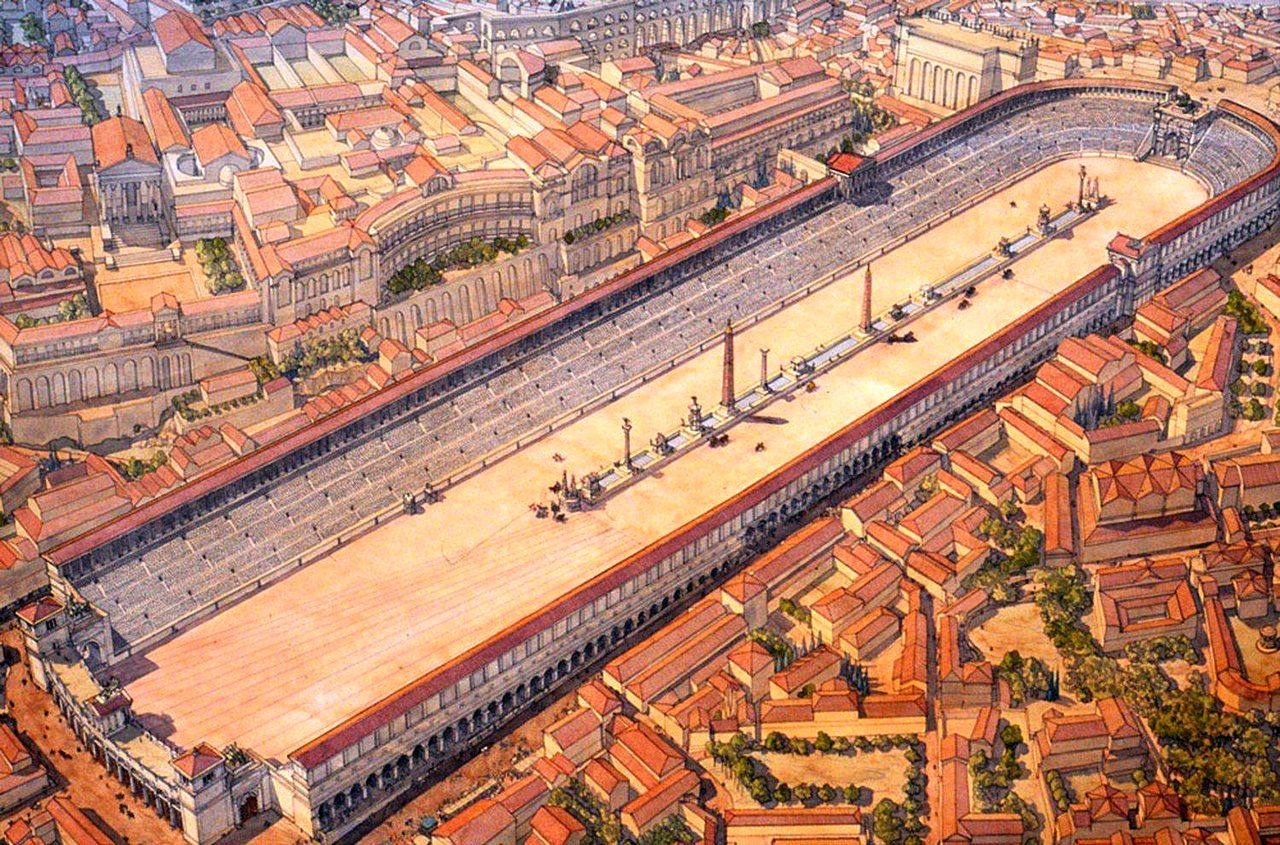
Chariot Racing in Ancient Rome: The Complete History of Rome’s Most Dangerous Sport
Chariot racing was one of the most popular forms of entertainment in ancient Rome, attracting enormous crowds and turning successful charioteers into famous celebrities. Races
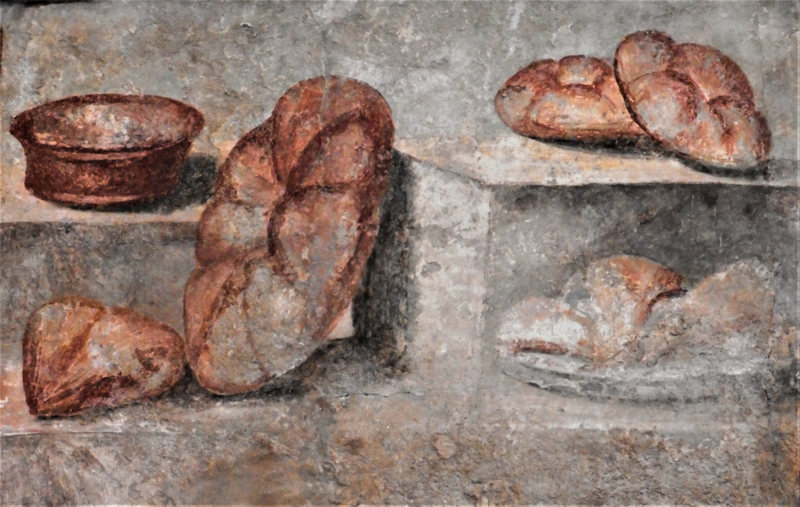
What Did Romans Eat? A Complete Guide to the Ancient Roman Diet
The Roman diet was surprisingly varied and depended heavily on a person’s wealth, location, social status, and access to different foods. There was no single
Ancient Roman Salaries: Monthly Pay for Different Jobs in Rome Compared to Modern Money
1. Unskilled Laborer in Ancient Rome Roman laborers performed essential construction and manual work throughout ancient Rome Approximate pay: 1 denarius per dayMonthly pay: ~25
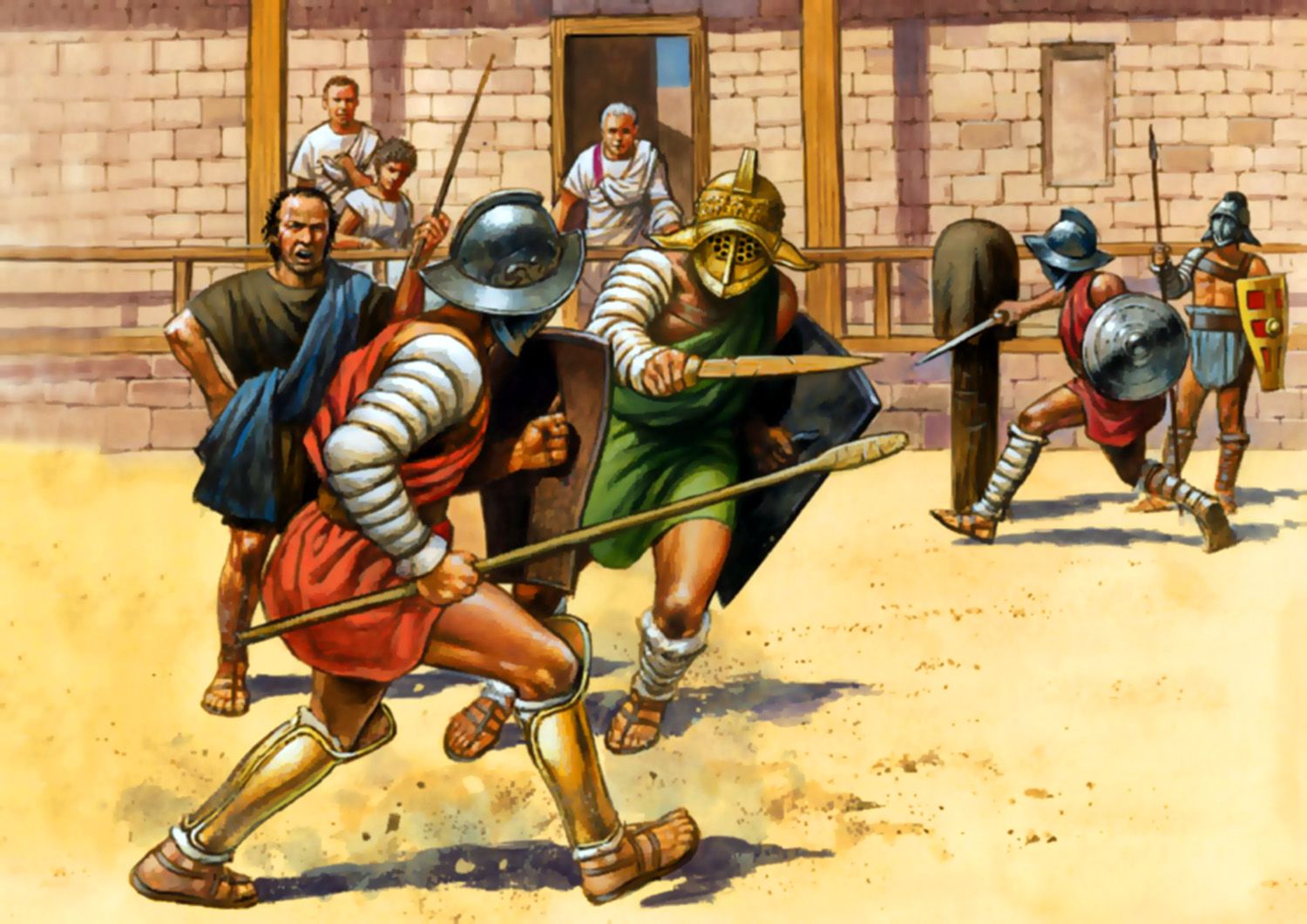
What Roman Gladiators Really Ate: Diet, Training, and Life in the Arena
Roman gladiators are often imagined as brutal fighters sustained by raw meat and wine, yet archaeological and literary evidence reveals a far more structured and
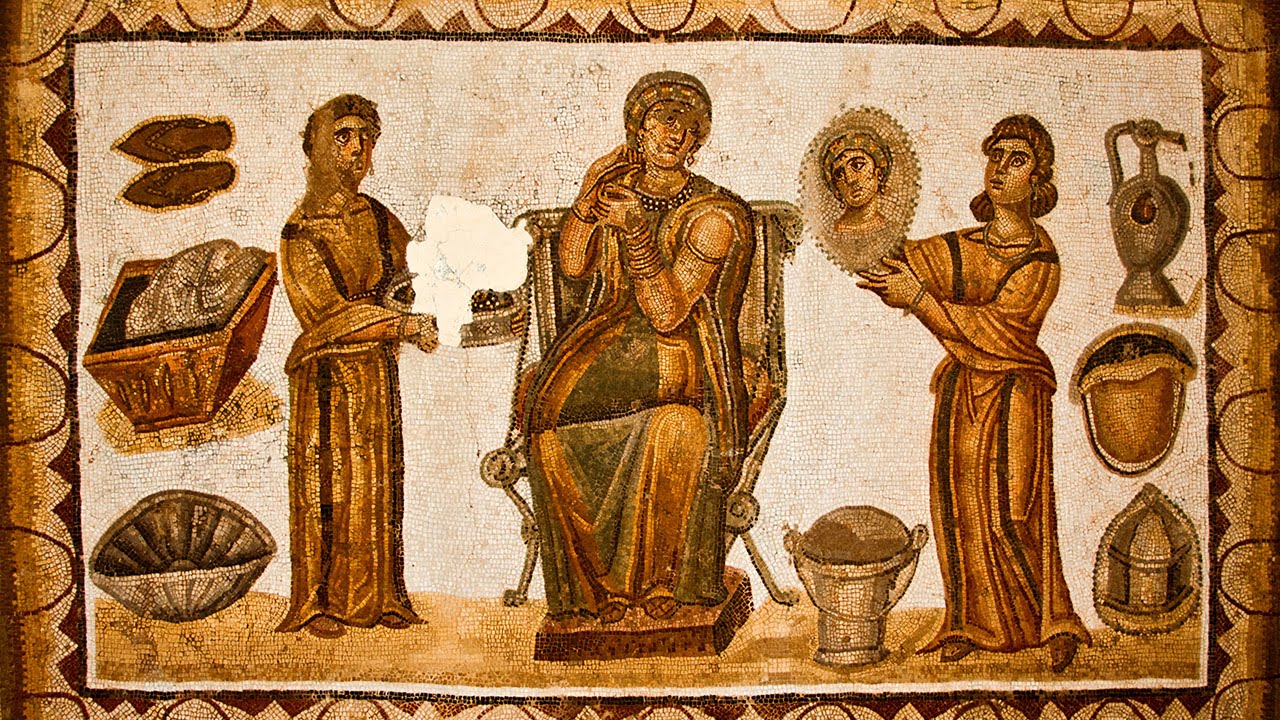
Marriage in Ancient Rome: Love, Duty, and Power
Marriage in Ancient Rome was not just a personal decision—it was a political tool, a social expectation, and a religious ceremony. Far from being just

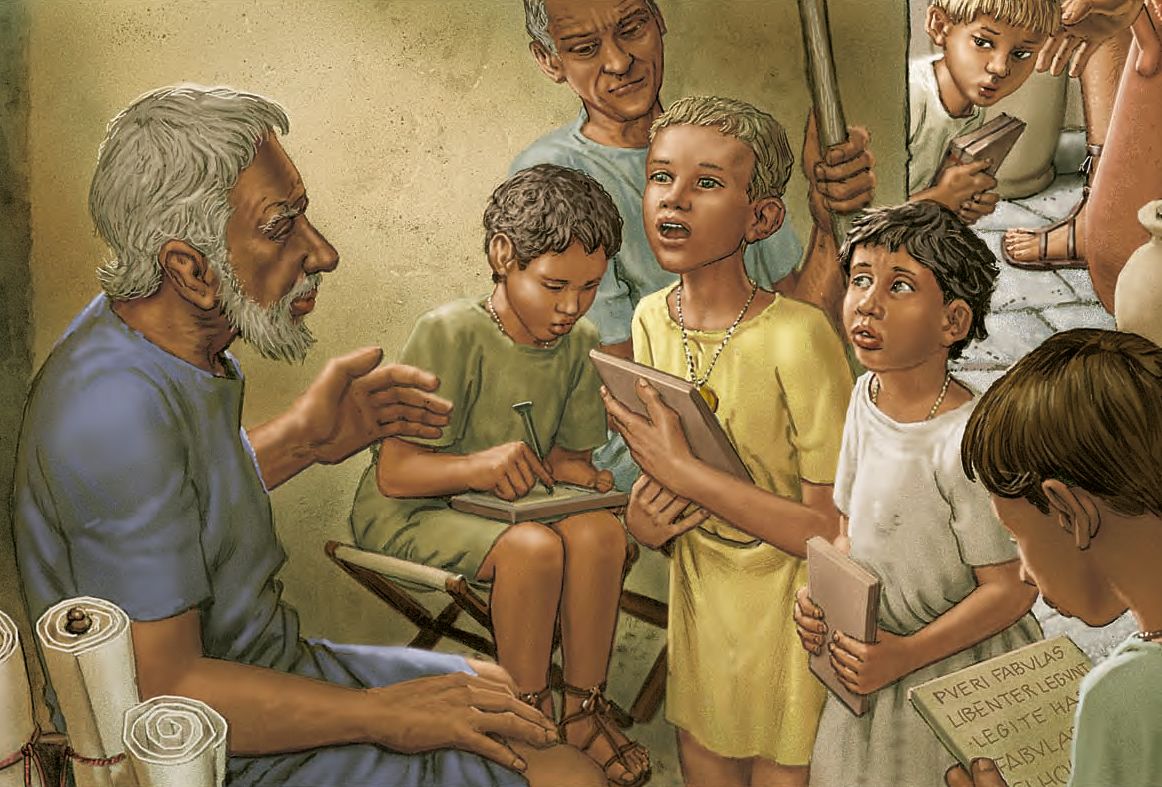
Daily Life of a Roman Child: Growing Up in Ancient Rome
When we think of Ancient Rome, we often picture generals, emperors, and senators—but what about the children? What was it like to grow up in