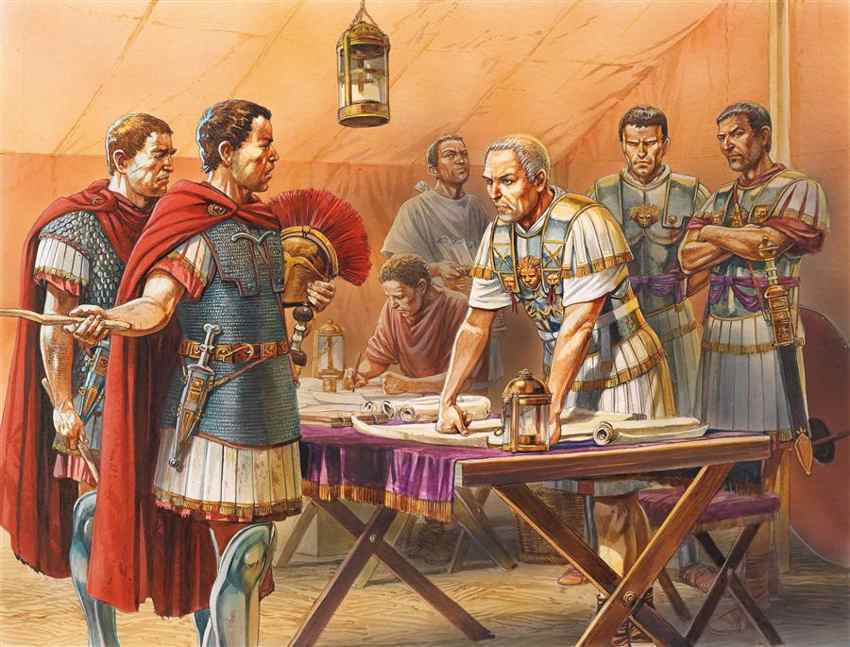
Roman armies conquered vast territories separated by major rivers, mountain ranges, forests, and difficult terrain. Moving thousands of soldiers across these obstacles required careful planning, engineering, and logistics. Roman commanders could not simply march wherever they wanted; they had to find practical routes and develop ways to move both troops and supplies safely.
Rivers were major obstacles during military campaigns. Depending on the size and depth of a river, Roman armies could use existing bridges, boats, ferries, rafts, or temporary military bridges. Roman engineers were particularly skilled at constructing crossings when an army needed to move quickly. In some campaigns, building a bridge was itself an important demonstration of Roman military power.
Mountains created different problems. Steep slopes, narrow passes, unstable ground, and harsh weather could slow an army considerably. Roman soldiers and engineers improved existing paths and constructed roads that allowed troops, animals, wagons, and supplies to move through difficult landscapes. Mountain passes could also become strategically important because controlling them allowed armies to control movement between regions.
The challenge was not simply getting soldiers across an obstacle. A Roman army also needed to transport food, weapons, tools, animals, tents, and construction equipment. A route that worked for infantry might be difficult for heavily loaded wagons, making logistics a major part of military planning.
Roman methods for crossing rivers and mountains therefore combined engineering, reconnaissance, road building, temporary construction, and careful route selection. These techniques helped Roman armies operate across some of the most challenging landscapes in Europe, North Africa, and the Near East.
1. How Did Roman Armies Cross Large Rivers?
Large rivers could become major obstacles for Roman armies, especially when a campaign required thousands of soldiers and large amounts of equipment to reach the opposite bank. Roman commanders had several methods available, depending on the width, depth, current, and strategic importance of the river.
The simplest option was to use an existing bridge or ferry crossing. If a suitable bridge already existed, an army could cross using an established route. Ferries and boats could also transport soldiers, animals, equipment, and supplies across narrower sections of a river. When possible, commanders preferred locations where the river was naturally easier to cross.
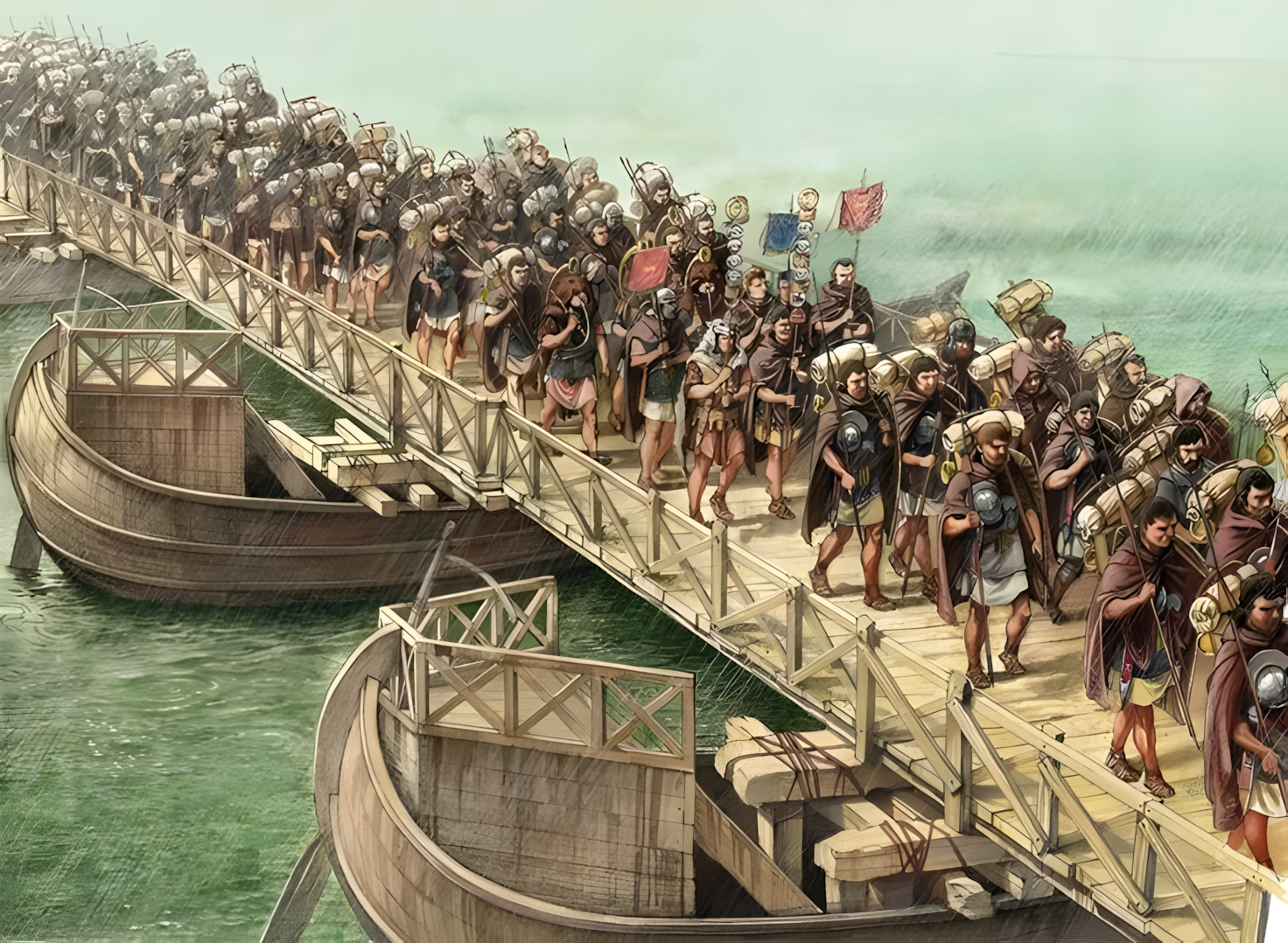
When no suitable crossing existed, Roman engineers could construct a temporary military bridge. Timber was especially useful because it could be obtained locally and assembled relatively quickly. Soldiers and engineers could drive wooden supports into the riverbed and build a roadway across them.
One famous example is Julius Caesar’s bridge over the Rhine in 55 BC. Caesar’s army needed to cross the Rhine during his campaign in Gaul. Instead of relying on boats alone, Roman engineers constructed a substantial timber bridge. The project demonstrated how Roman armies could use engineering as a military tool, allowing a large force to cross a major river together while carrying much of its equipment.
Roman armies could also use pontoon bridges. These consisted of floating platforms or boats connected together to support a temporary roadway. Pontoon systems were useful because they could be assembled relatively quickly and removed after the army had crossed.
River crossings also required careful logistical planning. Soldiers had to cross with shields, weapons, armor, and other equipment, while armies also needed to move horses, pack animals, wagons, food, and construction materials. A poorly organized crossing could create congestion and leave parts of the army separated from the main force.
Commanders therefore looked for suitable locations where the river was easier to cross. Shallow sections, narrower points, stable riverbanks, and nearby roads could all influence the choice of crossing site. Scouts and local knowledge could help commanders identify practical crossing points before the main army arrived.
Roman river crossings demonstrate that military success depended on more than battlefield fighting. Engineering, planning, and organization allowed Roman armies to overcome natural barriers and continue campaigns across unfamiliar territories.
5 Key Ideas
- Romans used bridges, ferries, boats, and rafts to cross rivers.
- Engineers could construct temporary timber bridges for military campaigns.
- Pontoon bridges provided another method for crossing major waterways.
- River crossings required careful logistical organization and route selection.
- Julius Caesar’s Rhine bridge demonstrates the importance of Roman military engineering.
2. How Did Roman Armies Cross Mountain Passes?
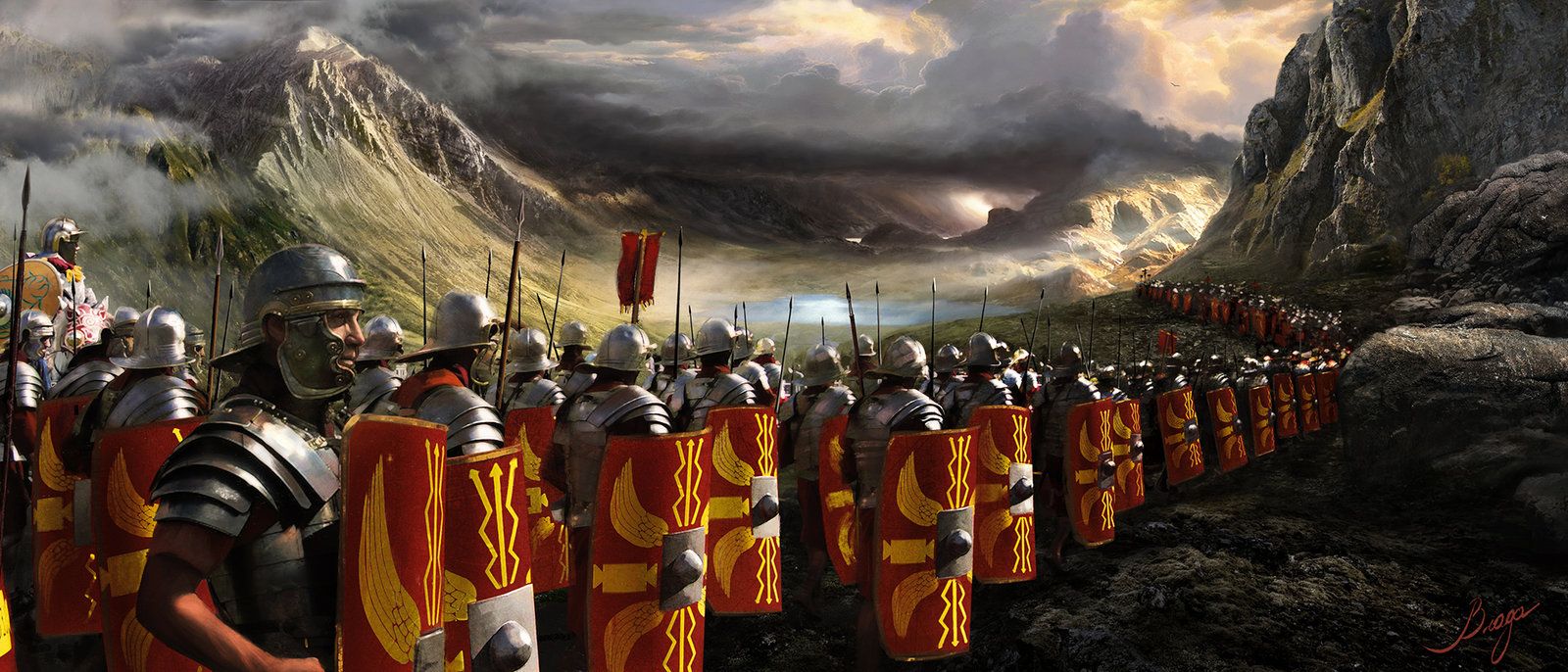
Mountains presented some of the most difficult terrain for Roman armies. Steep slopes, narrow passes, rocky ground, forests, and unpredictable weather could slow an army and make it difficult to transport supplies. Roman commanders therefore had to carefully study the landscape and find practical routes through or around mountain ranges rather than simply marching directly over the highest peaks.
One of the most important features was the mountain pass. A pass provided a natural route through elevated terrain and could allow an army to move between valleys or regions without climbing the highest parts of the mountains. Controlling these routes was also strategically valuable because an army could use them to enter enemy territory, protect important settlements, or maintain communication between different parts of a campaign.
Roman armies relied heavily on roads and improved paths. Roman engineers could widen existing routes, stabilize difficult sections, construct retaining walls, and build bridges across streams and ravines. In particularly challenging areas, roads might be cut into hillsides or carefully constructed along slopes. Engineers had to consider the gradient because extremely steep roads would be difficult for soldiers, animals, and supply wagons to use.
The movement of animals and equipment was particularly challenging. A Roman army depended on pack animals, horses, and sometimes wagons to transport food, weapons, tents, tools, and construction materials. A narrow mountain path might be manageable for infantry but extremely difficult for heavily loaded vehicles. Commanders therefore had to consider the needs of the entire army when choosing a route.
Roman soldiers could also be required to perform construction work during campaigns. They might clear obstacles, repair roads, construct bridges, or improve existing paths. These efforts helped the army continue its advance while sometimes creating routes that remained useful after the campaign. Military infrastructure could later support Roman forts, settlements, trade, and communication.
Weather could make mountain campaigns even more difficult. Heavy rain, snow, cold temperatures, landslides, and flooding could damage roads or make movement extremely slow. Campaign timing was therefore important. A commander who entered a mountainous region during unfavorable weather could face serious logistical problems.
Mountains could also provide strong defensive advantages to local populations. An army moving through a narrow pass had less room to maneuver, while defenders familiar with the landscape could use high ground and difficult terrain to their advantage. Roman commanders therefore depended on reconnaissance and local information before moving large forces through unfamiliar regions.
Roman armies did not always need to cross a mountain range by the shortest possible route. They could search for valleys, passes, existing roads, and easier slopes that allowed the army to maintain its formation and supplies. This could make a longer route more practical than attempting a direct crossing.
The ability to move through mountain regions helped Rome campaign in areas such as the Alps, Balkans, Iberia, and Asia Minor, where difficult terrain was an unavoidable part of military operations.
Ultimately, crossing mountains required a combination of engineering, reconnaissance, logistics, and careful route planning. Roman military mobility depended not only on the strength of its soldiers but also on the ability to understand and adapt to the landscape.
5 Key Ideas
- Mountain passes provided important natural routes through difficult terrain.
- Roman engineers improved roads, paths, bridges, and slopes to support military movement.
- Moving animals, wagons, weapons, and supplies was a major challenge in mountainous areas.
- Weather and geography could significantly affect the speed and success of a campaign.
- Roman armies combined engineering, reconnaissance, logistics, and route planning to cross mountain regions.
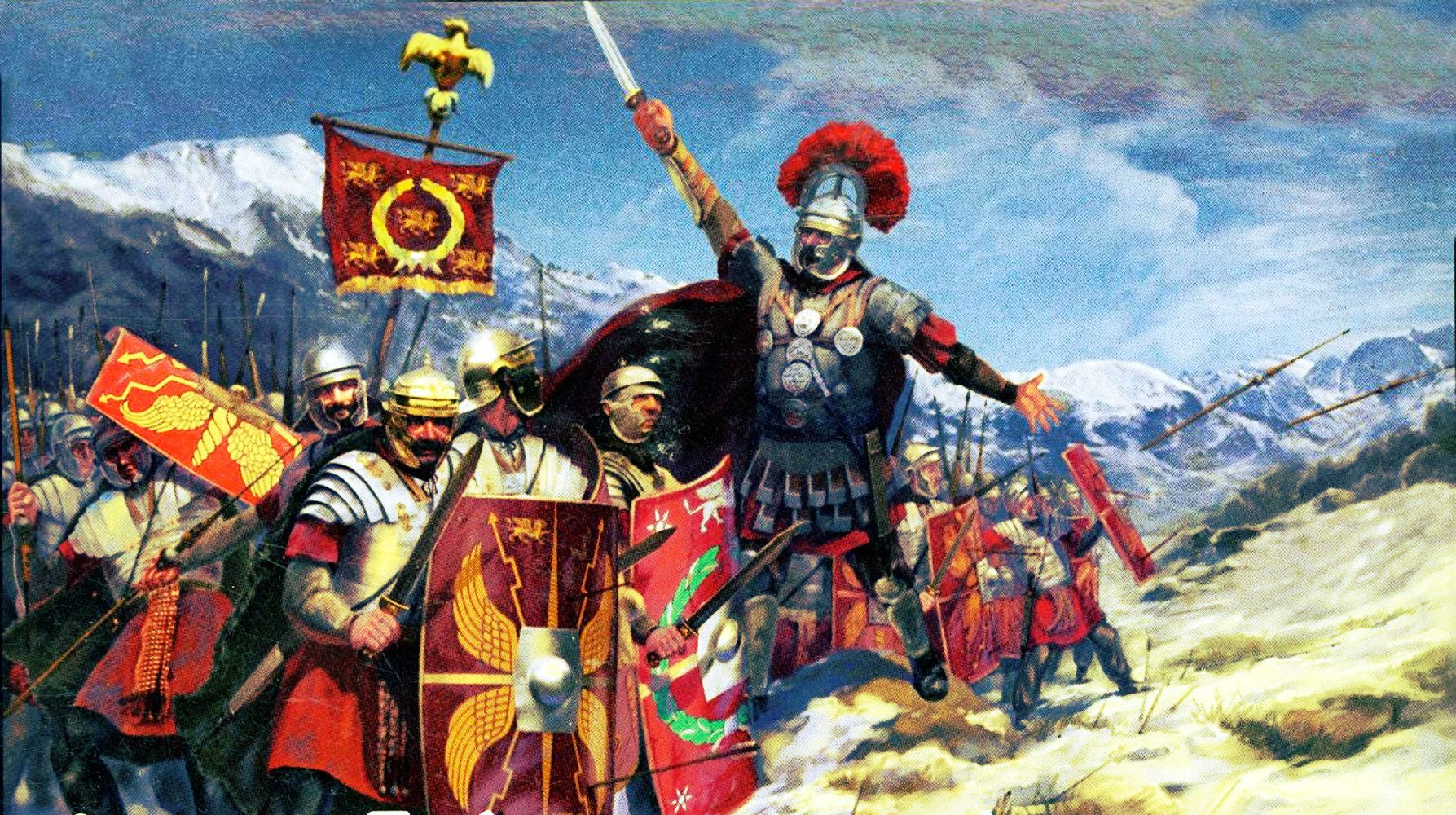
3. How Did Roman Engineers Build Temporary Bridges?
Roman armies often needed to cross rivers quickly, especially when a campaign could not wait for a permanent bridge to be constructed. This made temporary military bridges an important part of Roman engineering. Soldiers and engineers could construct crossings using timber, boats, ropes, and other available materials, allowing large forces to move across waterways while maintaining their supplies and equipment.
The first step was choosing a suitable crossing location. Engineers needed to consider the river’s width, depth, current, riverbed, and banks. A location with relatively stable ground was preferable because the bridge needed strong foundations. Commanders also had to consider whether the opposite bank was secure enough for the army to assemble after crossing.
Timber was one of the most useful materials. Roman armies often operated in regions with forests, allowing engineers to obtain large quantities of wood locally. Wooden supports could be placed into the riverbed and connected to horizontal beams that supported a roadway.
The bridge had to be strong enough to carry not only soldiers but also animals, wagons, weapons, and supplies. This meant engineers had to think about the weight and movement of the entire army. A bridge that could support a few soldiers might not be suitable for thousands of troops and heavy equipment.
One of the most famous examples is Julius Caesar’s Rhine bridge, constructed during his campaign in Gaul in 55 BC. Caesar’s engineers built a substantial timber bridge across the Rhine, allowing the Roman army to cross the river as an organized force. The construction demonstrated the Romans’ ability to combine military manpower with engineering expertise.
Roman armies could also use pontoon bridges, which relied on floating platforms or boats. These could be positioned across a river and connected to create a temporary roadway. Pontoon systems were particularly useful when constructing supports directly in the river was difficult.
Building a bridge could also serve a strategic purpose beyond simply crossing a river. A temporary bridge allowed an army to maintain a supply route and could make it easier to retreat or return across the same river. In some campaigns, demonstrating the ability to cross a major river could also send a message about Roman military capability.
The construction process required considerable organization and discipline. Engineers needed materials, tools, workers, and protection while the bridge was being built. Soldiers could assist with cutting timber, transporting materials, and constructing the structure.
Once the army had crossed, a temporary bridge might be dismantled if it was no longer required. Alternatively, it could be maintained if the crossing remained strategically important.
Temporary bridges therefore demonstrate how Roman armies combined engineering and military organization. A major river did not necessarily have to stop a Roman campaign; with sufficient planning and resources, Roman forces could create their own route across it.
5 Key Ideas
- Roman engineers selected suitable crossing points before constructing bridges.
- Timber was one of the most important materials for temporary military bridges.
- Bridges had to support soldiers, animals, wagons, and supplies.
- Julius Caesar’s Rhine bridge is a famous example of Roman military engineering.
- Temporary bridges helped Roman armies maintain mobility and supply routes during campaigns.
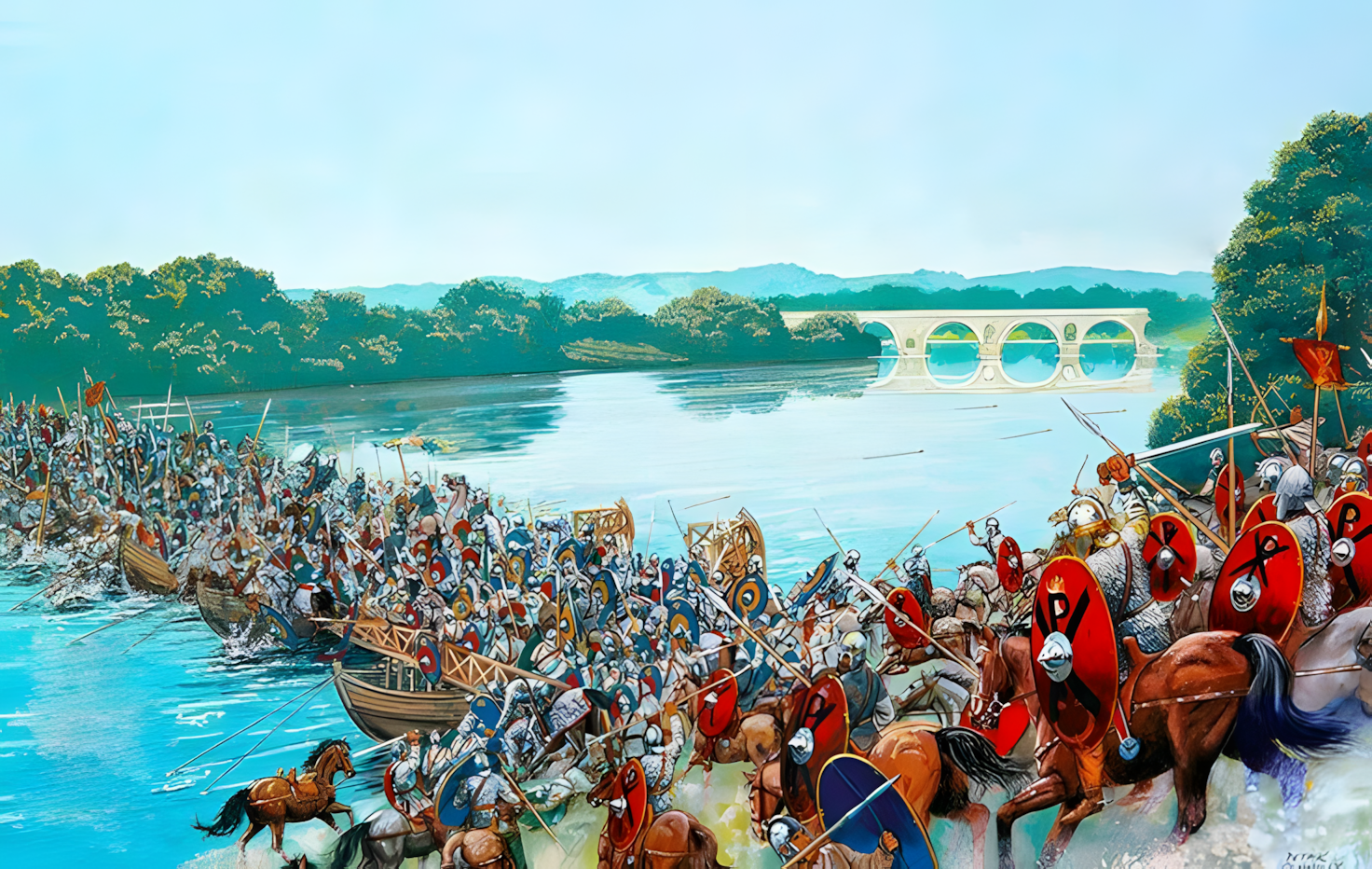
4. How Did Roman Armies Move Through Difficult Terrain?
Roman armies frequently operated in landscapes that were difficult to cross, including forests, marshes, rocky valleys, deserts, and steep hills. These environments could slow an army, damage equipment, and make it harder to maintain communication between different units. Roman commanders therefore had to adapt their movement methods to the conditions they encountered.
One of the most important tools was reconnaissance. Scouts could move ahead of the main army to identify suitable routes, water sources, difficult ground, and possible threats. Knowing what lay ahead allowed commanders to choose routes that were practical for both soldiers and the army’s supply system.
Roman soldiers could also modify the landscape. When paths were blocked by vegetation or other obstacles, troops could clear routes and improve existing paths. Engineers could construct bridges over streams, stabilize muddy ground, or create temporary crossings where necessary.
In forests, movement could be particularly slow. Dense vegetation made it difficult for large formations to maintain their normal organization. Roman armies could therefore use existing tracks when available or clear wider routes for troops and equipment.
Marshes and wetlands presented another serious problem. Heavy equipment and wagons could become stuck in soft ground. Armies sometimes searched for firmer routes around these areas rather than attempting a direct crossing. Where necessary, engineers could improve sections of a route using timber or other materials.
In rocky and hilly regions, armies had to deal with steep gradients and uneven ground. Pack animals could struggle with heavy loads, while wagons required relatively stable surfaces. Commanders therefore had to balance speed with the practical needs of the entire army.
Water was another major concern. Soldiers marching through unfamiliar territory needed reliable access to drinking water for people and animals. A route that appeared shorter could become dangerous if there were few water sources. Roman commanders therefore had to consider geography and supply together.
The army’s marching organization also mattered. Roman forces did not consist only of infantry. Cavalry, pack animals, wagons, engineers, officers, and other support personnel all had to move together. Keeping these different groups organized across difficult terrain required discipline and careful planning.
Roman roads became increasingly important as the empire expanded. Once a region was brought under Roman control, roads could make future military movement much easier. A route initially improved for an army could later become part of the wider infrastructure connecting forts, towns, ports, and settlements.
Difficult terrain could also work in favor of Roman forces. Controlling important passes, valleys, bridges, or roads could provide strategic advantages and help Rome maintain authority over distant territories.
Roman armies were therefore not simply powerful because of their weapons and soldiers. Their ability to adapt to different environments was an important part of Roman military effectiveness. Through reconnaissance, engineering, logistics, and disciplined movement, Roman armies could operate across remarkably varied landscapes.
5 Key Ideas
- Reconnaissance helped Roman armies find practical routes through difficult terrain.
- Soldiers and engineers could clear and improve paths during campaigns.
- Forests, marshes, hills, and rocky ground required different approaches.
- Access to water and supplies was essential when planning routes.
- Roman military movement depended on organization, engineering, logistics, and adaptation.
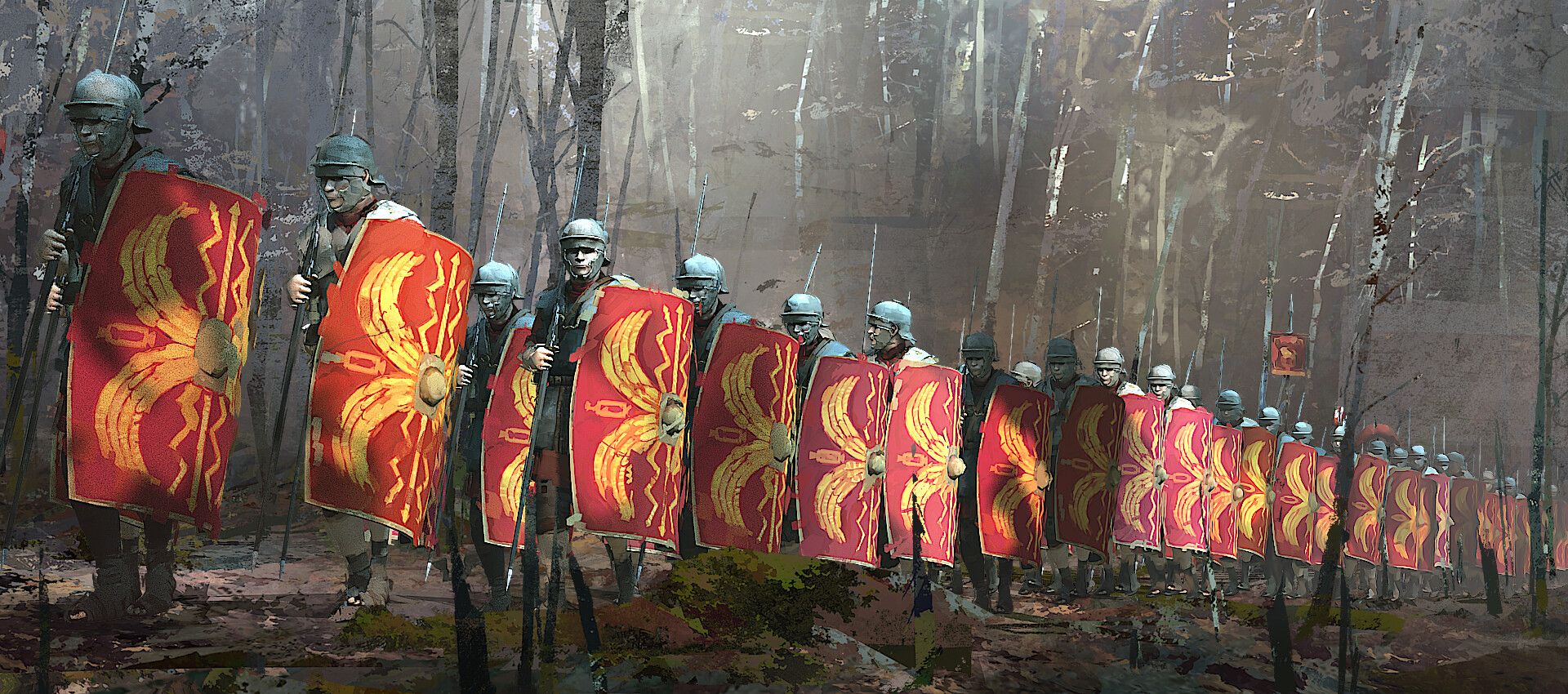
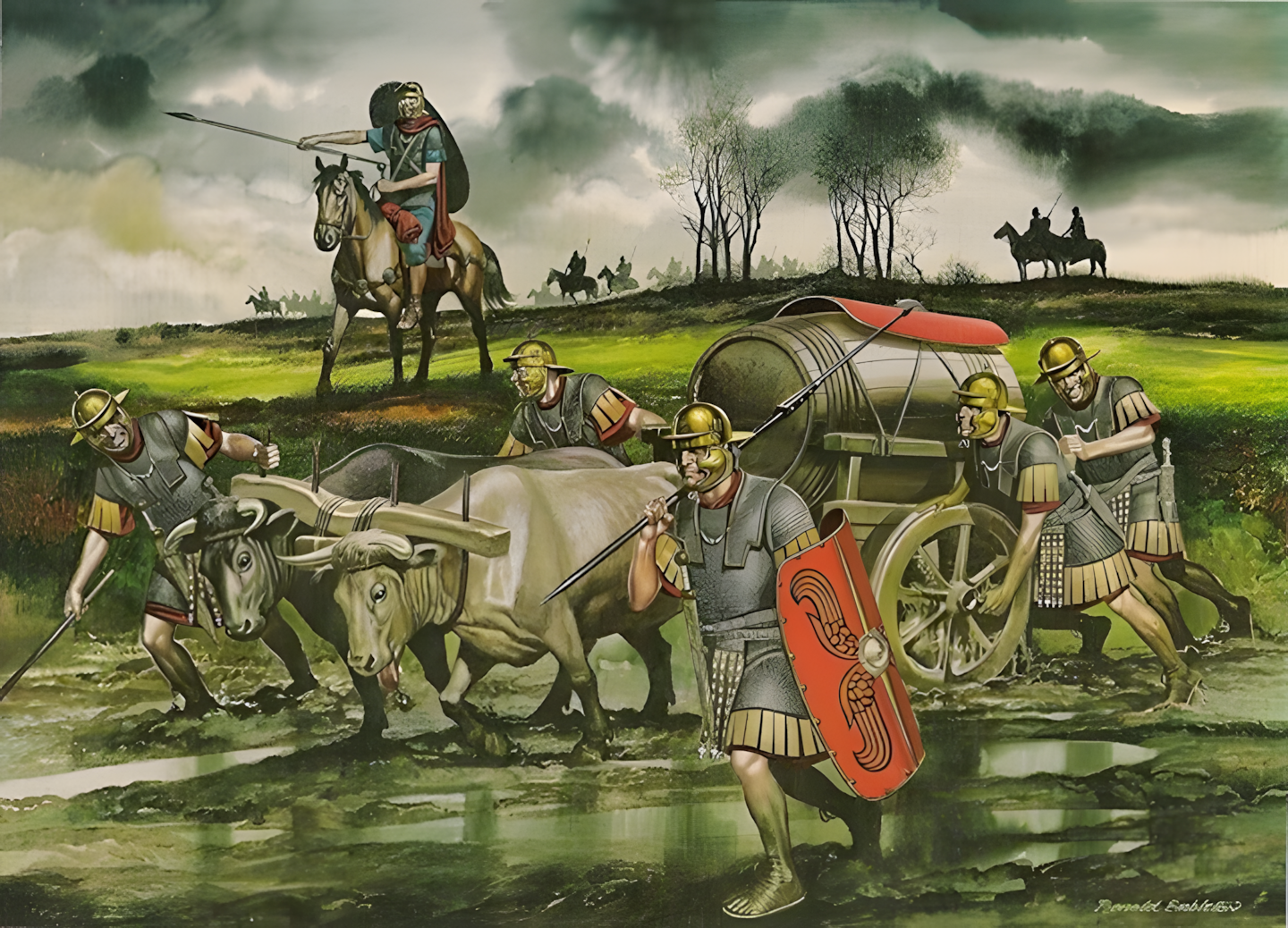
5. How Did Roman Armies Transport Supplies Across Rivers and Mountains?
Moving an army across a river or mountain range was only one part of the problem. Roman commanders also had to move food, weapons, armor, tools, tents, animals, construction materials, and other supplies. A Roman army could contain thousands of people, and all of them depended on a continuous supply system. If supplies could not keep up with the army, even a successful military advance could eventually come to a halt.
One of the most important parts of the Roman army’s logistical system was the baggage train. This included animals, carts, wagons, and personnel responsible for transporting equipment. Soldiers themselves carried some of their belongings, but heavier or larger supplies required additional transport.
Pack animals, especially mules, were extremely useful. They could carry loads along narrow paths and uneven ground where wheeled vehicles were difficult to use. This made them particularly valuable when Roman armies moved through mountainous regions. Horses were also important for cavalry and other military purposes, although they required their own food and water.
Wagons could transport much larger loads than individual animals, but they needed a reasonably stable route. On a good Roman road, wagons could carry substantial quantities of food, weapons, timber, tools, and other equipment. In steep mountain regions, however, narrow paths and sharp slopes could make wheeled transport difficult or impossible.
Rivers created another major logistical challenge. When a Roman army reached a large river, commanders needed to transport not only soldiers but also the entire supply train. Boats and ferries could carry equipment across the water, but this could take considerable time if the army was large.
A temporary bridge could make the process much easier. Roman engineers could construct timber bridges or pontoon crossings that allowed soldiers, animals, and wagons to cross in a more organized manner. The bridge needed to be strong enough to support heavy loads, so engineers had to carefully consider its construction.
Roman armies could also divide their supplies between different forms of transportation. Some equipment might travel by wagon, while other materials were carried by pack animals. This flexibility allowed commanders to adapt their supply system to different landscapes.
Mountainous terrain required particularly careful planning. A route that looked relatively short on a map might take much longer because of steep gradients, narrow passes, rocky ground, or difficult weather. Roman commanders therefore had to consider whether the entire supply train could actually follow the army.
Pack animals could be more practical than wagons in these environments. A mule could travel along a narrow mountain path while carrying a load, whereas a wagon might become stuck or require a much wider route. This meant that the type of transportation used by the army could change depending on the terrain.
Roads were therefore essential to Roman military logistics. When Roman engineers constructed or improved a road, they were not simply making it easier for soldiers to march. They were creating a route through which food, equipment, reinforcements, and other supplies could reach military forces.
Roman forts were also important parts of this network. Forts could act as storage and supply points, allowing armies to maintain resources at strategic locations. A network of roads connecting forts and settlements made it easier to move supplies over long distances.
Temporary camps provided another important part of the system. Roman armies frequently established organized camps during marches and campaigns. These camps gave soldiers a controlled place to rest while also providing an opportunity to organize their equipment and supplies.
Food was one of the most important logistical concerns. Soldiers needed regular supplies of grain and other food, while animals also required feed and water. A large army could consume enormous quantities of resources, meaning that commanders had to plan ahead before moving into areas where supplies were difficult to obtain.
Water was especially important in difficult terrain. An army traveling through mountains needed access to reliable water sources, while campaigns through dry regions created even greater logistical challenges. Commanders and scouts therefore had to consider rivers, springs, wells, and other water sources when planning routes.
Roman armies could sometimes obtain resources from the surrounding territory, but this was not always reliable. A region might have limited food supplies, or local populations might resist providing resources. Armies operating in hostile territory therefore needed stronger logistical planning than forces moving through friendly or well-developed areas.
The Romans also benefited from the infrastructure of territories they already controlled. Roads, towns, ports, warehouses, and military forts could all contribute to the movement of supplies. As Rome expanded, these networks helped connect distant military zones with the wider empire.
However, difficult terrain could still create serious problems. A mountain road might be damaged by heavy rain, snow, landslides, or flooding. A river crossing could become more difficult if water levels rose. Such problems could delay supplies even when the army itself was ready to move.
This meant that Roman commanders had to balance speed and security. Advancing too quickly could leave the supply train behind, while moving too slowly could give an enemy more time to prepare. Successful commanders therefore had to coordinate the movement of soldiers and supplies rather than treating them as separate problems.
The ability to keep supplies moving was one of the reasons Roman armies could operate far from Italy. Military engineering and logistics worked together. Roads helped wagons travel, bridges allowed rivers to be crossed, pack animals carried supplies through mountains, and forts provided places to store resources.
Roman military power was therefore not based only on weapons, discipline, or battlefield tactics. Behind every marching army was a complicated system of transport, storage, roads, animals, engineers, and supplies. Without that system, Roman armies would have struggled to maintain long campaigns across the enormous and varied landscapes of the Roman world.
5 Key Ideas
- Roman armies depended on baggage trains to move food, equipment, weapons, and other supplies.
- Mules and pack animals were especially useful when armies crossed mountains and narrow routes.
- Bridges, boats, and ferries allowed heavy equipment and supplies to cross major rivers.
- Roads, forts, camps, and supply depots created the infrastructure needed to support long campaigns.
- Roman military mobility depended on a combination of engineering, transportation, logistics, and careful planning.
6. How Did Roman Armies Cross Deserts and Harsh Landscapes?
Roman armies sometimes had to operate in environments that were very different from the fertile Mediterranean landscapes where many Roman campaigns took place. Deserts, dry plains, rocky plateaus, and other harsh environments created serious problems for soldiers and commanders. The main challenge was often not the enemy but the difficulty of keeping a large army supplied with enough water, food, and transportation.
One of the greatest obstacles was water. In a desert or extremely dry region, an army could not simply assume that water would be available along the route. Thousands of soldiers and large numbers of animals required substantial quantities of water every day. Commanders therefore had to identify reliable sources before moving their forces into particularly dry territory.
Wells, springs, rivers, and cisterns could become strategically important. Existing settlements were valuable because they might provide access to water and food. Roman forces could also establish or use military stations along important routes, creating points where soldiers and supplies could be supported.
Roman reconnaissance was therefore extremely important. Scouts and local guides could provide information about the landscape, water sources, roads, settlements, and possible routes. Local knowledge could be especially valuable in environments where landmarks were limited and routes were difficult to identify.
The Roman army also had to transport water and other supplies when natural sources were too far apart. Pack animals were particularly useful because they could carry loads across terrain where wagons were difficult to use. Water containers and other equipment allowed armies to transport at least part of the resources they needed.
In some regions of the Roman world, camels were also used for transportation, particularly in eastern and North African environments where they were well suited to dry conditions. Their use varied depending on the region and period, but they could provide useful transportation in areas where other animals and wheeled vehicles were less practical.
Food created another challenge. Agricultural regions could provide grain and other resources, but desert environments generally offered far fewer opportunities for local supply. This meant Roman commanders had to think carefully about where food would come from before beginning a long movement through dry territory.
Roman armies could sometimes follow established roads or desert routes connecting settlements and military stations. These routes were extremely valuable because they provided predictable paths through difficult landscapes. Roads did not eliminate the problems of the environment, but they could make movement and resupply more manageable.
Roman forts and military stations were also important in dry regions. A fort positioned near a water source or major route could serve as a defensive position while also supporting movement through the surrounding territory. A network of such installations could help connect different parts of a frontier.
The landscape itself affected the speed of an army. Sand, loose gravel, rocks, steep slopes, and extreme heat could slow soldiers and animals. Wheeled vehicles might have difficulty crossing some surfaces, while pack animals could often move more easily through narrow or uneven routes.
Heat was another major problem. Soldiers carrying armor, shields, weapons, and equipment could become exhausted more quickly in very hot conditions. Commanders therefore had to consider the physical demands placed on their troops and animals when planning long movements.
Navigation could also become difficult. In areas with few obvious landmarks, an army needed experienced guides and careful route planning. Knowing where the next water source was located could be just as important as knowing the direction of the enemy.
Roman armies did not always attempt to cross the most extreme parts of a desert directly. Instead, commanders could use desert margins, established routes, river valleys, settlements, and chains of water sources when these offered a more practical path. Choosing a longer route with reliable supplies could be more useful than taking a shorter route with no dependable water.
This illustrates an important feature of Roman military planning: the shortest route was not always the best route. A commander had to consider whether soldiers, animals, wagons, and supplies could actually survive and move along it.
Harsh landscapes also affected military communication. If an army became spread out because of difficult terrain, maintaining contact between different units could become harder. Commanders therefore needed organized marching arrangements and reliable ways of communicating across the force.
Roman engineering could help in some environments as well. Roads, wells, cisterns, bridges, and fortified stations could gradually make difficult regions more accessible. These projects required significant investment, but they could support long-term military control rather than merely helping one campaign.
The Roman military presence in desert regions was therefore connected to infrastructure. A single army could travel through a harsh landscape, but maintaining a permanent frontier required something more substantial. Road networks, forts, water installations, and supply systems allowed Roman forces to operate in difficult regions for longer periods.
Campaigning in harsh landscapes also required flexibility. A method that worked in a Mediterranean valley might not work in a dry desert or rocky plateau. Roman commanders had to adapt their transportation, route selection, supply arrangements, and military organization to local conditions.
Ultimately, Roman armies crossed deserts and other harsh landscapes through a combination of planning, reconnaissance, water management, transportation, infrastructure, and local knowledge. Their success depended not on overcoming the environment through one simple technique, but on organizing an entire system around the challenges presented by the landscape.
5 Key Ideas
- Water was the most important resource when Roman armies operated in extremely dry environments.
- Wells, springs, rivers, and cisterns helped armies plan reliable routes through harsh landscapes.
- Pack animals and, in some regions, camels helped transport supplies where wagons were difficult to use.
- Roads, forts, and military stations made long-term movement and control of dry regions more practical.
- Roman commanders relied on reconnaissance, local knowledge, route planning, and logistics to move armies through difficult environments.
7. How Did Roman Armies Adapt Their Routes to Difficult Landscapes?
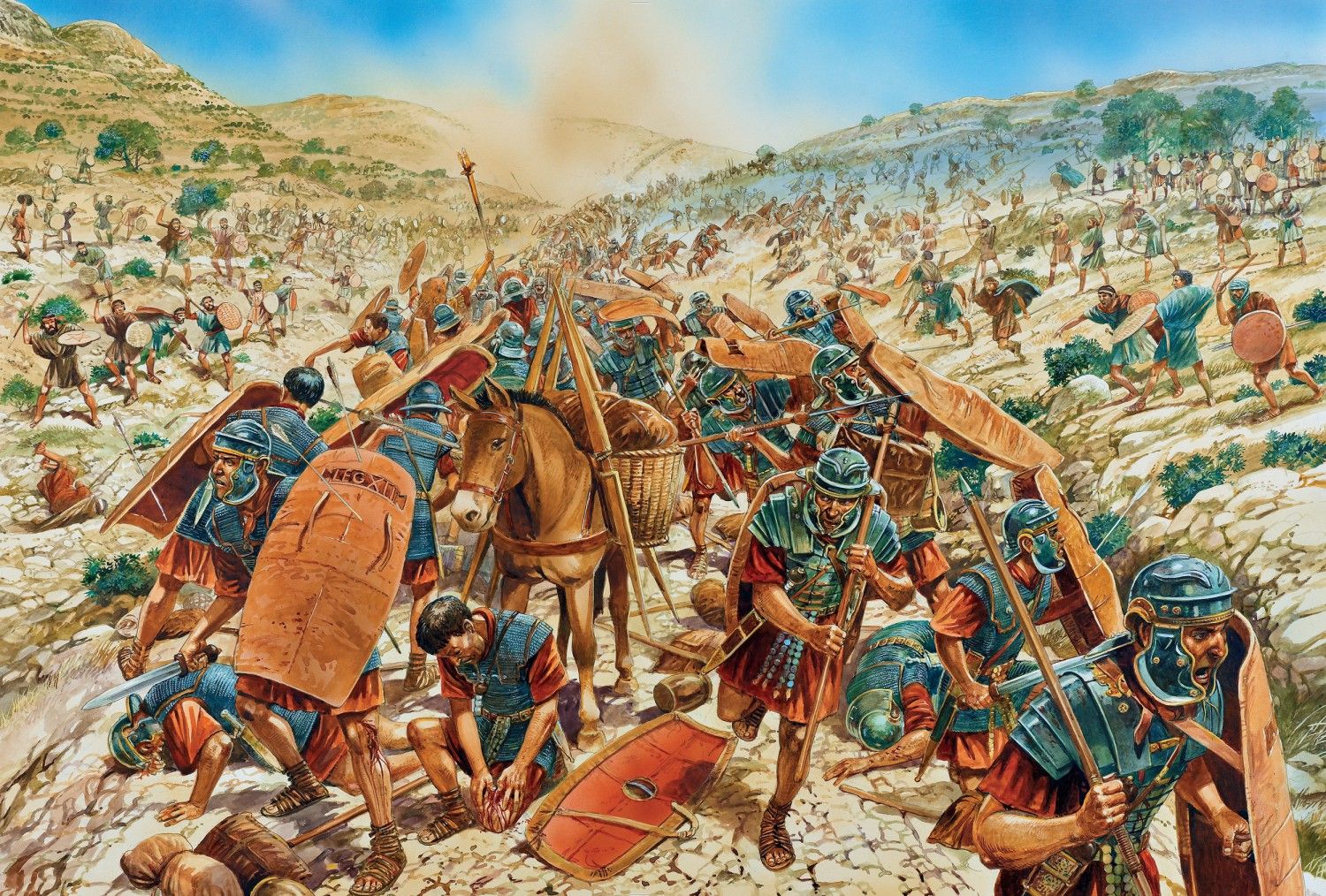
Roman armies could not always follow straight routes when moving through mountains, forests, rivers, deserts, or other difficult environments. Instead, commanders had to adapt their routes to the landscape. The most practical route was often one that allowed soldiers, animals, wagons, and supplies to move safely and consistently, even if it was longer than a direct path.
Before an army began a major movement, reconnaissance was essential. Scouts and other advance parties could examine roads, rivers, mountain passes, settlements, and possible obstacles. Their information helped commanders decide which routes could support the entire army.
A route suitable for a small group of soldiers might not work for a complete Roman army. Thousands of troops could be accompanied by animals, carts, weapons, food, tents, construction tools, and other equipment. Commanders therefore had to think about the needs of the whole force rather than simply finding a path through the landscape.
Mountains were particularly challenging. Roman armies often preferred valleys and established mountain passes because these offered more manageable routes than attempting to cross the highest and steepest terrain. However, a pass could also be narrow and vulnerable to enemy activity, so commanders had to balance convenience with security.
Roman engineers could improve difficult routes. They might clear obstacles, widen paths, stabilize slopes, construct bridges, or build sections of road. These improvements could make a route usable not only for infantry but also for animals and wheeled transport.
Rivers required similar decisions. A commander might choose a narrower section of a river where a crossing was easier, even if reaching that location required a detour. Alternatively, an existing bridge could determine the army’s route.
Existing infrastructure was extremely valuable. Roads, bridges, forts, towns, and settlements could provide both transportation and supplies. Once Rome controlled a region, improving its roads could make future military movements much easier.
Forests created a different set of problems. Dense vegetation could slow marching columns and make it difficult to maintain an organized formation. Roman soldiers could clear sections of forest or follow existing paths, but commanders still had to consider visibility, communication, and the movement of the baggage train.
Marshes and wetlands were also difficult. Soft ground could slow wagons and animals, while flooding could make previously usable routes impassable. Armies therefore needed to identify firmer ground and reliable crossings rather than simply following the shortest route.
In dry regions, the location of water sources could determine an entire march. A longer route connecting several wells, springs, or settlements could be more practical than a shorter route through an area without reliable water.
Weather could force commanders to change their plans as well. Heavy rain, snow, extreme heat, and flooding could transform a route. A road that was easy to use in one season might become dangerous or difficult during another.
Roman commanders also had to consider enemy forces. A mountain pass, bridge, or narrow valley could have enormous strategic importance because whoever controlled it could influence movement through the region. Sometimes an army therefore had to secure a route before using it for the main advance.
This made route selection part of military strategy. Geography was not simply an obstacle that soldiers had to overcome. Rivers, mountains, valleys, roads, and passes could influence where armies fought, where forts were built, and how quickly reinforcements could arrive.
Roman military camps also helped support movement. Temporary camps could be established along a marching route, giving soldiers a secure place to rest and allowing supplies and equipment to be organized. Over longer periods, permanent forts could become important centers within a wider transportation network.
The Romans also adapted their transportation methods to the terrain. Wagons were useful on good roads and relatively open ground, while pack animals were more practical on narrow or mountainous routes. Boats could transport supplies along rivers, while bridges allowed armies to move directly across waterways.
This flexibility helped Roman armies operate across very different parts of the empire. The same army could encounter mountains, rivers, forests, plains, deserts, and marshes during different campaigns. There was no single method that worked everywhere.
Roman military mobility was therefore based on a combination of planning and adaptation. Engineers could modify the landscape, scouts could identify practical routes, soldiers could clear obstacles, and commanders could change their plans when conditions required it.
The larger Roman system also benefited from long-term infrastructure. Roads built for military purposes could later support trade, administration, communication, and civilian travel. A route created or improved for one campaign could therefore remain useful for generations.
Ultimately, Roman armies crossed difficult landscapes not because geography was easy for them, but because they developed systems for working with the terrain. They studied routes, improved roads, built bridges, organized transportation, protected important passes, and maintained supplies.
The ability to adapt movement to different environments was an important part of Roman military organization. Engineering, reconnaissance, logistics, infrastructure, and strategic planning worked together to allow Roman armies to move across enormous distances and maintain military operations far from their bases.
5 Key Ideas
- Roman commanders used reconnaissance to identify practical routes through difficult terrain.
- Valleys, passes, bridges, roads, and water sources often determined the safest routes.
- Roman engineers could clear obstacles, improve paths, stabilize slopes, and construct bridges.
- Transportation changed according to the environment, with wagons, pack animals, and boats used where appropriate.
- Roman military mobility depended on adaptation, engineering, logistics, infrastructure, and strategic planning.